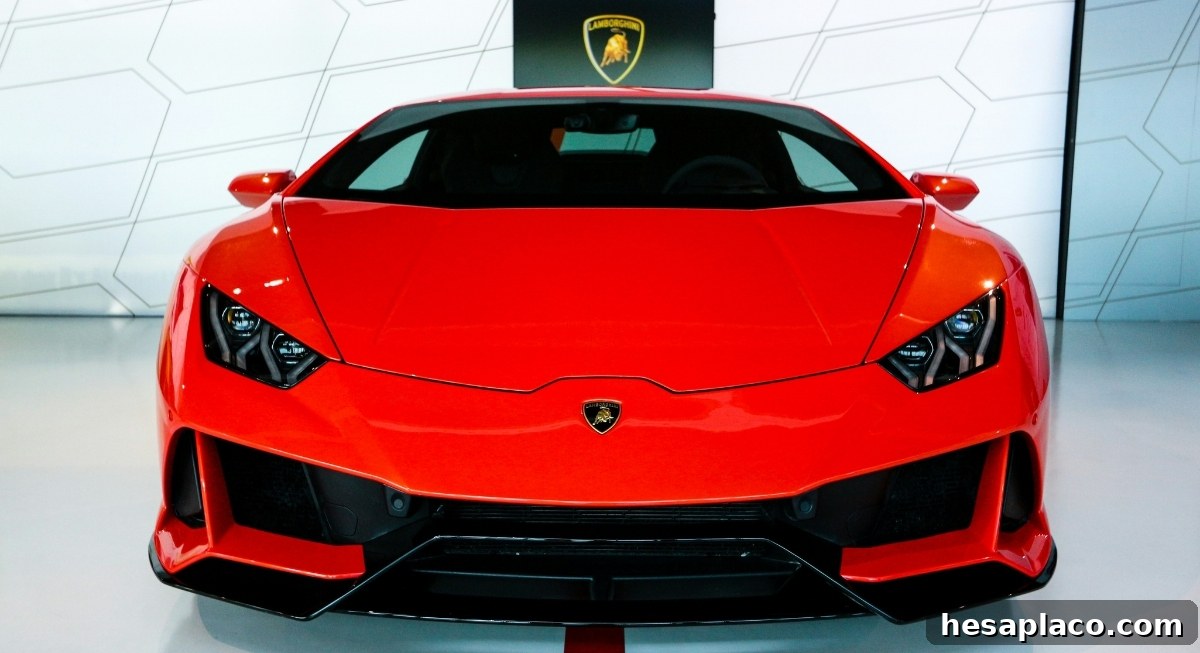
Car names can sound either like entries from a baby-name book or like the result of a long brainstorming session fueled by too much coffee. But in reality these names are rarely chosen on a whim. Behind every model name is a deliberate, methodical process that involves marketers, linguists, legal teams and creative departments. Major automakers invest considerable time and money to determine how a name will resonate with potential buyers. It must align with the car’s image, avoid legal or cultural pitfalls, and ideally work across multiple markets — a task that is often more complex than it appears.
A Mix of Marketing and Meaning
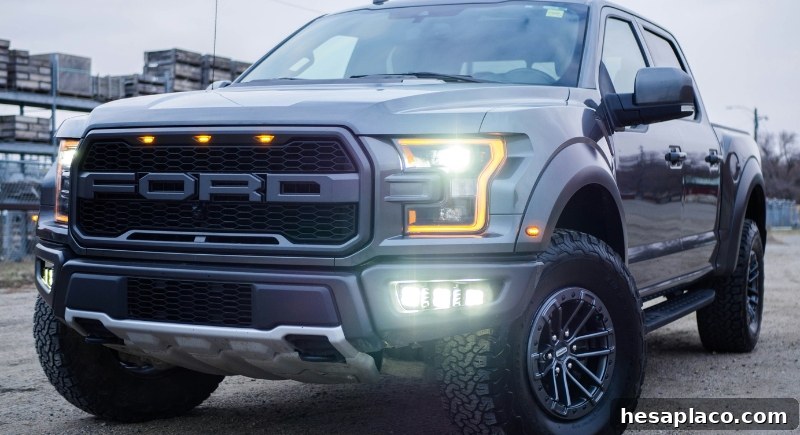
Image via Unsplash/FourFour
The naming process usually begins by generating a long list of possibilities. Some automakers, like Ford, are known to create more than a hundred name options for a single model. Cross-functional teams from design, branding and communications propose ideas, evaluating each option against the vehicle’s appearance, purpose and intended audience. Viable names must honor the brand’s heritage while still feeling contemporary and relevant.
Many manufacturers follow recognizable naming patterns. Ford has favored alliteration with names such as Focus, Fusion, Fiesta and Flex. Hyundai often uses place names like Santa Fe, Tucson and Kona, evoking a sense of destination. Toyota frequently draws on nature or regal imagery: Camry has connotations tied to the Japanese word for crown, and Sequoia references the iconic tree. These thematic choices help reinforce a brand’s identity and make new names easier for consumers to accept.
Not All Names Travel Well
Language and culture make naming especially challenging. A name that sounds elegant in one language can be awkward or even offensive in another. Historical examples include Ford’s struggle to launch the Mustang name in West Germany due to trademark conflicts, which resulted in the car being sold under a different name in that market. Mitsubishi’s Pajero faced issues in Spanish-speaking countries because of an unfortunate slang meaning, prompting the company to use Montero instead.
To reduce risk, some automakers opt for alphanumeric systems. BMW’s 3 Series and Mercedes-Benz’s E-Class, for instance, avoid emotional connotations by relying on numbers and letters that typically indicate model class, engine size or trim level. While this approach minimizes cultural pitfalls and legal missteps, it can also lack memorability for the average buyer.
Occasionally, acronyms succeed. Toyota’s RAV4, which stands for Recreational Active Vehicle with 4-wheel drive, is an example. Most people don’t know the exact origin of the acronym, but the name proved sticky and effective — demonstrating that brand resonance often matters more than literal clarity.
When It Goes Wrong
Despite careful planning, naming blunders still occur. The AMC Gremlin earned a reputation tied to its quirky name, which did little to inspire confidence. The Dodge Dart Swinger might have seemed fitting in the 1970s but aged poorly. Urban legend surrounds the Mitsubishi Starion, which is said to have been intended as “Stallion” until a miscommunication between Japanese and American teams produced the unintended name.
Other examples show how similar names can confuse consumers. Chevrolet’s Volt and Bolt created such close associations that buyers struggled to distinguish between models, illustrating that even well-intentioned naming strategies can backfire if they lack sufficient differentiation.
Focus Groups and Final Decisions
Before a name goes public it typically undergoes testing in focus groups and market research studies. These sessions reveal how people perceive various name options: does the name feel premium, sporty or dependable? Does it align with the target audience’s expectations? A name that tests well and clears legal review will then move forward to executive approval.
Practical considerations also matter. Names must be easy to pronounce, spell and remember. If potential customers hesitate or stumble over a name, it raises a serious red flag. Once a name is established, automakers often retain it for the long term. That consistency explains why names such as Civic, Accord and Corolla have endured: while the vehicles evolve, sustained familiarity builds brand equity and consumer trust.
Why It All Matters
Model names shape expectations before anyone reads the specs. A name like Pathfinder implies exploration and capability, while Mirage suggests something sleek or elusive. These associations don’t always follow strict logic, but they are powerful influences on buyer perception. Because names can frame the way a vehicle is perceived, manufacturers treat naming as a strategic business function rather than a mere creative exercise.