Many brands that once symbolized American ingenuity and resilience are now owned by foreign companies. You might sip your morning coffee, fill your car with gas, or pick up groceries without realizing that the profits and corporate decisions flow to offices overseas. These brands were born in the United States but are now controlled by European or international corporations.
Trader Joe’s
Credit: Wikimedia Commons
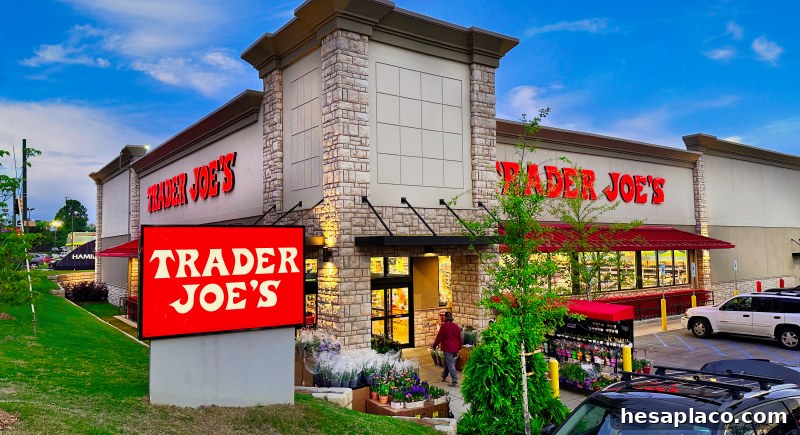
Trader Joe’s has the feel of an all-American neighborhood grocery, but it has been owned since 1979 by Aldi Nord, a German company based in Essen. Although many people confuse Aldi Nord with Aldi Süd—the latter operates Aldi stores in the U.S.—Trader Joe’s remains distinctly under European control and guided by its parent company across the Atlantic.
Sunglass Hut
Credit: Facebook
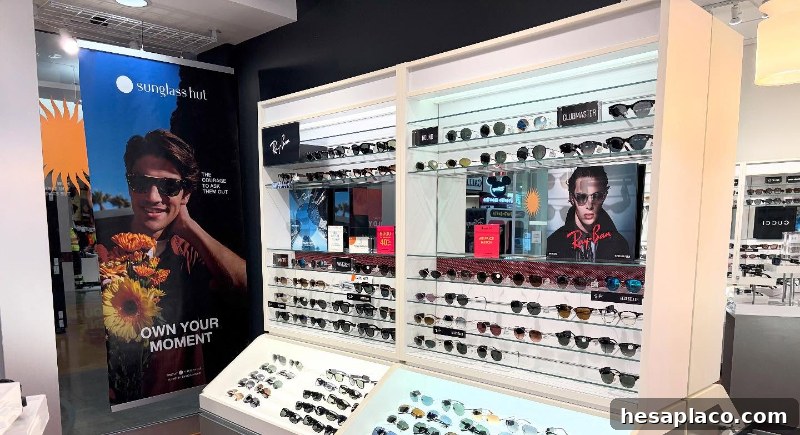
Sunglass Hut began as a single kiosk in a Miami mall in 1971 and grew into a major retailer for fashion eyewear. The company was acquired in 2000 by Luxottica, the Italian eyewear giant now part of EssilorLuxottica. Headquartered in Paris, EssilorLuxottica oversees global operations while maintaining the brand’s presence in the U.S.
Holiday Inn
Credit: Wikimedia Commons
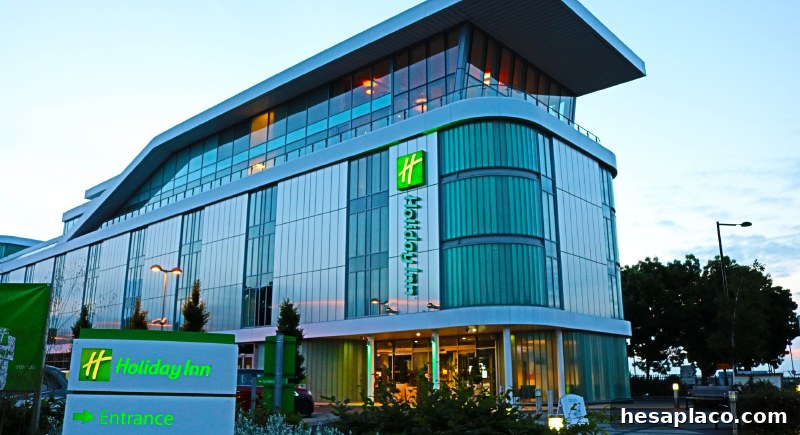
Holiday Inn was founded in 1952 by Kemmons Wilson to offer consistent, family-friendly lodging along American highways. In 1990, the brand became part of Bass PLC of the United Kingdom, a company that later evolved into InterContinental Hotels Group (IHG). IHG remains headquartered in Britain and manages Holiday Inn among its global portfolio.
Budweiser
Credit: pexels
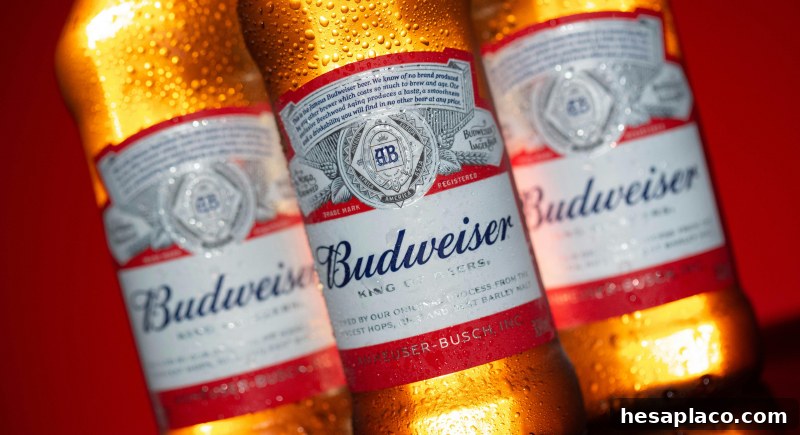
Budweiser, originally brewed in St. Louis since 1876, is now owned by Belgium-based AB InBev, which acquired Anheuser-Busch in 2008. While the beer continues to be produced in the United States, strategic decisions and global profit management are made by the company headquartered in Brussels.
Frigidaire

Credit: Facebook
Frigidaire became a household name for refrigerators after its founding in Fort Wayne, Indiana, in 1918. In 1986 the brand changed hands and became part of Electrolux, a Swedish company. Today Frigidaire operates under one of Europe’s largest appliance manufacturers while maintaining its historic identity in the American market.
Hellmann’s
Credit: Facebook
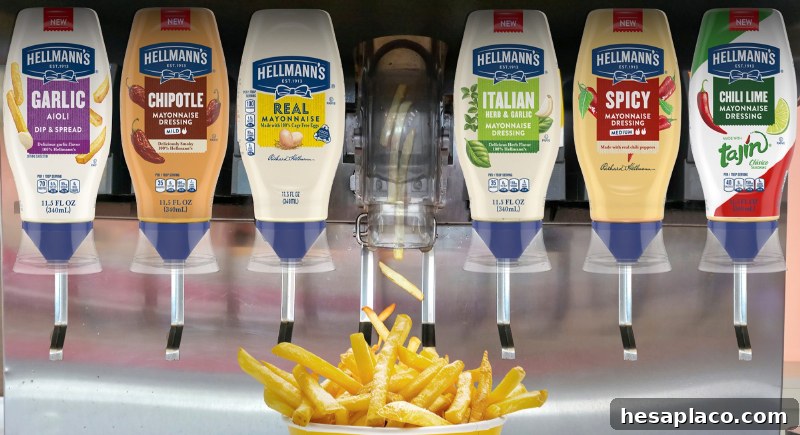
Hellmann’s started in New York City in 1913 when German immigrant Richard Hellmann sold his wife’s mayonnaise recipe. The brand grew nationwide and was later acquired by Unilever, a British-Dutch conglomerate. Unilever manages the brand from Europe while keeping the classic U.S. recipes and production practices largely intact.
Chrysler
Credit: Wikimedia Commons
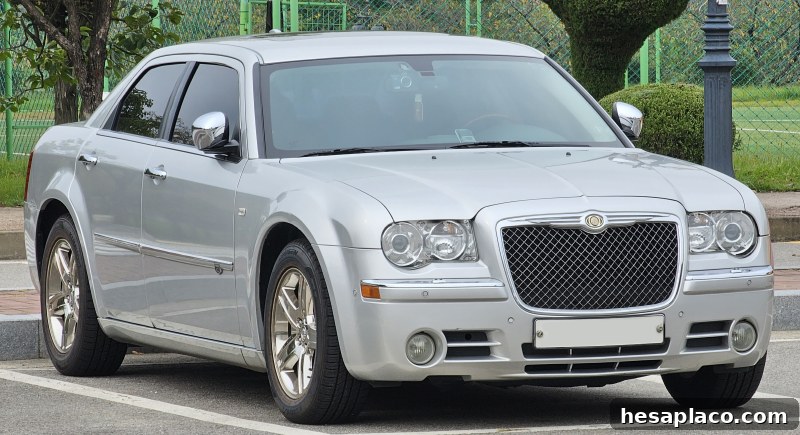
Chrysler, a major name on American roads, has changed ownership several times. After a period under Daimler-Benz, and later other arrangements, it became part of Stellantis in 2021. Stellantis is a multinational automaker headquartered in the Netherlands that brings together a wide range of European and North American marques.
Ben & Jerry’s
Credit: Facebook
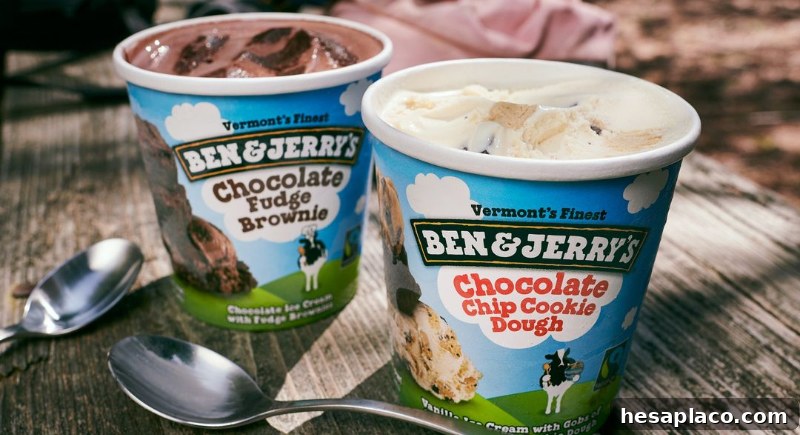
Ben & Jerry’s began in 1978 in Burlington, Vermont, founded by Ben Cohen and Jerry Greenfield as a socially conscious gourmet ice cream company. In 2000, Unilever acquired the brand. While production and many operations remain in the U.S., key corporate decisions are now made by the company’s European parent.
Purina PetCare
Credit: Wikimedia Commons
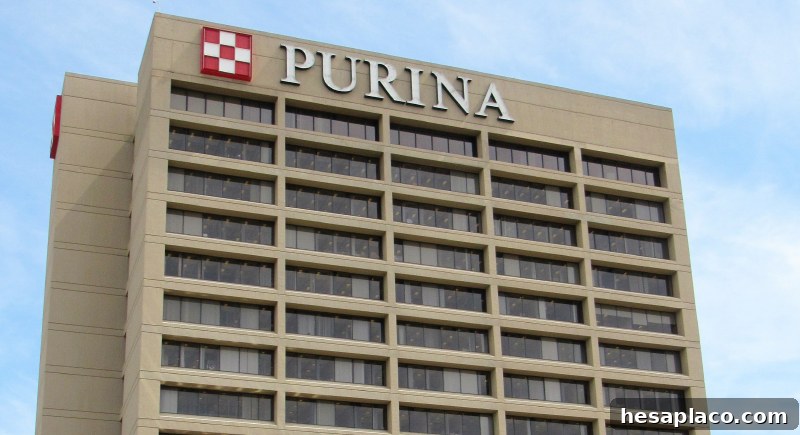
Purina’s pet food brands have been part of everyday American life for decades, with roots in St. Louis. In 2001 Nestlé, the Swiss food giant, acquired Ralston Purina for over $10 billion. Although Purina’s products continue to be manufactured and sold widely in the U.S., the company is operated from Nestlé’s headquarters in Switzerland.
Lucky Strike
Credit: Wikimedia Commons
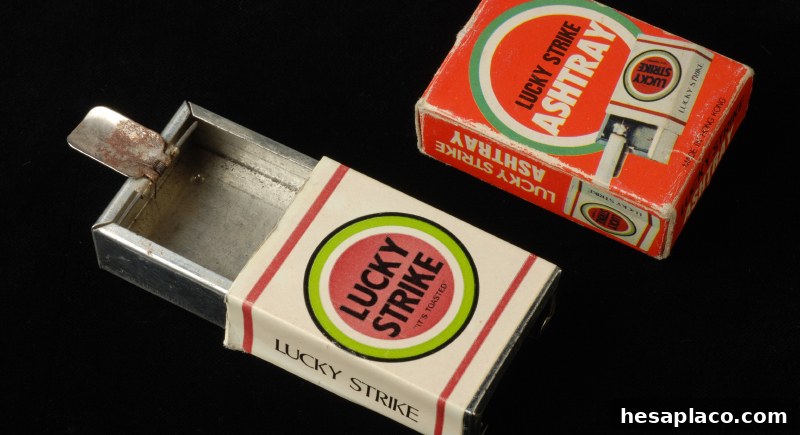
Founded in Richmond, Virginia, in 1871 as a chewing tobacco product and later becoming a leading cigarette brand, Lucky Strike expanded across the U.S. Its ownership shifted over time and in the 1990s came under British American Tobacco, a company headquartered in London that now oversees the brand internationally.
Alka-Seltzer
Credit: Wikimedia Commons
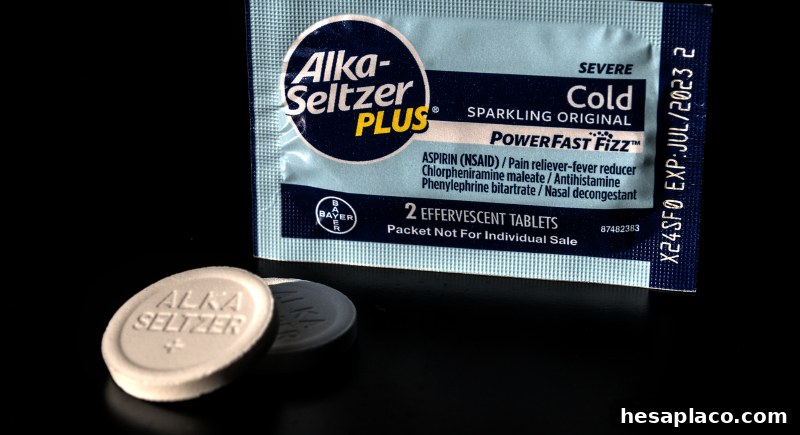
Alka-Seltzer was developed by Miles Laboratories in Elkhart, Indiana, in 1931 as an effervescent remedy for indigestion and hangovers. In the late 20th century the brand became part of Bayer, the German healthcare and pharmaceutical company. Production continues in the United States, but corporate oversight and strategic direction come from Bayer in Germany.
Forbes
Credit: Wikimedia Commons
Forbes, the business magazine founded in 1917 and long based in Jersey City, New Jersey, has attracted international ownership. In 2014 Integrated Whale Media Investments, a Hong Kong-based investment group, acquired the publication. Although operations remain in the U.S., ownership is largely international and has seen attempts at further ownership changes in subsequent years.
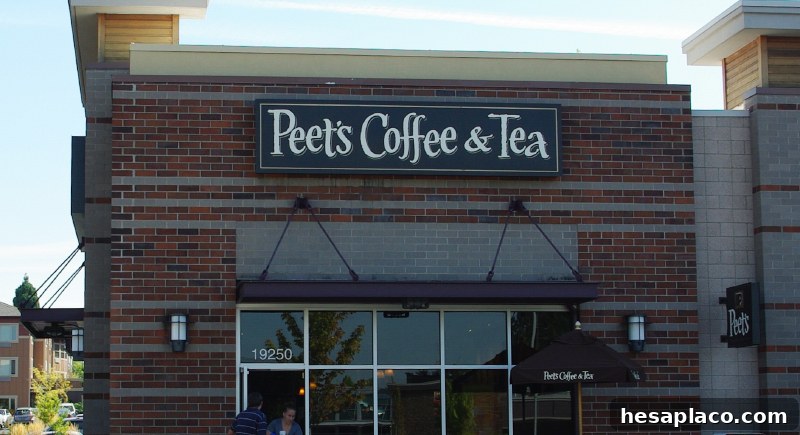
Peet’s Coffee
Credit: Wikimedia Commons
Alfred Peet opened his Berkeley, California, shop in 1966 and helped spark the gourmet coffee movement that shaped American coffee culture. Since 2012 Peet’s has been owned by JAB Holding Company, a German investment firm that also controls a range of food and beverage brands, while the roastery and U.S. retail presence remain active.
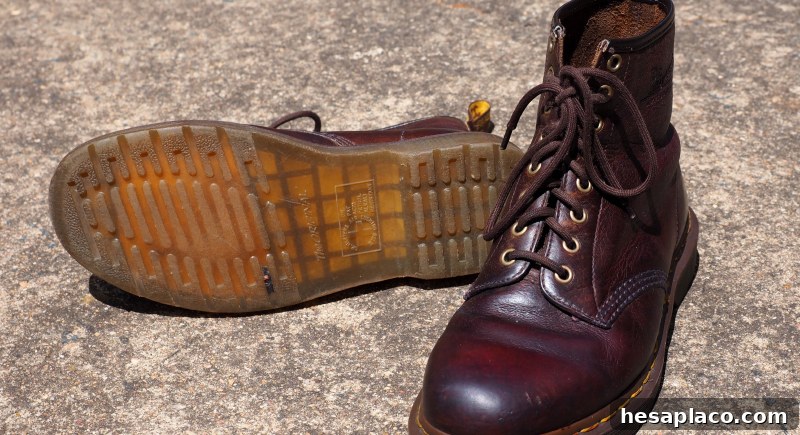
Dr. Martens (U.S. Operations)
Credit: Wikimedia Commons
Dr. Martens is a British footwear brand that resonated strongly with American subcultures during the punk and grunge eras. Its U.S. marketing, distribution, and retail operations are managed by the brand’s European parent, which is headquartered in London and listed on the UK stock exchange.
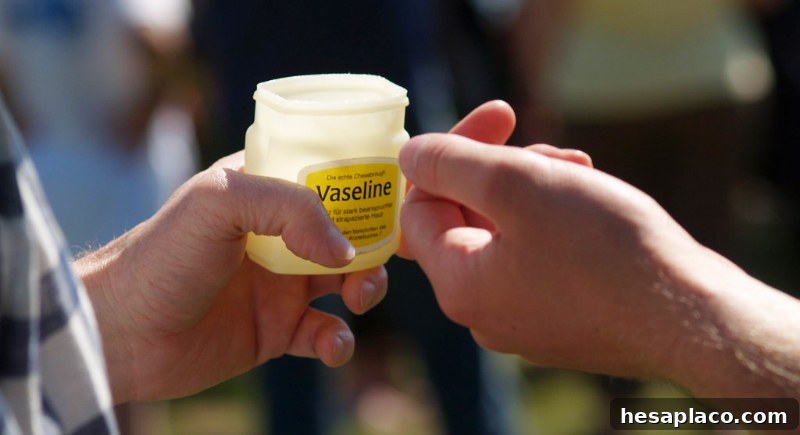
Vaseline
Credit: flickr
Vaseline was invented in 1870 by Robert Chesebrough in Brooklyn after he observed petroleum jelly’s benefits while working near oil rigs. In 1986 the brand became part of Unilever through the acquisition of Chesebrough-Pond’s. Today Vaseline is owned by Unilever, which manages the brand from its European headquarters.