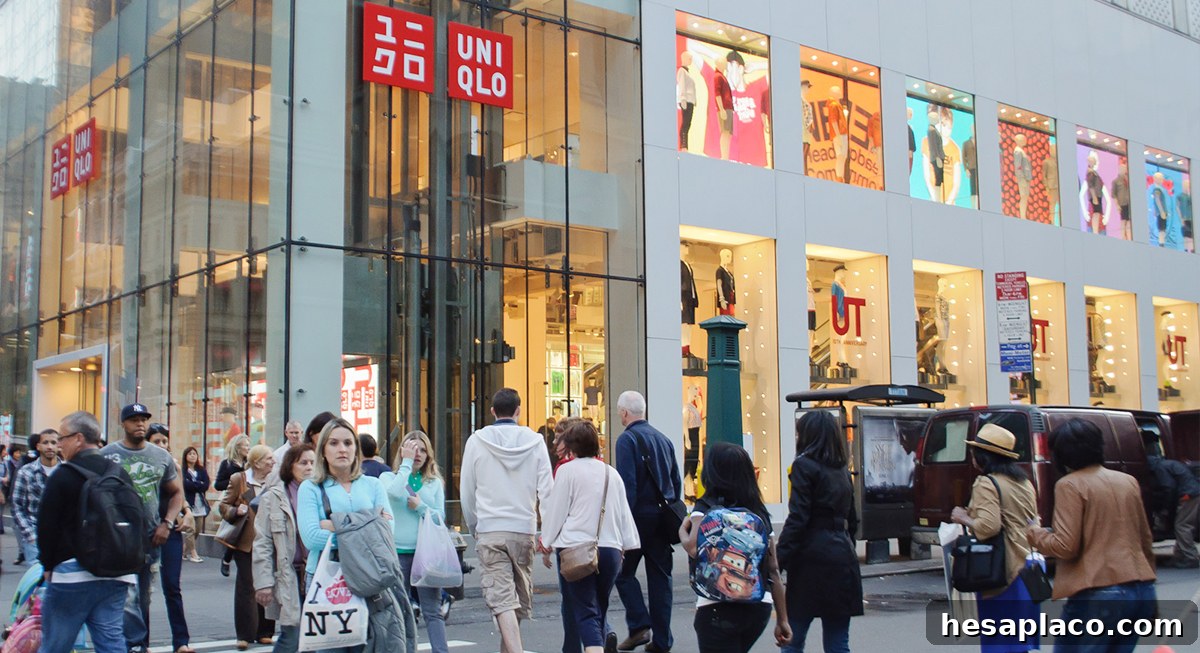
You won’t see Uniqlo plastered on billboards or fronted by pop stars, yet the Japanese brand has quietly become a staple in many North American wardrobes. For many customers, the relationship starts with a single item—a pair of socks, a basic tee—and slowly expands as those practical pieces prove their worth. Before long, a few Uniqlo items fill half a suitcase for a weekend trip. Its growth has been steady and understated, built around clothes people actually wear.
Below is an overview of how Uniqlo won over the North American market and what sets it apart.
Basics People Wear Every Week
Credit: Instagram
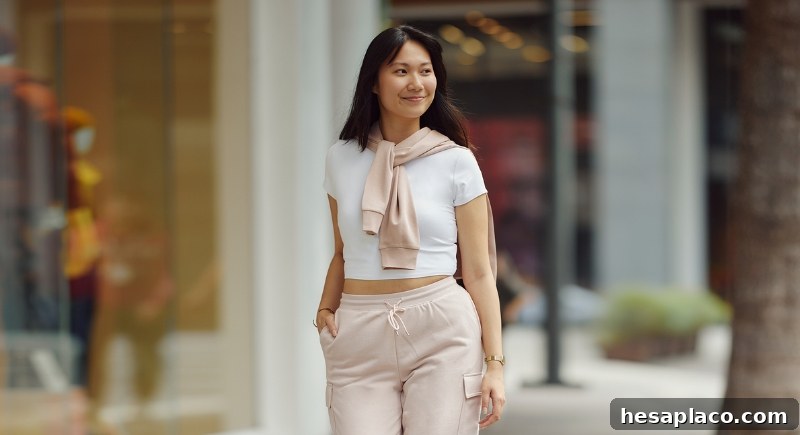
Uniqlo doesn’t chase fast-moving trends. Instead, the brand dedicates itself to perfecting wardrobe essentials—plain tees, stretch pants, lightweight outerwear—that become daily go-tos. These are pieces you wash on Sunday and reach for on Monday: dependable, comfortable, and designed to fit seamlessly into real life.
A Stumble Before a Comeback
Credit: Wikimedia Commons
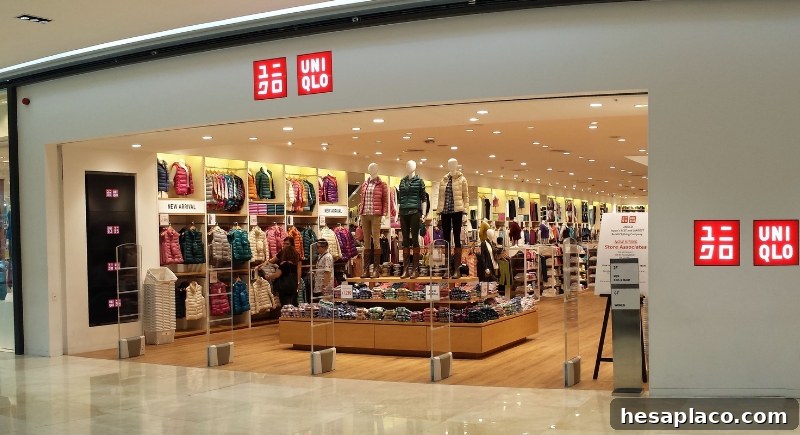
Uniqlo’s first U.S. push in 2005 faltered: shoppers weren’t sure what the brand offered. After closing those early stores and rethinking its approach, Uniqlo returned in 2012 with a clearer focus on basics and a better understanding of American preferences. That second effort found traction and laid the groundwork for expansion.
A Practical Product Philosophy
Credit: Instagram
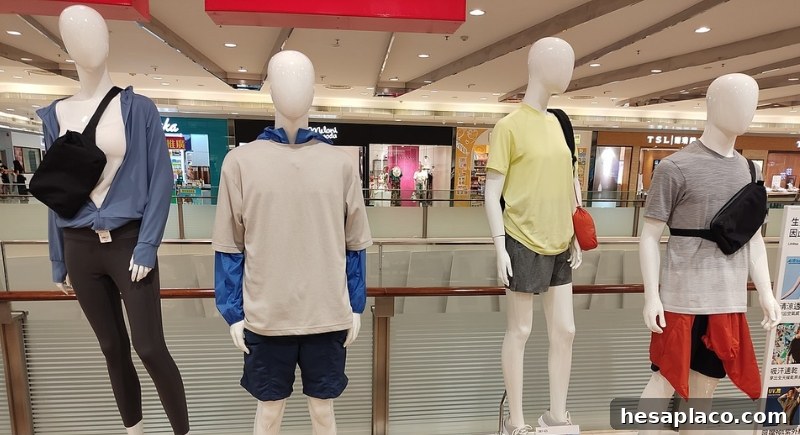
Uniqlo’s design approach starts with everyday needs: staying warm without bulk in winter, staying cool and comfortable in summer. That mindset produced innovations like HEATTECH for insulation and AIRism for breathability and moisture control—fabrics meant to perform reliably over time. Comfort and utility come before seasonal flash.
Customer Feedback That Shapes Products
Credit: Instagram
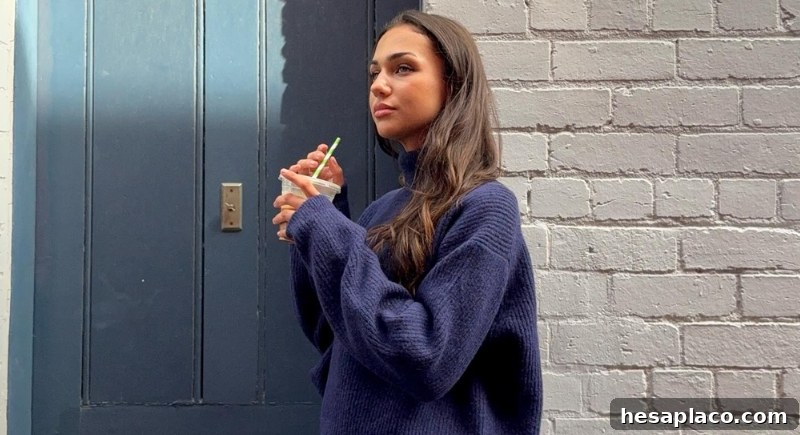
Rather than chasing fads, Uniqlo listens. When customers requested non-itchy sweaters, the brand developed Souffle Yarn knits: warm, soft, and quickly popular. Customer feedback informs material choices, fits, and small product refinements that add up to better everyday wear.
Stores That Act as Marketing
Credit: Instagram
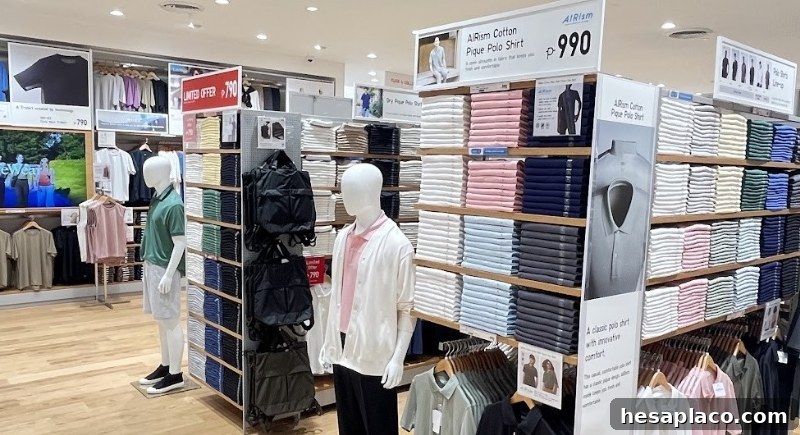
Uniqlo stores don’t rely on loud promotions. Instead, bright lighting, neatly folded stacks, and clear layouts communicate the brand’s values. The retail environment is intentionally calm and functional; it invites browsing without overwhelming customers and reinforces the message that the clothes are practical, accessible, and thoughtfully arranged.
Subtle Technology, Big Convenience
Credit: X
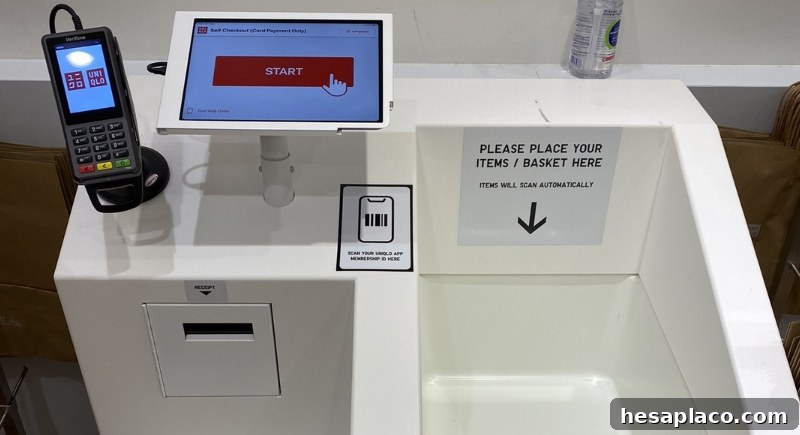
Technology at Uniqlo is practical and unobtrusive. RFID bins that scan items all at once speed checkout without fanfare. Rather than flashy features designed to go viral, Uniqlo quietly deploys efficiencies that make shopping faster and simpler—so you leave with your purchases and none of your patience depleted.
Global Consistency, Local Adaptation
Credit: Instagram
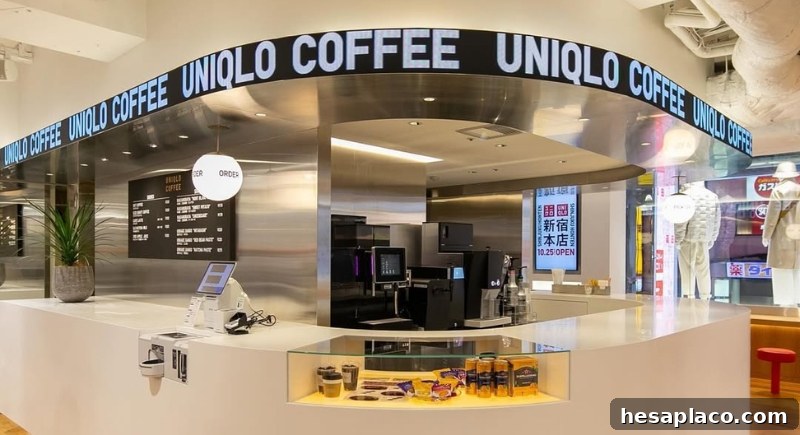
Uniqlo stores feel familiar worldwide: consistent layouts and product categories make shopping intuitive whether you’re in Toronto or Tokyo. Yet the brand adapts to local needs—regional designers appear on shelves, and some fabrics or fits vary by climate. The core basics remain the same, while local touches keep each store relevant to its community.
Minimal Branding, Maximum Versatility
Credit: Instagram
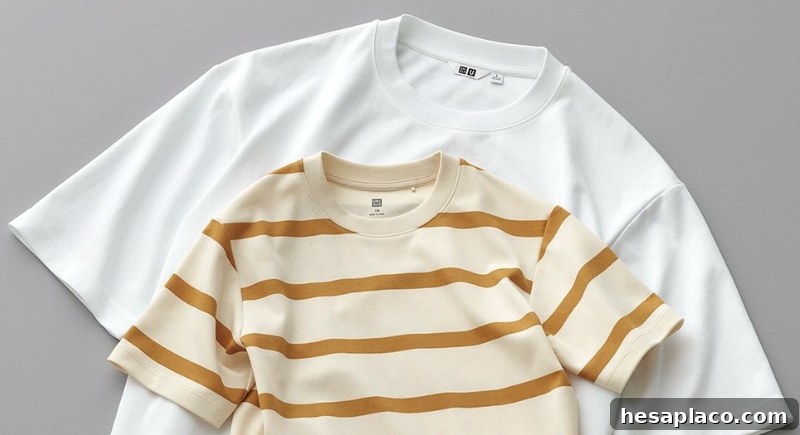
Rather than oversized logos or loud graphics, Uniqlo opts for neutral palettes, clean silhouettes, and classic fits. The garments integrate into a wardrobe without shouting the brand name, letting the wearer—and not the label—be the focus. That understated approach gives shoppers flexibility and broad appeal.
An Effortless In-Store Experience
Credit: Facebook
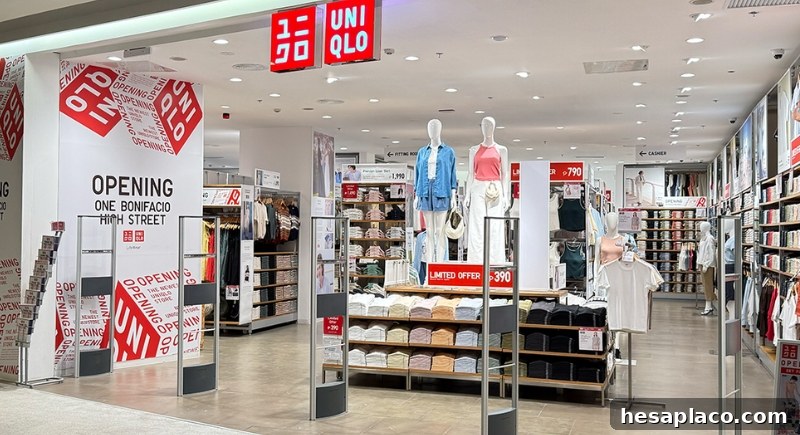
Uniqlo avoids cluttered displays and noisy promotions. The stores are open, well-ordered, and divided by season and style so shoppers can quickly find what they need. Staff are available but not intrusive. The result is a straightforward shopping experience that foregrounds the clothes themselves.
Transparent Pricing That Builds Trust
Credit: Reddit
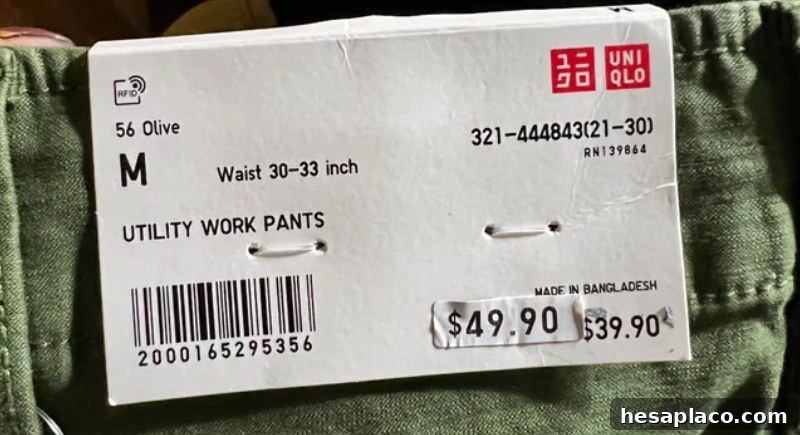
Uniqlo’s pricing is consistent: the tag price is what you pay. Rare sales and limited dramatic markdowns reduce the need to wait for discounts. This straightforward approach removes guesswork, encourages repeat visits, and helps customers trust that a fair price today will likely be the same tomorrow.
Deliberate Store Expansion
Credit: Wikimedia Commons
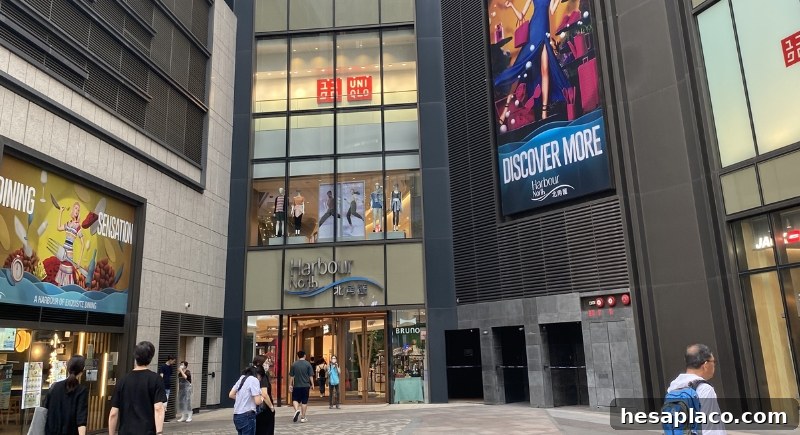
Uniqlo began its North American presence with a few stores and has since grown methodically. Currently operating dozens of locations, the brand plans further expansion over the coming years. Growth has been steady and strategic, signaling a long-term commitment rather than a rapid, short-lived push.
The Founder’s Practical Vision
Credit: flickr
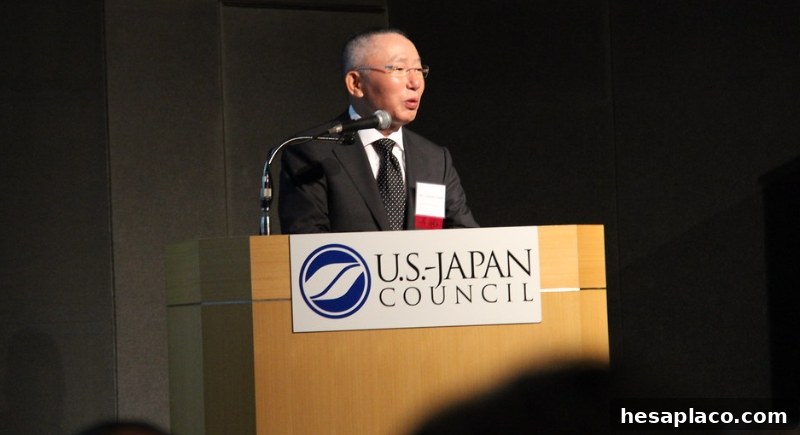
Tadashi Yanai steered Uniqlo away from chasing seasonal buzz toward a focus on efficiency and problem-solving. The company operates more like a systems-driven business than a traditional fashion house, prioritizing materials and processes that solve everyday wardrobe challenges. That philosophy still guides product development and operations.
A Reputation Built on Doing the Basics Well

Credit: Instagram
Shoppers return to Uniqlo for reliability rather than novelty. From office-appropriate cardigans to travel-ready jackets, the brand fills functional gaps in wardrobes with garments that perform, last, and don’t overpromise. Its reputation rests on delivering everyday value.
Room to Improve E-Commerce
Credit: Facebook
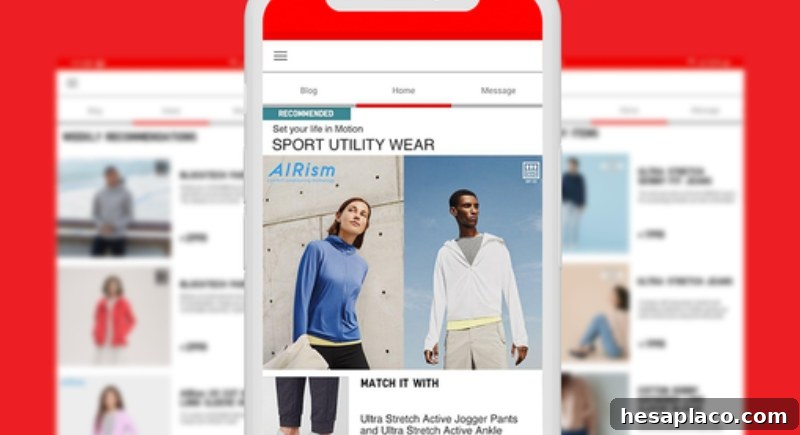
Despite strong in-store experiences, Uniqlo’s online platform still trails some fast-fashion competitors. The website can feel sparse and shipping logistics occasionally falter. With fewer physical locations than larger rivals, improving digital service is a clear growth opportunity that could strengthen loyalty if addressed thoughtfully.
Sustainability as Gradual Progress
Credit: Instagram
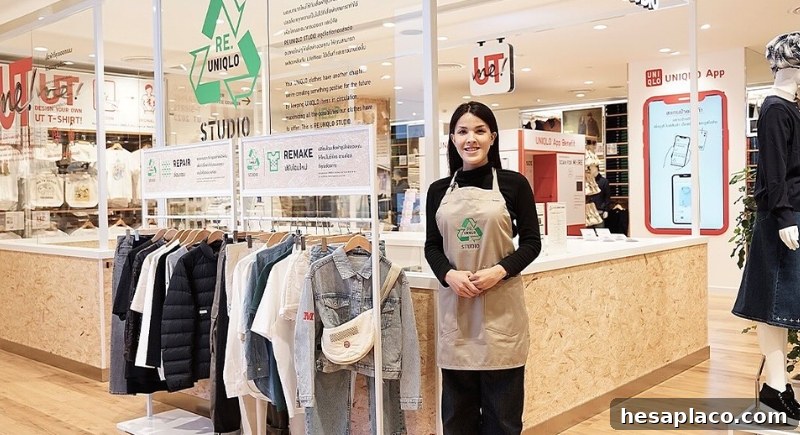
Uniqlo’s sustainability efforts are incremental: programs like RE.UNIQLO collect used clothing for reuse or recycling, and repair stations are being rolled out in select cities. These steps are modest but consistent with the brand’s methodical approach to product lifecycle and practical improvements over time.