
You receive your first job offer, start imagining how to spend the income, and then your first paycheck arrives—only to be far smaller than you expected. Where did the rest go? Below is a clear, practical explanation of the common deductions and payroll realities that make your take-home pay lower than the salary shown in your offer letter.
Federal Income Tax Is Layered, Not One Flat Cut

Credit: Proxima Studio
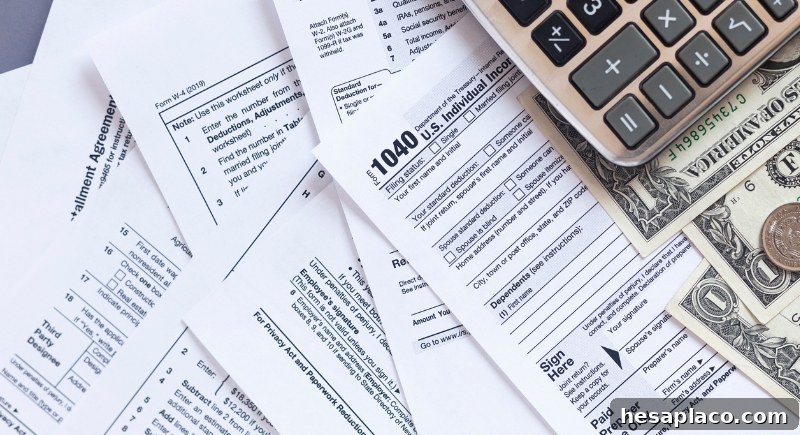
Federal income tax uses a progressive system: different portions of your income are taxed at different rates. Your full salary might seem large on paper, but only parts of it are taxed at the higher brackets. That structure means your effective tax rate is usually lower than the top marginal rate someone mentions during salary negotiations—but it still reduces the gross number you were counting on.
State and Local Taxes Depend on Location
Credit: Canva
State income tax varies widely: some states have no income tax, while others—like California and New York—take a significant portion. Some cities also levy local income taxes. Where you live and where you physically work can substantially affect your net pay, so always factor state and local taxes into your budgeting.
Social Security and Medicare Are Mandatory Deductions

Credit: Getty Images
Payroll taxes include Social Security (6.2%) and Medicare (1.45%). Employers match these amounts, but the match does not increase your take-home pay—it’s a separate employer cost. Together, those employee-side deductions reduce most paychecks by about 7.65% before other taxes and withholdings are applied.
Pre-Tax Health Insurance Premiums Reduce Your Paycheck Upfront

Credit: Minerva Studio
If you enroll in employer-sponsored health coverage, your payroll premium is often deducted before taxes. That lowers your taxable income, which is beneficial, but it also means less cash in each paycheck. Plans with better coverage typically cost more in premiums, even if they reduce long-term healthcare expenses.
401(k) Contributions Lower Current Pay in Exchange for Future Savings

Credit: Getty Images
Contributions to a traditional 401(k) are taken out of your paycheck pre-tax, reducing your taxable income and therefore what you owe in federal and often state taxes. That reduces your immediate take-home pay but builds retirement savings, potentially with employer matching and compounding growth. Even modest contributions can add up significantly over time.
Employer 401(k) Matches Are Free Money You Could Miss

Credit: Getty Images
Many employers match a percentage of your 401(k) contributions up to a limit. If you don’t contribute at all, you forfeit that match—effectively leaving part of your compensation package unclaimed. It’s not part of your immediate paycheck, but it’s important total compensation to consider.
Your Net Pay, Not Gross Salary, Is What You Live On

Credit: Getty Images
The salary in your offer is your gross pay. After federal, state, and local taxes, payroll taxes, insurance premiums, retirement contributions, and other deductions, what you receive is your net pay. Build your monthly budget around that net figure so you don’t overcommit to rent, loan payments, or other ongoing expenses.
Miscalculating Your Paycheck Can Break a Budget Quickly

Credit: Getty Images
If you plan expenses based on pre-tax salary, a typical 20–30% difference after deductions can quickly derail that plan. Use your actual net pay to create a realistic budget and avoid surprises that force last-minute changes or debt.
W-4 Selections Influence Federal Withholding
Credit: Getty Images
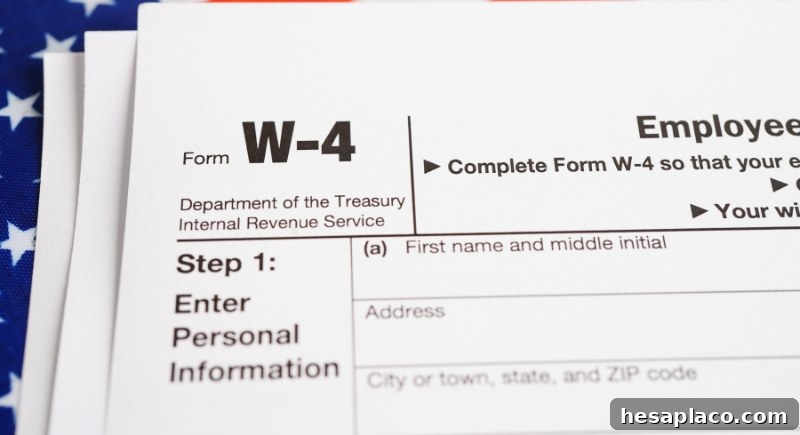
The W-4 you complete when hired tells your employer how much federal tax to withhold. Claiming fewer allowances or opting for additional withholding increases the amount taken from each paycheck—useful to avoid a large tax bill at filing time, but it also reduces your periodic cash flow.
Freelancers Must Set Aside Taxes Themselves

Credit: Getty Images
Independent contractors and freelancers don’t have taxes withheld automatically. You must plan for both income tax and self-employment tax (the combined employee and employer portions of Social Security and Medicare) by saving throughout the year and making estimated quarterly payments to avoid interest and penalties.
Bonuses Are Taxed Differently and May Feel Smaller

Credit: Canva
Bonuses and other supplemental wages are often subject to flat withholding rates for federal tax (commonly around 22%) in addition to state and local taxes. That means a $5,000 bonus can drop substantially after withholdings, so expect less than the gross bonus figure when it lands in your account.
HSAs and Other Pre-Tax Accounts Reduce Take-Home but Offer Benefits

Credit: Natee Meepian’s Images
Health Savings Account (HSA) contributions are deducted pre-tax, lowering your current paycheck. However, HSAs offer tax-free growth and tax-free withdrawals for qualified medical expenses, and unused balances typically roll over year to year. The short-term reduction in pay can be outweighed by long-term tax and healthcare savings.
Stock-Based Compensation Isn’t Immediate Cash

Credit: ngampolthongsai
Restricted stock units, options, or other equity awards can be valuable but are not spendable cash immediately. Vesting schedules, performance conditions, and stock price movements determine their eventual value. Don’t count on equity to cover monthly living expenses unless you understand the vesting timeline and liquidity of those shares.
Per Diems and Travel Reimbursements Help, but Don’t Increase Salary

Credit: pexels
Per diems reimburse you for meals and lodging while traveling for work, which prevents out-of-pocket spending but does not increase your regular paycheck. Make sure you claim and use eligible per diems and reimbursements so you don’t miss out on money you shouldn’t have to cover yourself.
Direct Deposit Is Faster and More Reliable Than Paper Checks
Credit: Getty Images
Choosing direct deposit ensures your pay lands in your bank account on payday. Paper checks are vulnerable to postal delays, bank holds, and the inconvenience of depositing or replacing lost checks. For quick, reliable access to your earnings every pay period, set up direct deposit.
Understanding these payroll mechanics—tax withholding, mandatory payroll taxes, pre-tax benefits, retirement contributions, and the difference between cash and non-cash compensation—makes it easier to interpret your paycheck and build a realistic budget. When evaluating an offer, ask for a sample paystub or run a take-home pay calculator to see what the salary actually looks like after common deductions.