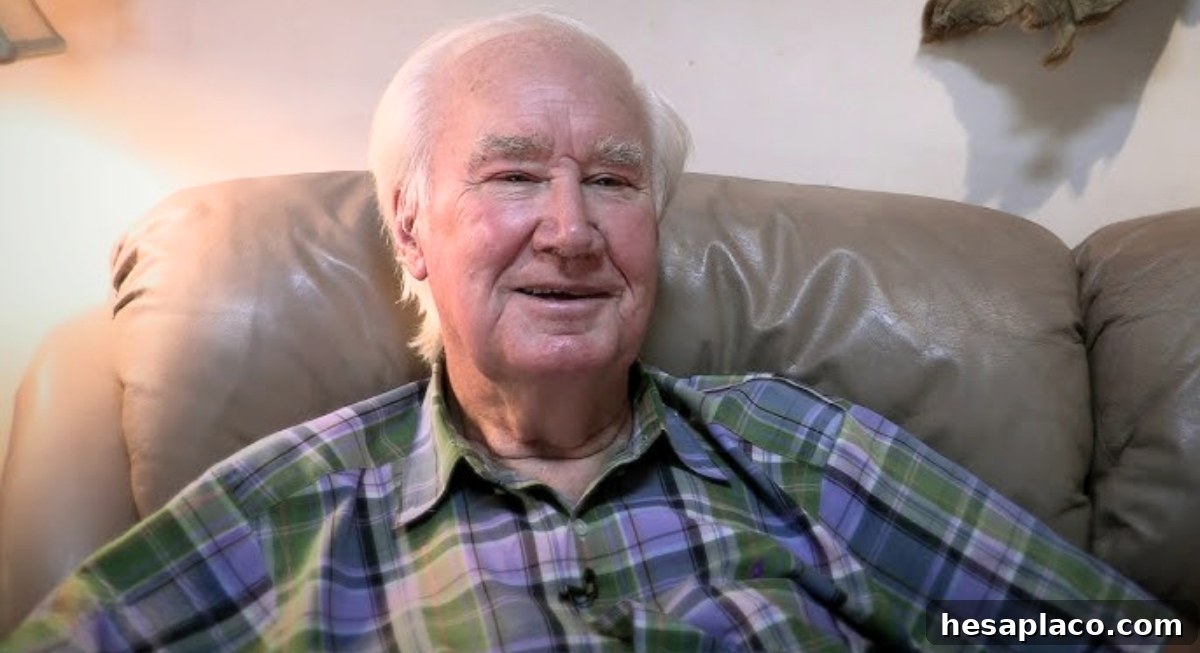
One man said he hid a treasure in the Rocky Mountains, then he published a curious little poem to point the way. Remarkably, that was enough to spark a decade-long global hunt. Thousands of people searched. Some quit their jobs, some risked their lives, and even after the chest was recovered, the story and its controversies continued.
The Poem That Triggered a Worldwide Puzzle
Credit: Instagram
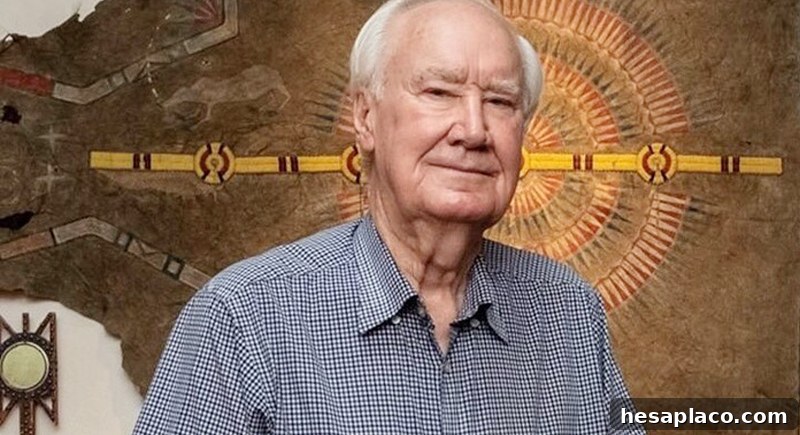
In 2010, Forrest Fenn tucked a 24-line poem into his memoir, The Thrill of the Chase, saying it contained clues to a buried treasure. The verses were deliberately elliptical and metaphorical, and their ambiguity spurred intense scrutiny. Readers and amateur sleuths debated every line. Entire theories arose around cryptic phrases like “no paddle up your creek” and “in the hiding place where warm waters halt,” but consensus on specific meanings was elusive.
A Treasure Framed by Legend

Credit: Getty Images
According to Fenn, the chest held more than 400 artifacts: gold coins, gems such as rubies and sapphires, and a small sealed autobiographical note. He resisted putting a price on it and emphasized that the value lay in the search itself. That stance only amplified the myth, turning the chest into both a physical prize and a symbol of glory and adventure.
The Man Behind the Myth
Credit: pexels
Fenn’s life story fed the intrigue. A former pilot who flew combat missions in Vietnam and later an art dealer in Santa Fe, he was a raconteur who enjoyed embellishment. He spun tales about notable clients and big sales, sometimes providing details that proved difficult to verify. Whether every anecdote was literal truth mattered less to many followers than the entertaining aura he projected.
Online Sleuths and Old-School Explorers

Credit: Canva
The internet quickly became a central venue for decoding the poem. Forums, YouTube channels, and blogs formed communities dedicated to parsing lines, comparing notes, and tracking search patterns. At the same time, many devotees rejected purely digital solutions and preferred traditional fieldwork: hiking, camping, and using only the poem, a map, and a compass.
Wild Country and Real Danger
Credit: pexels
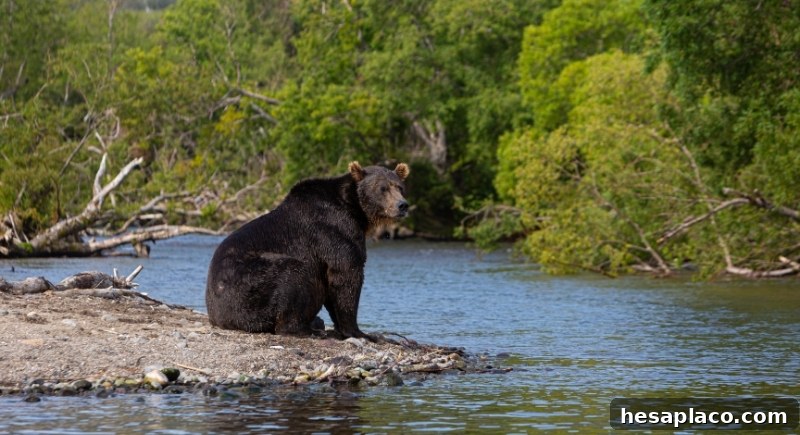
Fenn claimed he placed the chest somewhere an elderly person could reach, but searchers frequently ventured into remote, hazardous terrain. Areas around Yellowstone and other parts of the Rockies drew crowds despite unpredictable weather, steep slopes, fast rivers, and grizzly bear country. Some went unprepared, bringing children or pets and underestimating the risks.
Tragedies That Reshaped the Conversation

Credit: Getty Images
As the search continued, several people died while looking for the treasure, including Randy Bilyeu and Michael Sexson. Those fatalities brought public scrutiny and criticism. Officials and some observers called the hunt reckless, and there were appeals for Fenn to end it. Yet for many participants, the peril was entwined with the prize—the danger was part of the allure.
Fenn’s Argument: Adventure as Medicine
Credit: pexels
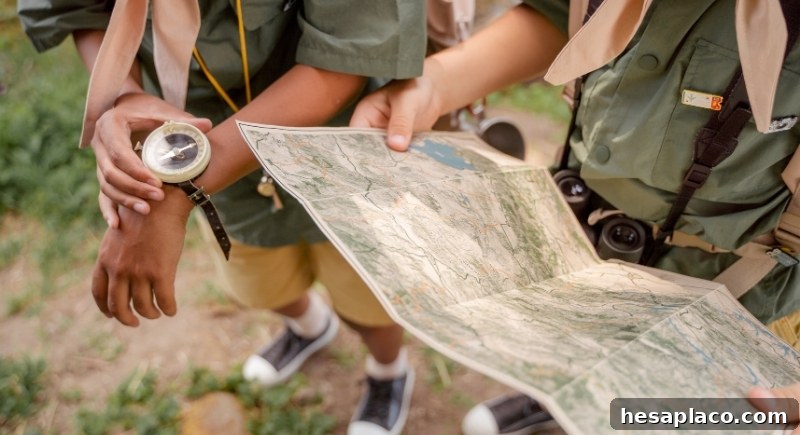
Fenn acknowledged the deaths but remained steadfast in his belief that the treasure hunt encouraged people to get outside and seek meaning through exploration. Critics accused him of irresponsibility; he framed the project as a remedy for a sedentary, disconnected society—an invitation to reclaim curiosity and adventure.
Questions from an FBI Raid

Credit: Getty Images
In 2009 the FBI executed a search of Fenn’s home during an investigation into the sale of looted artifacts. He was never charged, but his name appeared in news stories and legal documents. The proximity of that episode to the launch of the treasure hunt invited speculation about motives and timing, and those questions never fully disappeared from public discussion.
The Finder: Jack Stuef’s Quiet Victory
Credit: Instagram
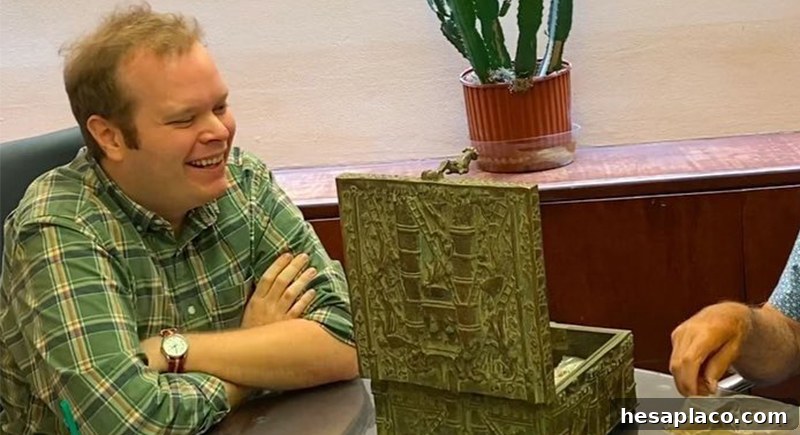
The official end came in 2020 when Jack Stuef, a 32-year-old medical student, announced he had found the chest. Rather than relying solely on the poem, Stuef analyzed Fenn’s patterns—favorite locations, phrasing in interviews, and personal memories. After years of searching, he stepped forward cautiously, initially keeping his identity private to avoid litigation and online attacks.
Aftermath: Obsession and Unanswered Questions

Credit: Canva
Even after the chest was recovered, the debate persisted. Forums filled with allegations of near-misses, charges that clues had been manipulated, and legal disputes. Skeptics questioned whether the chest had ever been buried in the exact way Fenn described, and many searchers remained dissatisfied—driven more by the pursuit than the prize.
A New Retelling and a Fresh Challenge

Credit: Getty Images
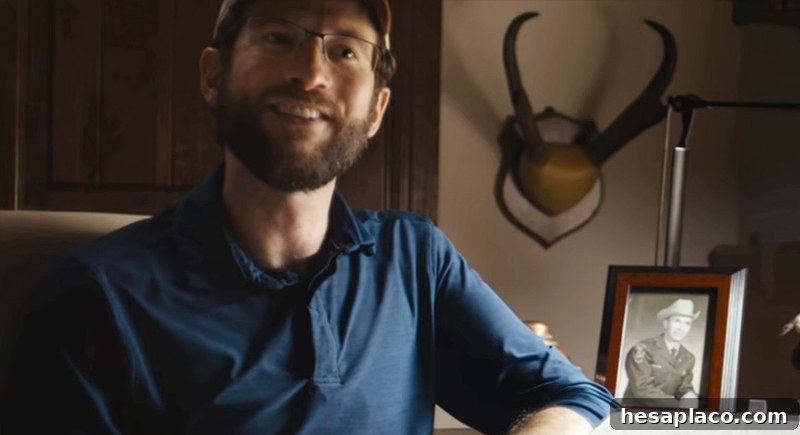
A documentary series renewed interest in the Fenn saga and introduced Justin Posey, a long-time searcher who decided to create his own treasure hunt. Posey buried a chest of his own and wrote a book containing clues. His approach differed from Fenn’s: more structured, incorporating modern technologies and designed as a deliberate puzzle for those who enjoy methodical problem-solving.
Posey’s Chest: Homage or Challenge?
Credit: Youtube
Posey included items that referenced Fenn’s original trove along with personal artifacts, and, like Fenn, he refrained from assigning a market value. Unlike the earlier hunt, Posey layered in tech elements and more explicit background clues, creating a puzzle that blends traditional treasure-seeking with contemporary problem-solving.
The Legacy Beyond Money

Credit: Getty Images
Fenn claimed he mixed his fingerprint and DNA among the contents of the chest, a symbolic gesture meant to identify the maker of the game. For him, the chest was less about wealth and more about leaving a mark—a personal legacy to be discovered and interpreted by others.
The Art World and Mixed Reputations

Credit: iStockphoto
Fenn’s career in the art trade stoked further debate. He counted notable clients among his gallery’s patrons but also faced accusations of dealing in forgeries and proudly displayed works by well-known forger Elmyr de Hory. He even claimed to have helped define Santa Fe’s art market, a boast few questioned at the time but one that added to his complicated public image.
What the Future Might Hold

Credit: pixelshot
Posey’s hunt demonstrates that the appetite for puzzles and outdoor adventure remains strong, even when the original spectacle has faded. With tighter rules and a more methodical structure, his chest appeals to those who prefer reasoned clues over rhetorical flourish. Whether future hunts will match the cultural impact of Fenn’s story is uncertain, but the human urge to search—driven by curiosity, community, and the promise of discovery—shows no sign of disappearing.