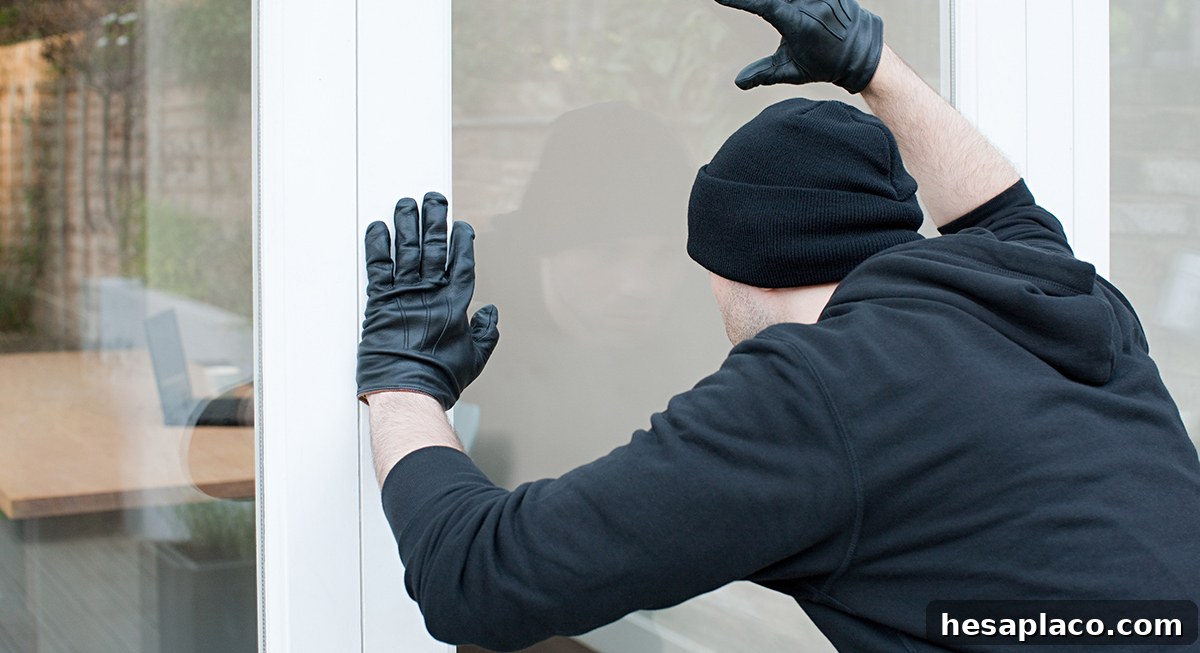
Before burglars break in, they scout and assess potential targets. What do they notice first? It isn’t always high-tech alarms or big dogs—sometimes the signals are subtle. These 15 red flags are often what burglars notice within seconds, helping them decide whether a house is worth targeting.
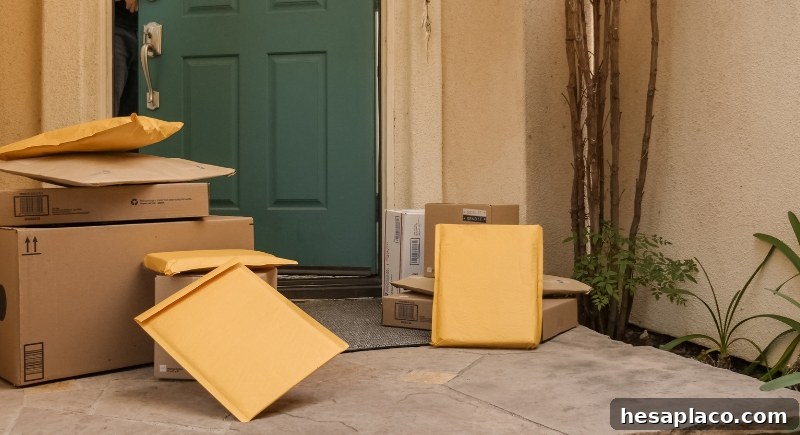
Mail Piling Up
Credit: pexels
A stack of unopened mail or newspapers on the porch signals that no one is home. Burglars interpret unattended deliveries as an open invitation. If you’re going out of town, have a neighbor collect your mail or put holds on deliveries to avoid advertising your absence.
Lights That Don’t Match the Time of Day

Credit: pexels
Burglars pay attention to lighting patterns. A porch light that’s on all day or indoor lights that switch on and off at exactly the same times each night can indicate no one is home. Timers help, but make sure schedules mimic normal living patterns rather than a rigid routine.
Visible Valuables Through Windows
Credit: pexels
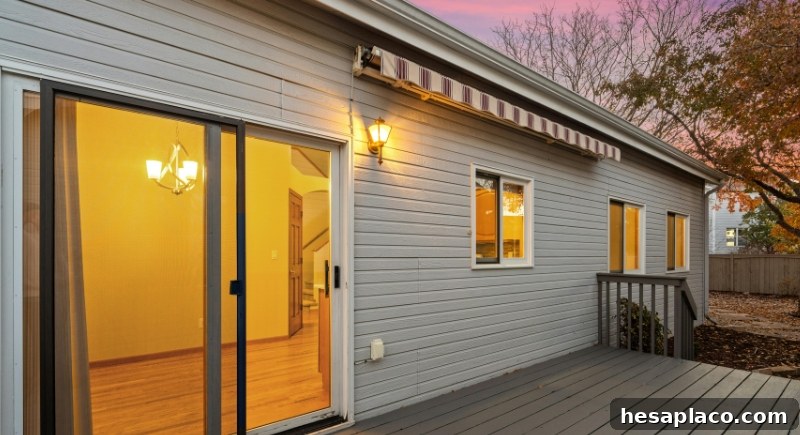
Burglars don’t need to enter to take inventory. A quick glance through a ground-floor window can reveal laptops, gaming consoles, jewelry, or other valuables. Keep blinds closed at night or when you’re away, and don’t leave expensive items where they’re easily seen from the street.
Lack of Cameras or Security Stickers
Credit: Canva
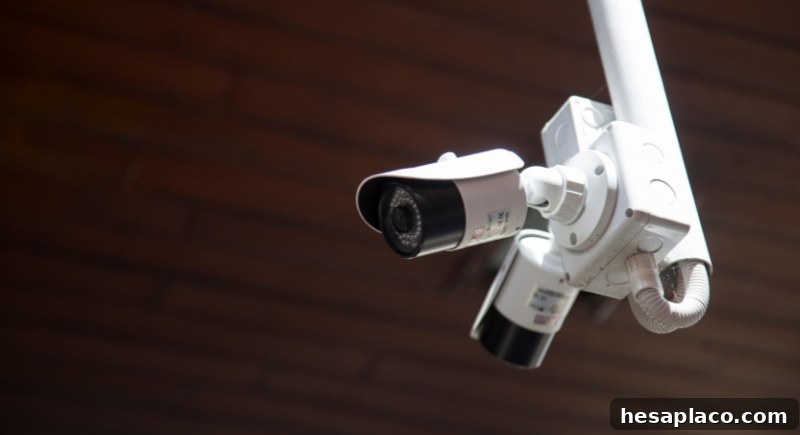
Even the suggestion of a security system can deter thieves. Yard signs, alarm company stickers, or visible cameras make burglars think twice. If a property shows no signs of surveillance—no cameras, motion lights, or security signage—it may look like an easier target.
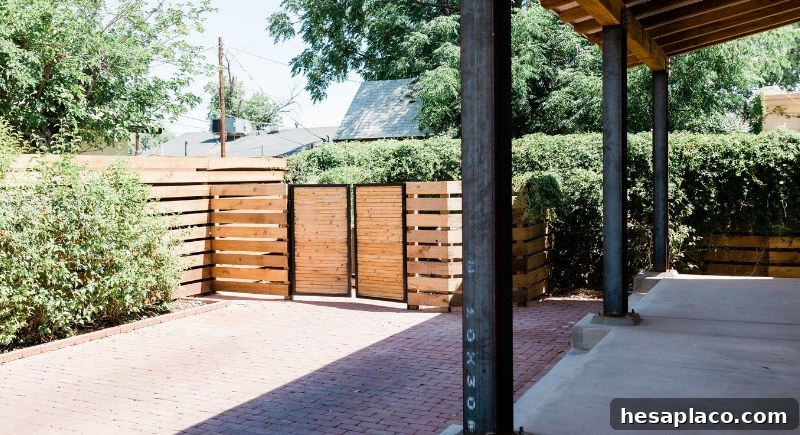
Forgotten Side Entrances and Back Gates
Credit: corelens
Homeowners often focus on securing the front door and neglect side doors or backyard gates. Burglars look for hidden or out-of-sight access points that are shielded from public view. Secure these areas with deadbolts, sturdy locks, and visible lighting.
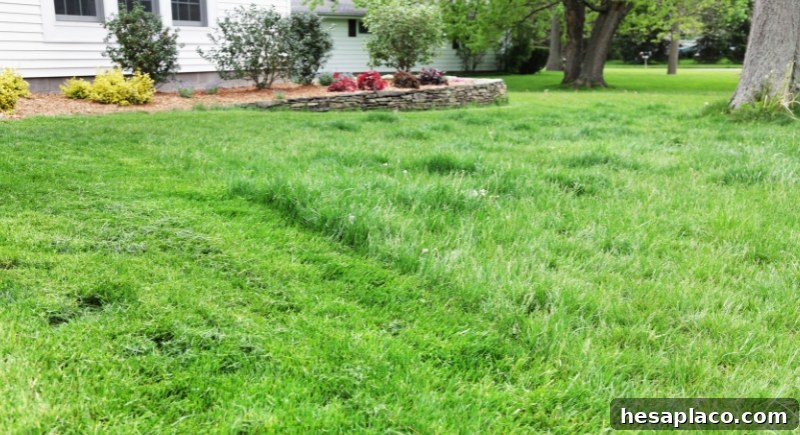
Missing or Untidy Landscaping
Credit: Getty Images
Overgrown bushes, long grass, and general yard neglect signal absence. Burglars know many homeowners maintain their yards regularly; a neglected lawn can suggest the home is vacant. Tall hedges and untrimmed shrubs also create hiding spots for someone casing the property.
Noisy Dogs or Total Silence

Credit: Getty Images
Pets send clear signals. A dog that barks at strangers can deter intruders, while complete quiet may indicate no one is home. Studies show barking dogs reduce the likelihood of break-ins, so the presence (or audible lack) of pets influences a burglar’s decision.
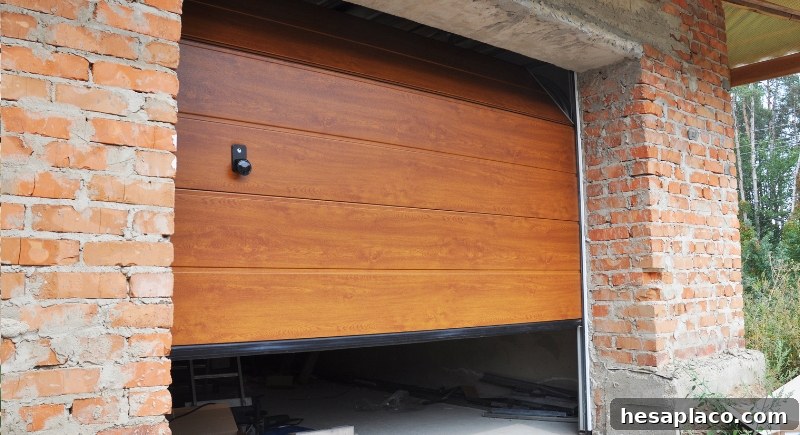
Open Garage Doors
Credit: Getty Images
An open or slightly ajar garage signals carelessness and suggests easy access to tools, bikes, or a door into the house. Garages are a common entry point because interior doors leading from the garage are often less secure. Close and lock garage doors and secure the interior entry.
Flyers or Door Hangers That Stay Put

Credit: Getty Images
Untouched flyers or door hangers can act like an “out-of-office” sign. Some burglars even leave junk ads or business cards to test whether someone removes them. If the paper remains days later, it suggests the homeowner hasn’t been around to clear it away.
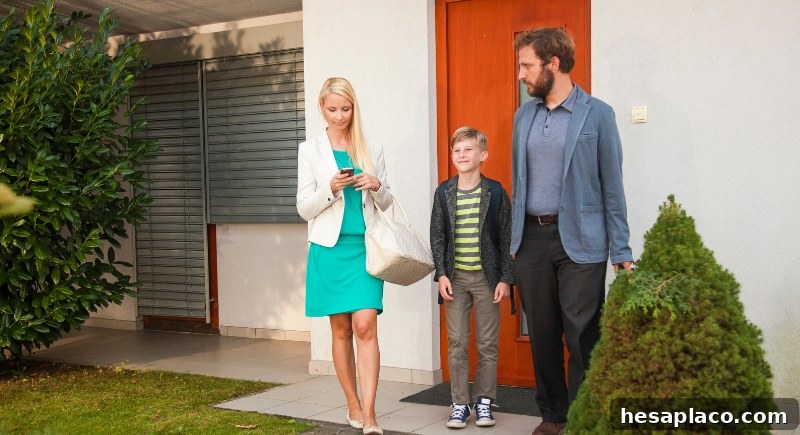
Inconsistent Routines
Credit: Getty Images
Burglars often observe a house for several days to learn patterns—when occupants leave, when they return, and which rooms they use first. Predictable routines give thieves the information they need to pick the best time to act. Vary your comings and goings when possible.
Strangers Going Unquestioned

Credit: pexels
If a person can loiter on the block—jogging, walking a dog, or appearing to sell something—without anyone asking questions, burglars see that as an opportunity. Neighbors who speak up and check on unfamiliar activity help deter those scouting the area.
No Motion Lights Near Entry Points

Credit: pexels
Motion-activated lighting is an effective deterrent. When someone approaches and bright lights suddenly activate, it disrupts a burglar’s plan and increases the chance of being seen. Dark entryways, fences, and side yards provide cover and make criminal activity easier.
Open Wi-Fi Networks and Smart Tech Vulnerabilities

Credit: Getty Images
Tech-savvy burglars may probe digital weaknesses as well as physical ones. An unsecured Wi‑Fi network or poorly configured smart devices can be exploited to access cameras, smart locks, or other systems. Secure your network with strong passwords and keep device firmware up to date.
Trash That Tells Too Much

Credit: Canva
Discarded receipts, packaging from high‑value purchases, and mail with personal details can reveal what’s inside your home and when you received items. Burglars sometimes sift through trash for clues. Shred sensitive documents and break down boxes before placing them at the curb.
Sudden Drop In Activity

Credit: Getty Images
A home that’s usually active—cars in the driveway, lights on at night, or children playing—but suddenly becomes quiet can draw attention. A noticeable decline in activity often signals that occupants are away, which can encourage burglars who have been watching the property to take action.