
Most high school students are already experienced spenders. Between allowances, part-time jobs, and cash gifts that come without instructions, it’s easy to burn through money quickly. Yet this is exactly the moment when financial habits start to matter. Learning to manage money now reduces stress later. You don’t need to become an investing expert or memorize tax codes—just develop practical habits that stick. The following three rules are simple, realistic, and worth adopting before your senior year.
Save Early, Even in Small Amounts

Image via Unsplash/Andre Taissin
Don’t wait until you “make real money” to start saving. That’s like planning to learn to swim only once you’re in deep water. Starting small beats starting late. Research consistently shows that people who begin saving as teenagers often build far more long-term wealth than those who wait until their 30s, even if their monthly contributions are modest. The reason is compounding: time amplifies even small deposits into meaningful balances. A $25 monthly contribution to a high-yield savings account or Roth IRA may seem insignificant now, but over years it can fund emergencies, travel, or other priorities without stress. Small, regular deposits also train the habit of saving. Automate the process by setting up an auto-transfer the day you get paid so the money is out of sight and harder to spend.
Use the 50/30/20 Rule to Budget

Image via Unsplash/Jakub Żerdzicki
Budgeting doesn’t have to be complicated or require obsessive tracking. The 50/30/20 rule provides a straightforward framework: allocate 50% of your income to needs, 30% to wants, and 20% to savings or debt repayment. It’s flexible and easy to apply to a part-time paycheck. For example, if you earn $800 a month, aim to spend $400 on essentials like rent, groceries, and transportation; reserve $240 for discretionary spending such as outings, hobbies, or clothing; and put $160 toward savings or paying down debt. This balance helps you enjoy life now while protecting your future. Financial educators and consumer agencies recommend this method for beginners because it’s practical without being restrictive.
Limit Credit Card Usage to Avoid Debt
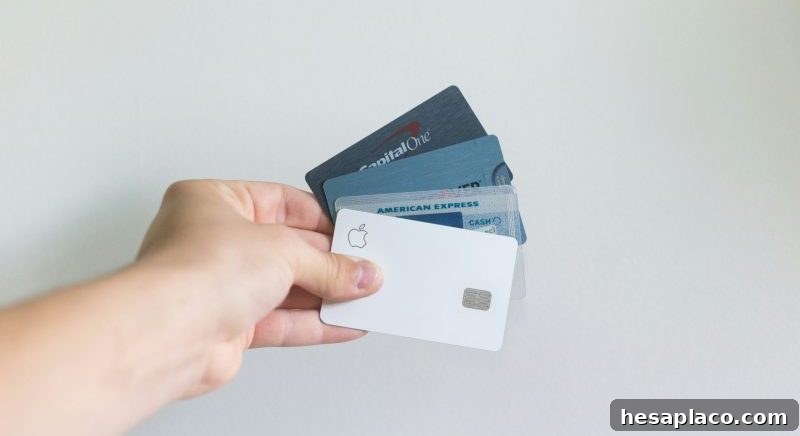
Image via Unsplash/Avery Evans
Credit cards are useful tools when used responsibly, but they can quickly become costly if mismanaged. Many young cardholders carry balances that accrue high interest, turning small purchases into larger long-term expenses. To avoid this, use credit sparingly and only when you understand the terms. A good rule is: if you can’t pay the balance in full at the next statement, don’t charge it. If you want to build credit, charge one reliable recurring expense—such as a streaming service or phone bill—and pay it off immediately each month. This creates positive payment history without risking runaway debt. Treat your card like borrowed money that must be repaid, not free cash. Interest accumulates regardless of how busy or stressed you are, so keeping balances low or at zero is the safest path.
These three rules—save early, budget simply, and limit credit use—aren’t flashy, but they form a strong foundation. Habits formed now compound over time, making future milestones like college, travel, or independent living easier to handle. Start with small steps, automate what you can, and prioritize consistency over perfection. Financial confidence grows from repeated good choices, not sudden expertise.