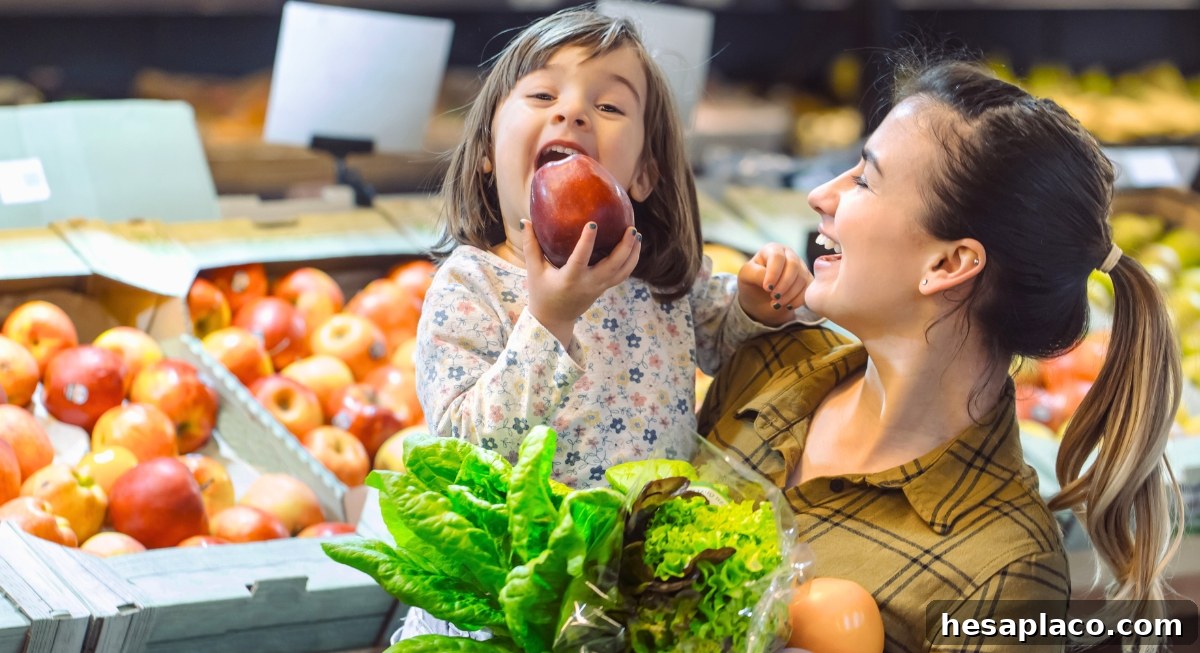
Even as tariffs affect international food prices, not every item in your grocery cart will see a jump. Many everyday staples remain steady thanks to robust domestic production, efficient local supply chains, and limited reliance on imports. If price tags are making you cautious, focus on these reliably affordable options that are largely sourced and produced within the United States.
Local Apples
Credit: Getty Images
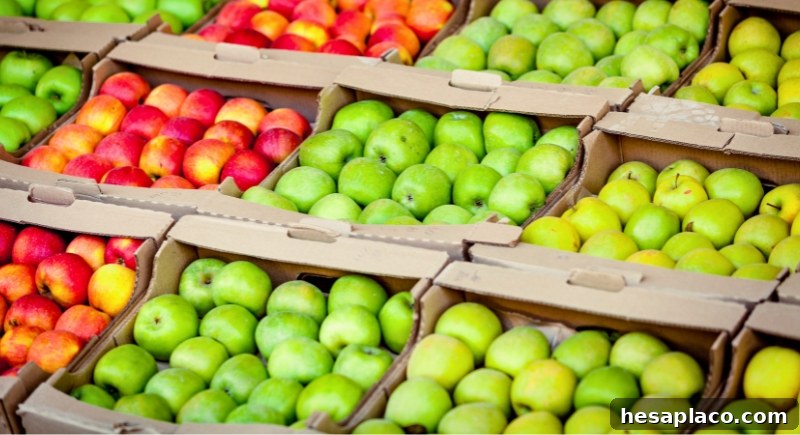
Apples sold in U.S. supermarkets are predominantly grown domestically, with Washington state contributing more than half of national production. Because imports account for a small share of supply, tariffs on foreign fruit have limited impact on apple prices. Many varieties are harvested and stored to cover months of demand, so pies, snacks, and school lunches can remain affordable even when global trade conditions shift.
Domestic Cheddar Cheese
Credit: Canva
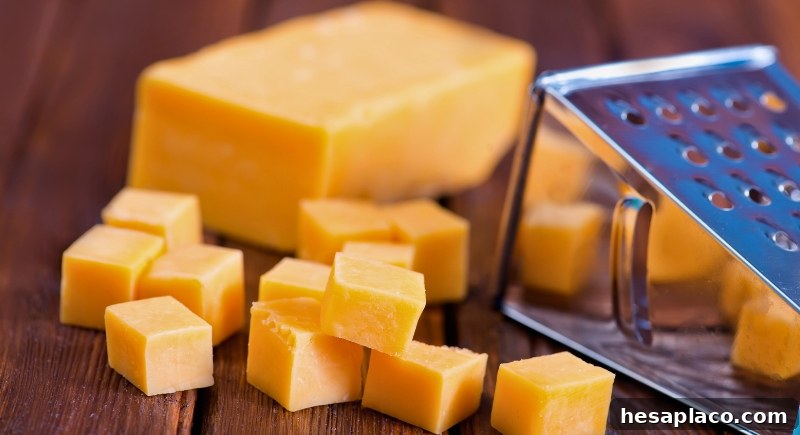
Cheddar produced across states like Wisconsin and Vermont benefits from a strong American dairy industry. While tariffs can raise the cost of imported specialty cheeses, domestically made cheddar largely avoids those pressures. That helps keep an everyday favorite—grilled cheese sandwiches, mac and cheese, and snacking slices—at stable prices.
American-Grown Rice
Credit: Getty Images
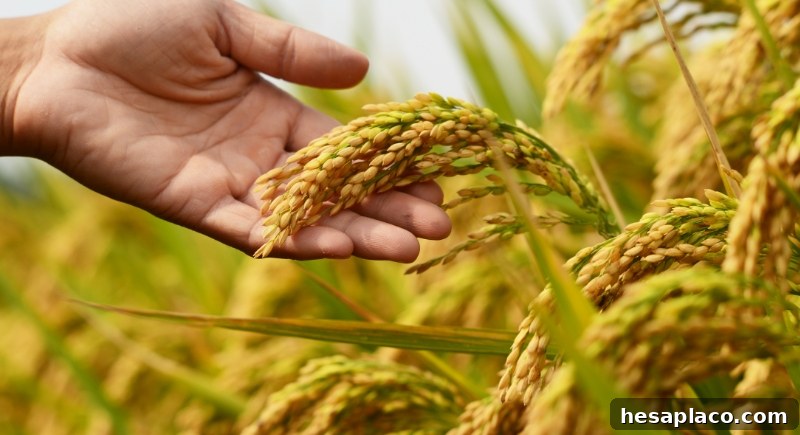
Rice production in states such as Arkansas, California, and Louisiana supplies the bulk of U.S. consumption. With Arkansas accounting for a significant portion of domestic output, many rice-based meals—from stir-fries to casseroles—rely on homegrown grain. That national self-sufficiency helps keep rice prices steady when international tariffs fluctuate.
Locally Sourced Honey

Credit: Aflo Images
Local honey from U.S. beekeepers typically sells at stable prices because small-scale producers supply farmers’ markets and many grocery shelves. Since these jars aren’t part of the imported honey market, they aren’t directly affected by tariffs. As a bonus, some people believe consuming local honey may provide mild relief from seasonal allergies by exposing them to local pollen—though individual results vary.
Domestic Peanut Butter

Credit: Canva
The United States grows more peanuts than it imports, with states like Georgia leading production. That domestic supply keeps peanut butter prices relatively insulated from international tariff moves. As a protein-rich, shelf-stable, and budget-friendly pantry staple, peanut butter remains a dependable choice for sandwiches, snacks, and recipes.
U.S.-Grown Potatoes
Credit: pixabay
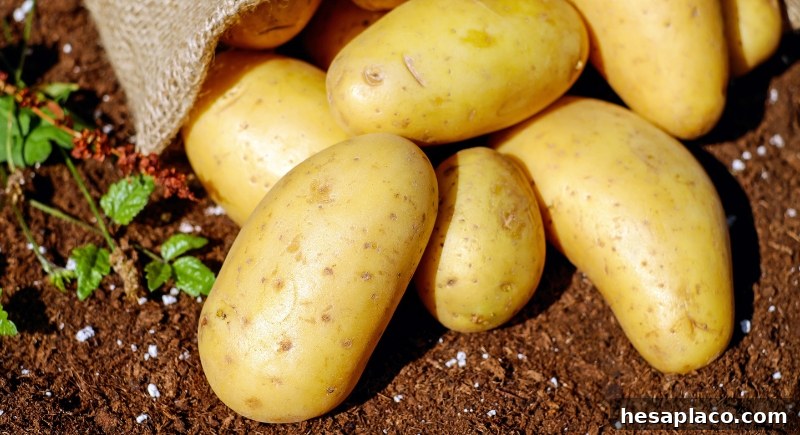
Thanks to major potato-growing regions in Idaho, Washington, and other states, the U.S. is largely self-sufficient in spuds. Minimal import dependence means potatoes—whether mashed, roasted, or turned into fries—are less susceptible to tariff-driven price swings. Their versatility and affordability make them a reliable foundation for many meals.
Domestic Chicken
Credit: Getty Images
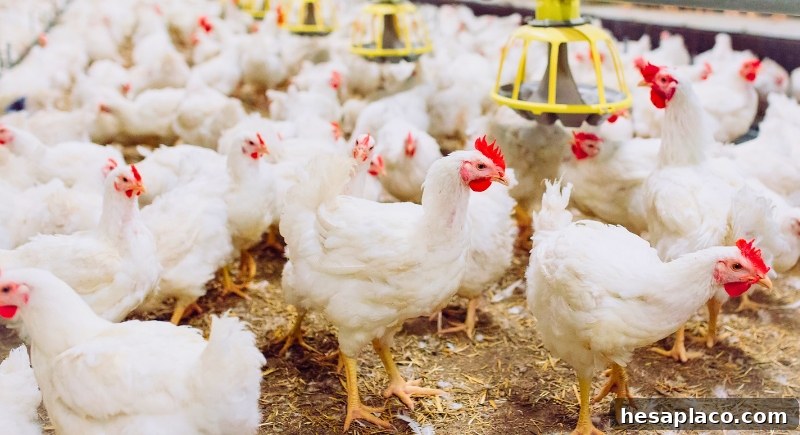
The U.S. poultry industry produces the majority of chicken consumed domestically and exports significant volumes as well. This high domestic output and efficient processing help keep chicken prices comparatively stable, even when international trade policies change. Whether roasted, grilled, or added to salads, chicken remains an affordable protein option.
Locally Baked Bread

Credit: Canva
Bread sold in the U.S. is largely made from domestic grains and baked locally, whether by commercial bakeries or neighborhood shops. Because production typically happens close to the point of sale and relies on American wheat and corn, bread prices are less exposed to import tariffs. Your morning toast and sandwich bread are therefore more likely to remain budget-friendly.
U.S.-Produced Milk
Credit: pixabay
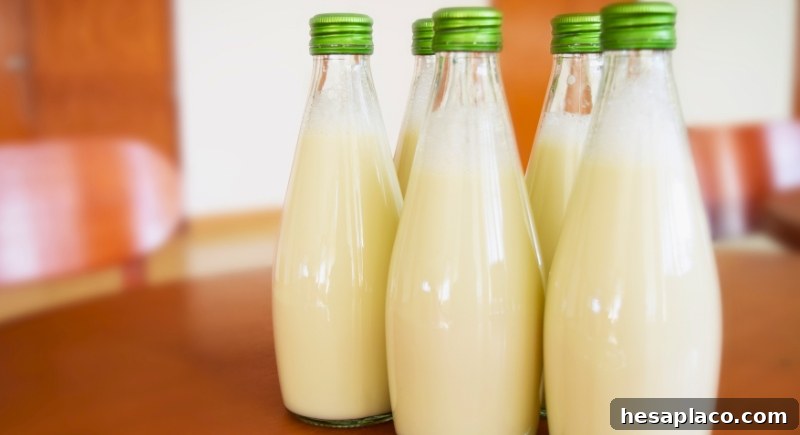
Milk production is widespread across states like Wisconsin and California, and domestic output meets most American demand. That broad distribution of dairy farms helps keep milk prices relatively stable despite shifts in global trade, ensuring a steady supply for cereal, coffee, cooking, and baking.
Domestic Eggs
Credit: Canva
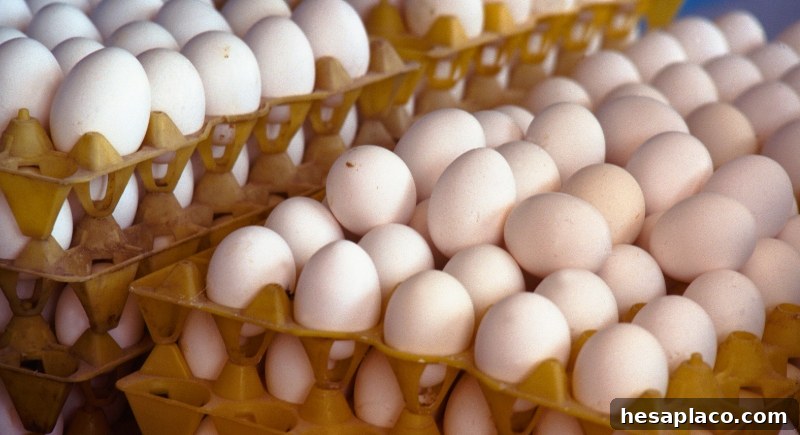
Eggs are produced largely by U.S. farms and supply most grocery shelves. Because imports play a small role in the domestic egg market, tariffs on foreign goods have limited influence on prices. Eggs remain a versatile and affordable protein source for breakfasts, baking, and quick meals.
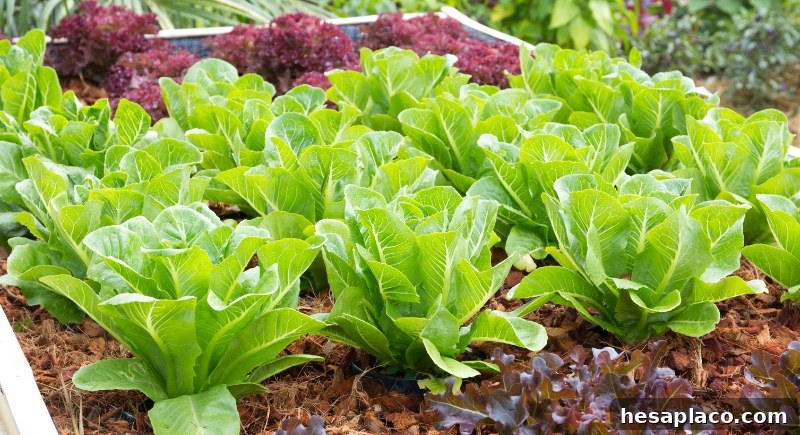
American-Grown Lettuce
Credit: Getty Images
More than 90% of U.S. lettuce is grown in California and Arizona, which keeps this leafy staple largely immune to international tariff effects. Because lettuce is perishable and travels best when grown nearby, its production and distribution remain predominantly domestic, helping preserve freshness and reasonable prices at checkout.
Domestic Orange Juice

Credit: Getty Images
Florida’s citrus groves and U.S.-based processing plants supply most of the orange juice sold domestically. While international varieties exist, many brands use local fruit or blends that prioritize U.S. crops, helping shield orange juice prices from tariff-driven increases.
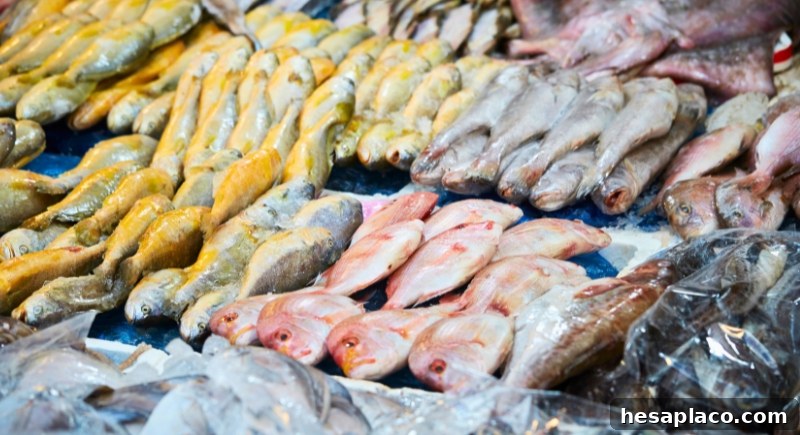
U.S.-Caught Fish
Credit: Getty Images
American fisheries—especially in Alaska and along the Gulf Coast—supply many varieties of fish and seafood sold in the U.S., such as salmon, cod, pollock, and shrimp. Domestic catches are less affected by import tariffs, and they often meet stricter quality and safety standards, which can mean fresher products and stable pricing at your seafood counter.
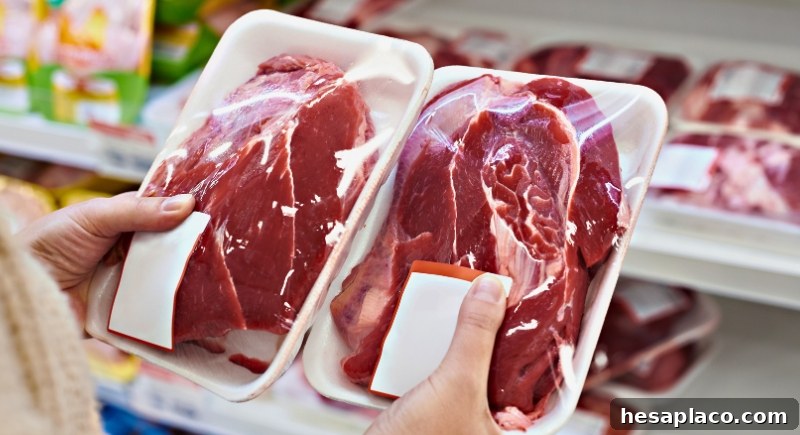
Domestic Beef
Credit: Getty Images
The U.S. beef industry produces a significant portion of the meat sold domestically. That strong internal supply helps maintain relatively consistent pricing for steaks, roasts, and ground beef, even as international trade dynamics change. For consumers, that often translates into dependable costs for favorite red-meat meals.
American-Made Pasta

Credit: pexels
Most dried pasta available in U.S. stores is manufactured domestically from American wheat. Because it does not rely heavily on imported pasta or durum, tariff changes abroad are unlikely to affect the price of pantry staples like spaghetti, penne, or macaroni. Pasta remains a cost-effective backbone for quick, comforting meals.
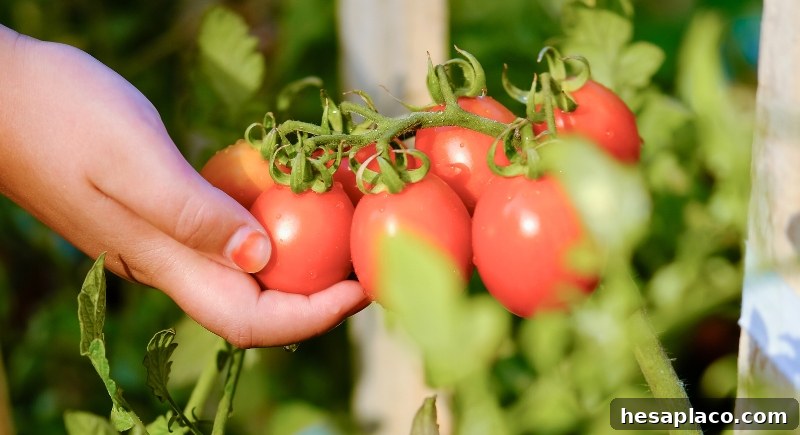
Locally Grown Tomatoes
Credit: Getty Images
Tomatoes grown in states like California and Florida dominate domestic supply, keeping prices stable and flavor at its best during peak seasons. Because these tomatoes are primarily produced on American farms, they aren’t typically subject to import tariffs—allowing you to enjoy fresh slices in salads, sauces, and sandwiches without unexpected price hikes.
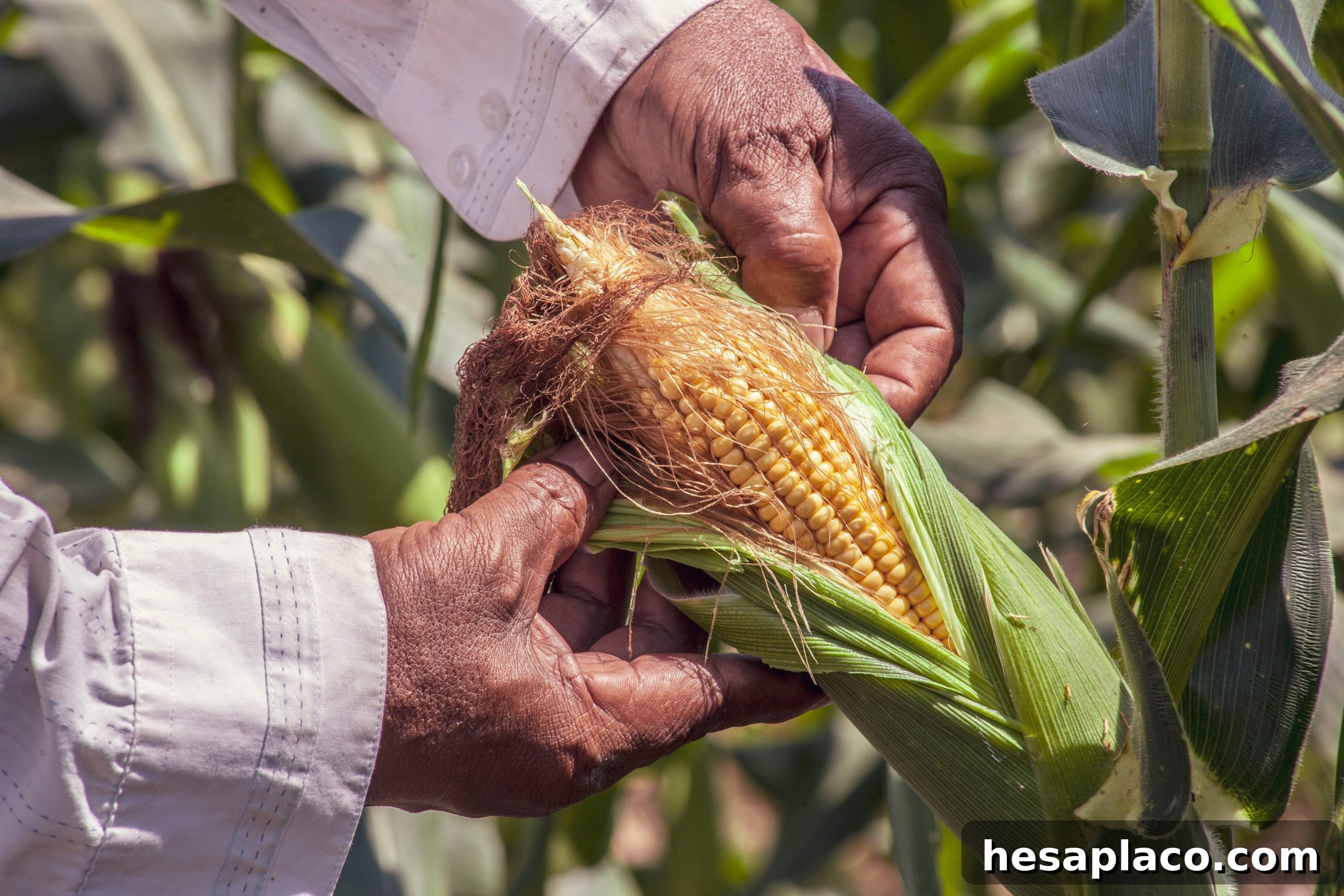
U.S.-Grown Sweet Corn
Credit: pexels
Sweet corn, commonly grown across the Midwest in states like Iowa and Illinois, remains a summer favorite that rarely depends on imports. That domestic abundance helps keep corn affordable for grilling, boiling, and adding to salads. When planning BBQs and seasonal meals, sweet corn is a reliable, budget-friendly choice.
Overall, choosing products that are grown, produced, and processed domestically can help insulate your grocery spending from some of the price volatility caused by international tariffs. Keeping an eye on origin labels and buying local when possible not only supports regional farms and producers but also helps you avoid unexpected cost increases tied to global trade shifts.