
U.S. workplace practices would surprise many European workers because they often leave employees with far fewer protections. From unpredictable schedules to unpaid overtime, several common American practices would be restricted—or outright illegal—in many European countries. Below is an overview of workplace habits in the U.S. that contrast sharply with labor protections found across Europe.
At-Will Employment

Credit: pexels
In the United States, at-will employment allows many employers to dismiss workers without advance notice or a stated cause, so long as the reason is not illegal discrimination. By contrast, numerous European countries require employers to demonstrate legitimate cause for dismissal. Germany and France have robust protections, and countries like the Netherlands and Italy also impose strict rules that make arbitrary terminations difficult.
Right to Disconnect

Credit: pexels
Many U.S. employers routinely contact employees by email or phone outside working hours. In parts of Europe, however, legislation protects employees’ right to disconnect. Countries such as Spain and France limit employer-initiated contact after hours to protect work-life balance and reduce the pressure to be always available.
Notice Periods for Termination

Credit: pexels
Workers in the U.S. often receive no formal notice before termination. In Europe, employers are generally required to give notice—sometimes depending on tenure—and to follow procedural rules that allow employees time to plan next steps. The UK and Germany, among others, enforce notice periods and procedural safeguards.
Employee Representation

Credit: pexels
While worker representation through unions or works councils is voluntary in much of the U.S., several European countries require it by law. Germany’s system of co-determination and Sweden’s strong traditions of employee representation ensure that workers have a formal voice in workplace decisions, improving transparency and fairness.
Non-Compete Agreements

Credit: pexels
Non-compete clauses are common in U.S. employment contracts, often restricting where former employees can work. Many European jurisdictions limit or ban such agreements to protect worker mobility and competition. Germany places significant restrictions, and France tightly regulates the scope and enforceability of non-competes.
Unpaid Internships

Credit: pexels
Unpaid internships are more common and more widely tolerated in the U.S. In several European countries, however, internships—especially those that involve substantial work—are expected to be paid. France and Germany have rules to ensure interns receive compensation or protections that prevent exploitation while still allowing educational opportunities.
Virtual Monitoring and Surveillance
Credit: freepik
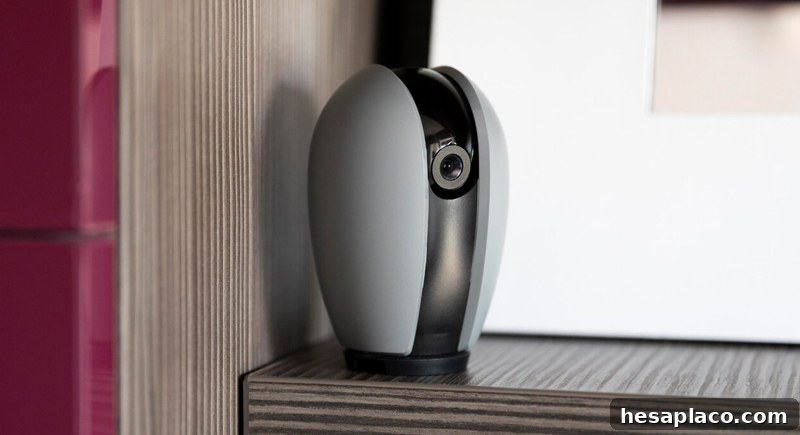
Employers in the U.S. may use extensive digital monitoring of employees, but Europe places stricter limits on surveillance. Privacy protections require that any monitoring be legally justified, proportionate and transparent. This aims to balance productivity monitoring with respect for employees’ personal data and dignity.
Breaks and Rest Periods

Credit: pexels
U.S. labor law does not mandate generous breaks for all workers, and in practice many employees receive limited rest during the workday. European rules are generally stricter: countries like Spain and Italy guarantee minimum daily rest periods and breaks, helping to protect health and well-being during the workday.
Uncompensated Overtime

Credit: freepik
Many American employers may expect extra hours without additional compensation in certain roles. In contrast, European law generally requires that overtime be compensated or offset with time off. Countries such as Germany and France enforce clear rules about working hours and remuneration for additional time worked.
Classification as Independent Contractors

Credit: pexels
U.S. companies sometimes classify workers as independent contractors to avoid providing benefits. Many European countries impose stricter tests for classification to prevent this form of misclassification. Spain and Italy, for example, have measures that protect workers by ensuring correct employment status and access to social benefits.
Limits on Consecutive Working Days

Credit: pexels
U.S. workers may be scheduled for many consecutive workdays without a statutory requirement for a weekly rest day. European rules, influenced by the Working Time Directive, generally ensure a minimum rest period—commonly at least one day off per week—to reduce burnout and promote recovery.
Regulation of On-Call Work

Credit: pexels
On-call expectations in the U.S. are often flexible and lightly regulated. In Europe, many countries require limits on on-call time and compensation when employees are required to be available outside normal hours. Belgium and France, for instance, have rules that protect workers from excessive on-call demands.
Performance Pay and Bonus Guarantees

Credit: pexels
In the U.S., performance-related pay and discretionary bonuses can be irregular and subject to employer discretion. Several European countries demand clearer, contractually defined terms for variable pay, insisting on transparency so employees understand how bonuses are calculated and when they are payable.
Requirement for Employee Consultation

Credit: pexels
Major business decisions in U.S. firms are often taken without formal employee consultation. Across Europe, laws frequently require employers to consult with employee representatives or human resources before implementing significant changes that affect jobs, working conditions, or workplace organization.
Irregular Work Schedules

Credit: pexels
U.S. employers have wide latitude to set irregular or unpredictable schedules. European labor laws more commonly require advance notice of schedules or place limits on last-minute changes, giving workers greater predictability and helping them balance employment with family and personal commitments.
Overall, many protections common across Europe—notice periods, paid internships, limits on surveillance, guaranteed rest, and formal employee representation—reflect a different approach to balancing employer flexibility with worker security. While the U.S. model emphasizes flexibility for employers, European regulations tend to prioritize job stability, worker privacy and clear procedural safeguards.