
Have you ever wandered through a charming historic neighborhood and pictured yourself living there, only to be stunned by the price? You’re not alone. Around the world, postcard-perfect streets and centuries-old homes have become highly sought-after and prohibitively expensive. Below is a polished guide to historic neighborhoods whose beauty comes with steep living costs—ideal for dreaming, exploring, and careful window shopping.
Montmartre, Paris
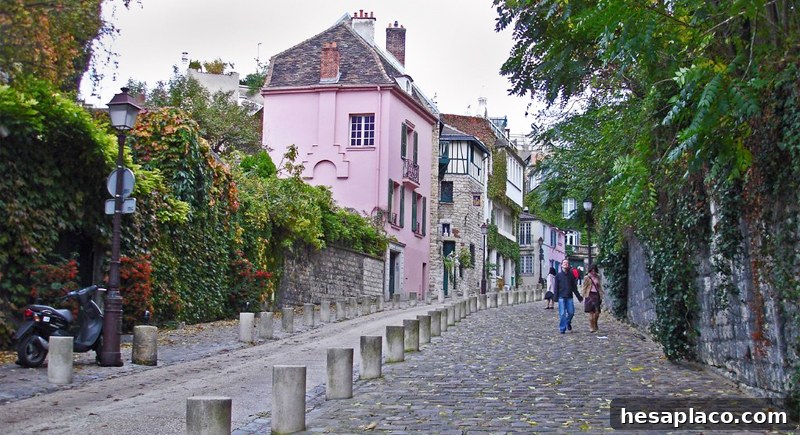
Credit: flickr
Once a bohemian artists’ village, Montmartre still offers winding, picturesque streets and sweeping views over Paris. The creative spirit remains, but property prices have climbed dramatically. It’s a perfect spot for a morning stroll and a pastry, yet owning a home here is largely out of reach for most.
The Garden District, New Orleans
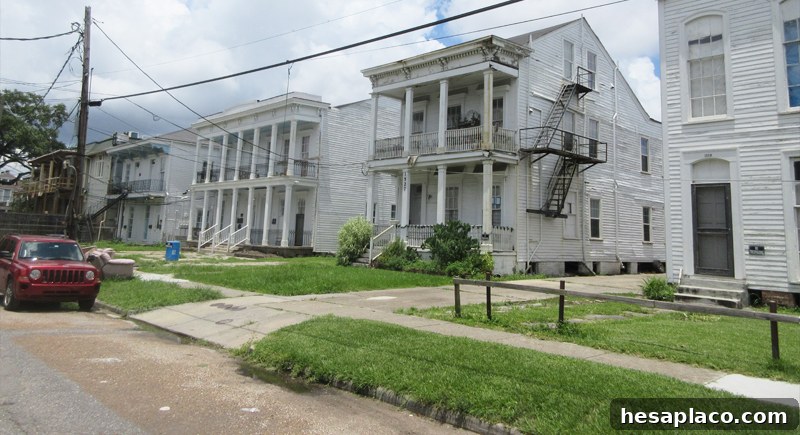
Credit: Wikimedia Commons
The Garden District is known for its grand antebellum mansions and Southern charm. What was once accessible to local residents has gradually become a playground for the affluent. Enjoy the stately architecture and jazz-influenced ambiance, but buying into this neighborhood will require significant means.
Notting Hill, London
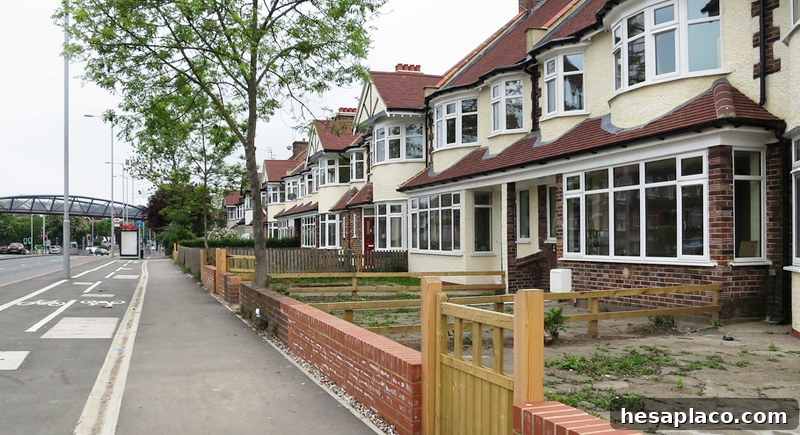
Credit: flickr
With its pastel townhouses and lively festivals, Notting Hill captures that picture-perfect London charm. The area’s cultural scene and annual street fairs continue to attract visitors and buyers alike, driving up real estate values. Visiting feels like stepping into a film set; living there is typically reserved for those with deep pockets.
Beacon Hill, Boston
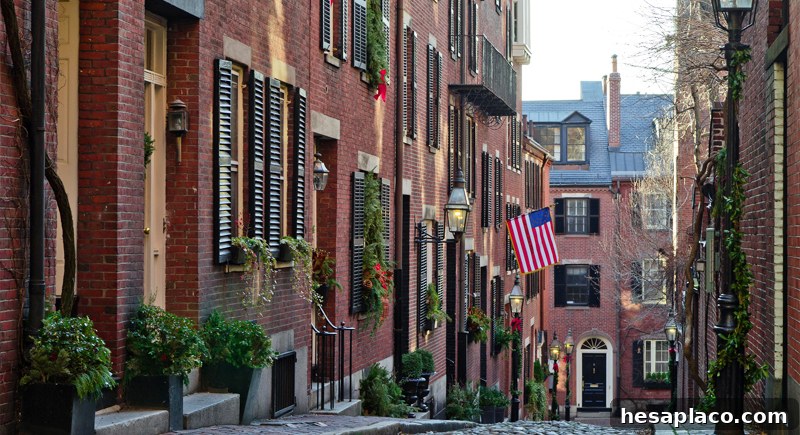
Credit: flickr
Beacon Hill’s gas-lit streets and Federal-style row houses epitomize historic Boston. The neighborhood radiates exclusivity and “old money,” and real estate prices reflect that reputation. It’s a delightful area to explore on foot, but permanent residence here is a high-cost proposition.
Trastevere, Rome
Credit: flickr
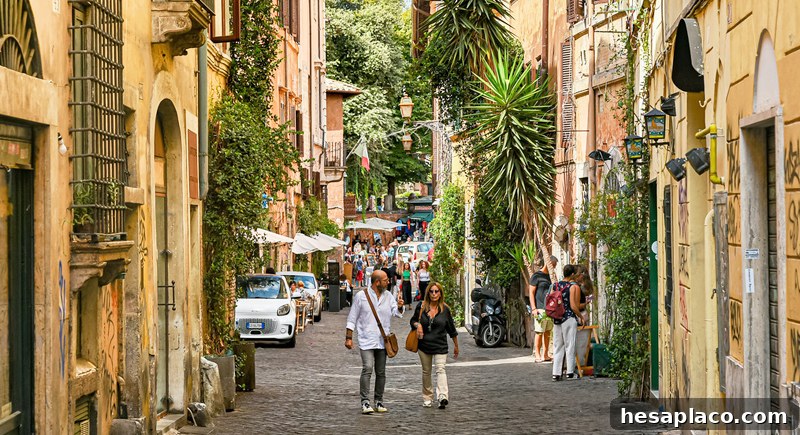
Trastevere, with its ivy-clad facades and narrow cobblestone lanes, feels like the soul of Rome. Once a working-class neighborhood, it now attracts tourists and wealthier residents, especially around its renowned restaurants and nightlife. Savor the food and atmosphere—owning a property here, however, can be costly.
Greenwich Village, New York
Credit: flickr
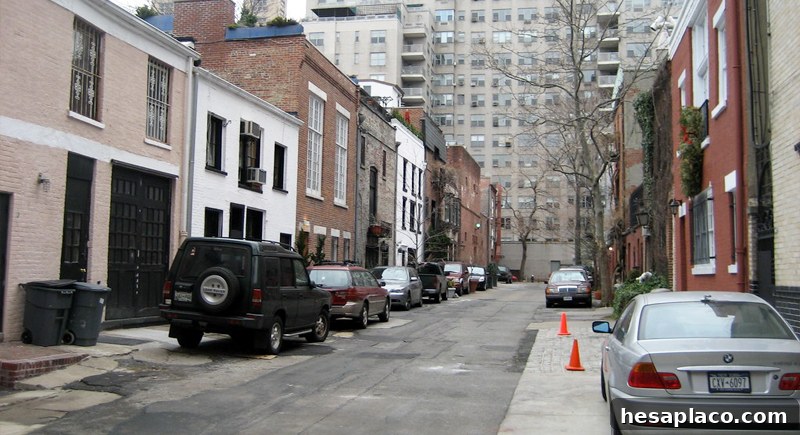
Greenwich Village remains one of New York City’s most iconic neighborhoods, famed for its artistic history, eclectic dining, and nightlife. That cultural pedigree has translated into high demand and steep property values. Short-term visits and rented studios are often the most realistic ways to experience Village life for many.
Georgetown, Washington D.C.
Credit: flickr
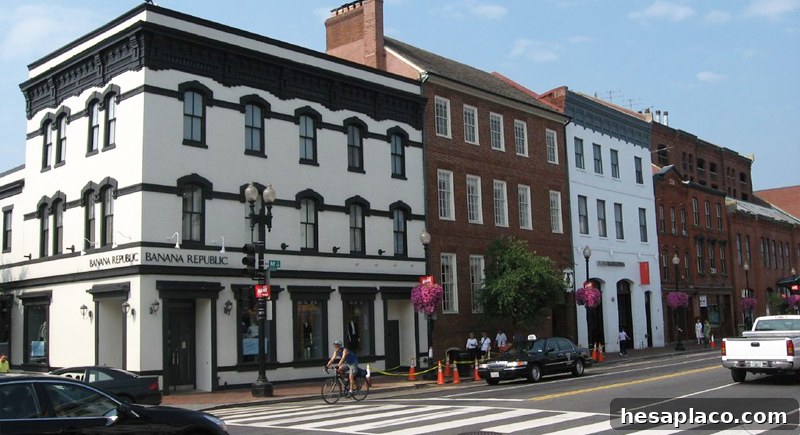
Founded in 1751, Georgetown preserves a slice of American history with its cobblestone streets and elegant townhouses. Its historic character and prime location near the waterfront make it one of D.C.’s most expensive neighborhoods. It’s ideal for shopping and dining, but homeownership here demands a substantial budget.
Alfama, Lisbon
Credit: flickr
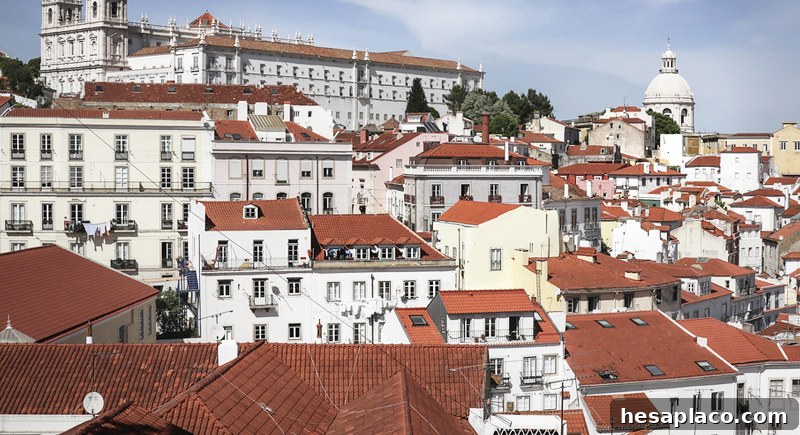
Alfama’s winding alleys, tile-lined buildings, and intimate Fado houses capture traditional Lisbon. Historically a modest fishermen’s quarter, the district has become increasingly desirable, pushing property prices upward. It’s a captivating place to explore, although buying a home here can be financially demanding.
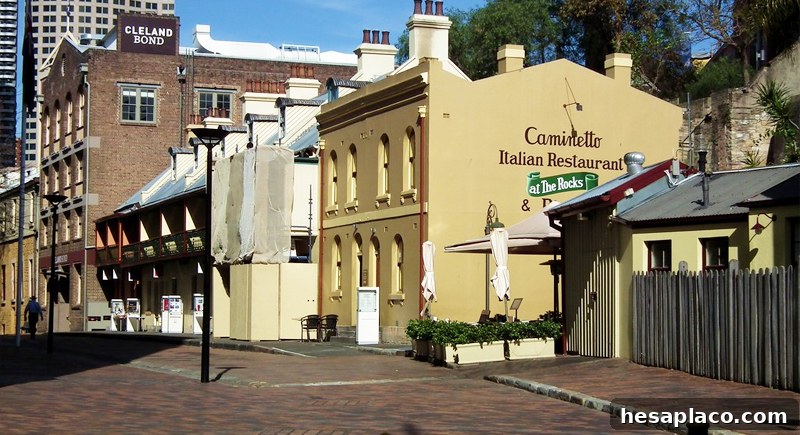
The Rocks, Sydney
Credit: flickr
Originally a rough convict settlement, The Rocks now ranks among Sydney’s most desirable historic neighborhoods. Its proximity to the Sydney Harbour Bridge and waterfront markets makes it a favorite for visitors and affluent buyers alike. Browse the markets and heritage buildings, but expect high property costs if you’re thinking of staying.
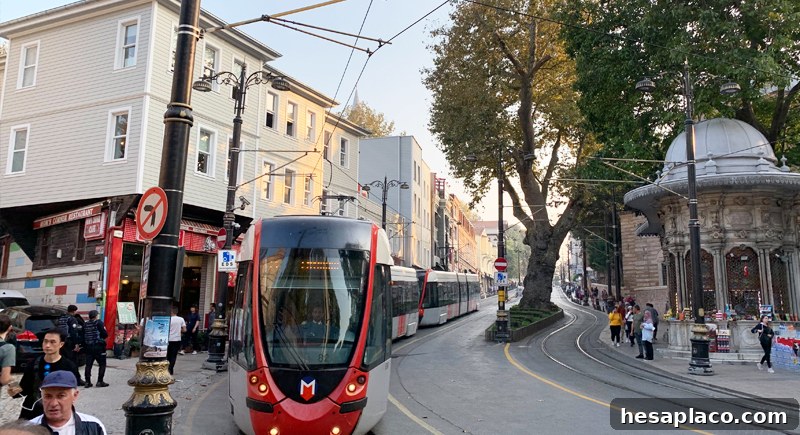
Sultanahmet, Istanbul
Credit: Wikimedia Commons
Sultanahmet is the historic heart of Istanbul, surrounded by architectural treasures such as the Blue Mosque and Hagia Sophia. Its concentration of world-class landmarks draws heavy tourist interest, which has elevated local property values. It’s a dream location for history lovers, though living there can be expensive.
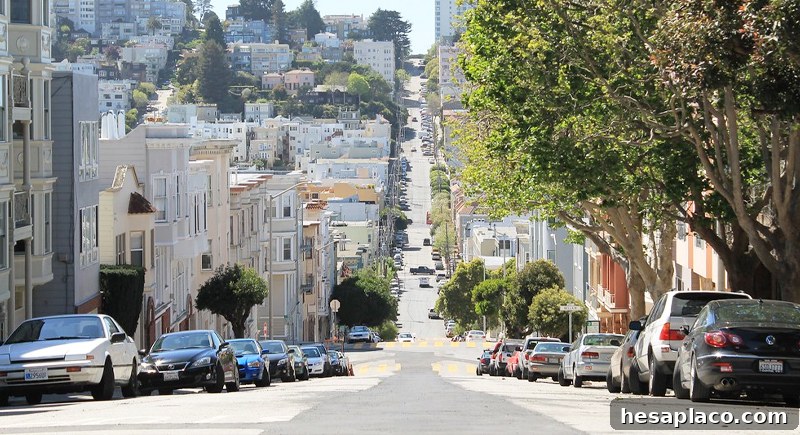
North Beach, San Francisco
Credit: flickr
Known as San Francisco’s Little Italy, North Beach blends cultural heritage with modern urban life. Its lively cafes, bakeries, and waterfront proximity have made it a highly desirable neighborhood, and housing prices have followed suit. Enjoy a coffee and cannoli—buying property here is a major investment.
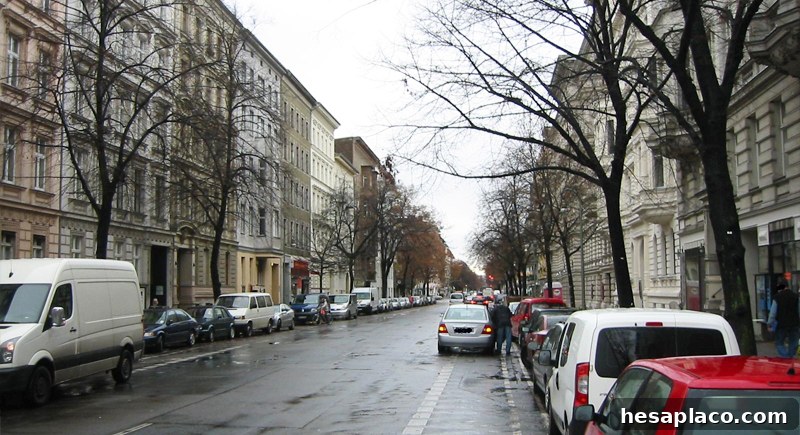
Kreuzberg, Berlin
Credit: Wikimedia Commons
Kreuzberg was once an affordable hub for artists and immigrants and remains one of Berlin’s most culturally vibrant districts. With its street art, eclectic eateries, and nightlife, demand has increased and so have housing costs. It’s a dynamic neighborhood to visit, though costly for long-term residence for many.
Le Marais, Paris
Credit: flickr
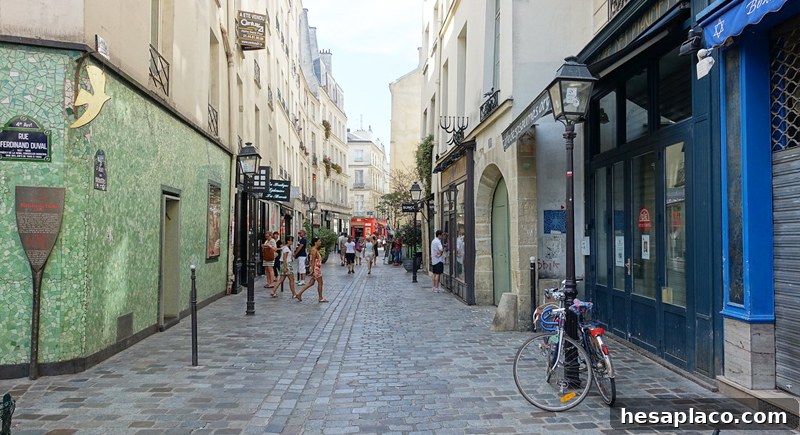
Le Marais combines historic architecture with a lively arts and dining scene. Once marshland turned fashionable quarter, it’s now among Paris’s most valuable residential areas. Gallery-hopping and boutique shopping are perfect daytime activities; permanent residency typically requires substantial finances.
Haight-Ashbury, San Francisco
Credit: flickr
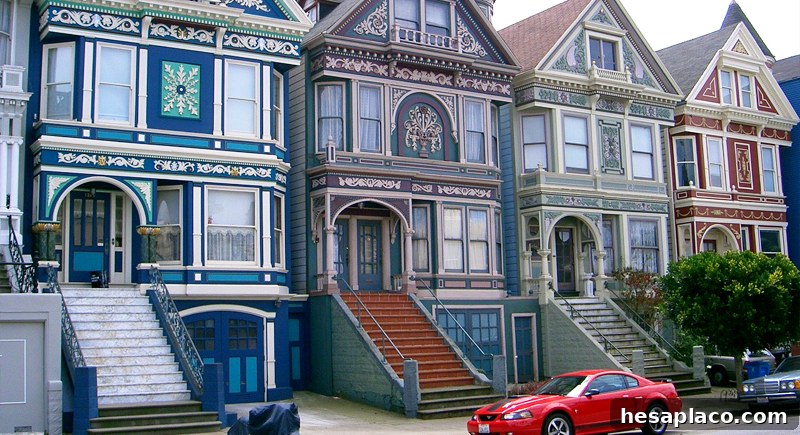
Famous for the 1960s counterculture movement, Haight-Ashbury still carries a distinctive retro and artistic vibe. While vintage stores and colorful murals remain, property prices in this neighborhood have soared. It’s an essential stop for cultural exploration, though living here can be costly.
Jordaan, Amsterdam
Credit: flickr
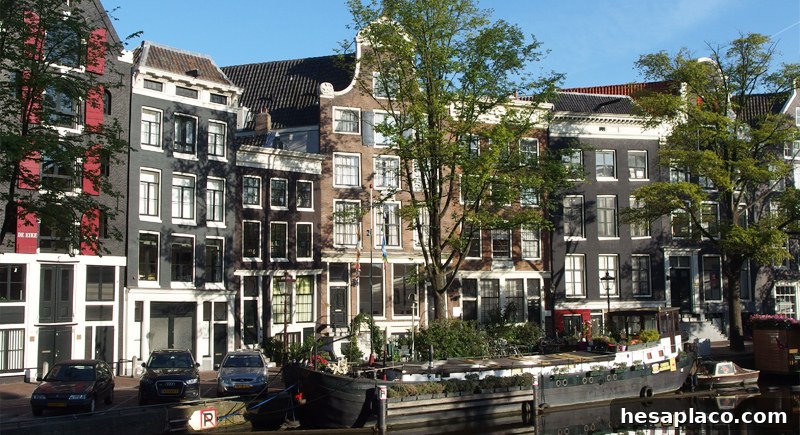
Jordaan charms with narrow canals, hidden courtyards, and cozy cafes—an archetypal Amsterdam neighborhood. Its reputation and central location have pushed property values to premium levels. Cycling through the streets and sampling local treats is delightful, but owning a home here often requires considerable resources.
Historic neighborhoods offer rich culture, timeless architecture, and memorable experiences, but they also tend to attract demand that drives up living costs. Whether you visit for a weekend or plan your next move, these districts are best appreciated with a realistic view of the local housing market.