Many people spend money on needless items without recognizing how much it adds up. From buying designer accessories for pets to making frequent in-game purchases on mobile apps, these small indulgences can drain your finances. Recognizing which purchases offer real value — and which are largely symbolic or impulsive — helps you spend more intentionally, reduce waste, and build stronger financial habits.
Extended Warranties
Credit: flickr
Extended warranties often sound like a sensible safeguard, but in many cases they don’t deliver a good return on investment. Consumers frequently pay extra for coverage they never use. A practical alternative is to set aside a repair fund or rely on the manufacturer’s standard guarantee when necessary. That approach prevents tying up money in low-value protection plans.
Designer Pet Accessories

Credit: Instagram
Luxury pet products carry steep price tags but rarely improve your pet’s comfort or well-being. Practical, well-made alternatives often provide the same level of durability and comfort at a fraction of the price. Choosing sensible items for your pet keeps them happy and preserves your budget.
Exotic Pets

Credit: pexels
Exotic animals can be expensive to care for due to their unique dietary, habitat, and veterinary needs. These ongoing costs often outweigh the novelty that attracted owners in the first place. If you want a pet, consider a more common species that requires less specialized care and is typically more affordable over time.
Bottled Air
Credit: Instagram
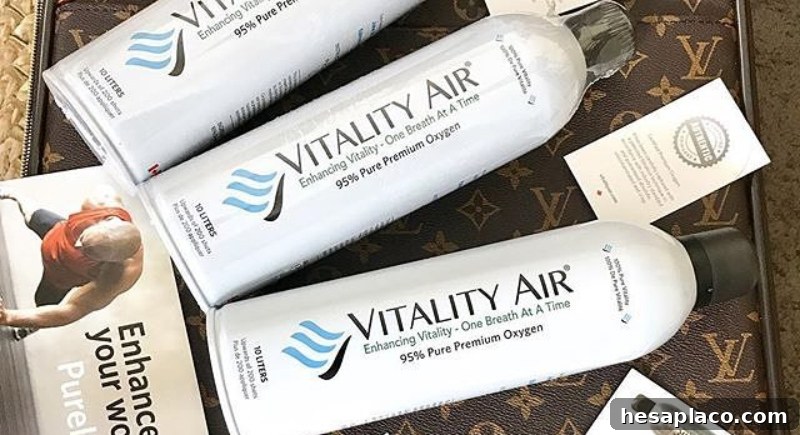
Products marketed as bottled “pure air” are a novelty expense that usually offers no measurable benefit. The air you breathe from natural outdoor spaces or well-ventilated indoor areas is free and effective. Spending on bottled air contributes to unnecessary waste and rarely improves air quality in any meaningful way.
Celebrity Merchandise

Credit: Reddit
Official celebrity merchandise can be expensive relative to the actual value of the product. If you want to support an artist, consider purchasing their music, books, or other creative work directly, or enjoying their art in ways that don’t require paying a premium for branded trinkets.
Renting Storage Units

Credit: Wikimedia Commons
Long-term storage rentals can slowly become a significant monthly expense, often for items you rarely use. Before committing to a unit, evaluate which belongings you truly need and which can be sold, donated, or discarded. Decluttering not only saves money but also frees up mental and physical space in your home.
Novelty Gadgets

Credit: halfpoint
Impulse purchases of novelty gadgets rarely deliver long-term satisfaction. These items often sit unused after a short time, contributing to clutter rather than solving a real problem. Prioritize functional purchases that improve daily life rather than temporary novelties.
Expensive Art Supplies
Credit: flickr
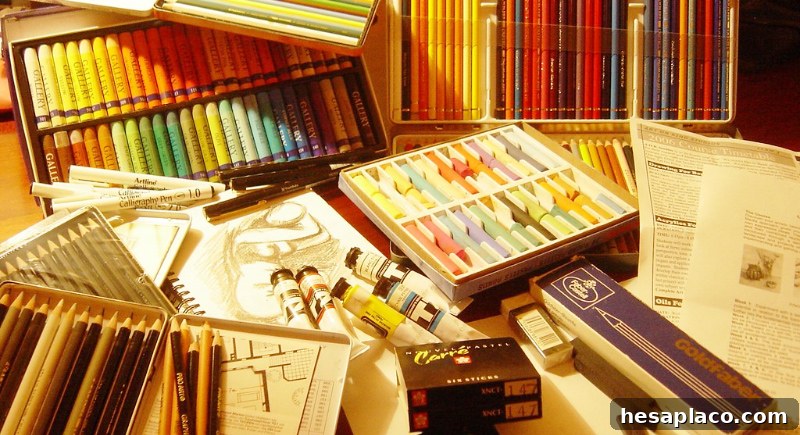
While professional-grade art materials can offer advantages, many affordable supplies perform well enough for most hobbyists and beginners. Investing progressively as your skills grow lets you enjoy creativity without overspending on premium tools you may never fully use.
Overpriced Bottled Water

Credit: flickr
Paying high prices for bottled water adds up quickly, especially when safe alternatives exist. Using a reusable bottle and a quality filter or drinking tap water where it’s safe reduces cost and environmental impact while keeping you properly hydrated.
Luxury Food Items for Pets

Credit: pexels
Premium or novelty pet foods may look appealing, but often standard, well-balanced diets meet animals’ nutritional needs just as well. Investing in regular veterinary care, exercise, and quality time provides more benefit to your pet than expensive specialty foods.
Trendy Diets and Supplements

Credit: pexels
Taking care of your health is important, but many fad diets and expensive supplement regimens offer limited proven benefits. A balanced diet, regular exercise, and advice from qualified healthcare professionals usually deliver more reliable results than costly, trend-driven products.
Expensive Coffees and Teas
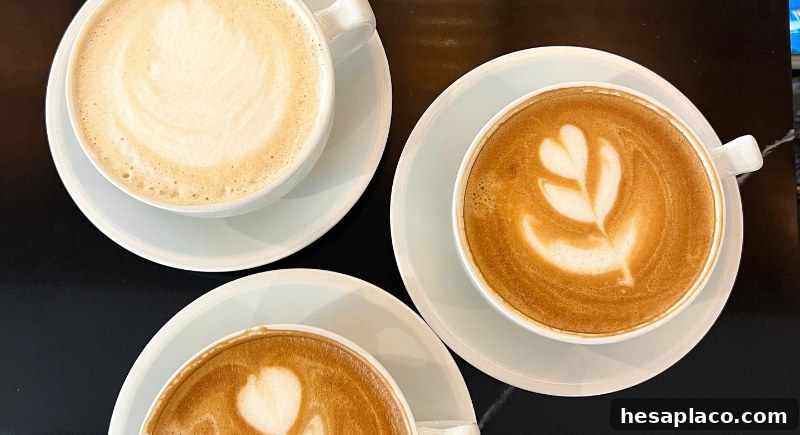
Credit: Instagram
Spending on premium coffee and tea every day can quickly become an expensive habit. Brewing drinks at home with quality, affordable ingredients lets you enjoy similar flavors for much less. Save splurges for special occasions instead of making them a daily cost.
Costly Wedding Favors
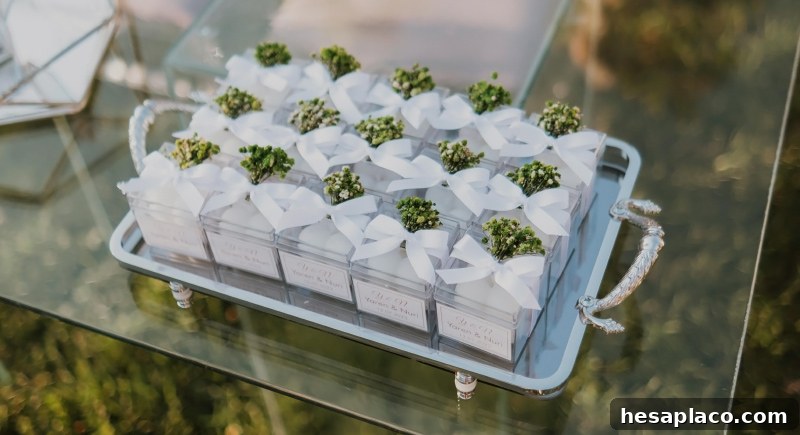
Credit: pexels
While it’s thoughtful to thank guests at a wedding, extravagant favors can inflate your budget unnecessarily. Meaningful but modest tokens, or simple gestures of appreciation, often create a more memorable impression without the high cost.
High-End Technology Accessories
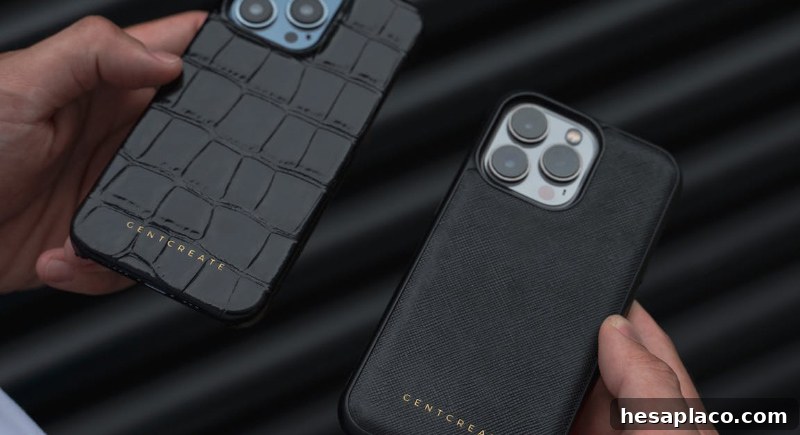
Credit: pexels
Many high-priced tech accessories provide marginal improvements over standard options. Evaluate whether premium features matter for your use before paying extra. Choosing reliable, well-reviewed mainstream accessories often offers the best balance of performance and cost.
Personalized License Plates
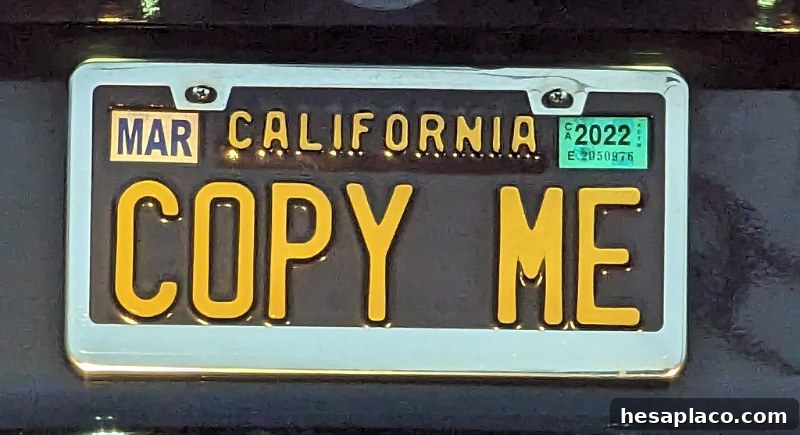
Credit: flickr
Custom license plates are a vanity purchase that can add recurring or one-time costs without practical benefit. If personalization is important to you, weigh the aesthetic value against the expense and consider whether that money could be better used elsewhere.
In-Game Purchases in Mobile Apps

Credit: flickr
Microtransactions in mobile games are designed to encourage repeated spending and can quickly add up. Many players find they enjoy games fully without paying for extras. Set limits, turn off one-click purchases, or stick to free content to keep your entertainment costs under control.
Being mindful about everyday spending helps you direct money toward goals that matter, whether saving for an emergency fund, investing, or enjoying meaningful experiences. Small changes add up: cutting a few habitual, low-value expenses can free resources for higher-priority needs and long-term financial security.