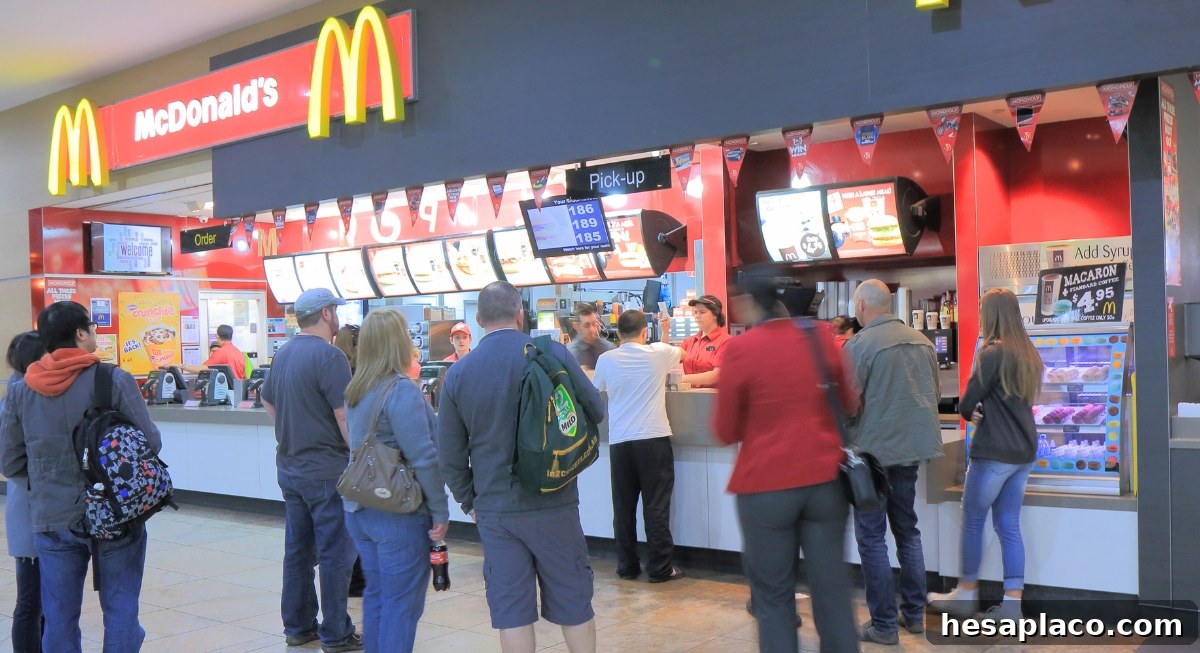
Millions of people work in fast food, but experiences vary widely across chains. Some establishments are known for low pay, unpredictable schedules, or management practices that drive turnover. Based on worker accounts, regulatory findings, and publicized incidents, several brands recur in discussions about particularly difficult workplaces in the industry.
Subway
Credit: Wikimedia Commons
Federal investigations by the Department of Labor documented thousands of wage-and-hour violations by Subway franchise operators between 2000 and 2013. Employees frequently report chronic understaffing, inconsistent schedules, and concerns about ingredient storage and safety. Recent waves of store closures have further increased job insecurity for many workers.
Dunkin’
Credit: pexels
The chain has faced criticism over workplace culture after individual franchise controversies. One notable incident involved a sign at a Baltimore store offering free food to customers who reported workers speaking languages other than English; the sign was removed, but the episode intensified concerns about discriminatory practices and management oversight at some locations.
Sonic
Credit: Wikimedia Commons
Workers at several Sonic restaurants publicly protested pay changes in 2019 when new management in some Ohio stores shifted employees from the state minimum wage to a tipped wage. Because drive-in and fast-food staff rarely receive sufficient tips, the cut prompted walkouts and visible protests from former employees who then posted explanations and signs on store windows.
McDonald’s
Credit: Wikimedia Commons
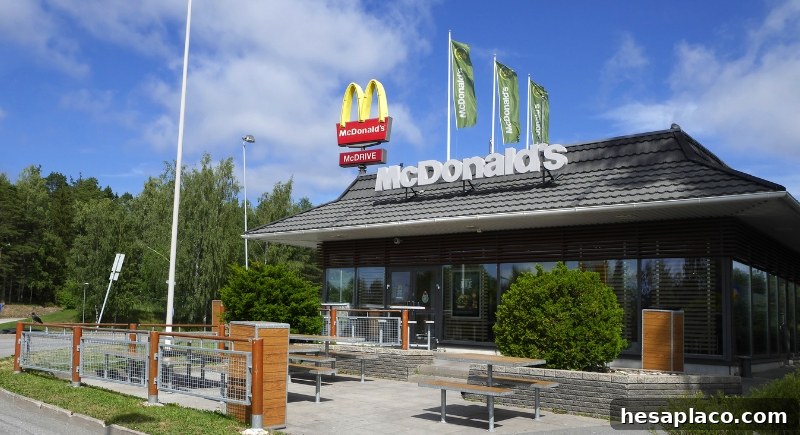
As the world’s largest fast-food company, McDonald’s has frequently been the subject of wage-theft and discrimination claims. In 2019, the company and franchisees settled a large labor lawsuit in California. Stories about low pay and suggestions that workers might need additional jobs to make ends meet have contributed to ongoing scrutiny of pay and working conditions across many locations.
Popeyes
Credit: Wikimedia Commons
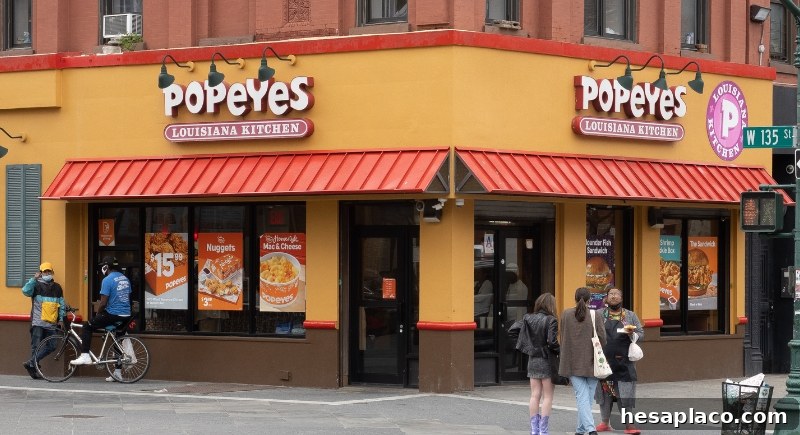
The 2019 chicken sandwich boom brought massive customer demand that left many crews overwhelmed. Reports from that period described unsafe conditions caused by understaffing; in one viral incident an eight-year-old was filmed handling raw chicken, highlighting staffing and supervision issues. Other high-profile disputes tied to line conflicts also drew attention to safety and management challenges.
Hardee’s / Carl’s Jr.
Credit: Wikimedia Commons
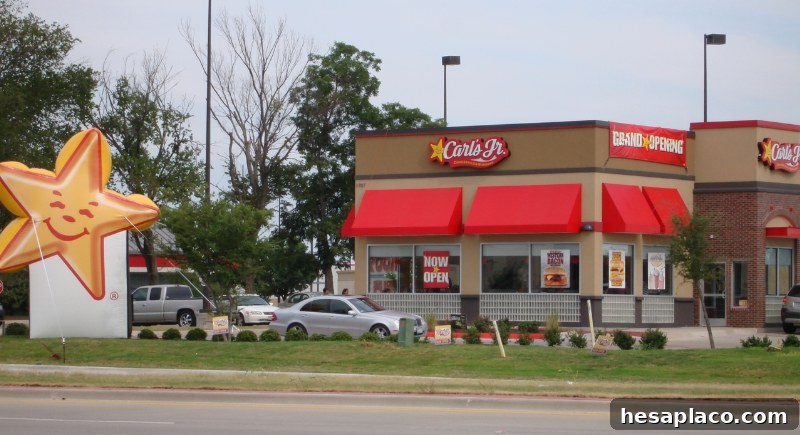
The brands have faced enforcement actions, including a multimillion-dollar fine in Los Angeles for failing to pay minimum wage and accusations that franchisees interfered with labor investigations. Public controversy around the company increased when a former CEO’s nomination to a public post prompted scrutiny of past labor practices.
Wendy’s
Credit: Instagram
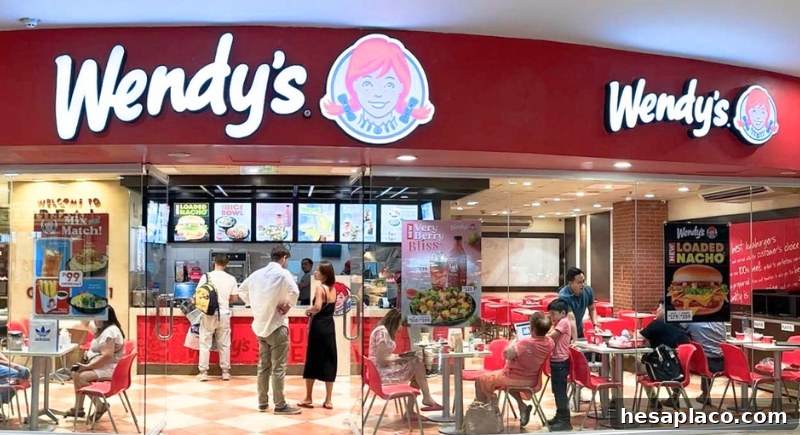
Low wages have long been a recurring complaint among Wendy’s employees. In 2020, a franchise group was cited for violating child labor laws by having minors work outside permitted hours. The company has also faced criticism for not participating in some agricultural worker programs intended to improve conditions for farm laborers tied to its supply chain.
Burger King
Credit: Wikimedia Commons
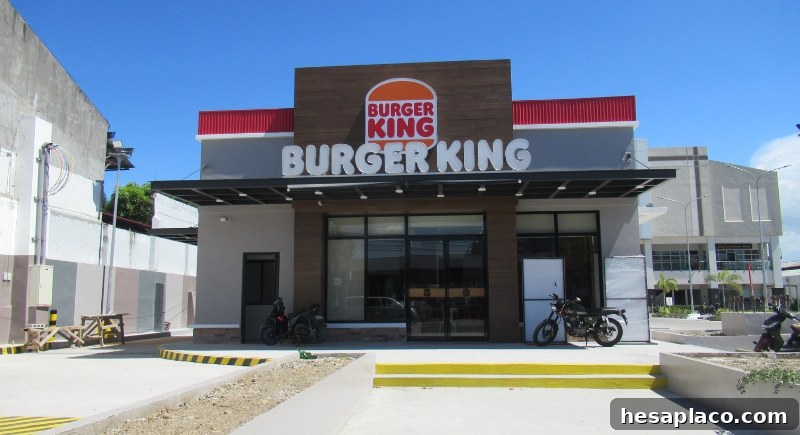
Burger King has faced labor controversies internationally and domestically. In New Zealand, the company was banned from hiring migrant workers after underpaying them. In the United States and Canada, employee protests and legal claims have focused on unpaid overtime, wrongful terminations, and demands for a higher minimum wage, keeping scrutiny on pay practices at certain outlets.
Jimmy John’s
Credit: Wikimedia Commons
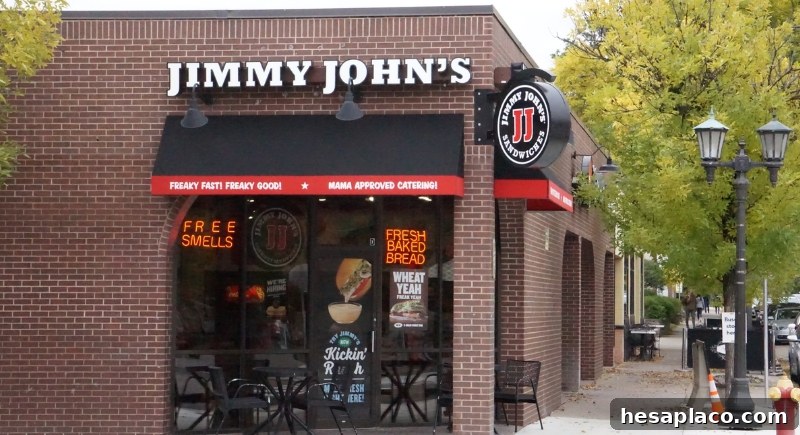
Employees and advocates have criticized Jimmy John’s for a lack of paid sick leave, with allegations that some workers were pressured to work while ill. In 2011, a group of employees said they were fired after producing posters to draw attention to food-safety risks posed by sick staff preparing sandwiches.
Olive Garden
Credit: Wikimedia Commons
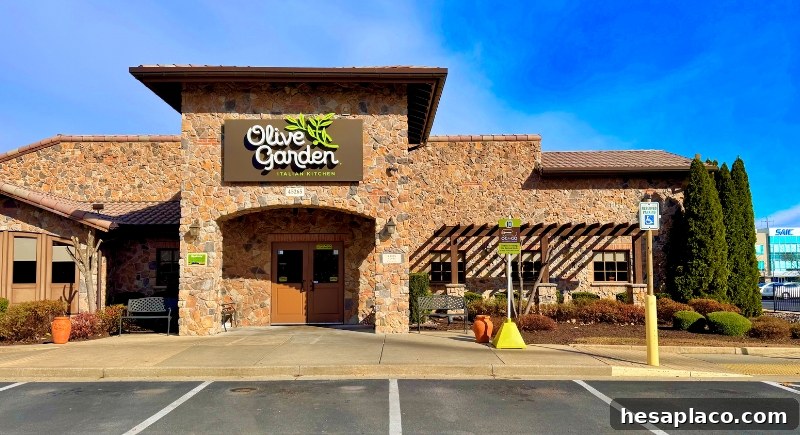
Though primarily a casual-dining chain, Olive Garden shares many of the labor complaints common to fast-food and full-service restaurants. Former staff describe high workloads, frequent table turns, and management practices that prioritize cost control over reasonable staffing. Online accounts also recount instances where managers sided with difficult customers, making servers’ jobs even more stressful.
Cracker Barrel
Credit: Wikimedia Commons
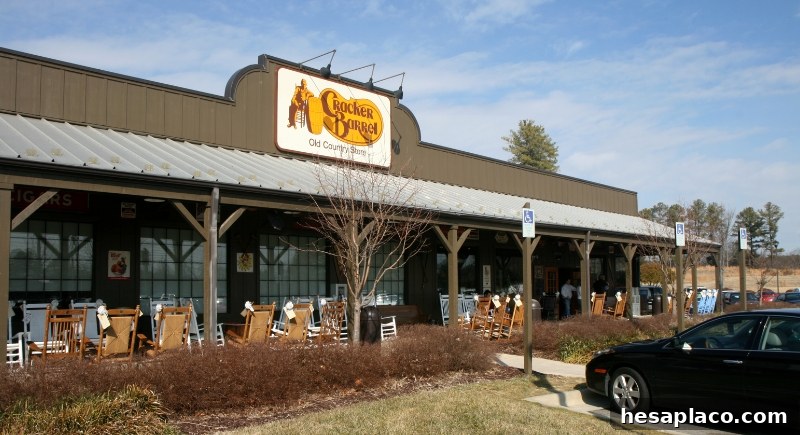
Servers at Cracker Barrel report strict dress and appearance policies, detailed pre-shift checks, and heavy workloads. Some employees allege manipulated table assignments that can depress tips, while online discussions describe inconsistent and sometimes problematic manager behavior. Despite a family-friendly public image, some staff say the internal culture can be demoralizing.
KFC
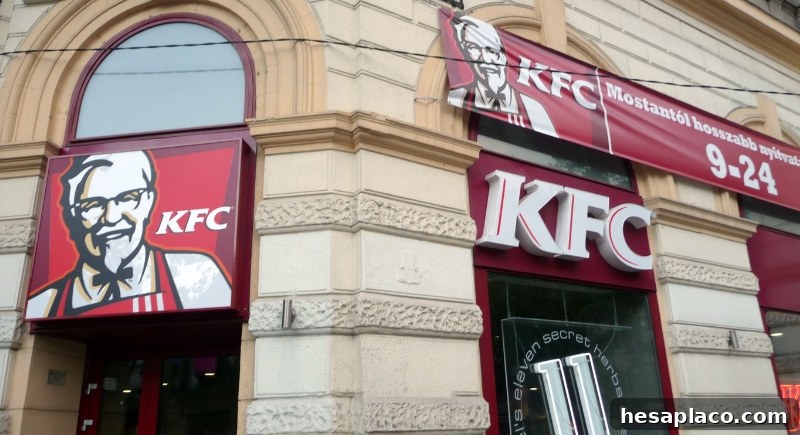
Credit: Wikimedia Commons
KFC workers have participated in campaigns for higher wages and better working conditions, sharing stories of long hours and work-related injuries. Multiple legal actions and federal inquiries have alleged wage violations at certain franchise locations, including investigations that uncovered pay issues in some states.
Buffalo Wild Wings
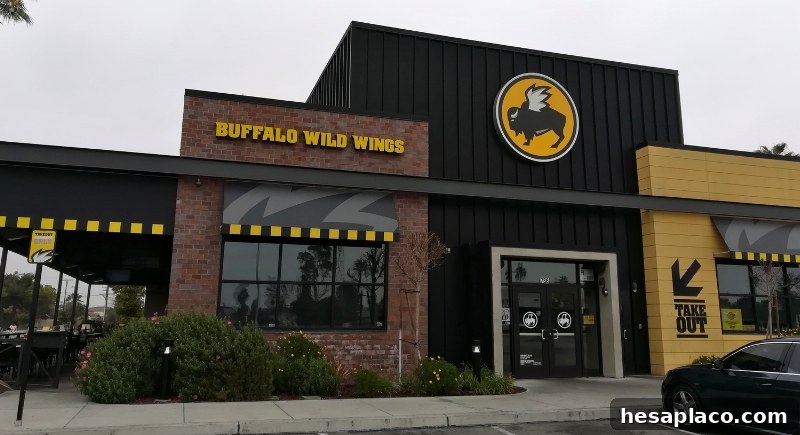
Credit: Wikimedia Commons
High-energy game nights, late shifts, and demanding crowds make Buffalo Wild Wings especially intense for staff during peak events. Former employees cite chaotic kitchens, heavy workloads, and uneven management support as common frustrations. For many, the noisy, fast-paced environment contributes to burnout and turnover.
Arby’s
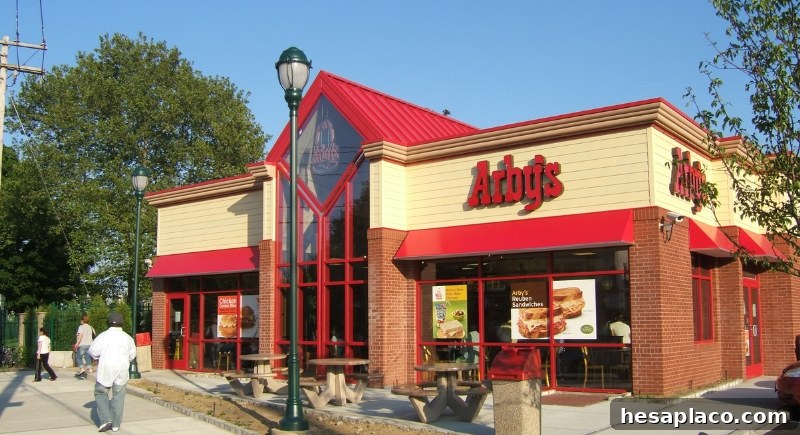
Credit: Wikimedia Commons
Although rare, serious food-safety incidents at some Arby’s locations—such as historical cases where employees injured themselves on slicers and fragments of those injuries were reported in food—have amplified concerns about safety practices and training. Such high-visibility events contribute to perceptions of stress and risk in certain workplaces.
Taco Bell
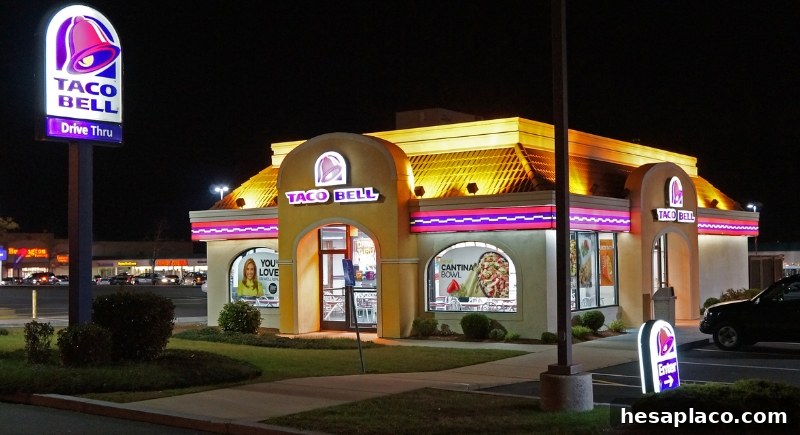
Credit: Wikimedia Commons
Taco Bell is known for a highly regimented preparation system that emphasizes exact measurements and fast turnarounds, which can intensify pressure during busy periods. The chain has also settled labor disputes, including a notable settlement related to unpaid breaks, reflecting broader challenges in ensuring consistent labor practices across franchise locations.
Across the fast-food sector, conditions vary widely by franchise ownership, local management, and regional labor enforcement. While the brands listed here have been linked to recurring complaints or high-profile incidents, many workers also report positive experiences at individual locations. Still, the recurring themes—low pay, unpredictable schedules, understaffing, and inconsistent enforcement of labor rules—explain why certain chains often surface in conversations about the industry’s toughest jobs.