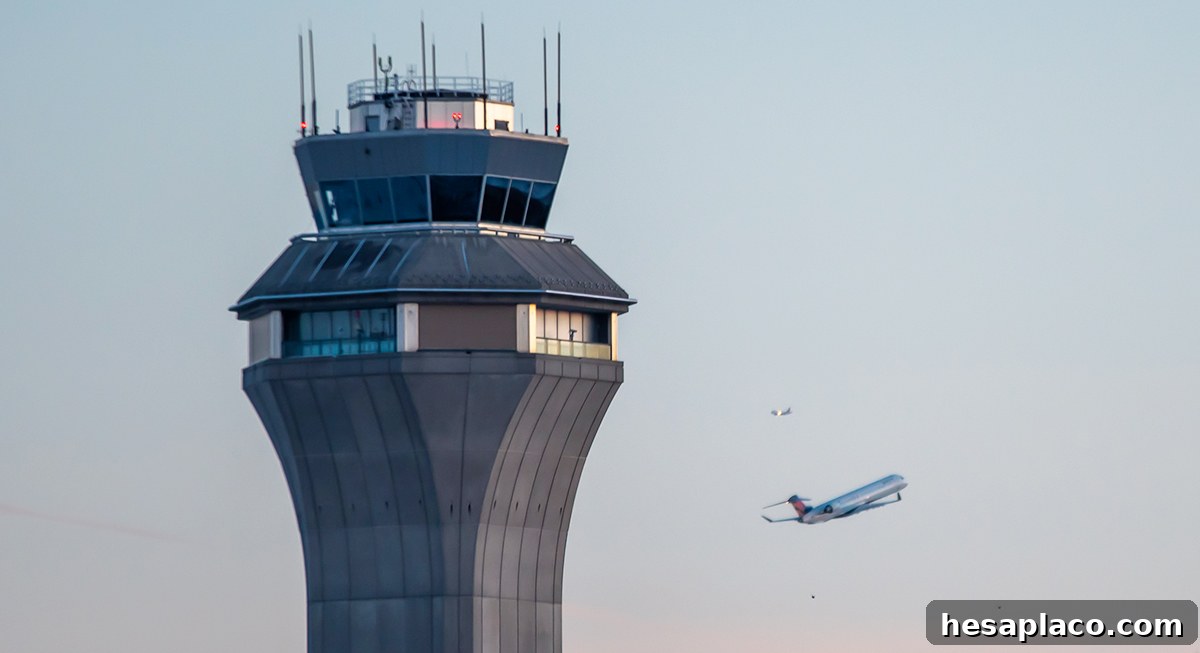
While airports continue to run, thousands of U.S. air traffic controllers are facing a different kind of turbulence — financial hardship. Approximately 13,000 controllers, all designated as essential personnel, are still reporting for duty despite an ongoing federal funding lapse. The problem is that many have seen their paychecks delayed or reduced.
Their most recent pay covered roughly 90 percent of normal wages, forcing many to take on additional work to make ends meet. Some now split their days between guiding aircraft at dawn and driving for rideshare services or delivering food in the evening. The federal funding gap has left those responsible for keeping the skies safe juggling second jobs to pay their bills.
Staffing Strain and Delays
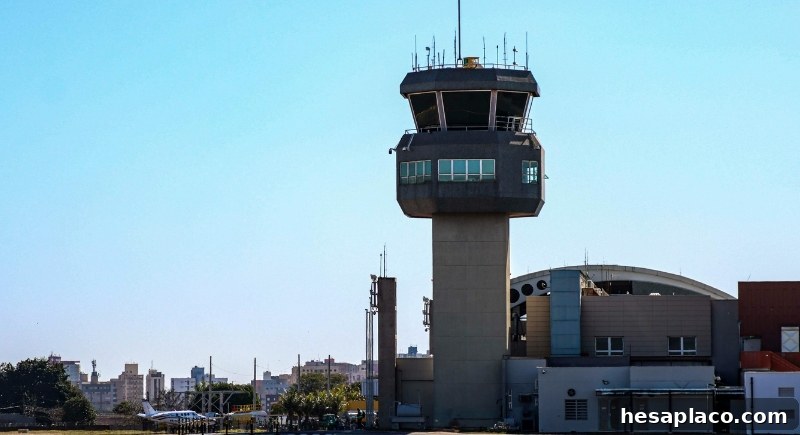
Image via Pexels/Rodolfo Gaion
This dual-job reality unfolds against an already strained system. The Federal Aviation Administration (FAA) currently employs roughly 3,500 controllers at certain facilities—numbers that fall short of targeted staffing levels. When staffing is this tight, even a few absences can trigger widespread disruption.
On October 25, 2025, the FAA reported 22 staffing “triggers,” one of the highest counts since the funding lapse began. The following day, more than 8,000 flights across the country experienced delays. Controllers are facing mandatory overtime and six-day workweeks while also seeking extra income after hours. The resulting exhaustion and financial pressure are realities most passengers do not see when they think about the professionals who keep air travel safe.
A Shadow Shift for Safety
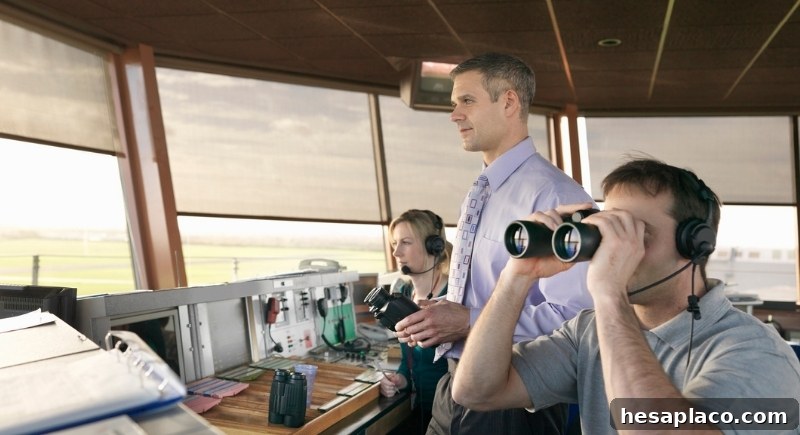
Image via Canva/Science Photo Library
Union leaders warn that distracted or exhausted staff can cost more than delayed flights. As one union official noted, controllers are often deciding whether to pay for childcare or groceries. Their focus can shift from “cleared for takeoff” to “how do I pay rent?”
This is not a situation of controllers underperforming; many are working harder than ever. Numerous controllers routinely exceed 40 hours a week in the tower and then spend off-duty hours driving for rideshares or delivering food to cover household expenses.
Training pipelines have also been affected. At the FAA academy in Oklahoma City, hiring and training slowed during the funding lapse, creating downstream effects. That means controllers entering the workforce now may find fewer newly trained peers ready to step in, increasing the workload and risk of burnout among existing staff.
“Essential” Doesn’t Mean Immune
Being classified as essential requires controllers to keep working even when pay is paused, but that designation does not shield them from mortgage payments, car loans, or family responsibilities.
The result is a difficult paradox: the public expects safe, reliable air travel, while the workers who provide that service are stretched thin and taking on extra jobs just to survive.
When delays, missed shifts, or ground stops at major hubs make headlines, those incidents often reflect deeper labor and funding strains. Controllers working second jobs to cover basic expenses signal a systemic problem: safety and scheduling are being maintained, but only by relying on a workforce under significant financial and physical stress.