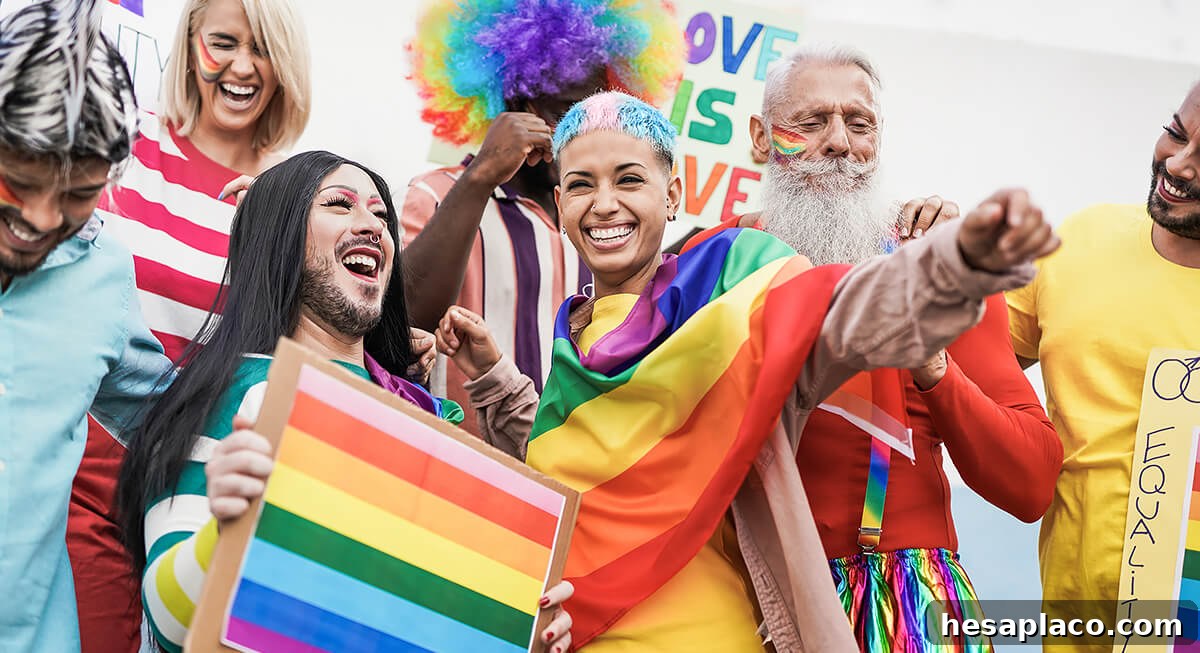
In recent years, many major companies have publicly shown support for LGBTQ+ rights during Pride Month and through marketing campaigns, but their internal practices and policy changes have sometimes told a different story. Several large employers that once maintained extensive diversity, equity, and inclusion (DEI) programs adjusted those efforts in response to shifting federal guidance and executive directives in 2024 and 2025. That combination of public-facing support and inward retrenchment has prompted questions about how consistently these companies uphold inclusive workplace policies for LGBTQ+ staff.
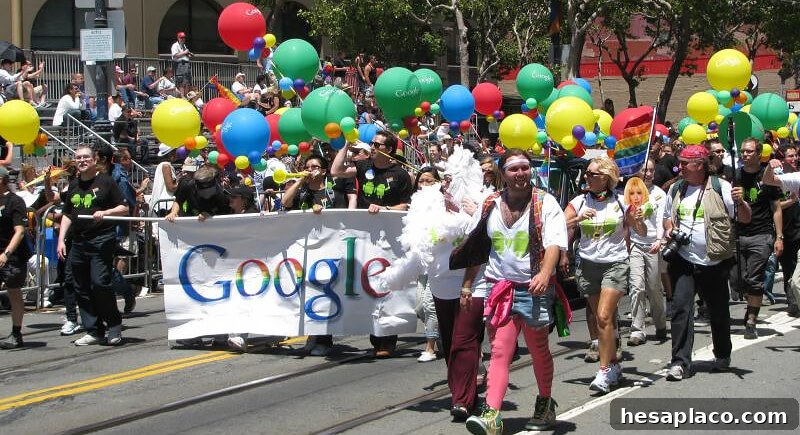
Credit: flickr
Google has a long history of visible Pride participation and public advocacy for LGBTQ+ rights. In 2025 the company announced reductions to some DEI programming, citing the need to comply with new federal directives. Employees and external observers raised concerns that scaling back specific initiatives could weaken workplace support systems for LGBTQ+ workers, including mentorship programs and resource groups that had provided community and professional development.
Amazon
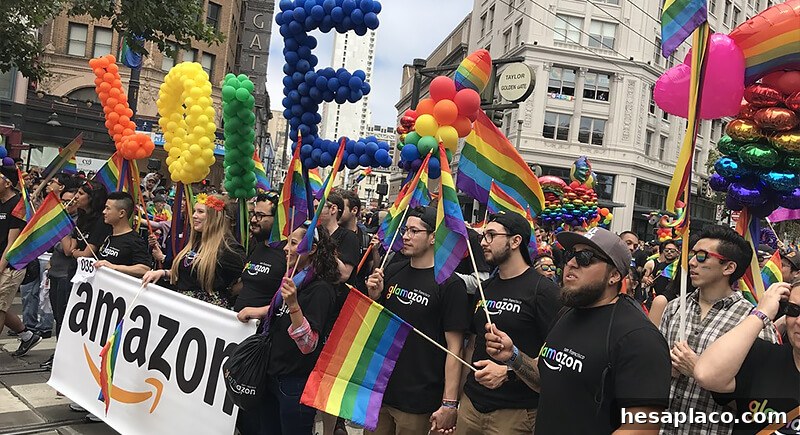
Credit: flickr
Amazon has been a prominent presence at Pride parades and has supported LGBTQ+ initiatives through partnerships and workplace programs. In early 2025 the company announced a scaling back of certain DEI efforts, including programs that had supported LGBTQ+ employees, attributing the changes to evolving regulatory expectations. The decision provoked criticism from employee groups and advocacy organizations that worry about the long-term impact on inclusion, retention, and the visibility of LGBTQ+ employees at all levels of the company.
Walmart
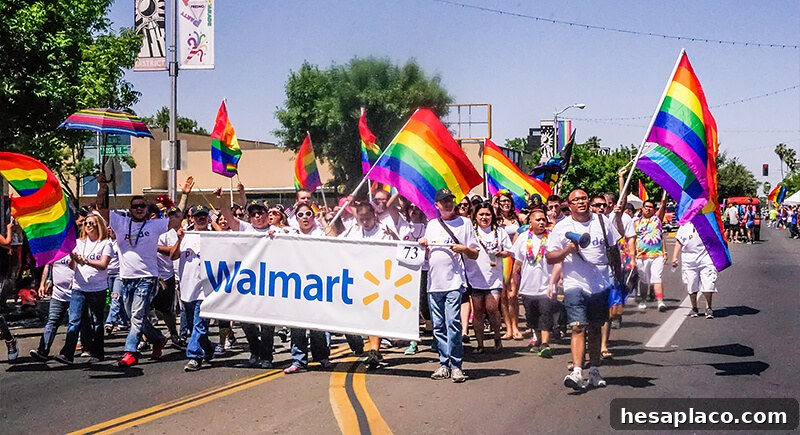
Credit: flickr
Walmart has participated in Pride events and publicly supported LGBTQ+ rights through marketing and local store initiatives. In 2024 the company attracted backlash when it removed certain Pride-themed merchandise after customer complaints. That episode highlighted tensions between following customer sentiment and sustaining consistent internal policies and symbolic support. Critics suggested the removal demonstrated how external pressures can affect a company’s commitment to LGBTQ+ representation and inclusive retail practices.
Tesla
Credit: Reddit
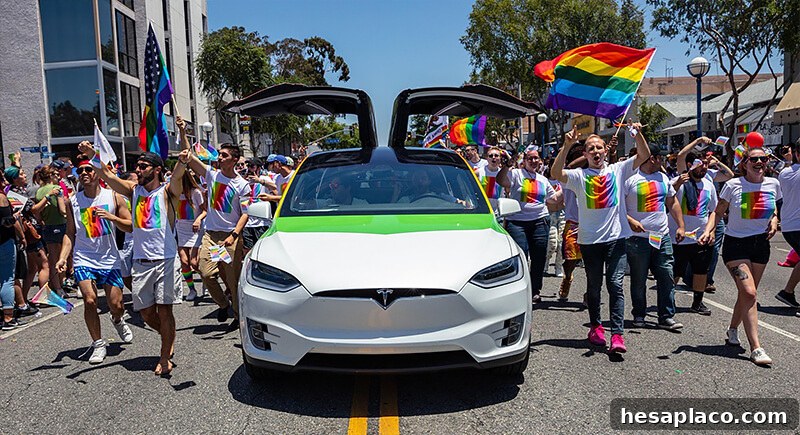
Tesla has publicly expressed support for LGBTQ+ rights in various forums, yet internal accounts from 2025 indicate reductions in DEI initiatives following new federal guidance. Employees reported changes to programs that had supported LGBTQ+ staff, prompting debate within the company and among labor and advocacy groups about whether pared-back policies would affect workplace inclusion and the company’s ability to retain diverse talent.
McDonald’s
Credit: X
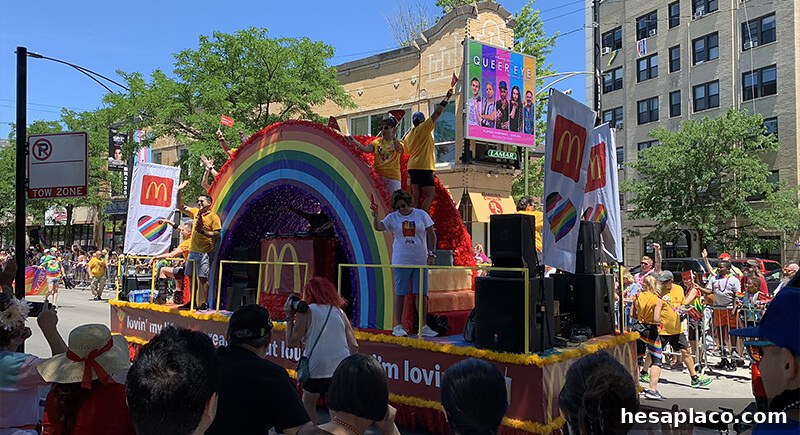
McDonald’s has been an active participant in Pride events and has showcased support for the LGBTQ+ community through promotions and partnerships. In 2025 the company announced adjustments to some DEI programs, including scaling back certain LGBTQ+ employee network activities, as it navigated new federal directives. Worker advocates and some employees criticized the changes as undermining progress toward a more inclusive workplace culture.
GameStop

Credit: flickr
GameStop has outwardly backed LGBTQ+ rights through campaigns and store-level initiatives. Reports in 2025 described a rollback of some DEI programming as the company aligned internal policies with changing federal guidance. Observers noted that reducing resources for employee support networks and training could make it harder for LGBTQ+ staff to find mentorship, career development, and a sense of belonging within the organization.
Starbucks
Credit: flickr
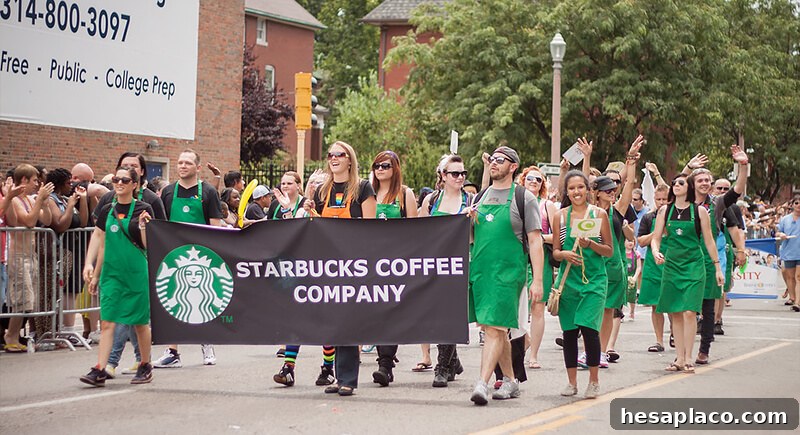
Starbucks has a documented history of supporting LGBTQ+ rights, participating in Pride parades, and offering inclusive workplace benefits. In 2025 the company faced scrutiny after announcing reductions in certain DEI initiatives, including elements tied to LGBTQ+ employee support. The changes spurred debate about how large employers balance public commitments to inclusion with legal and regulatory shifts, and whether trimmed programs can still meet the needs of marginalized employees.
Credit: Reddit
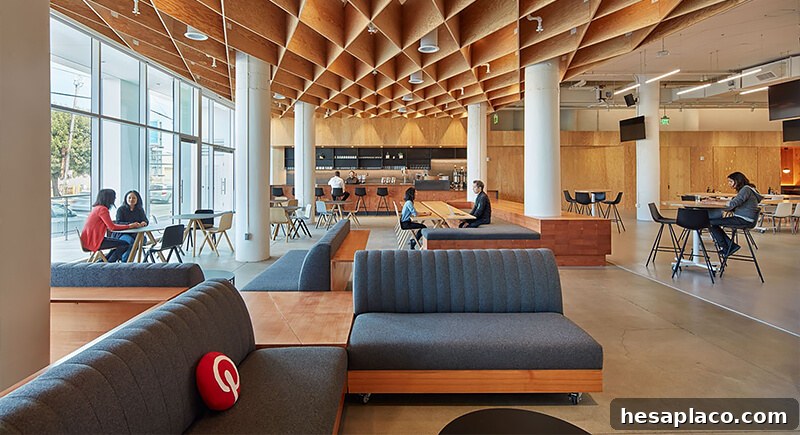
Pinterest has publicized its support for LGBTQ+ inclusion and diversity. In 2025 the company announced a rollback of some DEI initiatives to comply with updated federal directives. That decision raised questions among employees and external observers about the company’s internal commitment to the principles it publicly promotes, particularly where those principles relate to employee networks, benefits, and training aimed at creating an inclusive workplace.
Across these examples, the pattern is consistent: many companies maintain outward displays of support for LGBTQ+ communities while adapting or reducing internal DEI programs when facing regulatory or political pressure. For employees and advocates, the core concern is whether symbolic gestures and marketing align with the concrete workplace supports—such as inclusive benefits, confidential resource groups, bias training, and clear anti-discrimination policies—that make a real difference in daily work life. As federal guidance and executive actions continue to evolve, transparency about policy changes and clear communication with employees remain essential to maintaining trust and ensuring that public commitments to inclusion are reflected in workplace practices.