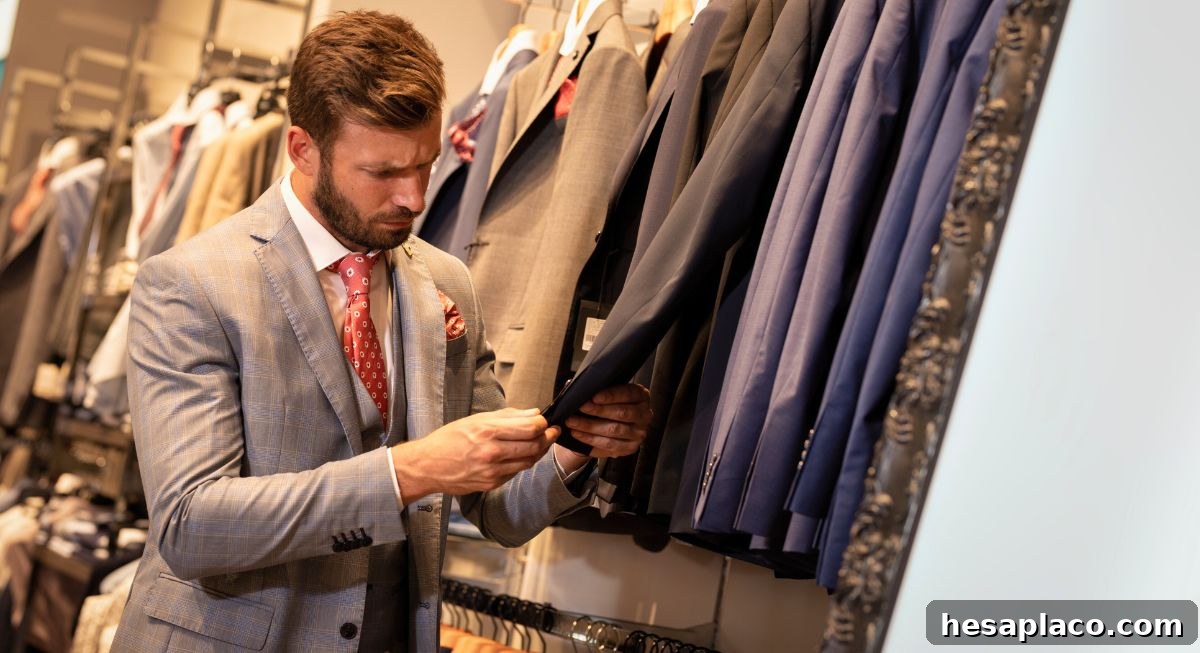
Stepping out in style is not just about the label on your suit—it’s about craftsmanship, materials, and fit. A well-made suit communicates refinement through subtle details: the way it falls on your frame, the feel of the fabric, and the quality of internal construction. Conversely, a poorly constructed suit can undermine your appearance no matter how trendy the cut. Below are practical, expert-backed signs to help you tell a high-quality suit from a budget alternative.
Beware of Bargain Prices
Credit: freepik
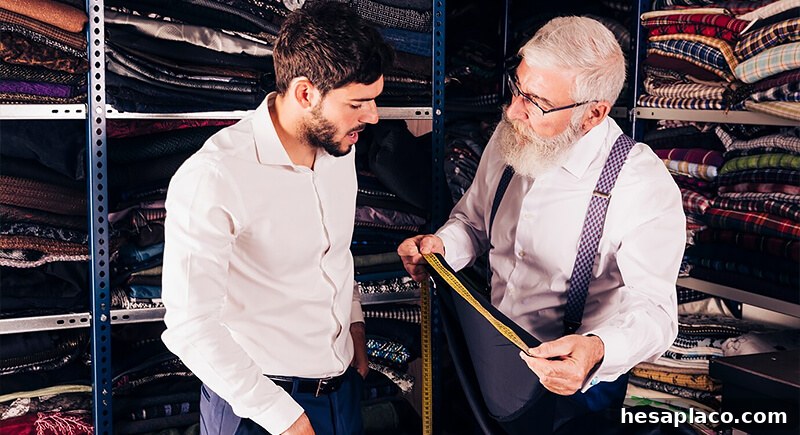
Price is often the first indicator. While bargains exist, a new suit priced under $400 commonly relies on fused construction and cost-saving shortcuts rather than traditional tailoring. Proper canvassing and hand finishing add to production costs, so extremely low prices frequently mean compromises in longevity, fit, or materials.
The Infamous Collar Gap
Credit: X
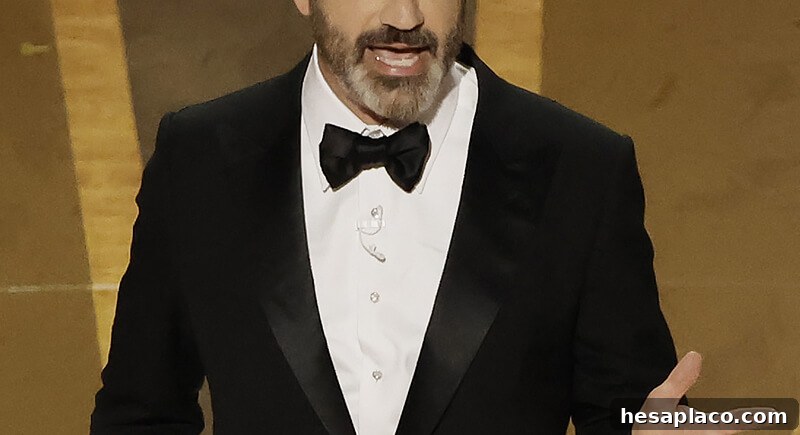
A visible gap between the jacket collar and the shirt collar is a clear sign of poor fit or construction. Off-the-rack suits are cut for average body shapes and may leave this gap, especially when internal canvassing or collar shaping is inadequate. Fixing this often requires skilled tailoring and, in some cases, reworking the jacket’s structure.
Rough Around the Edges
Credit: Reddit
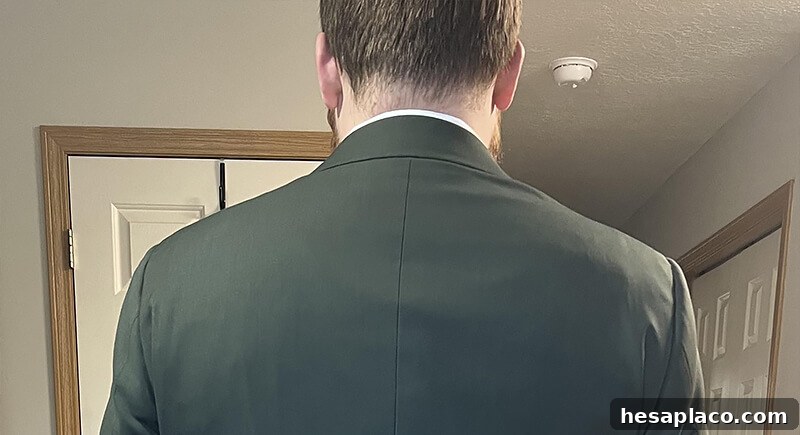
Check the Melton or undercollar fabric. High-quality suits use a fine, smooth Melton that supports the collar and keeps it crisp. A coarse or rough-feeling undercollar usually signals cheaper materials and less attention to detail—factors that affect both comfort and appearance over time.
Shoulder Line Disasters

Credit: Reddit
The shoulder line should follow your natural shoulder without puckering or excess fabric. Cheap padding and poor internal shaping produce bulges, wrinkles, or a boxy silhouette. Even with alterations, poorly constructed shoulders are hard to correct, making this a key area to inspect before buying.
Simplistic Sizing Spells Trouble

Credit: iStockphoto
When suits are offered only in generic sizes like S, M, and L, expect a casual approach to cut and proportion. Tailored garments normally use numbered sizes or a more precise system that reflects chest, waist, and shoulder measurements. Generic sizing simplifies production but usually sacrifices fit and refinement.
The Case of Plastic Buttons
Credit: Facebook
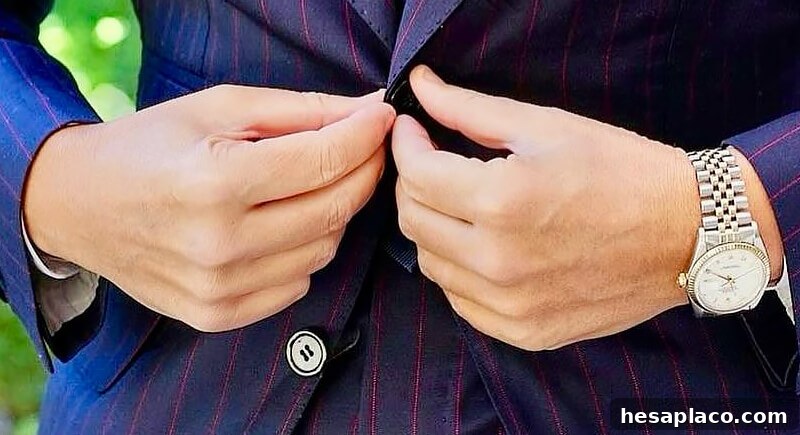
Buttons are small but telling details. Plastic buttons are common on inexpensive suits and often feel lightweight or fragile. Higher-quality suits use horn, mother-of-pearl, or well-crafted corozo buttons that look better and last longer. Also inspect how buttons are sewn on—secure, neat stitching is a positive sign.
Aesthetics Over Functionality: Sleeve Buttons

Credit: iStockphoto
Functional sleeve buttons (surgeon’s cuffs) allow you to unbutton the cuff and are a feature of higher-end tailoring. Many budget suits include non-functional, sewn-down buttons purely for decoration. While this detail doesn’t affect performance, it reflects the manufacturer’s overall attention to construction.
Buttonholes as Quality Indicators
Credit: Youtube
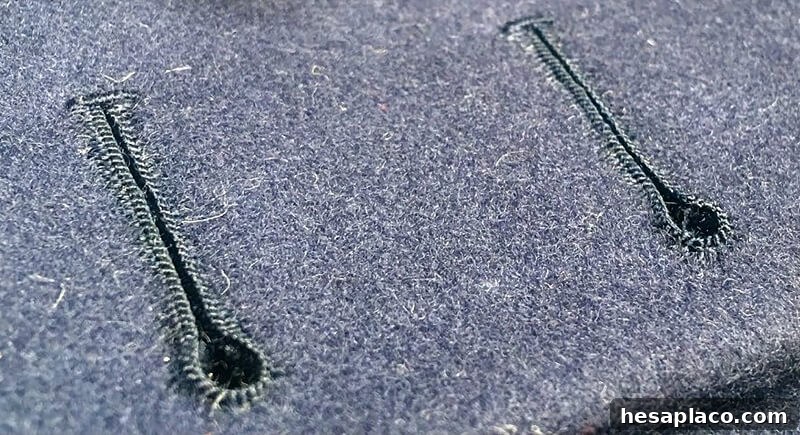
Examine the buttonholes closely. Machine-made, rough buttonholes are common in mass-produced suits. By contrast, hand-finished or meticulously machine-finished buttonholes—especially Milanese or bound styles—indicate patience and skill in production. Clean, tight stitches around buttonholes last longer and look better.
Lining Quality Matters
Credit: Youtube
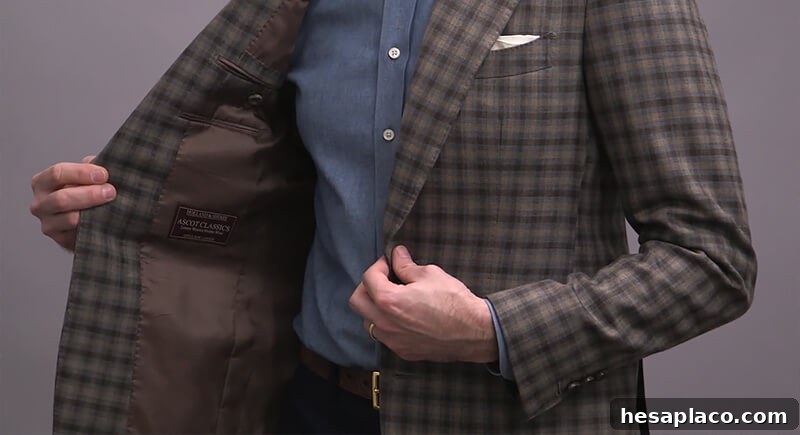
Linings affect comfort and breathability. Budget suits often use polyester linings that trap heat and feel slick. Better suits employ natural or semi-natural linings such as viscose, cupro, or silk blends that breathe well, reduce friction against shirts, and offer a more comfortable feel.
Cutting Corners with Fabric: The Gusset
Credit: iStockphoto
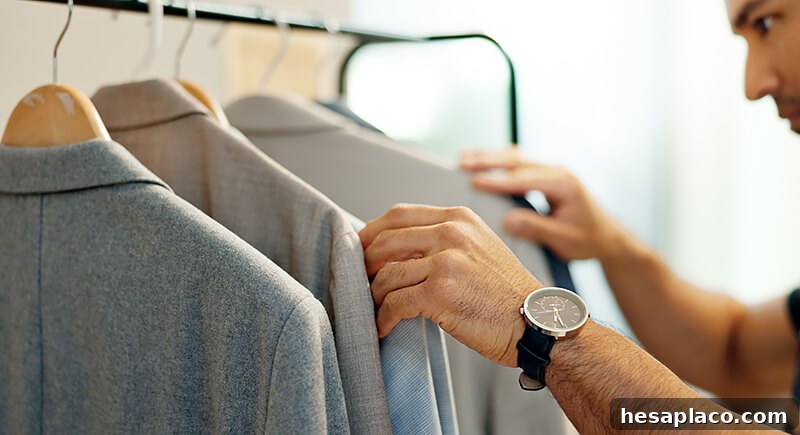
Gussets and other internal panels reveal how much fabric and thought went into construction. Cheaper suits may piece panels together to save material, which can limit tailoring adjustments later and result in a poorer drape. Higher-end garments use judicious fabric allocation so seams and gussets support a balanced silhouette and future alterations.
Pattern Mismatching

Credit: flickr
Pattern alignment is an easy way to spot cutting shortcuts. On quality suits, stripes, checks, or plaids align at the seams—particularly across the chest, pockets, and sleeves—because cutters spent extra fabric and time matching patterns. Mismatched patterns suggest rushed production and lower fabric usage standards.
Lapel Tells
Credit: Reddit
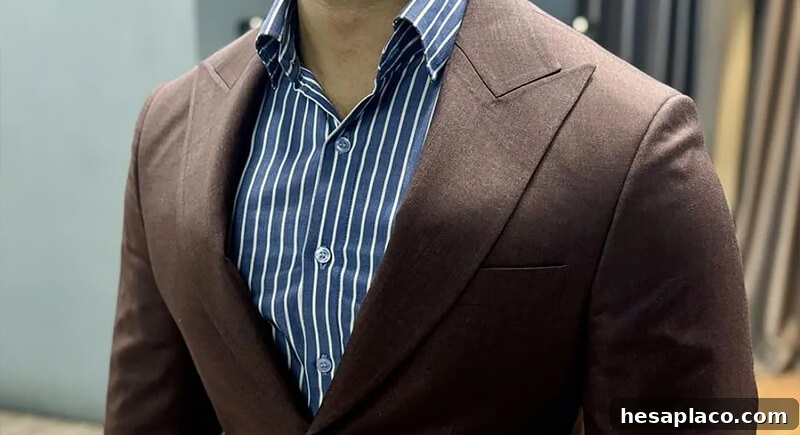
Lapels should roll naturally and maintain a gentle curve from the collar down the chest. Flat, stiff, or collapsed lapels suggest inadequate canvassing or glue-based construction. A well-structured lapel usually indicates hand or half-canvas construction and a suit that will retain its shape over years of wear.
The Importance of Suit Canvas
Credit: iStockphoto
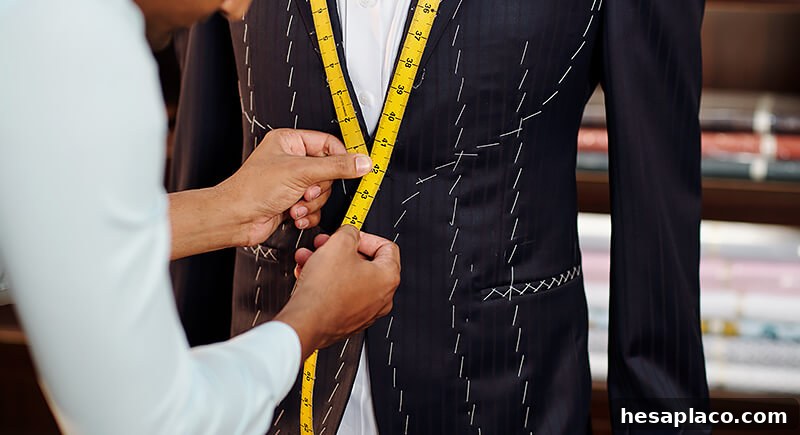
Canvas is the suit’s skeleton. Full-canvas or half-canvas constructions use layers of horsehair or wool canvas stitched to the fabric and allow the jacket to move naturally with the body. Fused suits use glue to adhere interfacing to the outer fabric; while cheaper and lighter, fused jackets are prone to bubbling, delamination, and a shorter lifespan.
Stitching Says a Lot
Credit: iStockphoto
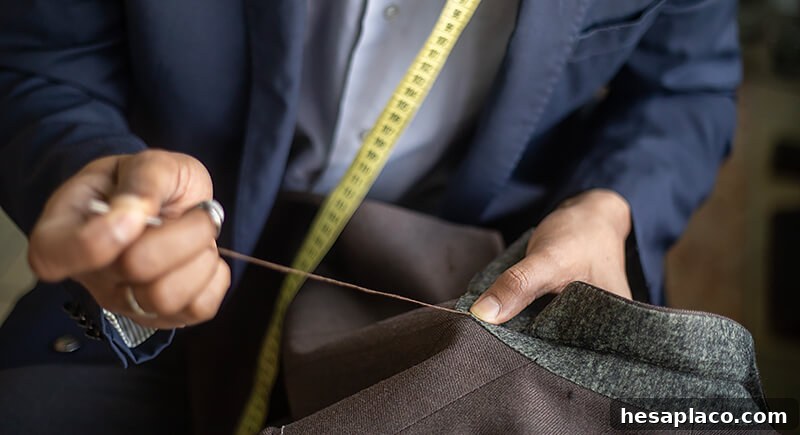
Examine stitch quality across hems, seams, and interior finishes. Even, tight stitching indicates a controlled production process and better durability. Loose, uneven, or obvious stitches usually signal mass production shortcuts and a garment less likely to withstand regular use.
Overall Fabric Feel Equates to Quality
Credit: iStockphoto
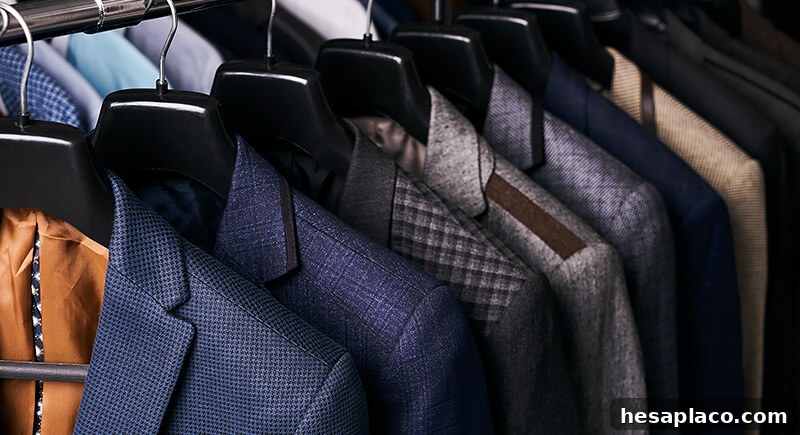
Finally, the fabric itself is a decisive factor. Luxury suits use natural fibers—wools, wool-silk blends, and high-twist yarns—that drape well and feel comfortable against the skin. Synthetic-heavy fabrics can be stiff, less breathable, and show wear quickly. When possible, touch the fabric, assess its weight and drape, and consider how it will perform in the conditions you wear it.
In the end, no single sign guarantees a suit’s worth, but reading these details collectively will give you a clear picture. Good tailoring combines fit, fabric, and construction. If you want a suit that looks and wears like a premium garment, prioritize proper canvassing, natural linings, careful stitching, and well-executed finishing details—those are the hallmarks of a suit that will serve you well for years.