
It’s easy to slip into a lifestyle that feels more champagne and caviar than your wallet can support. Living beyond your means isn’t only about dining at fancy restaurants or buying designer labels; it’s a risky pattern that can threaten your financial future. Below are 15 clear signs you might be living a life you can’t truly afford. Pour yourself a modest coffee (perhaps not your third one today), and let’s get real about money.
Your Credit Card Is Your Go-To

Credit: pexels
If you rely on swiping for everyday expenses because cash is low, you’re treating your credit card like a second paycheck. Remember: credit cards are not an extension of your bank account. Unchecked interest and revolving balances quickly snowball. Keep credit use intentional and manageable so you don’t pay more for purchases than they’re worth.
Savings? That’s a Stranger

Credit: pexels
When saving feels as foreign as living on another planet, it’s time to reassess spending. If the only savings you have are coins between the couch cushions, start small and consistent. Even modest, regular deposits build momentum and security over time.
Perpetually Living Paycheck to Paycheck

Credit: pexels
Counting days until your next paycheck is draining and stressful. If you’re constantly on the edge of running out of money, consider trimming nonessential expenses and building a buffer so you’re not living in constant financial suspense.
Vacations Funded by Debt

Credit: pexels
Booking trips on credit and paying them off long after the memories fade means travel is costing more than enjoyment. Traveling within your means, saving ahead, or choosing lower-cost experiences prevents vacations from becoming long-term financial baggage.
Designer Labels Dominate

Credit: Canva
Owning more logos than a racecar isn’t a badge of stability. Treating yourself is fine, but if your wardrobe costs more than your car or housing, reassess priorities. Long-term financial health beats short-lived status symbols.
Financial FOMO Drives Purchases

Credit: pexels
Jumping on every sale, deal, or trendy investment without checking whether it fits your plan is costly. Impulse purchases and herd behavior often lead to regret. Pause, evaluate need and value, and avoid letting FOMO erode your finances.
Bills Get Ignored

Credit: pexels
Leaving bills unopened or treating due dates like suggestions quickly racks up late fees and stress. Set reminders, automate essentials, and keep bill-paying visible—avoiding bills only increases the cost and worry later.
Secret Spending

Credit: pexels
Hiding purchases from a partner or loved ones is a red flag. Secret spending undermines trust and masks underlying financial problems. Open communication about money and shared goals is healthier and more sustainable.
No Emergency Fund
Credit: iStockphoto
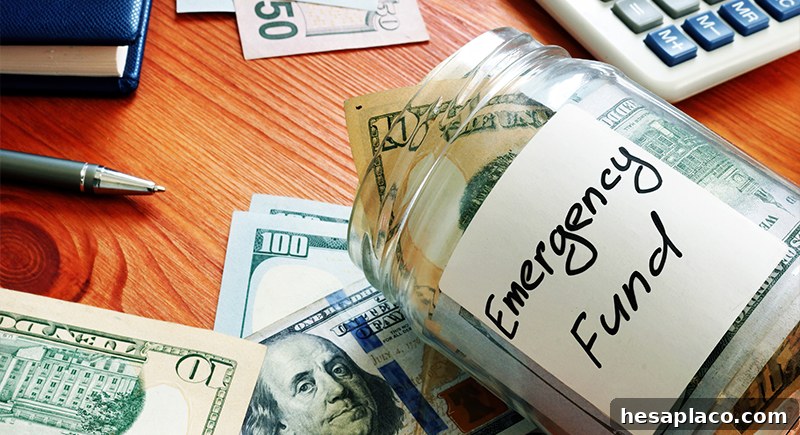
Without an emergency fund, unexpected events can quickly derail your finances. Even a modest cushion — the equivalent of a few weeks’ worth of expenses — reduces stress and keeps unexpected costs from becoming crises.
Low Retirement Savings

Credit: iStockphoto
Postponing or neglecting retirement savings jeopardizes future comfort. If your retirement fund isn’t growing, start increasing contributions now. Compound interest rewards early and consistent saving.
High Debt-to-Income Ratio

Credit: iStockphoto
When debt grows faster than you can manage, your debt-to-income ratio becomes a barrier to loans and peace of mind. Create a repayment plan, prioritize high-interest debt, and aim to lower the ratio to improve financial flexibility.
Relying on Others for Cash

Credit: pexels
Frequently borrowing from friends, family, or parents signals a lack of self-sufficiency. While support systems are valuable, repeated borrowing prevents building independence. Set a plan to repay and to cover future needs yourself.
Your Social Circle Expects You to Pay
Credit: Wikimedia Commons
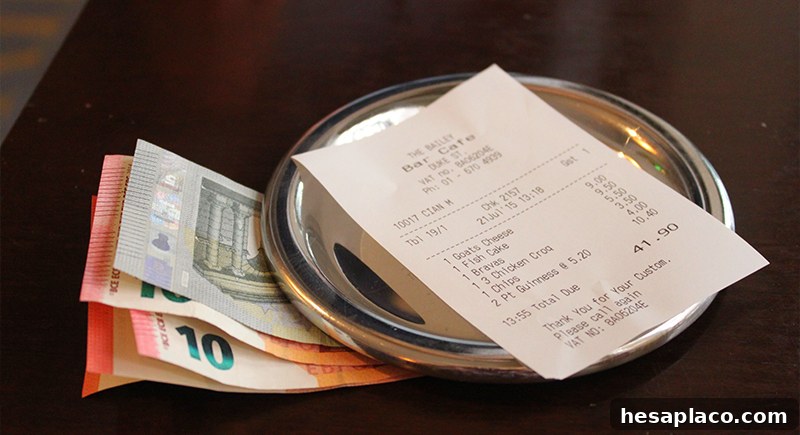
If friends or acquaintances regularly expect you to cover the bill, it can erode your budget. Generosity is admirable, but it should be balanced with your financial limits. Set boundaries and alternate who pays so generosity doesn’t become a drain.
Frequent Overdrafts

Credit: pexels
Regularly hitting your overdraft is a warning sign. Overdraft fees add up and are avoidable with planning. Monitor balances, create a buffer, and adjust spending to prevent recurring negative balances.
Housing Costs Crush Your Budget

Credit: iStockphoto
If your home costs leave you gasping, it may be time to downsize or renegotiate expenses. A comfortable, affordable living space supports long-term stability. Prioritize sustainable housing choices over aspirational ones that strain your finances.
Recognizing these warning signs is the first step to regaining control. Small, consistent changes—budgeting, building an emergency fund, reducing high-interest debt, and aligning spending with priorities—lead to lasting financial resilience. Start where you can and build from there.