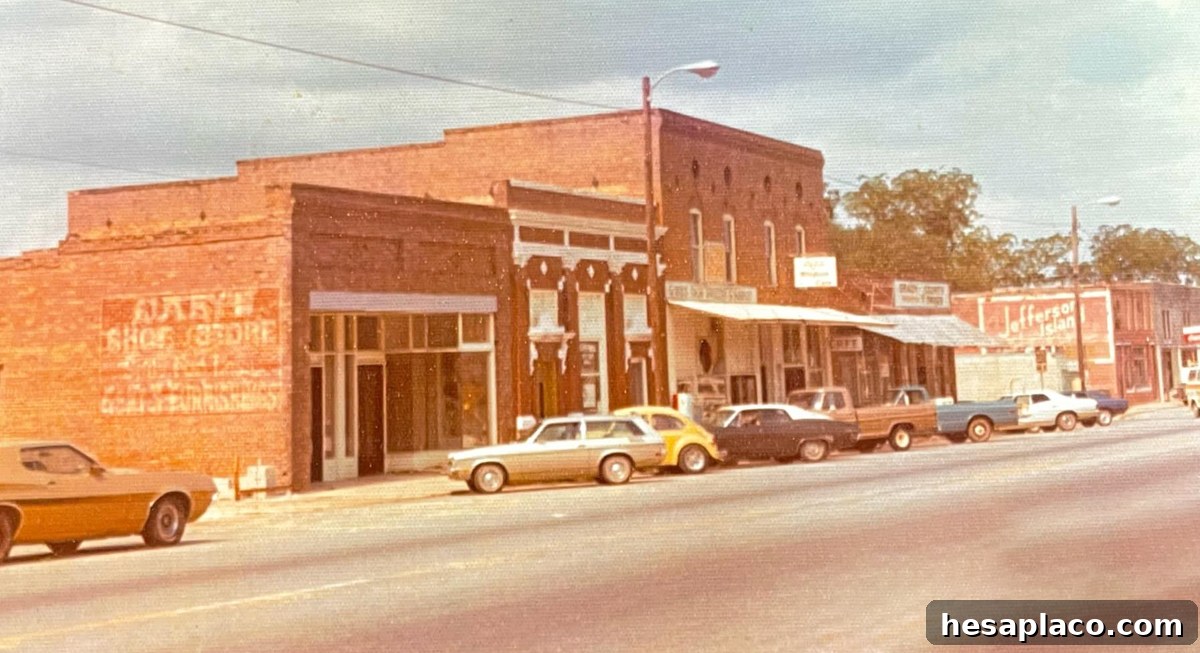
Many of the United States’ poorest towns were not always struggling. Several were once prosperous boomtowns anchored by strong industries—agriculture, timber, coal, textiles, steel, or oil—that created jobs and supported thriving local economies. Drawing on data from the U.S. Census Bureau’s American Community Survey and other public sources, the following overview traces how shifts in markets, technology, and policy transformed places of former prosperity into communities facing persistent economic challenges.
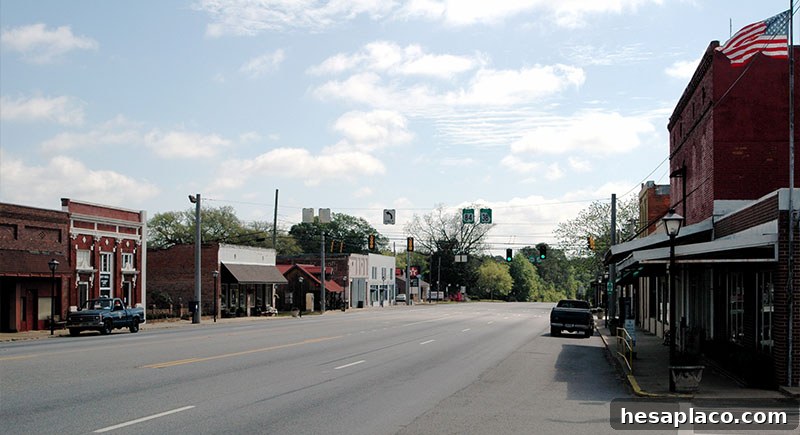
Whigham, Georgia: An Agricultural Beginning and Long Decline
Credit: Wikimedia Commons
Whigham began as a vibrant agricultural town in the late 19th century. The Great Depression and long-term shifts in farming practices and rural economies triggered steady population loss after midcentury. A small resurgence around 2000 proved temporary: by 2020 the population had fallen to roughly 552 residents. Today Whigham faces persistent economic strain, with a poverty rate that reflects the challenges of small, rural communities trying to replace jobs lost to mechanization and consolidation.
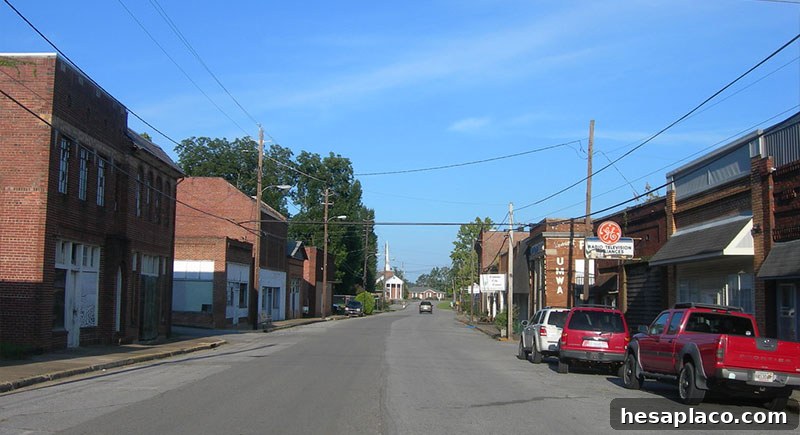
West Blocton, Alabama: The Fall of a Coal Center
Credit: Wikimedia Commons
West Blocton flourished during the height of the coal industry, once supporting thousands of residents and local businesses. Catastrophic events—a major fire in 1927—and the wider economic collapse after 1929 accelerated decline. Over time, the coal industry contracted and employment opportunities dwindled. Today the town’s population is about a third of its former size, and its poverty rate and low median household income highlight the long-term impact of resource-sector downturns.
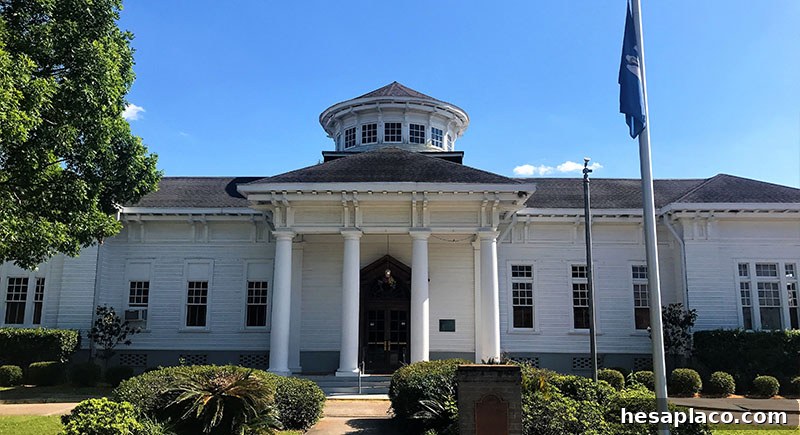
Bogalusa, Louisiana: Timber Towns Facing Structural Change
Credit: Wikimedia Commons
Bogalusa grew on the strength of the timber and lumber industries in the early- to mid-20th century. The industry’s decline in the 1960s and subsequent decades left fewer local jobs and diminished economic prospects. With a high poverty rate and a median household income lower than national averages, the city reflects the difficulties many single-industry towns face when market demand and production patterns shift.
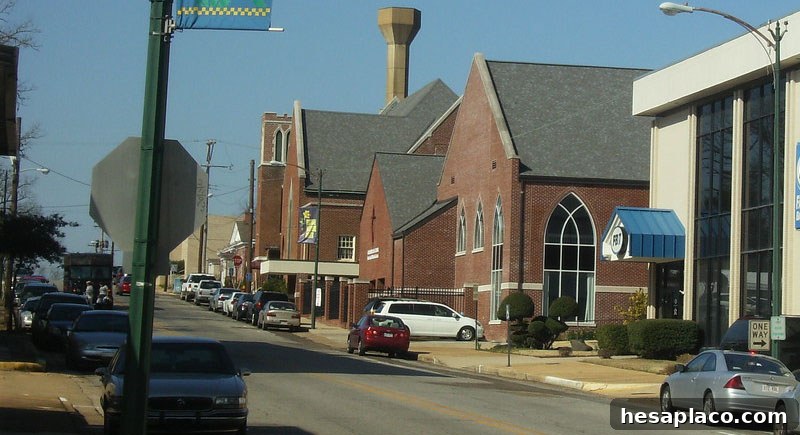
Camden, Arkansas: Cotton’s Legacy and New Realities
Credit: flickr
Camden was once a lively trading center built around cotton. After World War II, technological advances, mechanization, and increased international competition drastically reduced the need for labor in agriculture. These structural shifts weakened Camden’s economic base and contributed to long-term declines in income and employment, leaving the city with elevated poverty levels compared with its historic peak.
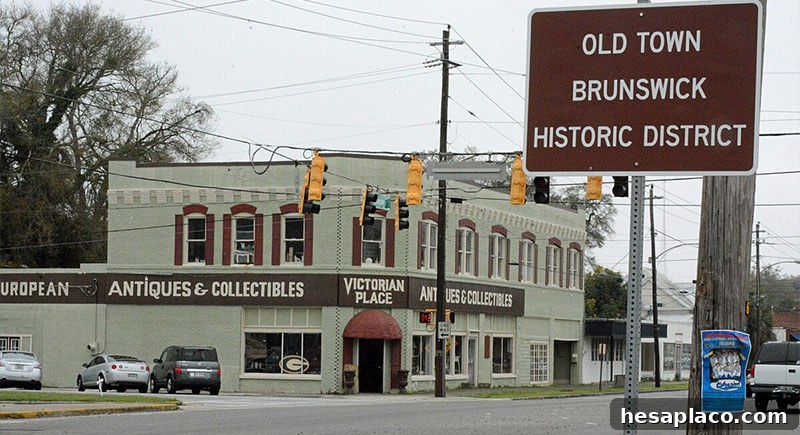
Brunswick, Georgia: Timber and the Limits of Local Benefit
Credit: Wikimedia Commons
Brunswick prospered historically from naval stores and timber production, but the benefits of national industry strength did not always translate into stable local prosperity. Economic changes and the relocation of value-added processing away from smaller towns have left Brunswick with a markedly lower median income and a high poverty rate compared with earlier decades.
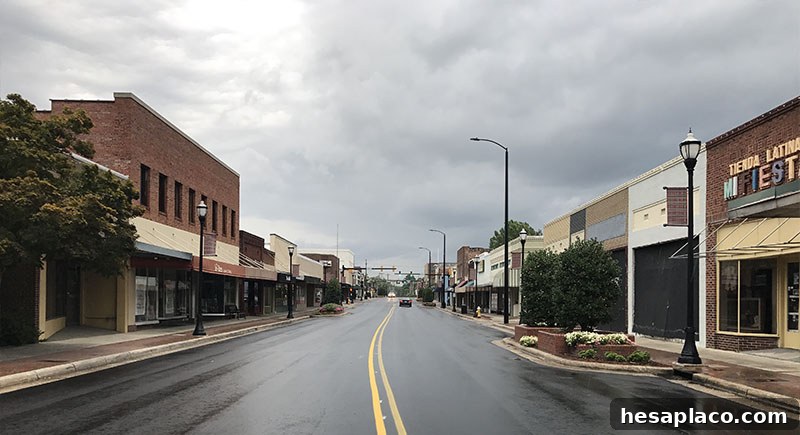
Laurinburg, North Carolina: Textile Towns and Outsourcing
Credit: Wikimedia Commons
Laurinburg grew around textile mills that provided steady manufacturing work for decades. As the textile sector shifted to larger urban centers or overseas suppliers, small towns that depended on these factories lost their primary economic engine. Laurinburg’s high poverty rate and declining incomes typify the consequences that outsourcing and industry consolidation can have on local communities.
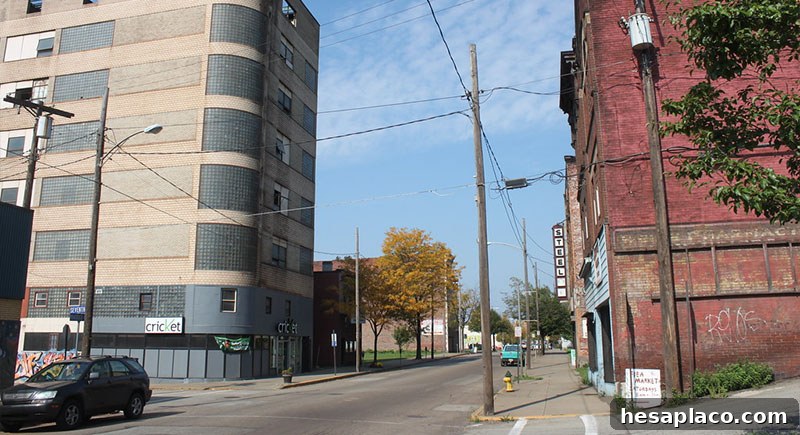
Braddock, Pennsylvania: The Cost of Deindustrialization
Credit: flickr
Once anchored by a robust steel industry, Braddock experienced sharp economic reversal after steel production contracted in the 1970s and beyond. Job losses, population decline, and diminished municipal resources have contributed to one of the region’s higher poverty rates, underscoring the long-term impacts of deindustrialization on older manufacturing towns.
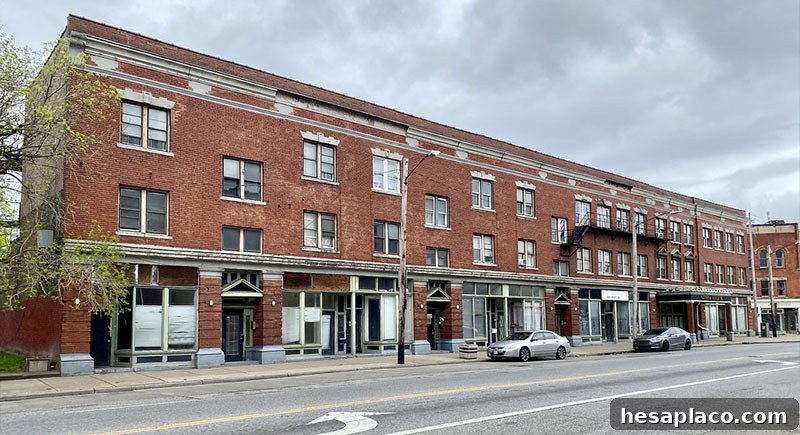
East Cleveland, Ohio: Shrinking Manufacturing and Community Strain
Credit: flickr
East Cleveland was once home to many manufacturing jobs and dense industrial activity. The closure of major employers over time, including large factory shutdowns, eroded employment prospects and municipal revenues. The city now contends with persistently high poverty, lower incomes, and fewer opportunities for stable employment.
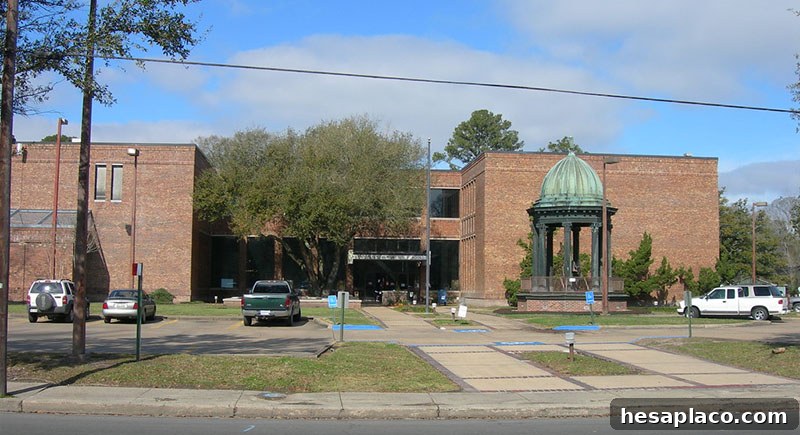
Ville Platte, Louisiana: Boom-and-Bust from Natural Resources
Credit: flickr
Ville Platte saw periods of prosperity after oil was discovered and industrial plants opened. But when those industries retrenched or closed, local employment options shrank. The town’s relatively high poverty rate reflects how dependent communities can be on a narrow industrial base and how vulnerable they are when that base erodes.
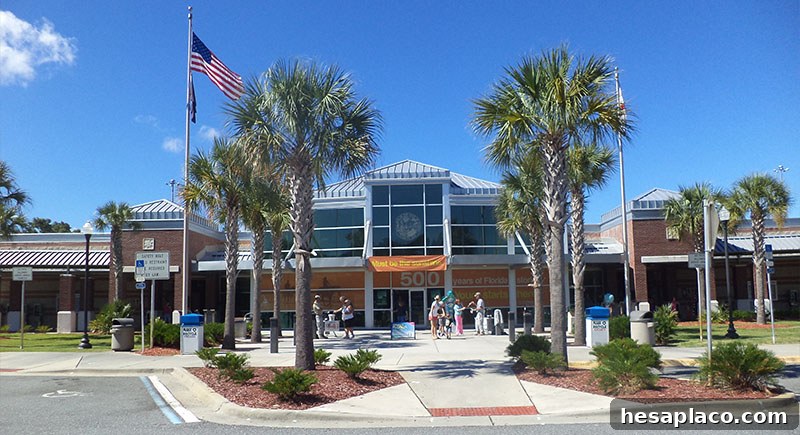
Brownsville, Florida: A Legacy of Black Business and Postwar Decline
Credit: Wikimedia Commons
In the early 20th century, Brownsville supported a thriving community of Black professionals and locally owned businesses. After World War II, demographic shifts, suburbanization, and broader economic changes reduced the viability of many small businesses and locally based services. Today the community faces high poverty rates while preserving a significant historical legacy.
Springhill, Louisiana: Paper and Timber Plant Closures

Credit: flickr
Springhill’s economy was sustained by timber and paper manufacturing until the International Paper mill closed in 1979. The loss of such anchor employers dramatically reduced local jobs and tax revenues. As a result, Springhill has experienced long-term economic hardship, with a poverty rate that highlights the downward trajectory of towns that lose their largest industrial employers.
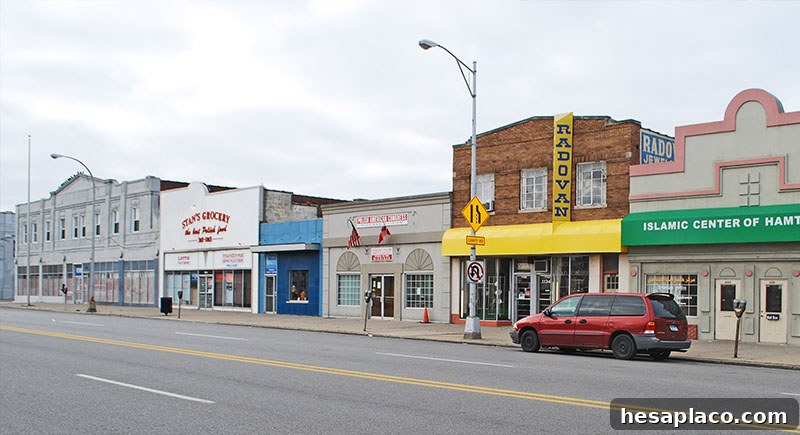
Hamtramck, Michigan: Auto Industry Transformations
Credit: Wikimedia Commons
Hamtramck’s fortunes rose with the automobile industry, which provided abundant factory jobs for decades. Plant closures, changing automation patterns, and relocation of production have reduced available employment. The community now copes with high poverty rates and the challenge of replacing well-paying manufacturing work once central to local livelihoods.
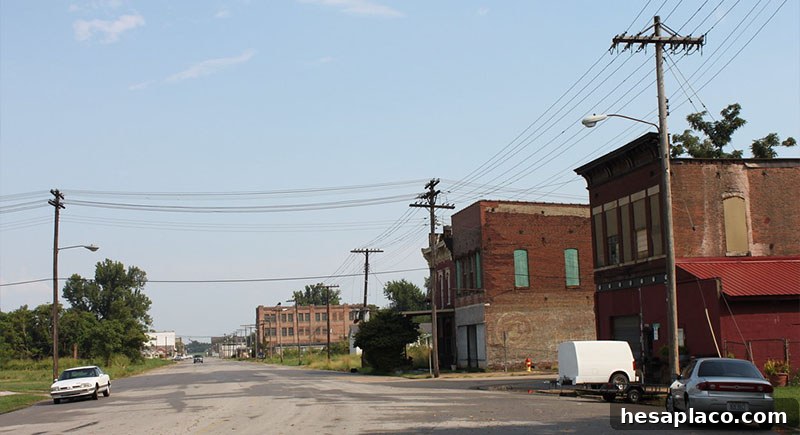
Cairo, Illinois: River and Rail Prosperity to Prolonged Decline
Credit: flickr
Cairo’s post–Civil War growth was driven by river and rail traffic, positioning it as a regional trade center. Over time, changing transportation routes, economic shifts, and population loss diminished its commercial base. The city’s high poverty rate and reduced population size reflect a long-term struggle to adapt to changing regional economies.
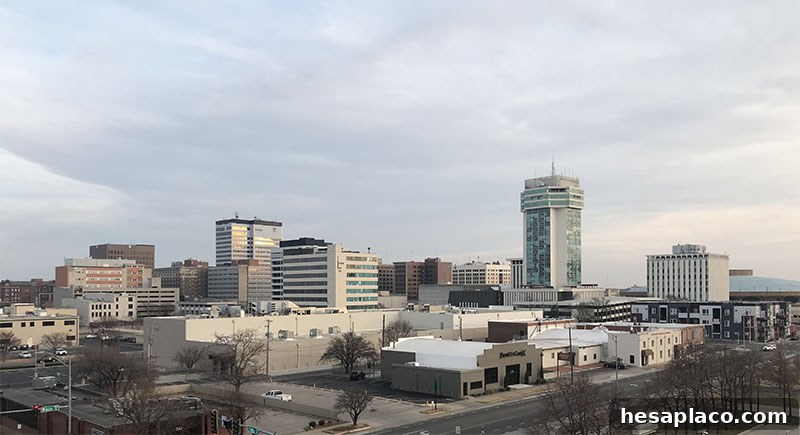
Wichita, Kansas: Aerospace History and Contemporary Challenges
Credit: Wikimedia Commons
Once widely known as “The Air Capital of the World,” Wichita built decades of prosperity around aircraft manufacturing. When major employers restructured or left the region, the aerospace sector’s contraction affected local wages and job availability. While cultural institutions and local amenities persist, economic indicators show a community grappling with the transition away from peak manufacturing employment.
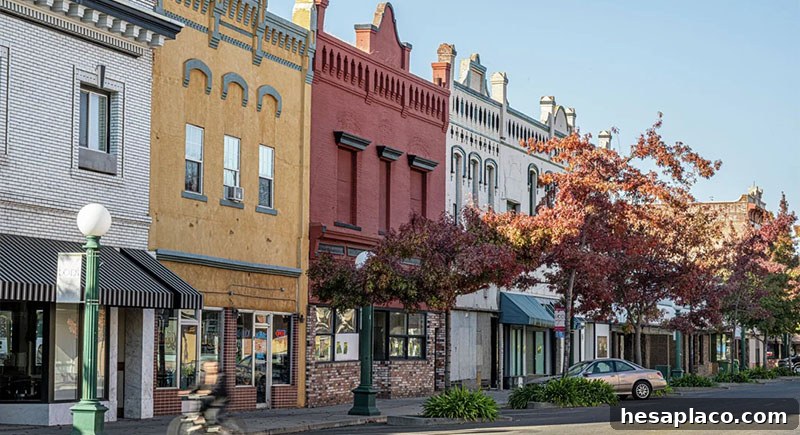
Stockton-Lodi, California: Housing Market Collapse and Recovery Strains
Credit: Reddit
The 2007–2008 financial crisis and the housing market collapse hit Stockton particularly hard, contributing to municipal bankruptcy and widespread foreclosures that erased household wealth. Recovery has been uneven, with higher unemployment and fiscal pressures that continue to challenge long-term growth despite assets like regional universities and cultural centers that can support future development.
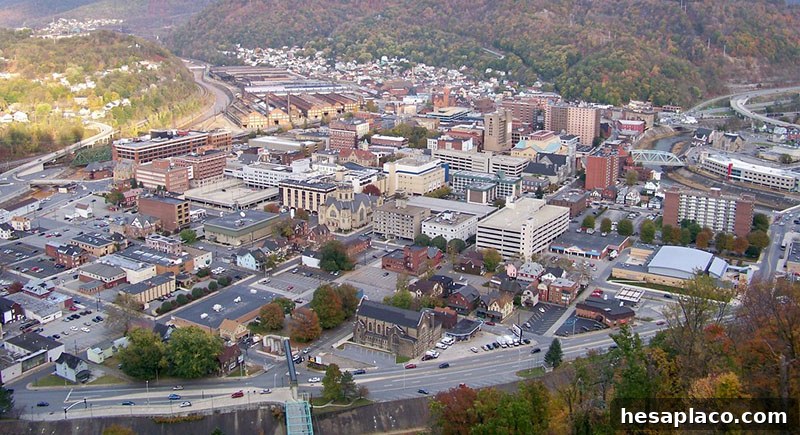
Johnstown, Pennsylvania: When Steel Leaves Town
Credit: flickr
Johnstown’s identity and economy were closely tied to steel production. As regional manufacturing waned, so did employment and investment. The community’s high poverty rate illustrates the difficulty of replacing the jobs and tax base once provided by large-scale heavy industry, and the long shadow left by decades of industrial decline.
Flint, Michigan: Industrial Loss and a Public Health Crisis
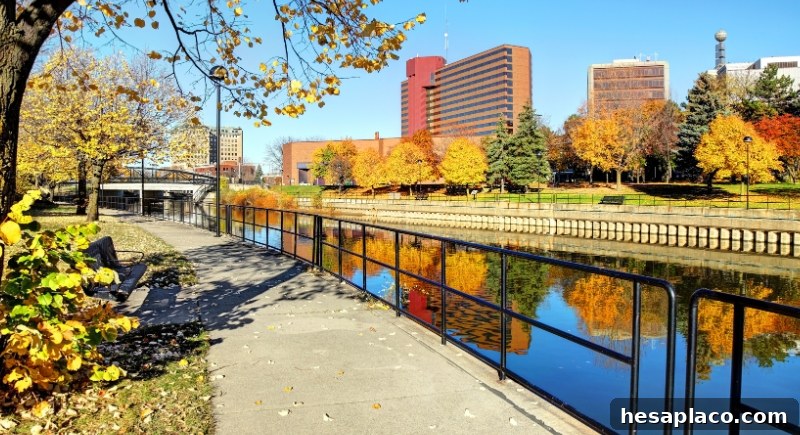
Credit: Getty Images
Flint was built on the auto industry, which created vast employment and community institutions. The city has experienced decades of population decline and economic contraction. Public health emergencies—most notably the 2014 water crisis that exposed hundreds of thousands of residents to lead-contaminated water—compounded existing financial and social challenges, accelerating declines in property values and undermining community stability.
Pocatello, Idaho: Agriculture and Manufacturing Transitions
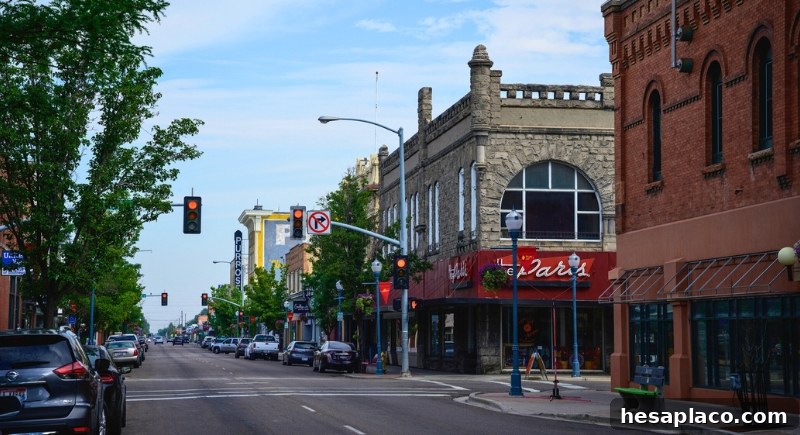
Credit: iStockphoto
Pocatello’s economy historically relied on a mix of agriculture and manufacturing. In recent years, Idaho has seen a measurable decline in farm numbers and farmland acreage, and southeastern Idaho’s food manufacturing employment has been trending downward for decades. While Pocatello’s poverty rate is comparatively lower than many places on this list, the community still faces the challenge of diversifying and expanding opportunities as traditional sectors shift.
Across these examples, common themes emerge: dependence on a single industry, technological change, globalization, resource depletion, and demographic shifts can quickly alter the economic landscape of a town. Recovery is often difficult, requiring investment, workforce retraining, infrastructure improvements, and new sources of long-term, sustainable employment. Understanding these histories can help shape policies and development strategies that support resilient, inclusive local economies.