
Many people consider relocating when they retire, but fewer are packing sunscreen and swimsuits than in past decades. Florida and Arizona were once seen as the default retiree destinations, but retirement choices have shifted. Weather plays a role, but factors such as cost of living, taxes, access to healthcare and community amenities now weigh more heavily when retirees decide where to spend their later years.
Colder states may not be ideal for daily beach visits or year-round golf, yet they offer advantages that matter to many retirees: stronger cultural offerings, lower crime and tax burdens, and sizable senior populations. For most people planning retirement, affordable living costs and reliable healthcare outweigh climate preferences.
Below are the top and bottom states for retirement based on a range of measures including taxes, healthcare quality, cost of living, crime, and well-being.
1. New Hampshire
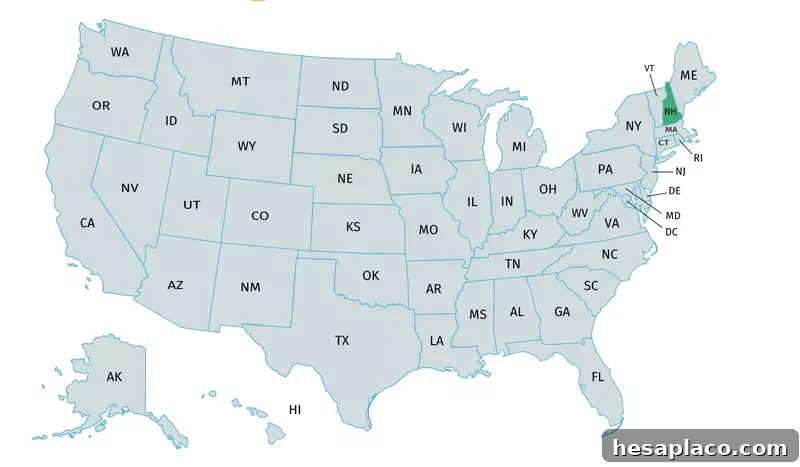
New Hampshire Rankings
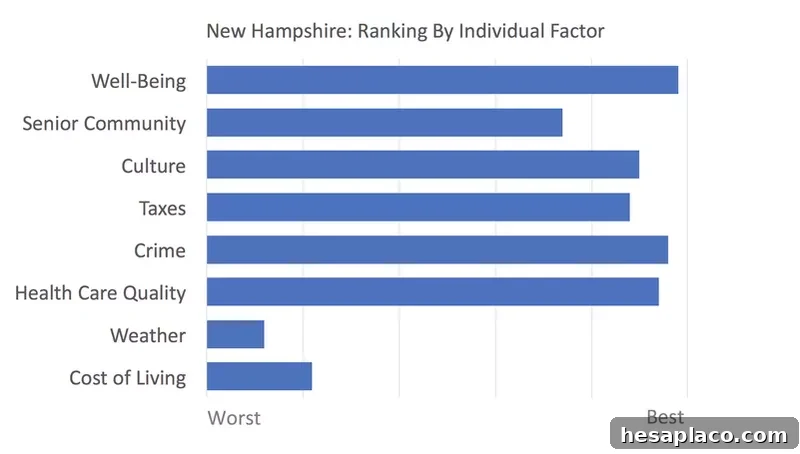
Bankrate Retirement Rankings
Bottom Line: New Hampshire

Getty Images
New Hampshire’s appeal for retirees largely stems from its tax structure. The state taxes dividends and interest at 5 percent but does not tax wages or withdrawals from most retirement accounts like IRAs and 401(k)s. There is no sales tax, and the state relies heavily on property tax revenue, which has political support to remain unchanged.
Although the Northeast generally has a higher cost of living, New Hampshire remains more affordable than nearby Massachusetts and New York, with median home prices substantially lower than the Greater Boston area.
2. Colorado
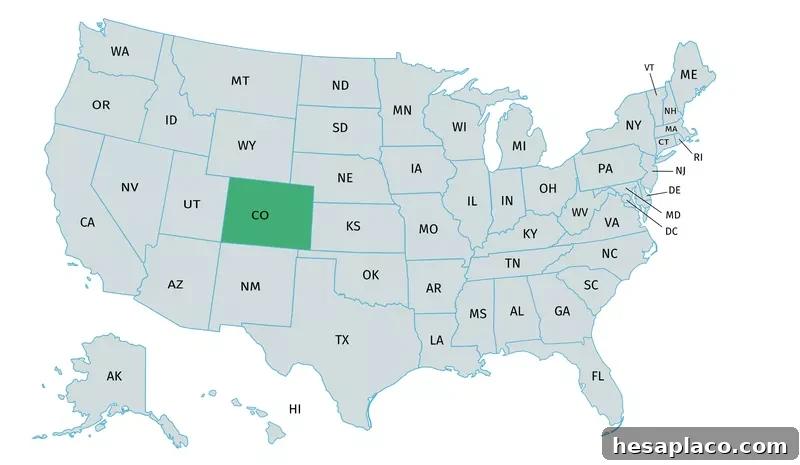
Colorado Rankings
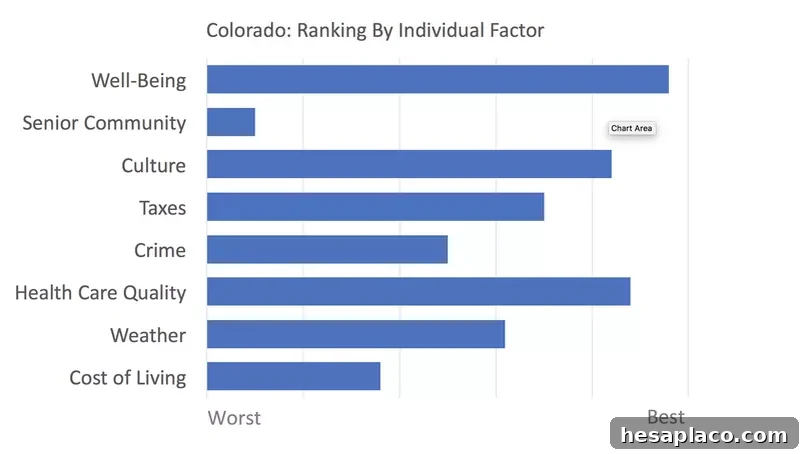
Bankrate Retirement Rankings
Bottom Line: Colorado

David Zalubowski / AP Photo
Colorado provides retirement-friendly tax breaks, allowing many retirees to deduct a significant portion of retirement income. Property taxes are among the lowest in the country, and overall tax burden falls below the national average. The state is also known for a healthy lifestyle, high life expectancy and abundant outdoor recreation opportunities for active retirees.
3. Maine
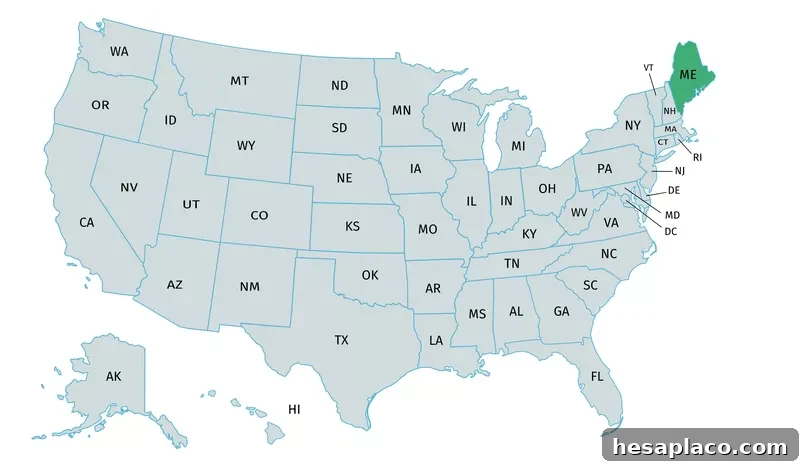
Maine Rankings
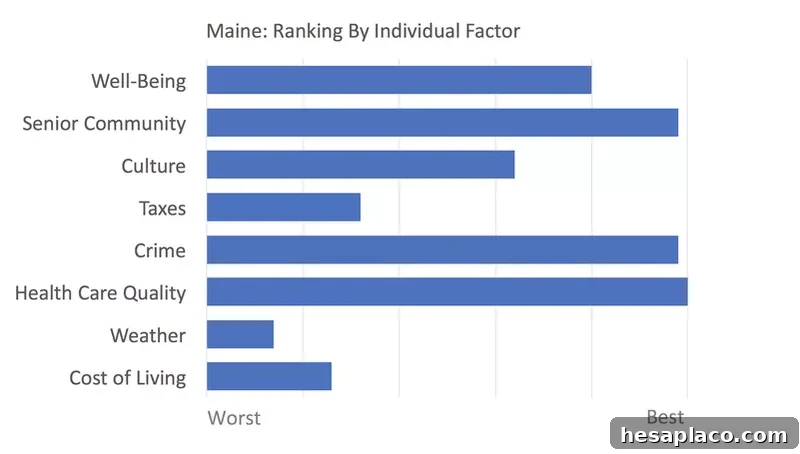
Bottom Line: Maine

Robert F. Bukaty / AP Photo
Maine has a high median age and a large baby boomer population. The state supports seniors through Area Agencies on Aging that provide programs such as health insurance counseling, fitness classes and caregiver support. Cost of living is close to the national average overall, though desirable coastal areas can be expensive. Maine also ranks well for low violent crime and offers strong healthcare resources, particularly in Portland.
4. Iowa
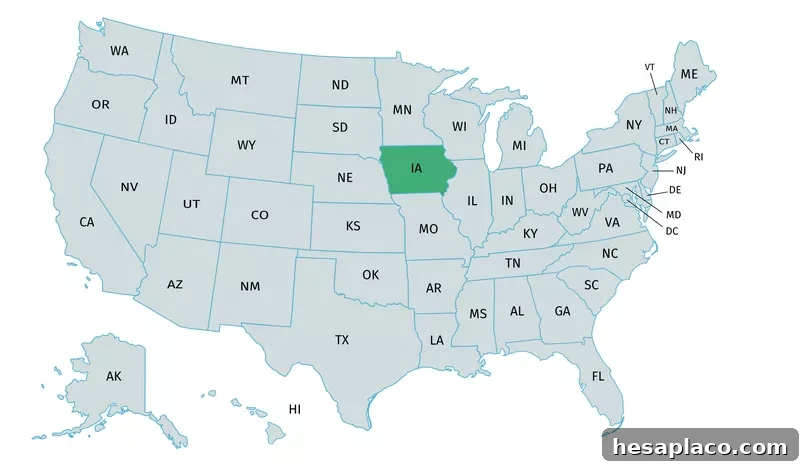
Iowa Rankings
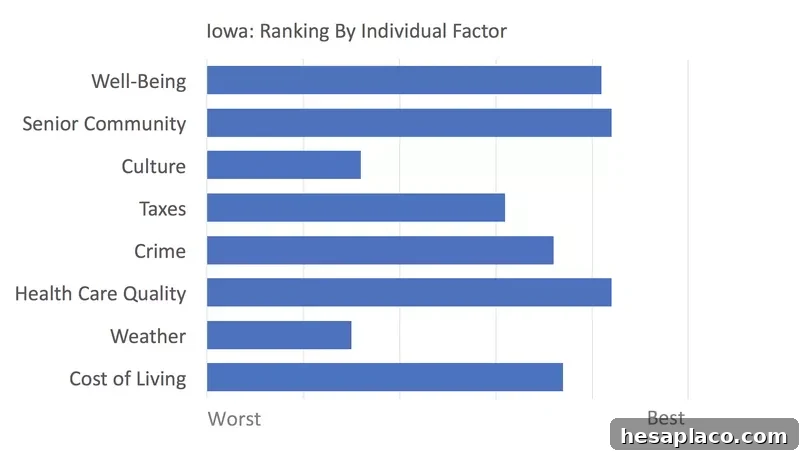
Bankrate Retirement Rankings
Bottom Line: Iowa

Patrick Semansky / AP Photo
Iowa scores above average across most retirement-related categories, including low crime, good healthcare access and a reasonable cost of living. It ranks slightly lower in culture and weather, but offers retirees a balanced package of affordability and services that help retirement dollars stretch further.
5. Minnesota
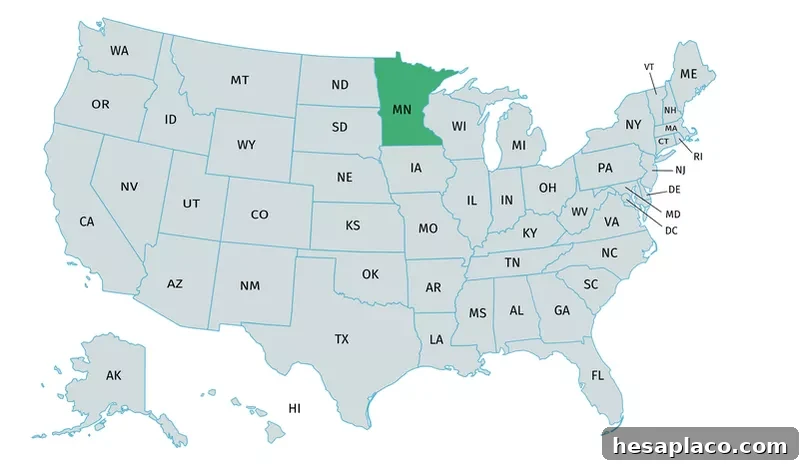
Minnesota Rankings
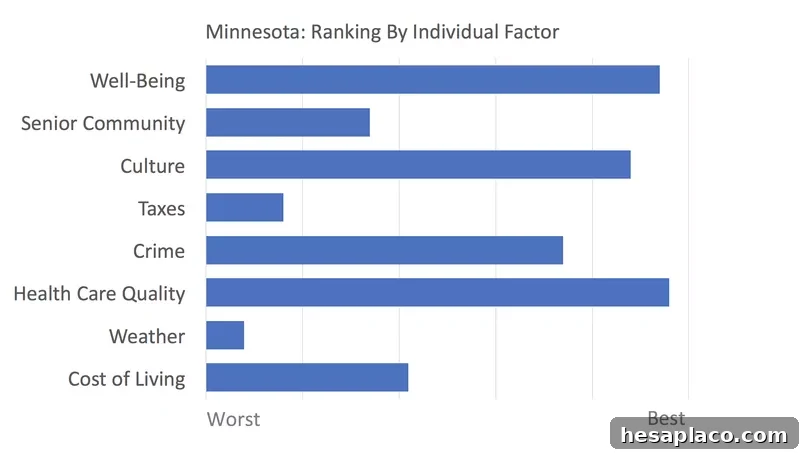
Bankrate Retirement Rankings
Bottom Line: Minnesota

Jim Mone / AP Photo
Minnesota’s winters are harsh, but the state ranks highly for healthcare quality and overall well-being. Assisted living costs are below the national average, and outdoor recreation options abound. Many retirees value the state’s strong hospitals and friendly communities.
6. Virginia
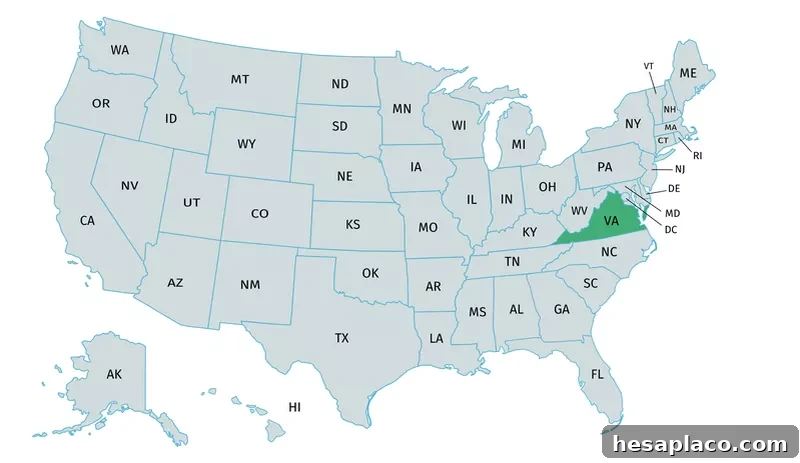
Virginia Rankings
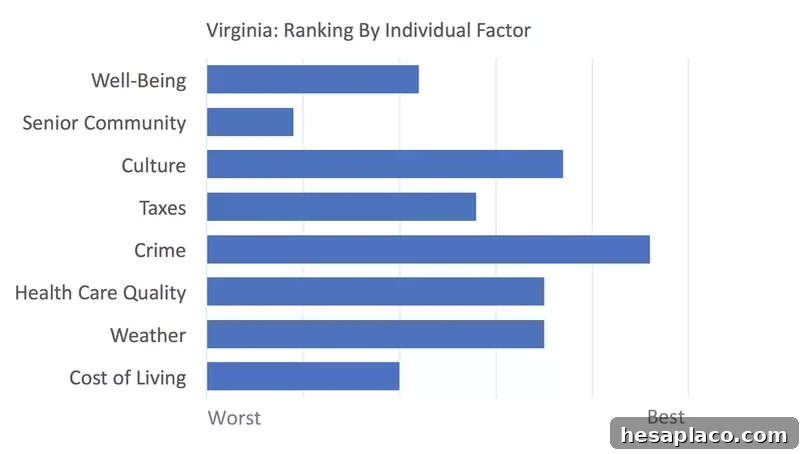
Bankrate Retirement Rankings
Bottom Line: Virginia

Steve Helber / AP Photo
Virginia attracts many former Florida retirees who prefer milder seasons and less humidity. The state does not tax Social Security benefits and allows deductions on retirement account income. While the overall cost of living is above the national average, housing remains relatively affordable in many areas and the state offers a wide range of recreational and cultural amenities.
7. Massachusetts
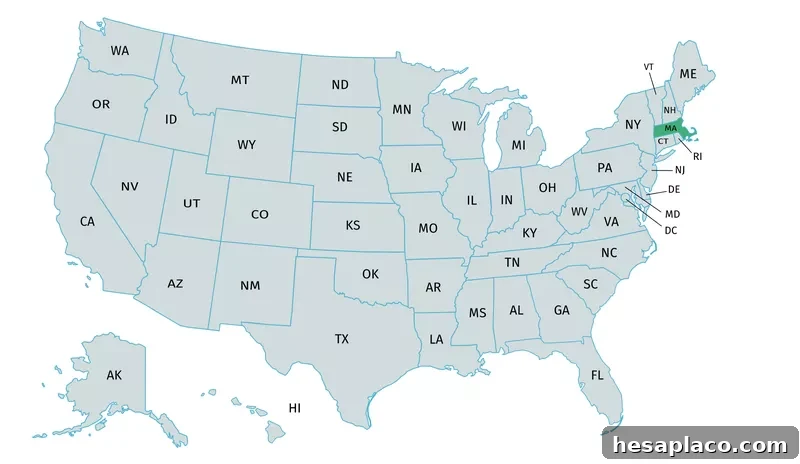
Massachusetts Rankings
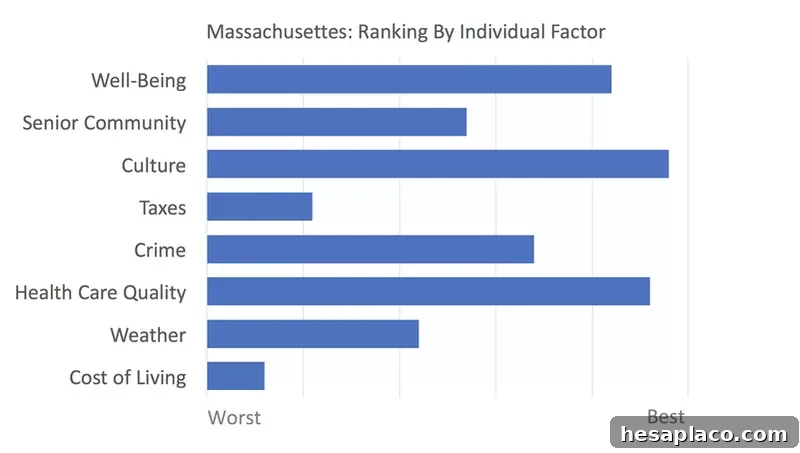
Bankrate Retirement Rankings
Bottom Line: Massachusetts

Elise Amendola / AP Photo
Massachusetts offers exceptional cultural institutions and world-class hospitals. The state income tax is moderate, though the cost of living and housing prices are relatively high. For retirees who prioritize healthcare and cultural life, Massachusetts remains an attractive, if pricier, option.
8. South Dakota
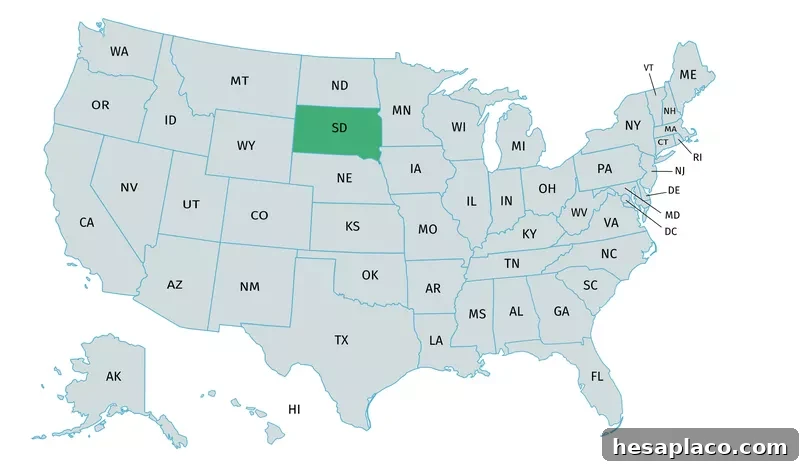
South Dakota Rankings
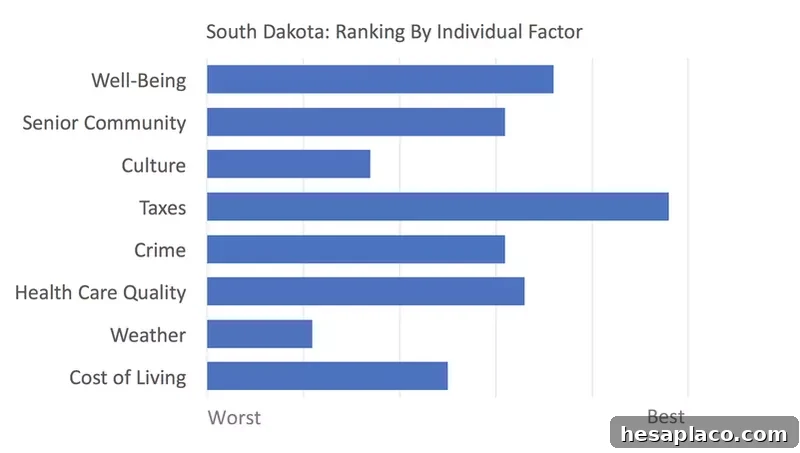
Bankrate Retirement Rankings
Bottom Line: South Dakota

Historic Deadwood
South Dakota has no state income tax, which means Social Security, pensions and most retirement income are tax-free. Low housing costs and a generally lower cost of living make it an appealing, budget-friendly choice for retirees seeking a slower pace and stable economy.
9. Wisconsin
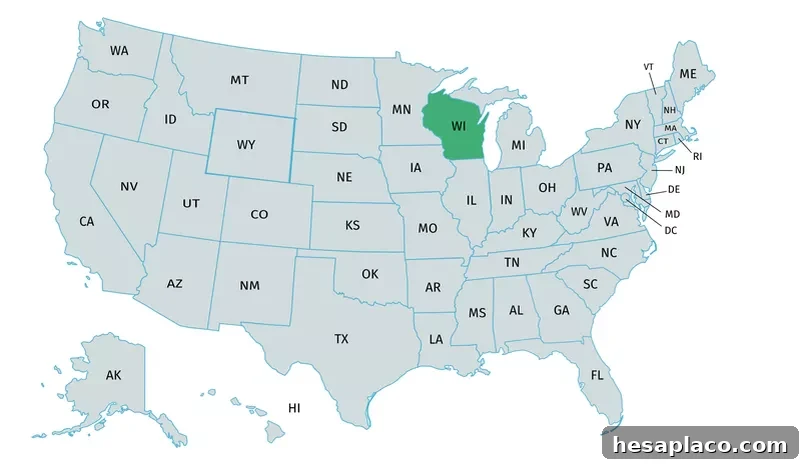
Wisconsin Rankings
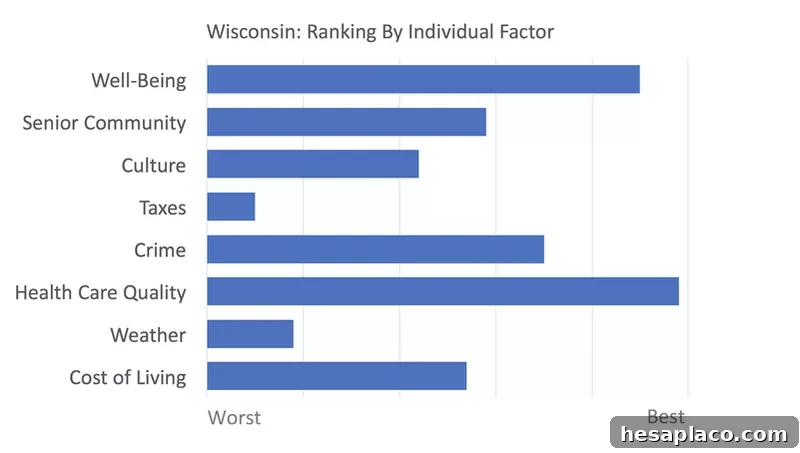
Bankrate Retirement Rankings
Bottom Line: Wisconsin

Getty Images
Wisconsin taxes withdrawals from retirement accounts but does not tax Social Security benefits. The state boasts strong hospitals and many university towns that combine cultural offerings with a small-town feel. Outdoor recreation is abundant, appealing to active retirees.
10. Idaho
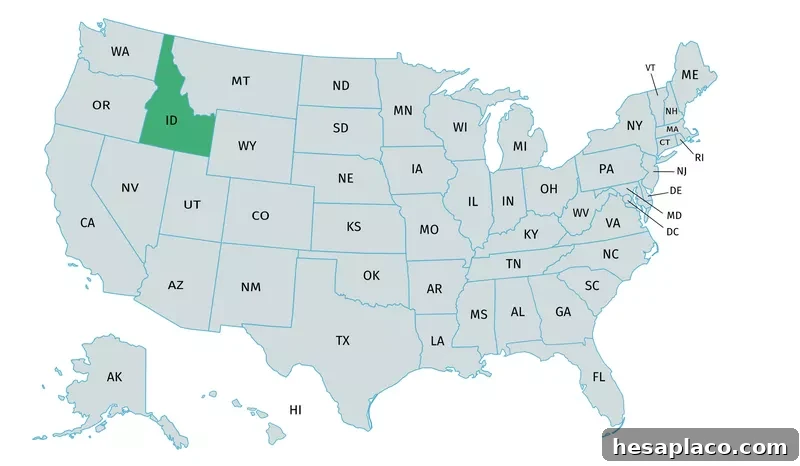
Idaho Rankings
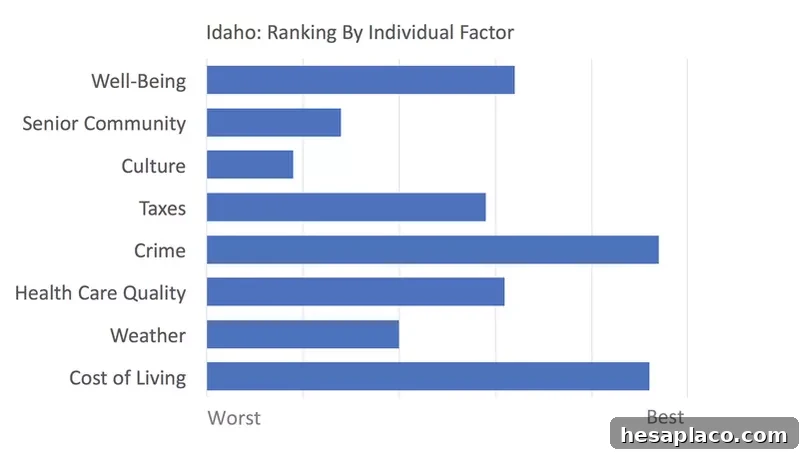
Bankrate Retirement Rankings
Bottom Line: Idaho

Getty Images
Idaho’s affordability and low crime rate helped it rank among the best states for retirement. The state is popular with outdoor enthusiasts for activities like fishing, hiking and skiing. While it can feel remote and has significant snowfall in many regions, some retirees prefer that quieter, nature-focused lifestyle.
And Now the Bottom 10 … 41. Mississippi
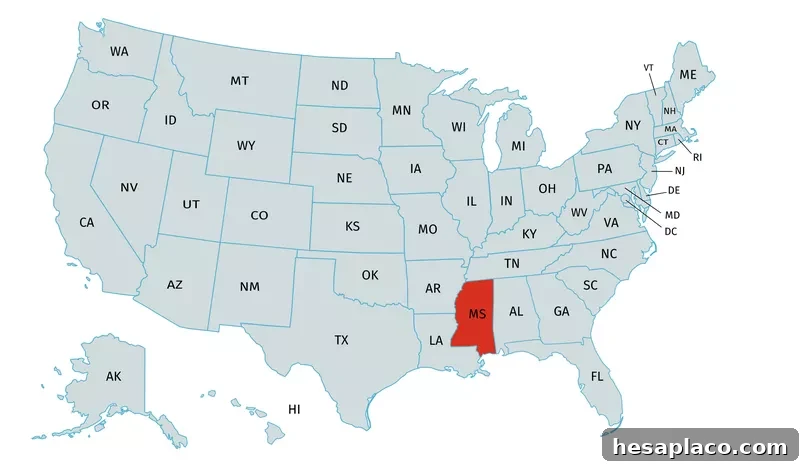
Mississippi Rankings
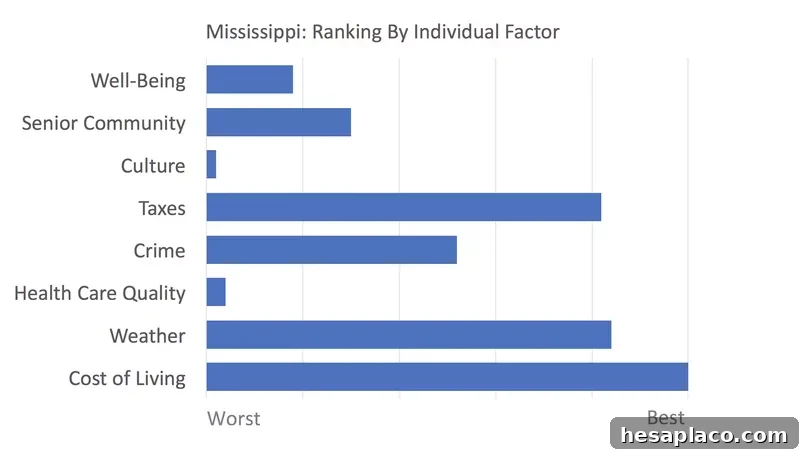
Bankrate Retirement Rankings
Bottom Line: Mississippi

Kiichiro Sato / AP Photo
Mississippi has the country’s lowest cost of living, but that affordability comes with trade-offs: the state ranked near the bottom in culture and healthcare quality, making it less desirable for many retirees who need reliable medical services and cultural amenities.
42. California
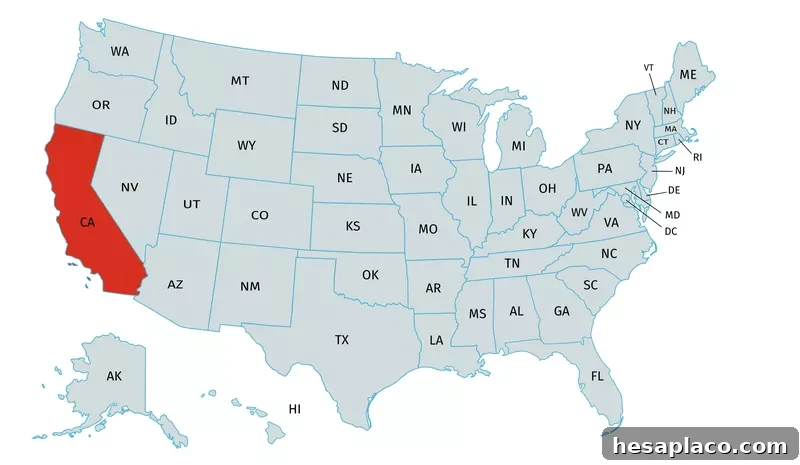
California Rankings
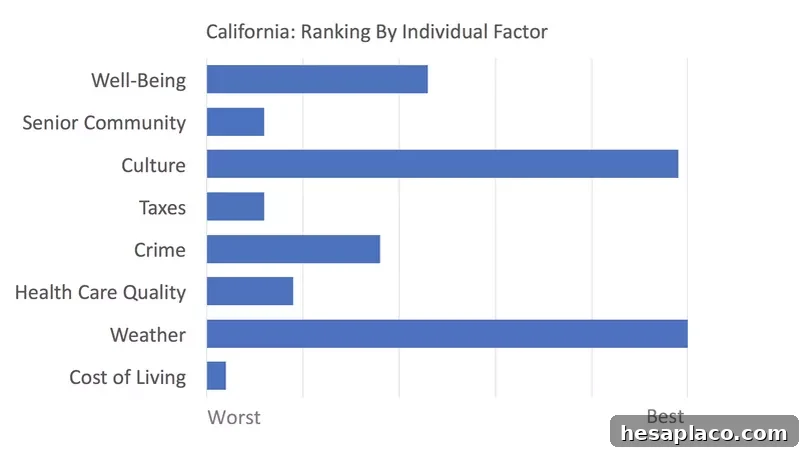
Bankrate Retirement Rankings
Bottom Line: California

Eric Risberg / AP Photo
California ranks low for retirement largely because of high taxes and an expensive cost of living, along with a comparatively smaller share of senior residents. While cultural and healthcare resources are excellent, affordability is a major hurdle for many retirees.
43. Oklahoma
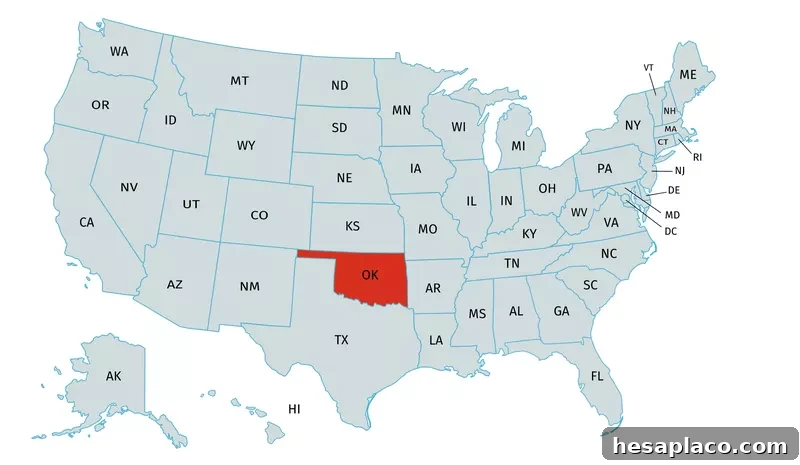
Oklahoma Rankings
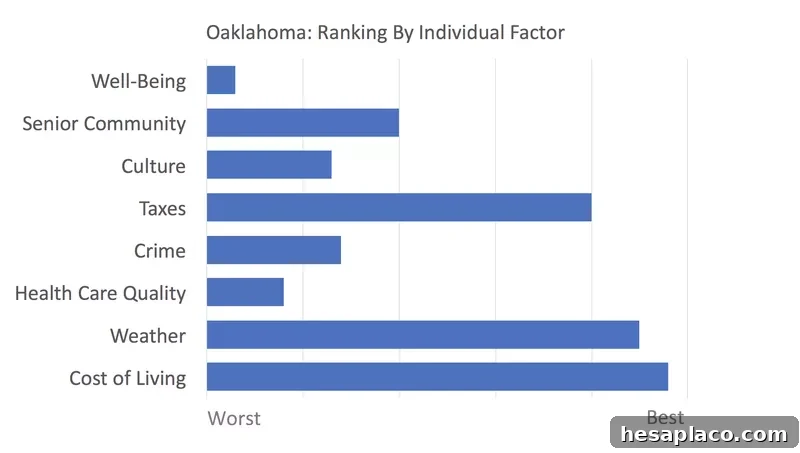
Bankrate Retirement Rankings
Bottom Line: Oklahoma

Sue Ogrocki / AP Photo
Oklahoma’s weather and low cost of living are positives, but the state faces severe shortages in primary healthcare providers. Many counties are federally designated shortage areas, and the number of physicians per capita is well below the national average, which may be a serious drawback for retirees who need regular medical care.
44. Nevada
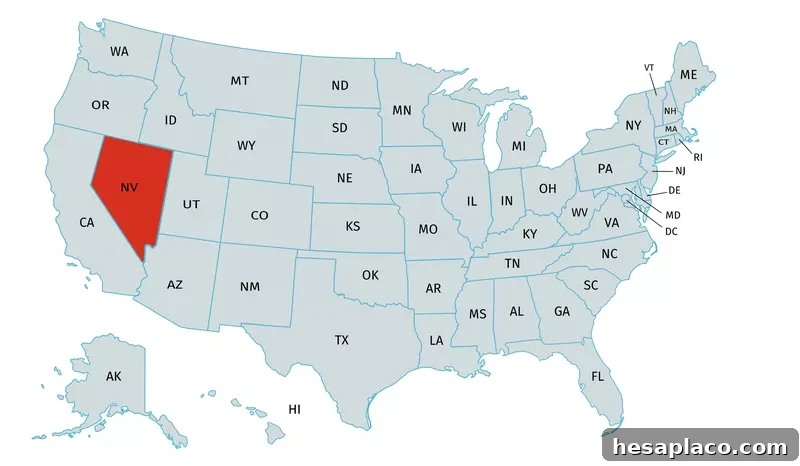
Nevada State Rankings
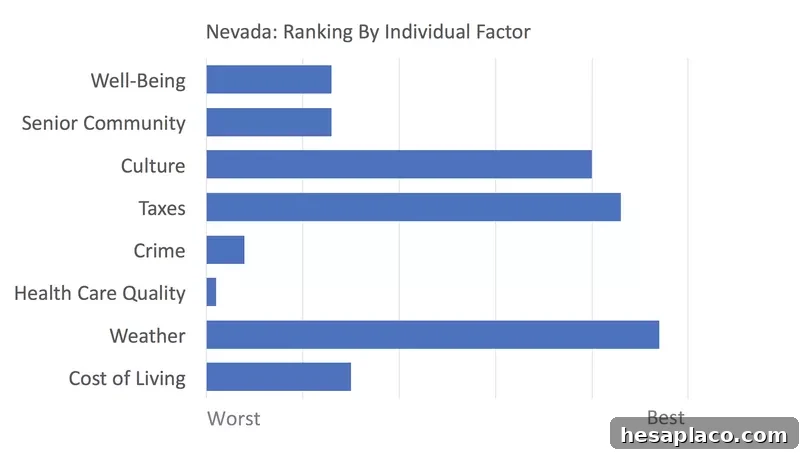
Bankrate Retirement Rankings
Bottom Line: Nevada

Getty Images
Nevada’s lack of a state income tax can be attractive, but the state ranked poorly for healthcare quality and has a high cost of living in many areas. For retirees who prioritize accessible medical services, Nevada may be a risky choice.
45. Kentucky
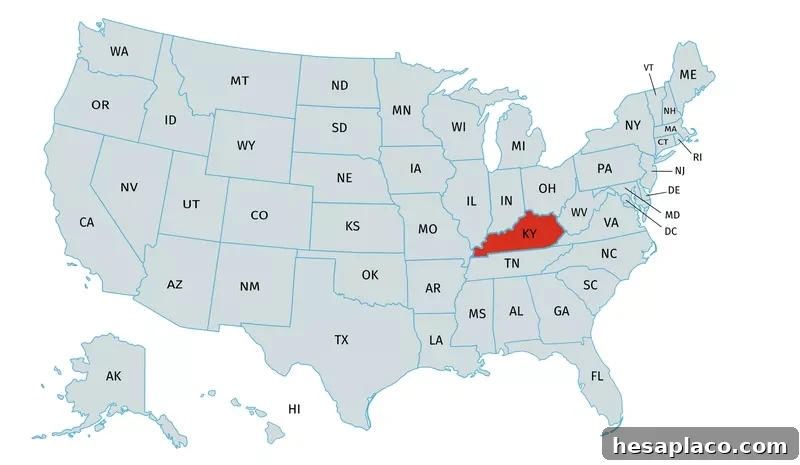
Kentucky Rankings
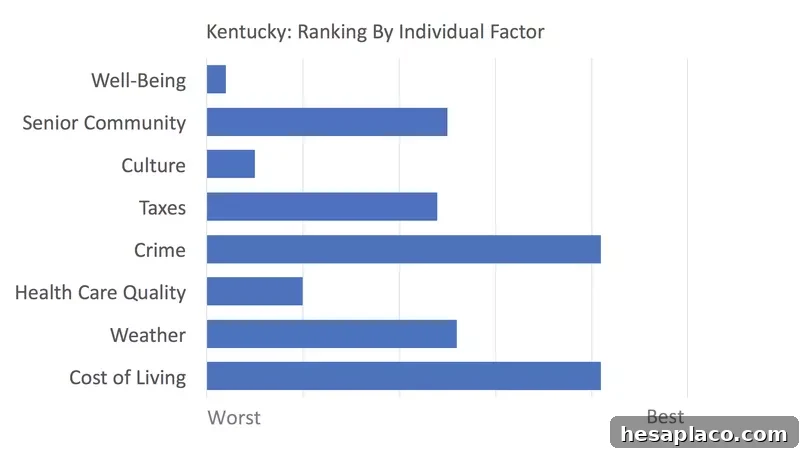
Bankrate Retirement Rankings
Bottom Line: Kentucky

Getty Images
Kentucky offers few employment opportunities for older adults and ranks poorly for healthcare and cultural amenities. For the many retirees who need supplemental income or want active community engagement, these limitations can be significant.
46. Louisiana
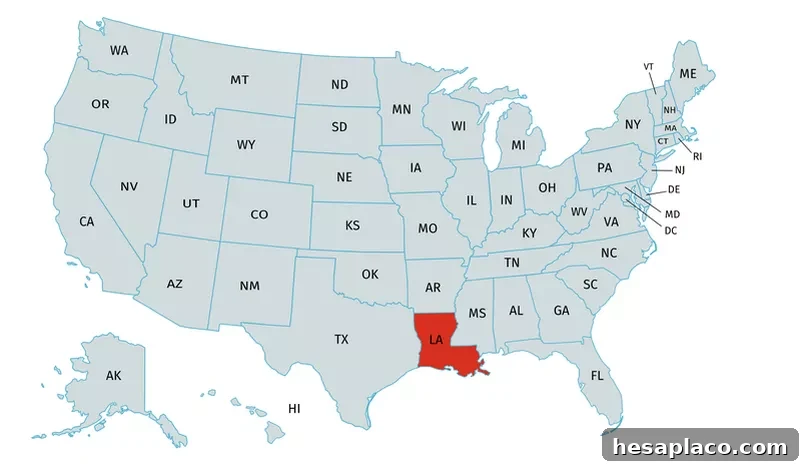
Louisiana Rankings
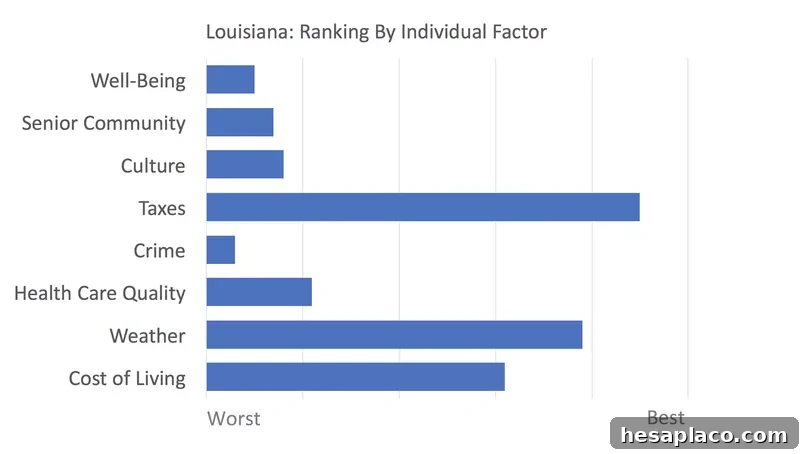
Bankrate Retirement Rankings
Bottom Line: Louisiana

Getty Images
High humidity, elevated crime rates and lower well-being scores make Louisiana a challenging option for retirees who prioritize safety and quality of life. These factors weigh heavily when considering long-term retirement plans.
47. New Mexico
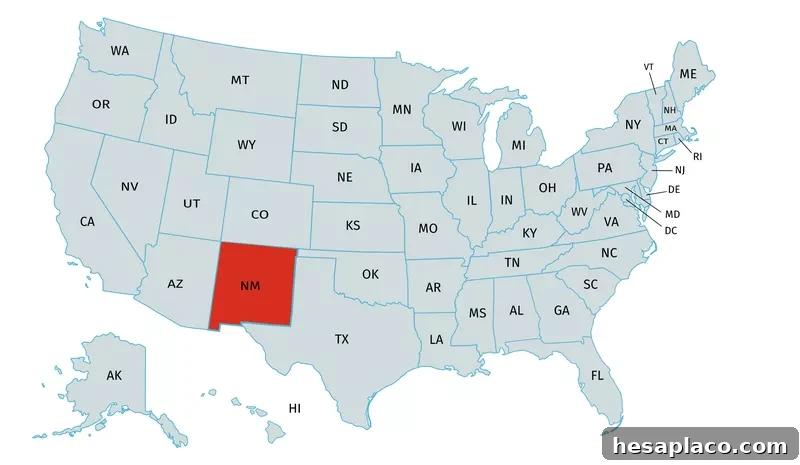
New Mexico Rankings
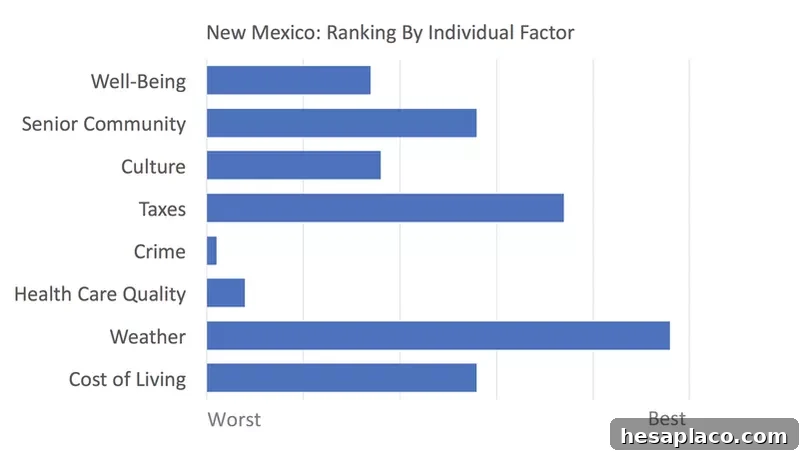
Bankrate Retirement Rankings
Bottom Line: New Mexico

Getty Images
New Mexico taxes Social Security benefits and struggles with a high crime rate, which offsets the appeal of abundant sunshine and scenic landscapes for many retirees seeking safety and strong healthcare options.
48. Arkansas
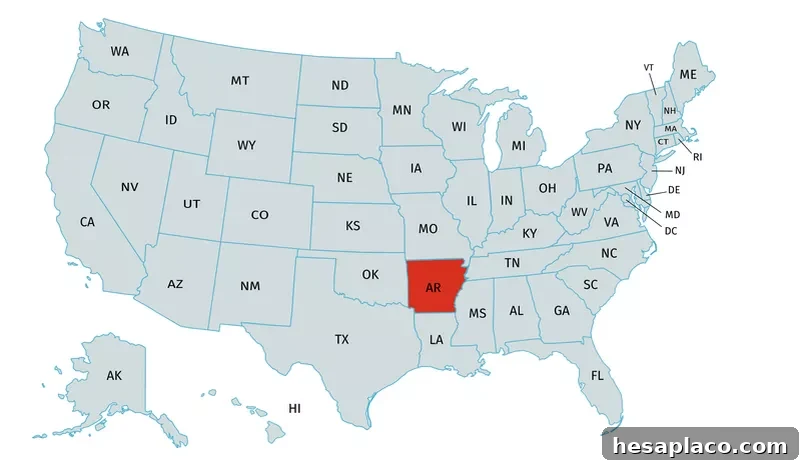
Arkansas Rankings
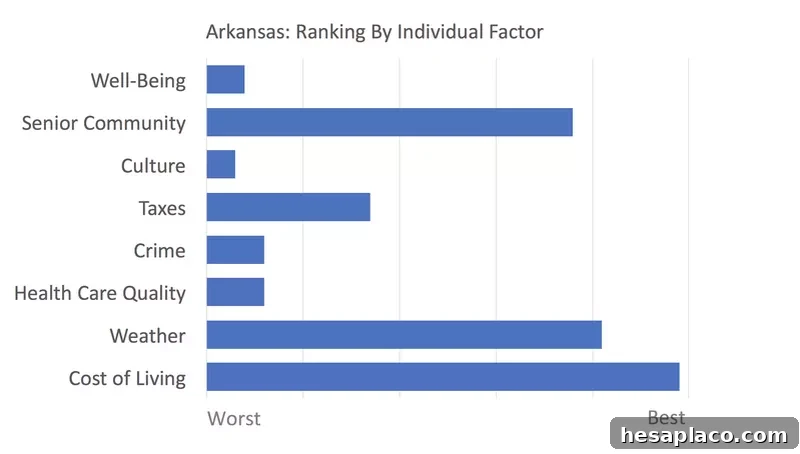
Bankrate Retirement Rankings
Bottom Line: Arkansas

Getty Images
Although Arkansas has moved away from the very bottom, it still ranks poorly in healthcare, crime, culture and well-being—areas that many retirees consider essential for a secure and satisfying retirement.
49. West Virginia
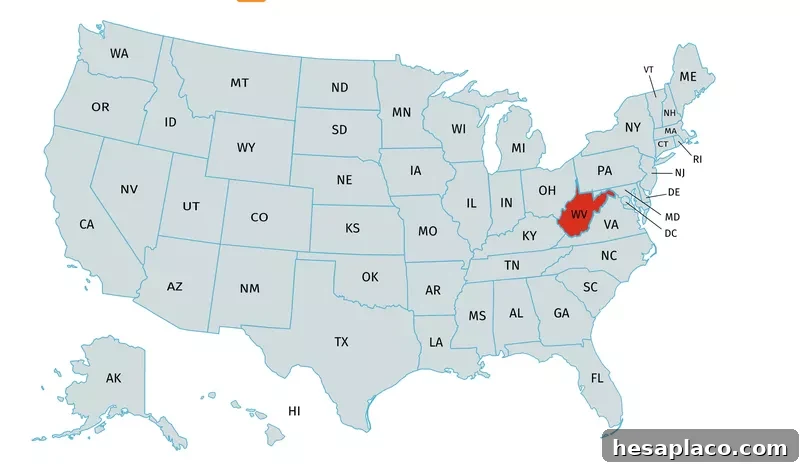
West Virginia Rankings
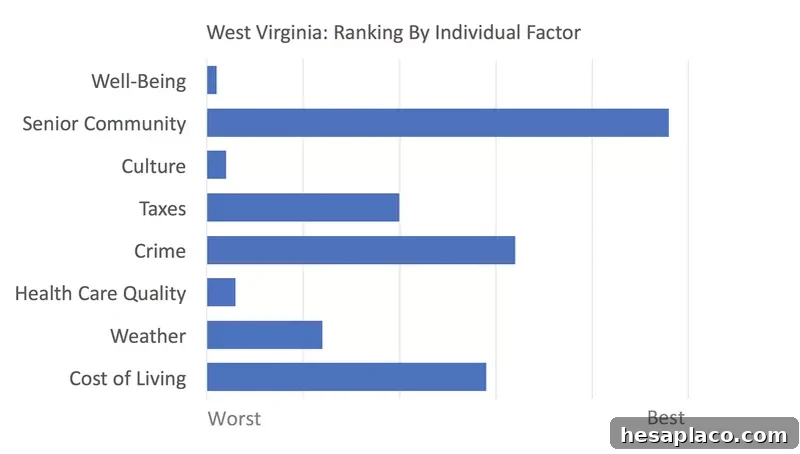
Bankrate Retirement Rankings
Bottom Line: West Virginia

Getty Images
West Virginia taxes Social Security and offers only limited deductions for retirement income. High poverty rates and limited services reduce the state’s attractiveness for many retirees seeking financial security and robust healthcare options.
50. Alaska
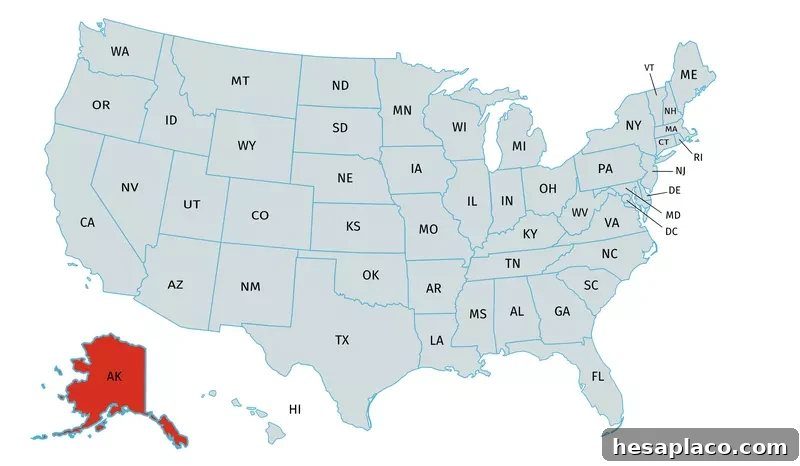
Alaska Rankings
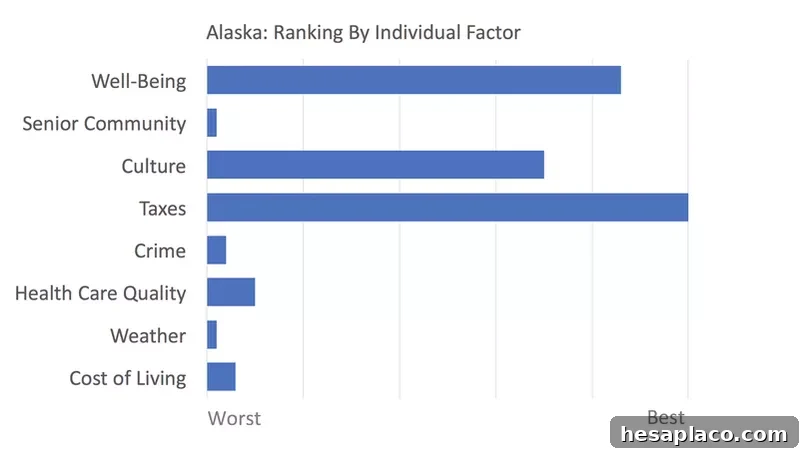
Bankrate Retirement Rankings
Bottom Line: Alaska

Getty Images
Alaska’s high cost of living—about one-third above the U.S. average—and remote communities with limited access to specialized healthcare make it a challenging choice for many retirees. In remote areas, reaching high-quality medical care can require long travel times or small-plane flights.
Note: Rankings and data referenced were derived from Bankrate’s state retirement analysis.