When choosing what to spend on food, many of us are now drawn to terms like “free-range,” “sustainable,” and “ethical.” Organic and farm-to-table alone no longer satisfy the modern home cook, who has easier access than ever to premium ingredients. Farms deliver to doorsteps, the same produce shows up in top restaurants, and farmers’ markets are common in many communities.
This wider access to quality ingredients helps people learn differences in provenance—an apple from Washington versus one from China, or a California avocado versus a Mexican one—and encourages more informed choices. You might even pause before ordering processed fast food and instead choose a burger made with beef raised within a hundred miles of your home.
With that mindset in mind, we highlight restaurants that take sourcing a step further: establishments that not only craft exceptional dishes but also grow or raise many of the ingredients used in their kitchens.
Capitol Grille and Double H Farms & Gardens
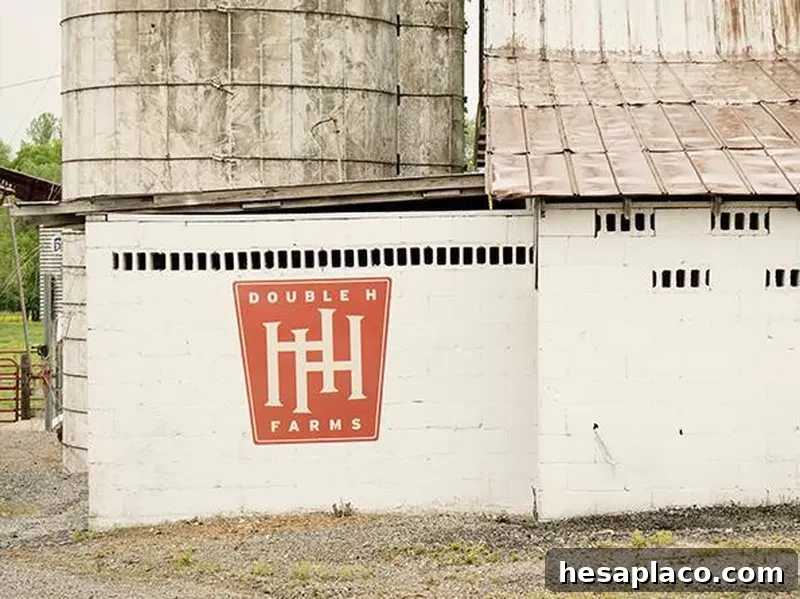
All of the produce used in the Capital Grille kitchen is grown on land within the city of Nashville, and its own herd of cattle are raised just 45 miles away. The Hermitage Hotel
Location: Nashville, Tennessee
Farm: White Bluff, Tenn. (45 miles away)
Garden: Nashville (4 miles away)
Bottom line: Capitol Grille at The Hermitage Hotel proves hotel dining can be both luxurious and deeply connected to place. The restaurant sources steaks from its own herd of Red Poll cattle grazing on 250 acres about 45 miles away, and much of the produce served is grown on city land in Nashville. Rather than leaning on the trendy “farm-to-table” label, the kitchen describes its work as a continuation of Southern agricultural traditions—raising cattle and farming produce much like earlier generations.
The restaurant’s garden was established in partnership with the Tennessee Land Trust and focuses on heirloom varieties such as watermelon, pumpkin, kale, beets, carrots, turnips, and corn. Cory Untch, who became chef-farmer in 2016, brought experience from The Inn at Dos Brisas and continues to strengthen the link between kitchen and field.
The Inn at Dos Brisas
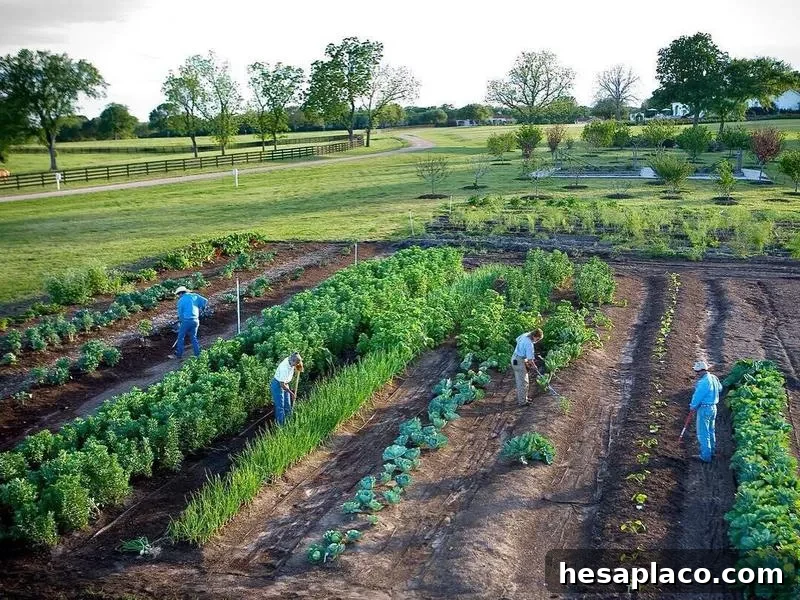
Dos Brisas operates a 42-acre farm planted with heirloom varieties of organically grown fruits and vegetables. Inn at Dos Brisas
Location: Washington, Texas
Farm: On site
Bottom line: Nestled in Texas Hill Country between Houston and Austin, The Inn at Dos Brisas is a luxury property where the restaurant’s identity is inseparable from its on-site farm. The 42-acre operation is USDA-certified organic and focuses on heirloom fruits, vegetables, and herbs, with seasonal planting year-round. In winter, a 7,000-square-foot greenhouse preserves the kitchen’s local-first approach.
After a major renovation in 2016, chef Matt Padilla—who trained with René Redzepi at Noma—leads the restaurant alongside farm manager Steve King. Together they treat the property like a working farm with a restaurant attached, prioritizing freshness, seasonality, and ingredients grown for their menu.
Noma 2.0
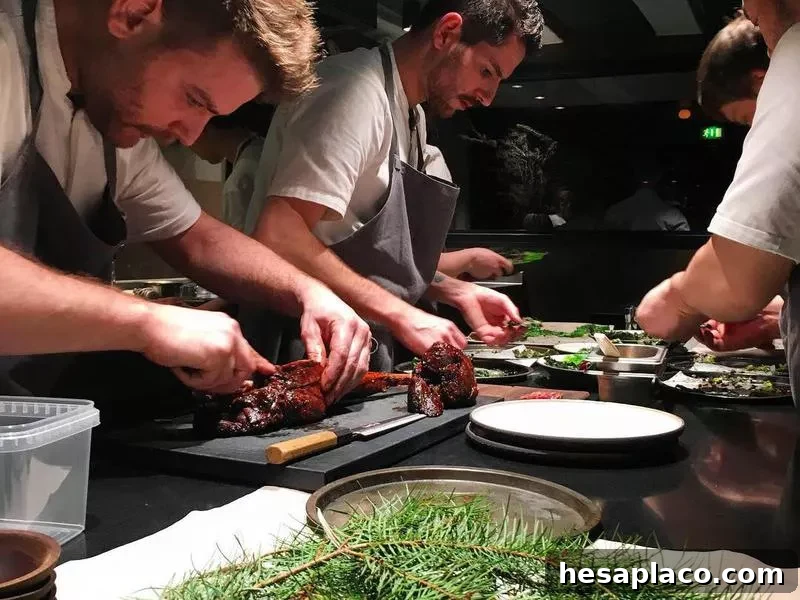
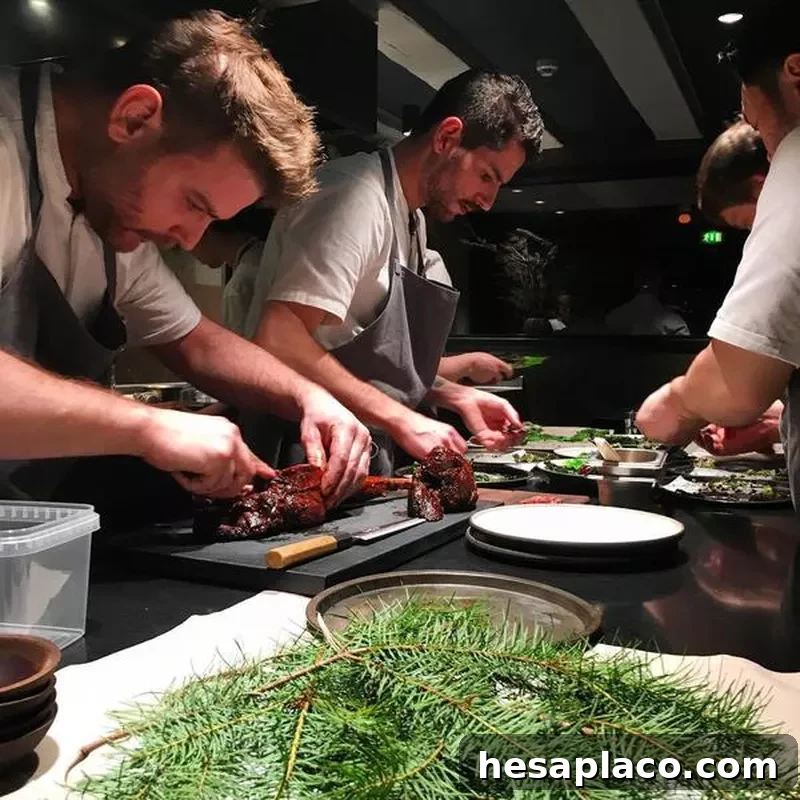
Chefs prepare food at Noma 2.0.
Location: Copenhagen, Denmark
Farm: Copenhagen
Bottom line: Noma is one of the most influential restaurants of the last decade, renowned for its devotion to seasonal Nordic cuisine under chef René Redzepi. After temporarily closing in 2016 to reset creatively, Redzepi reopened with a renewed focus on integrating farming directly into the restaurant concept. Noma 2.0 explores ambitious ideas—living roofs, replacing asphalt with soil, and experimental growing methods—alongside menus that rotate by season, including fish-focused winters, meatless springs, and forager-driven autumns. The project reflects Redzepi’s commitment to sourcing, experimentation, and deep engagement with place.
Saison
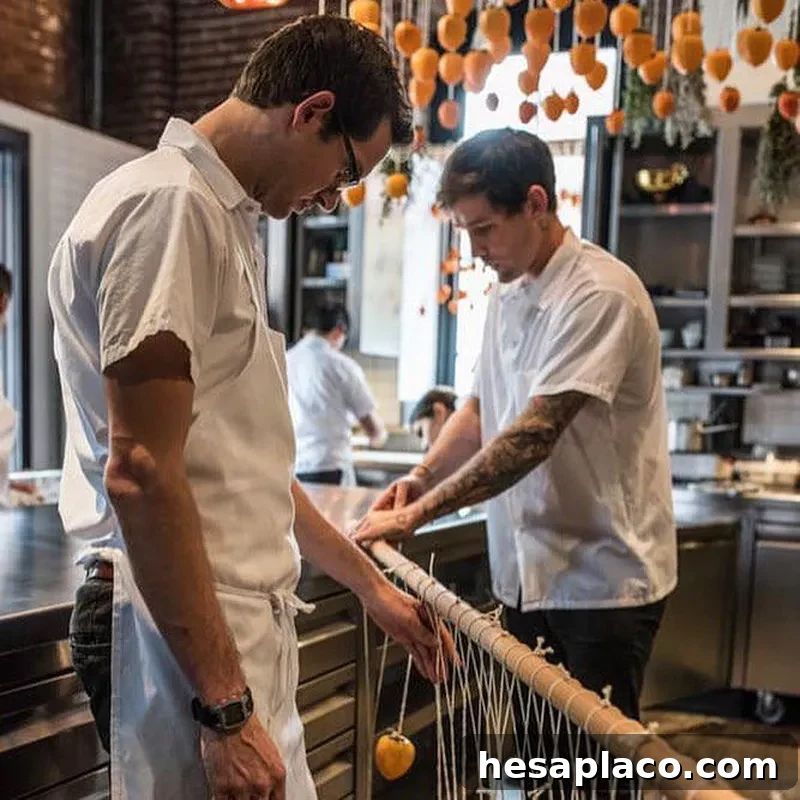
San Francisco’s Saison partners with a farm in Lagunitas, about 30 miles north, for most of its produce and herbs. Saison
Location: San Francisco, California
Farm: Lagunitas (30 miles away)
Bottom line: Saison is a California restaurant that has captured the attention of diners and critics through relentless precision and seasonal creativity. With a high-end tasting menu and an obsessive approach to ingredients, chef Joshua Skenes partnered with a farm in Lagunitas during a 2014 drought to secure consistent, high-quality produce. That farm has supplied dozens of varieties—corn, beans, specialty potatoes, herbs and more—enabling Saison to practice seed-to-stalk cooking and to improvise around what the land provides. The restaurant also forages widely and avoids premade elements, crafting nearly everything in-house.
L’Espalier
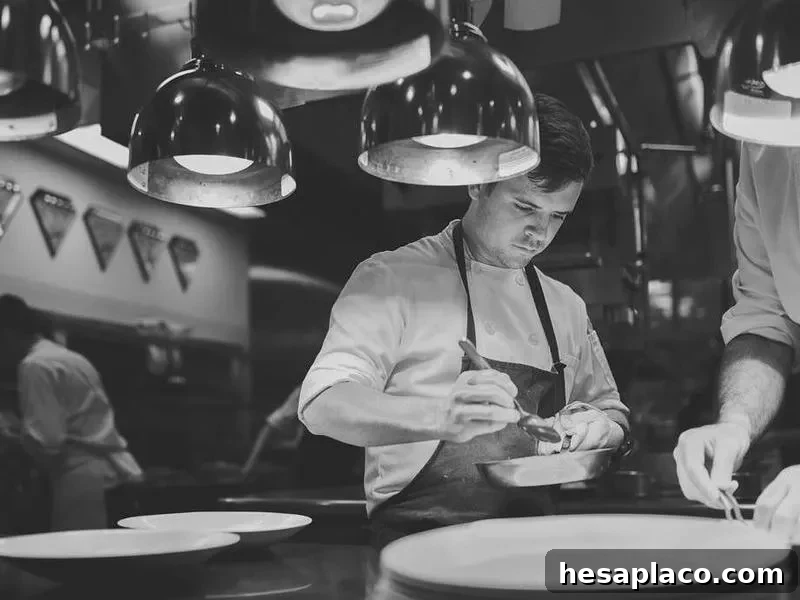
Boston’s L’Espalier serves organic produce and free-range pigs, turkeys, and chickens from its nearby Apple Street Farm. L’Espalier
Location: Boston, Massachusetts
Farm: Essex, Mass. (34 miles away)
Bottom line: Frank McClelland of L’Espalier has long been a pioneer of refined, ingredient-driven cuisine in New England. Raised on family farms, McClelland translated his upbringing into a professional commitment to growing and raising food. In 2009 he launched Apple Street Farm north of Boston—a 14-acre sustainably managed property that provides organic produce and free-range livestock to the restaurant. The farm produces enough to supply other local restaurants and a community-supported agriculture program, and McClelland lives on the property, personally overseeing farming operations, animal husbandry, beekeeping, and production such as raw organic milk sales.
Bell Book and Candle
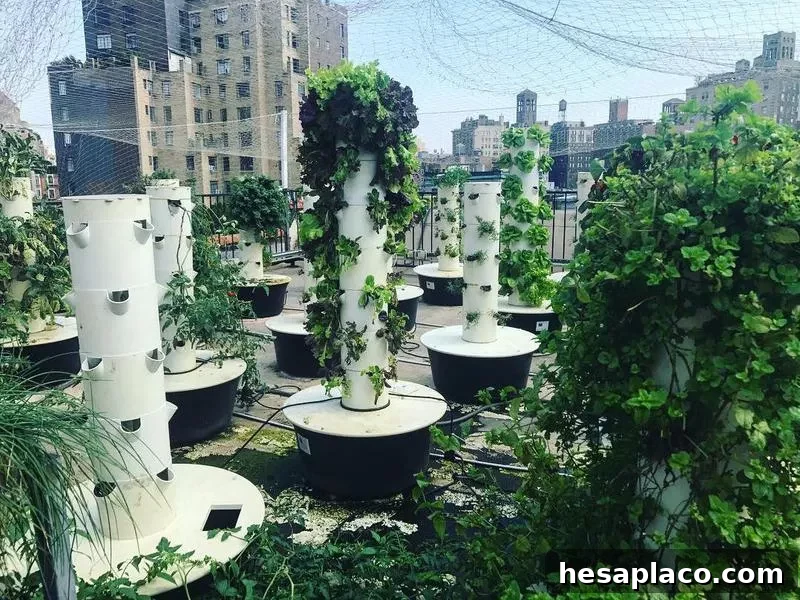
Bell Book and Candle operates its own rooftop garden above its Manhattan location. Bell Book and Candle
Location: Manhattan, New York City
Farm: Rooftop above restaurant
Bottom line: In a city full of farmers’ markets and regional suppliers, Bell Book and Candle took a different approach by installing a hydroponic rooftop garden above its Manhattan restaurant. Opened in 2011, the rooftop system—designed to maximize yield in a small space—lets the restaurant grow greens and herbs for about ten months of the year. The garden’s hydroponic towers use nutrient-rich water that can be temperature-controlled to protect roots in cooler weather, and the space has even attracted bees, enhancing pollination.
While early reviews were mixed, with some critics questioning the flavor of rooftop-grown produce in dense urban environments, other reviewers praised the overall dining experience. Bell Book and Candle’s rooftop garden is an example of how restaurants in dense cities innovate to bring production closer to the plate and reduce reliance on distant suppliers.