
Every shopper looks for a good deal.
No one wants to feel like they overpaid for essentials or things they enjoy. But sometimes the old adage “you get what you pay for” rings true. Bargains can carry hidden costs—either direct costs when cheap items break and must be replaced, or indirect costs when lower-quality purchases reduce comfort, convenience, or even health.
We asked consumer experts which items are worth splurging on and why. Below are their top recommendations and the reasoning behind them.
Mattresses
Mattresses were the most frequent answer from experts. The common rationale is simple: you spend roughly a third of your life sleeping, so sleep quality matters.
Mattresses in the $1,000 to $1,500 range are often the entry point to long-lasting comfort. These models tend to provide better support and durability, often remaining comfortable for seven to ten years. By contrast, inexpensive mattresses can wear out faster, becoming uncomfortable—or even harmful to posture and sleep health—within five years or less. Spending more up front can translate into better sleep and fewer replacements over time.
Clothes (Especially Shoes)

Shoes finished a close second to mattresses in expert suggestions. Comfortable, well-made shoes are an investment: they tend to last longer, require less frequent replacement, and help prevent foot, knee, and back problems.
More broadly, spending a bit more on clothing often pays off in longevity and appearance. Better materials and construction mean items look newer for longer. It’s also worth investing in proper care—choose a reputable dry cleaner rather than the cheapest option, and pay a tailor to ensure the garments fit well. Those extra costs protect your initial investment and enhance how you feel when wearing the clothes.
Cell Phone Service
Marketing often promises low-cost cell plans without trade-offs. But cheaper plans can carry hidden fees and reduced coverage. If your plan is too cheap, you might face overage charges or poor reception in the areas where you use your phone most.
Before switching to a low-cost option, check coverage maps, read fine print about overages and throttling, and consider the convenience cost of unreliable service. Paying a bit more for a plan from a carrier with strong coverage in your daily locations can be worth it.
Credit Cards

Choose credit cards based on interest rates and the rewards or benefits you’ll actually use. If you carry a balance, interest rate matters most. But don’t automatically avoid cards with annual fees—some paid cards offer large sign-up bonuses, travel perks, lounge access, or high-value rewards that can offset the fee if they match your spending patterns.
Pick a card whose benefits align with your lifestyle so the annual fee delivers genuine value.
Food
Cheap food often means processed, lower-quality items. While some generic products match name-brand equivalents in taste and nutrition, fresh produce, quality meats, and dairy are frequently worth paying more for. These items are typically found on the perimeter of the supermarket, while middle aisles often house processed and packaged bargains.
Spending a little extra on fresher, better-sourced ingredients can improve taste, nutrition, and meal satisfaction. Also consider that small daily indulgences—like pricey coffee—add up; investing in better groceries and cooking at home often saves money overall.
Automobile Tires
Factory tires on new cars typically last around 40,000 miles—the same lifespan as the cheapest replacements. Upgrading to premium tires often extends tread life significantly without doubling cost. Higher-quality tires also offer better grip, safer handling, and fewer roadside emergencies.
Anecdotes from drivers who live in challenging climates emphasize that premium tires can last far longer and offer greater peace of mind, which can justify the additional upfront expense.
Coffee and Coffeemakers

Investing in a good coffee maker and quality beans encourages brewing at home, which reduces costly daily coffee-shop purchases and tempting impulse treats. While simple brewing methods can yield decent coffee, better equipment and fresh beans produce superior flavor and consistency.
Buying high-grade beans and grinding them at home typically produces a better cup than most chain shops, and over time the savings add up.
Insurance

Insurance should be chosen for value, not simply for the lowest price. For businesses especially, an inadequately priced policy can leave critical gaps that jeopardize operations after a major loss. More comprehensive—and sometimes pricier—policies often align better with real risks and can mean the difference between recovery and permanent closure following a significant claim.
Tools
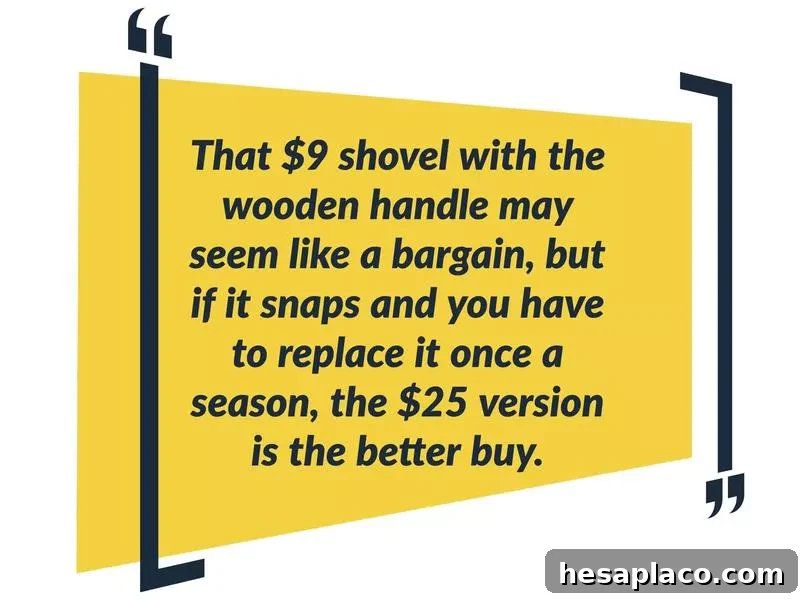
If you only need a basic set of tools for occasional repairs, budget tools may be fine. But if you plan frequent DIY projects or regular home maintenance—especially in older homes—investing in higher-quality tools is worthwhile. Consider usage frequency: a cheap shovel that breaks every season costs more over time than a sturdier model. Choose tools that match how often and how heavily you’ll use them.
Paint

Higher-quality paint often covers better, so you can use fewer coats and achieve a more durable, attractive finish. Premium paints apply more smoothly, resist wear, and maintain color longer. Pairing good paint with quality brushes and rollers is smart if you plan more than one project; better tools clean up well and last, while cheap brushes often fall apart after a single job.
Extended Laptop Warranties
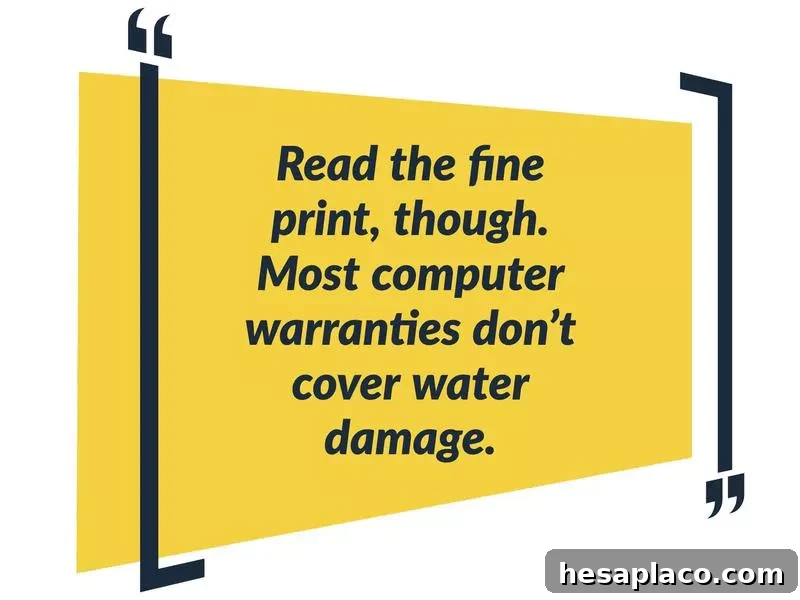
Extended warranties on many electronics can be unnecessary profit centers for sellers, but laptop warranties merit a closer look. Repair costs for laptops can be substantial, and replacement can exceed a thousand dollars. If the extended warranty covers the failures you’re most likely to experience and the price is reasonable, it can be a sensible purchase. Always read the fine print—many warranties exclude water damage and certain accident types—so choose coverage that matches your risk profile.
Kitchen Knives

Sharp knives are safer and more efficient than dull ones. Dull blades require extra force, increasing the chance of slips and accidental cuts. Experts and chefs recommend buying one or two quality chef’s knives rather than a large low-quality set. A good chef’s knife can perform most kitchen tasks and, with minimal care, last for decades. Investing in a well-made blade pays off in safety, performance, and longevity.
Spending on Other People

Spending on others isn’t strictly a money-saver, but it’s a proven way to boost happiness. Research has shown that even small acts of generosity—spending as little as $5 on someone else—can increase well-being. You can donate to charity, treat friends and family, or perform small kindnesses for strangers. Simple gestures, like paying for the car behind you at a drive-through, are inexpensive yet meaningful ways to enhance both your mood and someone else’s day.
In summary: prioritize purchases that affect health, safety, daily comfort, and long-term value. Paying more up front for better quality often yields savings, convenience, and peace of mind over time.