
John Pugliano, author of The Robots Are Coming: A Human’s Survival Guide to Profiting in the Age of Automation, warns that many white-collar roles will be threatened by automation. “Any routine job that can be defined by a mathematical or logical equation will be at risk,” Pugliano says. “Opportunities will remain for those who can create new products or services, or who can solve and fix unexpected problems.”
That means some professions—like accounting—face greater exposure to automation, while specialties that require real-time human judgment such as plastic surgeons or emergency-room doctors are likely to remain in demand. Skilled trades like plumbing are also expected to persist.
Below are occupations experts identified as likely to shrink or transform. The list highlights why those fields are changing and suggests transferable skills or alternative career paths that may offer more stability.
Lumberjacks

Getty Images
Also called fallers, lumberjacks cut down trees with handheld chainsaws. Logging remains one of the most dangerous occupations, contributing to declining interest in the work. Combined with increased mechanization and automation, manual tree felling is steadily becoming a shrinking occupation.
Mail Sorters

Getty Images
Mail sorting jobs have declined due to reduced First-Class mail volumes as email and electronic billing replace paper. Automated sorting systems that sequence delivery points have also reduced the need for manual sorting.
Patternmakers

Getty Images
Patternmaking jobs in the U.S. are projected to decline as manufacturers outsource work overseas and adopt automated pattern-cutting technologies. Designers with strong technical skills can transfer those abilities to higher-growth areas such as fashion tech, product development or custom apparel services.
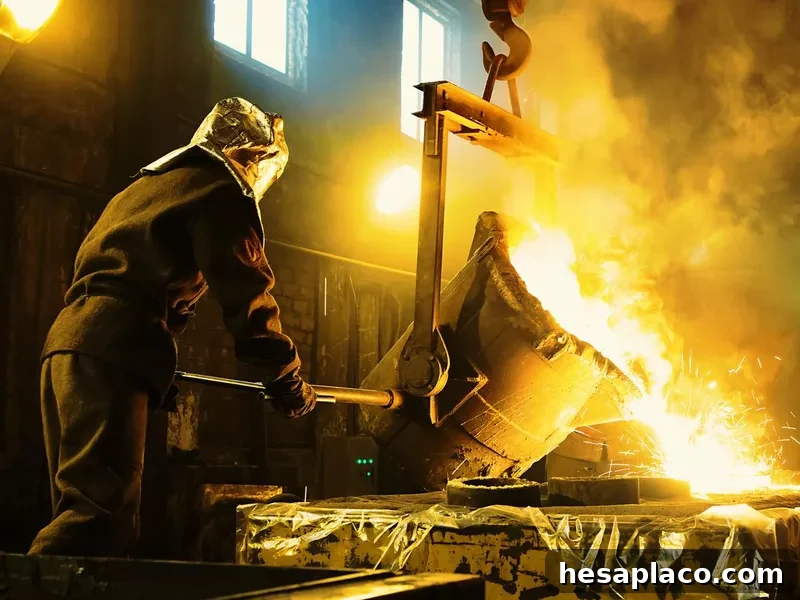
Metal Pourers and Casters
Getty Images
Workers who regulate molten metal into molds face pressure from automation. While demand is easing, retirements and turnover still create openings each year. Upskilling into equipment maintenance, quality control or CNC machining can provide more stable alternatives.
Watch Repairers

Getty Images
Watch and clock repairers are becoming rarer as fewer people wear traditional timepieces and as mass-produced clocks are often replaced rather than repaired. Employment in watch repair is expected to decline significantly; technicians can pivot to specialized restoration, luxury watch servicing, or precision instrument repair.
Coal Miners

Getty Images
Coal mining employment has been shrinking as energy markets shift toward cleaner sources. Market contraction, mine closures and job losses in recent years have reduced opportunities. Workers may find alternatives in renewable energy installation, equipment operation, or reclamation and environmental remediation roles.
Taxi Drivers

Getty Images
Ride-hailing apps and the potential for autonomous vehicles have disrupted the traditional taxi industry. Many cities have seen dramatic declines in medallion values and cab driver incomes. Drivers can transition to logistics, delivery services, or roles that leverage customer service and local knowledge.
Surveyors and Mapping Technicians

Getty Images
Advances in robotics, drones and automated mapping reduce demand for some mapping technicians, especially roles that require only basic training. Specialized surveyors with advanced degrees remain valuable, and technicians who learn drone operation, GIS, or data analysis can improve job prospects.
Parking Enforcement

Getty Images
Parking enforcement positions have been declining for years, partly due to automation and electronic payment systems. While fewer officers may patrol lots, enforcement itself becomes more automated through sensors and digital systems.
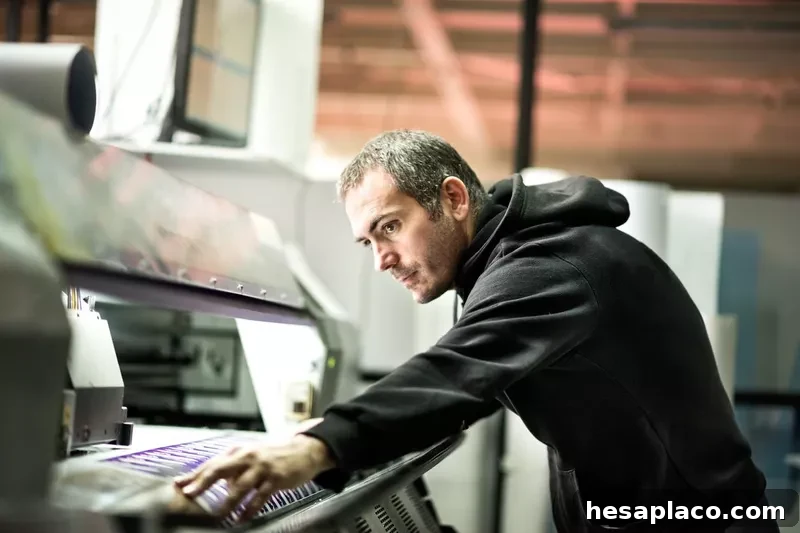
Prepress Technicians
Getty Images
As print media declines and printing processes become automated, prepress technician roles are disappearing. Those with design, digital publishing, or printing-technology skills can move into digital media production or commercial printing operations that use advanced equipment.
Restaurant Servers

Getty Images
Staffing challenges, labor costs and automation are changing the foodservice industry. Firms estimate a large share of roles could be automated, particularly routine tasks. Servers who emphasize high-touch customer experiences, specialized hospitality skills, or move into food-tech operations will be better positioned.
Referees

Getty Images
Video-assisted officiating systems are increasingly accurate, reducing the demand for referees in some contexts. Combined with low pay and abuse that drive people away from the role, many leagues and youth programs struggle to retain officials. Referees who adapt by focusing on higher-level officiating, training or technology integration may find new opportunities.
Herders and Wranglers

Getty Images
Herders and wranglers have traditionally monitored livestock across large areas. Drone technology and remote monitoring now allow farms and ranches to track animals more efficiently, reducing the need for human labor in some roles. Those involved in livestock management can transition into tech-assisted herd management, drone operation, or specialized animal care.
Elevator Operators

Getty Images
Elevator operators were essential when elevators required manual control. Modern automated elevator systems eliminated most of these roles, leaving operator positions as rare novelties in a few historic or ceremonial settings.
Air Traffic Controllers

Getty Images
Air traffic control is high-stakes work. New satellite-based systems and automation aim to improve safety and capacity, but those technologies can also reduce the number of new hires. Controllers will still be needed, but the structure of the workforce and the roles they perform will evolve as systems modernize.
Travel Agents

Getty Images
Online booking platforms have reduced demand for traditional travel agents. Still, agents who offer specialized expertise—such as corporate travel, luxury experiences, destination specialization, or services for older travelers—remain valuable and may see steady demand.
Mortgage Brokers

Getty Images
Online mortgage platforms and shifting market dynamics have reduced traditional mortgage broker roles and earnings since the Great Recession. Professionals with numeric and financial skills can pivot to other financial services roles by earning new credentials or specializing in complex financial products.
Bookkeepers

Getty Images
Accounting software and automation tools can import bank data and prepare basic tax forms, reducing demand for routine bookkeeping. Bookkeepers who move into advisory roles, tax specialization, or financial analysis that require judgment and interpretation are likely to remain in demand.
Lawyers

Getty Images
Many legal research and document-drafting tasks are increasingly automated. Pugliano recommends that lawyers focus on nonroutine, emotionally complex areas—jury selection, witness evaluation, negotiation and client counseling—where human judgment and relationships matter most.
Broadcasters

AP Photo
Consolidation, syndicated content and streaming services have reduced demand for local radio and television announcers. Reporters and broadcast news analysts are also affected as media outlets restructure and prioritize digital distribution.
Middle Managers

Getty Images
Routine administrative oversight once done by middle managers is increasingly automated by enterprise software. Professionals in these roles should shift toward revenue-generating activities—client relationships, sales or product development—where human initiative adds measurable value.
Casino Cashiers

OwlGuru
Casinos are automating many cashier functions to cut labor costs. While the industry may grow in some areas, cage cashier roles are declining. Gaming dealers are projected to grow modestly but often earn less than traditional cashiers; workers can consider dealer training, hospitality, or technical roles in gaming operations.
IT Support

Getty Images
As infrastructure moves to the cloud, traditional onsite system and server administrators become less central. Small businesses increasingly outsource IT. Technicians who reskill to manage cloud systems, offer remote administration, or specialize in cybersecurity and DevOps will find growing opportunities.
Financial Planners

Getty Images
Robo-advisors, planning software and algorithmic investing are automating routine financial planning tasks. Planners who offer advanced strategies, personalized risk mitigation, asset protection, and nuanced advisory services will remain in demand.
Floral Designers

Getty Images
Flower arranging has declined due to online delivery services and supermarket floral departments. The visual and design skills floral designers possess transfer well into interior design, visual merchandising, event design and other creative fields with stronger growth.
Postal Workers

Getty Images
Postal employment has declined sharply as electronic communication replaces traditional mail. Automated sorting, cluster mailboxes and budget pressures further reduce staffing needs. While parcel delivery from e-commerce helps, it has not fully offset declines in other mail volumes.
Photo Processors

Getty Images
Film-based photo processing has nearly vanished with the rise of digital photography. While photo processing roles decline, demand for photographers—especially portrait, commercial and digital specialists—continues to grow.
Data Entry Clerks

FlexJobs
Data entry and other routine administrative tasks are among the most affected by automation, software and workflow tools. The role has been in decline for years and is expected to contract further. Workers can move into data analysis, database management, or roles that require critical thinking and interpretation.
Telephone Switchboard Operators

Getty Images
Switchboard operator numbers have steadily declined and are projected to fall further as voice, AI routing, texting and voicemail systems handle call distribution. Operators with strong customer service skills can transition to contact-center roles that leverage AI tools.
Farmers

Getty Images
Agricultural employment has declined as farming becomes more mechanized and efficient. Still, global population growth will keep agriculture vital; opportunities will shift toward technologically advanced farming, agronomy, precision agriculture and supply-chain roles.
Fast-Food Cooks

Getty Images
Fast-food kitchens are increasingly automated and centralize food preparation, reducing the need for on-site cooks. Workers can upskill into food preparation technology roles, supervisory positions, or culinary specialties that emphasize quality and customization.
Newspaper Reporters

Getty Images
Declining print circulation and newsroom consolidation have reduced reporter jobs. While local reporting faces pressures, journalists who master digital storytelling, multimedia reporting and niche or investigative beats remain valuable.
Jewelers

Getty Images
Manufacturing shifts overseas have reduced U.S. jeweler employment. To stay competitive, practitioners can specialize in bespoke, high-end repair and design, or move into luxury retail, gemology, and e-commerce strategies that emphasize craftsmanship and provenance.
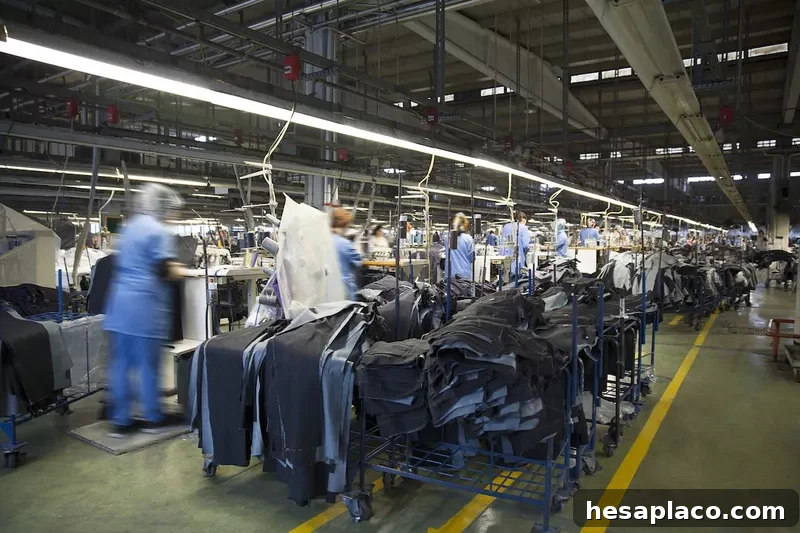
Textile Machine Workers
Getty Images
Low-skilled textile machine roles have declined due to offshoring and automation. Workers with more specialized technical skills or training as machinists—operating lathes, milling machines and grinders—can find growing opportunities in manufacturing and precision engineering.
Furniture Finishers

Getty Images
As furniture becomes cheaper and mass-produced, repair and finishing work has decreased. Production finishers also face automation. Craftspeople can focus on restoration, high-end custom furniture, or niche woodworking markets where craftsmanship commands premium prices.
Door-to-Door Salespeople

Getty Images
Targeted online advertising and e-commerce have undercut door-to-door sales. While many of these roles will disappear, salespeople can pursue higher-value fields—insurance, corporate sales or specialized B2B roles—that offer stronger pay and growth.
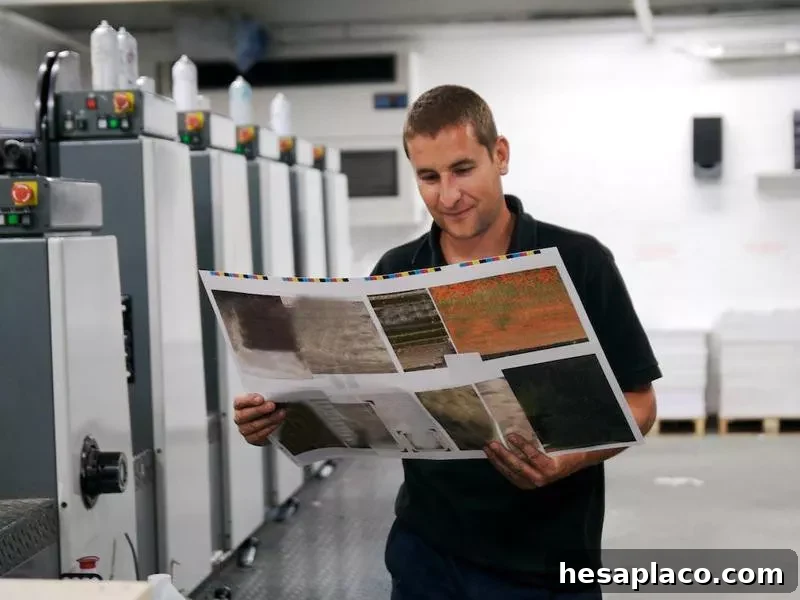
Print Binding and Finishing Workers
Getty Images
Automation and reduced demand for printed materials have hit binders and finishers hard. The occupation is expected to decline as publishing consolidates and digital formats replace many printed products.
Detectives

Getty Images
Advances in surveillance, DNA databases and digital forensics make some investigative work faster and more accurate, changing how traditional private investigators and detectives operate. Police work is expected to shift toward rehabilitation, prevention and community engagement as technology aids crime solving.
Routine Architects

Getty Images
Architecture requires lengthy education and training, but many tasks architects perform can be handled by engineers or non-licensed designers using standardized tools. Architects who emphasize unique design, sustainability, complex problem solving, or project leadership will remain relevant.
Maybe Even Primary Care Physicians?

Getty Images
Pugliano suggests routine primary-care tasks—basic diagnostics and tests—could increasingly be handled by inexpensive home tests and automated systems. That would push primary care physicians to spend less time on routine diagnosis and more on counseling, chronic-disease management, performance coaching and urgent care where human interaction improves outcomes. AI will augment many clinical tasks, but it is unlikely to replace physicians entirely in the near term.