
There are two main perspectives on the popular Financial Independence, Retire Early (FIRE) movement.
Critics portray FIRE as a pastime of the privileged, associating it with excess and a lack of self-awareness commonly attributed to parts of the tech sector where the movement gained traction. Supporters, by contrast, are committed to the idea of financial freedom and work determinedly to reach it as soon as possible.
Regardless of where you stand, one thing is clear: FIRE ideas have spread widely through books, talks, forums, meetups and podcasts. Individual paths to FIRE differ, but the objective remains the same — to remove money as the main constraint on life choices and gain greater control over how you live.
Below are practical steps to begin your journey toward FIRE.
Join an In-Person Meetup or Online Forum

Getty Images
Search sites like Meetup to find local gatherings of FIRE enthusiasts or newcomers who want to learn. These groups typically aim to create supportive networks where members exchange information, tips and social encouragement around common financial objectives.
Online communities offer deeper discussion. Subreddits and dedicated forums host threads on cost-cutting strategies, lifestyle choices and how to calculate your “FIRE number” — the sum you need to fund early retirement. You’ll also encounter terms like “lean FIRE” (extremely frugal lifestyles that save a large portion of income) and “fat FIRE” (higher-income earners who maintain a more comfortable lifestyle while aiming to retire early).
Meetups and forums are valuable for learning the movement’s vocabulary, testing ideas and forming a personal approach to FIRE.
Read, Listen and Watch
Getty Images
Start with foundational books such as Your Money or Your Life by Vicki Robin, which many modern FIRE followers reference. Blogs and websites like Mr. Money Mustache and Early Retirement Extreme offer practical guides and perspectives. Popular podcasts include Mad Fientist and ChooseFI, which interview practitioners and explain tactics for saving, investing and retiring early.
Documentaries that critique consumer culture or follow families pursuing financial independence can be motivating and informative. Use a combination of books, podcasts, blogs and films to develop a balanced view and to find advice that fits your situation.
Write Down Your Goals

Getty Images
Clarify what financial independence means to you by writing specific goals. Ask yourself: When do I want to retire? What lifestyle do I want in retirement? Do I need an urban apartment or a rural home? Which luxuries are nonnegotiable, and which can I give up? Will I have a family or live alone?
Defining these choices provides a clear target and helps you prioritize spending and saving. For example, a student like Francis decided his main objectives are securing a well-paid tech job, building an emergency fund and saving for a rental property. He began investing at 15 and uses his written goals to guide each decision.
Create a Detailed Plan

Getty Images
Succeeding at FIRE requires a realistic, documented plan. At minimum, your plan should include your FIRE number (the amount you estimate you’ll need to retire comfortably), a timeline with milestones, projected expenses over time, and income-generation strategies. Outline how you will save, invest and adjust if life events or economic shifts occur.
Writing down a plan increases accountability and makes it easier to measure progress or make course corrections when setbacks happen.
Commit to FIRE
Getty Images
For many adherents, FIRE becomes a lifestyle rather than a temporary experiment. It requires consistent habits, repeated choices and the discipline to stick with long-term strategies. If you want results, treat the commitment seriously: maintain routines, track progress and be prepared to respond calmly to doubt and criticism.
Set Up Your Home
Getty Images
Location and housing choices greatly affect your ability to save. Use cost-of-living comparisons to determine whether you should avoid high-priced metro areas or prioritize neighborhoods with lower expenses. Living in a transit-accessible area can remove the need for a car, cutting insurance, gas and payment costs.
Some lean-FIRE practitioners keep very minimal homes, furnishing with affordable or secondhand items. Others balance comfort with thriftiness. Consider what housing arrangement supports your financial goals without compromising your essential quality of life.
Pick Your Hobbies Wisely

Getty Images
Hobbies can consume a significant portion of your budget. Choose activities that are time-consuming but low-cost — for example, cycling, hiking or learning through free online courses and library books. If an expensive hobby is important to you, consider turning it into a small income stream through freelancing or selling work, so it doesn’t derail your savings plan.
Do a Lot of Math
Getty Images
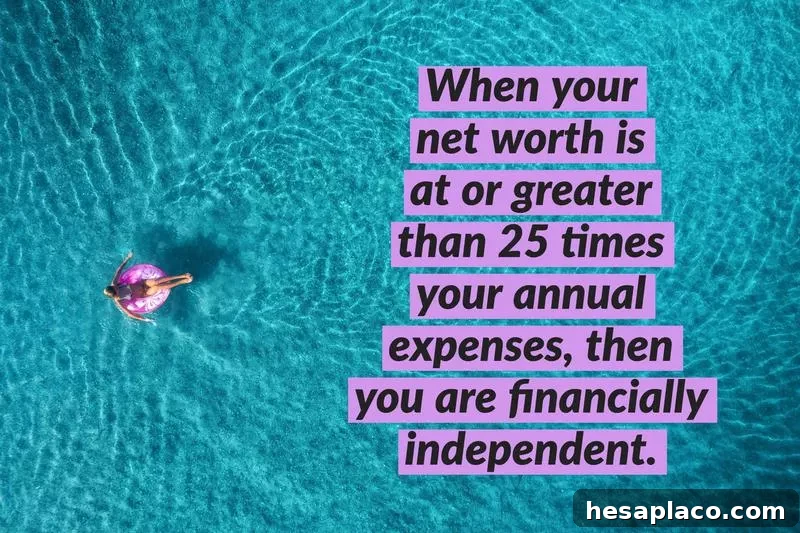
Calculations are central to FIRE. A common rule of thumb is that financial independence occurs when your net worth equals about 25 times your annual expenses, a guideline tied to the 4% withdrawal rule used by many retirees. Project long-term scenarios that factor in inflation, life events and career changes. The more concrete your projections, the better you can plan for decades of retirement.
Become an Investor
Getty Images
Investing is essential for accumulating enough assets to retire early. Many in the FIRE community follow strategies that diversify across low-cost index funds, bonds and other assets to produce long-term growth. Today, a wide range of fintech apps and robo-advisors make it easier to start investing with small amounts and automated portfolios tailored to your risk tolerance. Keeping money in low-interest savings alone typically won’t achieve FIRE goals.
Manage Your Relationships

Getty Images
Your social circle influences spending habits. If friends frequently dine out or prioritize expensive activities, you may find it harder to stick to your plan. Seek companions who enjoy budget-friendly pastimes and support your goals, and be prepared to discuss your choices with family and partners. Managing relationships is part of sustaining a long-term financial plan.
Pick the Right Job
Getty Images
Although FIRE is often associated with high-earning tech roles, people with average incomes can still reach financial independence by optimizing saving rates, reducing expenses and making strategic career choices. Research typical salaries for your desired field and location so you can plan realistic timelines and income expectations.
Consider a Side Hustle
Getty Images
Side income can accelerate your FIRE progress. Options include gig driving, freelance photography, renting out a room, or building digital content like blogs or podcasts. Multiple income streams improve resilience and help you reach your FIRE number faster.
Give Up Frivolous Shopping

Getty Images
Compulsive buying undermines FIRE goals. Practitioners often evaluate purchases by the time required to earn them. For example, if you earn $25 an hour, buying $200 shoes equals eight hours of work — a useful lens for deciding whether a purchase is worthwhile. Many followers adopt minimalist habits and regularly reassess needs versus wants to limit unnecessary spending.
Track Your Progress

Getty Images
FIRE is a long-term project that requires ongoing monitoring. Use budgeting and portfolio-tracking tools to record expenses, spot inefficiencies and measure progress toward milestones. Regular review helps you adjust plans, stay accountable and maintain momentum over the years.
Ultimately, achieving financial independence and early retirement depends on careful planning, consistent habits and realistic expectations. With a clear plan, disciplined saving and thoughtful investing, FIRE can become an attainable goal tailored to your priorities.