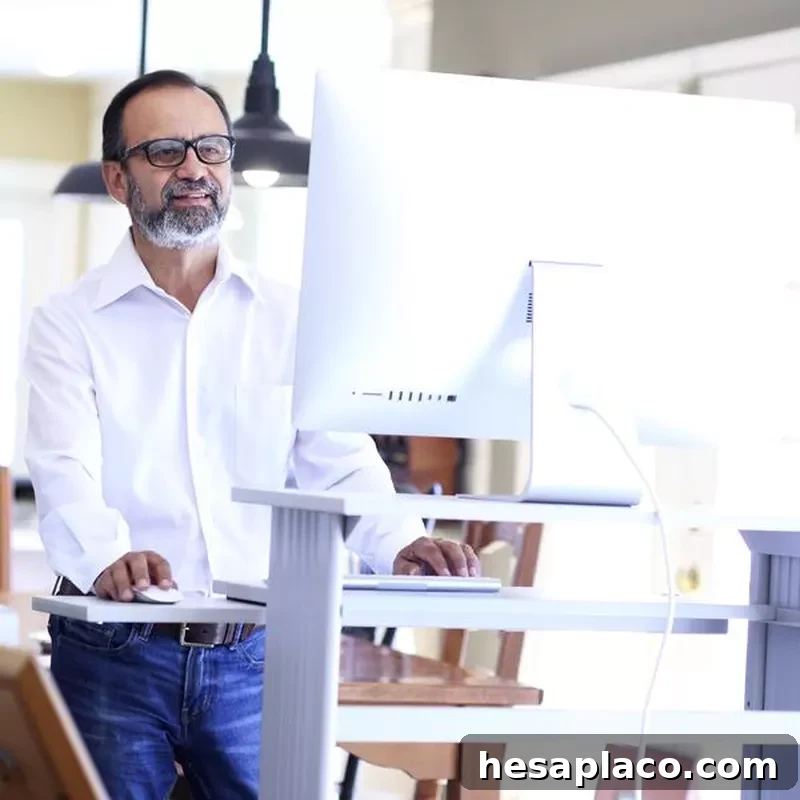
Sitting at a desk all day can harm your health.
Extended sitting contributes to weight gain and increases the risk of conditions such as diabetes and heart disease. A review by the Mayo Clinic of 13 studies found that people who sit more than eight hours daily without physical activity have a mortality risk comparable to that of smokers or people with obesity. Another study in the Annals of Internal Medicine reported that prolonged sitting may raise the risk of early death, even for people who exercise regularly.
Standing Desks Are Increasingly Popular
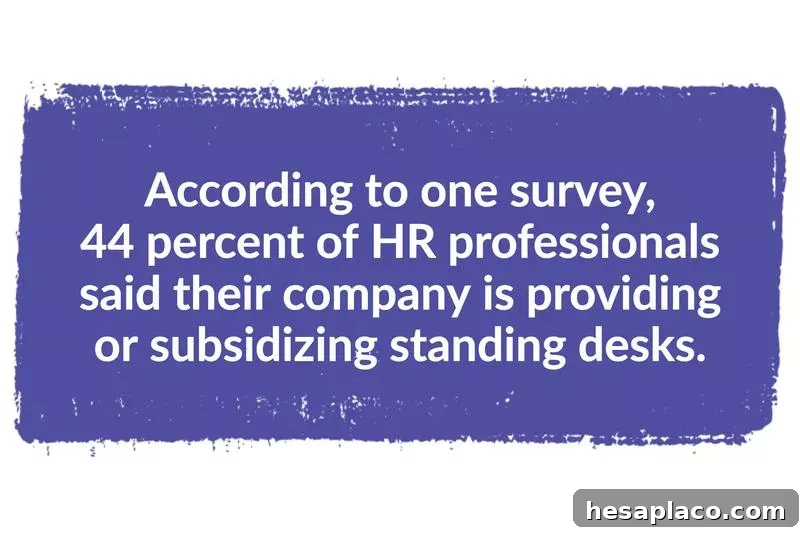
To counter the negative effects of prolonged sitting, many office workers have adopted standing desks — workstations designed to be used while standing. While exact numbers are hard to pin down, standing desks have become much more common. In a 2017 survey by the Society for Human Resource Management, 44 percent of HR professionals said their organization either provides or subsidizes standing desks, up from 13 percent in 2013.
Adjusting to a standing desk takes time and practice. Below are 13 practical tips to help you use a standing desk effectively.
1. Try the Idea Before Committing
If you’re unsure whether standing while working suits you, simulate a standing desk using sturdy boxes or stacked books to raise your monitor and keyboard. Many people test this setup for a few days or a week before buying a permanent solution.
2. Increase Standing Time Gradually
Don’t expect to stand for an entire workday right away. Begin with short periods — aim for about two hours a day at first, then slowly work up to four hours or more, alternating between sitting and standing. Gradual progress helps your body adapt and reduces discomfort.
3. Keep an Adjustable Chair Available
Even if you use a standing desk often, an adjustable chair is essential. Being able to modify seat height, back position and tilt makes sitting breaks more comfortable and helps maintain good posture when you switch between positions.
4. Wear Supportive Shoes
Work footwear — especially high heels or unsupportive flats — can cause foot, knee and back discomfort when standing for long periods. Keep a supportive pair of shoes at your desk specifically for standing, and consider using a cushioned mat underfoot for added comfort.
5. Stretch Regularly

Standing in place can tighten muscles. Incorporate brief stretches for your calves and hamstrings throughout the day and do calf raises or gentle leg movements to prevent stiffness and keep circulation flowing.
6. Move — Don’t Just Stand

Standing burns more calories than sitting, but walking burns even more. Short walks — for example, a 15-minute loop around the office — help combat weight gain and improve circulation. Even when using a standing desk, schedule short walks during the day.
7. Set the Correct Desk Height
Adjust your desk so you can stand straight without hunching your shoulders. The work surface should allow a natural posture; if it’s too high or too low you may experience neck, shoulder or upper back pain.
8. Position Your Keyboard and Mouse Properly
Your keyboard and mouse should be on the same surface and positioned so your elbows stay close to your body. Keep wrists straight and your hands at or slightly below elbow level while typing to minimize strain.
9. Raise Your Screen to Eye Level
A common mistake is placing the monitor too low, which forces you to look down and strains the neck and upper back. Your screen should sit at eye level when standing to maintain a neutral head and neck position.
10. Schedule Standing Times
Use a routine to ensure you stand regularly. For example, set your desk to standing when you arrive, sit for lunch, and return to standing in the afternoon for a couple of hours. Consistent habits help you build standing into your workday.
11. Move Freely — Even Dance
One advantage of standing is the freedom to move. You don’t need to remain perfectly still — gentle swaying, stepping in place or even a quick dance can boost energy and focus.
12. Use a Headset for Calls

If you take phone calls while standing, use a headset or the speakerphone instead of cradling the phone between your ear and shoulder. This prevents neck strain and keeps your hands free for tasks.
13. Keep Your Desk Tidy
For convertible desks, keeping the surface clutter-free makes it easier and safer to switch between sitting and standing. A clear workspace also supports focus and prevents items from falling when you raise or lower the desk.
Using a standing desk effectively means balancing movement, posture and breaks. With the right setup — supportive footwear, proper screen and keyboard placement, and a gradual approach — standing while you work can improve comfort, increase alertness and reduce some of the risks associated with prolonged sitting.