
As infants and toddlers, our “negotiation” usually consists of pleading, begging, and tantrums until we get what we want — or we hear a firm “no.” As we grow, we learn these tactics don’t work, so we adapt. Teenagers discover bargaining: promising to mow the lawn tomorrow in exchange for borrowing the car tonight might win a night out, but it creates obligations to fulfill later.
In the workplace, we quickly realize we won’t always get what we want, and poor negotiation can have real consequences. Asking for a raise or requesting a major change requires strategy; done poorly, it can backfire.
How can adults in business get what they want without tantrums or aggression? Intelligence and a sharp tongue help, but effective negotiation also requires preparation, strategy, and communication skills.
Negotiation is an art that can be learned and improved. Like training for a marathon, you build skills through preparation and practice rather than relying on luck or impulse.
Successful negotiation generally depends on clear goals, persistence, and the ability to communicate your position and understand the other side’s needs.
The books summarized below offer practical advice to sharpen your negotiation skills, whether you’re aiming for a raise, deciding who does the dishes, or negotiating international contracts. Each title provides techniques, frameworks, and real-world examples to help you negotiate more effectively.
Know thyself

Getty Images
Before entering any negotiation, define your goals precisely. What do you want and what are you unwilling to accept? Know the minimum you will accept and what you ideally want to achieve.
‘Bargaining for Advantage: Negotiation Strategies for Reasonable People’ By: G. Richard Shell
Getty Images, Amazon
Shell emphasizes the ancient wisdom of “know thyself.” Understand your interests, motivations, and priorities before you negotiate. If you don’t know precisely what you want, you can’t recognize it when it’s offered. Shell also outlines different negotiation styles and when each is most effective, making this a valuable first read for anyone serious about improving their bargaining skills.
‘Never Split the Difference: Negotiating As If Your Life Depended On It’ By: Chris Voss and Tahl Raz

Getty Images, Amazon
Written as a practical complement to traditional negotiation theory, this book draws on the authors’ experience to expose how cognitive biases affect decisions. Voss shows how to use emotional intelligence, calibrated questions, and tactical empathy to shape outcomes in your favor rather than defaulting to compromise that leaves value on the table.
It takes confidence

Getty Images
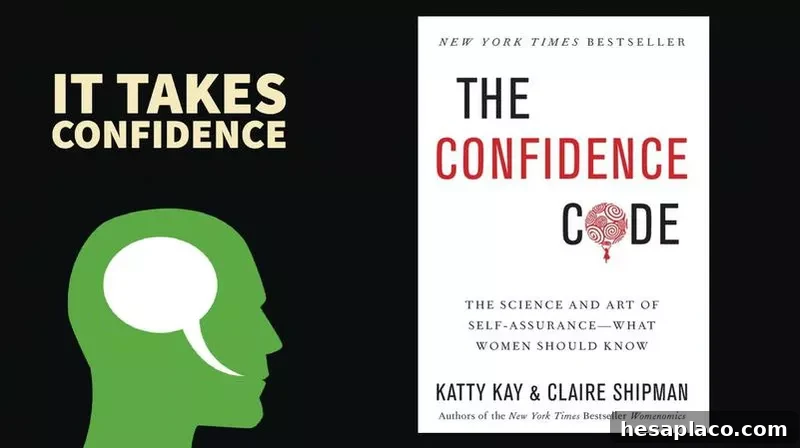
Many people are never taught to ask assertively for what they deserve. This is particularly true for women, who often face social and systemic barriers to self-advocacy. Building self-confidence is critical to negotiating fairly and effectively.
‘The Confidence Code: The Science and Art of Self-Assurance: What Women Should Know’ By: Katty Kay and Claire Shipman
Getty Images, Amazon
This book blends scientific research with firsthand stories to show how women can build the confidence needed to claim equal opportunities and pay. Confidence helps you recognize your value and advocate for it without apology. The lessons apply broadly, and the insights are useful for anyone helping the women in their life gain self-assurance.
Be a better communicator

Getty Images
Negotiation depends heavily on communication, which includes active listening as much as it involves speaking clearly. Learn to ask the right questions, listen for underlying interests, and express your needs directly. Recognize cultural, personal, and gender differences in communication styles so you can adapt your approach for any counterpart.
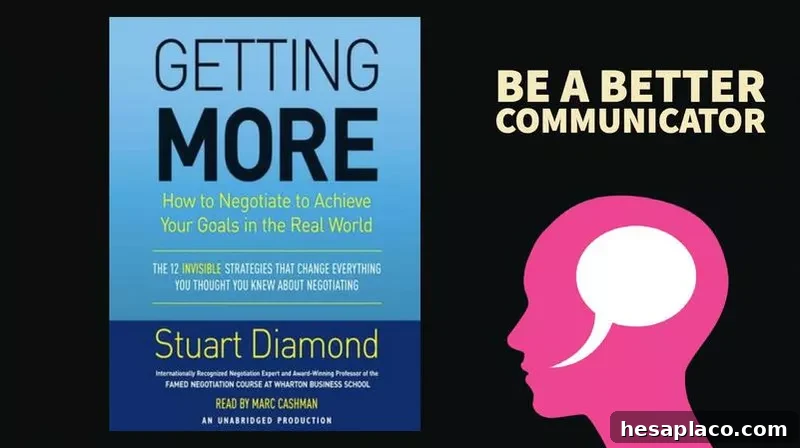
‘Getting More: How You Can Negotiate to Succeed in Work and Life’ By: Stuart Diamond
Getty Images, Amazon
Diamond challenges the assumptions behind simple win-win thinking and emphasizes long-term gains. Success comes from understanding the other party’s perspective and using that insight to craft solutions that deliver more value. This book favors persuasion and relationship-building over brute force or power plays.
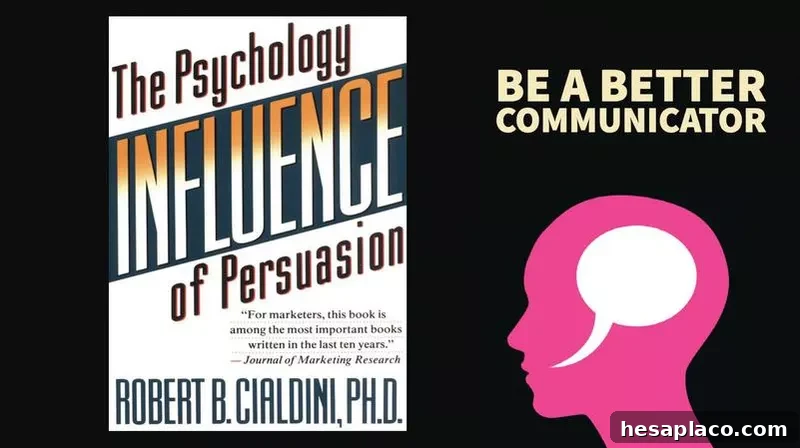
‘Influence: The Psychology of Persuasion’ By: Robert B. Cialdini
Getty Images, Amazon
Cialdini’s classic explores the psychological triggers that persuade people: reciprocity, commitment and consistency, social proof, authority, liking, and scarcity. While some examples are dated, the core principles remain highly relevant for sales and negotiation. Practical tactics—such as anchoring expectations by showing higher-priced options first—demonstrate how perception shapes choice.
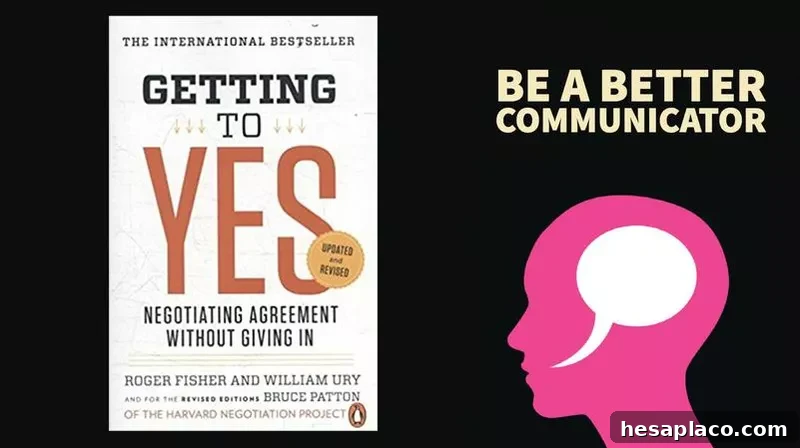
‘Getting to Yes: Negotiating Agreement Without Giving In’ By: Roger Fisher, William L. Ury, and Bruce Patton
Getty Images, Amazon
This foundational book promotes principled negotiation: decide issues on their merits and search for mutual gains rather than haggle back and forth. Identify objective criteria, separate people from the problem, and insist on solutions independent of either side’s power. The method helps create durable agreements that benefit both parties.
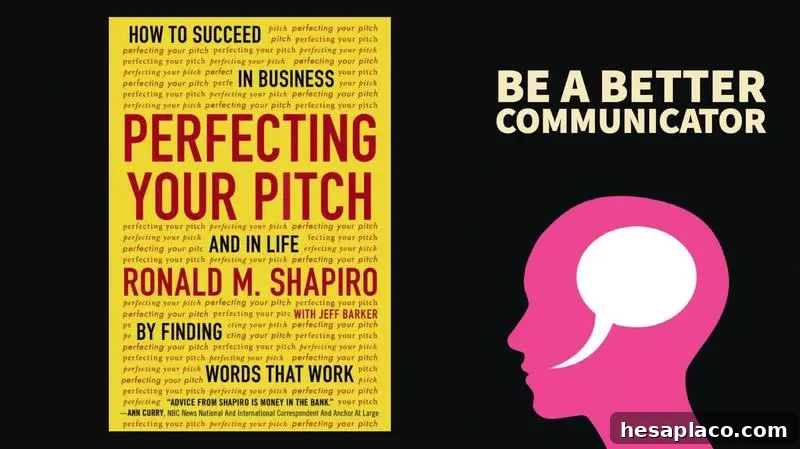
‘Perfecting Your Pitch: How to Succeed in Business and in Life By Finding Words That Work’ By Ronald M. Shapiro and Jeff Barker
Getty Images, Amazon
Shapiro and Barker focus on persuasive language and careful planning of what you’ll say. Preparing your pitch—whether for a business meeting, a difficult conversation with a roommate, or supporting a friend—improves clarity and impact. Strong verbal framing helps you steer negotiations toward favorable outcomes.
Think global

Getty Images
Workplaces and teams are increasingly global and distributed. Negotiating across cultures requires cultural awareness and adaptability. Knowing how negotiation norms vary from country to country gives you an advantage when working internationally.
‘Kiss, Bow, or Shake Hands: The Bestselling Guide to Doing Business in More Than 60 Countries’ By: Terri Morrison and Wayne A. Conaway

Getty Images, Amazon
This guide explains cultural norms and negotiation styles in over 60 countries, helping you adapt your approach when doing business abroad or working with international teams. Understanding etiquette, communication styles, and expectations prevents misunderstandings and increases your chances of success.
‘The Global Negotiator: Making, Managing And Mending Deals Around The World In The Twenty-First Century’ By Jeswald W. Salacuse

Getty Images, Amazon
Salacuse offers practical guidance for cross-border negotiations using a win-win mindset. He encourages negotiators to clarify whether the interaction centers on a short-term contract or a long-term relationship, since mismatched expectations can block satisfactory outcomes. The book combines strategy, case studies, and cultural insight to help negotiators navigate complex international deals.
Put it into practice

Getty Images
Reading and preparation are essential, but nothing replaces practice. Seek small, everyday opportunities to negotiate: schedule swaps, buying decisions, or household agreements. Each interaction builds experience, sharpens your techniques, and increases your confidence for higher-stakes negotiations.
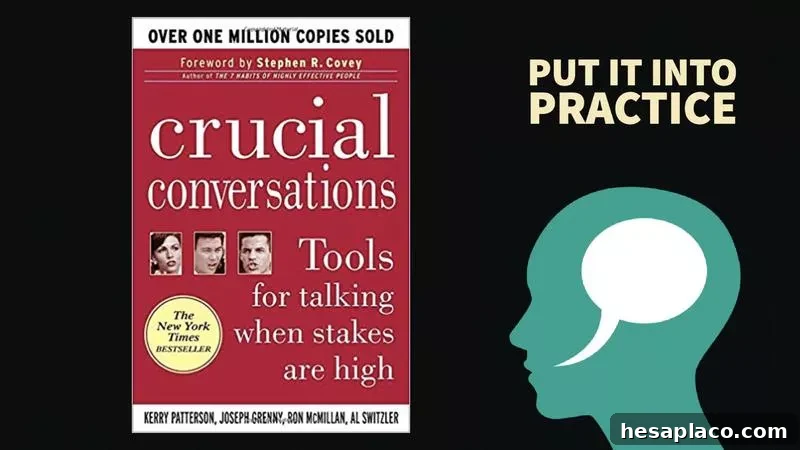
‘Crucial Conversations: Tools for Talking When Stakes Are High’ By: Kerry Patterson, Joseph Grenny, Ron McMillan, and Al Switzler
Getty Images, Amazon
This book teaches how to handle high-stakes discussions by creating a safe space for open dialogue, preparing for emotional triggers, and converting strong feelings into productive conversation. It equips readers with techniques to persuade without demanding, making tense negotiations more constructive.
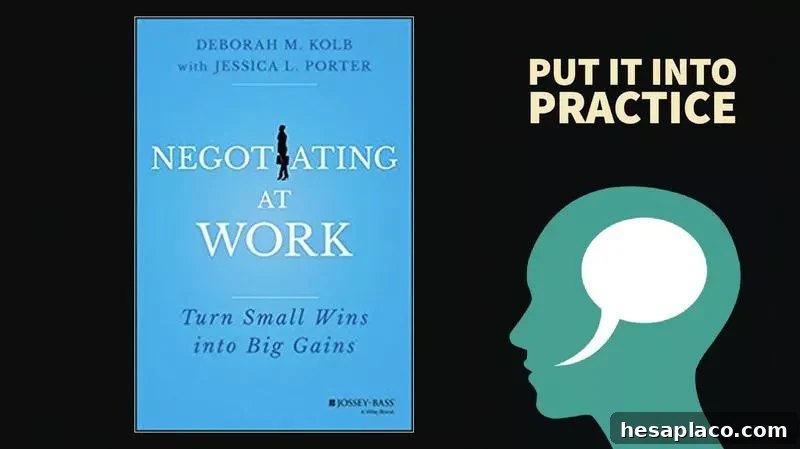
‘Negotiating at Work: Turn Small Wins Into Big Gains’ By Deborah M. Kolb and Jessica L. Porter
Getty Images, Amazon
This book focuses on workplace negotiations, showing how to create negotiation opportunities, engage reluctant counterparts, and turn small wins into larger advances. It explores timing, conflict management, and strategies that work across genders and organizational roles—helpful for anyone seeking practical ways to improve their position at work.
In summary, effective negotiation combines self-knowledge, confidence, communication, cultural awareness, and, importantly, practice. The books above offer proven frameworks and tactics to help you negotiate better in both everyday life and professional settings.