At this time last year, the movie theater experience seemed destined to fade like the VCR. Streaming services, rising ticket prices, and shifting viewing habits had many predicting the end of the multiplex era.
Then blockbuster after blockbuster arrived. Superhero cinema surged with the historic success of Black Panther; Rami Malek transformed into Freddie Mercury in Bohemian Rhapsody; and another Star Wars entry raked in hundreds of millions worldwide. These hits helped make 2018 the highest-grossing year at the box office to date.
Even so, 2018’s top earner ranks only ninth on the list of all-time global grosses when domestic and international revenues are combined. That prompted a look back at which films topped box-office charts each year during the 21st century. The list uses worldwide totals but notes that, in every year, the domestic haul was the decisive factor for a film reaching the number-one position. Data were sourced from Box Office Mojo.
2000: “How the Grinch Stole Christmas”
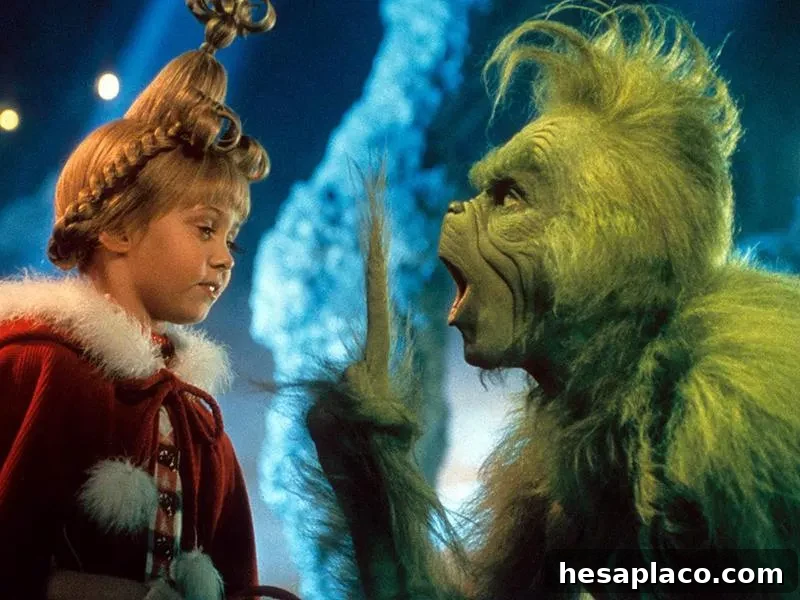
This iteration of the classic Dr. Seuss story starred Jim Carrey back when he was a major box-office draw. Universal
Studio: Universal
Total gross: $345,141,403 (domestic: $260,044,825; international: $85,096,578)
Opening weekend: $55,082,330
Budget: $123 million
Oscar nominations: Art Direction, Costume Design, Makeup (win)
Jim Carrey led this holiday favorite as the Grinch, bringing broad physical comedy and big-screen star power that pulled audiences into theaters. The film follows the Grinch’s plot to ruin Christmas in Whoville and how a child named Cindy Lou Who helps him discover the holiday’s true meaning. Notably, the production used extensive stage makeup on many cast members, which earned the film the Academy Award for Best Makeup.
2001: “Harry Potter and the Sorcerer’s Stone”
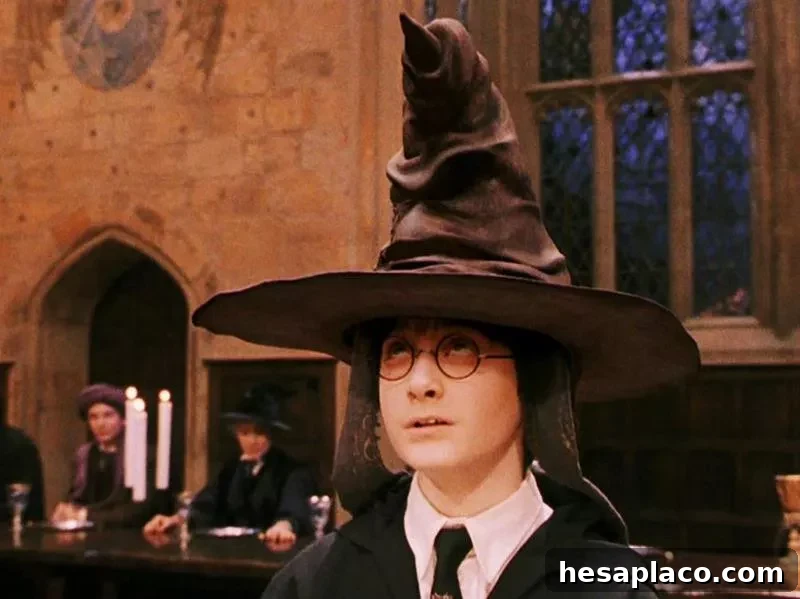
J.K. Rowling became a billionaire thanks to the “Harry Potter” novels and film series that would follow. Warner Bros.
Studio: Warner Bros.
Total gross: $974,755,371 (domestic: $317,575,550; international: $657,179,821)
Opening weekend: $90,294,621
Budget: $125 million
Oscar nominations: Art Direction, Costume Design, Original Score
After a long road to publication, J.K. Rowling’s story of an orphaned boy who discovers he is a wizard became a global cultural phenomenon. Harry Potter’s introduction to Hogwarts launched a franchise that reshaped modern family and fantasy filmmaking. The U.S. title uses “Sorcerer’s Stone” instead of “Philosopher’s Stone,” a change made for American audiences at the time.
2002: “Spider-Man”

Kirsten Dunst and Tobey Maguire starred in “Spider-Man,” which helped launch a Midas era for comic book movies. Sony/Columbia
Studio: Sony/Columbia
Total gross: $821,708,551 (domestic: $403,706,375; international: $418,002,176)
Opening weekend: $114,844,116
Budget: $139 million
Oscar nominations: Sound, Visual Effects
Sam Raimi’s Spider-Man brought the comic-book hero to the big screen with a mix of action and heart, popularizing the phrase “With great power comes great responsibility.” The film’s massive success helped start a period in which superhero adaptations became consistent box-office juggernauts.
2003: “The Lord of the Rings: The Return of the King”
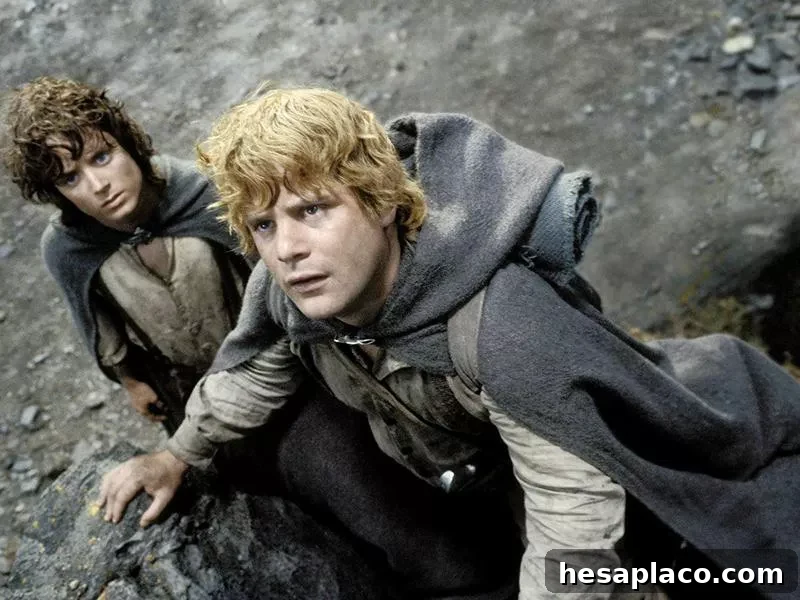
Sean Astin (right) and Elijah Wood starred in the third installment of “The Lord of the Rings” trilogy. New Line
Studio: New Line
Total gross: $1,119,929,521 (domestic: $377,845,905; international: $742,083,616)
Opening weekend: $72,629,713
Budget: $94 million
Oscar nominations: 11 nominations and 11 wins, including Best Picture, Director, and Visual Effects
Peter Jackson’s epic conclusion to the Lord of the Rings trilogy is one of cinema’s landmark achievements. The film swept all 11 of its Academy Award nominations, joining a very small group of films to win that many Oscars. It wraps the story of Frodo’s quest to destroy the One Ring and defeat Sauron, completing a three-film adaptation praised for its scale, craft, and emotional resonance.
2004: “Shrek 2”
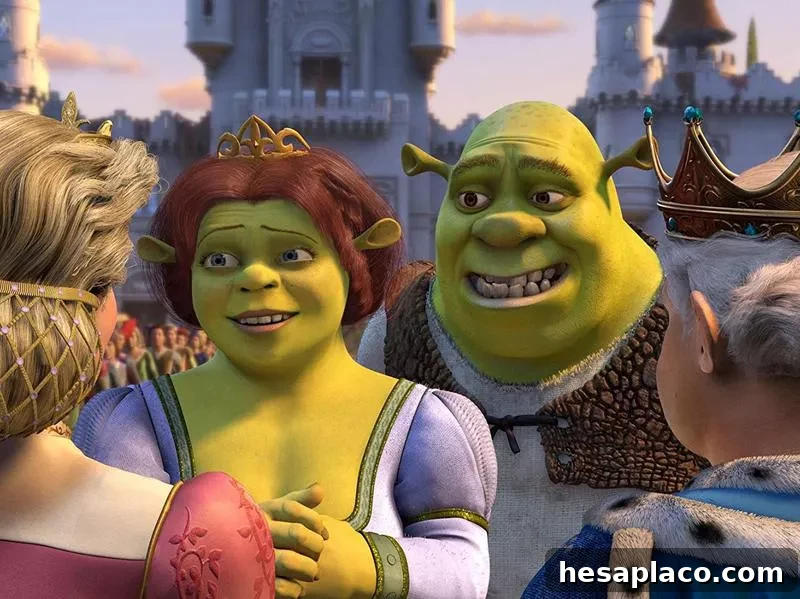
Until 2010, “Shrek 2” was the highest-grossing animated film of all time. DreamWorks
Studio: DreamWorks
Total gross: $919,838,758 (domestic: $441,226,247; international: $478,612,511)
Opening weekend: $108,037,878
Budget: $150 million
Oscar nominations: Animated Feature, Original Song
The sequel surpassed its predecessor with a huge opening and broad family appeal, becoming the highest-grossing animated film up to that time and DreamWorks’ top earner. Shrek and Fiona’s visit to her royal parents drives the comedy and culture-clash humor that made the franchise a phenomenon.
2005: “Star Wars: Episode III — Revenge of the Sith”

“Star Wars: Revenge of the Sith” is widely considered the best film of the prequel series, at least from a critical perspective. Lucasfilm
Studio: Lucasfilm
Total gross: $848,754,768 (domestic: $380,270,577; international: $468,484,191)
Opening weekend: $108,435,841
Budget: $113 million
Oscar nominations: Makeup
Revenge of the Sith concludes the prequel trilogy and depicts Anakin Skywalker’s fall to the Dark Side, transforming into Darth Vader. Often regarded as the strongest of the prequels, it ties together events that lead into the original 1977 Star Wars film and proved to be a major box-office draw.
2006: “Pirates of the Caribbean: Dead Man’s Chest”

Johnny Depp (left) and Orlando Bloom starred in the second of the “Pirates of the Caribbean” movies. Buena Vista
Studio: Buena Vista
Total gross: $1,066,179,725 (domestic: $423,315,812; international: $642,863,913)
Opening weekend: $135,634,554
Budget: $225 million
Oscar nominations: Art Direction, Sound, Sound Editing, Visual Effects (win)
Captain Jack Sparrow’s struggle with Davy Jones and the quest for the Dead Man’s Chest fueled a sequel that crossed the billion-dollar mark. The Pirates franchise, inspired by a theme-park ride, proved that imaginative adaptations can become blockbuster film properties.
2007: “Spider-Man 3”
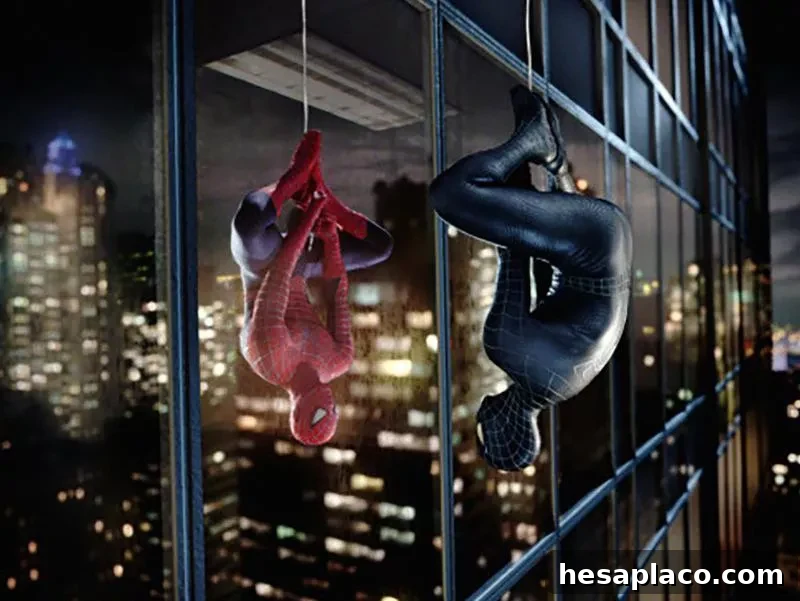
The third installment in Sam Raimi’s “Spider-Man” trilogy picks up where the second movie leaves off. Sony/Columbia
Studio: Sony/Columbia
Total gross: $890,871,626 (domestic: $336,530,303; international: $554,341,323)
Opening weekend: $151,116,516
Budget: $258 million
Oscar nominations: None
Spider-Man 3 delivered the highest gross of Raimi’s trilogy despite mixed reviews. The film’s crowded plot and tonal shifts received criticism, but its commercial success underscored how dominant superhero pictures had become.
2008: “The Dark Knight”
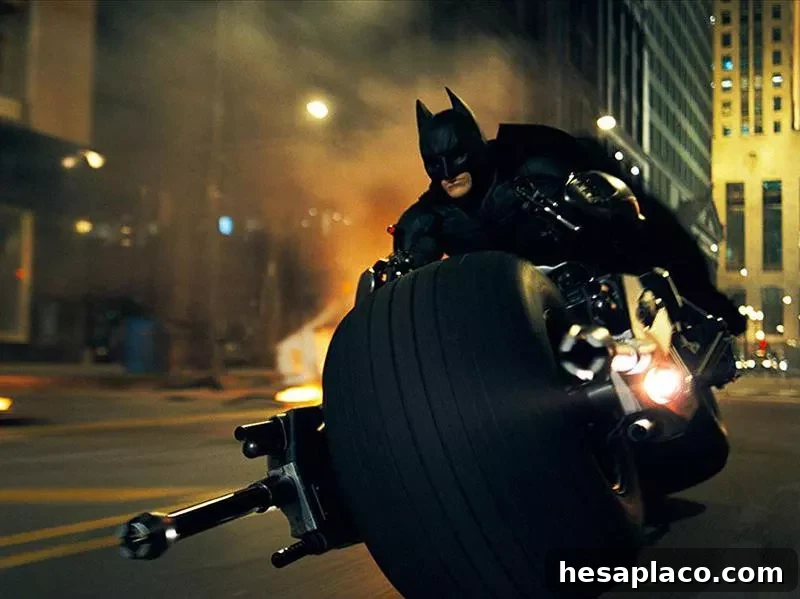
Christian Bale starred as Batman in the second of Christopher Nolan’s Dark Knight trilogy. Warner Bros.
Studio: Warner Bros.
Total gross: $1,004,558,444 (domestic: $534,858,444; international: $469,700,000)
Opening weekend: $158,411,483
Budget: $185 million
Oscar nominations: Multiple nominations and wins, including a posthumous Supporting Actor win for Heath Ledger
Christopher Nolan’s second Batman film is widely hailed as one of the best superhero movies ever made. Heath Ledger’s chilling performance as the Joker earned a posthumous Oscar and contributed to the film’s cultural and box-office impact.
2009: “Avatar”
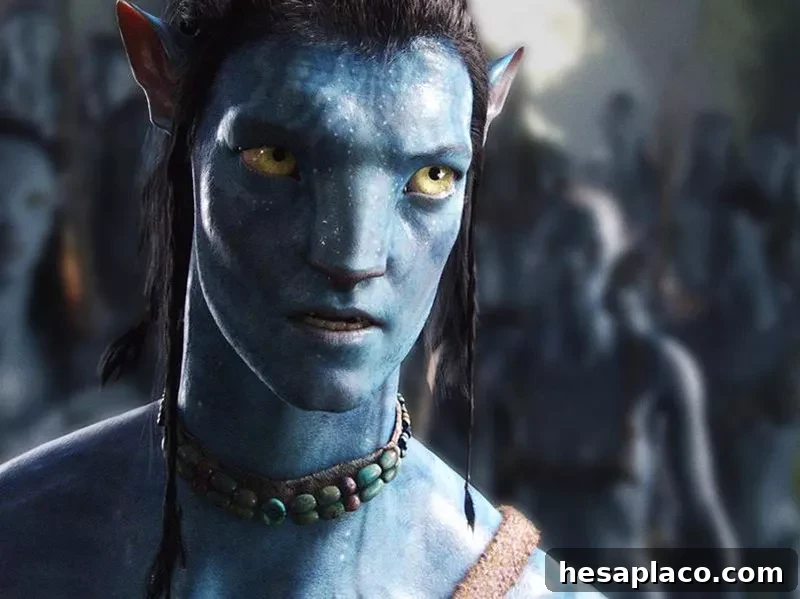
The highest-grossing film of 2009 is also the highest-grossing film of all time. Fox
Studio: Fox
Total gross: $2,787,965,087 (domestic: $760,507,625; international: $2,027,457,462)
Opening weekend: $77,025,481
Budget: $237 million
Oscar nominations: Multiple nominations and wins, including Visual Effects and Cinematography
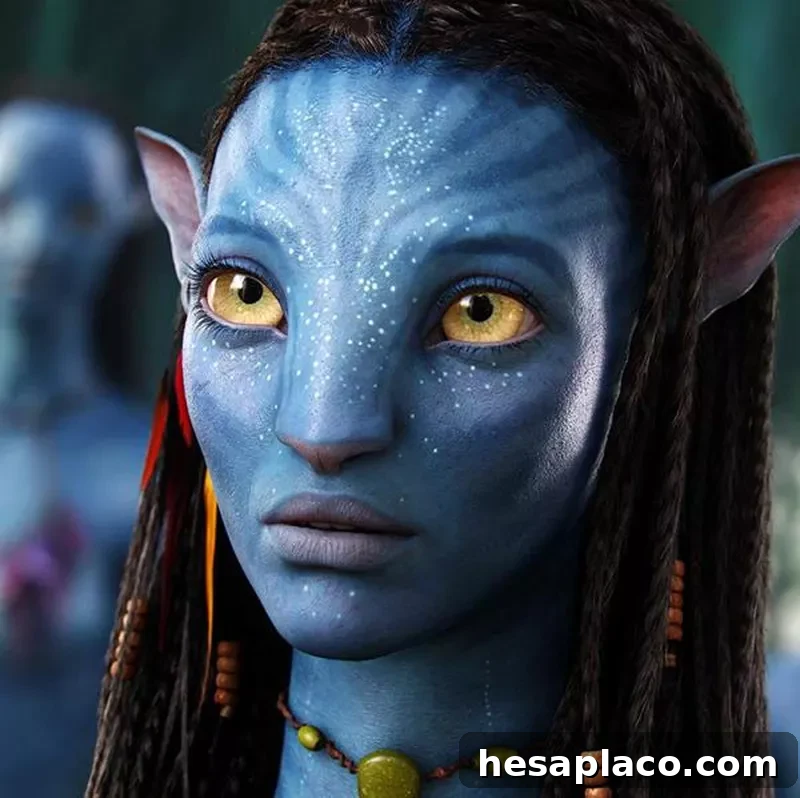
James Cameron’s Avatar became the highest-grossing film of all time by leveraging technological advances and immersive world-building. The story centers on Pandora, its native Na’vi people, and the conflict sparked by human mining operations. Cameron delayed production for years until the required visual effects technology matched his vision.
2010: “Toy Story 3”
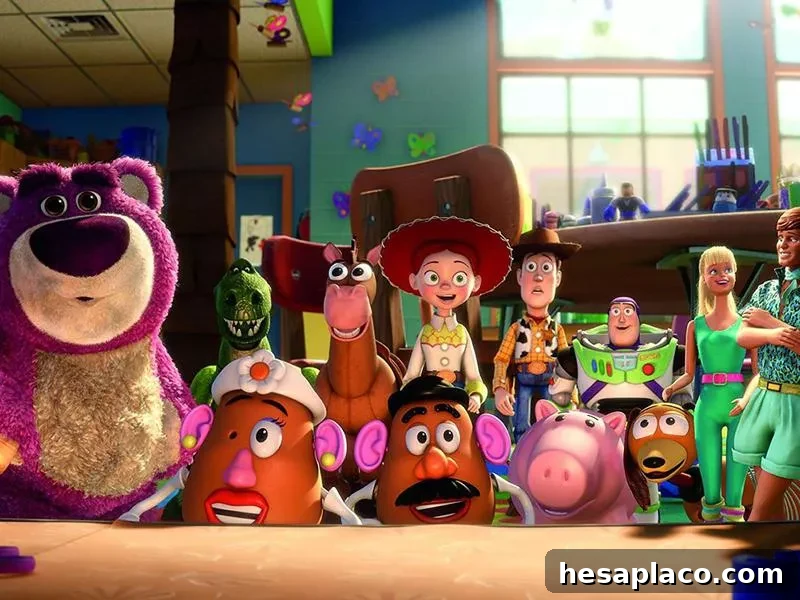
Critics loved the film as much as moviegoers. “Toy Story 3” was the third animated feature to be nominated for a Best Picture Oscar. Buena Vista
Studio: Buena Vista
Total gross: $1,066,969,703 (domestic: $415,004,880; international: $651,964,823)
Opening weekend: $110,307,189
Budget: $200 million
Oscar nominations: Adapted Screenplay, Animated Feature (win), Best Picture
Toy Story 3 concluded an emotionally resonant trilogy that connected with audiences of all ages. Praised by critics and nominated for Best Picture, the film follows Woody, Buzz, and their friends as they face an uncertain future when Andy prepares for college.
2011: “Harry Potter and the Deathly Hallows: Part 2”
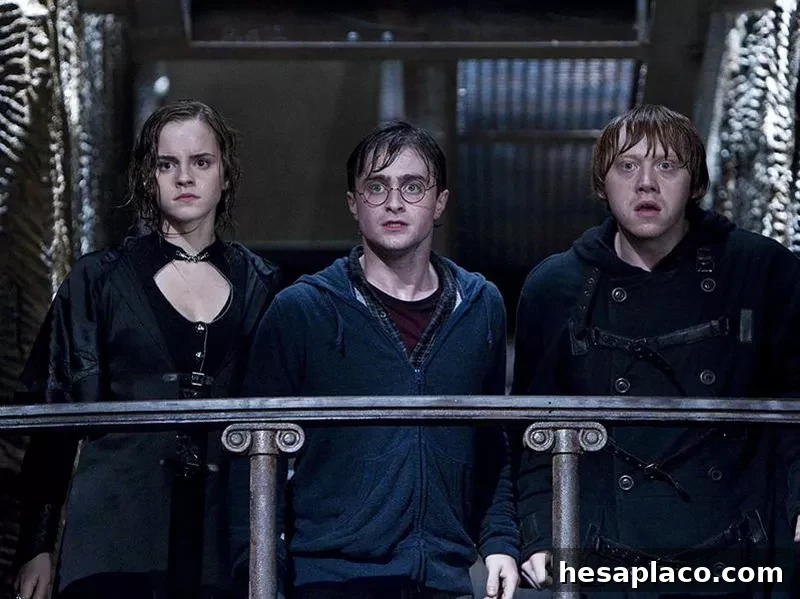
In the final installment of the “Harry Potter” film series, Harry and other familiar faces try to rid the world of evil in one last battle against Lord Voldemort. Warner Bros.
Studio: Warner Bros.
Total gross: $1,341,511,219 (domestic: $381,011,219; international: $960,500,000)
Opening weekend: $169,189,427
Budget: $250 million
Oscar nominations: Art Direction, Makeup, Visual Effects
The final Harry Potter film delivered a climactic, emotionally charged conclusion to the saga. The franchise’s last installment reunited familiar characters for the decisive battle against Voldemort and closed a major chapter in modern fantasy cinema.
2012: “The Avengers”
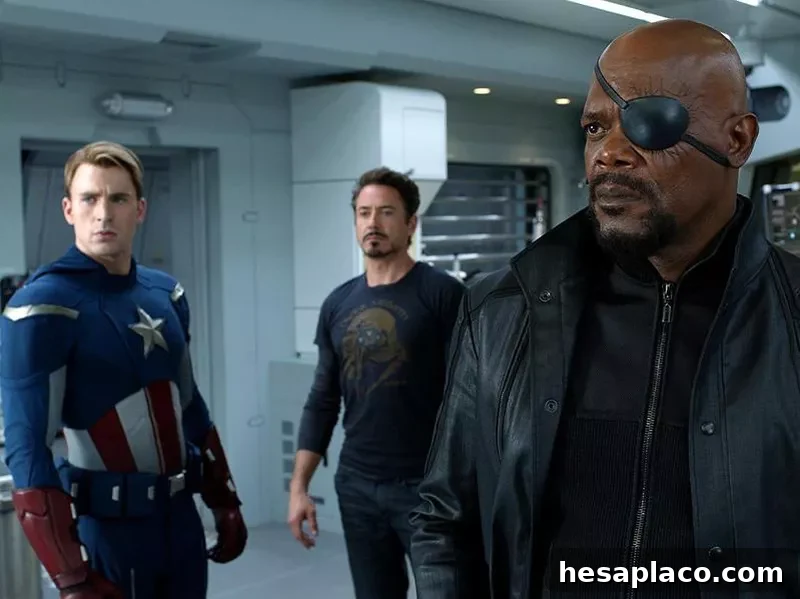
Chris Evans (left), Robert Downey Jr. (center) and Samuel L. Jackson (right) are among the stars of “The Avengers.” Marvel Studios
Studio: Marvel Studios
Total gross: $1,518,812,988 (domestic: $623,357,910; international: $895,455,078)
Opening weekend: $207,438,708
Budget: $220 million
Oscar nominations: Visual Effects
Marvel’s The Avengers brought together key heroes—Iron Man, Captain America, Thor, and the Hulk—creating a new model for interconnected blockbuster filmmaking. It became Marvel’s first film to pass $1 billion worldwide and demonstrated the commercial power of a shared cinematic universe.
2013: “The Hunger Games: Catching Fire”

“The Hunger Games: Catching Fire” starring Jennifer Lawrence was the first top-grossing film since “The Exorcist” in 1973 to have a female lead character. Lionsgate
Studio: Lionsgate
Total gross: $865,011,746 (domestic: $424,668,047; international: $440,343,699)
Opening weekend: $158,074,286
Budget: $130 million
Oscar nominations: None
Catching Fire elevated the Hunger Games series with stronger critical reception and expanded box-office returns. The film follows Katniss and Peeta as they face new challenges and political unrest after their unexpected victory, and it became notable as a major franchise hit with a female lead.
2014: “American Sniper”

“American Sniper” was loosely based on the memoir of the same name by Chris Kyle. Warner Bros.
Studio: Warner Bros.
Total gross: $547,426,372 (domestic: $350,126,372; international: $197,300,000)
Opening weekend: $633,456 (limited), $89,269,066 (wide)
Budget: $58.8 million
Oscar nominations: Actor, Adapted Screenplay, Best Picture, Editing, Sound, Sound Editing (win)
Clint Eastwood’s American Sniper, based loosely on Chris Kyle’s memoir, became the biggest financial success of Eastwood’s directing career. The film’s box-office rise was driven by strong audience interest and awards-season attention.
2015: “Star Wars: The Force Awakens”

This installment was the first in the “Star Wars” franchise to have no involvement from creator George Lucas. Walt Disney Pictures
Studio: Walt Disney Pictures
Total gross: $2,068,223,624 (domestic: $936,662,225; international: $1,131,561,399)
Opening weekend: $247,966,675
Budget: $245 million
Oscar nominations: Editing, Original Score, Sound, Sound Editing, Visual Effects
J.J. Abrams’ return to the galaxy far, far away revitalized the franchise for a new generation. The Force Awakens became one of the highest-grossing films ever and marked the first major Star Wars release without creative input from George Lucas.
2016: “Rogue One: A Star Wars Story”

“Rogue One” is a stand-alone film that simply exists within the “Star Wars” universe. It tells the story of the theft of the design plans for the Death Star. Walt Disney Pictures
Studio: Walt Disney Pictures
Total gross: $1,056,057,273 (domestic: $532,177,324; international: $523,879,949)
Opening weekend: $155,081,681
Budget: $200 million
Oscar nominations: Sound, Visual Effects
Rogue One introduced the concept of stand-alone Star Wars stories set within the larger universe and centered on a mission to steal the Death Star plans. The film achieved blockbuster status and expanded the franchise’s storytelling possibilities.
2017: “Star Wars: The Last Jedi”
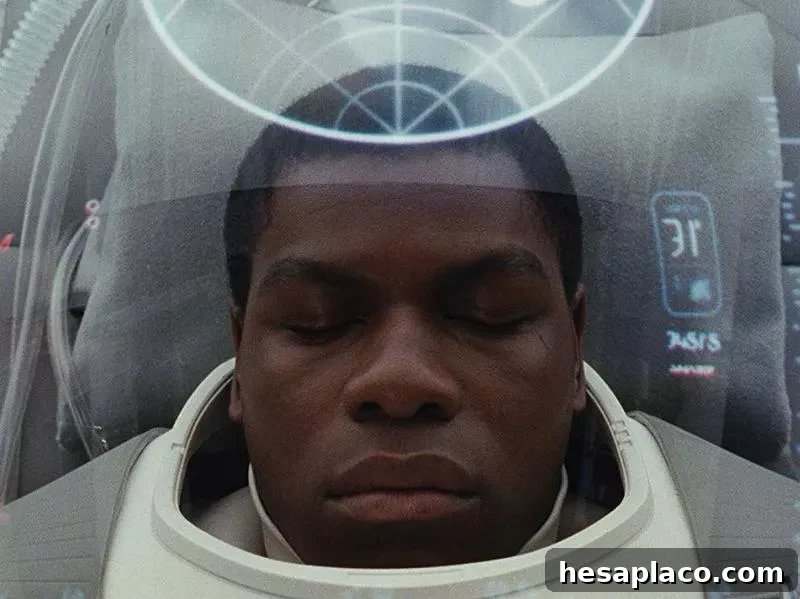
John Boyega stars as Finn in “Star Wars: The Last Jedi.” Walt Disney Pictures
Studio: Walt Disney Pictures
Total gross: $1,332,539,889 (domestic: $620,181,382; international: $712,358,507)
Opening weekend: $220,009,584
Budget: $317 million
Oscar nominations: Original Score, Sound, Sound Editing, Visual Effects
The Last Jedi continued the sequel trilogy’s exploration of legacy characters and new heroes. The film features Luke Skywalker mentoring Rey while the conflict between the Resistance and the First Order intensifies.
2018: “Black Panther”
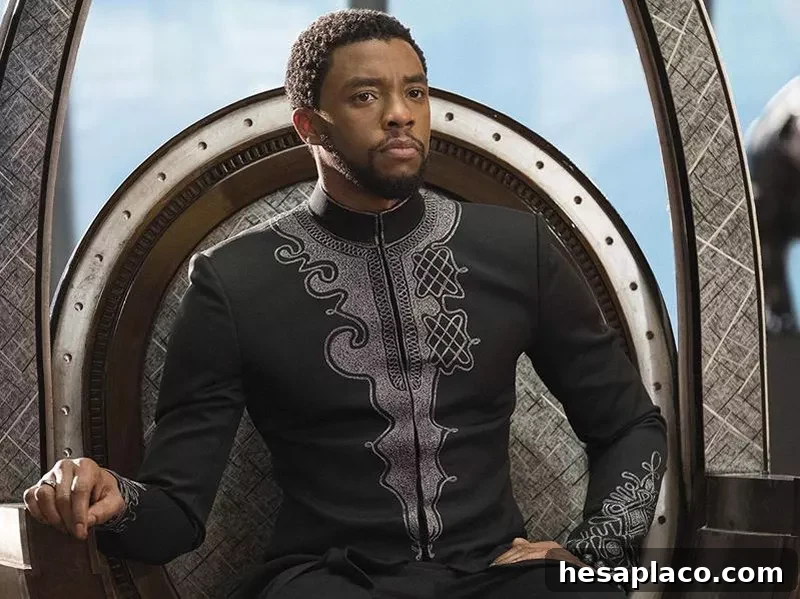
Chadwick Boseman stars in “Black Panther” as T’Challa, the heir to the technologically advanced kingdom of Wakanda. Marvel Studios
Studio: Marvel Studios
Total gross: $1,346,913,161 (domestic: $700,059,566; international: $646,853,595)
Opening weekend: $202,003,951
Budget: $200 million
Oscar nominations: TBD
Black Panther was a cultural milestone and a massive box-office success in 2018. Directed by Ryan Coogler, the film follows T’Challa as he returns to Wakanda to face a challenger and protect his nation’s future. It became the highest-grossing film by a black director and demonstrated that a film rooted in African and African American culture can resonate with global audiences while achieving major commercial success.