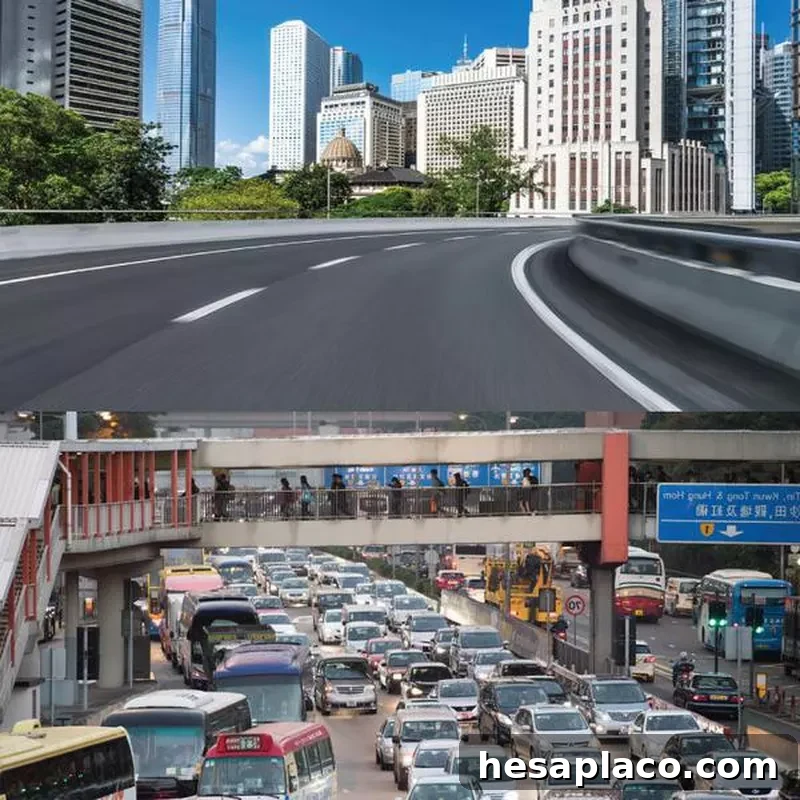
We all know the feeling: the frustration of being stuck in a traffic jam or stranded on delayed public transit. Unsurprisingly, the worst congestion occurs in the world’s busiest city centers, from Paris to New York City. Faced with gridlock, pollution and lost productivity, many major cities are experimenting with ways to limit or remove cars from key areas to improve mobility, public health and economic activity.
City leaders pursuing car-reduction policies cite several benefits: lower air pollution, greater use of public transit, safer streets for walking and cycling, and revitalized urban neighborhoods. Approaches vary—some cities ban older, high-emission vehicles from central districts, others close streets to cars on weekends or during peak hours, and a few aim to eliminate minimum parking requirements for new developments. Below is a roundup of prominent global cities that have introduced measures to reduce car traffic and promote cleaner, more people-centered streets.
Madrid, Spain

Madrid aims to cut nitrogen dioxide pollution through strict vehicle controls.
Madrid restricts downtown access to vehicles that meet low- or zero-emission standards. Since 2018 the city has banned older petrol and diesel cars from central districts—though residents and some exempted drivers retain access—to bring down nitrogen dioxide levels and ease congestion.
Paris, France

Paris limits older cars on weekdays and expands pedestrian space.
Paris has introduced multiple measures to tackle pollution and reclaim public space. Cars registered before 1997 are prohibited on weekdays, the Champs-Élysées closes periodically to motor vehicles, and portions of the Seine’s riverbank highway have been transformed into pedestrian promenades. The city has also promoted cycling infrastructure and set ambitious targets to phase out diesel vehicles.
Hong Kong

Hong Kong is testing temporary car-free streets in the city center.
Several districts and islands in Hong Kong are already largely car-free, and the city has run pilot street closures in Central and other busy corridors. Discussions continue about converting more streets into pedestrian-only zones to relieve congestion and improve street life.
San Francisco, California

San Francisco has examined eliminating minimum parking requirements to discourage car dependence.
San Francisco has debated removing minimum parking requirements for new developments, a policy that would reduce the automatic supply of parking and encourage alternatives to car ownership. The change is intended to make the city more walkable and transit-oriented.
Ghent, Belgium
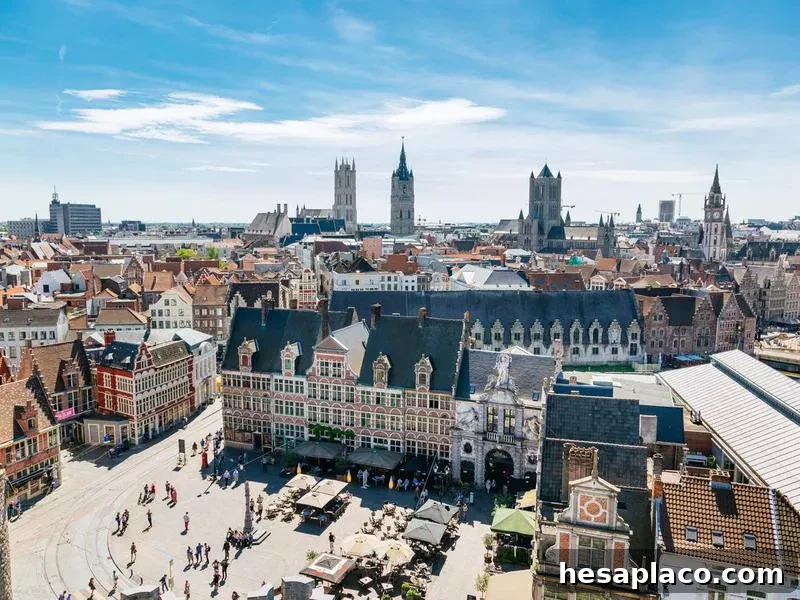
Ghent restricted cars in its city center in the 1990s, opening space for transit and cycling.
Ghent removed most cars from its historic center in 1996 to reduce congestion and pollution. The restricted zone allows buses, taxis and permit holders but enforces low speed limits. The pedestrianization has encouraged cycling, improved quality of life and strengthened the local economy.
Minneapolis, Minnesota

Minneapolis aims to reduce driving and eliminate mandatory parking minimums.
Minneapolis moved to remove mandatory parking minimums for new development to support walkable neighborhoods and transit-oriented growth. As part of its long-range plan, the city targets significant emissions reductions and a substantial cut in vehicle miles traveled.
Zermatt, Switzerland

Zermatt allows only electric and freight vehicles to preserve its mountain environment.
The Alpine town of Zermatt limits vehicle access to electric transport and service vehicles, with most visitors and residents traveling on foot, by e-bike or via public transport. This preserves air quality and scenic views around the Matterhorn.
Fes el Bali, Morocco

Fes el Bali is one of the world’s largest car-free urban areas.
The medieval medina of Fes el Bali is largely car-free: narrow streets are navigated by pedestrians, cyclists, donkeys and handcarts. A UNESCO World Heritage Site, this densely populated urban area functions without routine motor-vehicle traffic, preserving its historic character.
Venice, Italy
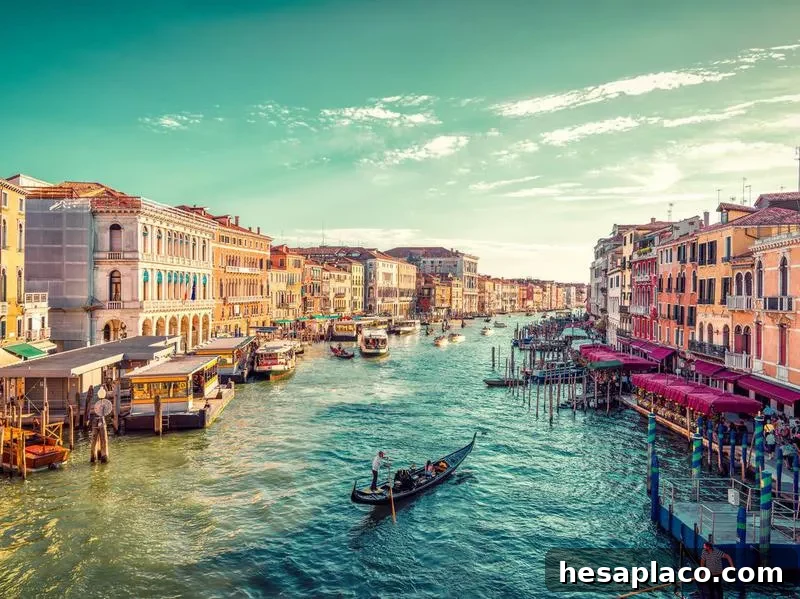
Venice’s historic center is car-free; boats and walking are the main modes of travel.
Venice’s Centro Storico is Europe’s largest car-free urban area. With canals, bridges and narrow alleys, walking and boating are the primary ways to move around; motorized vehicles are generally limited to transit hubs and service zones.
London, England
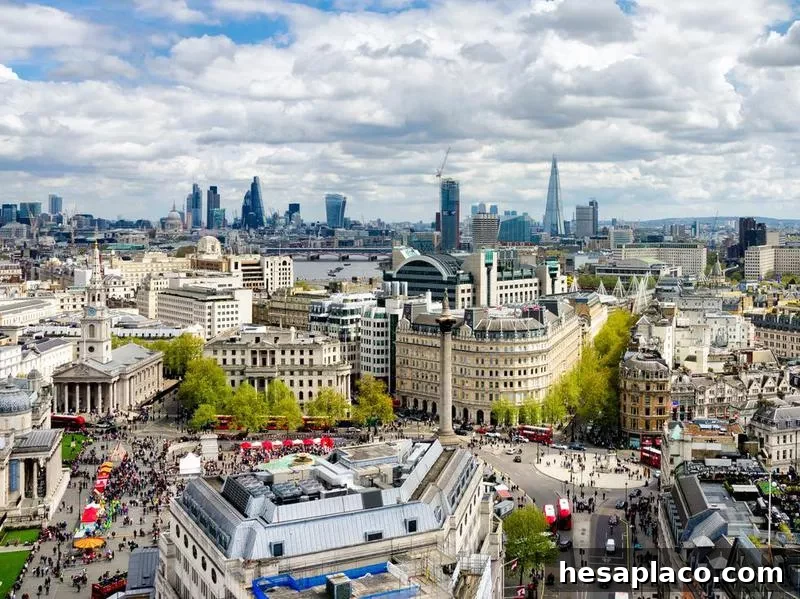
London has tightened emissions rules and expanded congestion and low-emission charging.
London has adopted strict emissions standards, expanded daily charges for the most polluting vehicles and broadened the geographic coverage of low-emission zones. The city has also invested heavily in cycling infrastructure and public transit to reduce dependence on private cars.
Oslo, Norway

Oslo plans extensive bike lanes and car-free zones in the city center.
Oslo has announced plans to transform central streets into bike lanes and car-free areas, add congestion charges, and reduce parking availability to discourage private vehicle use. These measures aim to cut pollution and improve urban livability.
Bogotá, Colombia

Bogotá’s Ciclovía closes major streets to cars weekly, supporting cycling and recreation.
Bogotá pioneered large-scale open-streets events in the 1970s and continues to close major roads every Sunday for Ciclovía, when thousands cycle, walk and play on car-free streets. The city also boasts an extensive network of bike-only lanes and ongoing programs to promote active transportation.
Berlin, Germany

Berlin enforces a low-emission zone and plans dedicated bike superhighways.
Berlin’s low-emission zone restricts older diesel and petrol cars from large central areas. The city is also planning multiple separated bike superhighways to provide safe, fast cycling routes independent of car traffic and pedestrians.
Athens, Greece

Athens is phasing out diesel cars and promoting clean transport options.
Athens has committed to banning diesel cars from its center and to promoting electric vehicles and cleaner transport as part of a regional effort to improve urban air quality and public health.
Mexico City, Mexico

Mexico City has restricted vehicle use and invested in public transit to tackle severe pollution.
Mexico City has implemented license-plate restrictions, large-scale transit investments and other programs that have removed millions of car trips per day. These measures aim to reduce smog and improve mobility, though outcomes and equity impacts are continually evaluated.
Brussels, Belgium

Brussels has expanded pedestrian areas and restricted older diesel vehicles.
Brussels has introduced car-free Sundays, expanded pedestrian zones and banned older diesel vehicles. On high-pollution days, the city has reduced stove use and offered free public transit to discourage driving and improve air quality.
Copenhagen, Denmark

Copenhagen is building extensive bike infrastructure and aiming for carbon neutrality.
Copenhagen already ranks among the world’s most bike-friendly cities and is pursuing carbon-neutrality goals. Plans include a network of long-distance bicycle routes connecting suburbs to the center, paired with efforts to limit diesel vehicles.
Tokyo, Japan

Tokyo’s strict vehicle rules protect air quality and visibility of natural landmarks.
Tokyo adopted strict diesel controls and promoted emission-reducing technologies to protect air quality and retain clear views of surrounding landmarks. Pedestrianized shopping districts and station areas further limit car presence in busy hubs.
Seoul, South Korea

Seoul has phased out older diesels and monitors compliance to reduce pollution.
Seoul phased out older diesel vehicles that failed emission standards and has expanded those restrictions to surrounding areas while using monitoring technologies to enforce compliance. The goal is to cut pollution and encourage cleaner transport choices.
Helsinki, Finland
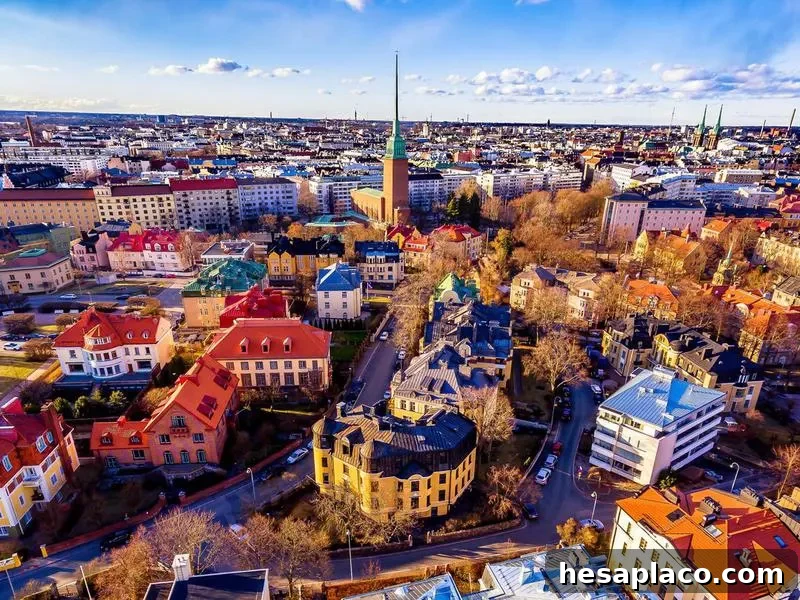
Helsinki plans a 10-year shift toward shared mobility and fewer private cars.
Helsinki is pursuing a 10-year strategy to reduce car dependency by improving walkability, expanding public transit and integrating shared mobility services into a single, convenient payment and planning platform. The aim is to make shared and public transport more attractive than driving.
New York City, New York
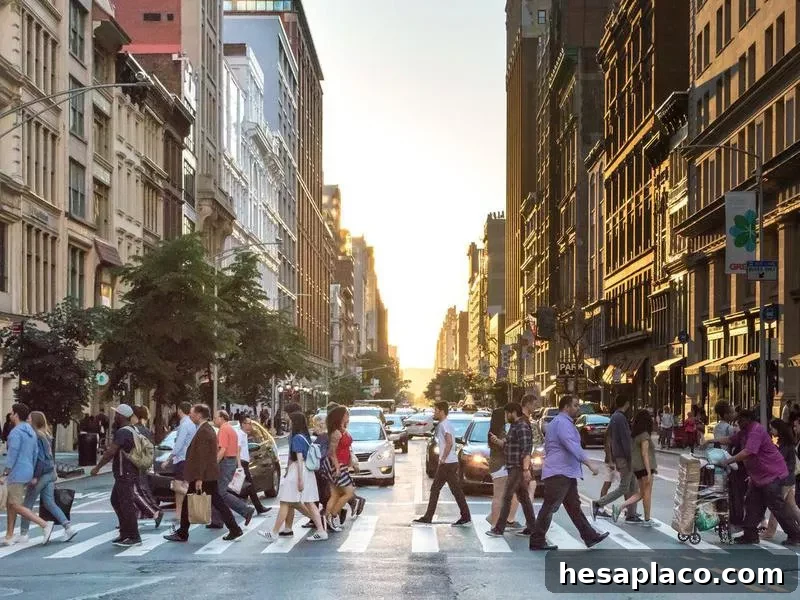
New York has pedestrianized high-traffic areas and expanded open-streets events.
New York City has transformed parts of Times Square, Madison Square Park and other busy corridors into pedestrian zones, expanded bike-share programs and promoted open-streets events that close key routes to cars. These efforts emphasize walking, cycling and transit as viable alternatives in dense urban neighborhoods.
Across the globe, cities are tailoring policies to their contexts—but the trend is clear: reclaiming street space from cars can improve air quality, public health and urban life. As municipalities refine their strategies—balancing access, equity and economic needs—many are finding that reducing car dominance helps create safer, cleaner and more vibrant city centers.