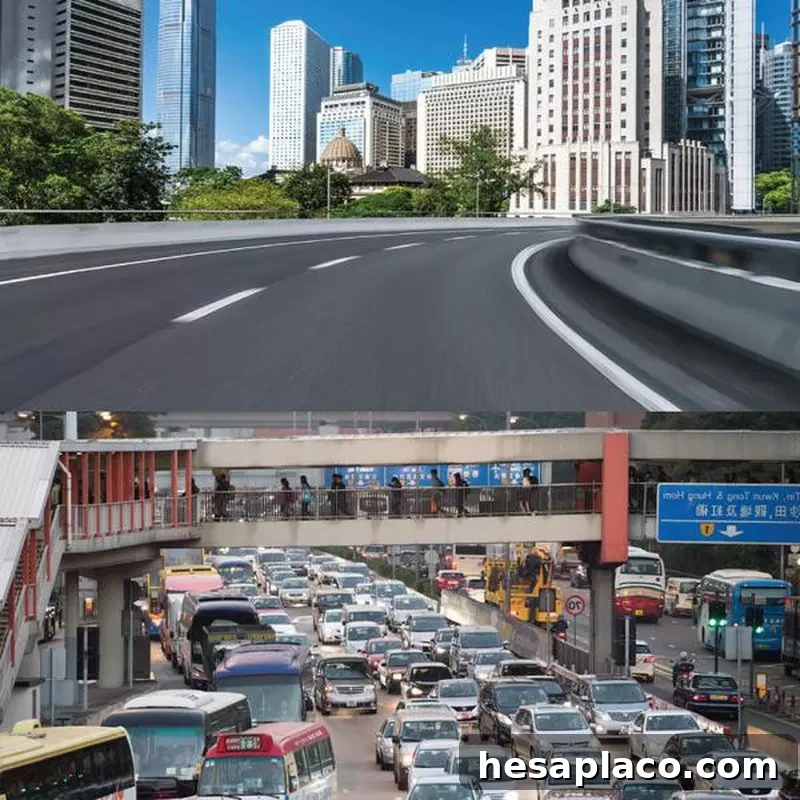
We all know the feeling: the frustration of being stuck in traffic or waiting on delayed public transit. Congestion is worst in the world’s busiest city centers—from Paris to New York—and municipal leaders are trying a variety of strategies to ease gridlock, improve air quality and boost local economies.
Many cities are debating or implementing limits on private cars, ranging from restricted hours to permanent bans in key districts. When traffic congestion exceeds certain thresholds it can hinder economic development, reduce productivity and discourage business expansion. Authorities are responding not only to congestion but also to related issues such as pollution, public health and quality of life.
Approaches vary. Some cities ban older, more polluting vehicles; others convert streets to permanent pedestrian zones or expand bike infrastructure. Cities are also experimenting with eliminating minimum parking requirements, introducing congestion charges, and creating more dependable public-transport alternatives. Below is a look at major cities worldwide and the steps they’ve taken to reduce car traffic and prioritize cleaner, more sustainable mobility.
Madrid, Spain

Madrid aims to significantly cut nitrogen dioxide emissions. Getty Images
Madrid restricts access to its central streets to vehicles that meet low- or zero-emission standards. Since 2018 the city has banned most older petrol and diesel cars from the downtown area, with exemptions for residents and authorized exceptions. The policy is designed to reduce nitrogen dioxide levels, improve air quality and ease congestion.
Paris, France

In Paris, older cars face weekday bans in the city center. Getty Images
Paris has implemented multiple measures to tackle pollution and reclaim public space. Cars registered before 1997 are banned on weekdays, and iconic avenues such as the Champs-Élysées are periodically closed to motor traffic. The city transformed a riverside highway into a pedestrian promenade and is pursuing plans to phase out diesel vehicles and expand bike lanes.
Hong Kong

Hong Kong has trialed street closures in its busy business district. Getty Images
Several areas of Hong Kong already restrict private cars—examples include Discovery Bay and Cheung Chau—and the city has piloted temporary street closures in Central, its busy business hub. Authorities are exploring pedestrianization and other interventions to improve walkability and reduce congestion on some of the city’s busiest streets.
San Francisco, California
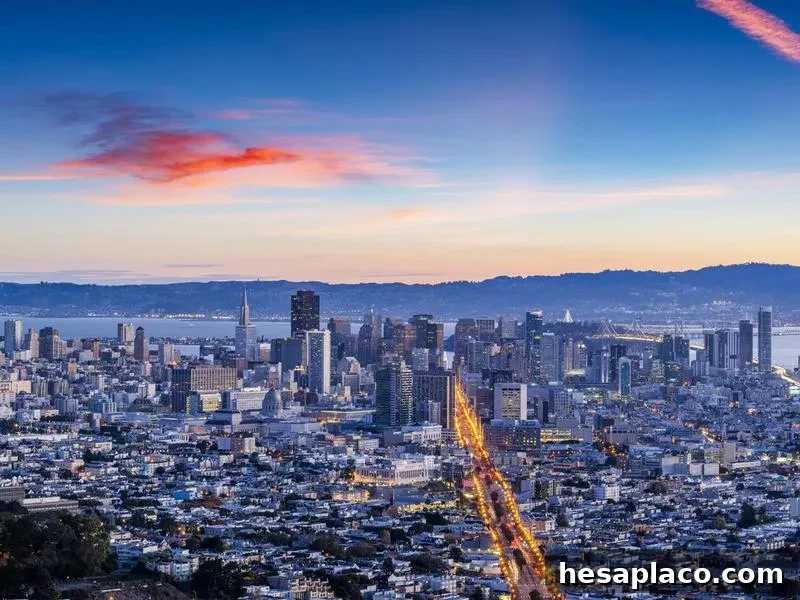
San Francisco has reviewed eliminating minimum parking requirements for new developments. Getty Images
Facing heavy Bay Area traffic, San Francisco has considered removing minimum parking requirements for new developments. If enacted, the policy would allow developers to build without mandates for on-site parking, supporting walkable neighborhoods, reducing car dependence and encouraging transit and cycling.
Ghent, Belgium
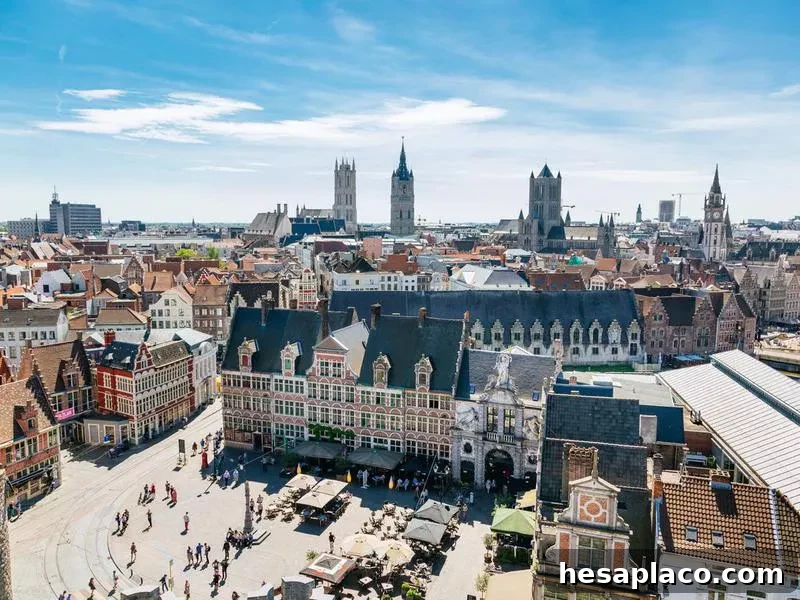
Public transit, taxis and permit holders can enter Ghent’s restricted center. Getty Images
Ghent pedestrianized its city center in the mid-1990s to reduce congestion and improve air quality. Today the restricted area prioritizes cyclists, pedestrians and public transit; limited vehicle access is granted for transit, taxis and permit holders, with strict speed limits to enhance safety and livability.
Minneapolis, Minnesota

Minneapolis aims to reduce miles driven and encourage walkability. Getty Images
Minneapolis moved to eliminate mandatory parking minimums, a policy intended to make new development less car-centric and promote walkable, transit-oriented neighborhoods. Its long-term planning includes ambitious emission reduction targets and goals to significantly cut the number of miles driven locally.
Zermatt, Switzerland

Zermatt allows only electric and freight vehicles in the town center. Getty Images
The Alpine resort town of Zermatt prohibits conventional cars in its center, allowing electric and service vehicles only. Residents and visitors park at the town’s outskirts, preserving air quality, scenic visibility and a quieter, more sustainable environment near the Matterhorn.
Fes el Bali, Morocco

Fes el Bali is among the world’s largest car-free urban areas. Getty Images
The medieval quarter of Fes el Bali is a UNESCO World Heritage site where streets are dominated by pedestrians, donkeys, cyclists and carts. With a large resident population and narrow historic lanes, motorized traffic is largely excluded except for emergency access, making it one of the largest car-free urban areas globally.
Venice, Italy
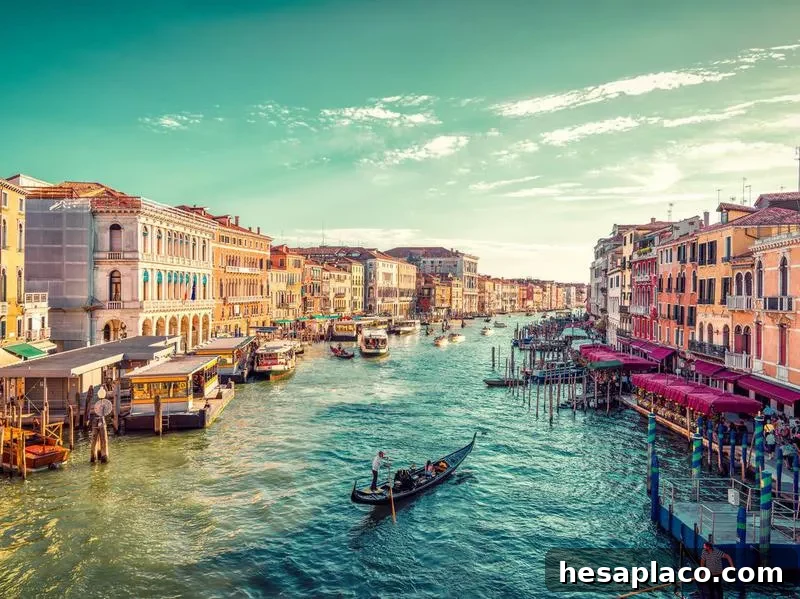
Venice’s Centro Storico is Europe’s largest car-free area. Getty Images
Venice’s historic center is largely car-free: canals, boats and pedestrian paths provide the primary means of getting around. The Centro Storico is one of Europe’s largest car-free urban areas, with motor vehicles confined to limited access points such as the bus station at the edge of the city.
London, England
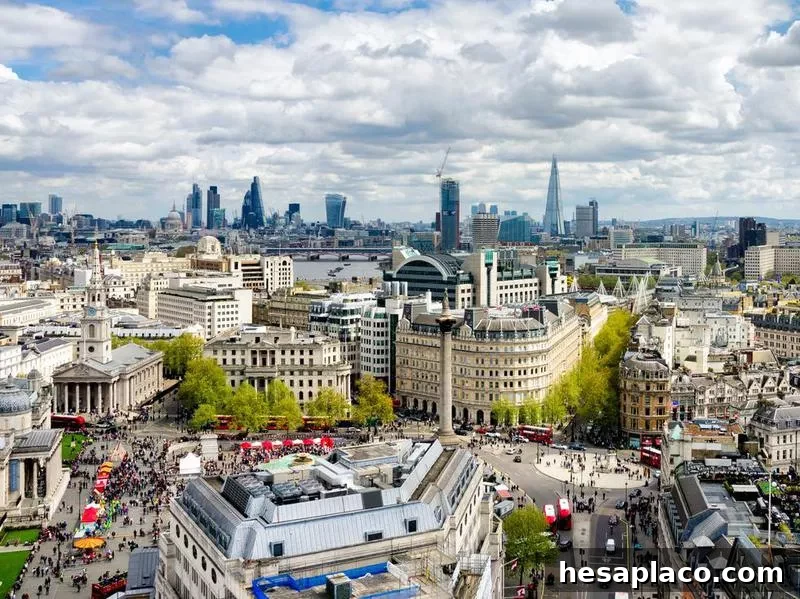
London has introduced charges for the most polluting vehicles and plans to extend clean-air measures. Getty Images
London has tightened emissions standards, introduced charges for high-polluting vehicles and is expanding the geographic scope of clean-air measures. The city aims to accelerate cycling infrastructure and reduce diesel vehicle use to improve urban air quality and reduce traffic emissions.
Oslo, Norway

Oslo plans to convert many city-center roads to bike lanes and car-free zones. Getty Images
Oslo has announced plans to convert significant stretches of city streets into bike lanes and car-free areas while restricting parking and introducing rush-hour charges. The city’s measures are aimed at phasing out private vehicle use in favor of public transport, cycling and walking.
Bogotá, Colombia
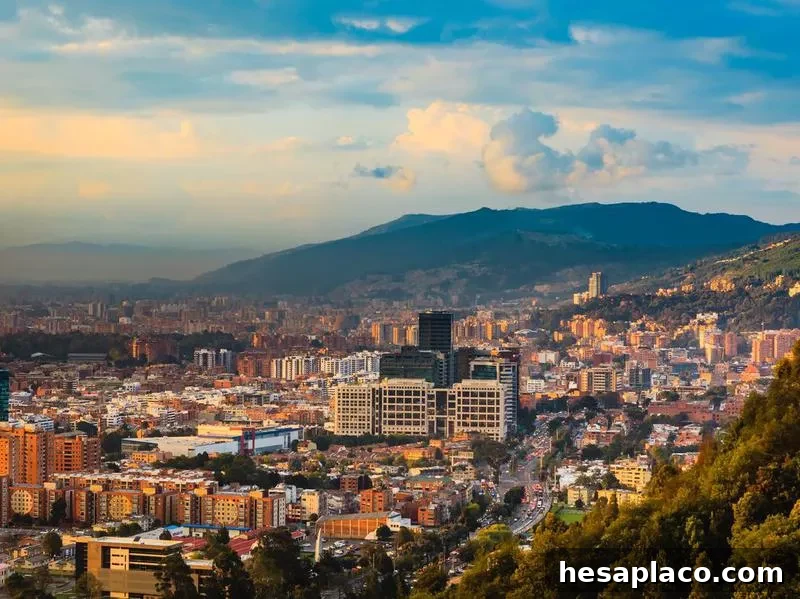
Bogotá has built an extensive network of bike lanes and hosts weekly car-free events. Getty Images
Bogotá pioneered large-scale street closures and remains known for Ciclovía, its weekly program that closes major roads to cars for several hours so people can bike, walk and play. The city has developed hundreds of miles of bike-only lanes and continues to promote active transportation as a way to improve public health and reduce pollution.
Berlin, Germany
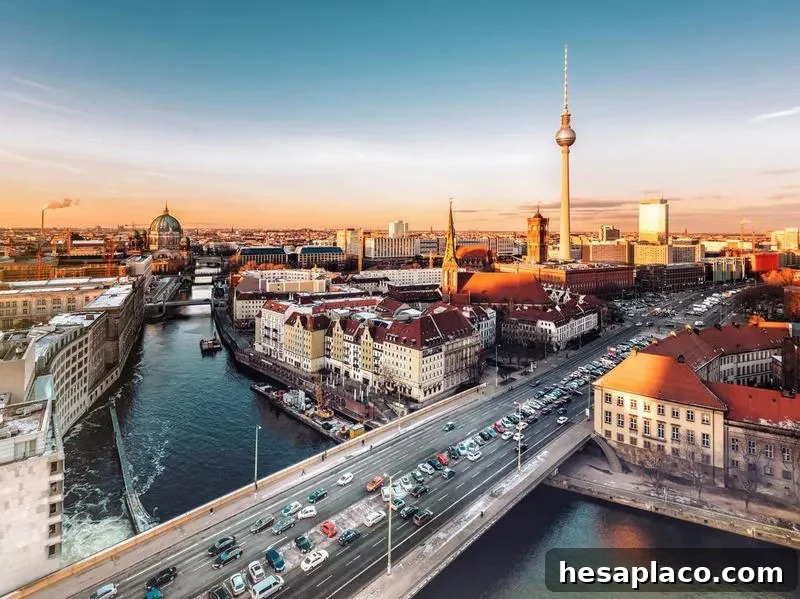
Berlin has a low-emission zone and plans dedicated bike superhighways. Getty Images
Berlin established a low-emission zone that restricts older diesel and petrol cars across a substantial area of the city. The capital is investing in cycling infrastructure, including plans for multiple bike “superhighways” separated from motor traffic and pedestrians.
Athens, Greece

Athens aims to substantially reduce car use and promote clean transportation. Getty Images
Athens has committed to banning diesel cars from its historic center and has set long-term ambitions to reduce private car use, promote electric vehicles and expand public transportation as part of a regional effort to improve air quality.
Mexico City, Mexico
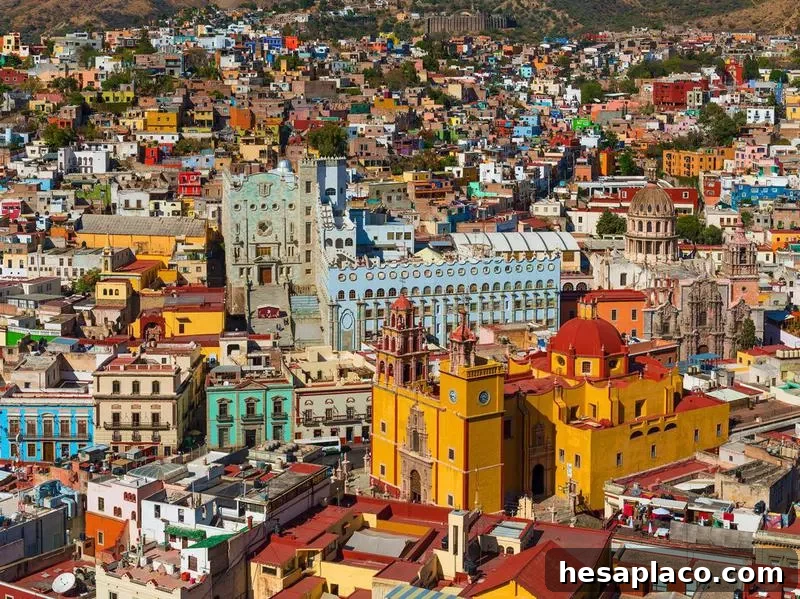
Mexico City has restricted vehicle use and invested in transit to reduce pollution. Getty Images
Once among the world’s most polluted cities, Mexico City has implemented restrictions on vehicle use, including programs that limit driving by license-plate numbers on certain days, and increased investments in public transport. These measures have reduced daily car trips, though some policies continue to be refined to improve effectiveness.
Brussels, Belgium

Brussels has expanded pedestrian zones and restricted older diesel vehicles. Getty Images
Brussels has promoted car-free Sundays, pedestrianization projects and restrictions on older diesel vehicles. On high-pollution days the city has offered free public transit and lowered speed limits to reduce emissions and improve urban air quality.
Copenhagen, Denmark
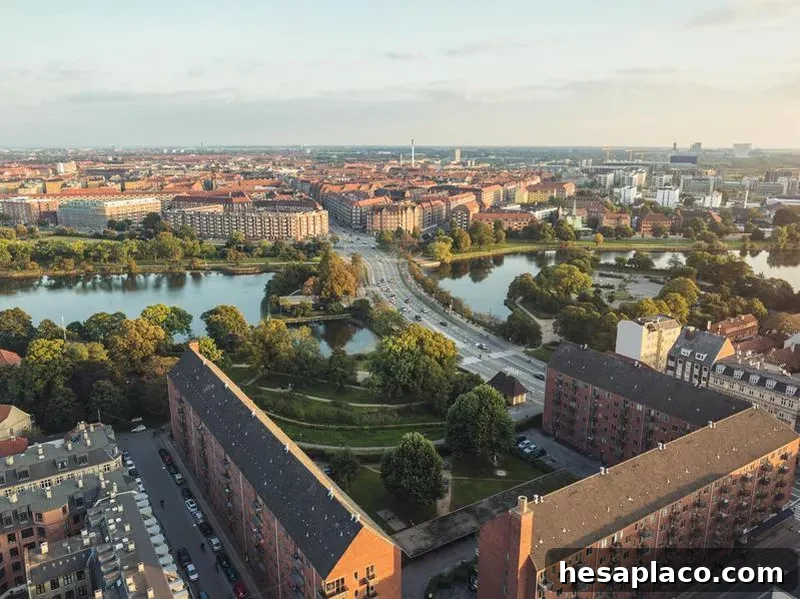
Copenhagen aims to become carbon neutral and expand bicycle infrastructure. Getty Images
Copenhagen is a world leader in cycling, with a large share of residents commuting by bike. The city is pursuing carbon neutrality and planning an extensive network of bicycle superhighways to connect suburbs with the center. Local leaders have also signaled intentions to limit diesel vehicle use.
Tokyo, Japan

Tokyo’s vehicle rules help maintain air quality and scenic views. Getty Images
Tokyo implemented strict rules on diesel vehicles to preserve air quality and protect visibility of natural landmarks like Mount Fuji. The city encourages businesses to adopt low-emission fleets and has kept many busy commercial and transit hubs pedestrian-friendly.
Seoul, South Korea

Seoul has phased out older diesels and expanded emissions enforcement. Getty Images
Seoul has phased out older, high-emission diesel vehicles and expanded emissions regulations to surrounding areas. The city uses monitoring and enforcement measures to ensure compliance as part of a broader national effort to reduce air pollution.
Helsinki, Finland
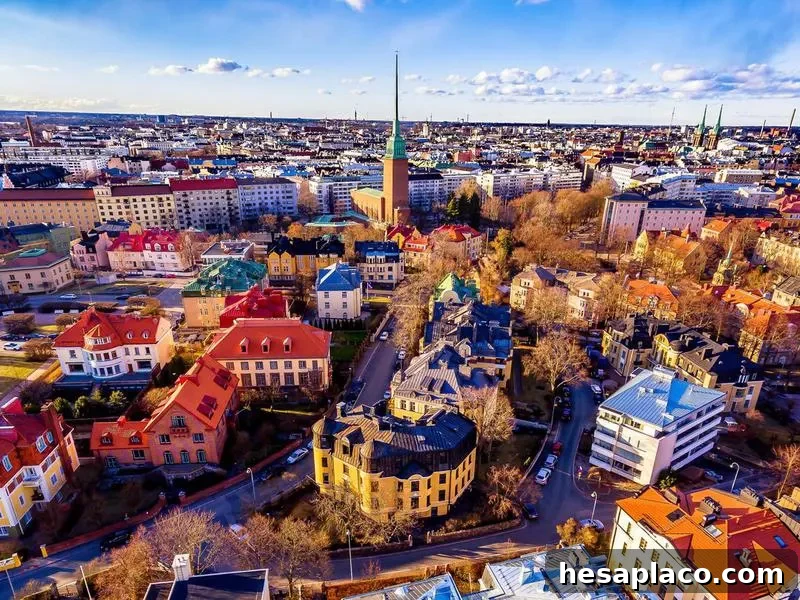
Helsinki is developing integrated mobility services to reduce car dependence. Getty Images
Helsinki is pursuing a 10-year plan to make suburbs more walkable and better connected to the city, while integrating shared and public transport into a unified payment and scheduling system. The goal is to make multimodal transport more convenient than car ownership.
New York City, New York
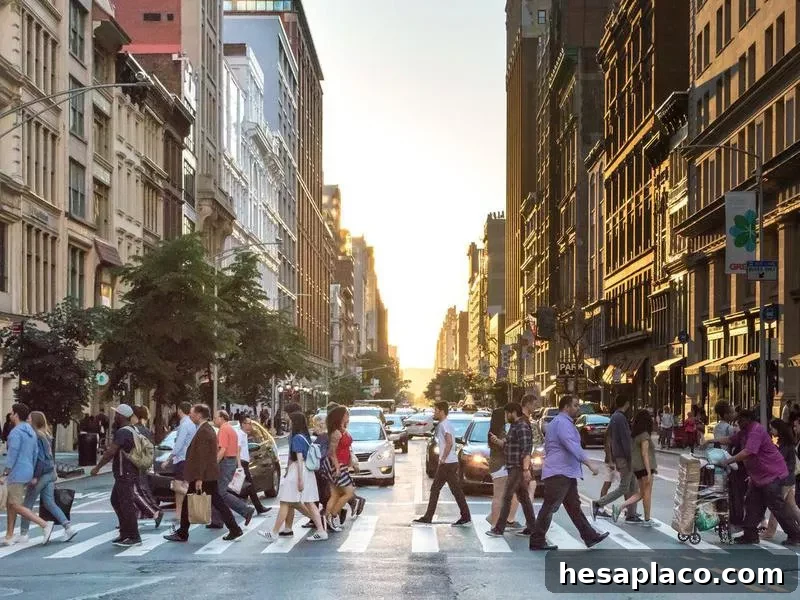
New York has expanded pedestrian zones and open-streets events. Getty Images
New York City has expanded pedestrianized areas, promoted transit and bike-share options, and hosts regular open-streets events that close major routes to cars. Pedestrian zones in high-traffic areas like Times Square and Madison Square Park have become permanent or recurring features to improve public space and safety.
Across the globe, cities are experimenting with policies that reduce car traffic, prioritize cleaner transport modes and reclaim streets for people. While approaches differ according to local context, the shared goals are clearer air, reduced congestion and improved quality of urban life.