
Every potential homebuyer has heard the mantra: “Location, location, location.” Often that boils down to two common concerns: “Are the schools good?” and “Is the neighborhood safe?” But beyond those basics, there are many important questions buyers often overlook when evaluating a neighborhood or town.
We consulted Realtors and real estate professionals about the additional questions you should ask about a property — and about yourself — before making an offer. Below are the key considerations they recommend keeping in mind.
Are There Sidewalks?

Getty Images
Monica S. Betancourt, a Realtor with EWM Realty International in Miami, warns that a neighborhood without sidewalks can become a real inconvenience after you move in. Everyday activities like walking the dog, pushing a stroller, or biking with children become riskier and less enjoyable. In neighborhoods lacking sidewalks, residents may simply stop doing these activities, reducing quality of life.
What’s the Local Tax Rate?

Getty Images
Local taxes vary and can affect your monthly budget. Research historical tax rates over several years and ask whether the local government frequently raises taxes. Remember that rising property values generally mean higher property taxes, while declining tax revenue can signal reduced municipal services. Compare local tax rates to nearby towns to evaluate what services you receive for your tax dollars.
Are There Any Hidden Costs?

Getty Images
Look beyond mortgage and utility bills. Does the town charge for garbage pickup? Are there user fees for school programs or sports? Is there a mandatory homeowner’s association with dues and rules? These smaller expenses add up and should be factored into your overall budget.
How Long Has the Property Been on the Market?
Getty Images
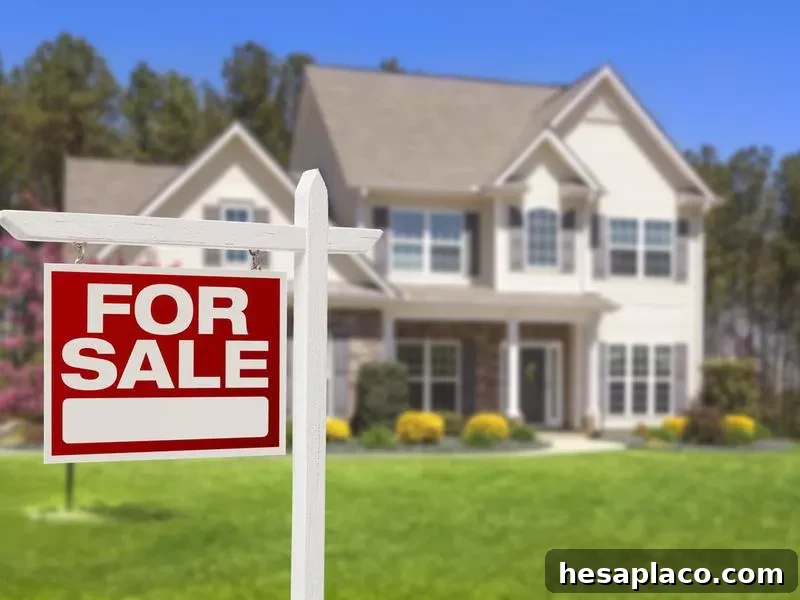
The number of days a property has been listed is a useful objective indicator of market demand. Earl White, co-founder of House Heroes LLC, notes that homes that linger on the market at a given price could signal that market values are lower than the listing, while fast-moving inventory usually points to stable or appreciating values.
What Will My Commute Be Like?
Getty Images
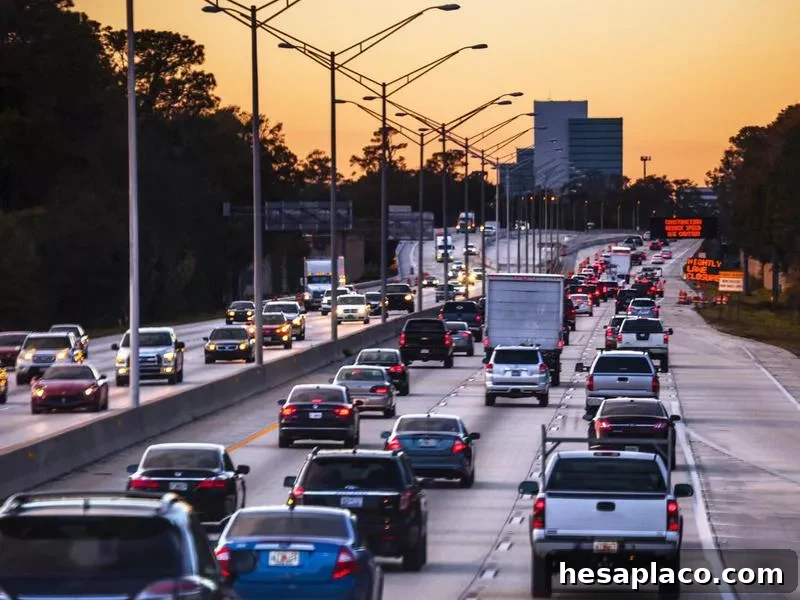
Data sources can provide average commute times, but Adrian Wilson, a data scientist with RealtyHop, advises trying the commute yourself on several weekdays at different times. Driving the actual route reveals traffic patterns, long lights, and bottlenecks that can significantly affect daily life.
What More Should I Know About Local Schools?

Getty Images
School district reputation matters, but Alison Bernstein, founder of Suburban Jungle, recommends asking deeper questions about how schools operate and what the experience will be like for your children.
Does the Town Have Busing to and From School?

Getty Images
School busing affects childcare needs, daily logistics, and whether a second car is necessary. Confirm whether bus service is available and which routes it serves.
Do the Kids in the Neighborhood All Go to the Same School?

Getty Images
Some towns use magnet programs or specialized admissions, which can mean neighbors’ children attend different schools. If having a neighborhood-oriented school community is important to you, verify how student assignments are determined.
What Are the Cutoff Dates for School?

Getty Images
School cutoff dates affect whether your child is among the oldest or youngest in their class, which can influence sports eligibility, academic readiness, and social dynamics. Different towns set different cutoff dates, so consider what’s best for your child.
Have You Made More Than One Visit to the Neighborhood?
Getty Images
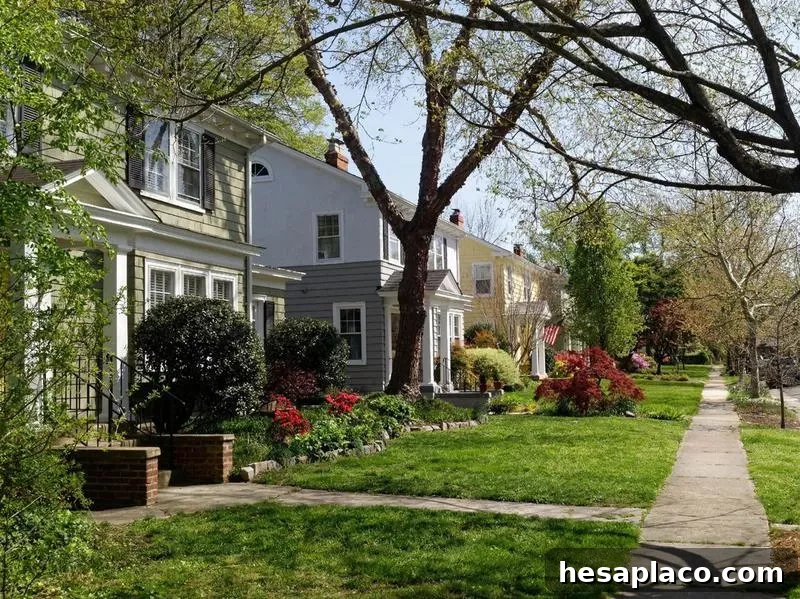
Kevin Lawton of Coldwell Banker Schiavone & Associates suggests visiting at various times of day and days of the week to see how active or quiet the area is and whether there are noise sources like late-night trains. Multiple visits reveal patterns you might miss during a single drive-through.
Have You Walked the Neighborhood?
Getty Images
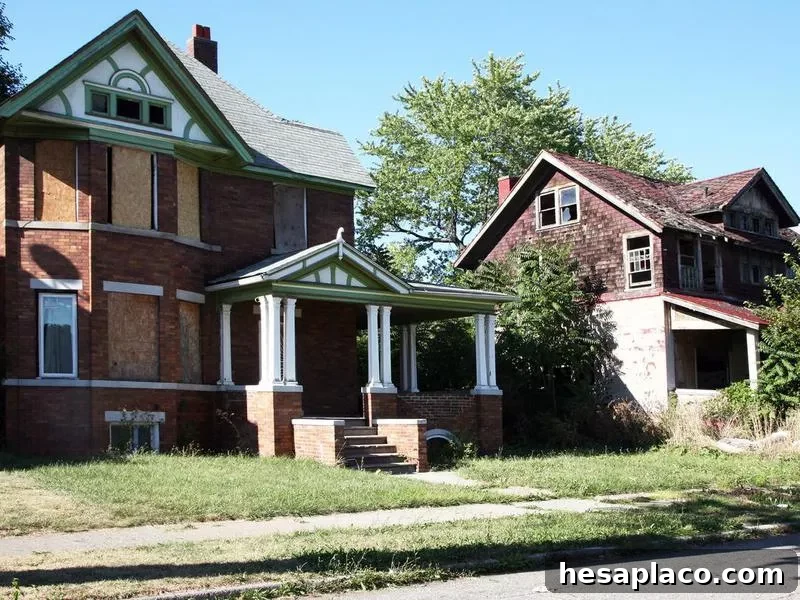
Driving through a neighborhood is not the same as walking it. Ben Mizes, founder and CEO of Clever Real Estate, recommends walking the streets to observe property upkeep and neighborhood condition. Signs of neglect—overgrown yards, peeling trim, makeshift window AC units—may indicate broader issues. If many properties show similar signs, reconsider the purchase or consult your agent for context.
Are There Signs of House Flippers?

Getty Images
Construction permits, scaffolding, and dumpsters can indicate active home improvement projects and house flippers. Mizes points out that flippers often appear where investors expect rising values. While signs of renovation can mean a neighborhood is rough now, they may also suggest fast improvement and potential appreciation.
Where in a Neighborhood’s Lifecycle Are You Buying?
Getty Images
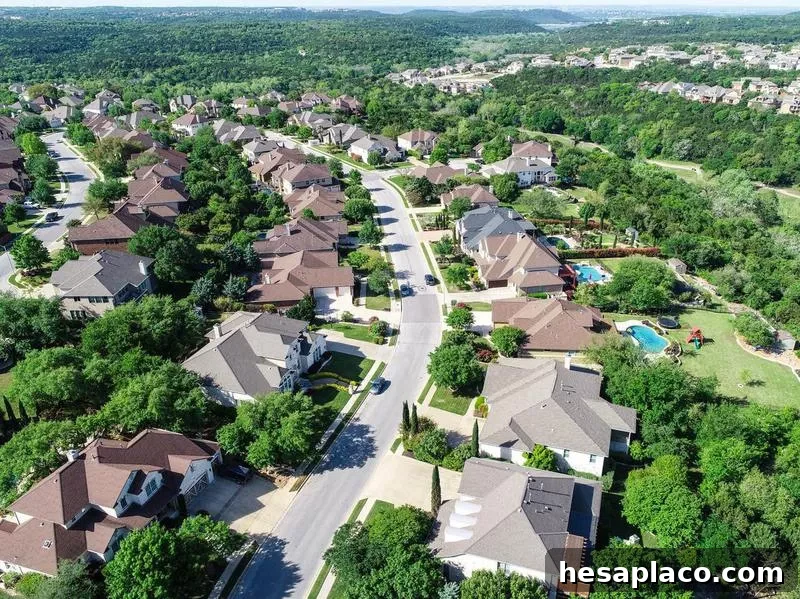
John Myers of Myers & Myers Real Estate describes four lifecycle stages for neighborhoods: growth, stability, decline, and renewal. Buying during the stability phase is generally safest—homes and yards are well kept and residents are satisfied. Avoid neighborhoods in long-term decline unless you accept the trade-offs or see clear signs of imminent renewal.
What’s in the Area’s Future?
Getty Images
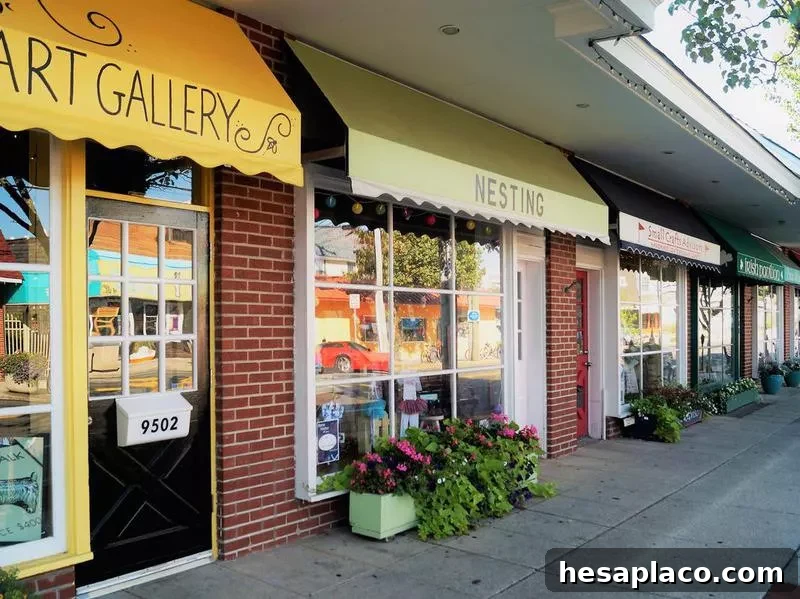
Future developments and local policy can significantly affect property values and quality of life. Jonathan Faccone of Halo Homebuyers LLC recommends assessing new business proposals, economic development plans, and the political leadership guiding growth. Visit the town planning office to learn about proposed projects: a large mall could increase traffic, while revitalization efforts could raise property values. Also gauge community sentiment about proposed changes.
What’s the Inventory Turnover Rate?
Getty Images
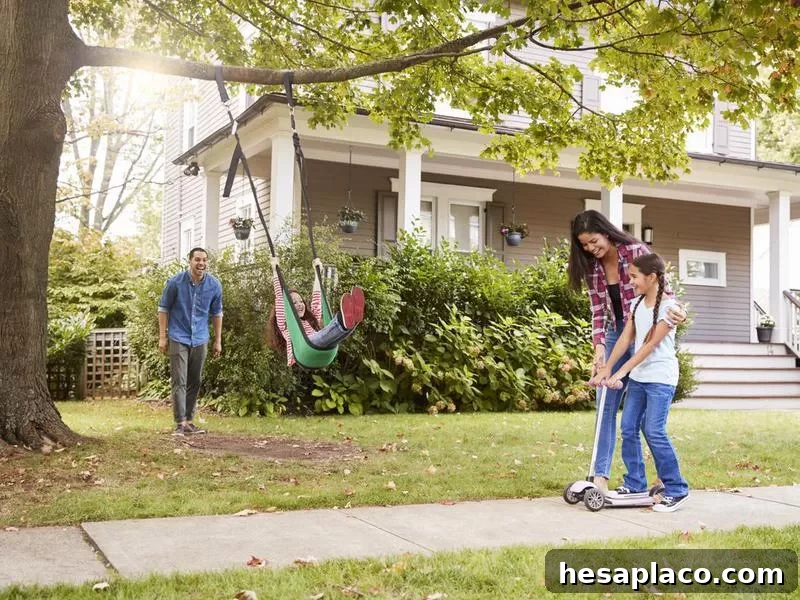
The frequency with which homes are sold in a neighborhood reveals how livable residents find it. Kevin Lawton advises checking whether people tend to stay for many years or if homes turn over quickly. Jeremy Browne of TTR Sotheby’s International Realty adds that observing everyday life—kids playing outside, well-kept yards, or persistent nuisances like a constantly barking dog—helps determine whether a neighborhood matches your preferences.
What’s the Crime Rate?

Getty Images
Crime patterns influence both safety and property values. Use neighborhood crime data and consult your agent, but don’t rely solely on aggregated statistics. If data raises concerns, speak with the local police department to understand whether incidents are concentrated in a small area or reflect a wider trend.
What Are My Priorities?

Getty Images
Know what matters most to you. Tristan Roberts, a Realtor in Tahoe City, explains that priorities can differ dramatically depending on whether a buyer seeks a permanent residence or a vacation home. For example, school districts may be paramount in urban home searches, while proximity to outdoor activities and reliable caretaking may be more important for second-home buyers. Clarify your priorities so you can target neighborhoods that fit your lifestyle.
Looking to buy a home? Check out BEX Realty to search real estate listings, find condos and homes for sale, and work with their experienced realtors and concierge service throughout the home buying process.