
Some people are naturally more willing to give their time, help or money to strangers. Gallup, an analytics firm based in Washington, D.C., surveys 146 countries each year to measure generosity worldwide.
Interviewing around 1,000 adults aged 15 and older in each country, Gallup produces a civic engagement index based on three actions within the previous month: volunteering time to an organization, donating money to charity, or helping a stranger in need. In 2017, about 1 billion people volunteered with organizations, 1.4 billion donated money to charities, and more than 2 billion reported helping strangers.
Gallup’s findings show a clear relationship between per-capita GDP and civic engagement, yet the wealthiest nations are not always the most generous. Countries such as Myanmar and Indonesia have consistently ranked at the top, while wealthy nations like Australia and the United States often lag behind in some measures of generosity.
Below are the top 50 countries on Gallup’s civic engagement index, with brief profiles that summarize index scores and key economic and social details.
No. 50
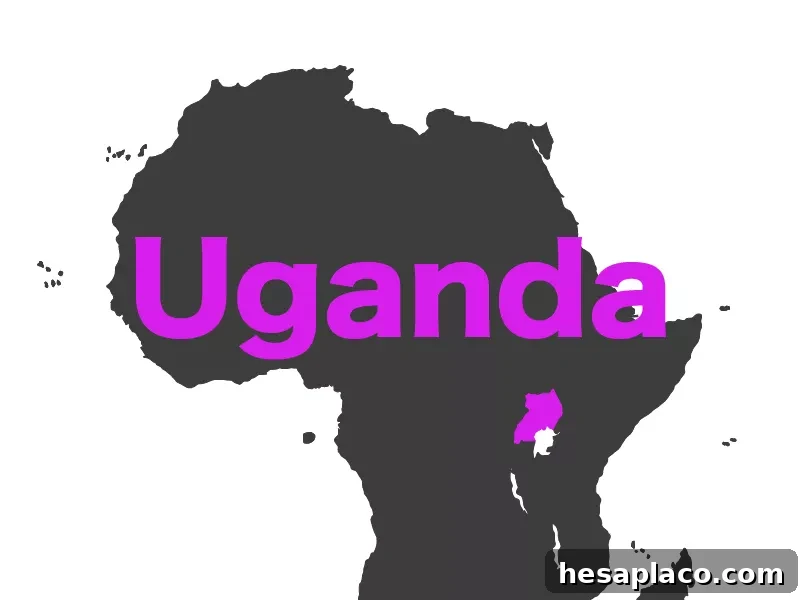
About Uganda

Getty Images
Index score (0-100): 39
Population: 40.8 million
GDP per capita: $2,400
Average annual household income: $780
Agriculture plays a central role in Uganda’s economy, alongside mineral resources like copper and gold. Public debt and government spending have constrained growth recently, but oil revenues and improved tax collection may support expansion in coming years.
No. 49
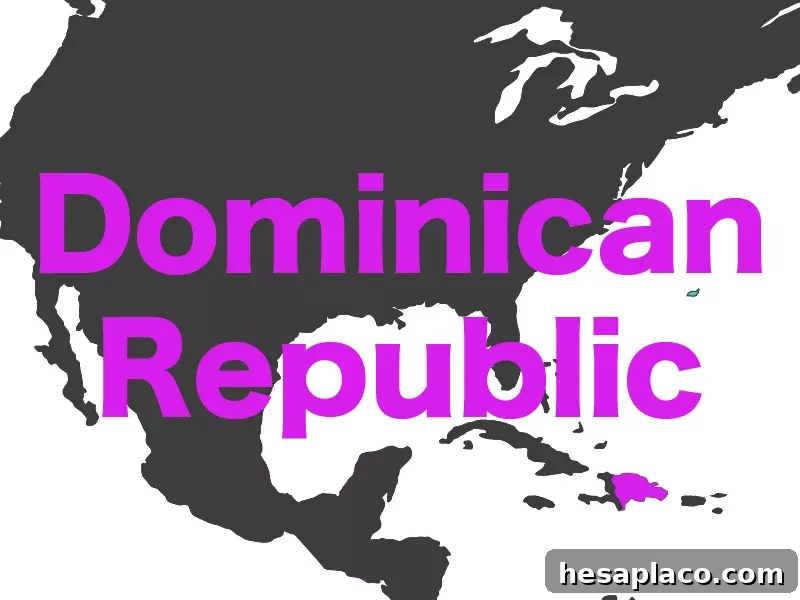
About the Dominican Republic
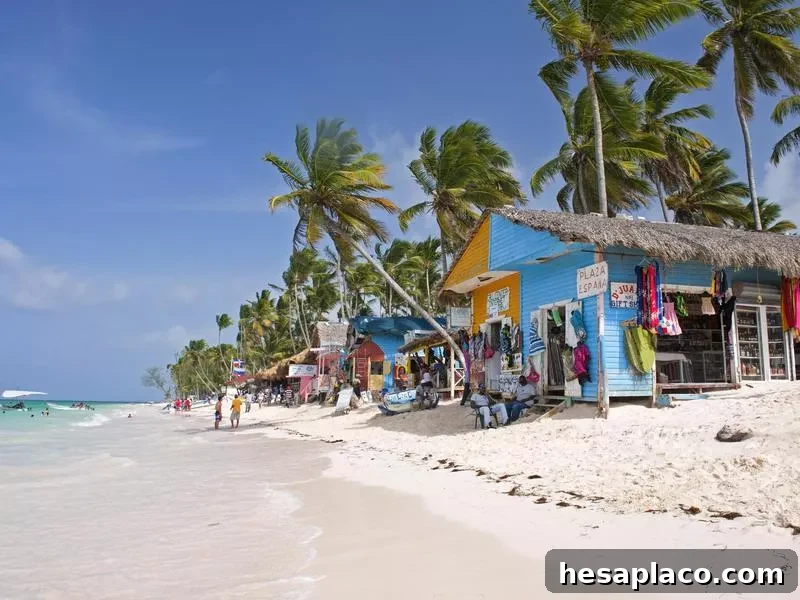
Getty Images
Index score (0-100): 39
Population: 10.2 million
GDP per capita: $17,000
Median household income: $4,799
Historically dependent on sugar, coffee and tobacco exports, the Dominican Republic has diversified into tourism, manufacturing and trade, becoming one of the fastest-growing economies in Latin America.
No. 48
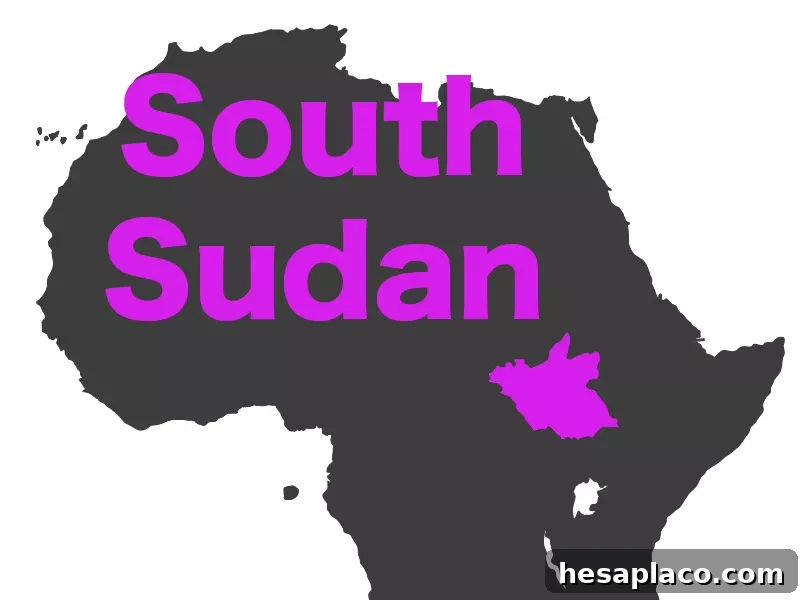
About South Sudan
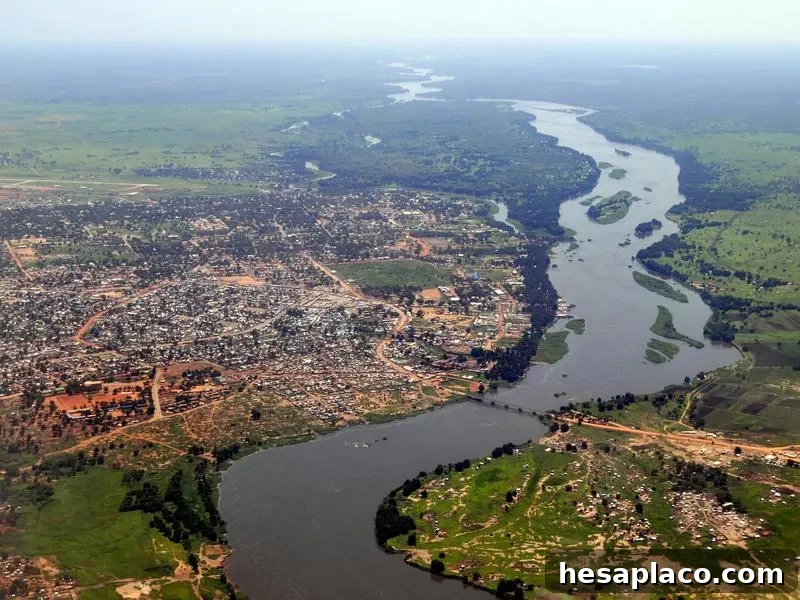
Getty Images
Index score (0-100): 39
Population: 10.2 million
GDP per capita: $1,600
Median household income: $960
South Sudan is one of the world’s poorest and most underdeveloped countries. Prolonged conflict and instability have weakened markets and infrastructure, leaving the economy fragile.
No. 47
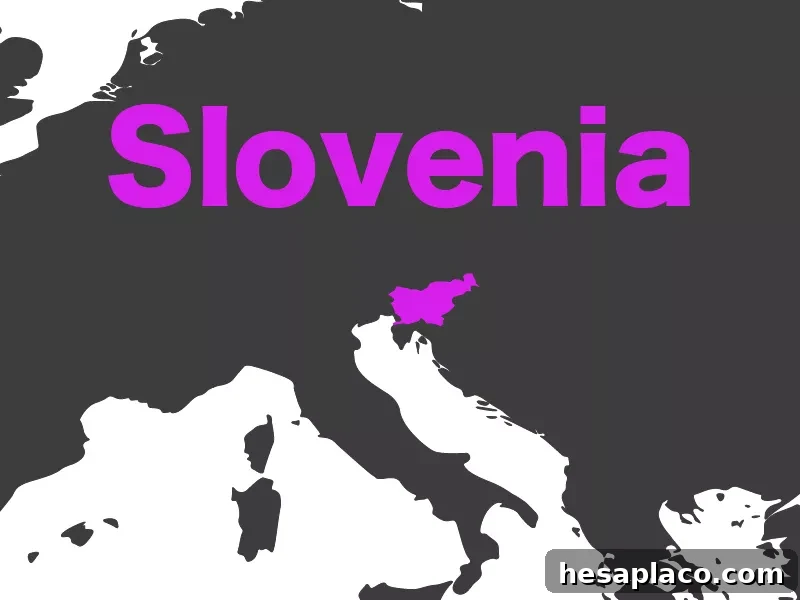
About Slovenia

Getty Images
Index score (0-100): 39
Population: 2.1 million
GDP per capita: $34,500
Median household income: $25,969
Slovenia benefits from solid infrastructure and a well-educated workforce, supporting a competitive per-capita GDP relative to Central Europe.
No. 46
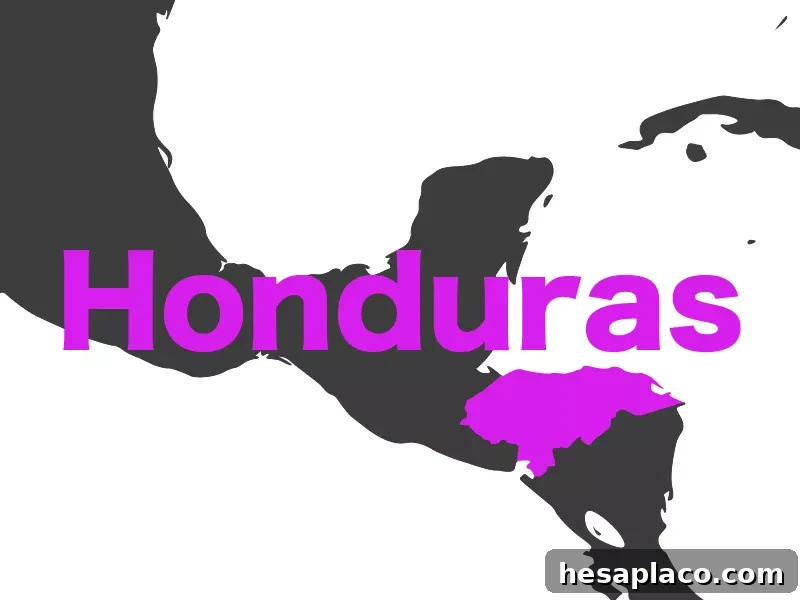
About Honduras
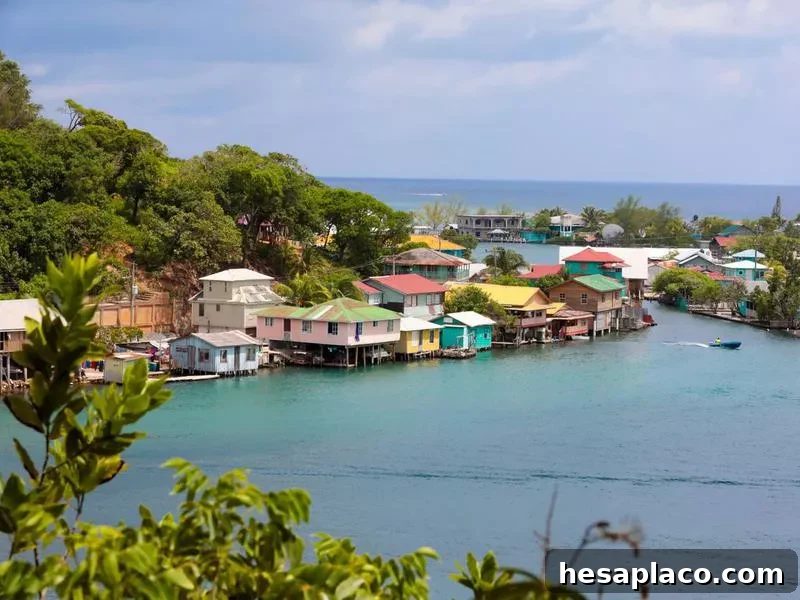
Getty Images
Index score (0-100): 39
Population: 9.1 million
GDP per capita: $5,600
Honduras faces persistent poverty, income inequality and high unemployment. Once heavily reliant on banana and coffee exports, it has diversified its export base in recent years.
No. 45
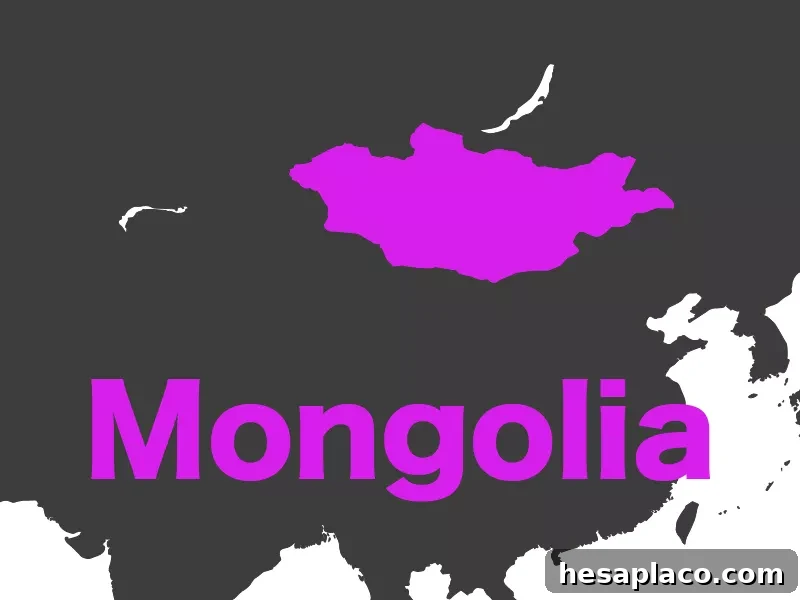
About Mongolia
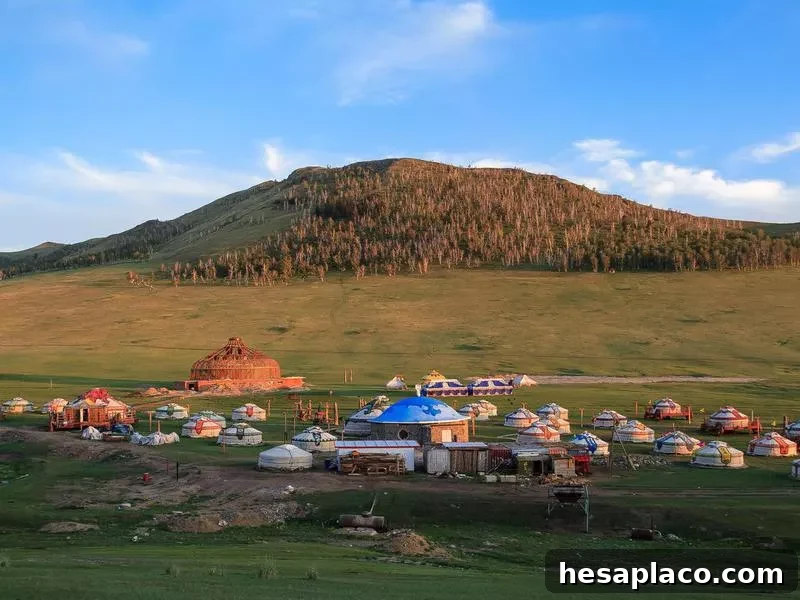
Getty Images
Index score (0-100): 39
Population: 3.1 million
GDP per capita: $13,000
Median household income: $1,414
Mongolia’s economy has shifted from traditional herding and agriculture toward mining and extractive industries. Exports of copper, coal and gold now account for a large share of GDP.
No. 44
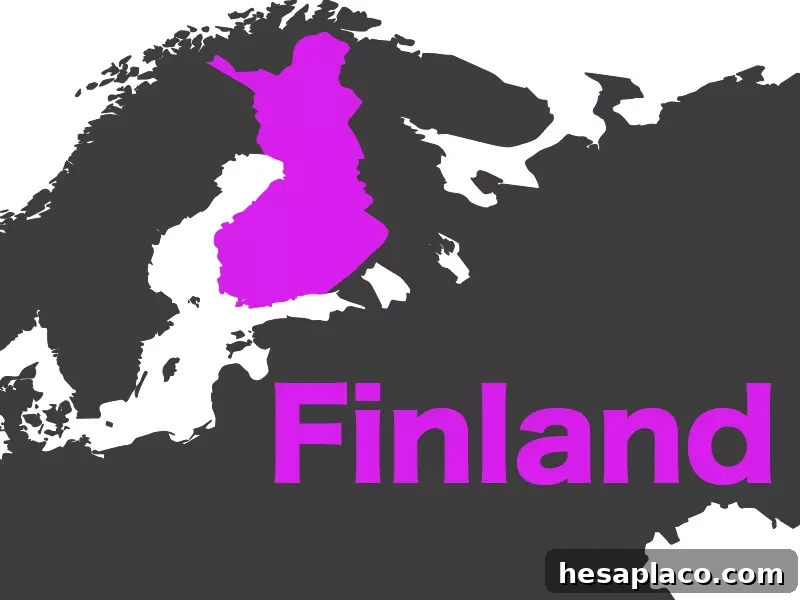
About Finland
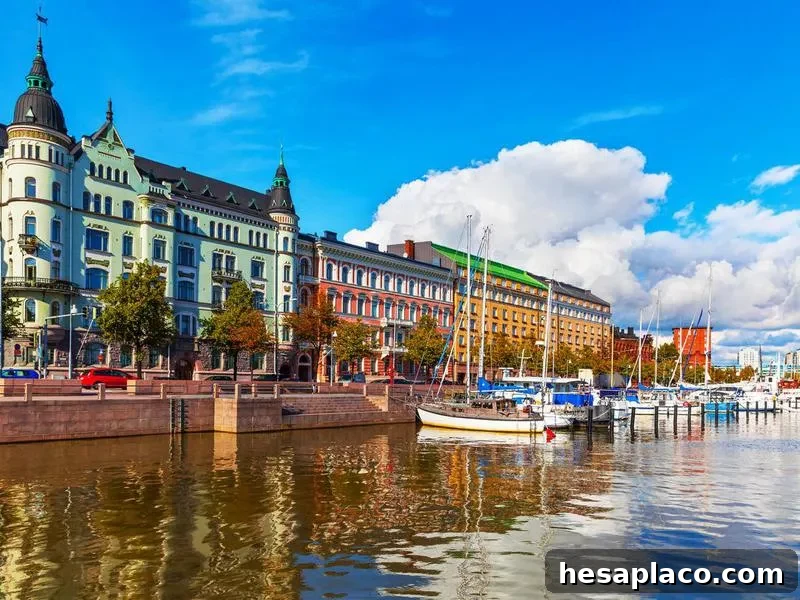
Getty Images
Index score (0-100): 40
Population: 5.5 million
GDP per capita: $44,500
Median household income: $34,615
Finland’s advanced industrial base, strong social systems and attractive environment for foreign investment contribute to high income and living standards.
No. 43
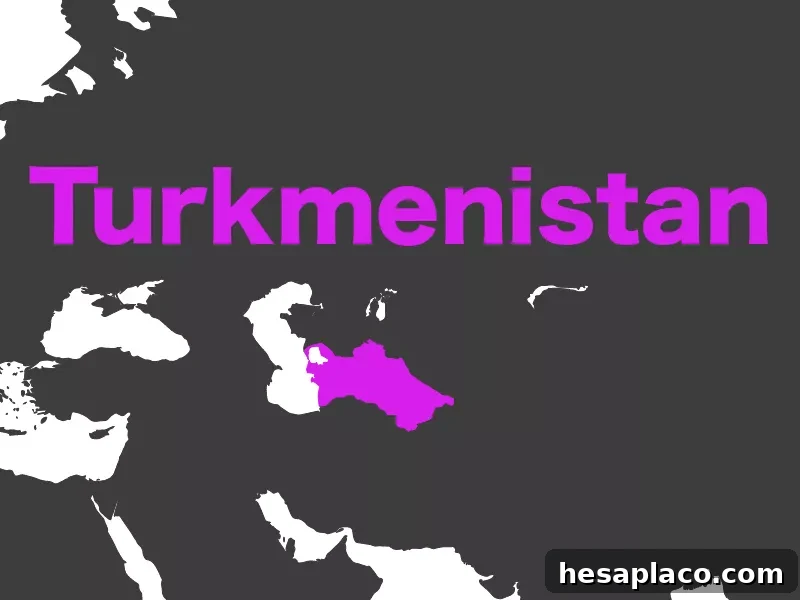
About Turkmenistan
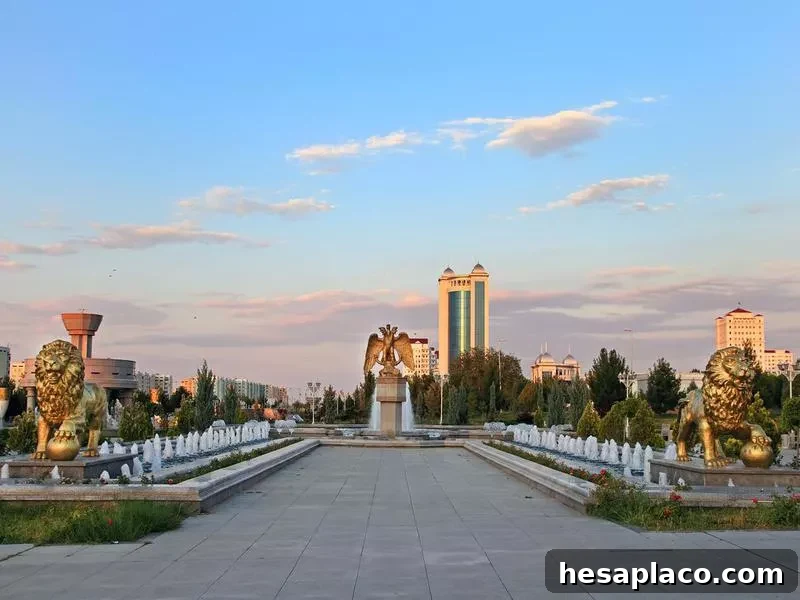
Getty Images
Index score (0-100): 40
Population: 5.4 million
GDP per capita: $18,200
Median household income: $24,135
Turkmenistan derives much of its wealth from large natural gas reserves, though low energy prices and structural challenges limit broad-based prosperity.
No. 42
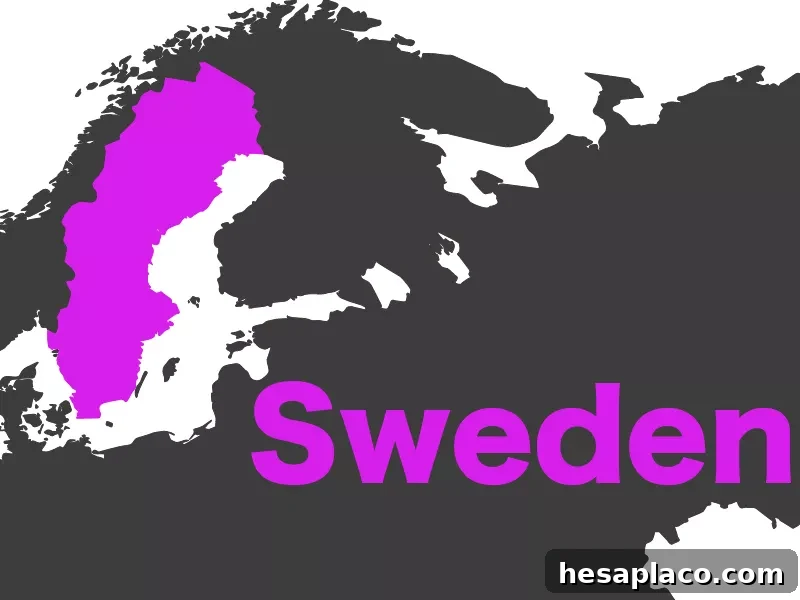
About Sweden
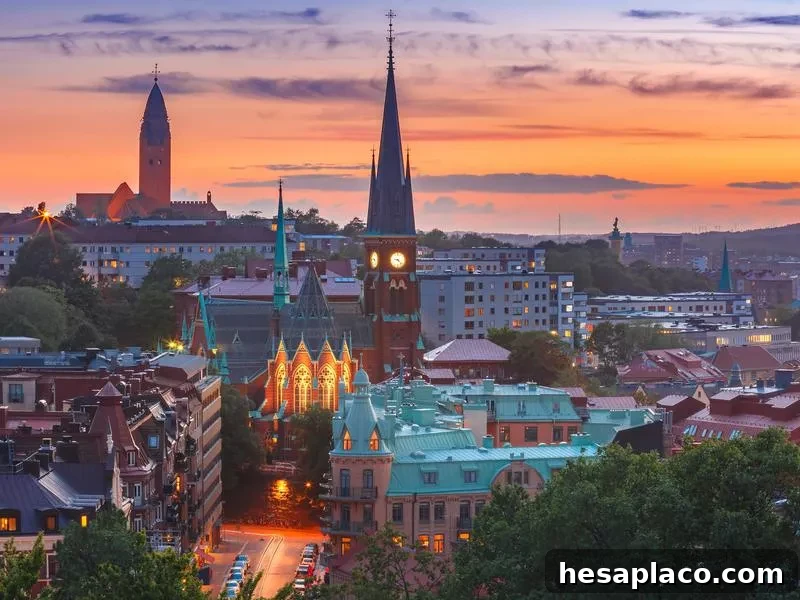
Getty Images
Index score (0-100): 41
Population: 10 million
GDP per capita: $51,200
Median household income: $50,514
Sweden’s competitive economy benefits from strong welfare systems, robust foreign trade and a sustained account surplus relative to GDP.
No. 41
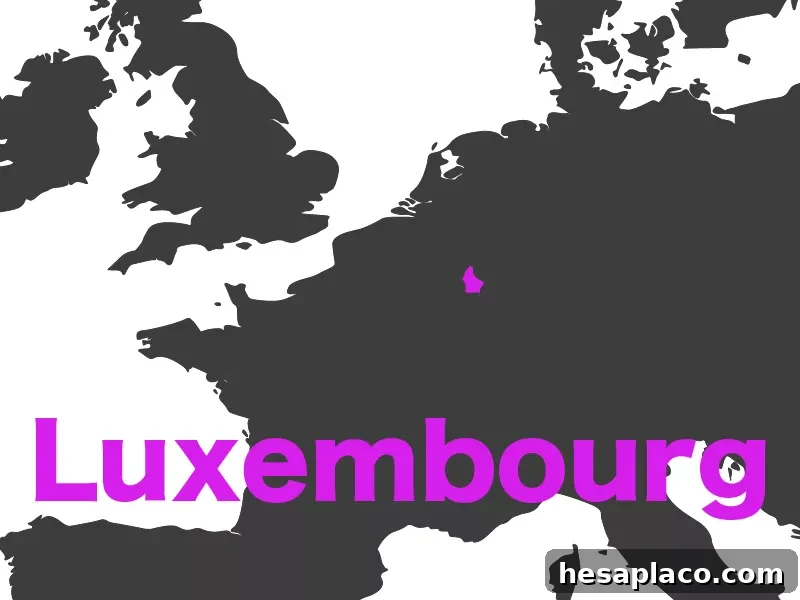
About Luxembourg

Getty Images
Index score (0-100): 41
Population: 605,764
GDP per capita: $105,100
Median household income: $52,493
Luxembourg’s high standard of living and strong financial sector support elevated incomes and civic engagement.
No. 40
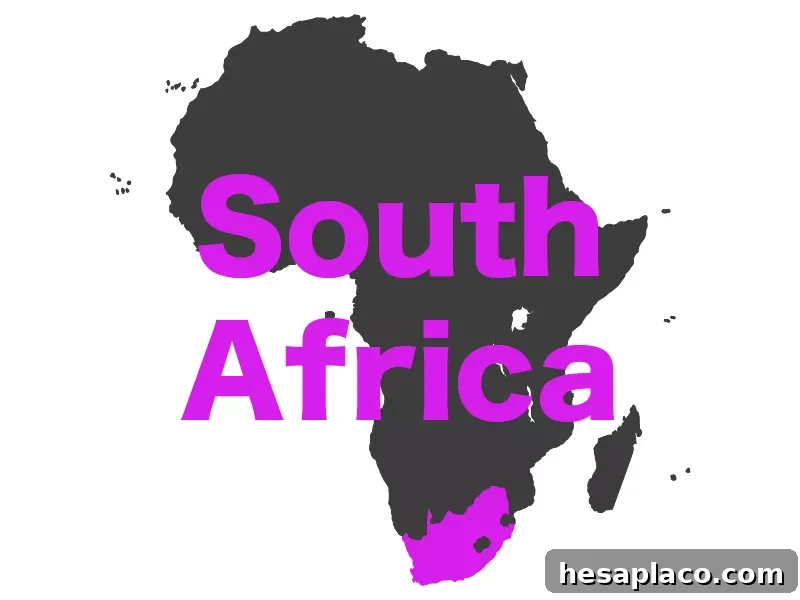
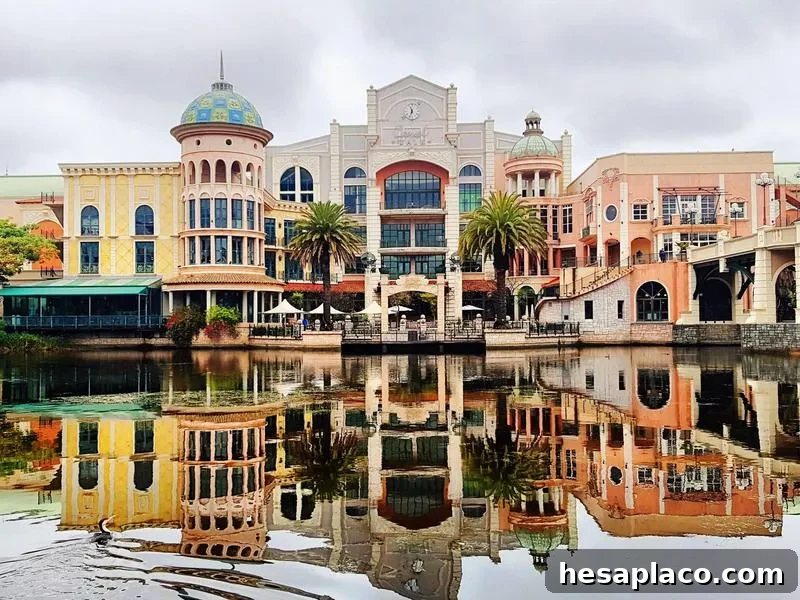
About South Africa
Getty Images
Index score (0-100): 41
Population: 55.3 million
GDP per capita: $13,600
Median household income: $11,592
South Africa has made gains in housing and education but still faces high unemployment and persistent poverty. Despite economic challenges, a high share of South Africans report helping strangers in need.
No. 39
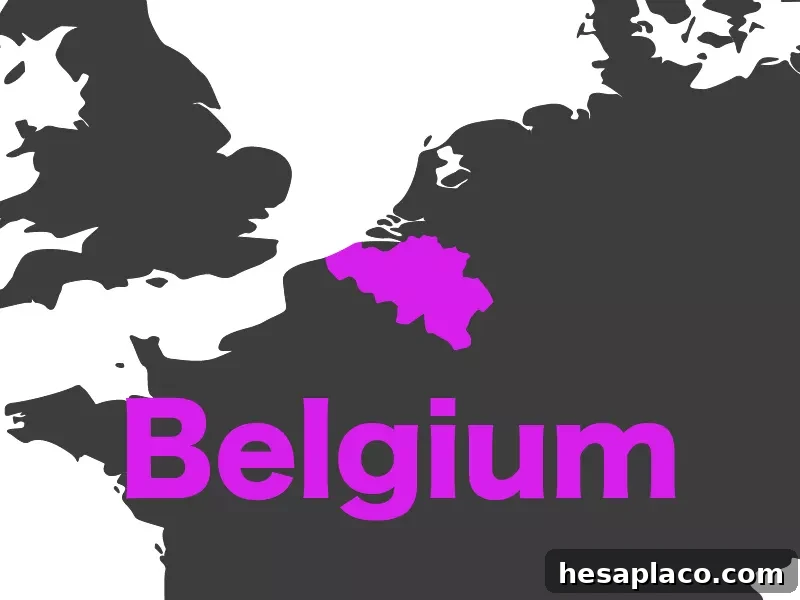
About Belgium
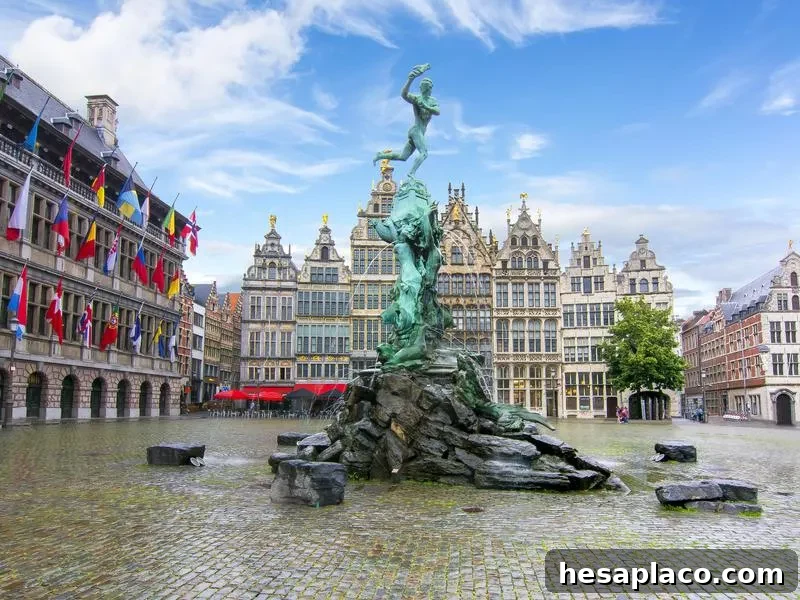
Getty Images
Index score (0-100): 41
Population: 11.5 million
GDP per capita: $46,600
Median household income: $26,922
Belgium’s strategic location and transport network support diverse industries, from manufacturing and high tech to traditional coal and steel sectors.
No. 38
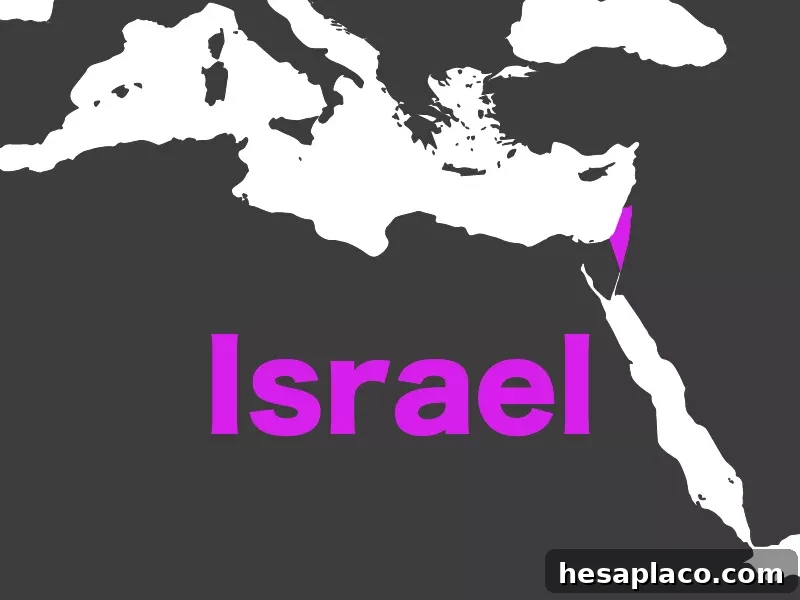
About Israel
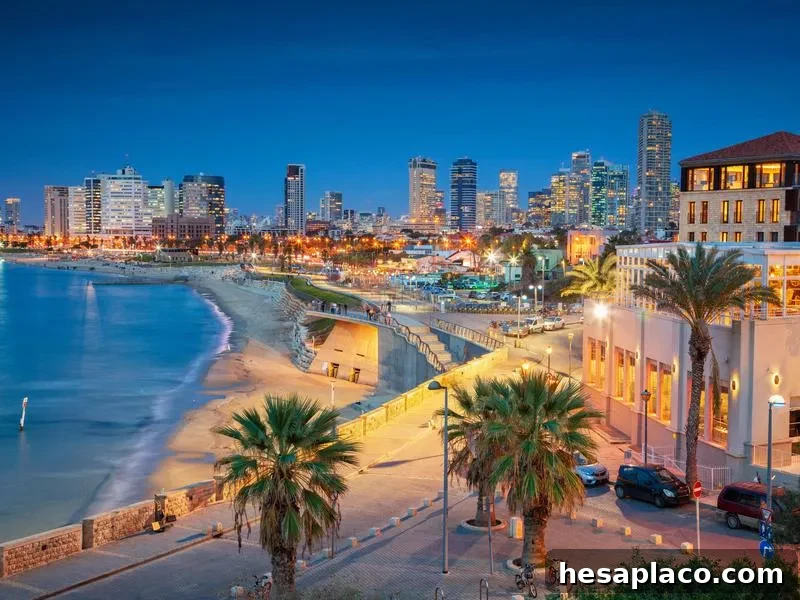
Getty Images
Index score (0-100): 42
Population: 8.4 million
GDP per capita: $36,400
Median household income: $30,364
Israel’s economy relies on high-value exports such as pharmaceuticals and technology equipment, with tourism and foreign investment helping offset trade deficits.
No. 37
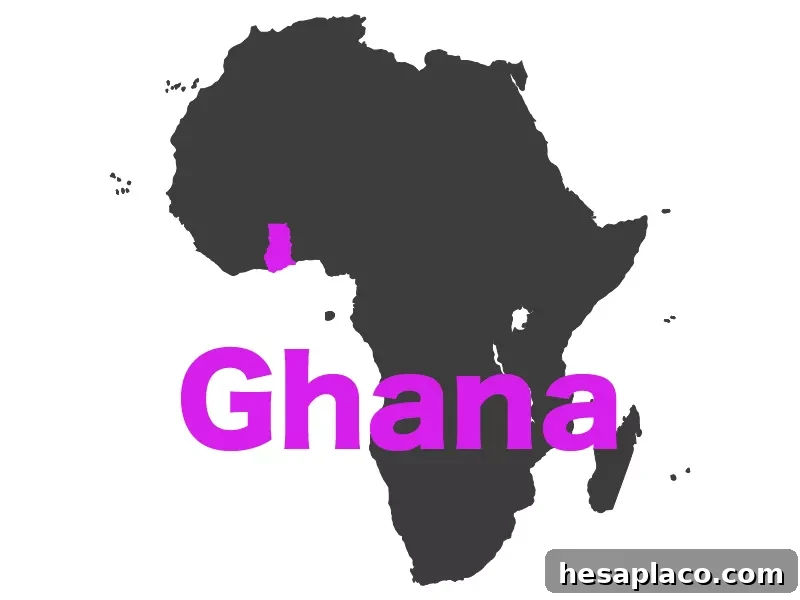
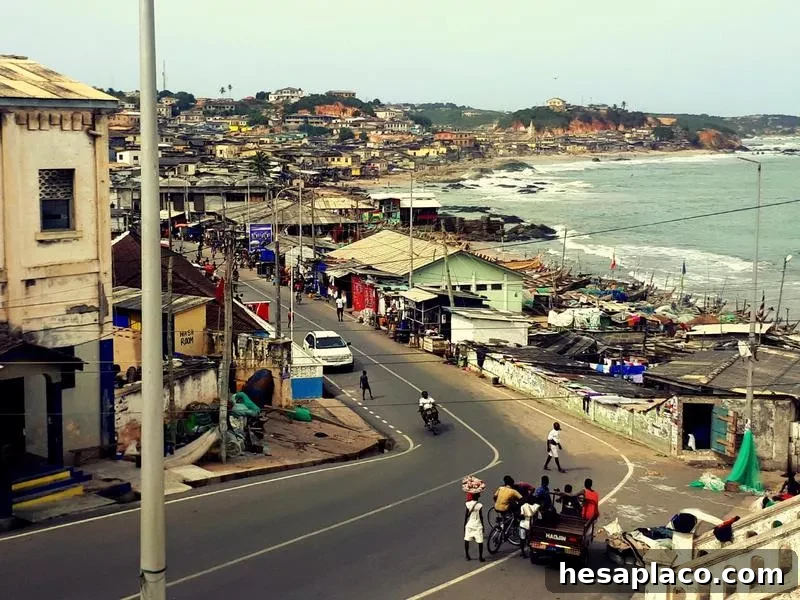
About Ghana
Getty Images
Index score (0-100): 42
Population: 28 million
GDP per capita: $4,700
Median household income: $730
Ghana enjoys abundant natural resources but still faces infrastructure challenges such as electricity shortages and a high public debt burden.
No. 36
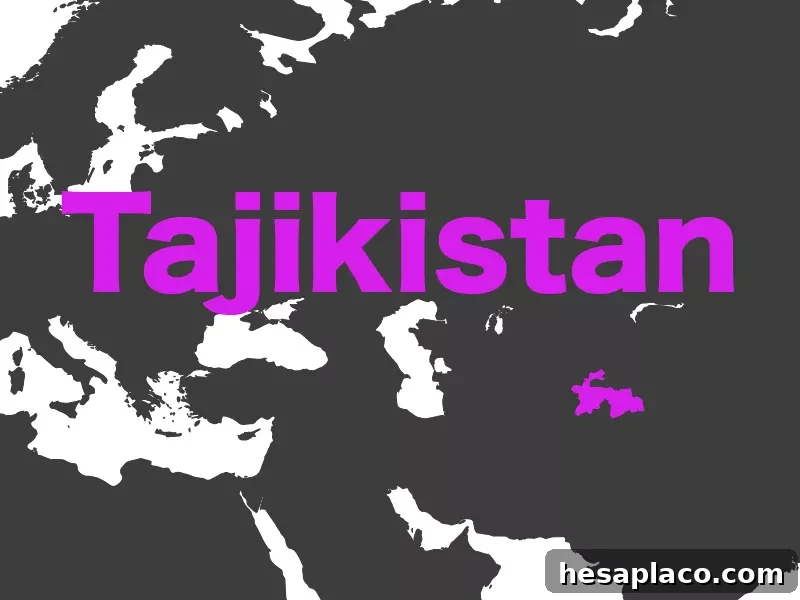
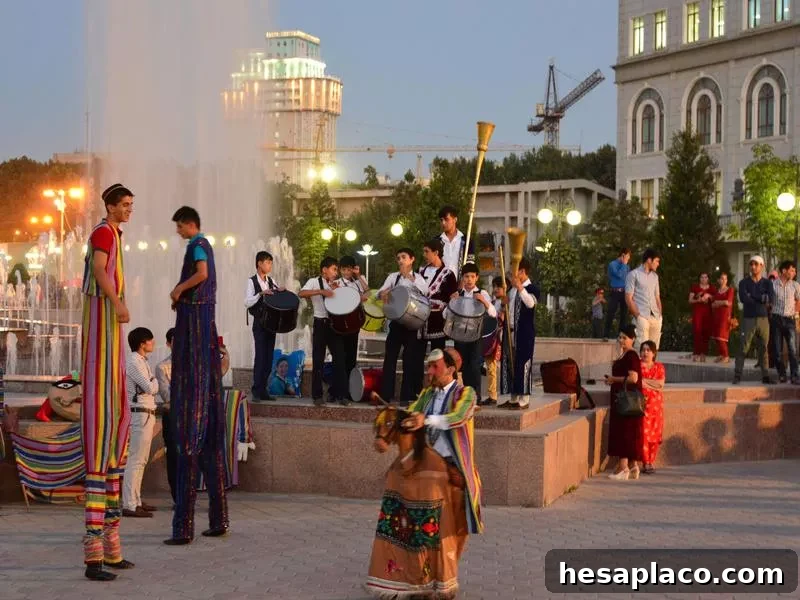
About Tajikistan
Getty Images
Index score (0-100): 42
Population: 8.6 million
GDP per capita: $3,200
Median household income: $525
Tajikistan is a low-income country with an economy focused on minerals and metals; a substantial portion of the population remains below the poverty line.
No. 35
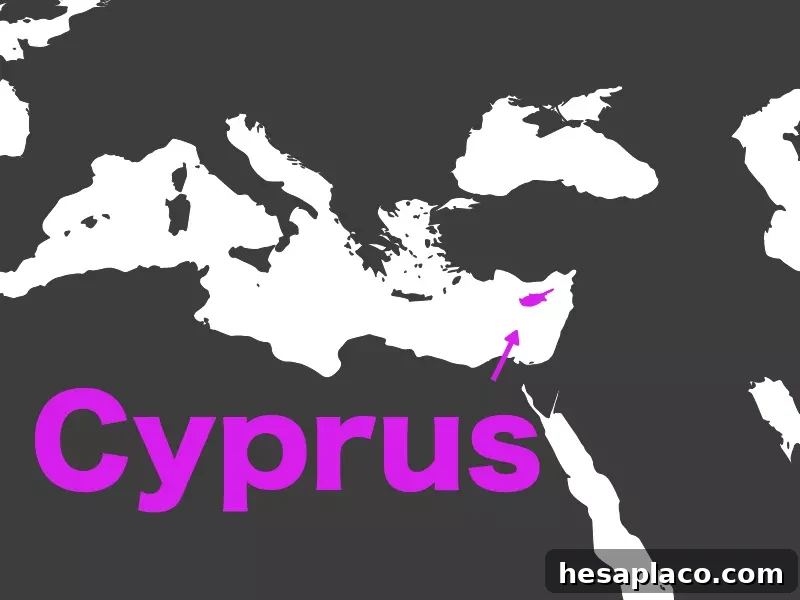
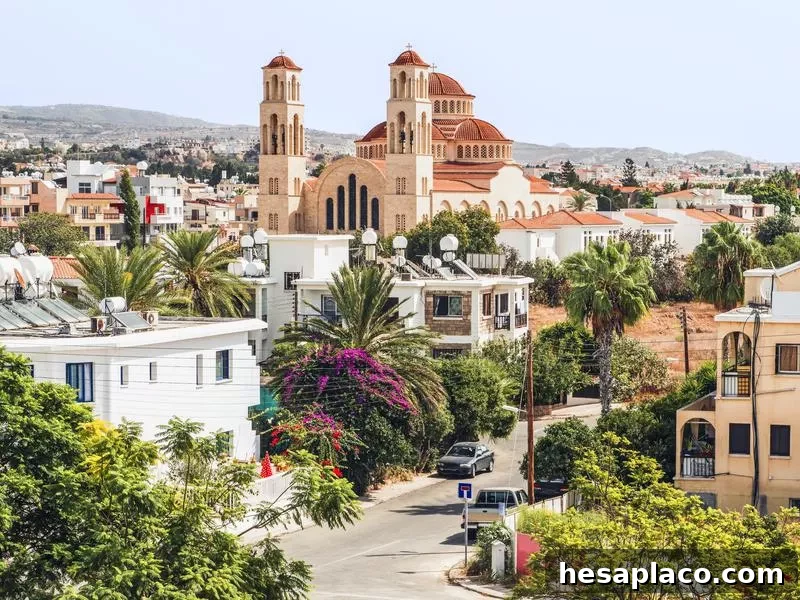
About Cyprus
Getty Images
Index score (0-100): 43
Population: 1.2 million
GDP per capita: $37,200
Cyprus depends on tourism and agriculture and has benefited from EU membership. The economy has faced recessions and is working to develop offshore hydrocarbon resources.
No. 34
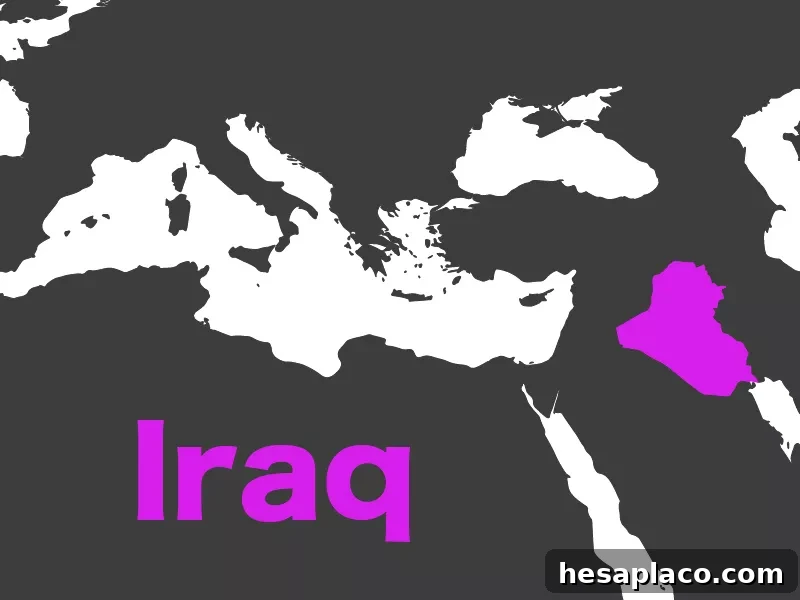
About Iraq
Getty Images
Index score (0-100): 43
Population: 40 million
GDP per capita: $16,700
Median household income: $10,200
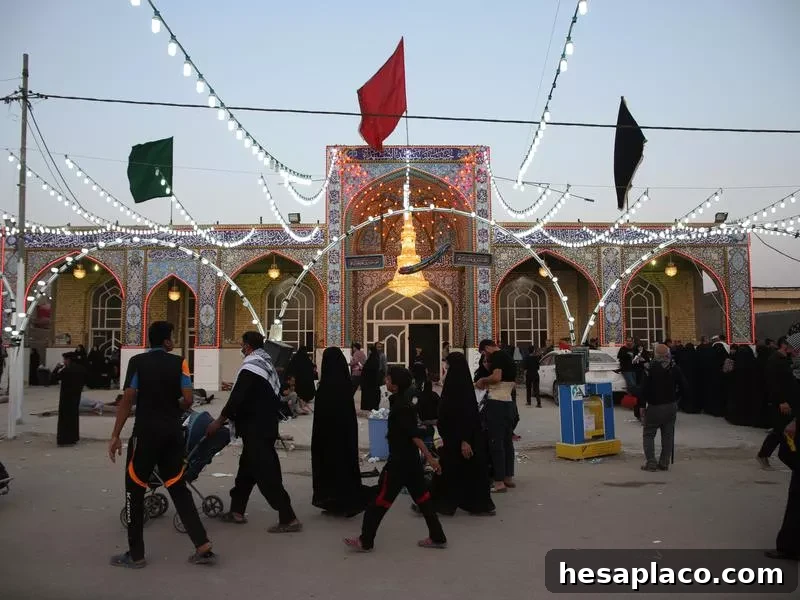
Iraq’s oil-dependent, state-driven economy is hampered by overregulation and corruption, yet many Iraqis report helping strangers—one of the highest rates globally.
No. 33
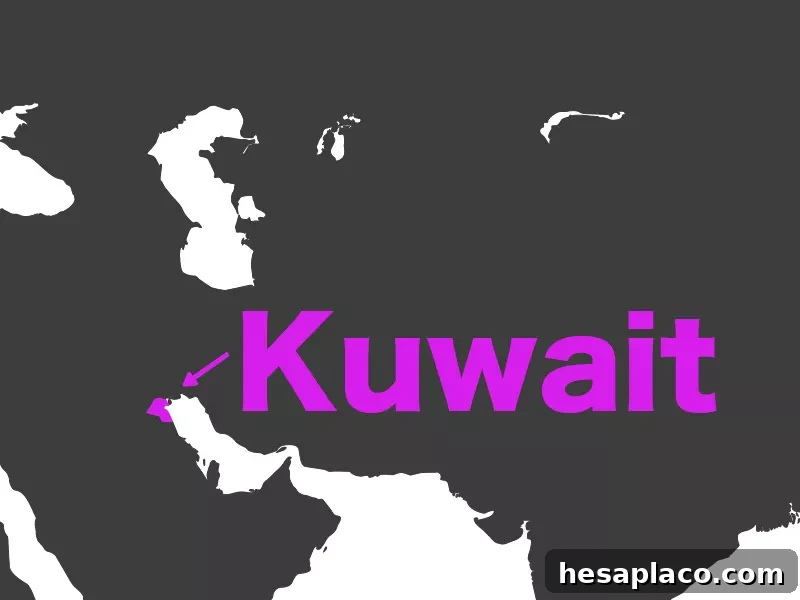
About Kuwait
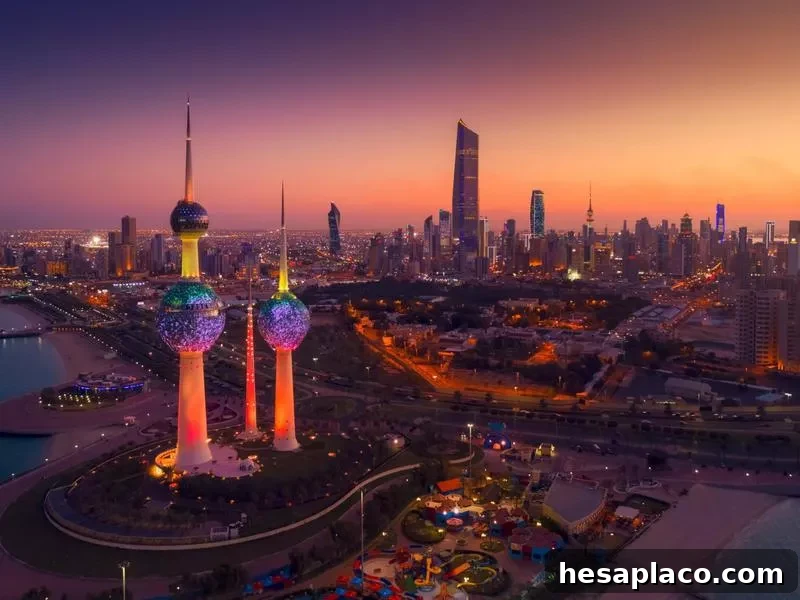
Getty Images
Index score (0-100): 43
Population: 2.9 million
GDP per capita: $65,800
Median household income: $40,854
Kuwait is wealthy from oil reserves and ranks among the countries where many citizens say they’ve helped strangers in need.
No. 32
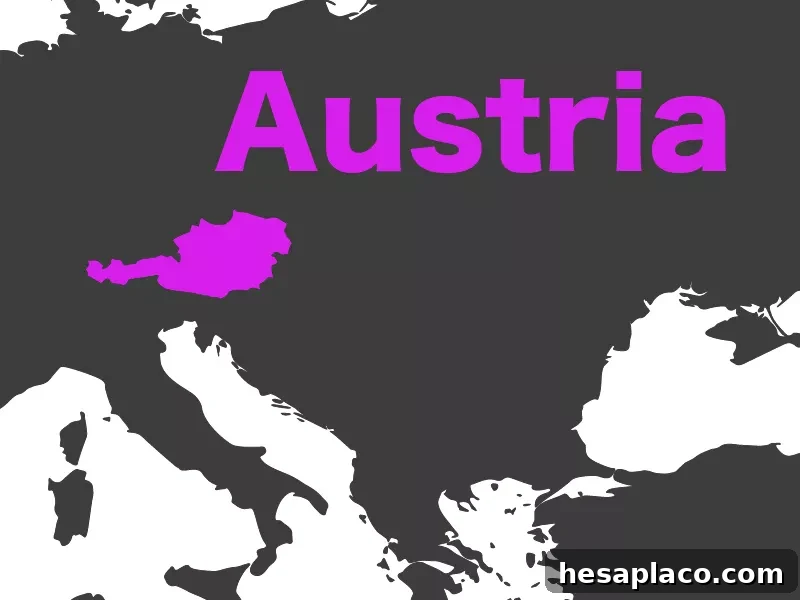
About Austria

Getty Images
Index score (0-100): 44
Population: 8.7 million
GDP per capita: $50,000
Median household income: $34,911
Austria has a developed economy, strong living standards and close economic ties with Germany and other trade partners.
No. 31
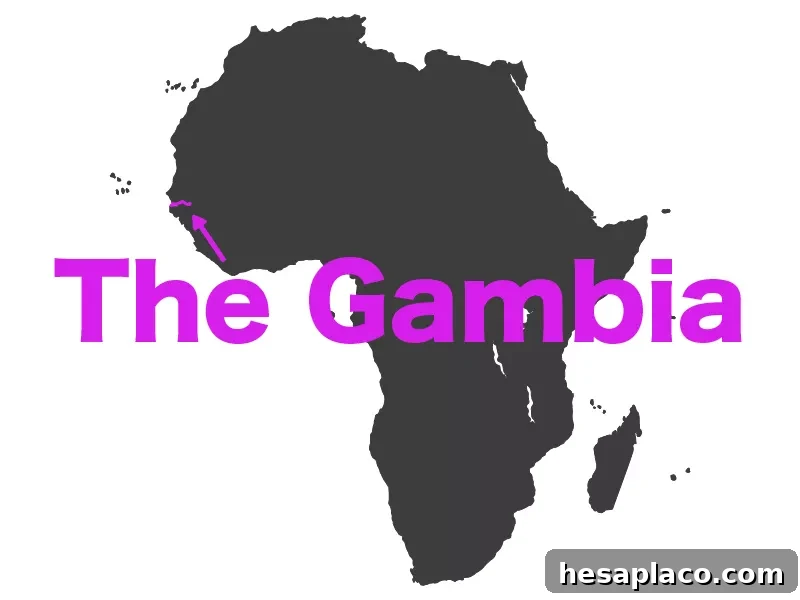
About The Gambia
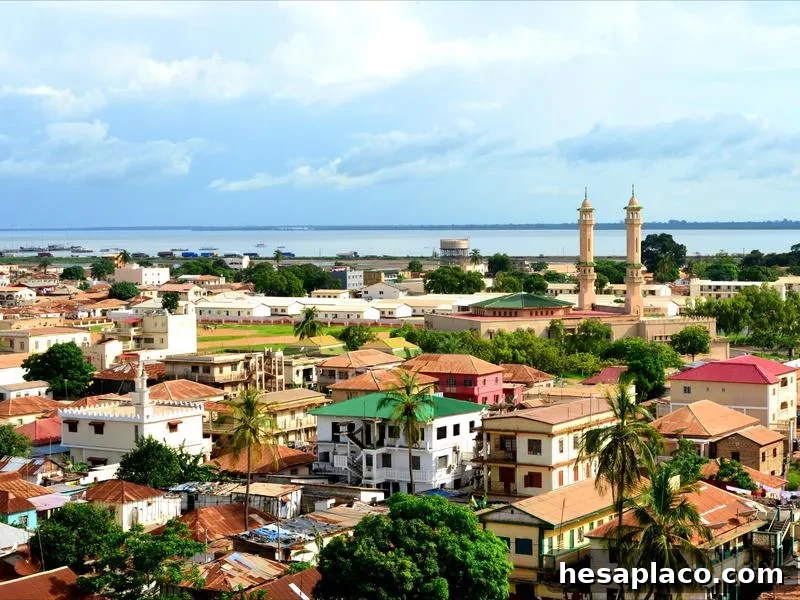
Getty Images
Index score (0-100): 44
Population: 2.1 million
GDP per capita: $2,600
The Gambia is agriculturally dependent with high poverty rates, yet many Gambians report helping strangers and demonstrating strong community generosity.
No. 30
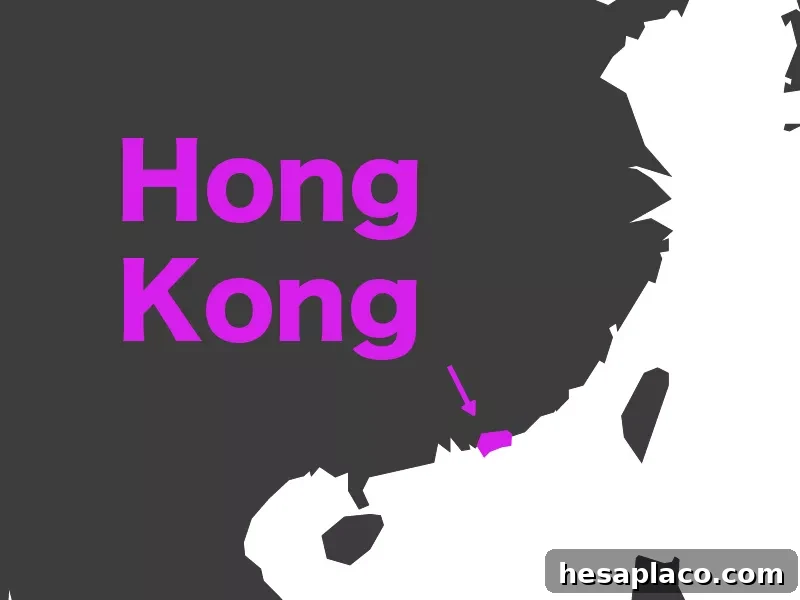
About Hong Kong

Getty Images
Index score (0-100): 44
Population: 7.2 million
GDP per capita: $61,500
Median household income: $35,443
Hong Kong’s open-market economy focuses on international trade and finance. It maintains a high GDP per capita and invests in research, education and technology to support growth and diversification.
No. 29
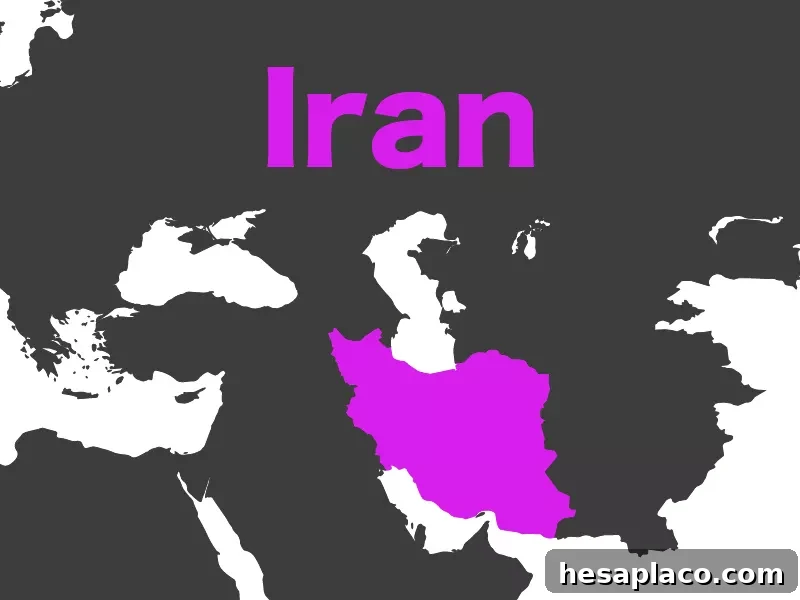
About Iran
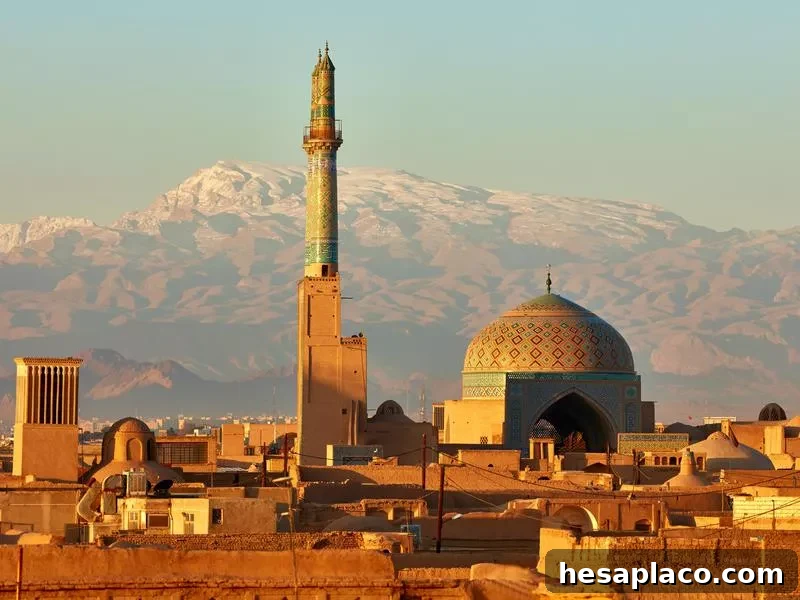
Getty Images
Index score (0-100): 45
Population: 83 million
GDP per capita: $20,100
Median household income: $13,178
Iran’s economy blends oil and gas exports with agriculture and industry. State ownership of many enterprises, corruption and price controls limit private-sector expansion.
No. 28
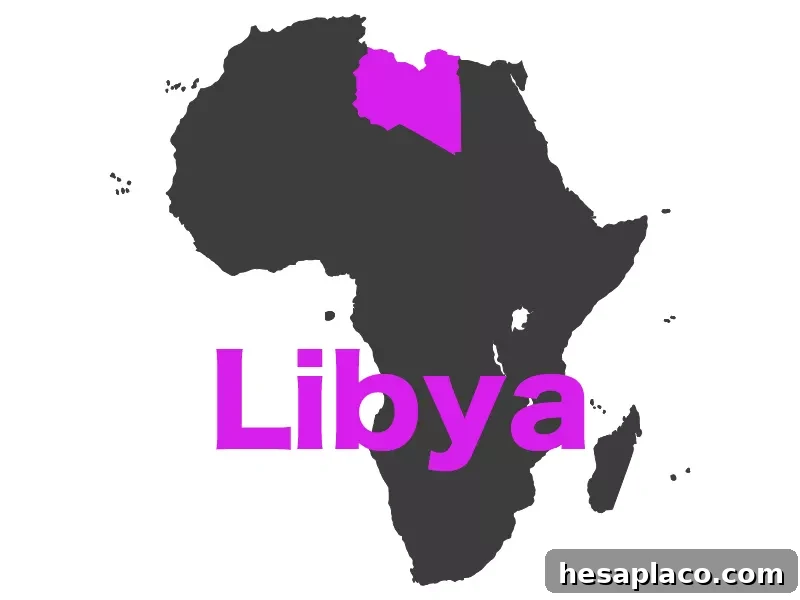
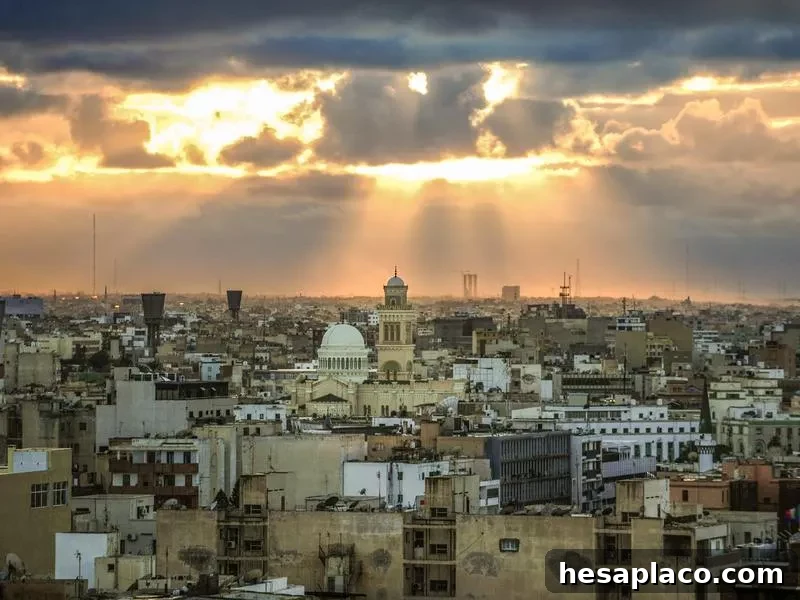
About Libya
Getty Images
Index score (0-100): 45
Population: 6.7 million
GDP per capita: $9,600
Libya’s economy depends heavily on oil, and recent years have seen security challenges and declines in living conditions. Nevertheless, Libyans report very high rates of helping strangers—among the highest in the world.
No. 27
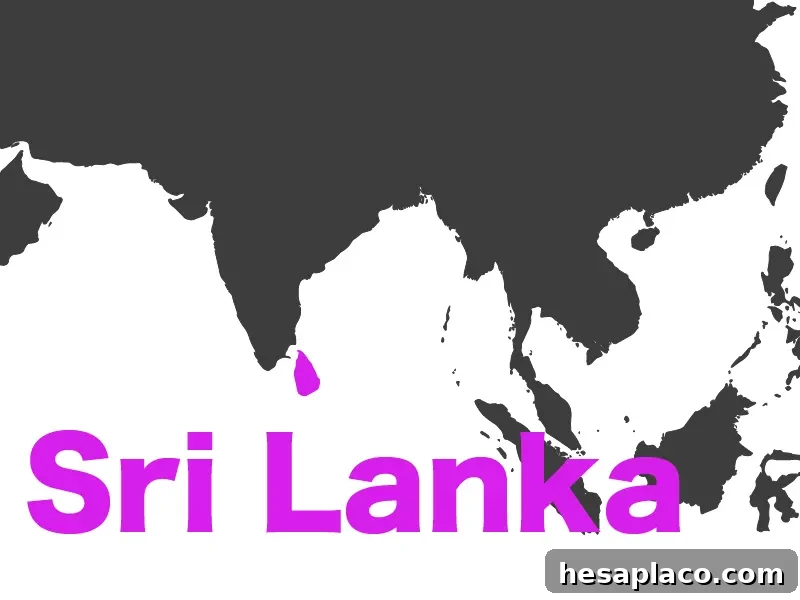
About Sri Lanka

Getty Images
Index score (0-100): 45
Population: 21.4 million
GDP per capita: $12,900
Median household income: $1,385
Sri Lanka continues economic reforms and debt restructuring while working to rebuild reserves. A notable share of the population volunteers their time with organizations.
No. 26
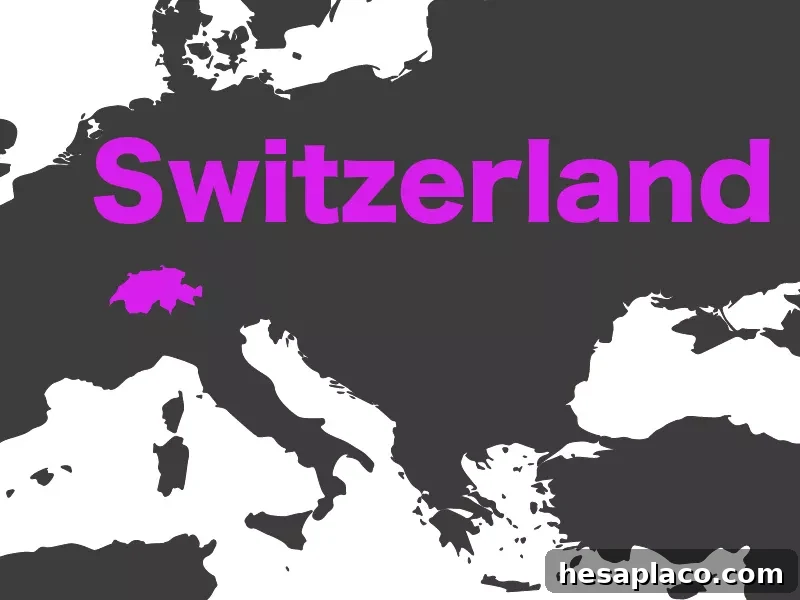
About Switzerland

Getty Images
Index score (0-100): 45
Population: 8.42 million
GDP per capita: $80,189.70
Median household income: $34,608
Switzerland’s modern, service-driven economy and strong financial and manufacturing sectors support high incomes and generous civic participation.
No. 25
Getty Images
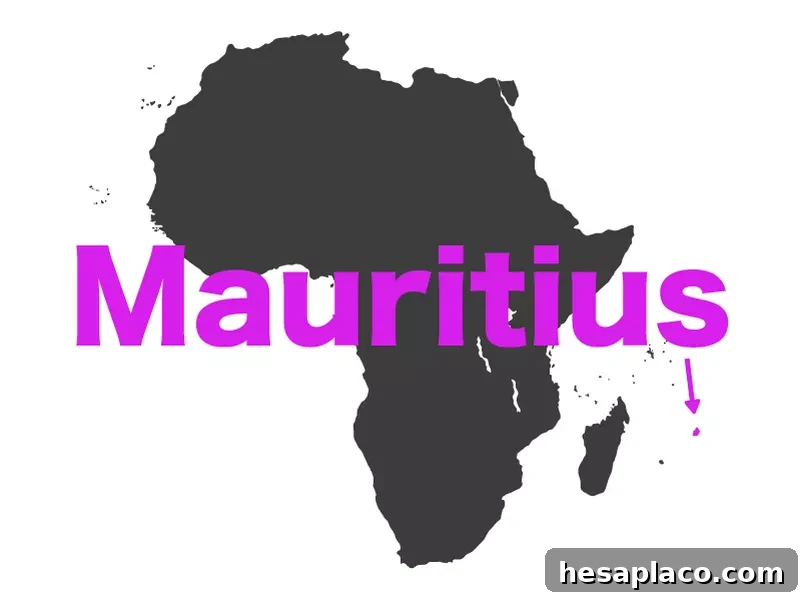
About Mauritius
Index score (0-100): 46
Population: 1.2 million
GDP per capita: $10,490.50
Median household income: $9,922
On this small island nation, a notable share of people volunteer regularly, reflecting strong community engagement despite limited size.
No. 24
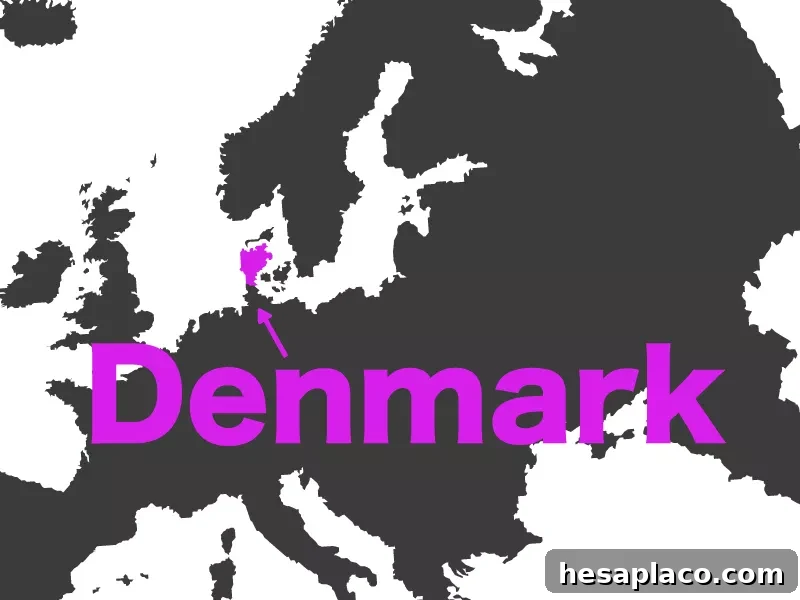
About Denmark
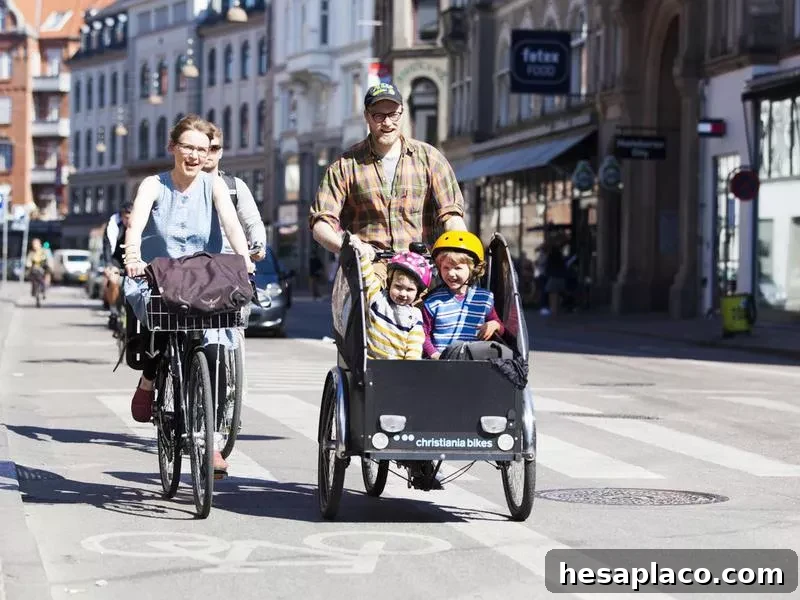
Copenhagen, Denmark Getty Images
Index score: 46
Population: 5.8 million
GDP per capita: $56,307.51
Median household income: $44,360
Denmark’s strong social systems and active labor market policies help reduce poverty and support high levels of civic participation.
No. 23
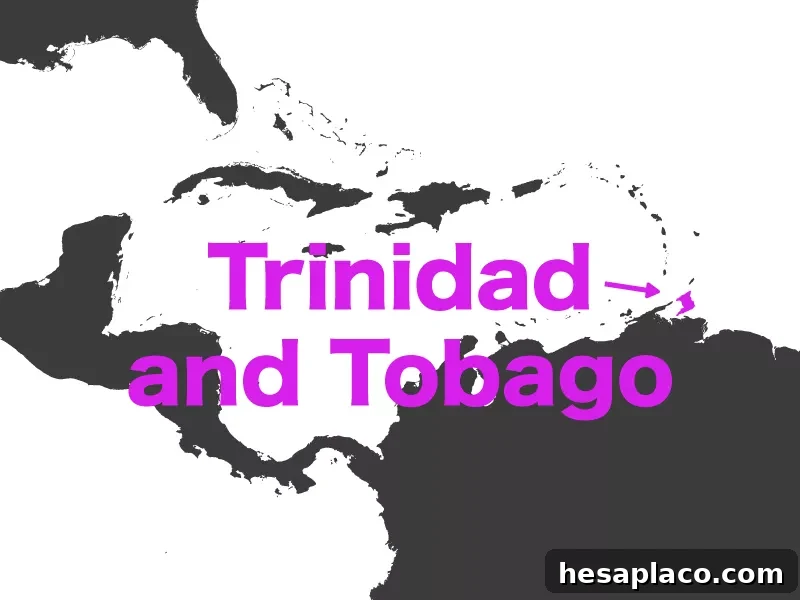
About Trinidad and Tobago
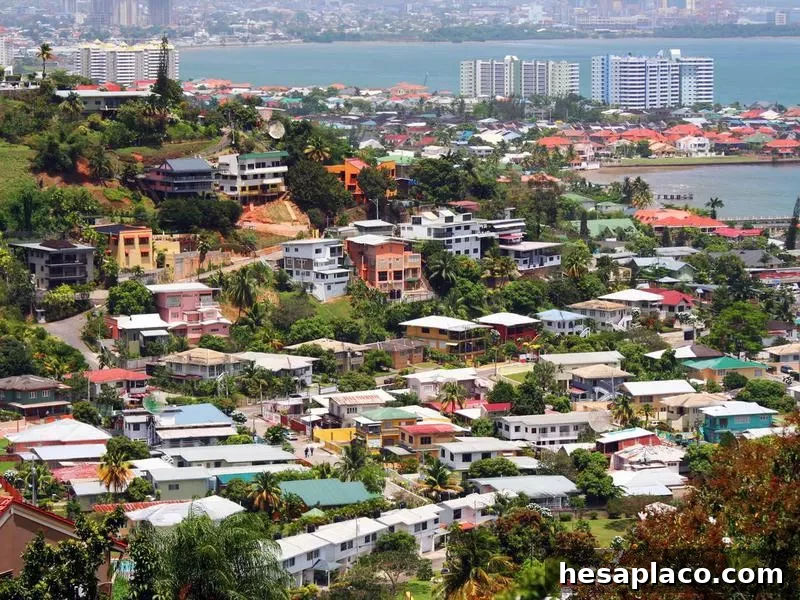
Port of Spain, Trinidad and Tobago Getty Images
Index score: 46
Population: 1.2 million
GDP per capita: $16,126.37
Petroleum and natural gas underpin Trinidad and Tobago’s prosperity, and tourism growth in Tobago adds to national income.
No. 22
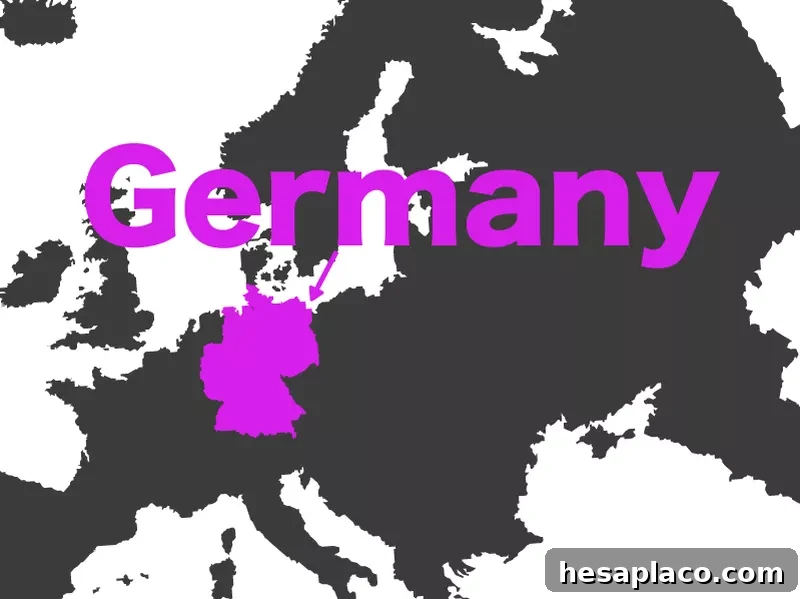
About Germany
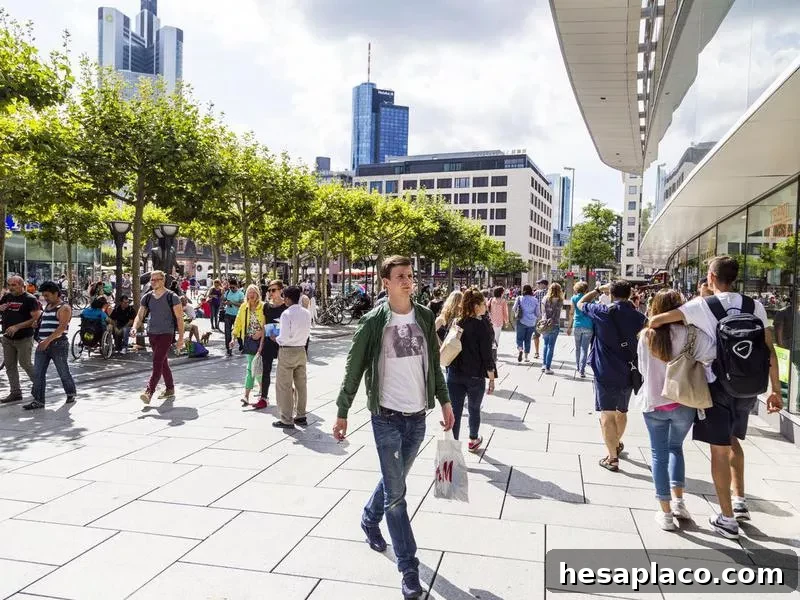
Frankfurt, Germany Getty Images
Index score: 46
Population: 82.8 million
GDP per capita: $44,469.91
Median household income: $33,333
Germany, Europe’s largest economy, benefits from strong investment and exports that support ongoing GDP growth.
No. 21
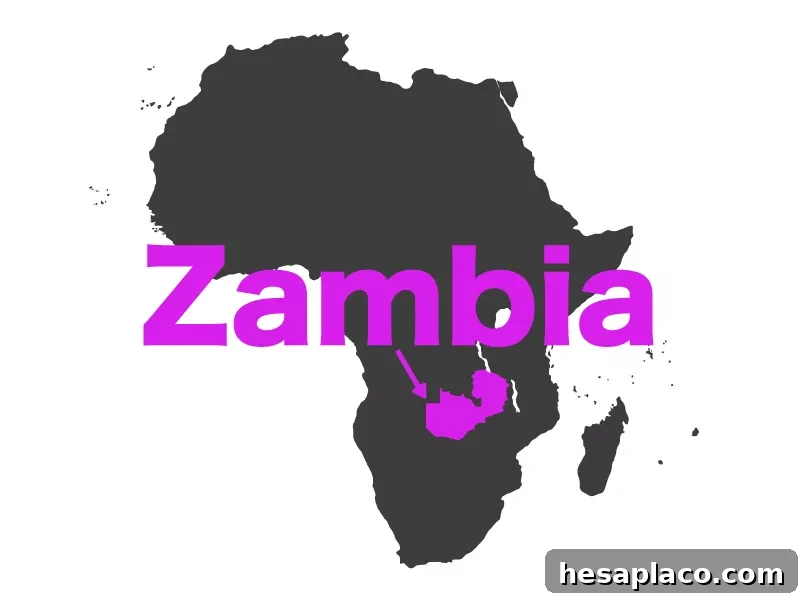
About Zambia
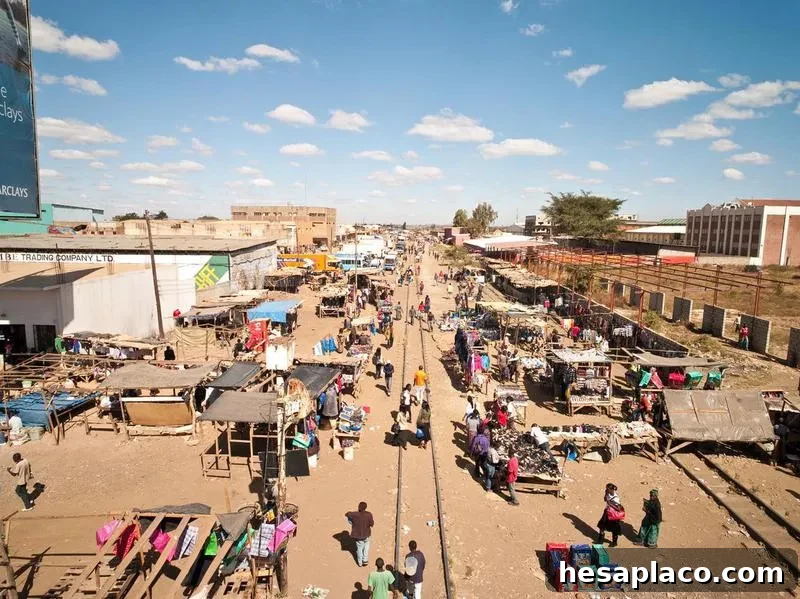
Lusaka, Zambia Getty Images
Index score: 46
Population: 16 million
GDP per capita: $1,513.28
Median household income: $1,501
Zambia’s economy has historically been driven by copper exports. Fluctuations in commodity prices have influenced growth, but improvements in income often correlate with rising civic engagement.
No. 20
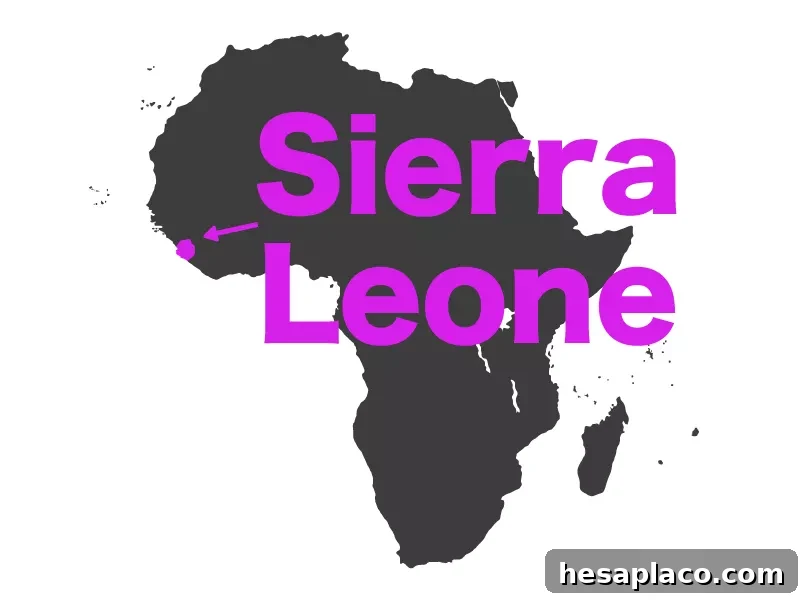
About Sierra Leone
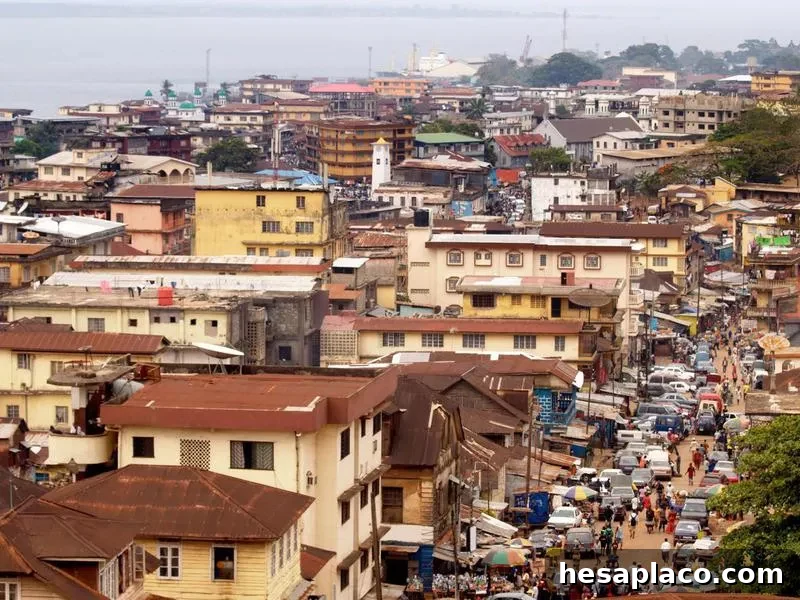
Freetown, Sierra Leone Getty Images
Index score: 47
Population: 6.3 million
GDP per capita: $499.53
Median household income: $2,330
Sierra Leone remains one of the poorest countries, with many people working in agriculture. Despite hardship, Gallup’s survey found very high rates of helping strangers in the month surveyed.
No. 19
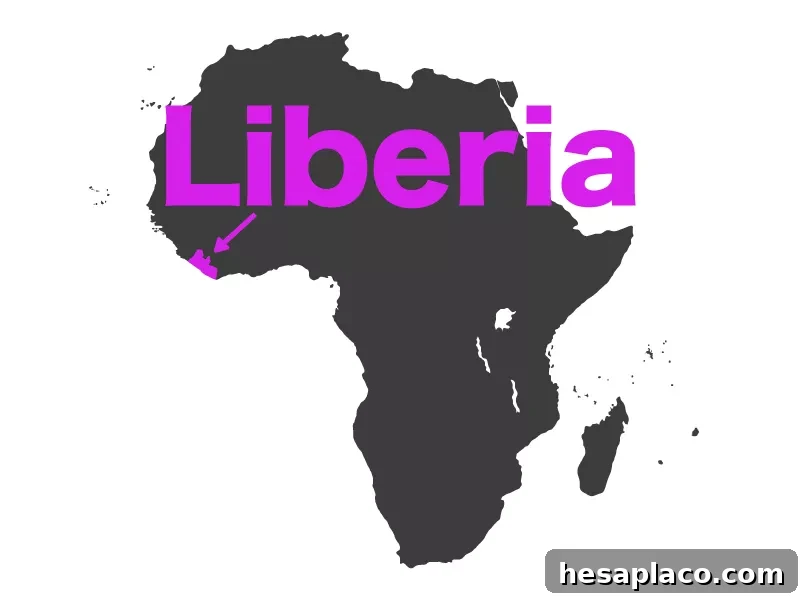
About Liberia
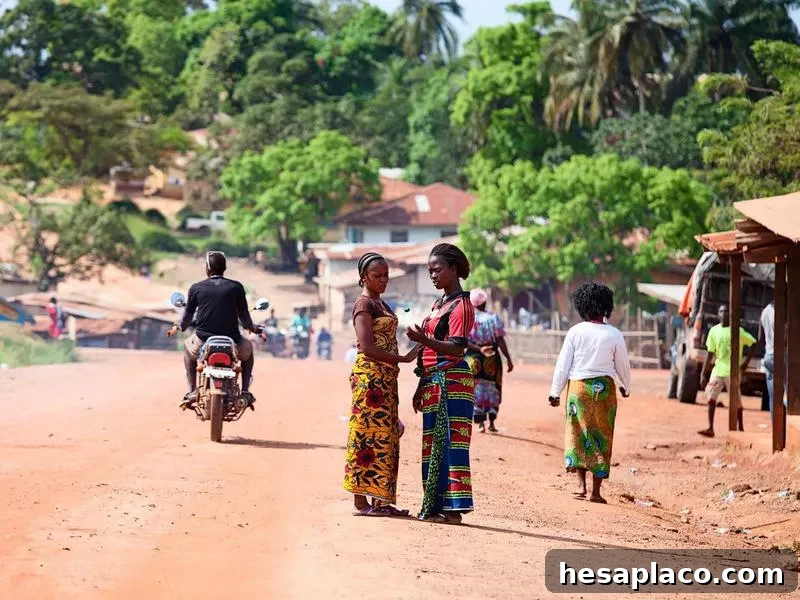
Gbarnga, Liberia Getty Images
Index score: 47
Population: 4.8 million
GDP per capita: $694.32
Median household income: $781
Liberia relies on international aid and natural resources. Many Liberians volunteer and help strangers, with high reported rates of assistance in the survey period.
No. 18
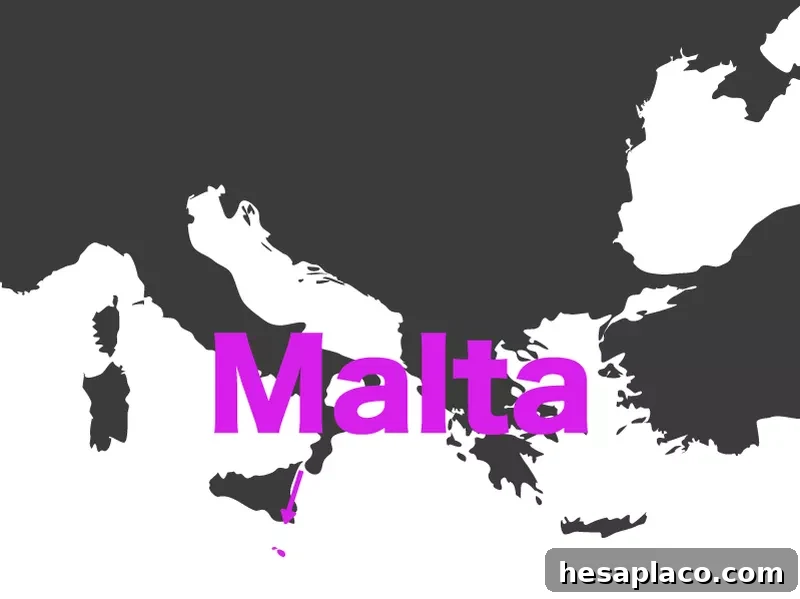
About Malta
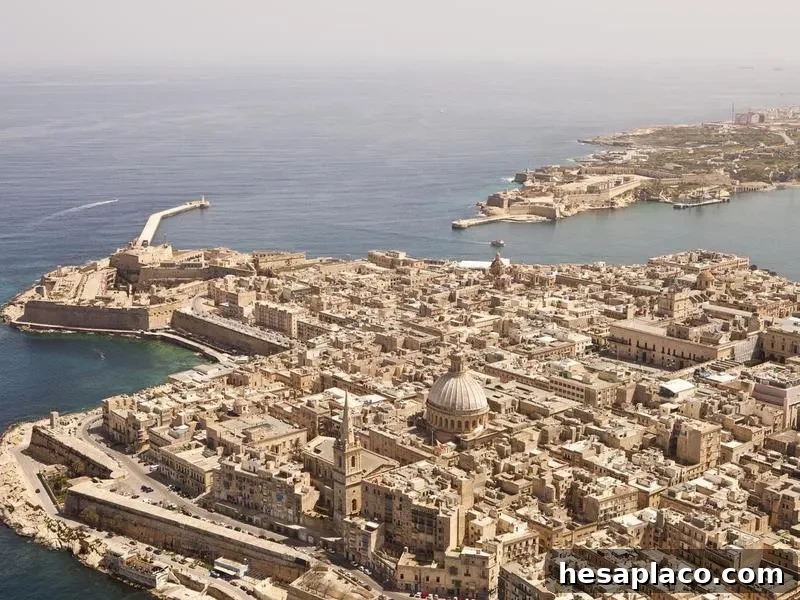
Valletta, Malta Getty Images
Index score: 47
Population: 449,043
GDP per capita: $26,903.82
Median household income: $21,141
Malta’s small economy nonetheless shows strong charitable participation, with a large share of residents reporting recent donations to charity.
No. 17
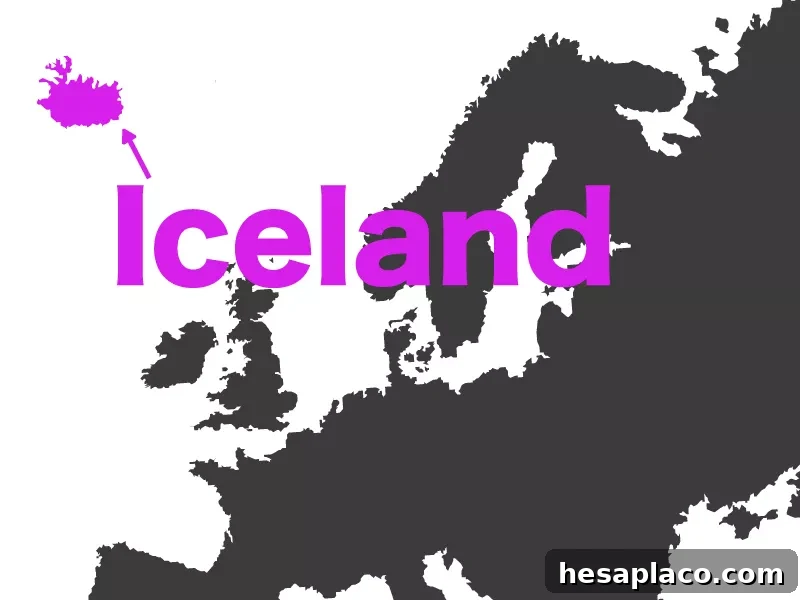
About Iceland
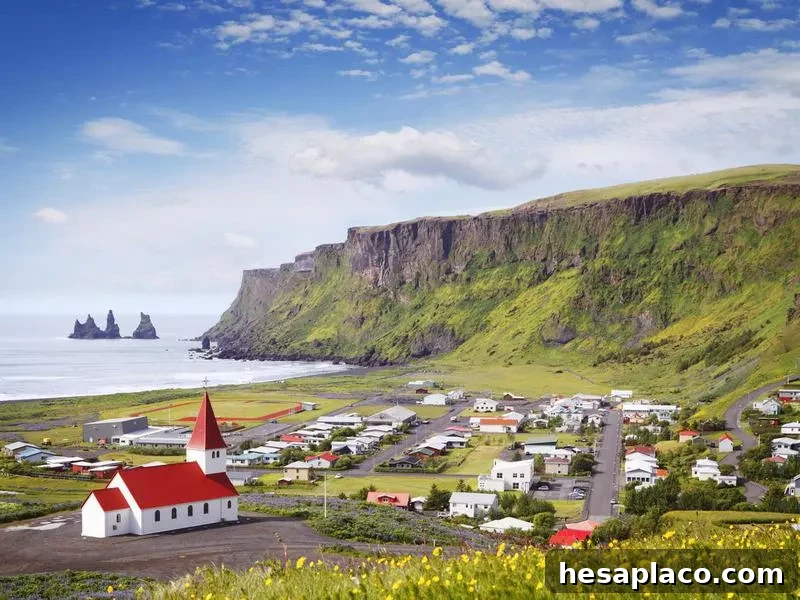
Vík, Iceland Getty Images
Index score: 48
Population: 343,518
GDP per capita: $70,056.87
Median household income: $47,000
Icelanders report high levels of charitable giving, supported by an extensive welfare system and an equitable income distribution.
No. 16
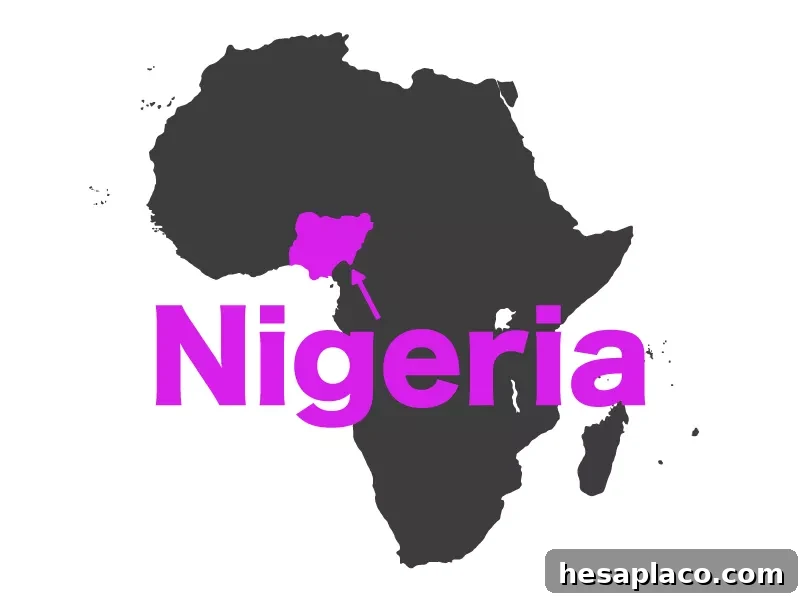
About Nigeria
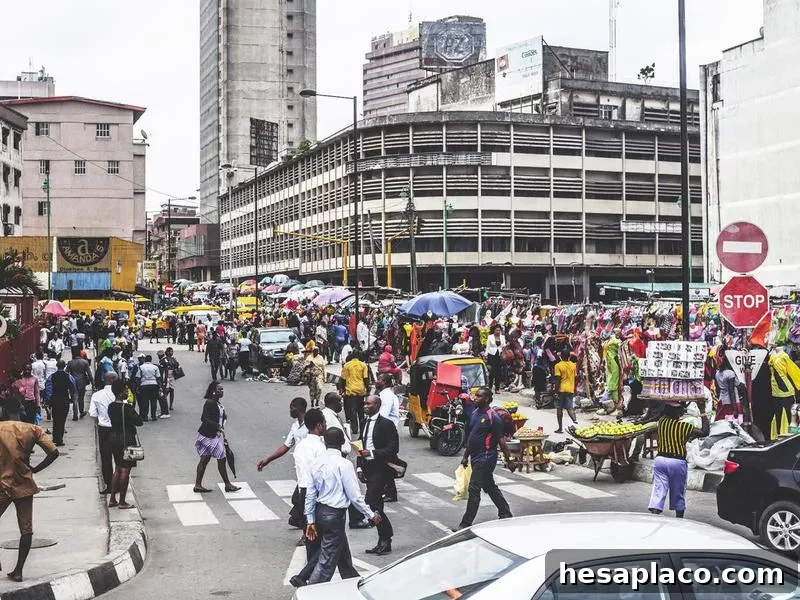
Lagos, Nigeria Getty Images
Index score: 48
Population: 203 million
GDP per capita: $1,968.56
Median household income: $2,667
Nigeria’s economy is oil-dependent and has experienced ups and downs tied to global commodity prices. Rising incomes in some regions are linked with higher civic engagement.
No. 15
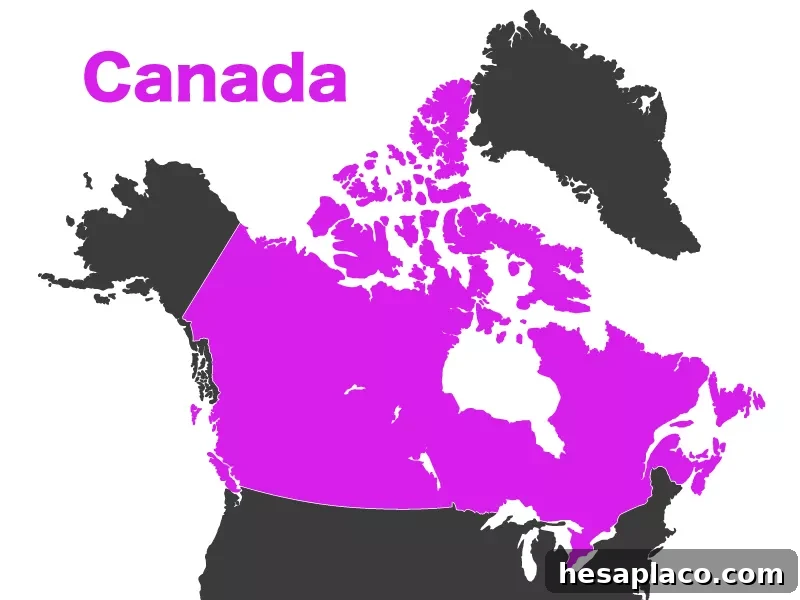
About Canada

Montreal, Canada Getty Images
Index score: 49
Population: 35 million
GDP per capita: $45,032.12
Median household income: $41,280
Canada’s diversified economy and skilled workforce support steady economic activity and high levels of charitable giving and volunteering.
No. 14
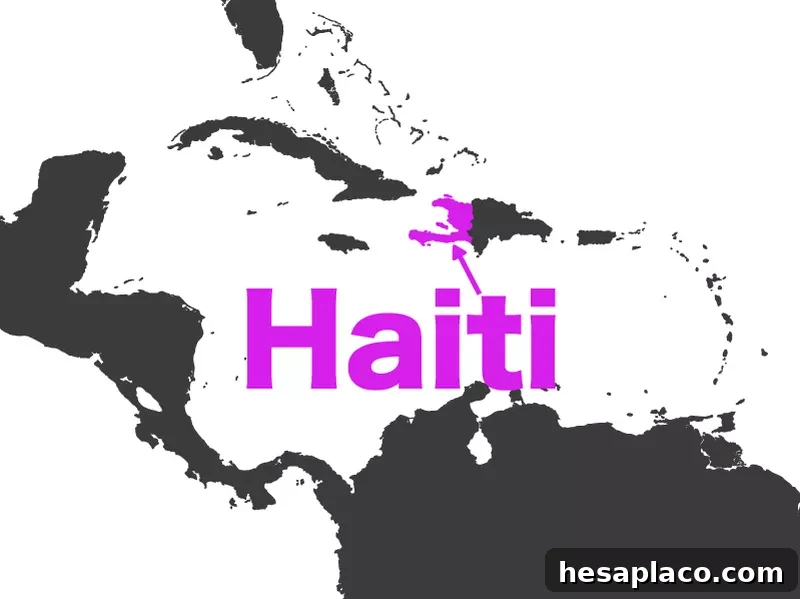
About Haiti
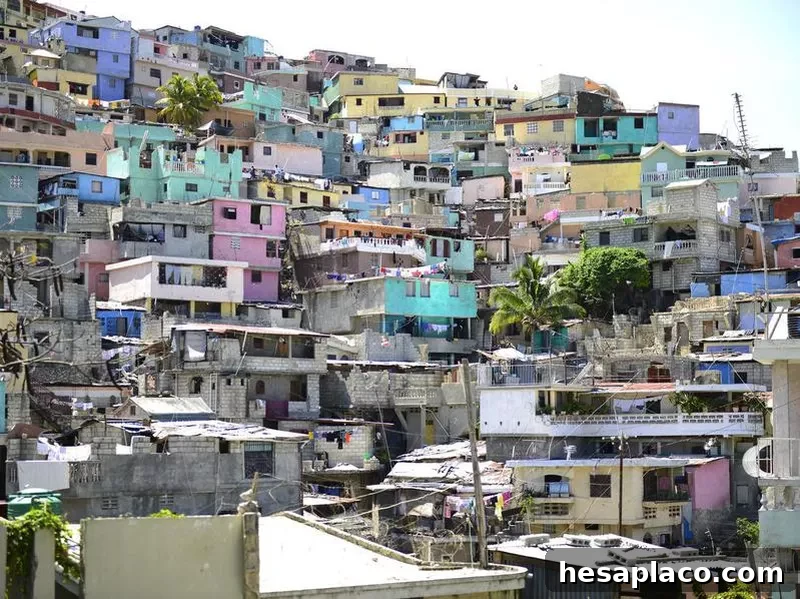
Port-Au-Prince, Haiti Getty Images
Index score: 49
Population: 10 million
GDP per capita: $765.68
Median household income: $2,735
Despite widespread poverty, Haiti ranks relatively high on Gallup’s civic engagement index, illustrating that generosity is not determined solely by wealth.
No. 13
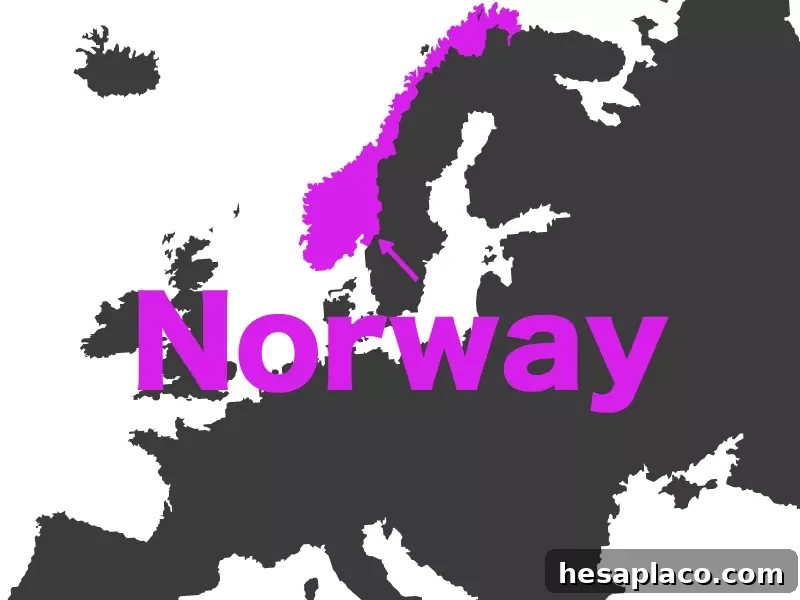
About Norway
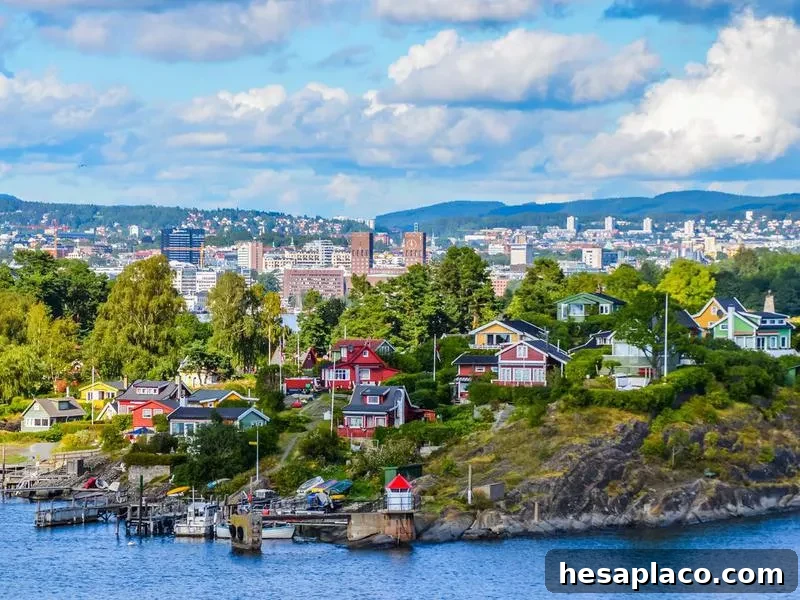
Oslo, Norway Getty Images
Index score: 50
Population: 5 million
GDP per capita: $75,504.57
Median household income: $51,489
Norway’s well-educated population supports a stable economy with high per-capita income and strong charitable participation.
No. 12
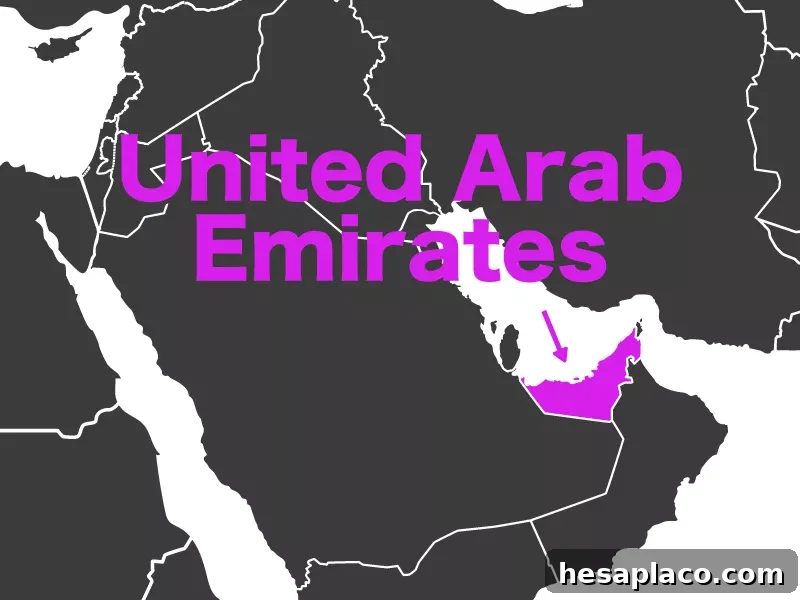
About the United Arab Emirates
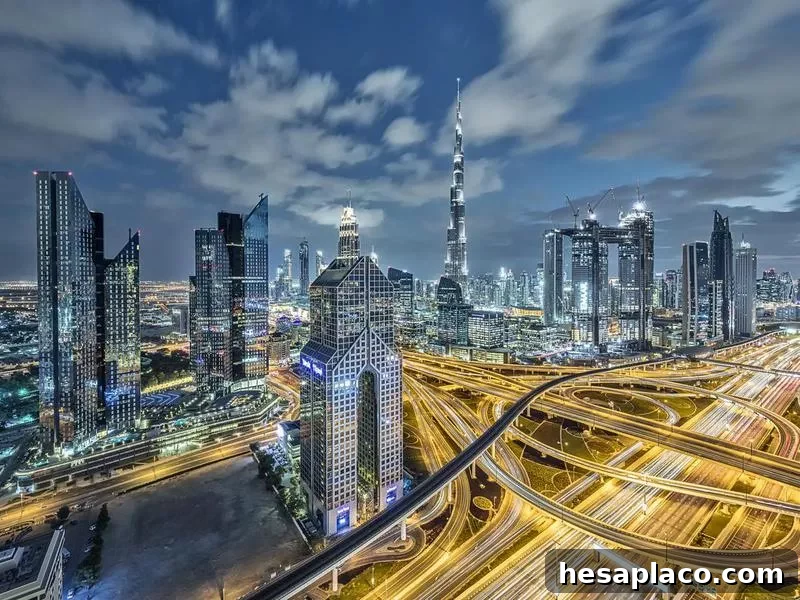
Dubai, United Arab Emirates Getty Images
Index score: 51
Population: 9.7 million
GDP per capita: $40,698.85
Gross national income per capita: $39,130
The UAE’s high per-capita income and trade surplus are supported by diverse resources and substantial foreign investment, factors that correlate with civic engagement.
No. 11
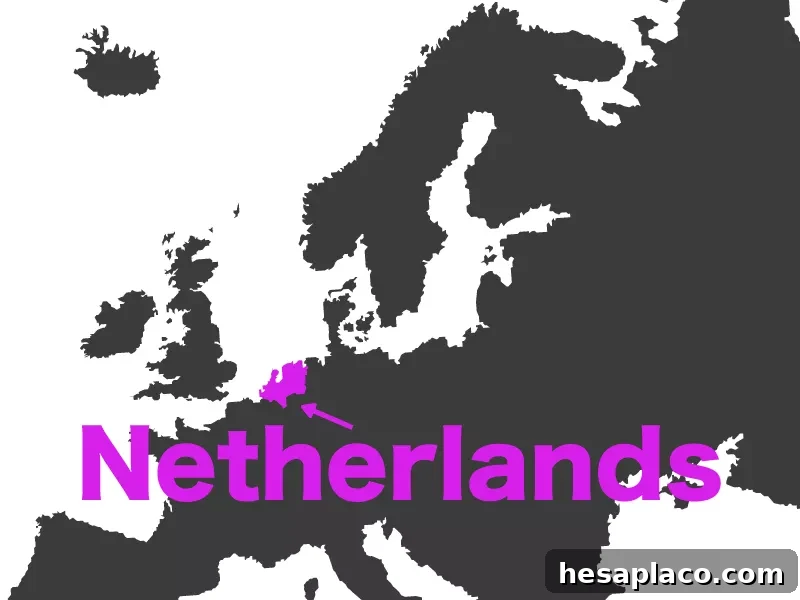
About The Netherlands
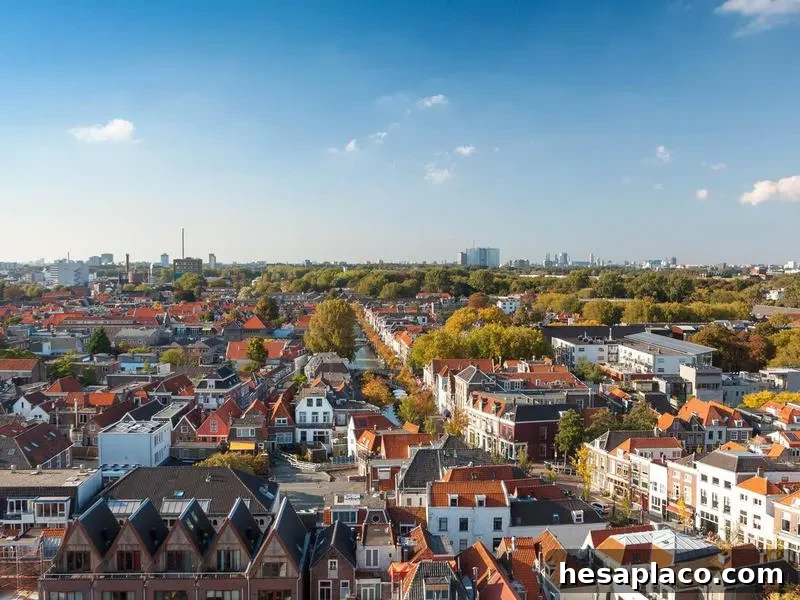
Delft, Netherlands Getty Images
Index score: 51
Population: 17 million
GDP per capita: $48,223.16
Median household income: $38,584
The Netherlands combines a strong export sector with low unemployment and widespread charitable giving among its residents.
No. 10
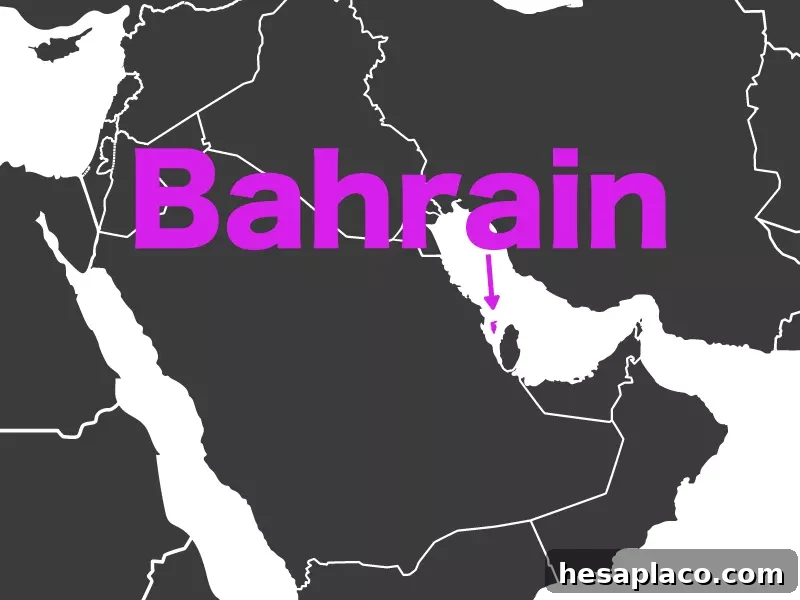
About Bahrain
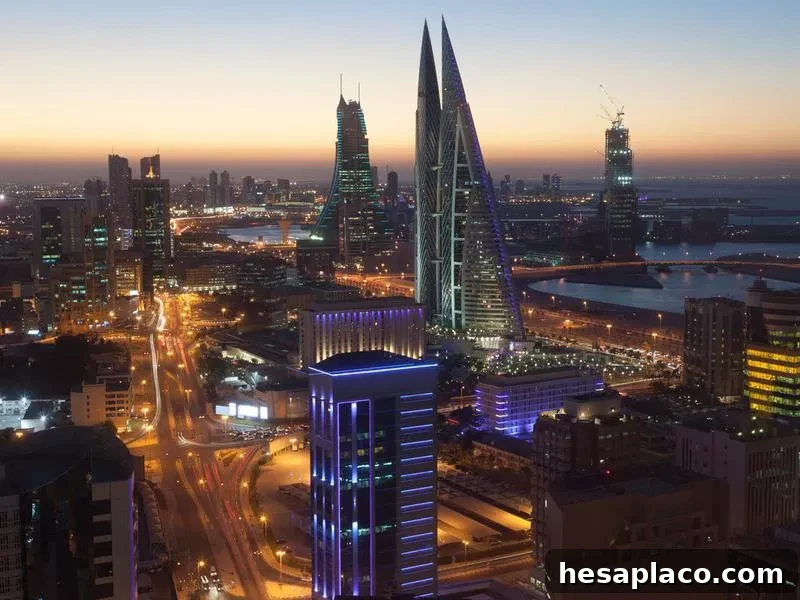
Manama, Bahrain Getty Images
Index score: 53
Population: 1.4 million
GDP per capita: $23,655.04
Median household income: $24,633
Bahrain’s economy centers on oil and gas, and many residents report helping strangers in need, reflecting high civic engagement in daily life.
No. 9
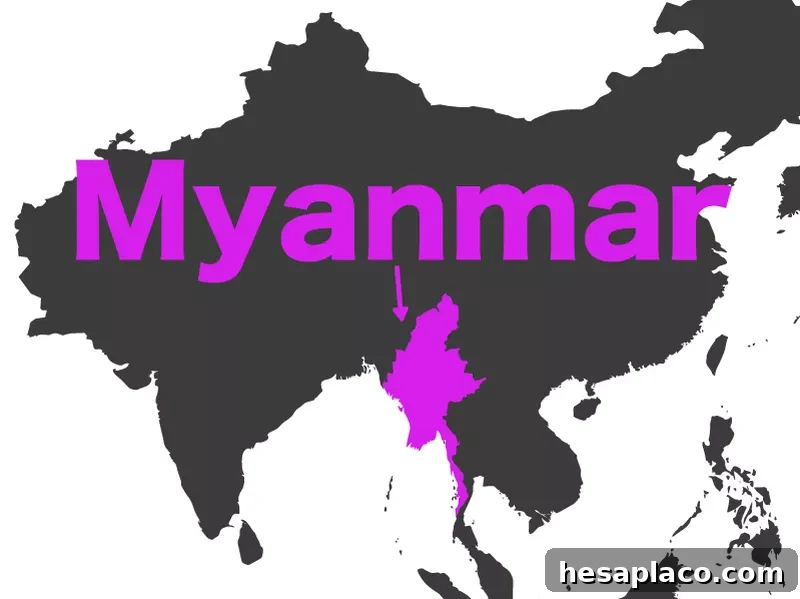
About Myanmar
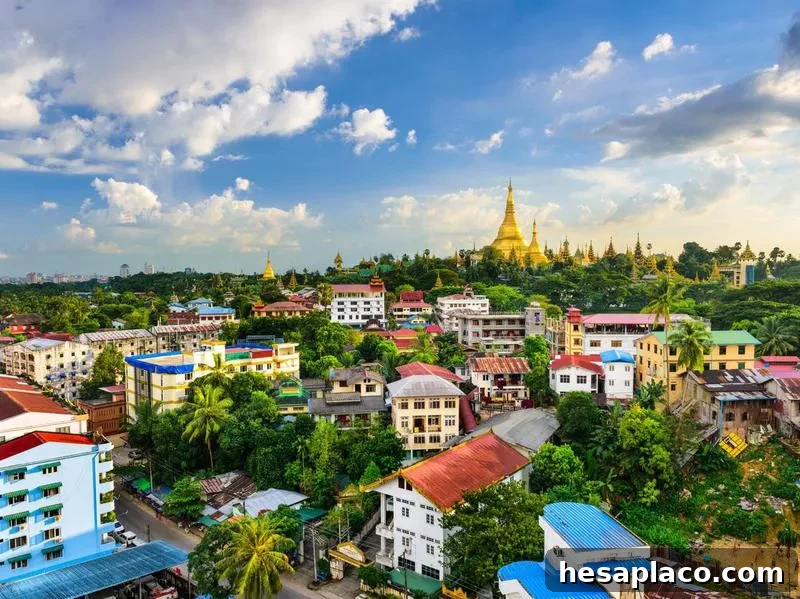
Yangon, Myanmar Getty Images
Index score: 54
Population: 53.4 million
GDP per capita: $1,256.66
Gross national income per capita: $1,270
Myanmar regularly ranks near the top of Gallup’s generosity lists. The percentage of people donating to charity has remained very high in recent years, and a large share of the population reports helping strangers.
No. 8
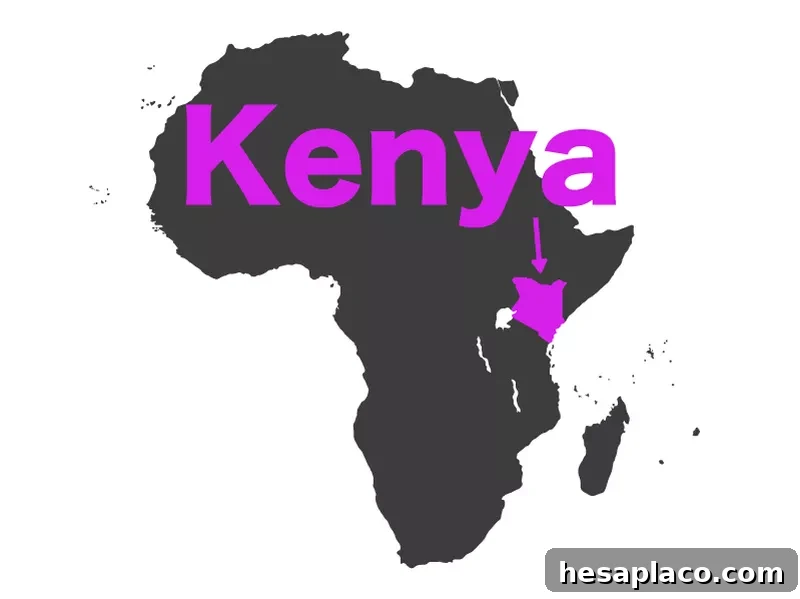
About Kenya
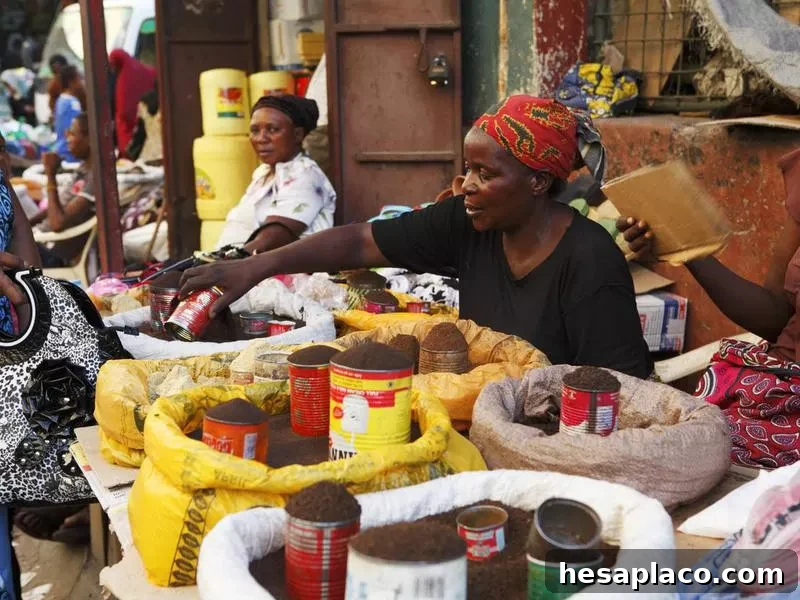
Mombasa, Kenya Getty Images
Index score: 54
Population: 48 million
GDP per capita: $1,594.83
Median household income: $1,870
Kenya ranks highly on the civic engagement index despite lower average incomes. Many respondents reported volunteering and helping strangers.
No. 7
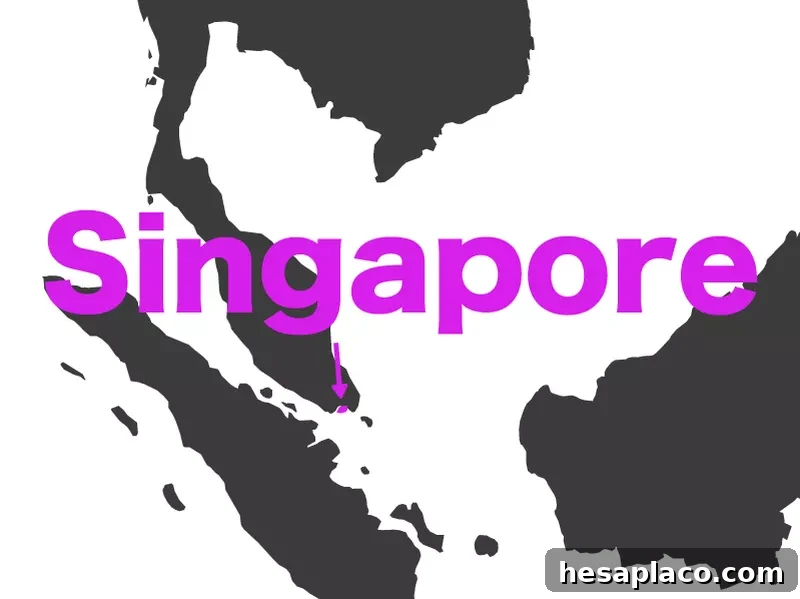
About Singapore
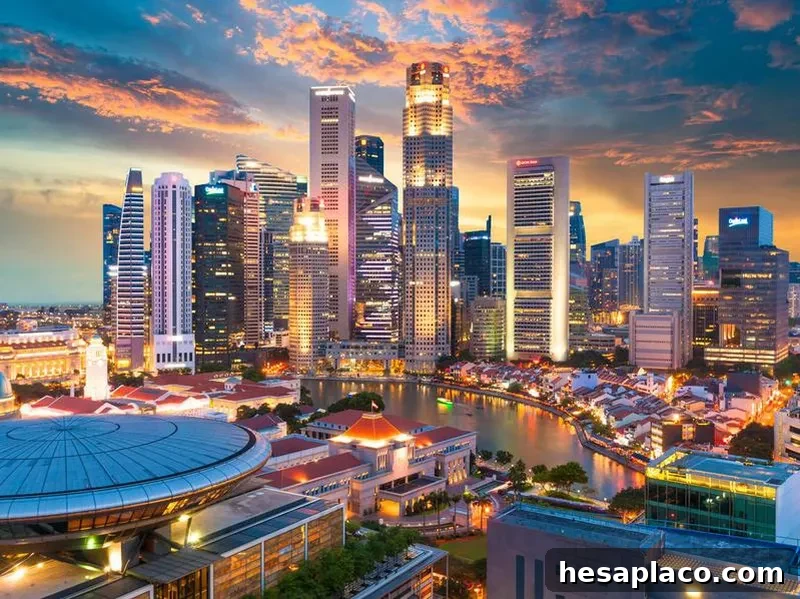
Singapore Getty Images
Index score: 54
Population: 5.9 million
GDP per capita: $57,714.30
Median household income: $32,360
Singapore’s high-income, service-oriented economy supports charitable activity and volunteering among residents.
No. 6

About the United Kingdom

Edinburgh, Scotland, UK Getty Images
Index score: 55
Population: 61 million
GDP per capita: $39,720.44
Median household income: $31,617
The UK shows strong charitable giving and volunteering, with many residents reporting recent donations and help to strangers.
No. 5
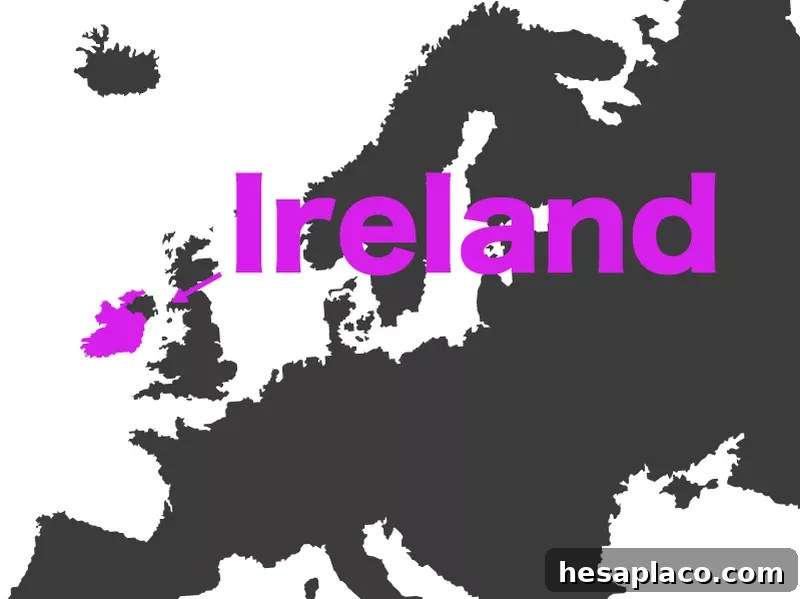
About Ireland
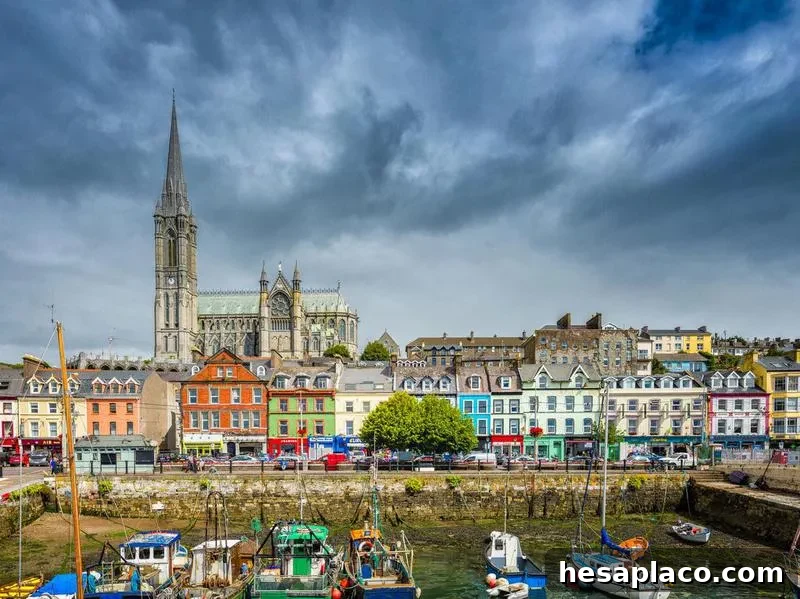
Cobh, Ireland Getty Images
Index score: 56
Population: 5 million
GDP per capita: $69,330.69
Median household income: $52,000
Ireland’s rebound from past debt challenges has left residents better positioned to give time and money, with high reported rates of donations and volunteering.
No. 4
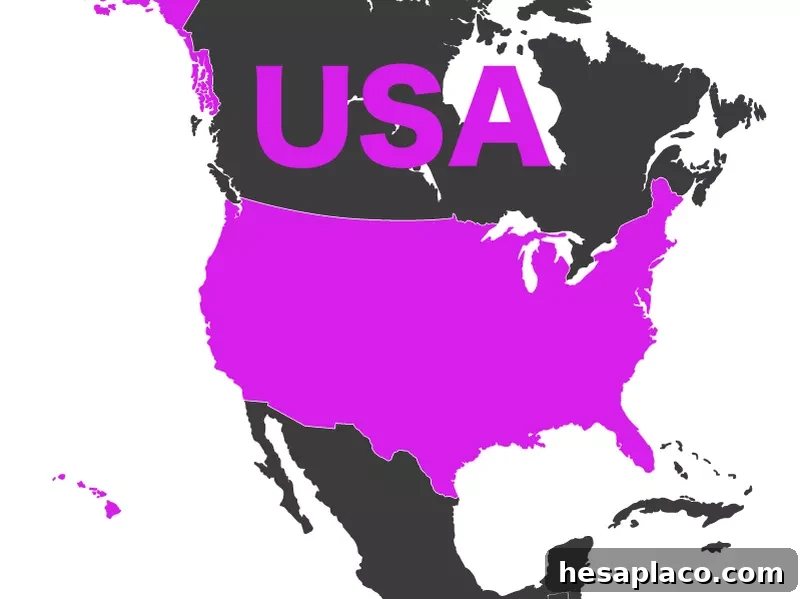
About the United States

Cincinnati, Ohio, United States Getty Images
Index score: 58
Population: 329 million
GDP per capita: $59,531.66
Median household income: $43,585
Americans donated about $410 billion in 2017, roughly 2.1% of GDP. High shares of the population report helping strangers and volunteering.
No. 3
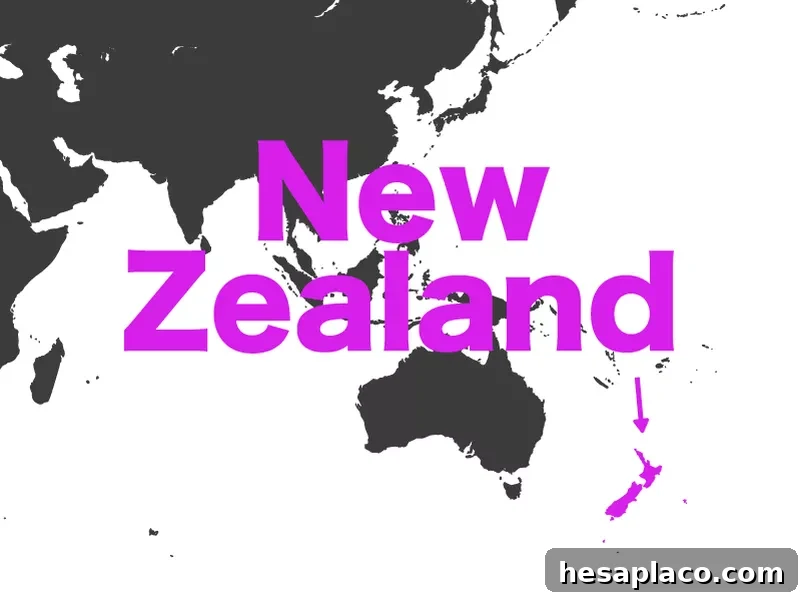
About New Zealand

Wellington, New Zealand Getty Images
Index score: 58
Population: 4.5 million
GDP per capita: $42,940.58
Median household income: $35,562
New Zealand ranks among the top countries for charitable giving and volunteering, with substantial shares of the population reporting recent donations and volunteer work.
No. 2
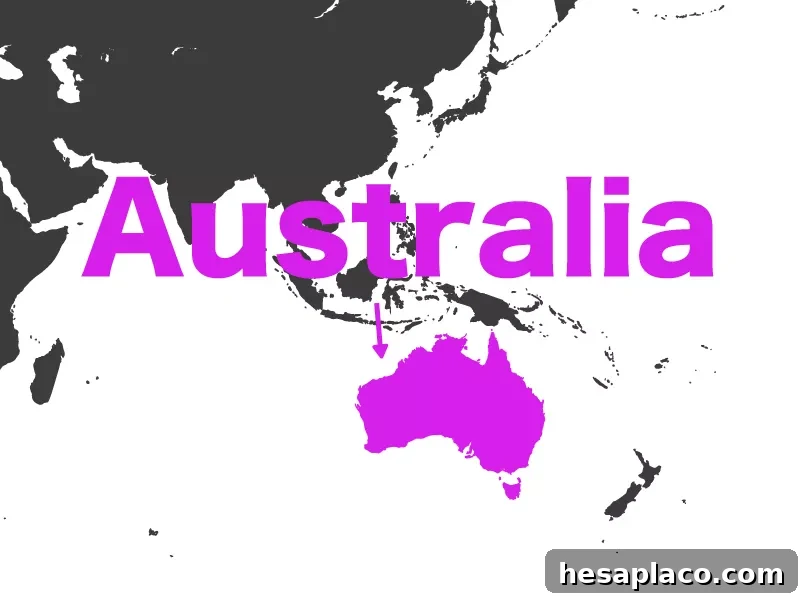
About Australia

Melbourne, Australia Getty Images
Index score: 59
Population: 23 million
GDP per capita: $53,799.94
Median household income: $46,555
Australia consistently ranks highly on civic engagement. Large shares of Australians report donating to charity and volunteering, supported by a strong economy and low unemployment.
No. 1
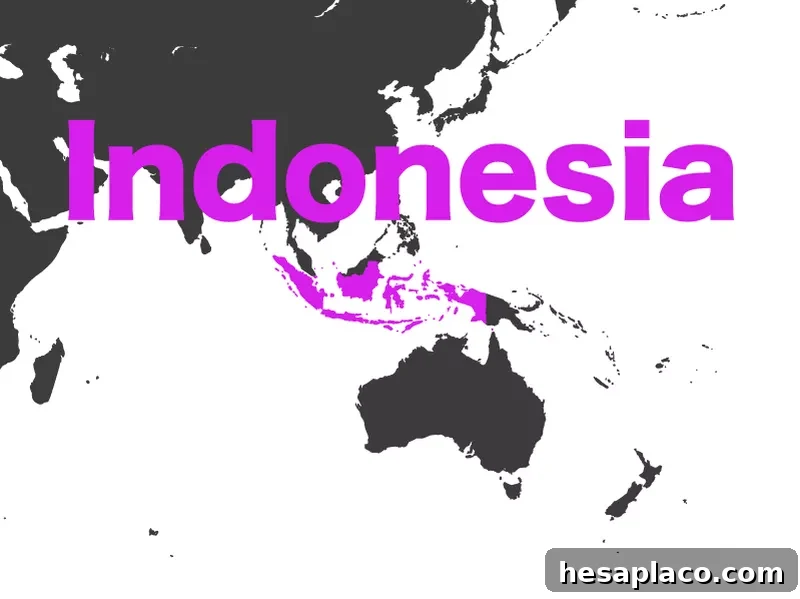
About Indonesia

Kampung Pelangi, Semarang, Central Java, Indonesia Getty Images
Index score: 59
Population: 262 million
GDP per capita: $3,846.86
Median household income: $2,199
Indonesia, the largest economy in Southeast Asia, tops Gallup’s civic engagement index in this ranking. Many Indonesians report volunteering and donating: a higher share volunteered in the previous month than in any other country surveyed, and a large majority reported giving money to charity.