
“The Simpsons” stands as one of the most iconic animated series ever created. It is also among the longest-running TV shows — entering its 31st season in late 2019 — and one of the most commercially successful entertainment properties in history. Over more than three decades, the franchise has expanded into toys, video games, apparel, DVDs, costumes and an immense variety of memorabilia. This article examines the finances behind “The Simpsons,” covering production costs, advertising rates, cast salaries, revenue streams and notable legal disputes.
Cost Per Episode

Fox / IMDB
In 2011, estimates placed the production cost of a single episode of “The Simpsons” at a minimum of $5 million. With typical seasons delivering about 22 episodes, that equated to at least $110 million per year — a considerable figure for a 23-minute animated program. By comparison, some dramatic live-action shows at the time incurred similar per-episode costs for a full hour of content. Over subsequent years, production expenses decreased as contract negotiations and restructuring altered the show’s financial model.
Advertising Cost

Fox / IMDB
Popularity drives advertising demand, and “The Simpsons” has long been an attractive property for advertisers. At its commercial peak, the show generated substantial ad revenue; for example, in 2008 the franchise pulled in hundreds of millions annually from advertising and merchandising. According to trade reporting, by 2018 a 30-second commercial during “The Simpsons” cost around $162,725. That price positioned the series alongside many network scripted shows in terms of ad value, though it was below the top-priced programs of the period.
A History of Pay

Fox / IMDB
When “The Simpsons” began, principal voice actors earned modest per-episode fees, typically between $5,000 and $30,000. After a decade of success, the cast negotiated higher compensation and sought a share of merchandising revenue. In the late 1990s, Fox agreed to significant raises, and through the early 2000s the main cast’s pay rose substantially — at one point reaching six figures per episode. Over the years, multiple renegotiations and disputes led to periodic increases, stagnation and later reductions as the network sought to manage costs for a long-running series.
Pay Cuts
Fox / IMDB
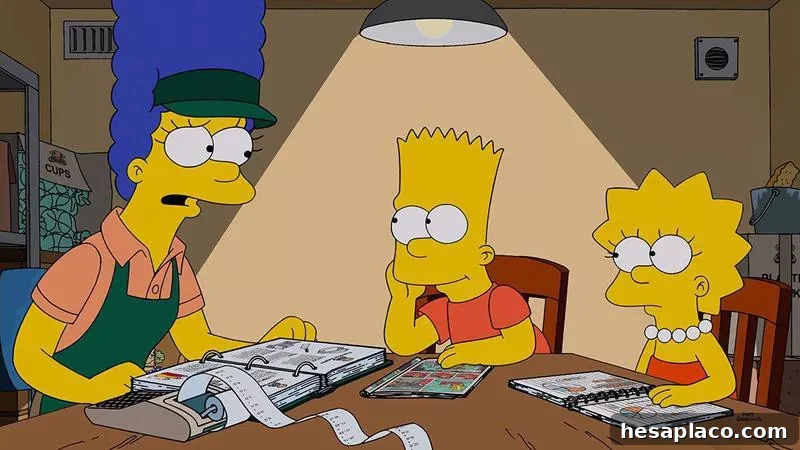
By 2011, Fox signaled concerns about the show’s expense structure and entered tough negotiations with the voice cast. Executives sought substantial concessions to sustain future seasons. The cast ultimately agreed to reduced per-episode pay in exchange for continued production; their new agreements lowered salaries from peak levels to a smaller figure that allowed the show to continue. These cost-containment moves were driven by the need to balance creative continuity with long-term financial viability.
No Raises for 8 Years

Fox / IMDB
Disputes over compensation continued intermittently. In 2015, a prominent cast member publicly threatened to leave over pay, prompting studio warnings that roles could be recast. Ultimately, cast members remained with the series under existing terms. For years following those negotiations, the main voice actors received the same per-episode pay, with raises remaining limited or nonexistent — a dynamic that drew commentary from critics who felt the show’s creative quality had declined over time.
Tapping Out the Cash
EA / IMDB
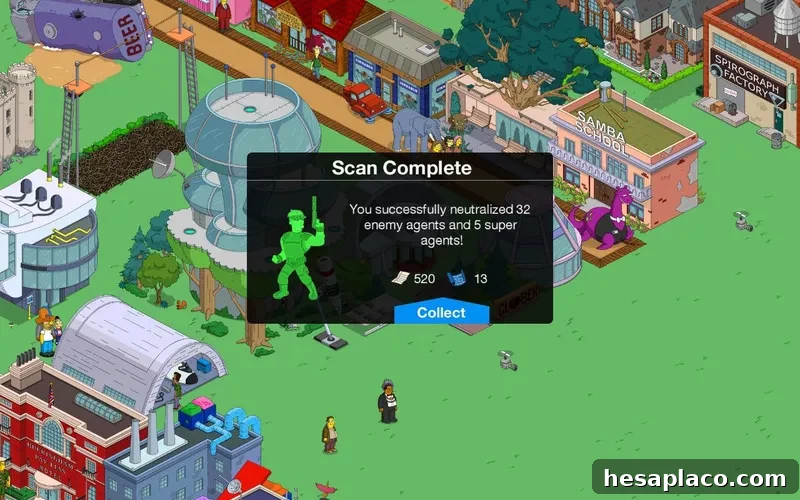
Beyond television and film, the franchise has generated large sums from digital products. The mobile game “The Simpsons: Tapped Out,” released by Electronic Arts, proved highly profitable. In its early years it brought in over $130 million of reported revenue in a relatively short window; ongoing earnings since that reporting period have added substantially to the franchise’s digital revenue stream.
Big Bucks from ‘The Simpsons Movie’

Fox / IMDB
In 2007, Fox released “The Simpsons Movie,” the franchise’s first full-length feature. Produced on a reported budget of about $75 million, the film grossed approximately $527 million worldwide, demonstrating the brand’s strong box-office appeal when positioned as a theatrical event.
FX Pays a Monty Burns-Sized Lump for ‘Simpsons’ Episodes

Fox / IMDB
In 2013, FX Network acquired off-network cable and video-on-demand rights to the Simpsons library in a major deal reported around $750 million for a decade of access — one of the largest such syndication agreements at the time. Later corporate mergers and acquisitions led the show’s catalog to move under new ownership, and streaming arrangements evolved accordingly, with exclusive streaming placed on a major platform.
The Tracy Ullman Lawsuit
Fox / IMDB
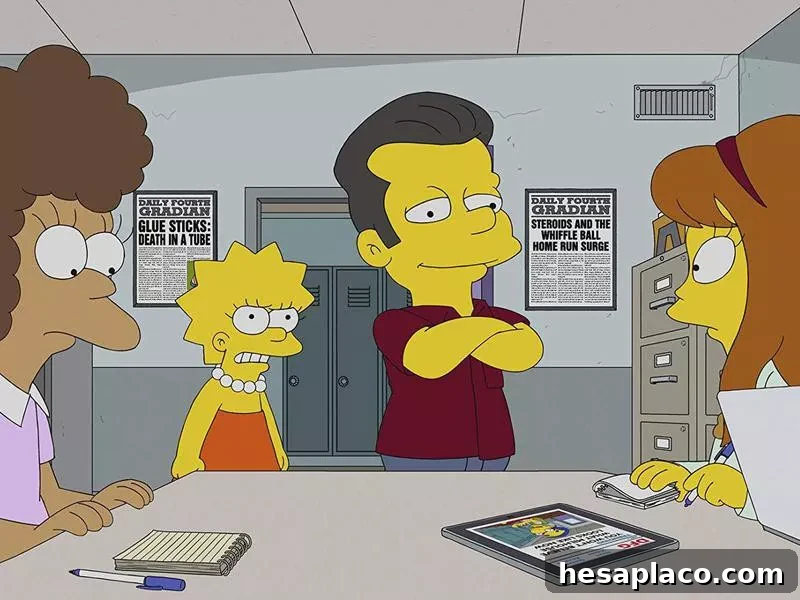
Legal issues have touched the series at several points. One early case involved Tracey Ullman, whose variety show hosted the original Simpsons shorts. Ullman contended that contractual language entitled her to a portion of net receipts from characters that appeared on her show. She sued in the early 1990s seeking a share of revenue from licensing, but the court dismissed the claim.
What Are You, a Wiseguy?
Fox / IMDB
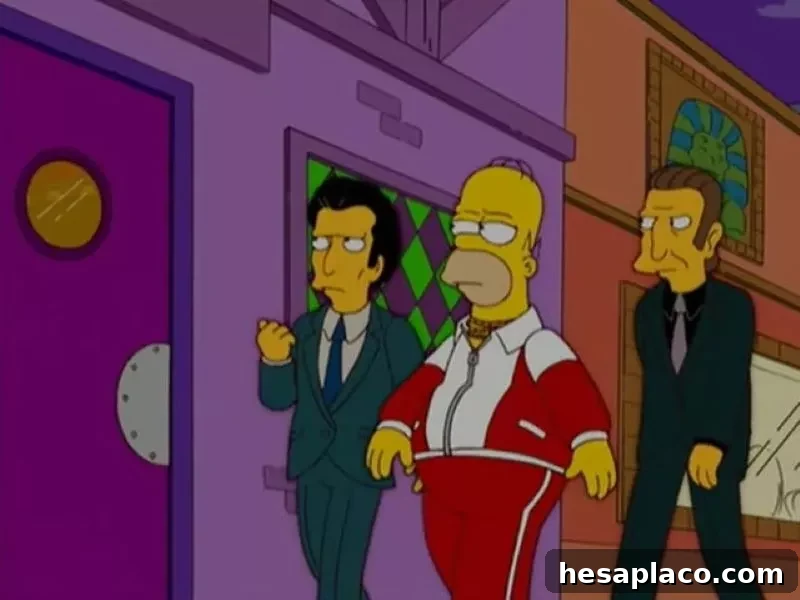
In 2014, actor Frank Sivero filed a lawsuit claiming that a minor mobster character in “The Simpsons” was based on his likeness and sought substantial damages. Courts later dismissed the complaint, and an appeals court rejected a renewed attempt to revive the case. The litigation illustrates recurring claims that fictional characters borrow from real-life figures, and how such suits often face high legal thresholds.
Ageism?

Fox / IMDB
In 2019, long-time composer Alf Clausen filed a wrongful-termination suit alleging age discrimination after being replaced in 2017. Clausen had composed music for the series for decades. The lawsuit raised questions about personnel changes on long-running shows and workplace practices when staffing shifts involve older, established contributors.
Fox Threatened to Sue itself Over ‘The Simpsons’
Fox / IMDB
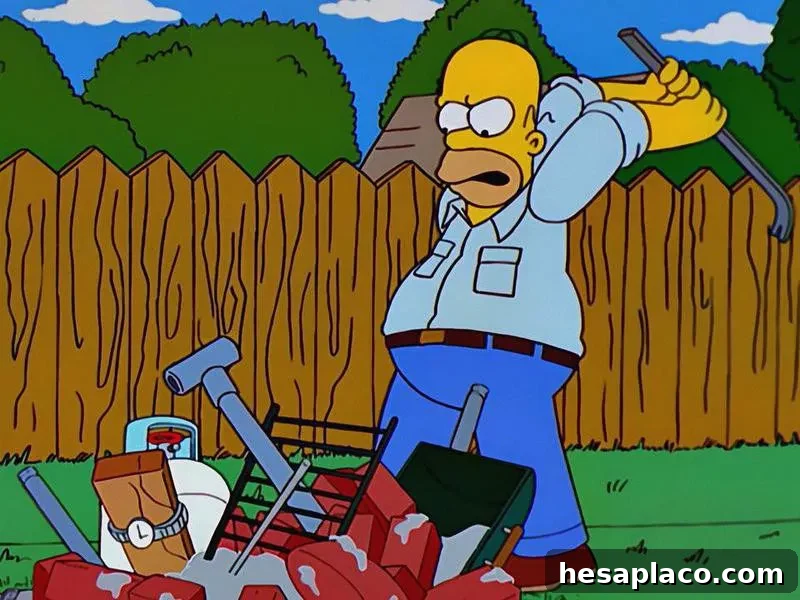
In one notable behind-the-scenes anecdote, a network division objected to a satirical gag in an episode that mocked a cable news channel’s headlines. Reports suggested that the news division threatened legal action over the parody, creating the odd spectacle of one corporate arm threatening another. The dispute ended without a lawsuit, though it prompted limits on how certain on-screen elements could be used in future episodes.
The Lego Partnership
Fox / IMDB
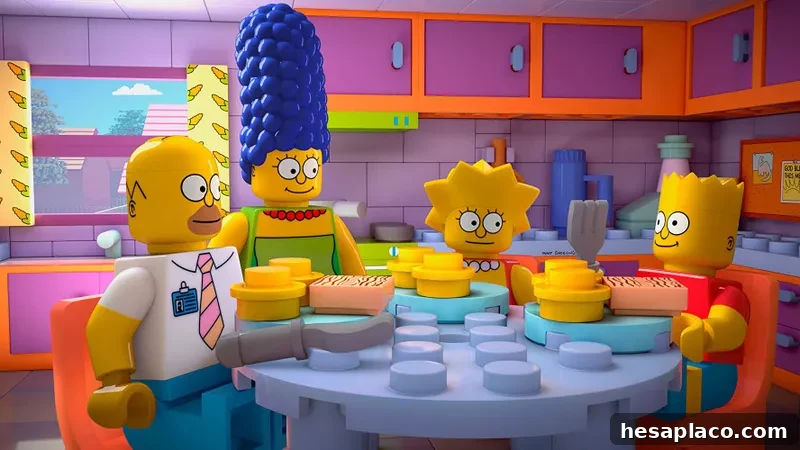
As part of ongoing brand collaborations, “The Simpsons” produced a Lego-themed episode and related merchandise. The special episode, which reimagined Springfield in Lego form, took significant time to produce and coincided with commercially successful Lego sets such as the Kwik-E-Mart and Simpsons house. Those limited-edition sets sold out quickly and later became collectors’ items on secondary markets.
Merchandising
Fox / IMDB
Merchandise has been a major revenue pillar. In 2008, global consumer spending on Simpsons-branded products reached roughly $750 million, with about half of sales occurring in the United States. Over time merchandising revenue declined from that peak; by 2018 industry reporting estimated worldwide merchandise sales for the brand had fallen to several hundred million dollars, reflecting changing consumer tastes and market saturation.
Visit Springfield (And Bring Your Wallet)
Fox / IMDB
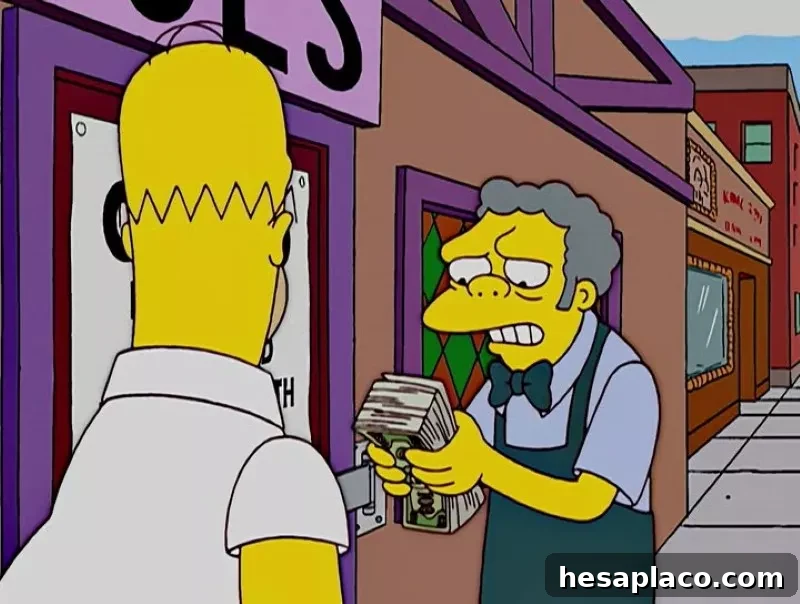
Theme-park experiences have translated the show into real-world revenue as well. Universal Studios Florida opened Springfield USA, a themed land replicating iconic locations from the series such as Moe’s Tavern, Krusty Burger and Duff Brewery. Themed food and beverage items, from novelty burgers to Duff Beer and Flaming Moe-inspired drinks, carry premium pricing as part of the branded experience.
The Toys

Fox / IMDB
Over the decades, many Simpsons collectibles and toys have become valuable to collectors. Examples of notable recent sales include a “The Raven” Treehouse of Horrors playset that sold for about $120, a boxed Lard Lad set listed around $300, a Medicom Bearbrick Homer figure that sold for roughly $570, and rare Funko Pop sets that have fetched between $1,600 and $3,000 on secondary markets. Collectibles’ values fluctuate based on rarity, condition and demand.