
Buying a house is a major decision, but the rewards of homeownership—financial stability, equity growth and lifestyle benefits—can make it worthwhile. The most important factor when choosing a home is location. Beyond that, prospective buyers should evaluate housing costs, cost of living, property taxes, school quality, crime and safety, and local home-value trends. The best cities to buy a home typically strike a balance between household income and median home value, while offering strong community amenities.
Below is a curated list of the top U.S. cities to buy a house, ranked and summarized based on comprehensive assessments of real estate and community trends from sources such as the U.S. Census and other data providers.
Note: Rankings are based on a comprehensive assessment of real estate and community trends.
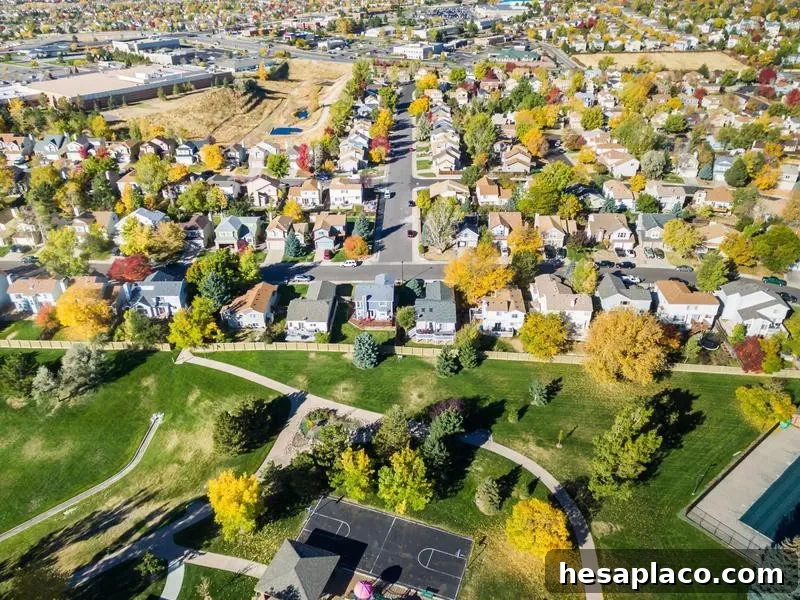
50. Aurora, Colorado
Getty Images
Population: 363,550
Area feel: Urban-suburban mix
Median household income: $62,541
Median home value: $259,000 (59% own)
Median rent: $1,241 (41% rent)
Aurora blends city conveniences with easy access to outdoor recreation and Denver. It rates highly for diversity, public schools and outdoor activities, though crime and cost of living are concerns. The city offers a variety of entertainment and job prospects that appeal to families and professionals.
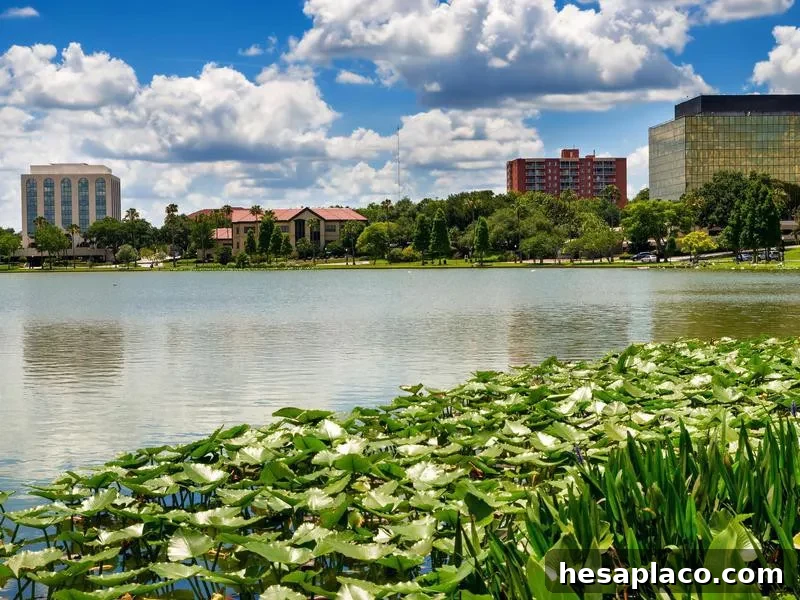
49. Lakeland, Florida
Getty Images
Population: 105,958
Area feel: Dense suburban
Median household income: $44,313
Median home value: $132,100 (55% own)
Median rent: $968 (45% rent)
Known for mild year-round weather and plentiful parks, Lakeland is popular with retirees and families. Homeownership rates are healthy, and the city earns strong marks for diversity, reasonable cost of living and commute times.
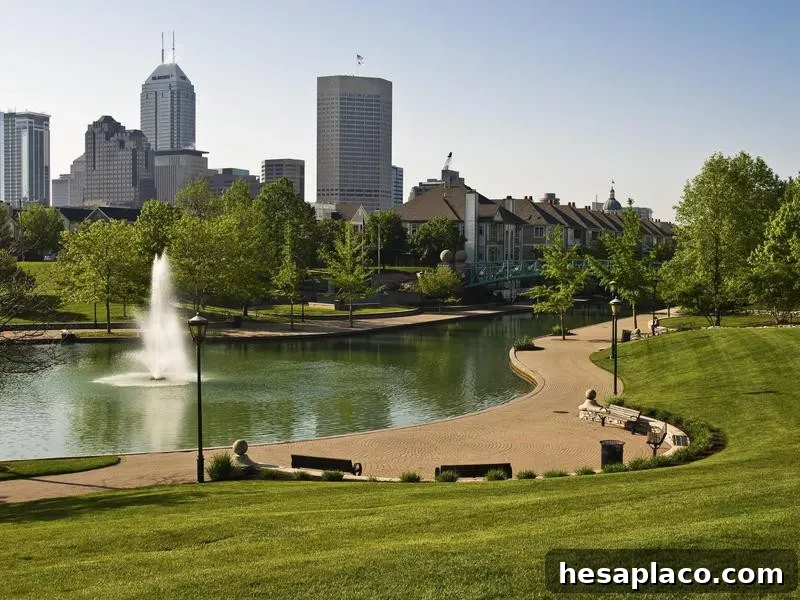
Indianapolis, Indiana
Getty Images
Population: 857,637
Area feel: Dense suburban
Median household income: $46,442
Median home value: $129,300 (53% own)
Median rent: $865 (47% rent)
Indiana’s largest city offers a lively cultural scene, solid public schools and a lower median home price. Indianapolis appeals to young professionals and families who value nightlife, parks and relatively affordable housing.
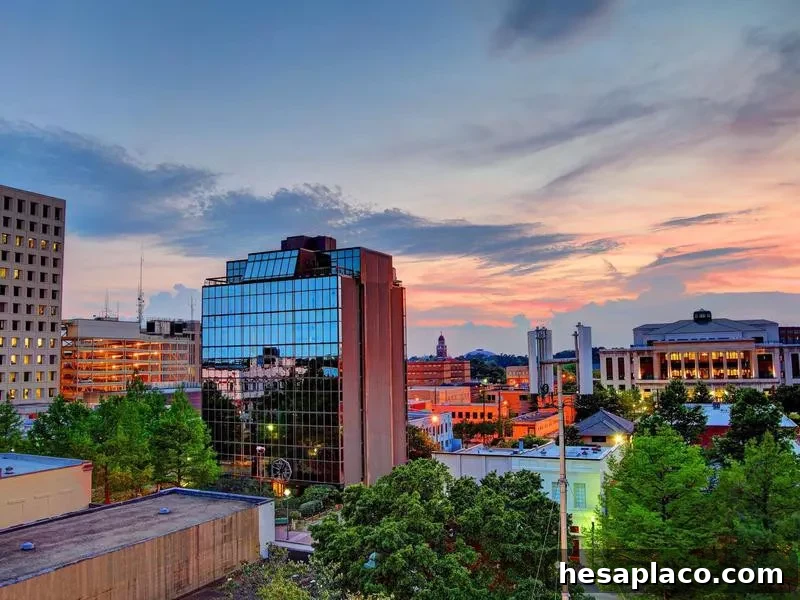
47. Lafayette, Louisiana
Getty Images
Population: 126,515
Area feel: Dense suburban
Median household income: $50,182
Median home value: $190,800 (56% own)
Median rent: $874 (44% rent)
Lafayette offers diversity, a lively nightlife and above-average public schools. With home prices near the national average, it’s an attractive option for families seeking jobs, outdoor activities and a welcoming community.
46. Madison, Wisconsin
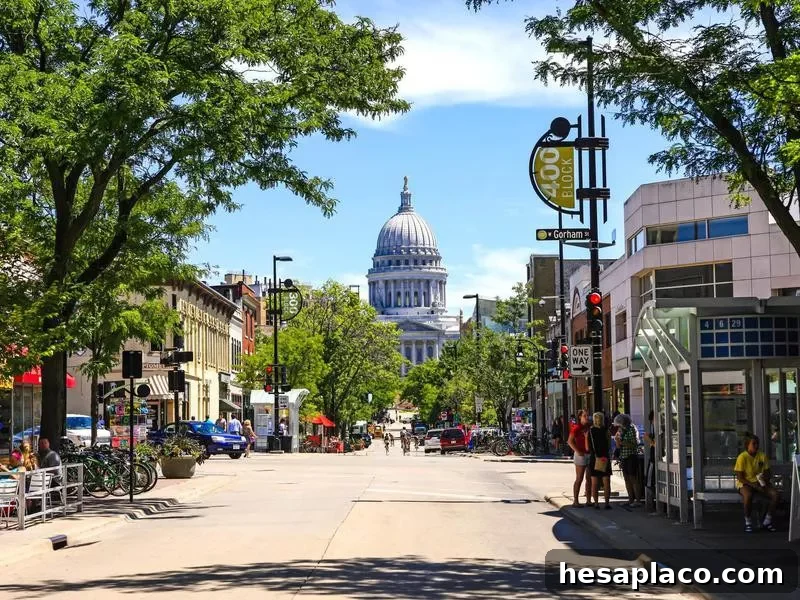
Getty Images
Population: 252,086
Area feel: Urban-suburban mix
Median household income: $62,906
Median home value: $234,100 (47% own)
Median rent: $1,068 (53% rent)
Home to a top university, Madison attracts young professionals and families with strong public schools, vibrant nightlife and easy commutes. While weather and crime are average, the city’s cultural and job opportunities stand out.
45. Wichita, Kansas
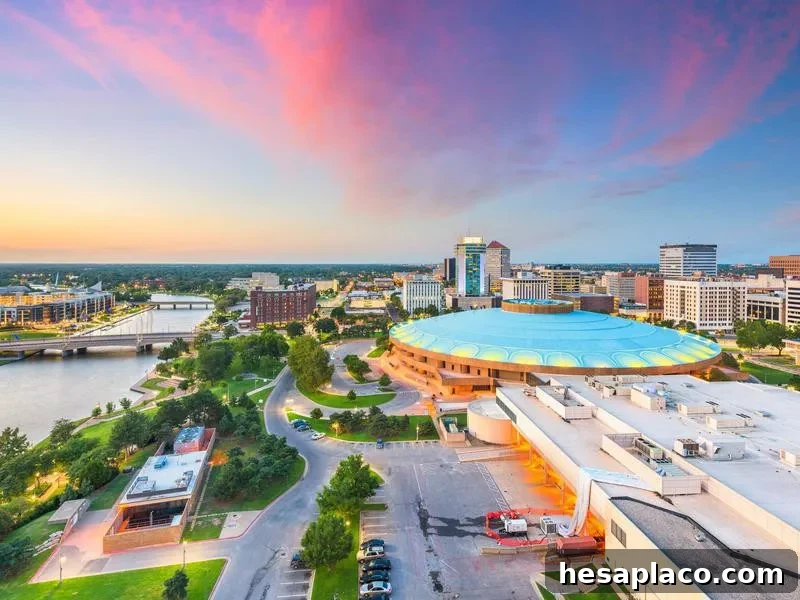
Getty Images
Population: 389,563
Area feel: Dense suburban
Median household income: $50,867
Median home value: $128,600 (59% own)
Median rent: $789 (41% rent)
Wichita combines affordable homes and rents with a diversified economy and active nightlife. Commute times are manageable and outdoor activities are available, though public schools and crime are mixed.
44. Arlington, Texas

Getty Images
Population: 392,462
Area feel: Dense suburban
Median household income: $58,502
Median home value: $157,600 (55% own)
Median rent: $997 (45% rent)
Arlington’s diverse population and family-friendly amenities make it attractive for buyers. The city offers good schools, outdoor activities and a variety of entertainment, with housing costs lower than many major metro areas.
43. Grand Rapids, Michigan

Getty Images
Population: 197,081
Area feel: Dense suburban
Median household income: $47,173
Median home value: $131,700 (54% own)
Median rent: $895 (46% rent)
Grand Rapids is an affordable, family-friendly city with a vibrant arts and food scene. It draws young professionals and families seeking lower housing costs, good nightlife and outdoor recreation, despite colder weather and average crime levels.
42. Warren, Michigan

Makedonski
Population: 135,192
Area feel: Sparse suburban
Median household income: $47,419
Median home value: $111,700 (69% own)
Median rent: $920 (31% rent)
A Detroit suburb with a high homeownership rate, Warren offers affordability, a diverse population and a modest nightlife scene. Families appreciate the low cost of living and local parks.
41. Mesa, Arizona

Getty Images
Population: 491,194
Area feel: Dense suburban
Median household income: $54,700
Median home value: $209,700 (60% own)
Median rent: $988 (40% rent)
Mesa combines warm weather, good public schools and affordable housing near the national median. It’s a family-oriented city with cultural attractions and recreational options, although hot summers and average crime rates are considerations.
40. Denton, Texas
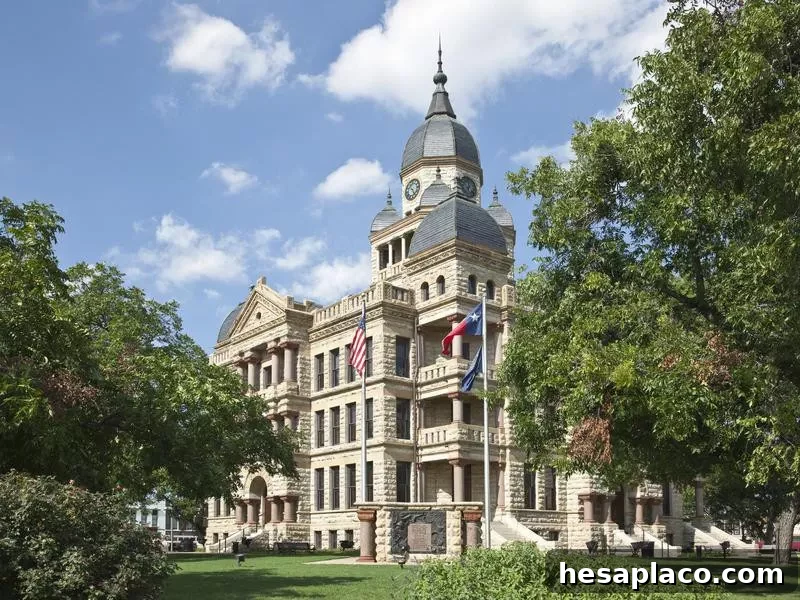
Getty Images
Population: 133,661
Area feel: Dense suburban
Median household income: $56,489
Median home value: $196,900 (48% own)
Median rent: $1,046 (52% rent)
This college town north of Dallas-Fort Worth offers lively downtown nightlife, strong public schools and easy commutes. Denton appeals to students, young professionals and families who value culture and accessibility.
39. McAllen, Texas
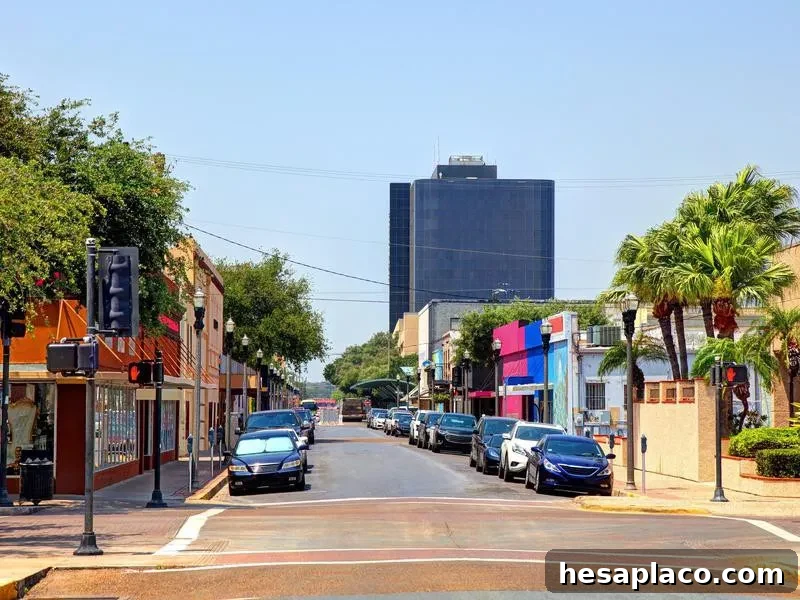
Getty Images
Population: 141,597
Area feel: Dense suburban
Median household income: $47,279
Median home value: $123,900 (60% own)
Median rent: $767 (40% rent)
Near the Mexico border, McAllen offers affordable homes, warm weather and cultural diversity. Strong public schools and a low cost of living support high homeownership rates and make it attractive for families.
38. Pittsburgh, Pennsylvania

Getty Images
Population: 303,587
Area feel: Urban-suburban mix
Median household income: $45,831
Median home value: $116,300 (48% own)
Median rent: $922 (52% rent)
Pittsburgh pairs affordable housing with a strong cultural scene and excellent nightlife. While schools and crime vary by neighborhood, the city’s overall affordability and commute times make it appealing for many buyers.
37. Springfield, Illinois
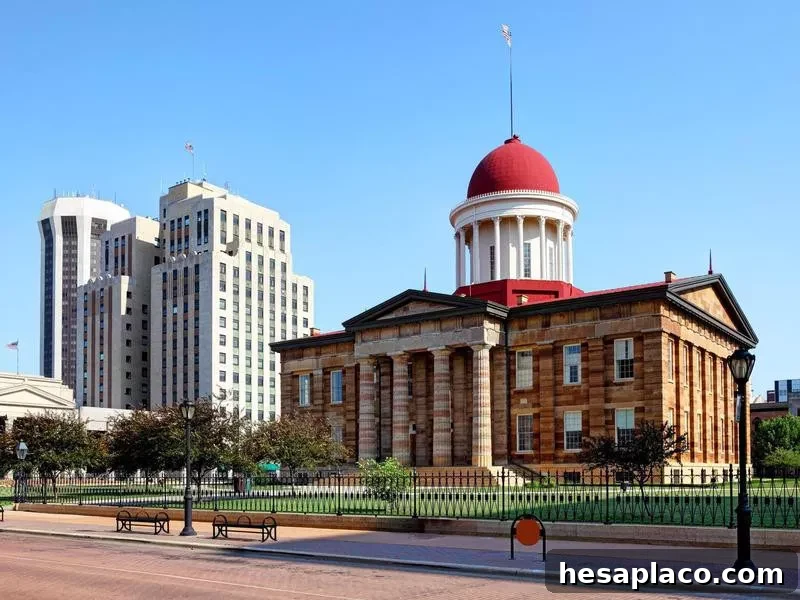
Getty Images
Population: 116,459
Area feel: Dense suburban
Median household income: $53,405
Median home value: $127,500 (61% own)
Median rent: $789 (39% rent)
The capital of Illinois delivers affordable homes, reasonable commutes and a solid mix of historical attractions and family-friendly amenities. It’s a practical choice for buyers seeking value.
36. Charlotte, North Carolina
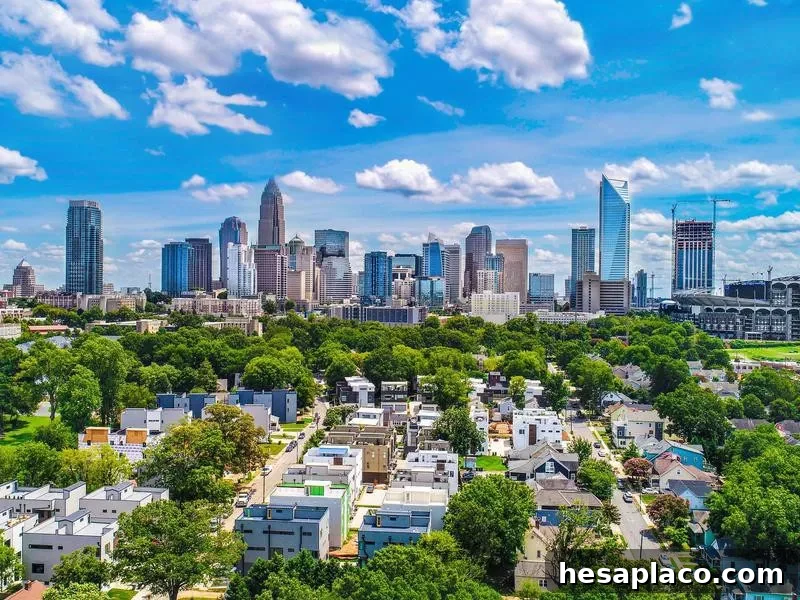
Getty Images
Population: 841,611
Area feel: Urban-suburban mix
Median household income: $60,886
Median home value: $200,500 (53% own)
Median rent: $1,086 (47% rent)
Charlotte combines a strong job market, diverse neighborhoods and family-friendly schools with relatively approachable housing. Good weather and abundant outdoor options add to its appeal.
35. San Antonio, Texas

Getty Images
Population: 1,486,521
Area feel: Urban-suburban mix
Median household income: $50,980
Median home value: $136,800 (54% own)
Median rent: $958 (46% rent)
San Antonio’s cultural heritage, affordable housing and family-oriented amenities—like the River Walk—make it an attractive buy for families and young professionals alike.
34. Kansas City, Missouri
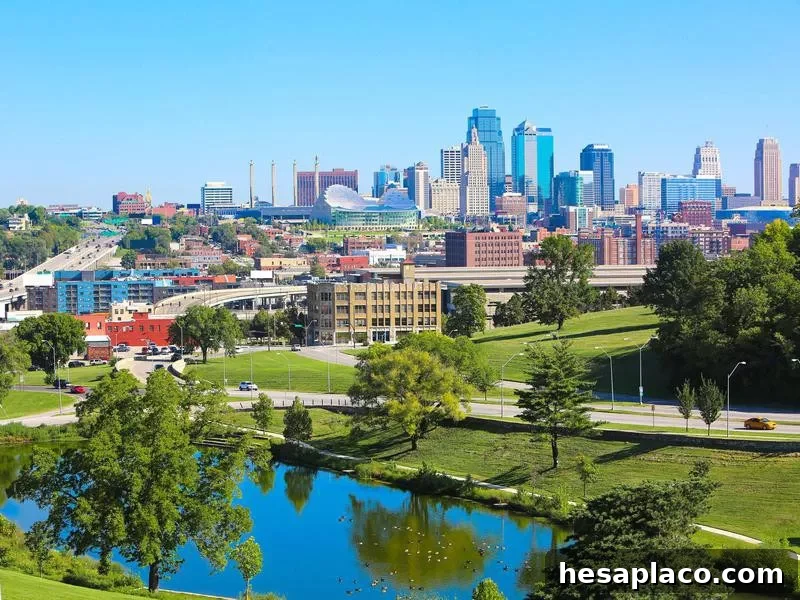
Getty Images
Population: 481,417
Area feel: Urban-suburban mix
Median household income: $52,405
Median home value: $148,500 (53% own)
Median rent: $899 (47% rent)
Kansas City offers a strong mix of nightlife, cultural attractions and affordable housing. The job market and school systems are attractive to families, while young professionals enjoy the city’s dining and entertainment scene.
33. Topeka, Kansas
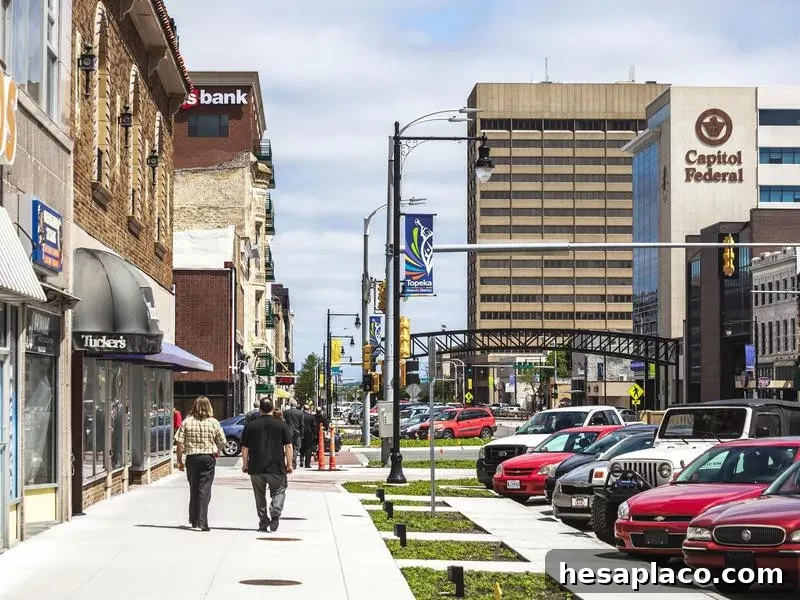
Getty Images
Population: 126,877
Area feel: Dense suburban
Median household income: $46,890
Median home value: $102,600 (57% own)
Median rent: $790 (43% rent)
The capital city of Kansas is marked by low home prices, easy commutes and a manageable cost of living that together support strong homeownership rates.
32. Columbia, Missouri
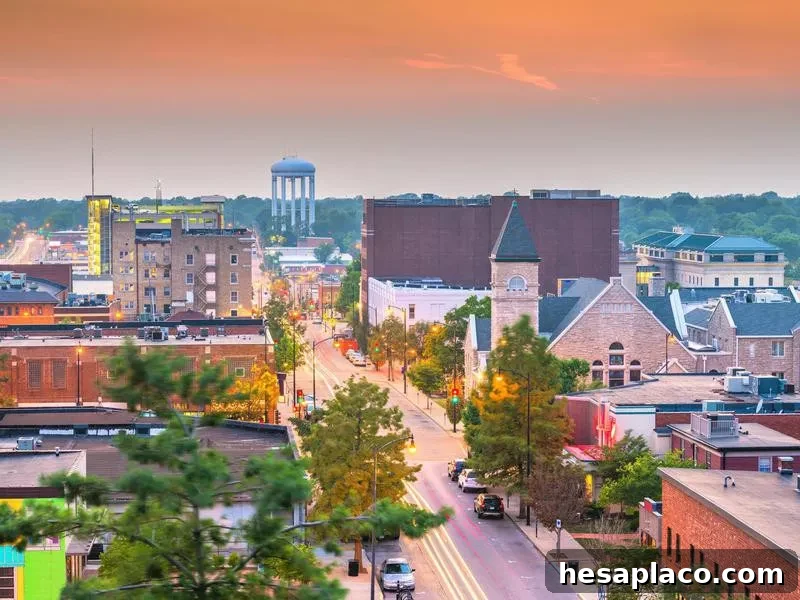
Getty Images
Population: 120,248
Area feel: Dense suburban
Median household income: $49,277
Median home value: $185,700 (47% own)
Median rent: $854 (53% rent)
A college town with suburban appeal, Columbia attracts families and young professionals with strong public schools, easy commutes and an active nightlife.
31. Irving, Texas
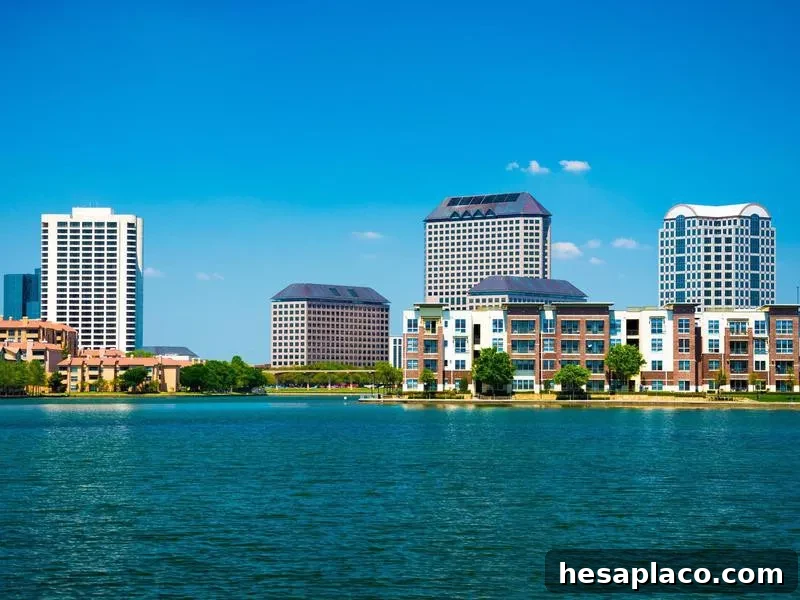
Getty Images
Population: 238,637
Area feel: Urban-suburban mix
Median household income: $61,937
Median home value: $165,000 (37% own)
Median rent: $1,086 (63% rent)
Situated between Dallas and Fort Worth, Irving benefits from high-paying jobs and a diverse community. Strong nightlife and good schools make it appealing, even though homeownership rates are lower.
30. Midland, Texas
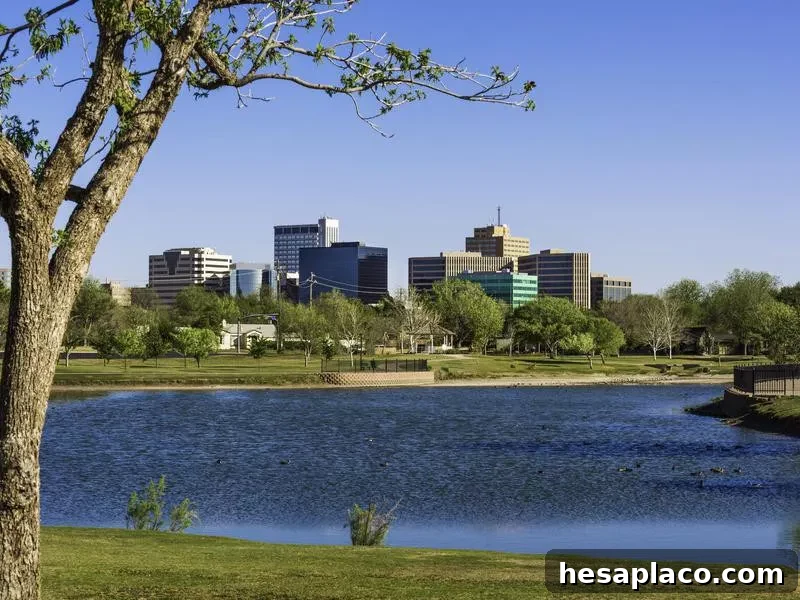
Getty Images
Population: 135,134
Area feel: Dense suburban
Median household income: $79,744
Median home value: $204,800 (65% own)
Median rent: $1,233 (35% rent)
Driven by the oil industry, Midland offers high wages and strong homeownership. The economy and commutes are favorable, making it a good fit for families and professionals, though schools and safety can be mixed.
29. Lubbock, Texas
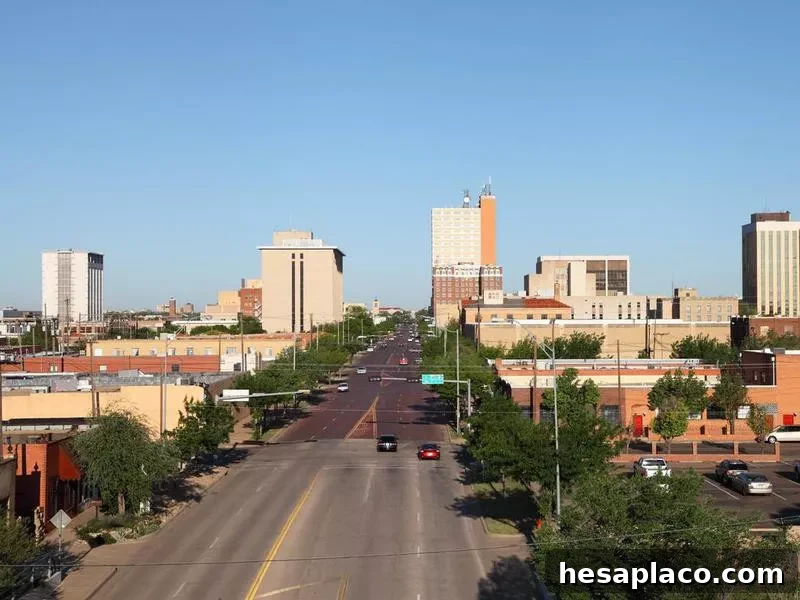
Getty Images
Population: 250,415
Area feel: Dense suburban
Median household income: $48,701
Median home value: $131,500 (51% own)
Median rent: $928 (49% rent)
Lubbock’s affordable homes, solid public schools and stable economy attract families and young professionals. The community offers a small-town feel with the amenities of a larger city.
28. Clarksville, Tennessee
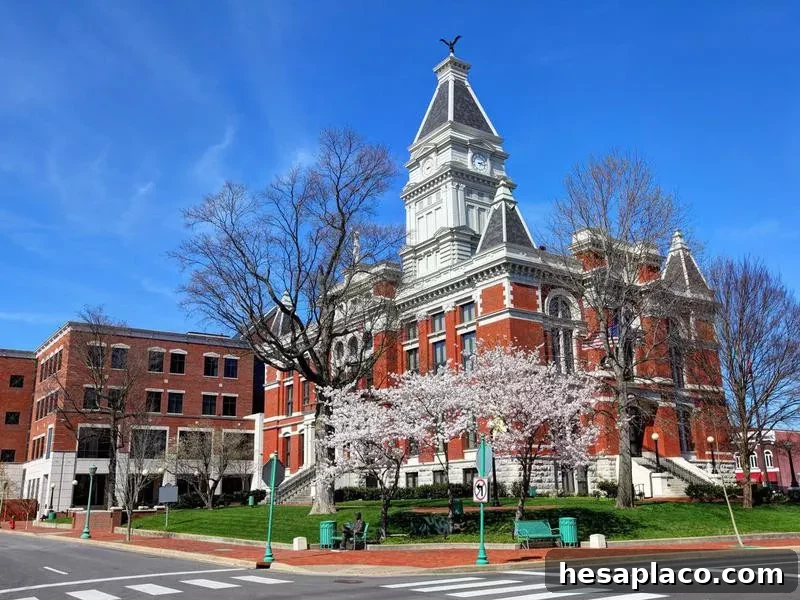
Getty Images
Population: 150,602
Area feel: Sparse suburban
Median household income: $53,007
Median home value: $148,700 (53% own)
Median rent: $946 (47% rent)
Supported by a nearby military base, Clarksville has growing public infrastructure, affordable homes and plenty of family-friendly amenities, including parks and community events.
27. Fargo, North Dakota
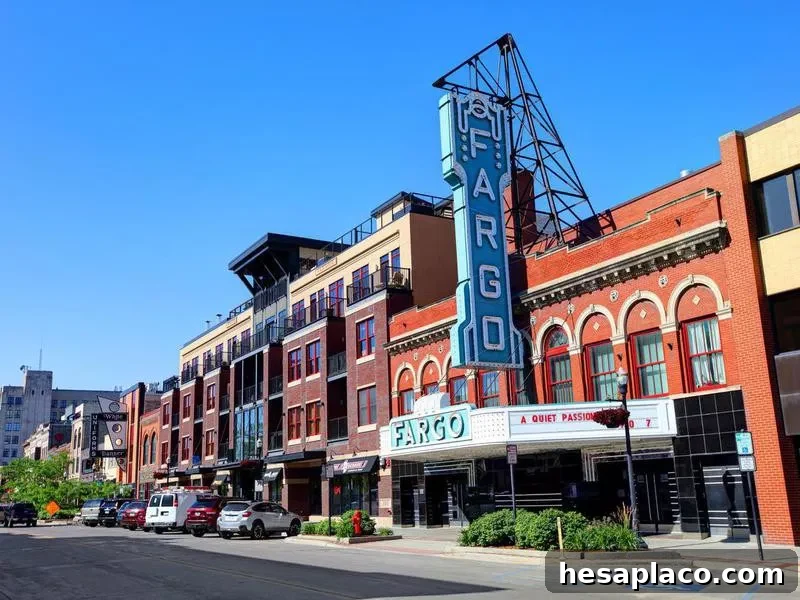
Getty Images
Population: 120,209
Area feel: Urban
Median household income: $53,309
Median home value: $199,700 (44% own)
Median rent: $796 (56% rent)
Fargo has an urban atmosphere with strong schools, easy commutes and a welcoming community. Despite harsh winters, its growing job market and cultural offerings draw young professionals and families.
26. Murfreesboro, Tennessee
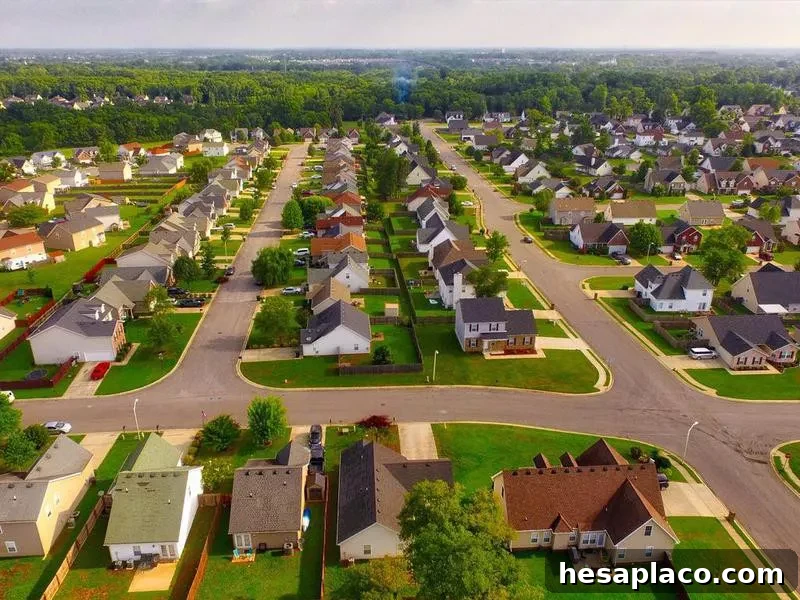
Getty Images
Population: 130,968
Area feel: Dense suburban
Median household income: $58,391
Median home value: $215,800 (52% own)
Median rent: $997 (48% rent)
Murfreesboro offers a close-knit atmosphere, good schools and strong job growth. Families and young professionals are attracted by affordable housing and a lively local scene.
25. Boise, Idaho
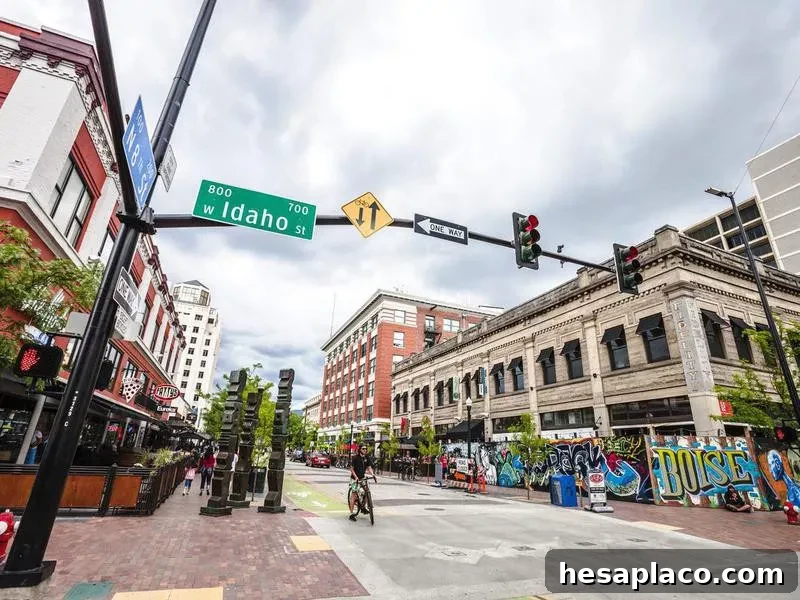
Getty Images
Population: 224,300
Area feel: Dense suburban
Median household income: $56,798
Median home value: $230,800 (60% own)
Median rent: $910 (40% rent)
Boise balances an active outdoor lifestyle with a growing job market and family-friendly schools. It’s a top pick for buyers who want access to nature alongside urban amenities.
24. Odessa, Texas
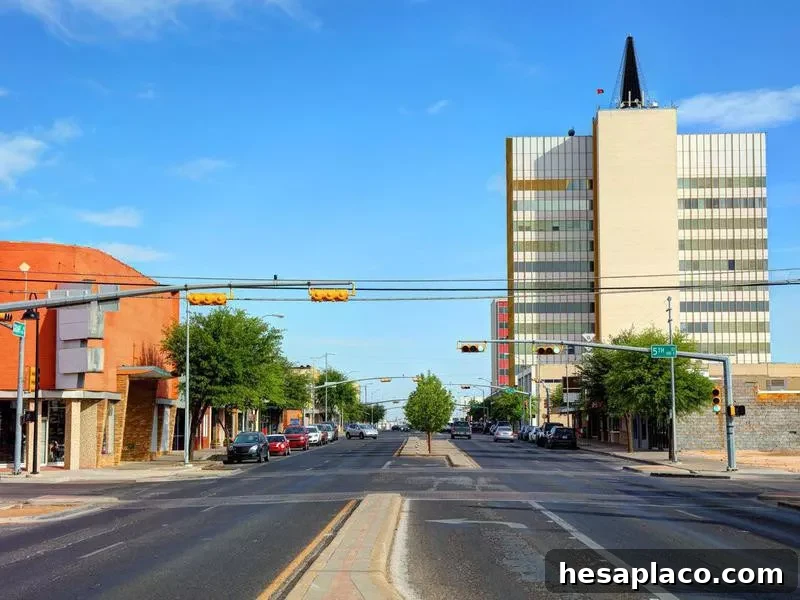
Getty Images
Population: 118,582
Area feel: Dense suburban
Median household income: $63,145
Median home value: $149,900 (61% own)
Median rent: $1,052 (39% rent)
Odessa’s oil-driven economy delivers high wages and affordable homes. The city draws families seeking a strong local job market and manageable living costs.
23. Corpus Christi, Texas
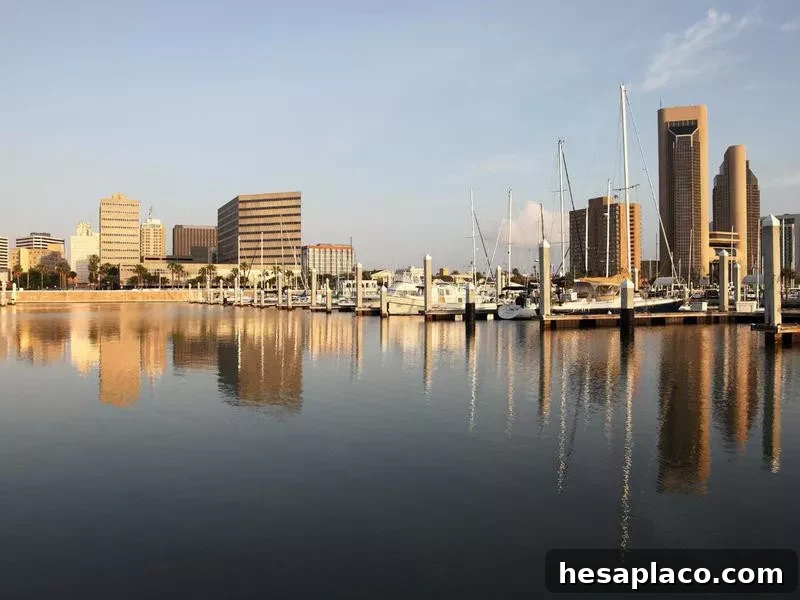
Getty Images
Population: 324,692
Area feel: Dense suburban
Median household income: $55,709
Median home value: $133,200 (57% own)
Median rent: $996 (43% rent)
Corpus Christi combines beach-town living with affordability. Good schools, solid job prospects and abundant outdoor recreation make it attractive for homeowners who value coastal access.
22. Wichita Falls, Texas
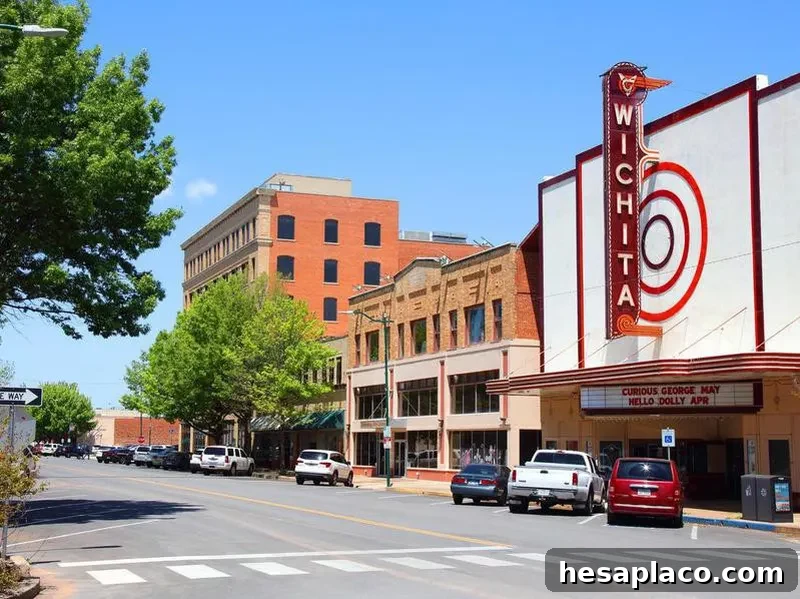
Getty Images
Population: 104,494
Area feel: Sparse suburban
Median household income: $45,476
Median home value: $97,400 (57% own)
Median rent: $784 (43% rent)
Wichita Falls provides very affordable housing and good public schools, making it an attractive option for families seeking a relaxed lifestyle outside a major metro area.
21. Omaha, Nebraska
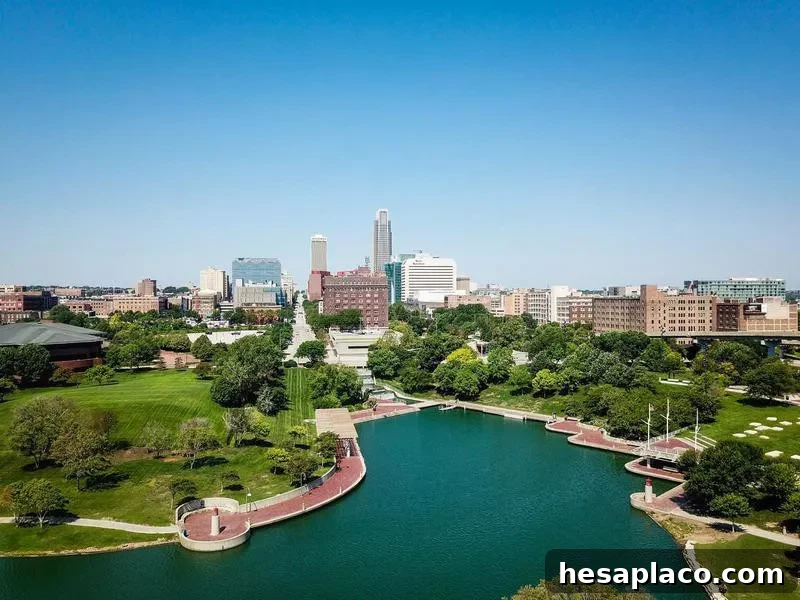
Getty Images
Population: 465,112
Area feel: Urban-suburban mix
Median household income: $56,780
Median home value: $151,100 (58% own)
Median rent: $896 (42% rent)
Omaha offers strong public schools, outdoor activities and cultural amenities along with affordable housing. The city is well-suited for families and professionals seeking stable jobs and community life.
20. Amarillo, Texas
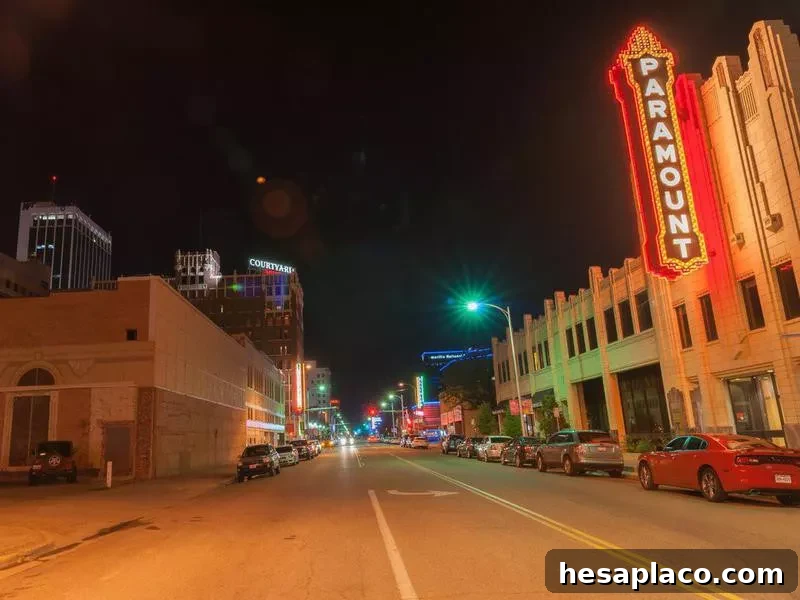
Getty Images
Population: 198,773
Area feel: Dense suburban
Median household income: $52,543
Median home value: $127,200 (60% own)
Median rent: $839 (40% rent)
Amarillo’s affordable homes, steady job market and family-friendly amenities make it a practical choice for buyers seeking a mid-sized Texas city with good schools and inexpensive housing.
19. Lexington, Kentucky
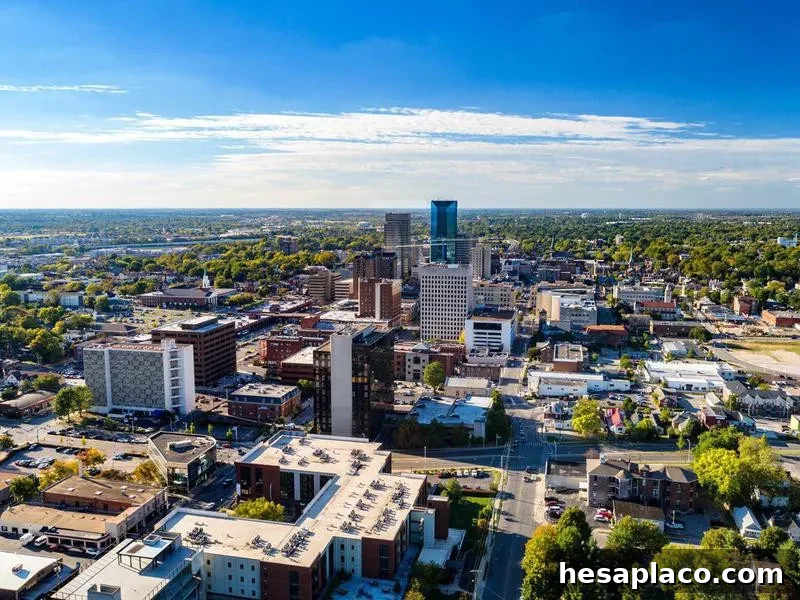
Getty Images
Population: 318,734
Area feel: Dense suburban
Median household income: $54,918
Median home value: $180,700 (54% own)
Median rent: $864 (46% rent)
Lexington combines the advantages of a university town with a robust economy, quality public schools and ample outdoor recreation—making it a strong choice for families and professionals.
18. Ann Arbor, Michigan
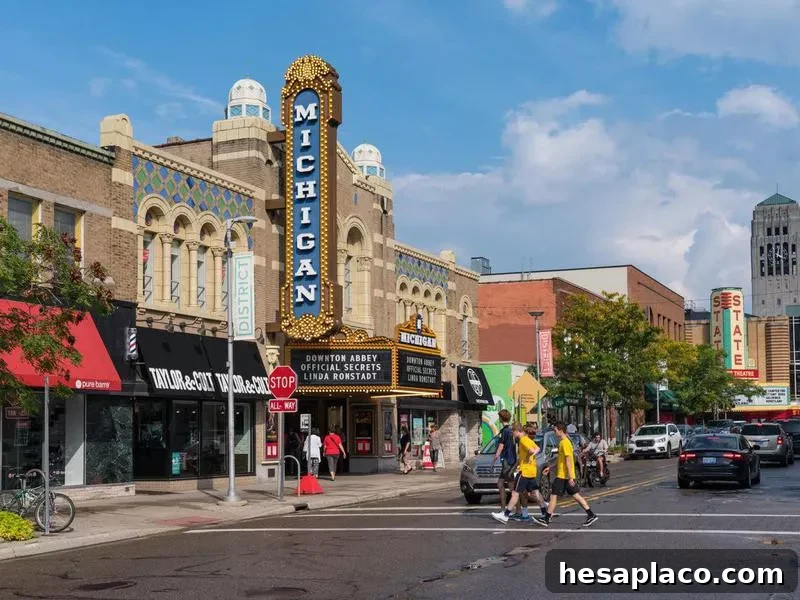
Getty Images
Population: 120,641
Area feel: Urban-suburban mix
Median household income: $63,956
Median home value: $298,400 (45% own)
Median rent: $1,213 (55% rent)
Ann Arbor offers top-tier public schools, a lively cultural scene and high-paying job opportunities. While cost of living is elevated, the city delivers strong returns for families who prioritize education and amenities.
17. Oklahoma City, Oklahoma
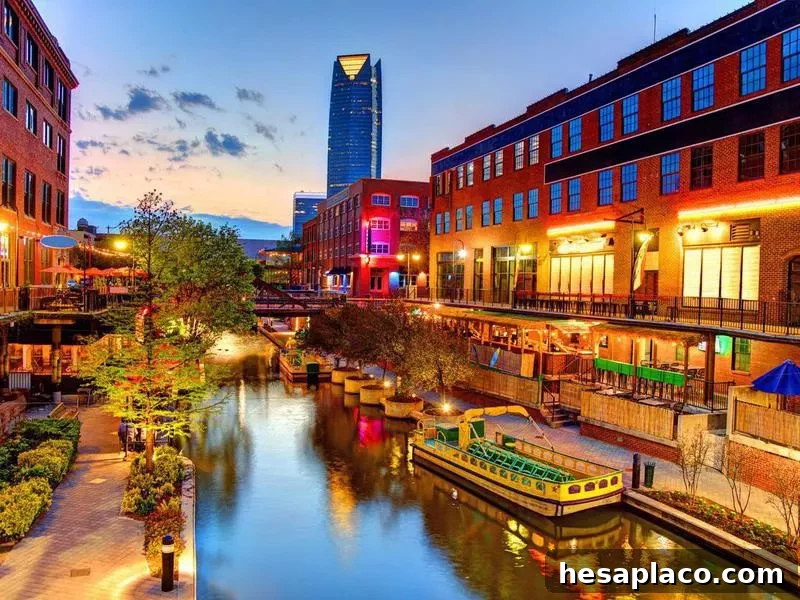
Getty Images
Population: 637,284
Area feel: Dense suburban
Median household income: $54,034
Median home value: $153,700 (59% own)
Median rent: $849 (41% rent)
Oklahoma City’s affordability and expanding job market make it easy for many residents to become homeowners. The city offers family-friendly neighborhoods, outdoor recreation and diverse cultural attractions.
16. Huntsville, Alabama
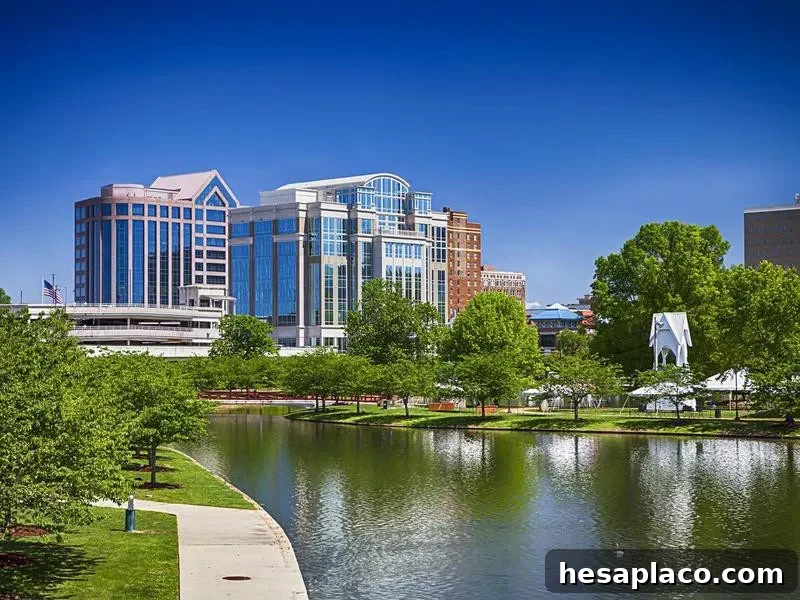
Getty Images
Population: 193,663
Area feel: Dense suburban
Median household income: $53,840
Median home value: $176,100 (58% own)
Median rent: $804 (42% rent)
Huntsville’s strong tech and defense job market supports higher homeownership and competitive wages. The city offers good schools, outdoor activities and an active nightlife for young professionals.
15. Abilene, Texas
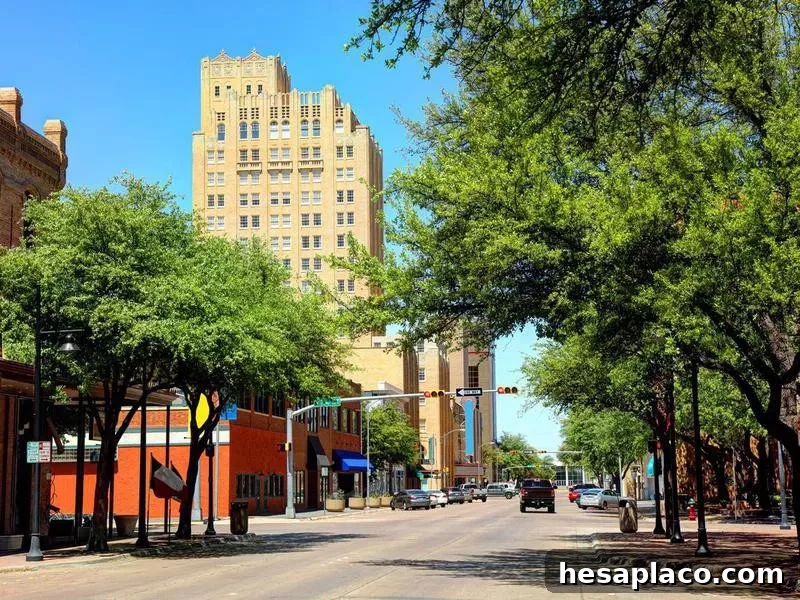
Getty Images
Population: 123,676
Area feel: Sparse suburban
Median household income: $47,689
Median home value: $114,000 (54% own)
Median rent: $912 (46% rent)
Anchored by an Air Force base, Abilene benefits from stable jobs, good schools and an affordable cost of living. Families appreciate the community atmosphere and easy commutes.
14. Lincoln, Nebraska
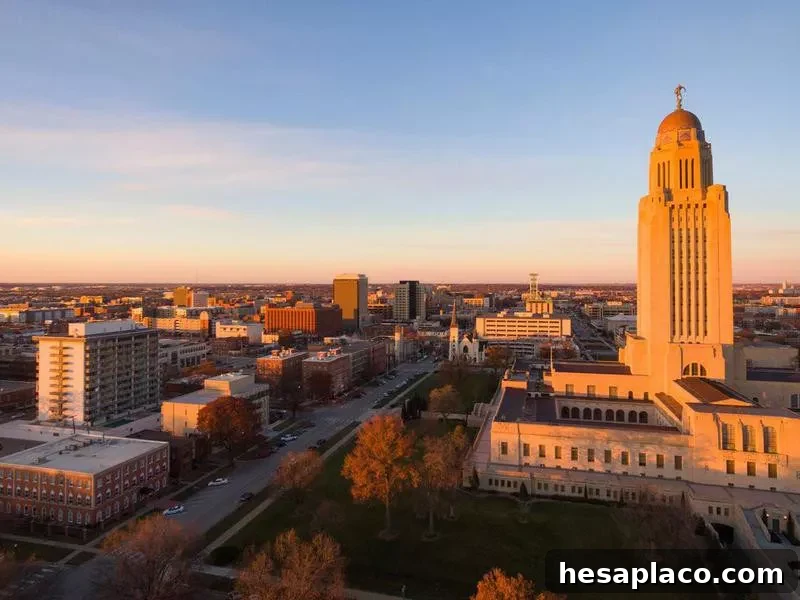
Getty Images
Population: 280,849
Area feel: Dense suburban
Median household income: $55,224
Median home value: $161,200 (57% own)
Median rent: $822 (43% rent)
Lincoln offers strong nightlife, health and fitness options, and family-friendly amenities. The public schools and commute times are highly rated, making it appealing to growing families.
13. Fort Wayne, Indiana
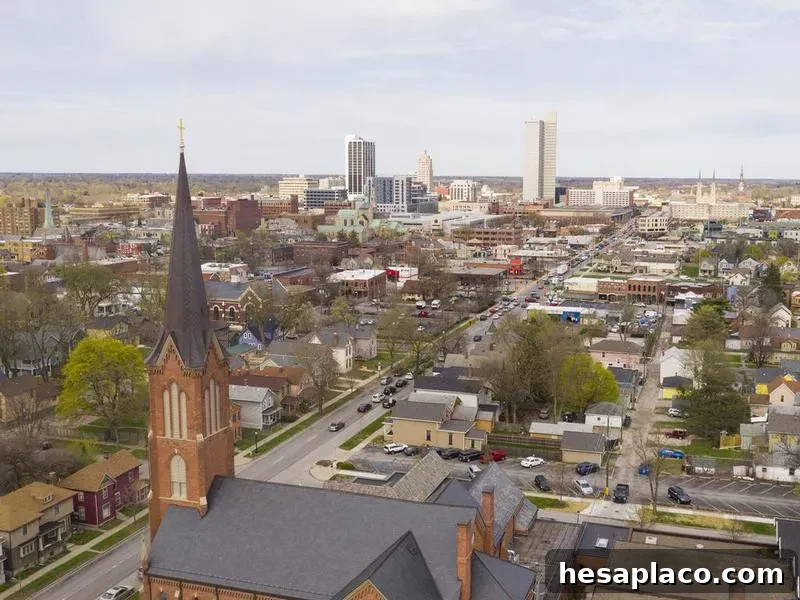
Getty Images
Population: 264,052
Area feel: Dense suburban
Median household income: $48,023
Median home value: $110,600 (62% own)
Median rent: $735 (38% rent)
With lower-than-average home prices and a high homeownership rate, Fort Wayne is a value-driven city offering good schools, outdoor activities and a welcoming community for families.
12. Cedar Rapids, Iowa
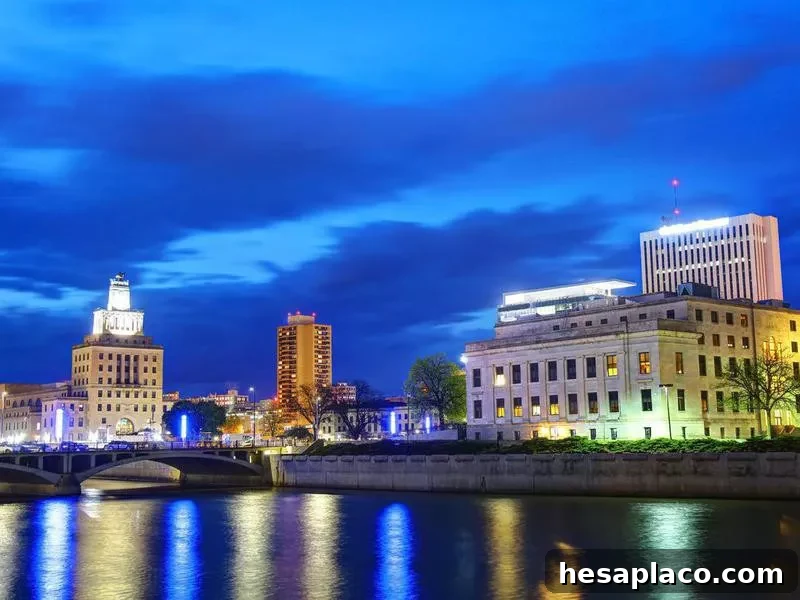
Getty Images
Population: 131,360
Area feel: Dense suburban
Median household income: $59,152
Median home value: $140,200 (70% own)
Median rent: $751 (30% rent)
Cedar Rapids features high homeownership and affordable housing plus family-friendly schools and an active nightlife. The city’s balanced cost of living and job market support a strong community environment.
11. Raleigh, North Carolina
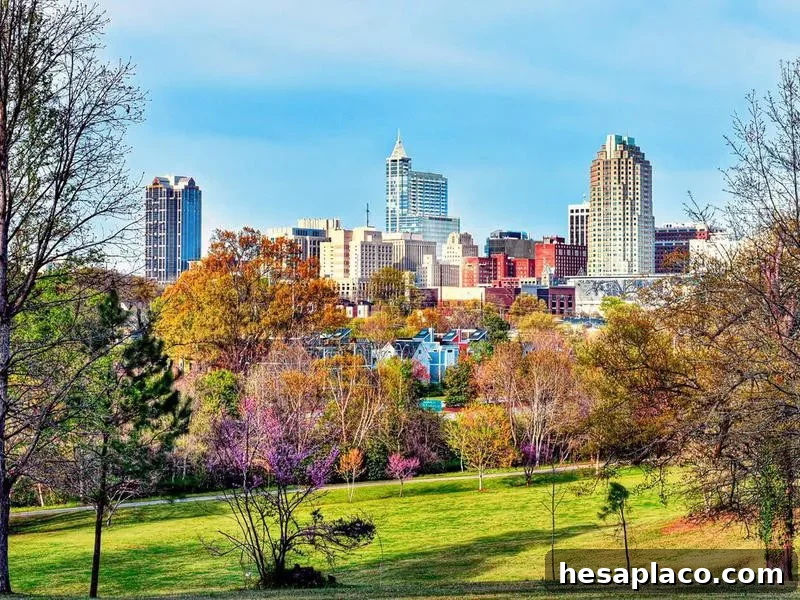
Getty Images
Population: 457,159
Area feel: Urban-suburban mix
Median household income: $63,891
Median home value: $236,700 (52% own)
Median rent: $1,074 (48% rent)
Raleigh’s strong job market, excellent public schools and cultural amenities make it an ideal destination for families and professionals, despite higher home prices and rents.
10. Columbia, Maryland
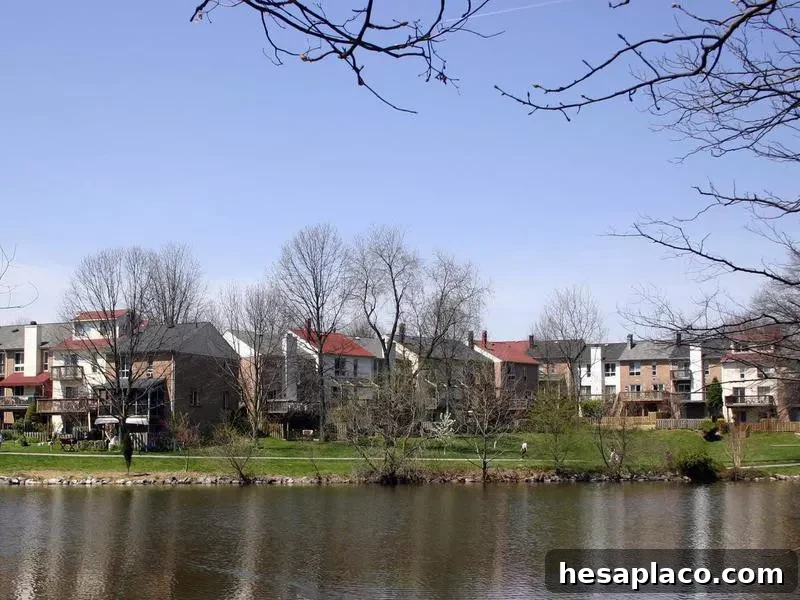
Getty Images
Population: 103,663
Area feel: Dense suburban
Median household income: $105,815
Median home value: $372,000 (66% own)
Median rent: $1,687 (34% rent)
Located near Baltimore and Washington, D.C., Columbia offers high wages, excellent public schools and abundant outdoor amenities. It’s an expensive area but provides strong access to jobs and family-focused resources.
9. Palm Bay, Florida

cityofpalmbayfl
Population: 110,271
Area feel: Sparse suburban
Median household income: $47,640
Median home value: $136,600 (73% own)
Median rent: $1,027 (27% rent)
Near the Atlantic coast, Palm Bay is family-friendly with strong homeownership rates, excellent weather and good public schools. The presence of aerospace and defense employers supports local jobs.
8. Sioux Falls, South Dakota

Getty Images
Population: 174,151
Area feel: Dense suburban
Median household income: $59,017
Median home value: $175,100 (61% own)
Median rent: $791 (39% rent)
Sioux Falls offers a safe, small-town atmosphere with big-city amenities, strong schools and affordable housing. Families and professionals benefit from job stability and good commutes.
7. Richardson, Texas
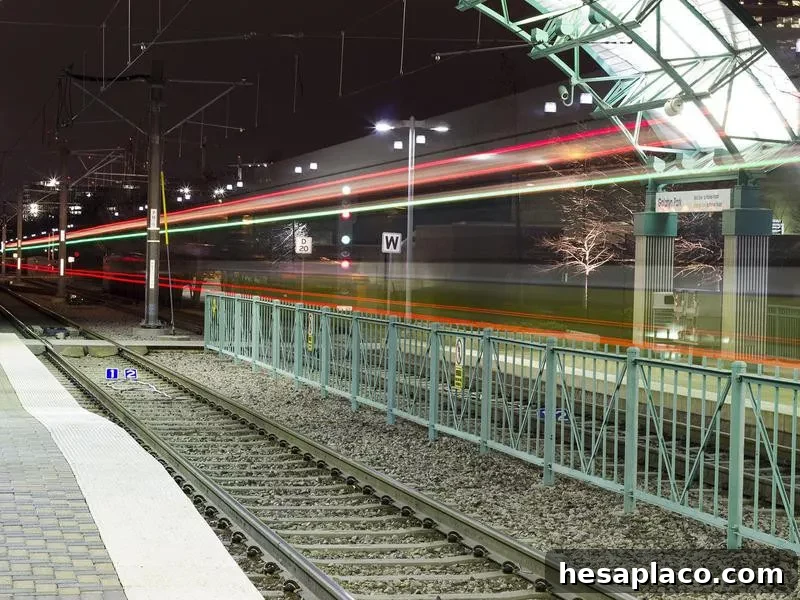
Getty Images
Population: 114,402
Area feel: Urban-suburban mix
Median household income: $80,953
Median home value: $250,100 (59% own)
Median rent: $1,336 (41% rent)
A Dallas suburb known for excellent public schools and family-friendly neighborhoods, Richardson balances higher incomes with relatively strong housing options and outdoor activities.
6. Naperville, Illinois
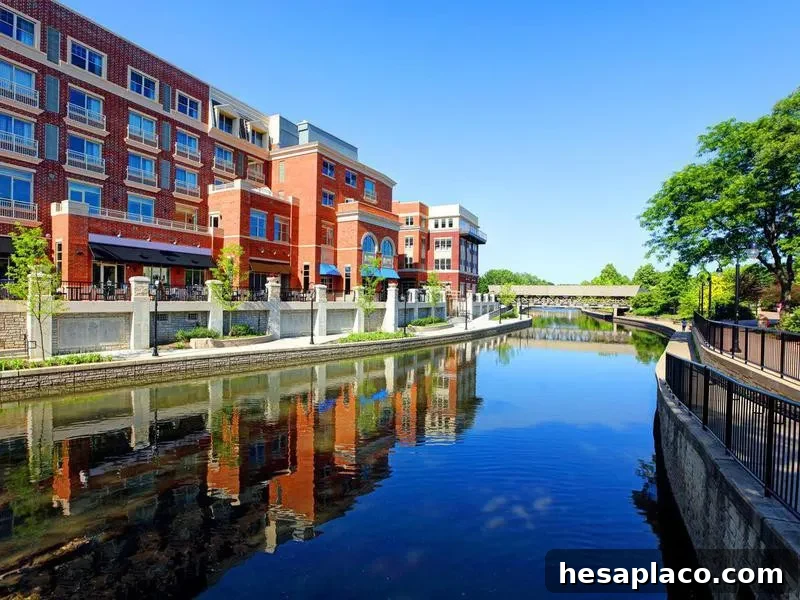
Getty Images
Population: 147,411
Area feel: Dense suburban
Median household income: $118,187
Median home value: $410,800 (76% own)
Median rent: $1,462 (24% rent)
Naperville combines top-tier public schools, safety and a strong job market with higher home prices. It’s an appealing choice for affluent families seeking excellent education and amenities.
5. Round Rock, Texas

Getty Images
Population: 120,157
Area feel: Dense suburban
Median household income: $80,637
Median home value: $230,100 (61% own)
Median rent: $1,238 (39% rent)
Just north of Austin, Round Rock benefits from a strong job market, excellent public schools and family-friendly amenities. Housing is pricier than some Texas cities but ownership remains common.
4. Plano, Texas
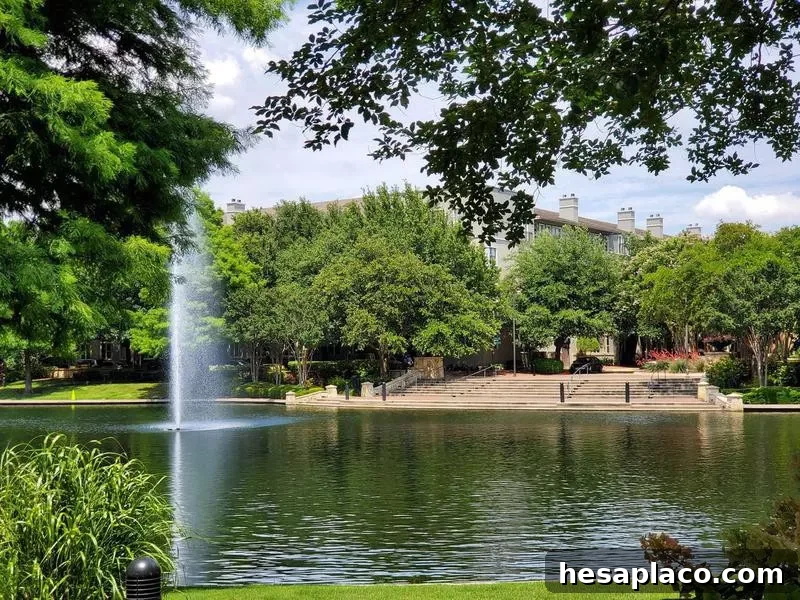
Getty Images
Population: 284,579
Area feel: Dense suburban
Median household income: $92,121
Median home value: $291,300 (60% own)
Median rent: $1,330 (40% rent)
Plano offers top public schools, high household incomes and a diverse community. While housing and cost of living are elevated, families benefit from safety, parks and strong employment options.
3. The Woodlands, Texas
Getty Images
Population: 109,843
Area feel: Dense suburban
Median household income: $118,836
Median home value: $361,500 (71% own)
Median rent: $1,567 (29% rent)
The Woodlands is an affluent Houston suburb with excellent schools, high homeownership and abundant recreation. High incomes make expensive homes more attainable for many residents.
2. Rochester, Minnesota
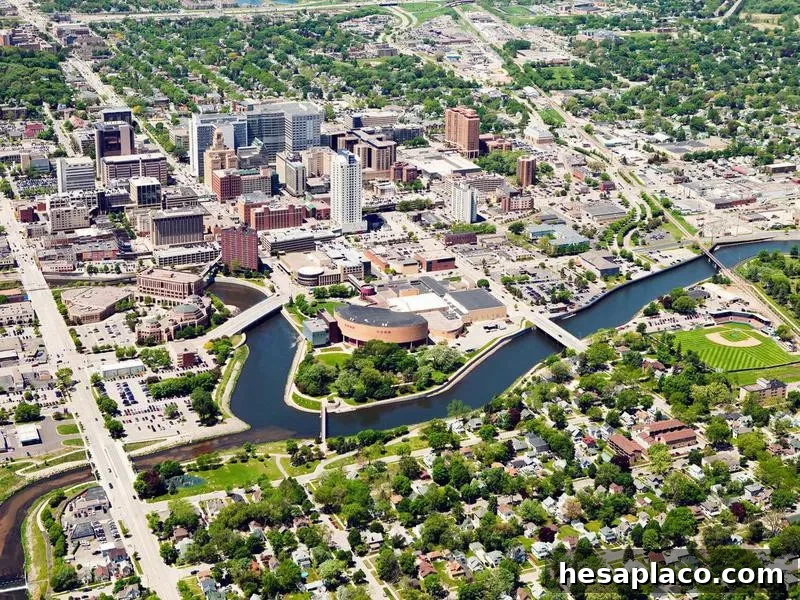
Getty Images
Population: 113,913
Area feel: Dense suburban
Median household income: $70,749
Median home value: $188,000 (69% own)
Median rent: $942 (31% rent)
Home to the Mayo Clinic, Rochester offers a strong job market, excellent public schools and a high homeownership rate. Housing costs align with national averages, making it attractive for families.
1. Overland Park, Kansas
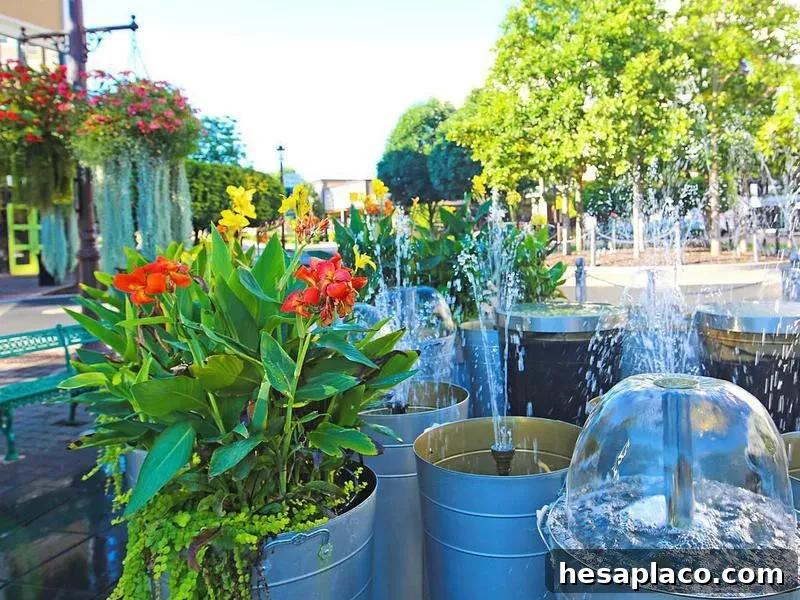
Getty Images
Population: 186,147
Area feel: Dense suburban
Median household income: $78,217
Median home value: $248,100 (63% own)
Median rent: $1,084 (37% rent)
Overland Park tops the list thanks to excellent public schools, a strong job market, family-friendly amenities and a diverse community. Its suburban parks, dining options and commuter-friendly layout make it one of the best places in the U.S. to buy a home.