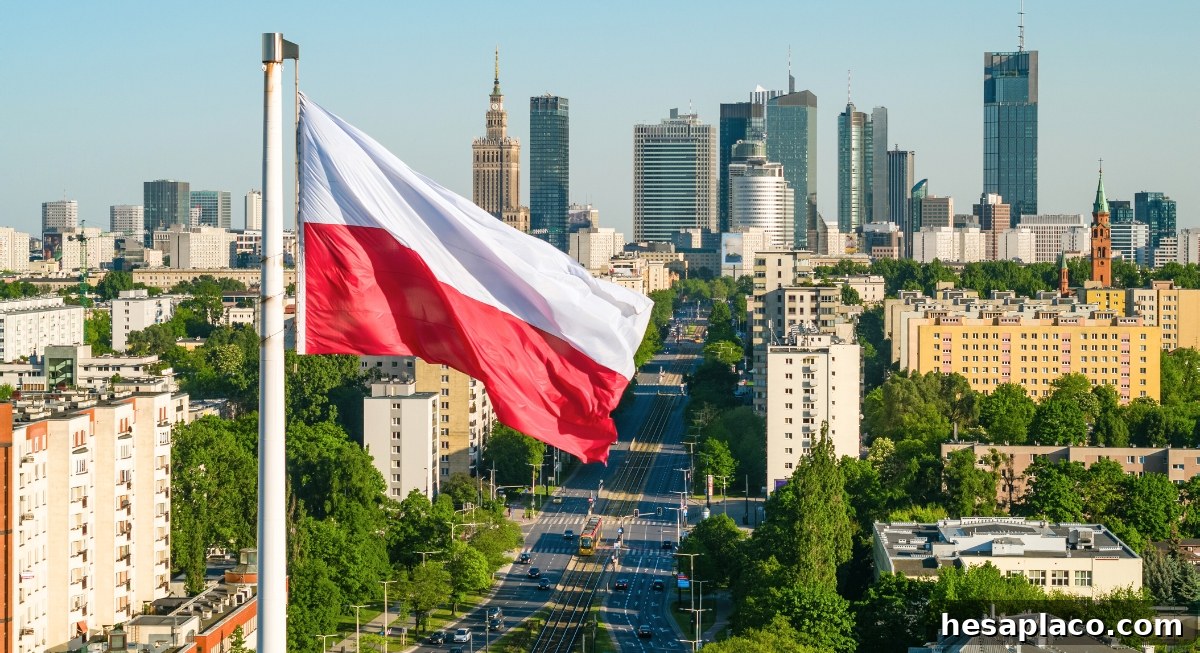
Poland has just entered the one-trillion-dollar GDP club, a milestone that highlights its transformation from a country rebuilding after communism into one of Europe’s largest economies. This achievement was not the result of abandoning national traditions or wholesale adoption of foreign models; instead, Poland pursued its own path, preserving cultural identity while pursuing modern economic goals.
Rather than erasing the past, Poland invested in it. Historic market squares were carefully reconstructed, churches and heritage sites were restored, and city centers were revitalized to serve both residents and visitors. Those efforts helped preserve a unique cultural character while creating appealing urban spaces that attract tourism and investment.
A Country That Didn’t Sell Out
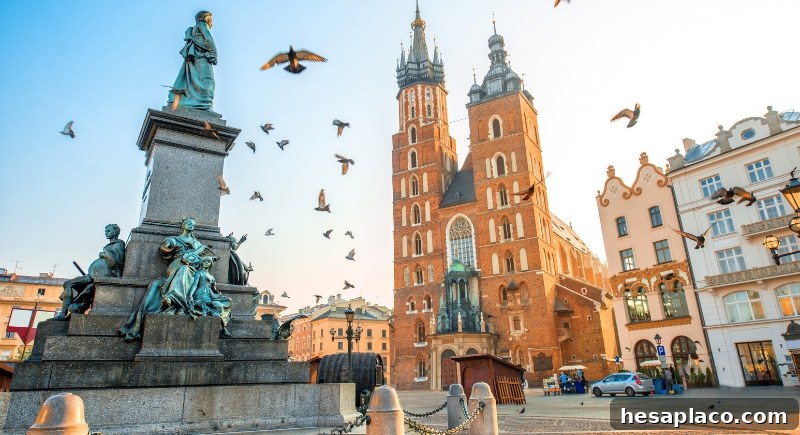
Image via iStockphoto/RossHelen
Today, cities such as Kraków, Gdańsk, Wrocław and Warsaw are major European destinations. Visitors come for Chopin concerts, centuries-old cathedrals, cobblestone streets and authentic historical charm. Tourism has boomed without forcing the country to sacrifice its identity or heritage.
Faith remains a visible and influential element in Polish public life. High-profile religious events, including the 2016 “Act of Acceptance of Jesus Christ as King and Lord,” reflect how cultural and spiritual traditions continue to shape civic life for many Poles.
The Economy That Kept Its Own Course
Economically, Poland charted an independent course. It retained its national currency, the złoty, rather than adopting the euro, which insulated it from the worst effects of the eurozone crises that affected other economies. Poland also maintained a strong manufacturing base even as some countries shifted large portions of production offshore.
Performance indicators show sustained progress. Over the past three decades, Poland’s economy has outpaced most of Central and Eastern Europe in growth. Unemployment is low, recently falling below 3% in many measures, inflation has come under control after recent volatility, and exports continue to be a central engine of growth.
Academic observers note the narrowing income gap with Western Europe. Professor Marcin Piątkowski estimates that Poland has reached roughly 80% of Western European income levels, a signal that the country should be recognized as a modern economic success story.
The Quiet Rebuilding of a Global Ambition
Image via iStockphoto/Arpan
Poland’s technology sector has expanded well beyond domestic markets. Firms such as Synerise, which provides AI-driven analytics and decision tools across more than 150 markets, illustrate how Polish innovation has reached global customers. Start-ups and established companies are gradually scaling into Europe, the Middle East and the United States, demonstrating strong competitive potential.
Polish leaders view the coming decade as decisive. The strategy focuses on leveraging a well-educated young workforce, strengthening public-private partnerships, and creating an environment that attracts productive foreign investment. Those priorities aim to transform near-term gains into long-term economic resilience.
A Different Kind of Success Story
Poland’s growth has been paired with relative social stability. Real wages have been rising, crime rates are lower than in many comparable countries, and education outcomes remain robust. Migration—particularly labor migration from Ukraine—has helped expand the workforce, while the population remains predominantly ethnic Polish.
As Poland consolidates its gains, the challenge will be to sustain inclusive growth that benefits broad segments of society while preserving the cultural and historical character that has become a distinctive asset. If Poland continues to blend respect for tradition with strategic modernization, it is well positioned to deepen its role as a major European economy and a center of innovation and culture.