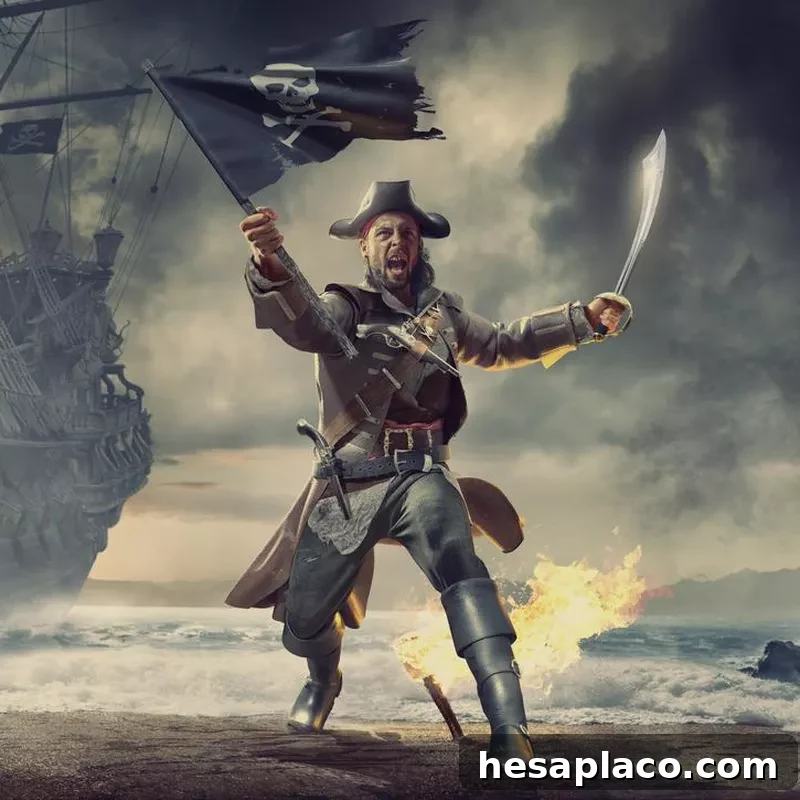
The era of the Golden Age of Piracy—roughly 1650 to 1720—has long captured the popular imagination. Countless novels, films, television shows, comics and cartoons have romanticized pirates from that seventy-year span. While much of that portrayal is fictional, the real lives, rules and exploits of pirates are often as fascinating as the legends.
Walking the Plank Is Mostly Fiction
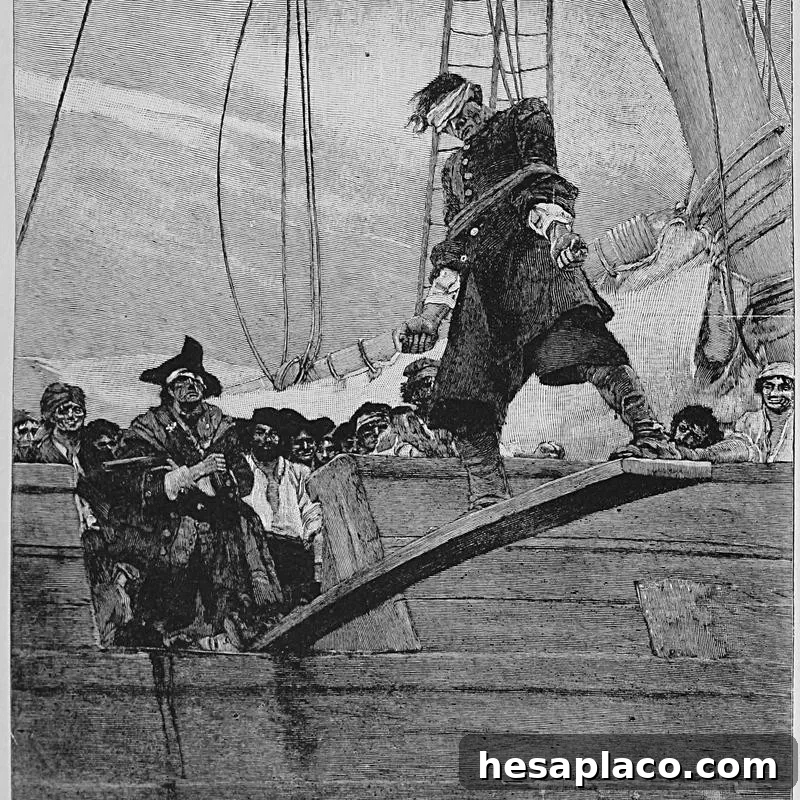
Howard Pyle’s 1887 drawing for Harper’s Magazine helped cement the image of walking the plank in popular culture. Howard Pyle / Wikipedia
Walking the plank appears in pirate lore, but it was not a common practice. The phrase traces back to accounts in A General History of Pyrates (1724) and earlier stories, yet most evidence points to far simpler, less theatrical methods of disposing of captives—throwing people overboard or outright killing them. Robert Louis Stevenson’s Treasure Island and later artists such as Howard Pyle popularized the dramatic image of a victim forced down a single board over the sea. Actual documented cases of walking the plank are scarce and often involve non-pirate incidents. In short, it’s a vivid fiction that stuck because of its drama.
Blackbeard’s Image Is Enhanced by Myth
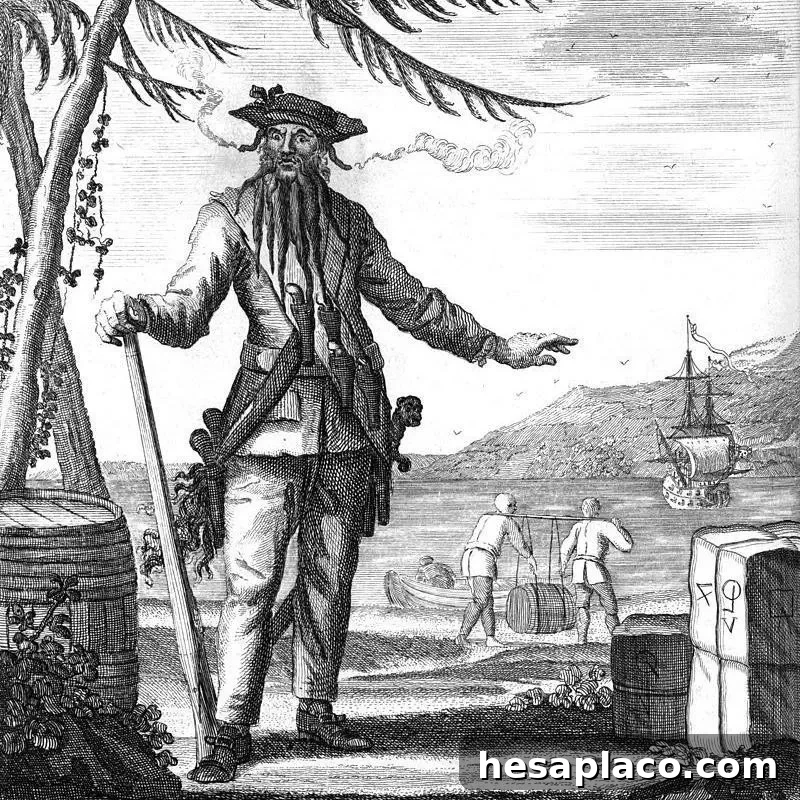
An eighteenth-century depiction of Blackbeard from A General History of Pyrates. Wikipedia
Edward Teach, known as Blackbeard, became larger than life in popular accounts: fierce, fuse-lit beard, many wives, and a murderous reputation. Contemporary sources, however, offer only sparse physical descriptions—tall and long-bearded. Historical research suggests Blackbeard was entangled in colonial politics and local economies as much as he was an outlaw. He did meet a violent end in battle in 1718, which reinforced his fearsome legend, but many classic details about his appearance and behavior were exaggerated over time.
Pirates Participated in the Slave Economy
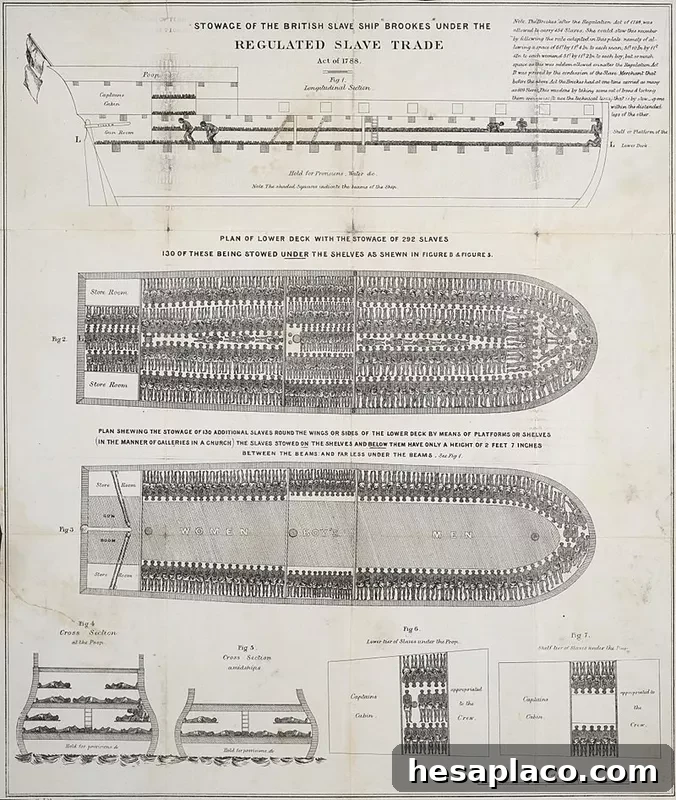
Diagram of the 18th-century British slave ship Brookes. Plymouth Chapter of the Society for Effecting the Abolition of the Slave Trade / Wikipedia
Pirate crews were diverse, and people of African and mixed descent did serve aboard pirate ships. Yet pirates were not immune to the period’s brutal economics. Many engaged in the slave trade—seizing enslaved people from other vessels, selling captives at ports, and even using enslaved people as compensation or cargo. While some pirates freed enslaved people or accepted runaways into their ranks, others fully participated in the trafficking and exploitation that underpinned the Atlantic economy.
Pirate “Workman’s Comp” Existed
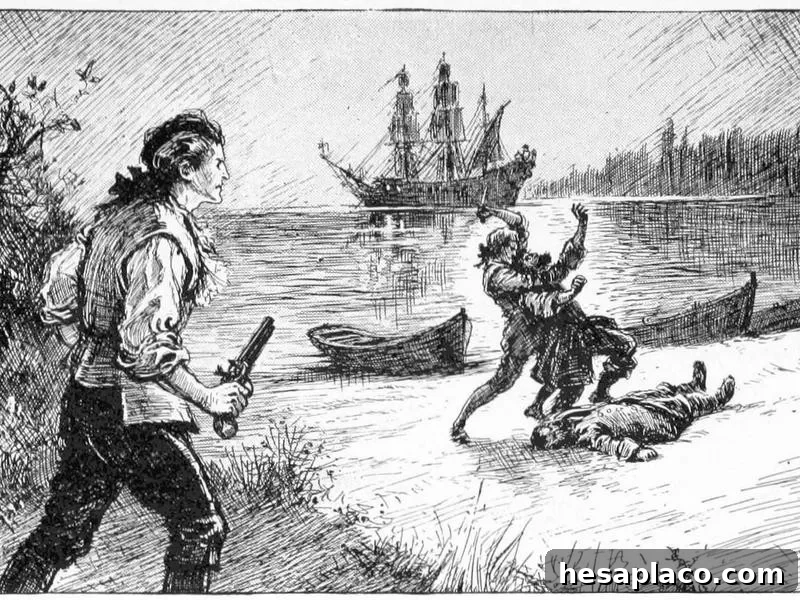
An illustration by Paul Hardy for “Rogues of the Fiery Cross.” Paul Hardy / Wikipedia
Contrary to the image of lawless brutality in every respect, many pirate crews operated under written articles that included compensation for injury. Alexandre Exquemelin’s The Buccaneers of America (1684) records agreements where losing a limb or an eye resulted in specified shares of plunder or monetary compensation. These arrangements varied by crew but show that pirates often established rules to protect sailors’ economic interests and maintain order on board.
Pirate Pay Could Outperform Shore Labor
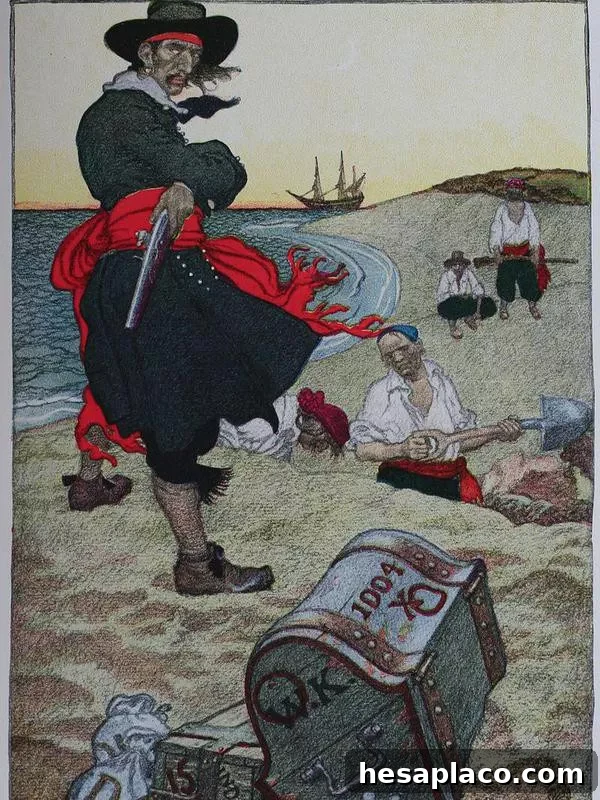
Howard Pyle’s illustration of Captain Kidd’s treasure. Howard Pyle / Wikipedia
Many common laborers earned very little on land. For desperate or adventurous men, a pirate ship could offer markedly better pay if a voyage was successful. Pirate crews divided spoils by agreed shares: captains and quartermasters took larger portions, skilled men—like carpenters or surgeons—received bonuses, and ordinary crewmen received equal shares. The risk was great, but so could be the reward.
Pirate Crews Were Self-Governing—Not Mutinous
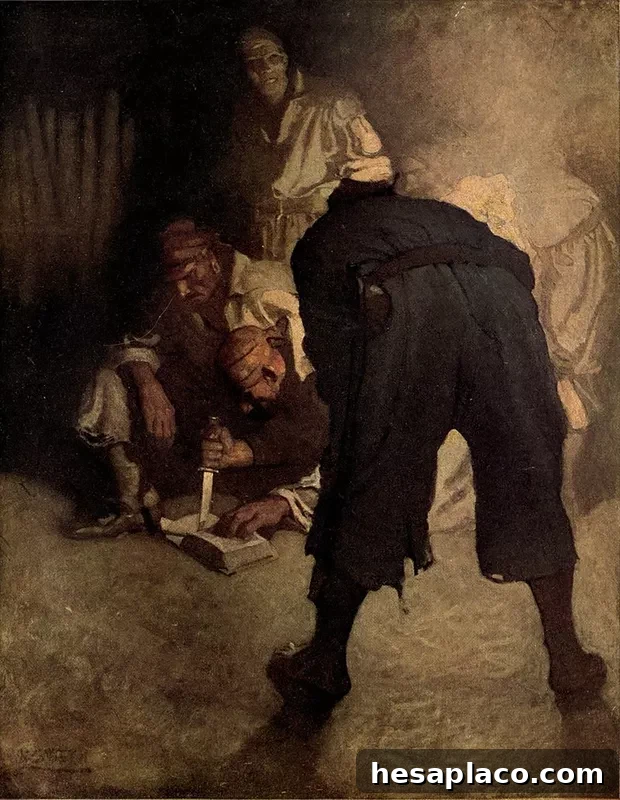
N.C. Wyeth illustration for Treasure Island. Wikipedia
Mutiny is a term more accurately applied to ships operating under naval or merchant law when crew members overthrow a legally sanctioned captain. Pirate vessels often ran by democratic practices: captains were elected and could be replaced by vote, and many decisions were made collectively. This organized anarchy meant that what would be called mutiny on a naval ship was often routine leadership change on a pirate ship.
The Royal Navy Trained Future Pirates
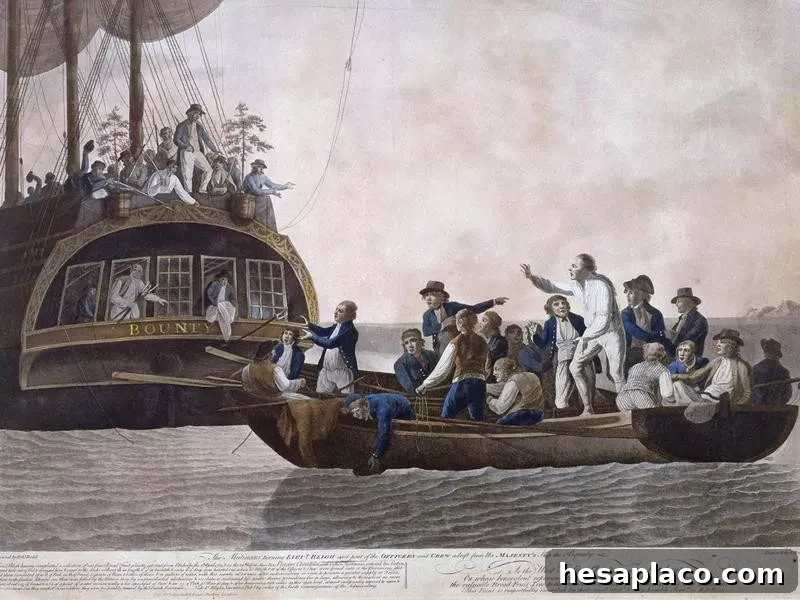
Robert Dodd’s 1790 painting of the HMS Bounty mutiny. Robert Dodd / Wikipedia
Many pirates learned seamanship, gunnery, and navigation through service in the Royal Navy or merchant ships. The British practice of impressment—forcing men into naval service—meant that many who resented or fled the navy possessed valuable maritime skills that they later used as privateers or pirates. Anger at impressment and naval discipline sometimes pushed sailors toward piracy.
Severe Punishments Were Employed
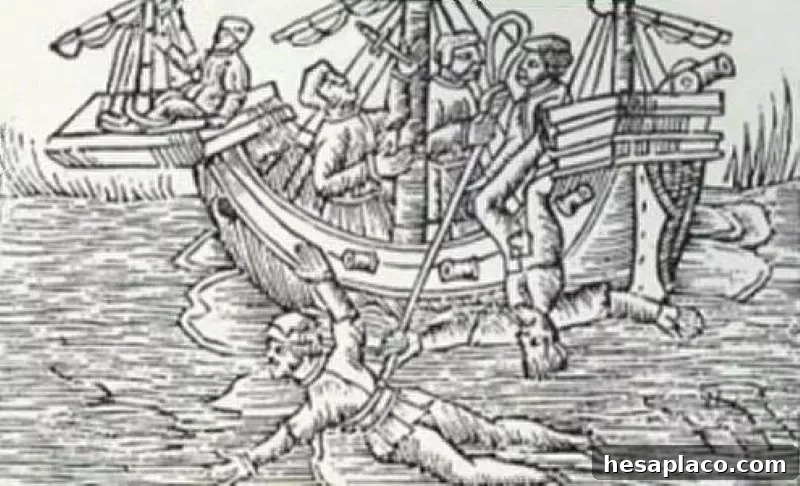
A Tudor-era woodcut of keelhauling. Bournville Village Trust / Wikipedia
Pirate justice could be harsh. Murder among crewmembers sometimes earned the killer an especially brutal punishment: being tied to weights and thrown overboard with the victim’s corpse. Some naval punishments, like keelhauling, were extreme in official practice, though evidence of widespread use among pirate crews is limited. Still, pirate articles often included strict penalties to enforce discipline.
Privateers and Pirate Hunters Could Become Pirates
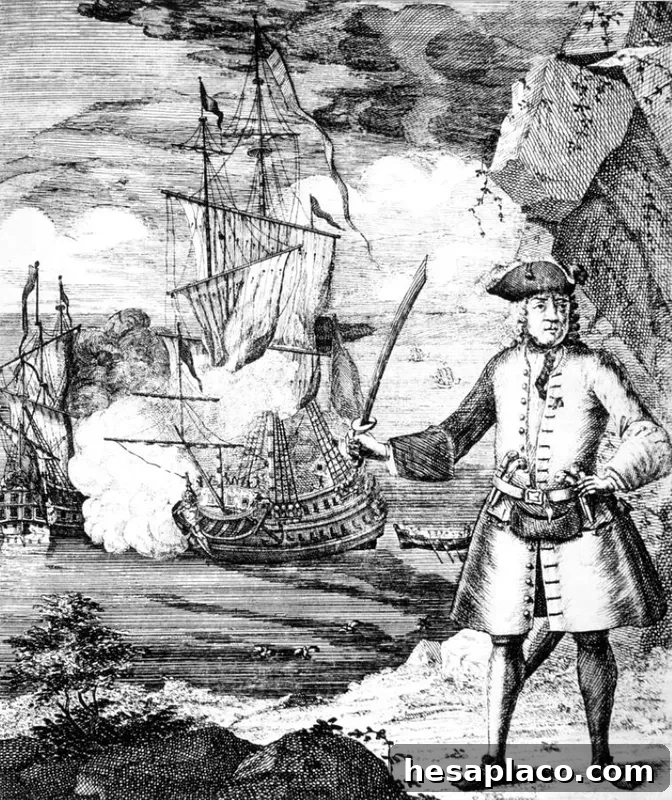
An 18th-century drawing of Henry Every. Wikipedia
Privateering—state-sanctioned raiding under a letter of marque—blurred the line between lawful and criminal plundering. Some privateers, frustrated by unpaid prizes or lack of opportunities, mutinied and turned to outright piracy. Notable examples include Henry Every and the complicated career of Captain William Kidd, who moved between privateering and piracy.
Pirate Codes Governed Behavior
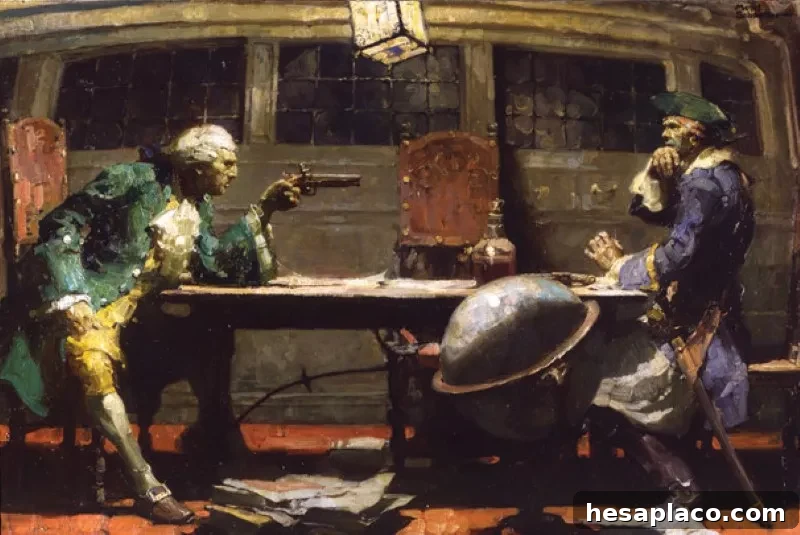
Illustration for The Black Buccaneer. Meade Schaeffer / Wikipedia
Many pirate crews operated under written articles—codes that specified share distribution, compensation for injuries, conduct during battle, and punishments. Violations could bring lashes, marooning, or worse. These rules promoted cohesion and made pirate life more predictable and, for some men, more attractive than naval service.
Marooning Was a Real Punishment

Howard Pyle’s “Marooned.” Howard Pyle / Wikipedia
Marooning—abandoning a crew member ashore or on a desolate island with minimal supplies—appears in several sets of pirate articles as a punishment for theft, desertion, or other serious breaches. It was feared because survival chances were slim without help.
Pirate Flags Varied

A pirate ship flying flags. Ryan Rad / Getty Images
While the skull-and-crossbones (the Jolly Roger) is iconic, pirate flags came in many designs. Some featured hourglasses, full skeletons, bleeding hearts, or multiple skulls. Black flags signaled a willingness to give quarter if the target surrendered; the hourglass often meant time was running out to accept terms.
The Red Flag Meant No Mercy

A pirate ship at sea. Getty Images
A red flag signaled that no quarter would be given: if a target refused to surrender, pirates would attack with the intent to kill. Sometimes black flags were soaked in red or were replaced by a red banner to make that pledge unmistakable.
Pirates Avoided Fights When Possible
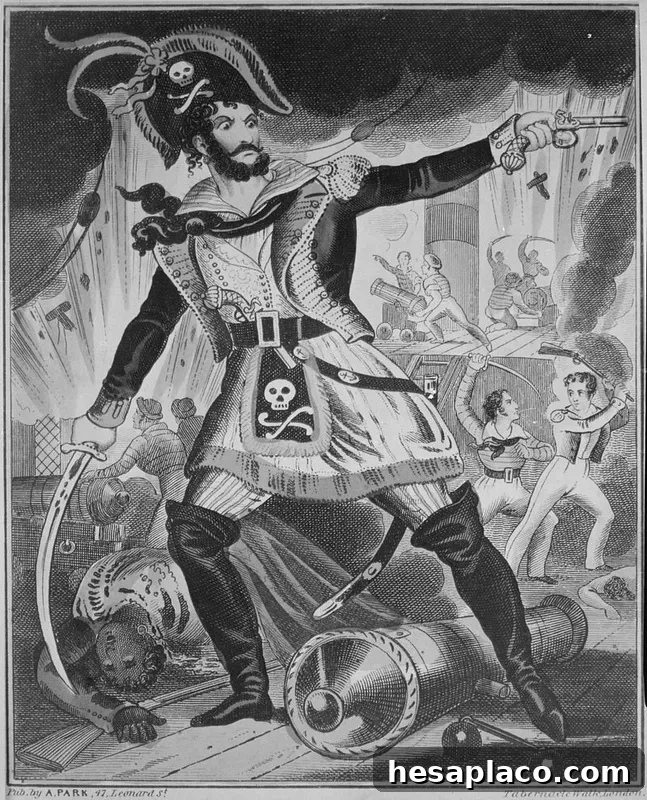
A pirate caricature by Paul Jones. Paul Jones / Wikipedia
Pirates preferred easy, low-risk profit. Reputation for ferocity and use of threatening flags, aggressive posturing, or a single warning cannon shot often secured surrender without a costly fight. Direct combat reduced plunder and risked the crew’s lives, so intimidation and speed were crucial tactics.
Captured Sailors Could Be Recruited
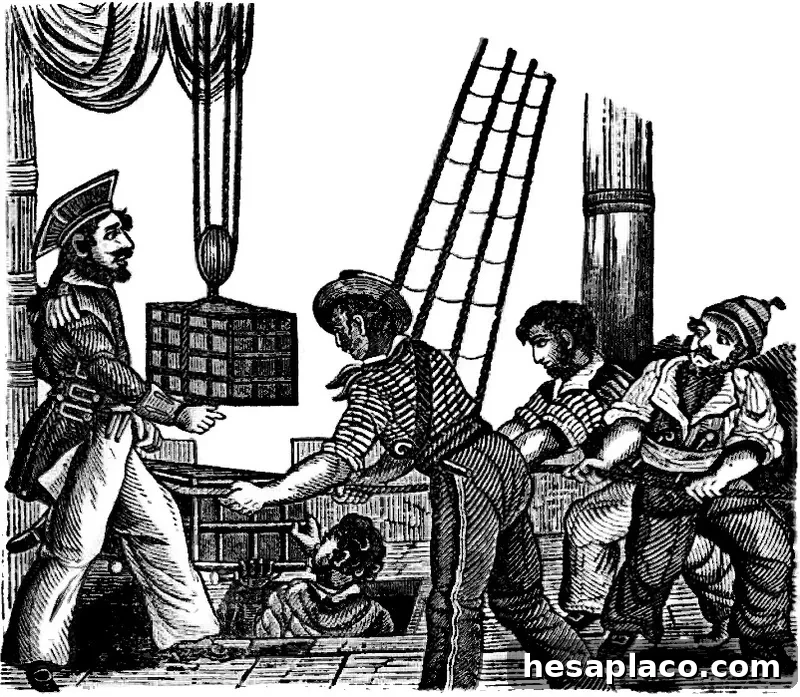
An illustration from The Pirates Own Book. Charles Ellms / Wikipedia
Pirates often offered members of captured crews the chance to join them. Many accepted, especially if they were dissatisfied with their officers, underpaid, or offered a better life under pirate articles. Those who refused were sometimes released, left ashore, or sent back to their vessels if pirates didn’t want the prize ship.
Speed and Maneuverability Were Vital
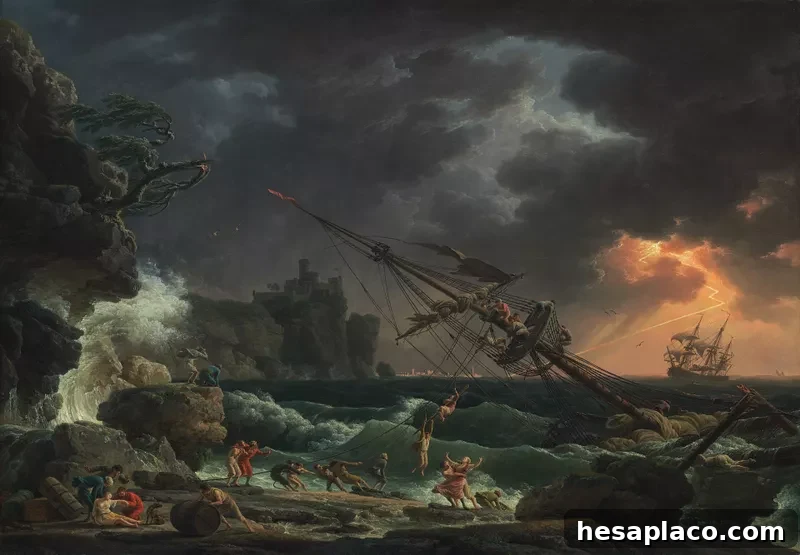
Claude Joseph Vernet’s “The Shipwreck,” 1772. Claude Joseph Vernet / Wikipedia
Pirate vessels needed to be fast to chase merchant prey and escape naval patrols. Captains upgraded ships as they captured better vessels, often converting prize ships into faster, better-armed cruisers. Speed was often more valuable than raw firepower.
The Queen Anne’s Revenge Was Found
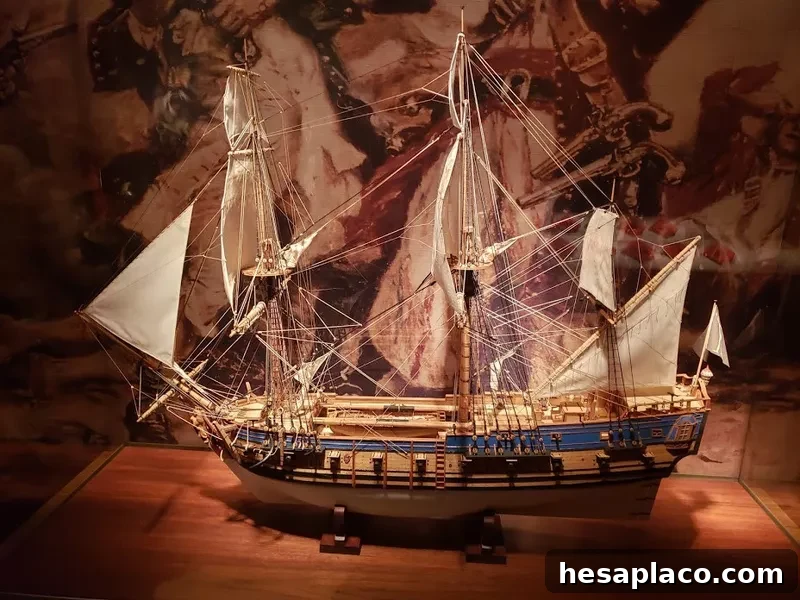
A modern model of the Queen Anne’s Revenge at the North Carolina Museum of History. Qualesin / Wikipedia
Blackbeard’s flagship, the Queen Anne’s Revenge, ran aground in 1717 off present-day Beaufort Inlet, North Carolina. Discovered in 1996, the wreck yielded hundreds of thousands of artifacts over decades of excavation, including weapons, anchors and other material culture now studied and displayed by maritime museums.
Blackbeard Ransomed Hostages for Medical Supplies
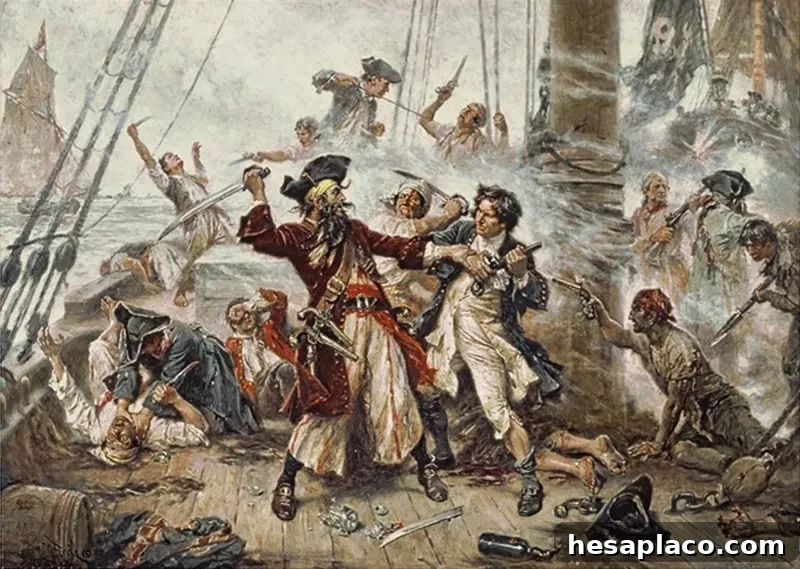
Jean Leon Gerome Ferris’s depiction of a pirate capture. Wikipedia
In 1718, Blackbeard blockaded Charleston and held hostages to demand medical supplies. Historians suggest the demand for mercury-based medicines—used to treat syphilis—may explain why such supplies were requested. Whether for real medical need or bargaining power, the ransom demonstrates that pirates sometimes calculated demands based on specific local needs.
Some Prizes Were Enormously Profitable
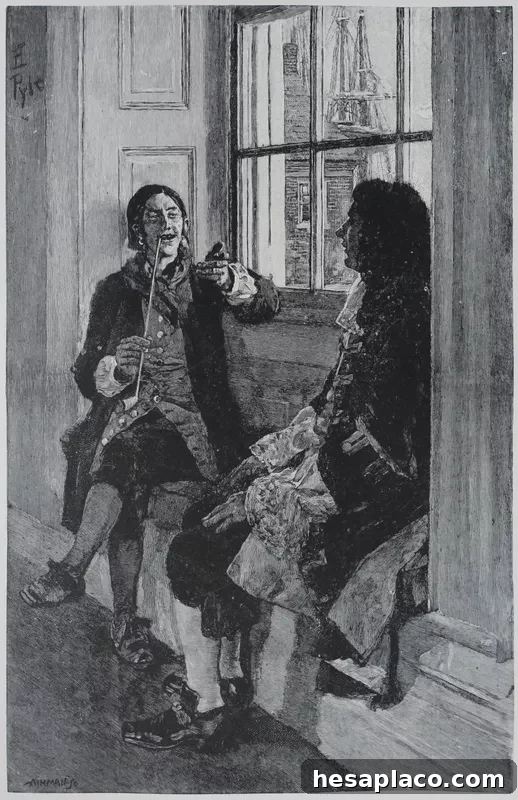
Thomas Tew depicted by Howard Pyle. Howard Pyle / Wikipedia
Occasionally pirates captured immense hauls. Rhode Island privateer-turned-pirate Thomas Tew seized richly laden merchant vessels in the Red Sea, earning his crew fortunes. Such windfalls could make a successful crew wealthy enough to retire—if they survived long enough to spend the gains.
American Ports Provided Temporary Havens
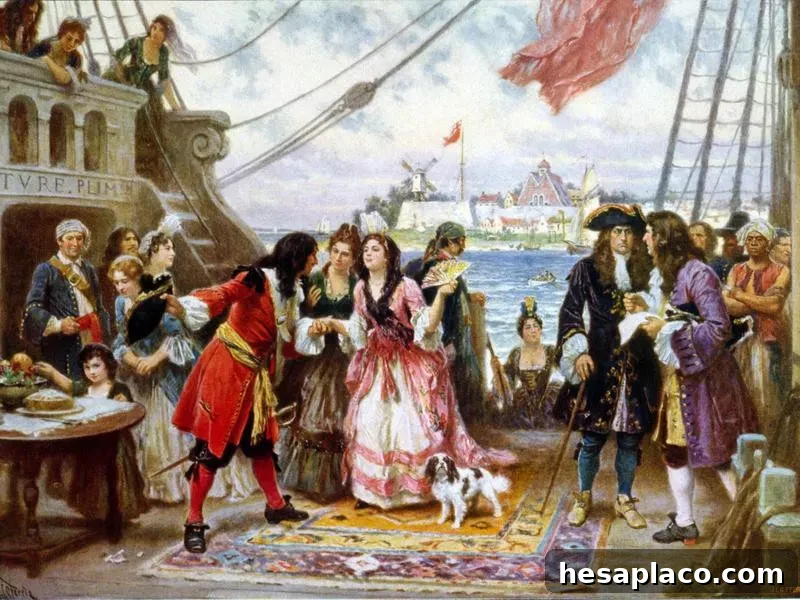
Jean Leon Gerome Ferris’s Captain Kidd in New York Harbor. Wikipedia
Colonial ports like Bath (North Carolina) and parts of Rhode Island intermittently sheltered pirates, often because local officials profited from illicit trade or feared economic harm to their towns when official commerce was restricted. Over time, as imperial trade regulations loosened and enforcement improved, most colonial ports moved to suppress piracy.
Peg Legs and Hooks Were Possible but Not Universal
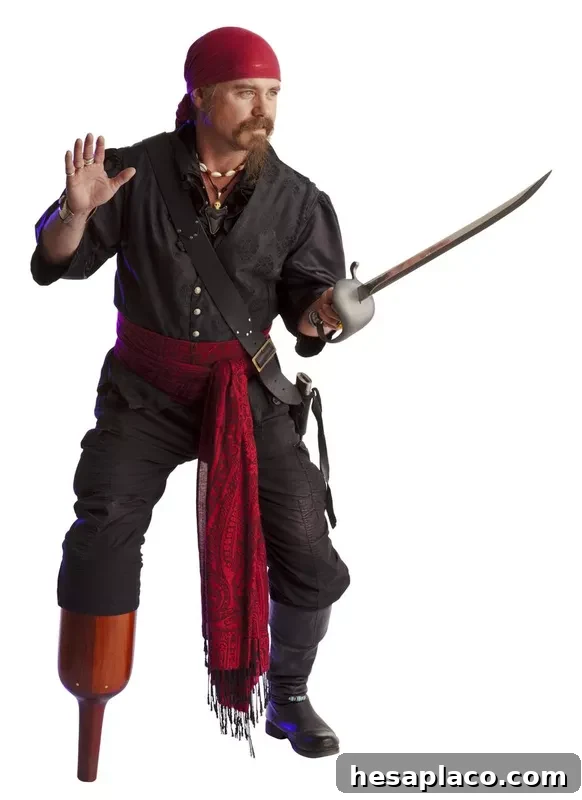
FlamingPumpkin / Getty Images
Loss of limbs was an occupational hazard at sea, and prosthetics have existed for centuries. Peg legs and mechanical hooks were technically possible for survivors who reached shore and could afford replacements, but there’s limited evidence these prosthetics were common among pirates. Popular culture amplified a handful of famous examples into an archetype.
Pirates’ Appearance Was Less Theatrical than Art Suggested

MmeEmil / Getty Images
Many visual elements of the pirate look—bandanas, flamboyant sashes and heavy jewelry—come from nineteenth-century illustrators like Howard Pyle and other Romantic artists. Real pirates tended to wear practical seafaring clothes, though some flouted sumptuary laws by wearing fine garments or keeping valuables on their person, such as earrings or coin necklaces, to safeguard wealth from theft.
Pirate Speech Stereotypes Are Modern Invention

donfiore / Getty Images
Classic “pirate talk”—“Arrr” and “shiver me timbers”—originated in twentieth-century performances, notably Robert Newton’s 1950 film portrayal of Long John Silver. In reality, pirates spoke in the dialects of their native regions, and their accents varied widely depending on origin and context.
Pirates Kept Pets
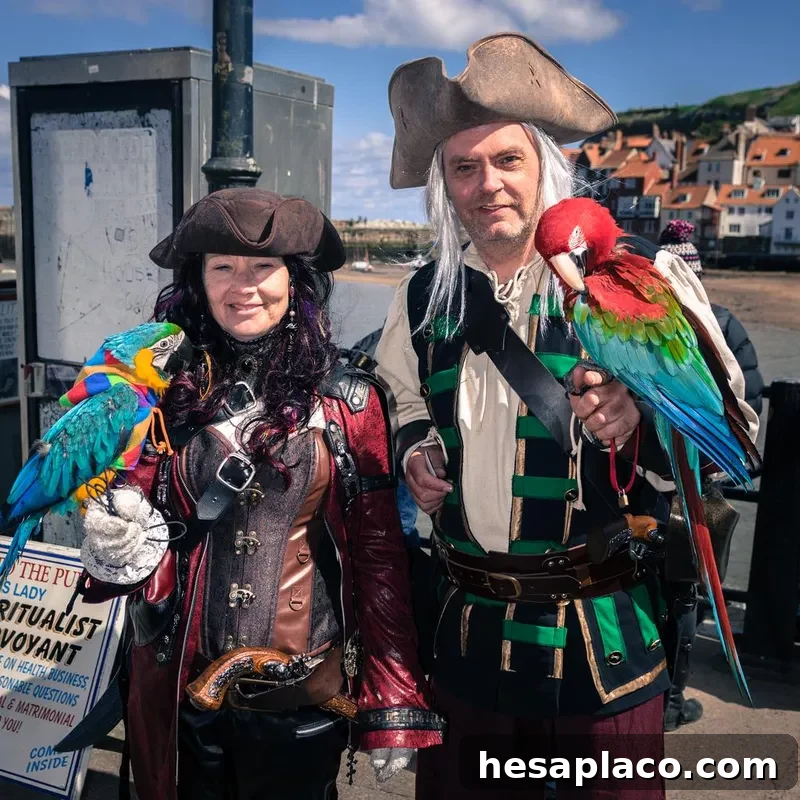
ColobusYeti / Getty Images
Parrots and other exotic animals appear in fiction, but historical accounts show some pirates did keep birds, monkeys and other pets obtained in port regions. Such animals provided companionship and could command a profit when sold ashore.
People of African Descent Served as Pirates
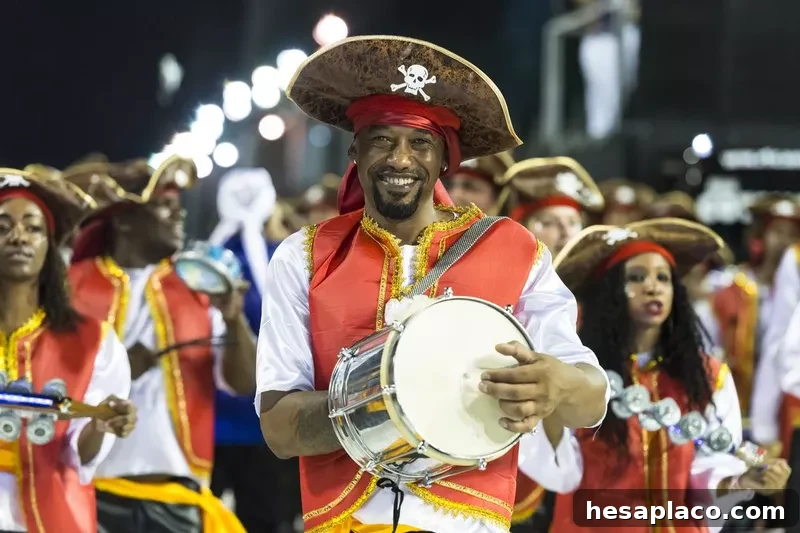
Florianópolis carnival photo. Global_Pics / Getty Images
Historians disagree on exact proportions, but many pirate crews included Black sailors—some escaped slaves or freedmen—who at times reached high ranks such as quartermaster. Other evidence shows Black crew members could be assigned the most dangerous or least desirable tasks. The reality varied by captain, crew, and region.
Women Were Often Excluded—but Not Absent
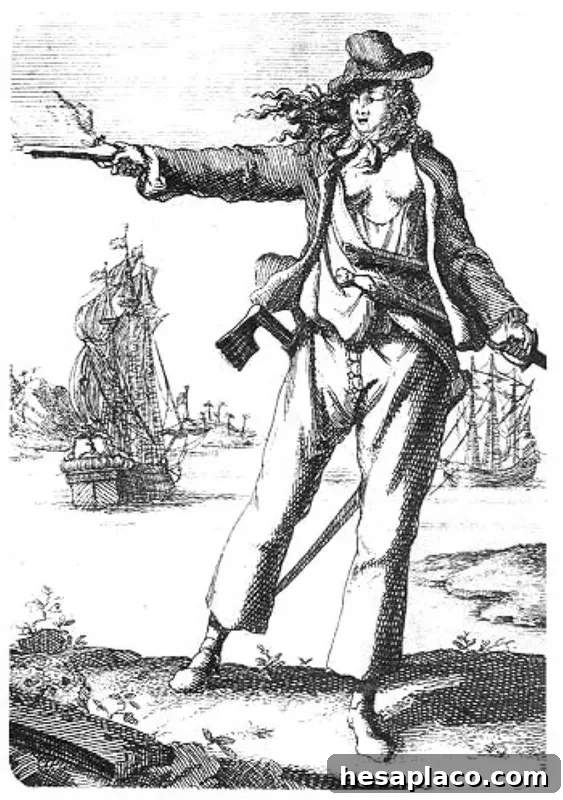
Anne Bonny illustration from A General History of Pyrates. Wikipedia
Many pirate crews forbade women, viewing them as bad luck or a source of discord. Still, women sometimes joined or disguised themselves to serve as pirates. Anne Bonny and Mary Read are two famous examples: both fought alongside male pirates and became notorious for their bravery and ferocity in battle.
Women Could Reach Extraordinary Power: Ching Shih
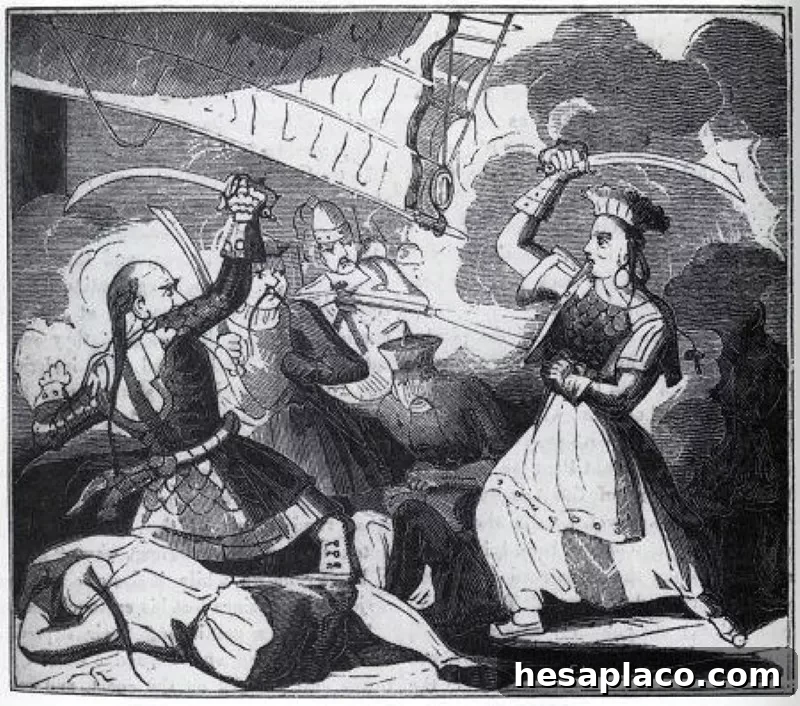
An illustration from History of Pirates of All Nations. Wikipedia
Ching Shih (Shi Xianggu) rose from humble origins to control the Red Flag Fleet—reports claim thousands of ships and tens of thousands of crew members under her authority. She enforced strict articles, punished sexual violence severely, and ultimately negotiated a favorable amnesty with Chinese authorities, retiring with wealth and relative security.
Henry Every’s Raid Yielded Immense Wealth
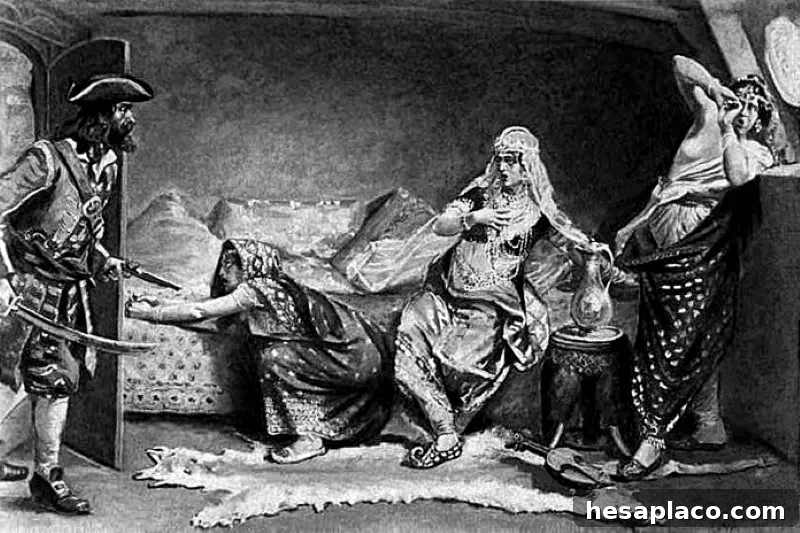
A painting depicting Henry Every aboard the Ganj-i-Sawai. John Ward Dunsmore / Wikipedia
Henry Every’s capture of the richly laden Mughal ship Ganj-i-Sawai in 1695 produced a haul worth enormous sums in today’s terms. Afterward, Every and many of his crew vanished from official records, presumed to have retired with their wealth. The raid remains one of piracy’s most lucrative and notorious successes.
Pirates Often Had Families Back Home
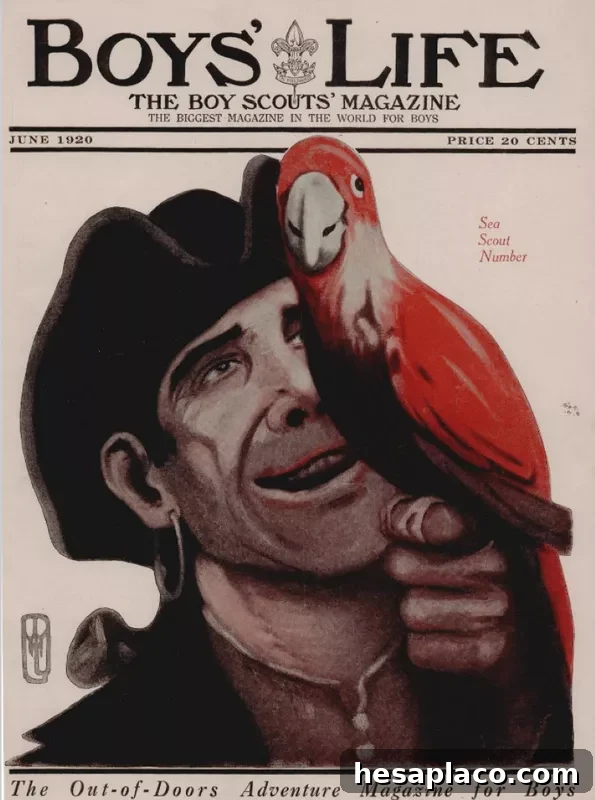
Boys’ Life magazine cover, June 1920. Boys’ Life Magazine / Wikipedia
Contrary to the image of rootless outlaws, many pirates maintained families and homes and returned to them between voyages. In some ports, spouses and relatives helped sell plundered goods and manage finances for seafaring kin.
Fame and Wealth Could End at Sea
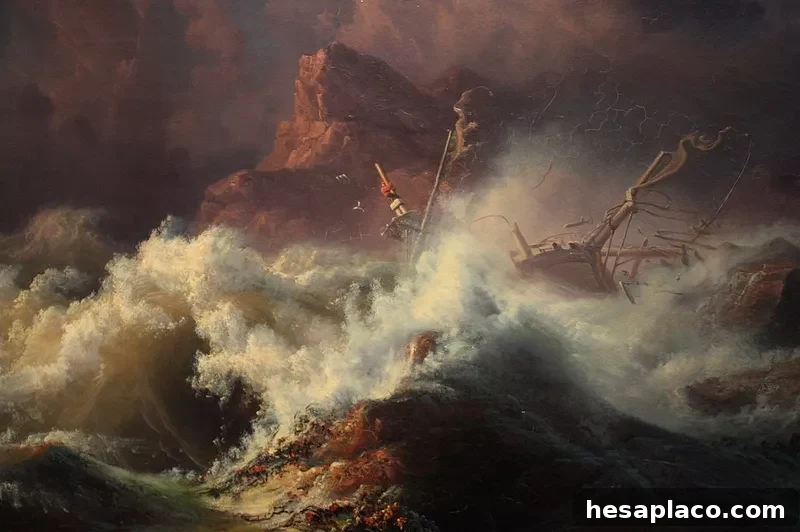
Knud Baade’s “The Wreck,” c.1835. Knud Baade / Wikipedia
Samuel “Black Sam” Bellamy captured dozens of ships and seized the slave ship Whydah, richly laden with goods. But two months later a storm sank the Whydah off Cape Cod, killing nearly all aboard and burying the plunder with the wreck—showing how quickly even great fortunes could be lost to the sea.
The Youngest Known Pirate Was a Child
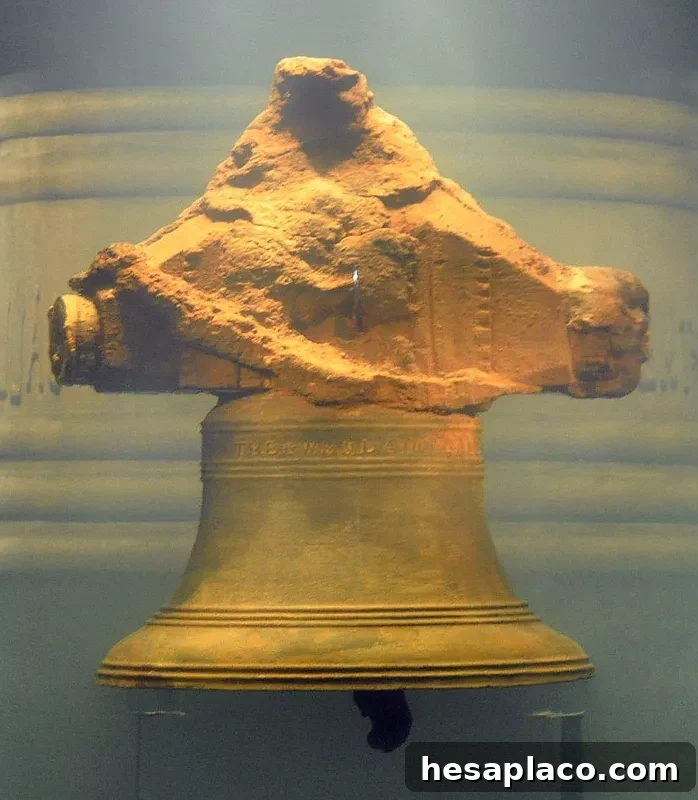
A bell recovered from the Whydah wreck. jjsala / Flickr
John King, a boy of ten or eleven, is known to history because he joined Black Sam Bellamy’s crew after being captured and later died in the Whydah wreck. Archaeological finds linked to the Bonetta and Whydah helped confirm his presence and youth. Such cases remind us that pirates included people of many ages and backgrounds.
Pirate Strongholds Existed Worldwide
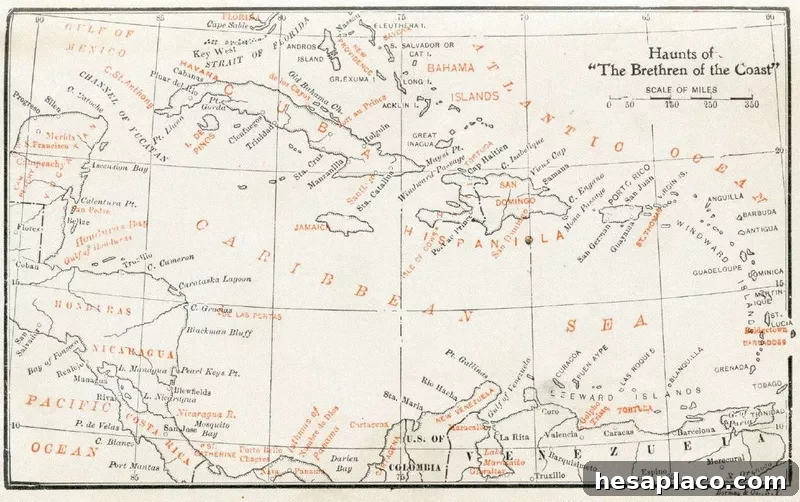
Map of pirate haunts from Buccaneers and Pirates of Our Coasts (1897). Wikipedia
Some ports developed reputations as pirate havens: Port Royal (Jamaica), Tortuga (Haiti), New Providence (Bahamas), St. Mary’s Islands (India) and others provided refuge, trade opportunities and marketplaces for plundered goods. In some cases colonial authorities colluded with or tolerated pirates for local economic benefit—until imperial pressure forced suppression.
Henry Morgan Became a Colonial Official
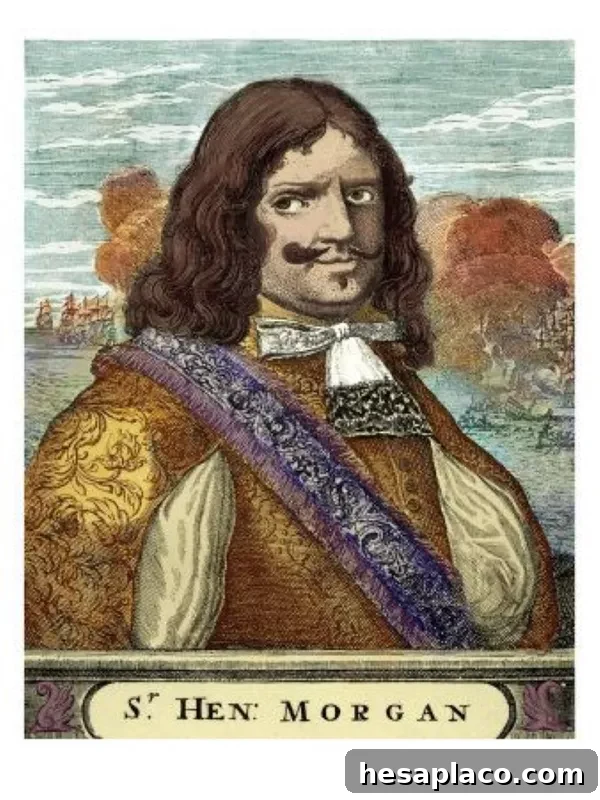
Henry Morgan illustration from The Buccaneers of America. Wikipedia
Henry Morgan, a privateer who led brutal raids against Spanish possessions, was arrested during diplomatic tensions but later pardoned, knighted and appointed Lieutenant Governor of Jamaica. His career illustrates how politics and privateering blurred the lines between sanctioned aggression and outlawry.
Pirate Histories Mix Fact and Fiction
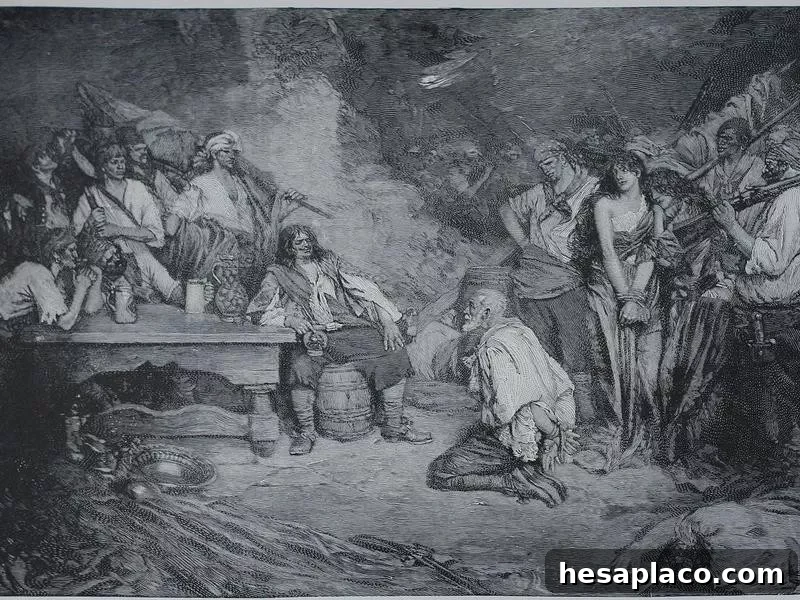
Howard Pyle depiction of Henry Morgan. Howard Pyle / Wikipedia
Many classic sources blend eyewitness detail with rumor and sensationalism. A General History of Pyrates and works by Exquemelin are invaluable yet inconsistent. Some pirates even sued biographers for libel when accounts overstated their crimes, highlighting the challenges historians face when separating myth from reality.
Buried Treasure Is Mostly a Romantic Myth

Getty Images
The image of pirates burying chests of gold with maps to rediscover later is largely the invention of fiction—Robert Louis Stevenson and earlier rumors about figures like Captain William Kidd. While occasional archaeological finds spark excitement, most plunder was quickly sold, melted down, or divided, not carefully hidden for future treasure hunters.
Pirates were complex historical actors: criminals, seafarers, entrepreneurs, and sometimes reformers in miniature communities. Their lives were violent, risky and often profitable, shaped by the maritime economy, colonial politics and the realities of life at sea. Separating legend from documented fact reveals a far more nuanced and compelling story than the caricature often shown in popular culture.