
Countries that prioritize and invest in innovation do more than benefit themselves — they push progress forward for everyone. The World Intellectual Property Organization ranked 131 economies by their innovation performance. Here are the top 30 most innovative countries based on that index, presented with key facts and concise takeaways.
30. Spain

Eloi_Omella / Getty Images
Population: 46.94 million
Gross domestic product: $1.393 trillion
Famous companies: Movistar, BBVA, Zara
Score: 45.6
Bottom line: Spain has a strong technology scene and ranks well on internet inclusion. Major cities like Madrid and Barcelona are vibrant startup hubs focused on digital services, and large corporations such as Movistar and BBVA help sustain an innovative ecosystem.
29. Cyprus

f8grapher / Getty Images
Population: 875,899
Gross domestic product: $24.95 billion
Famous companies: Charlie Airlines, Global Trans Investment
Score: 45.7
Bottom line: Cyprus punches above its weight. Its strategic Mediterranean location supports entrepreneurship and high-tech production. The country has policies such as a startup visa to attract talent and boost innovation.
28. Italy

martinwimmer / Getty Images
Population: 60.36 million
Gross domestic product: $2.004 trillion
Famous companies: Ferrari, Lamborghini, Versace
Score: 45.7
Bottom line: Italy combines a long history of inventions with strong design and manufacturing. It invests in research and adopts advanced industrial technologies such as robotics and machine learning, helping sustain competitive, high-quality products.
27. Malta

alex_ugalek / Getty Images
Population: 502,653
Gross domestic product: $14.99 billion
Famous companies: Emmanuel Delicata, Air Malta
Score: 46.4
Bottom line: Malta’s government actively promotes forward-looking tech policy, including initiatives involving blockchain in public services. Ambitious plans and supportive legislation position the country as an emerging innovation center.
26. New Zealand

stefaniedesign / Getty Images
Population: 4.917 million
Gross domestic product: $206.9 billion
Famous companies: Air New Zealand, Spark New Zealand
Score: 47
Bottom line: New Zealand ranks among the world’s leading digital economies. The country combines profitable tech growth with policies aimed at sustainability, using innovation to meet goals such as carbon neutrality by 2050.
25. Estonia

KavalenkavaVolha / Getty Images
Population: 1.325 million
Gross domestic product: $31.47 billion
Famous companies: Skype, TransferWise, Taxify, Playtech
Score: 48.3
Bottom line: Estonia is a digital pioneer: one of the first paperless governments and an early adopter of e-services for voting, banking and healthcare. Policies such as a digital nomad visa attract global talent and strengthen its innovation ecosystem.
24. Czech Republic

Thomas Demarczyk / Getty Images
Population: 10.65 million
Gross domestic product: $250.7 billion
Famous companies: Avast, Škoda, Budweiser Budvar, Pilsner
Score: 48.3
Bottom line: The Czech Republic leads Central Europe in innovation, supported by solid infrastructure, funded research and effective technology adoption. Sustainability standards and certifications also help reduce industrial environmental impact.
23. Australia

raisbeckfoto / Getty Images
Population: 25.36 million
Gross domestic product: $1.397 trillion
Famous companies: Billabong, Qantas, Holden
Score: 48.4
Bottom line: Australia has produced major innovations—wifi, ultrasound and more—and invests heavily in research. Government-backed innovation clusters and ambitious renewable energy projects reinforce its position as a technology adopter and developer.
22. Belgium

RossHelen / Getty Images
Population: 11.46 million
Gross domestic product: $533.1 billion
Famous companies: Anheuser-Busch InBev, Option N.V., Solvay S.A.
Score: 49.1
Bottom line: Belgium’s compact size belies a robust startup scene, particularly in Antwerp. Government support and participation in smart-city initiatives foster collaboration between public and private stakeholders to solve urban challenges.
21. Iceland

july7th / Getty Images
Population: 356,991
Gross domestic product: $24.19 billion
Famous companies: Icelandair, 66°North, Frisk Software International
Score: 49.2
Bottom line: Iceland relies on domestic renewable energy—geothermal and hydro—to power nearly all electricity demand. Innovations in sustainable agriculture, high-tech greenhouses and carbon capture make it a global model for green transition.
20. Norway

Mlenny / Getty Images
Population: 5.328 million
Gross domestic product: $403.3 billion
Famous companies: Aker Solutions, Kahoot, Norwegian Airlines
Score: 49.3
Bottom line: Norway promotes homegrown startups and invests in green technology. Initiatives like StartupLab support domestic innovation while the country balances economic growth with environmental stewardship.
19. Austria

Anton Aleksenko / Getty Images
Population: 8.859 million
Gross domestic product: $445.1 billion
Famous companies: Red Bull, AVL, Stiegl
Score: 50.1
Bottom line: Austria’s strong R&D investment—about 3% of GDP—drives high patent activity and knowledge creation. A well-educated workforce and significant industrial output support continued innovation.
18. Luxembourg
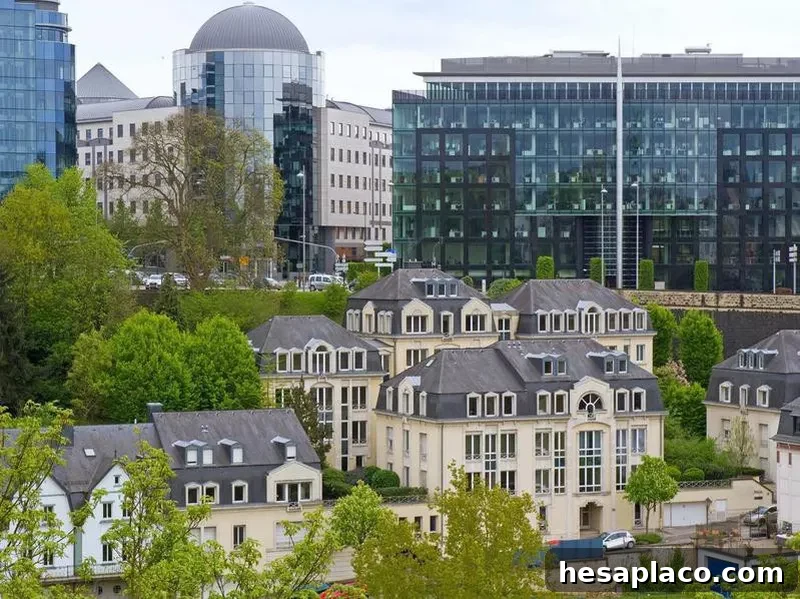
Elisabeth Schittenhelm / Getty Images
Population: 613,894
Gross domestic product: $71.1 billion
Famous companies: Goodyear Dunlop Tires Operations, Luxair
Score: 50.8
Bottom line: Luxembourg’s compact, affluent economy attracts venture capital and knowledge-intensive employment. The country is growing tech clusters and expanding into space and satellite activities, adding high-value exports to its portfolio.
17. Canada

R.M. Nunes / Getty Images
Population: 37.59 million
Gross domestic product: $1.736 trillion
Famous companies: Tim Hortons, WestJet, MAC Cosmetics, Lululemon Athletica
Score: 52.3
Bottom line: Canada benefits from accessible higher education and globally recognized research institutions. A strong culture of entrepreneurship and robust patent activity support its innovation performance.
16. Japan

visualspace / Getty Images
Population: 126.3 million
Gross domestic product: $5.082 trillion
Famous companies: Toyota, Sony, Nippon Telegraph and Telephone
Score: 52.7
Bottom line: Japan leads in robotics, AI and industrial innovation. Government initiatives aim to create an “ultra-smart society” that integrates technology at scale, with ongoing development in digital agriculture, industrial automation and alternative fuels.
15. Ireland

Nieves Mares Pagan / Getty Images
Population: 4.904 million
Gross domestic product: $388.7 billion
Famous companies: Guinness, Ryanair, Trane Technologies
Score: 53.1
Bottom line: Dublin’s “Silicon Docks” and the presence of major tech firms make Ireland a leading European growth center. Pro-business policies, access to talent and strong foreign investment drive rapid economic and innovation growth.
14. China

Yongyuan Dai / Getty Images
Population: 1.398 billion
Gross domestic product: $14.34 trillion
Famous companies: Alibaba, ByteDance, China Mobile
Score: 53.3
Bottom line: China is notable as the only non-high-income economy in the top 30. It leads in AI patent filings and hosts hundreds of tech unicorns. Heavy investment in technology and large-scale commercialization underpin its innovation rise.
13. Israel

dtokar / Getty Images
Population: 9.053 million
Gross domestic product: $394.7 billion
Famous companies: Waze, Wix, SodaStream
Score: 53.6
Bottom line: Israel’s Tel Aviv region is a dense startup ecosystem producing globally known services and platforms. The country also focuses on locally produced renewable energy solutions, especially solar, and translates research into exportable technologies.
12. France

RudyBalasko / Getty Images
Population: 67.06 million
Gross domestic product: $2.716 trillion
Famous companies: Michelin, Renault, Cartier, BNP Paribas
Score: 53.7
Bottom line: France supports R&D through public funding and tax incentives, helping industries like automotive, aerospace, IT services and pharmaceuticals innovate and compete globally.
11. Hong Kong

CHUNYIP WONG / Getty Images
Population: 7.507 million
Gross domestic product: $365.7 billion
Famous companies: City Telecom, Cathay Pacific, HSBC
Score: 54.2
Bottom line: With its independent economy, strong universities and global talent pool, Hong Kong ranks highly for entrepreneurship and venture capital. It ties with other leading economies in several innovation indicators for the East Asia region.
10. South Korea

GoranQ / Getty Images
Population: 51.71 million
Gross domestic product: $1.647 trillion
Famous companies: Samsung Electronics, Hyundai Motor, LG, Kia Motors
Score: 56.1
Bottom line: South Korea’s dramatic transformation is driven by intense R&D investment—about 4.5% of GDP—world-class infrastructure and a highly educated workforce, producing global leaders in electronics and telecommunications.
9. Germany

jotily / Getty Images
Population: 83.02 million
Gross domestic product: $3.861 trillion
Famous companies: Adidas, Volkswagen, Porsche, Allianz
Score: 56.6
Bottom line: Germany’s engineering excellence, strong universities and sustained R&D spending produce leading industrial and automotive innovations. Strength in hardware and machinery underpins its global reputation for quality and durability.
8. Singapore

Nikada / Getty Images
Population: 5.704 million
Gross domestic product: $372.1 billion
Famous companies: Singtel, BS Bank, Pirate3D
Score: 56.6
Bottom line: Singapore leverages pro-business laws, strategic investment in the digital economy and world-class infrastructure to foster innovation. Iconic projects and incentives for entrepreneurs make it a global magnet for companies and talent.
7. Finland

Eloi_Omella / Getty Images
Population: 5.518 million
Gross domestic product: $269.3 billion
Famous companies: Nokia, Ahlstrom
Score: 57
Bottom line: Finland’s consistent R&D investment has produced global contributions like mobile communications and open-source software. Fast internet, accessible education and a culture of innovation keep it near the top of global rankings.
6. Denmark

PhotographerCW / Getty Images
Population: 5.806 million
Gross domestic product: $350.1 billion
Famous companies: Carlsberg Group, LEGO, Pandora Jewellery
Score: 57.5
Bottom line: Denmark excels in life sciences, biomedicine and environmental technology. Strong public education and a notable robotics sector contribute to sustained innovation and green solutions.
5. Netherlands
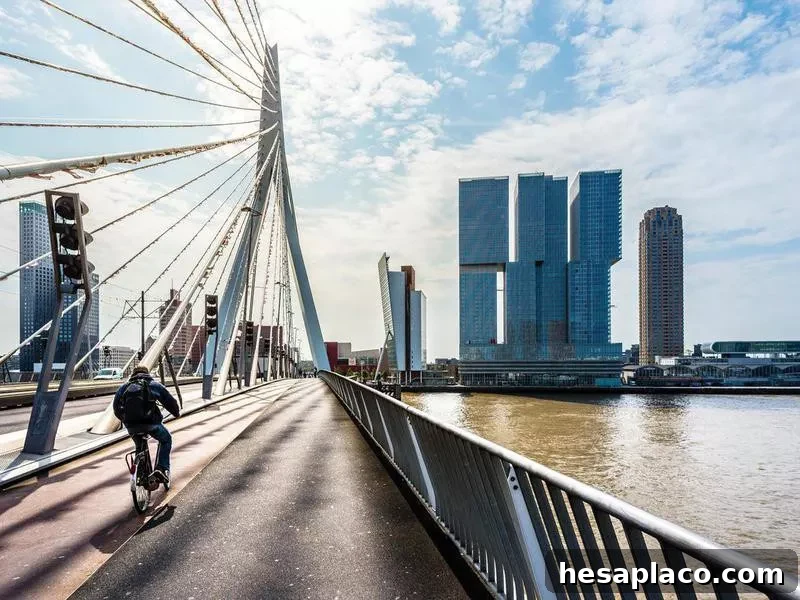
Markus Thoenen / Getty Images
Population: 17.28 million
Gross domestic product: $907.1 billion
Famous companies: Royal Dutch Shell, Unilever, Heineken, ING
Score: 58.8
Bottom line: The Netherlands supports research through public funding, tax incentives and collaboration between academia and industry. Historical contributions to media and technology and strong innovation policy keep it among the world’s leaders.
4. United Kingdom

bloodua / Getty Images
Population: 66.65 million
Gross domestic product: $2.829 trillion
Famous companies: AstraZeneca, BP, Vodafone, Jaguar, Dyson
Score: 59.8
Bottom line: The U.K. combines world-class universities, a strong research base and supportive venture capital incentives. These factors produce a dynamic startup scene and high-impact innovation across many sectors.
3. United States

bennymarty / Getty Images
Population: 328.2 million
Gross domestic product: $21.43 trillion
Famous companies: Apple, Google, Facebook, Microsoft
Score: 60.6
Bottom line: The U.S. remains a global innovation powerhouse thanks to Silicon Valley, top universities, abundant venture capital and a diverse talent pool. These elements foster continuous breakthroughs and high-impact entrepreneurship.
2. Sweden

bhidethescene / Getty Images
Population: 10.23 million
Gross domestic product: $530.9 billion
Famous companies: IKEA, H&M, Ericsson, Spotify
Score: 62.5
Bottom line: Sweden’s steady investment in R&D and strong social systems support innovation across telecommunications, pharmaceuticals and consumer goods. The country demonstrates that robust public services and innovation can coexist.
1. Switzerland

mr-fox / Getty Images
Population: 8.545 million
Gross domestic product: $703.1 billion
Famous companies: Nestlé, Novartis, Swatch, Lindt, Rolex
Score: 66.1
Bottom line: Switzerland tops the ranking thanks to a stable, competitive economy, a strong education system and sustained R&D investment (around 3% of GDP). Public–private collaboration and a highly skilled workforce create conditions that consistently foster new ideas and high-value innovation.