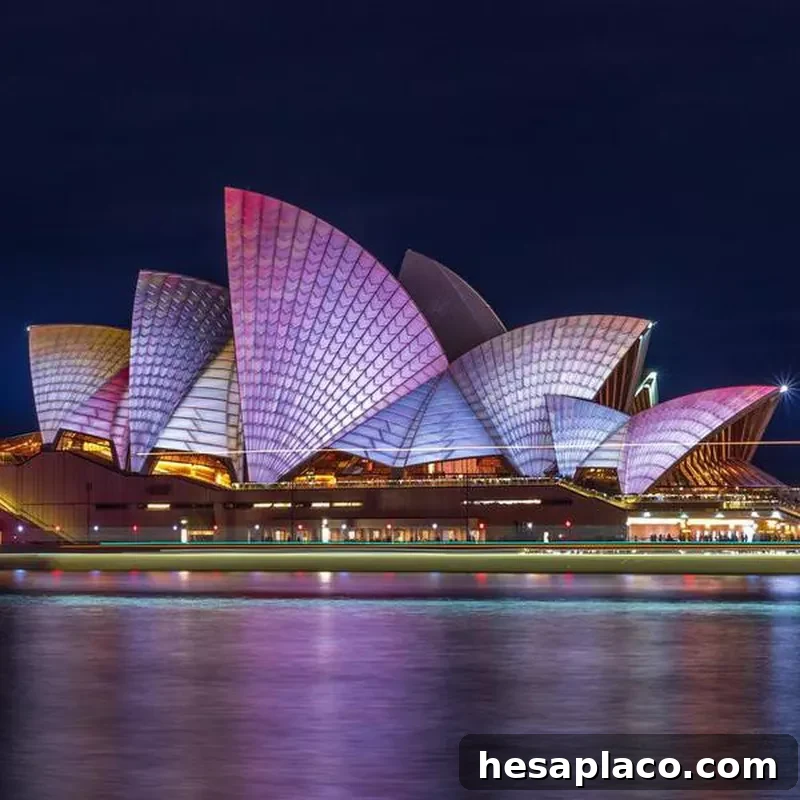
The world’s most famous buildings stand as enduring proof of humanity’s drive to combine design, function, faith and legacy with both traditional and modern technologies. Some structures, like Machu Picchu in Peru or the Colosseum in Italy, were so well constructed they have lasted for centuries or millennia, inspiring artists, writers, musicians and travelers for generations.
From the Sydney Opera House to the Eiffel Tower, iconic buildings shape national identity and reflect cultural growth. This list highlights 30 remarkable buildings from different countries, selected for their historical and cultural importance and ranked by annual visitor numbers where available.
Did your favorite make the list?
30. The Dancing House
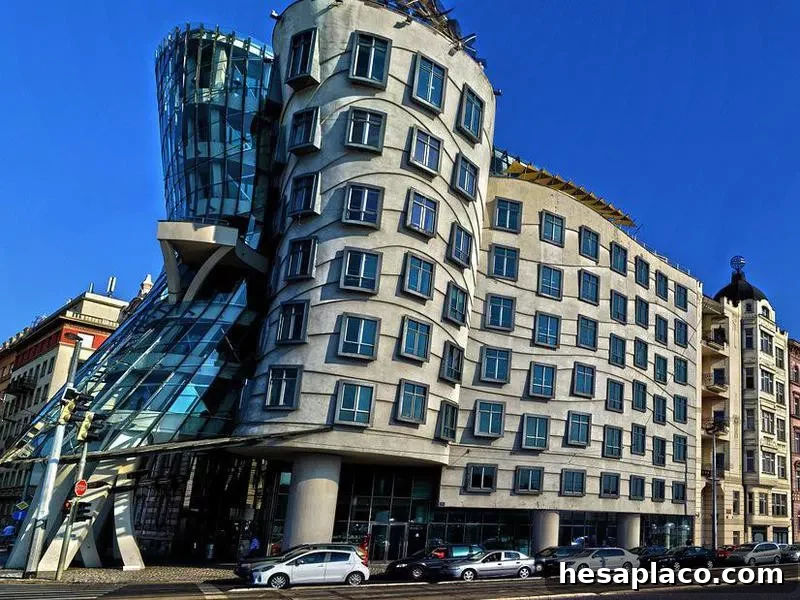
prague.com
Location: Prague, Czech Republic
Architects: Frank Gehry, Vlado Milunic
Year built: 1994–1996
Square footage: 58,125 sq ft
The Dancing House was commissioned by then-president Václav Havel as a cultural center on an empty riverside lot. Described by its architects as “neo-baroque,” the building is meant to evoke two dancers—often associated with Fred Astaire and Ginger Rogers—twirling together. Initially controversial for its unconventional form, it has become a beloved Prague landmark housing offices, a gallery, a restaurant and event spaces.
29. The Great Mosque of Djenne
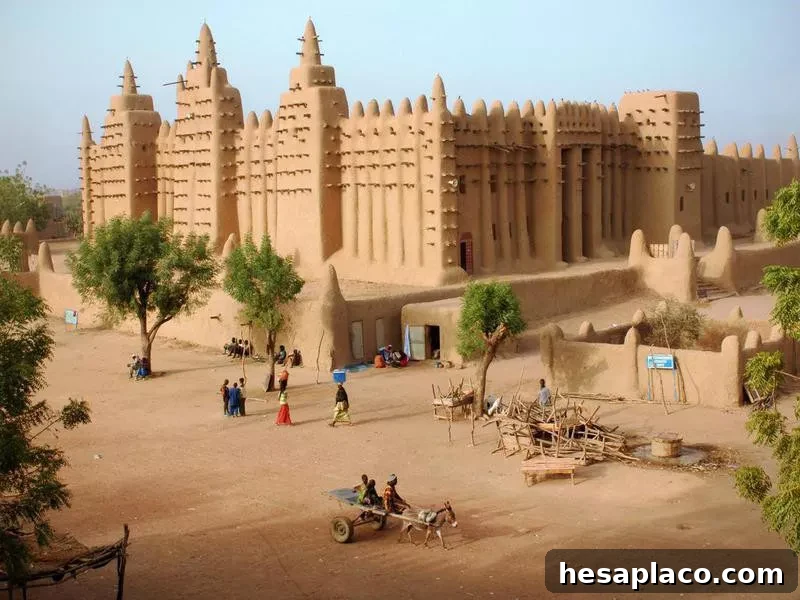
oversnap / Getty Images
Location: Djenné, Mali
Architect: Ismaila Traore (current structure)
Year built: 1907 (current rebuilding of a much older tradition)
Square footage: ~60,500 sq ft
The Great Mosque of Djenné is the largest mud-brick building in the world and the latest in a long line of sacred structures on the site dating back centuries. The mosque anchored Djenné as a center of Islamic learning and pilgrimage in West Africa. The town and its unique earthen architecture are part of a UNESCO World Heritage designation. Conflict in the region has limited tourism in recent years, but the mosque remains an essential example of vernacular construction and community-crafted maintenance.
28. The Tarxien Temples
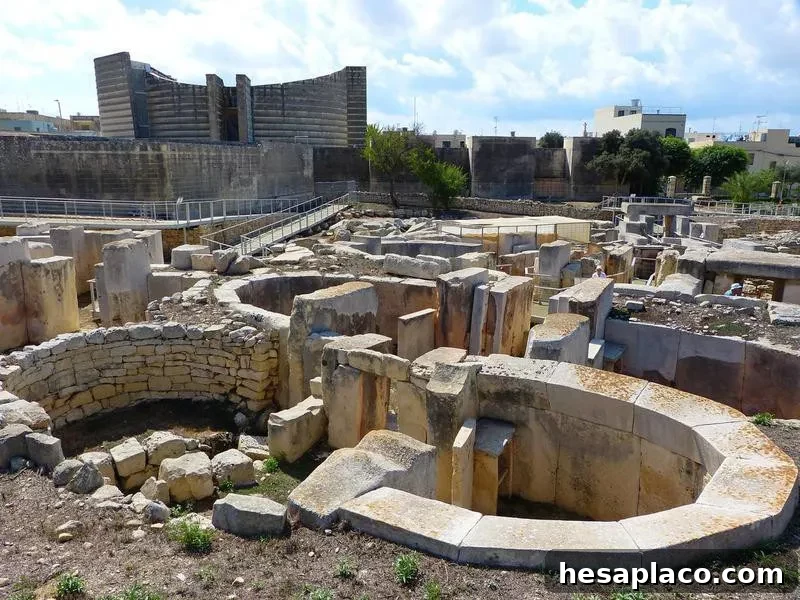
AlizadaStudios / Getty Images
Location: Tarxien, Malta
Architect: Unknown (prehistoric builders)
Year built: c. 3600–2500 BC
Square footage: ~86,900 sq ft
Excavated in the early 20th century, the Tarxien complex is the largest group of prehistoric megalithic temples in Malta. These structures showcase elaborate stone carving and ritual spaces that hint at a once-prominent fertility or earth-goddess cult, as evidenced by figurines discovered at the site. Today the Tarxien Temples form part of Malta’s rich archaeological heritage and are protected as a UNESCO World Heritage site.
27. Petronas Towers
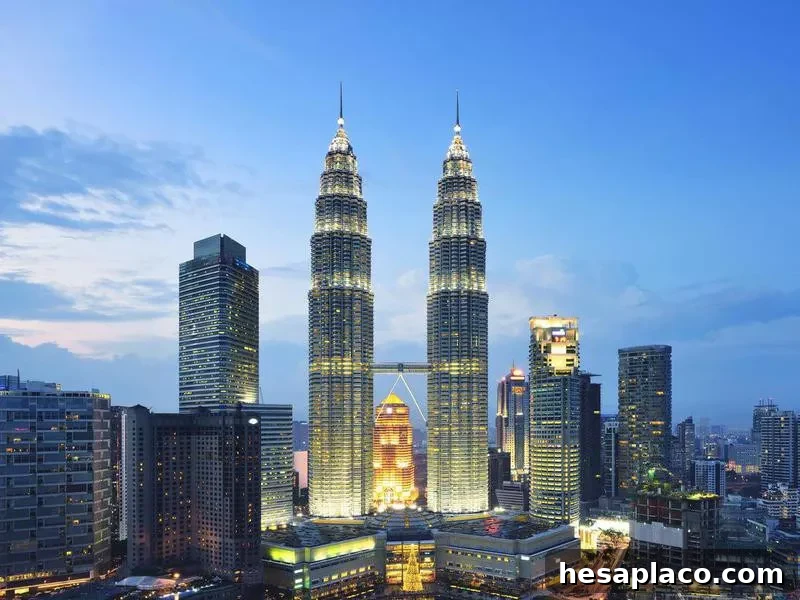
zorazhuang / Getty Images
Location: Kuala Lumpur, Malaysia
Architect: Cesar Pelli
Year built: 1993–1999
Height: 1,483 ft
The Petronas Towers are the tallest twin towers in the world and an unmistakable symbol of modern Malaysia. Designed with an Islamic star motif to reflect cultural values of unity and harmony, the complex includes corporate offices, a large shopping center, an art gallery and a concert hall. Visitor access is controlled and limited, but the towers remain one of Malaysia’s most photographed landmarks.
26. St. Basil’s Cathedral
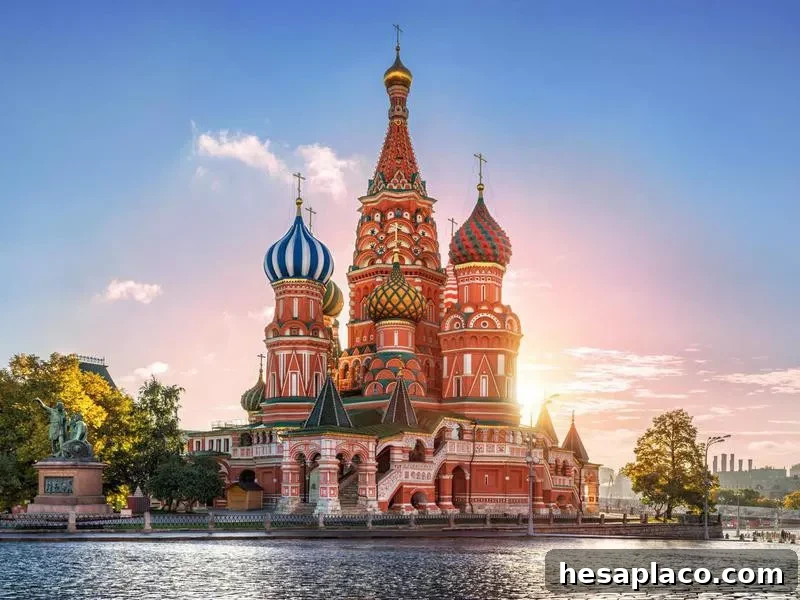
yulenochekk / Getty Images
Location: Moscow, Russia
Architects: Ivan Barma and Postnik Yakovlev
Year built: 1555–1561
Height: 213 ft
Known formally as the Cathedral of Vasily the Blessed, St. Basil’s was commissioned by Ivan the Terrible on Red Square to commemorate military victories. Its colorful onion domes and intricate facades have made it Russia’s most recognizable landmark. Inside are nine chapels linked by passages and a valuable collection of icons and religious art dating back centuries.
25. Angkor Wat
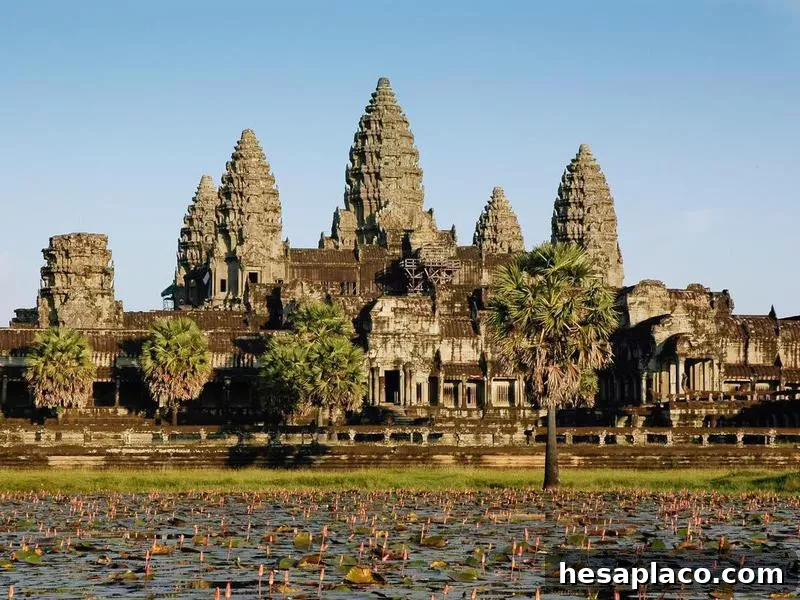
hippostudio / Getty Images
Location: Siem Reap, Cambodia
Architect: Unknown (Khmer craftsmen)
Year built: c. 1150 AD
Area: ~400 acres
Angkor Wat is the largest religious monument in the world, built in the 12th century as a temple and mausoleum for King Suryavarman II and later embraced as a symbol of Cambodia. The bas-reliefs and carved galleries depict Hindu and Khmer mythology across long friezes. Today Angkor Wat is a UNESCO World Heritage site and a major pilgrimage and tourist destination.
24. Bran Castle
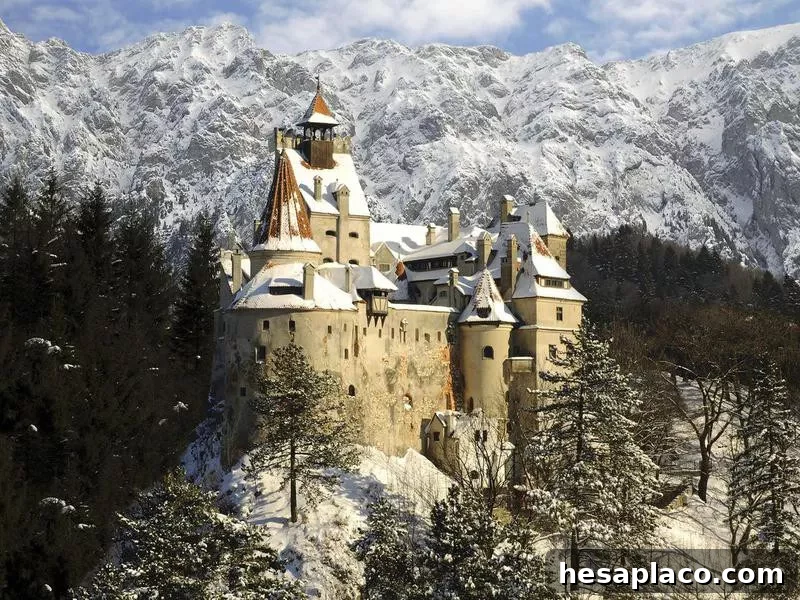
warmcolors / Getty Images
Location: Bran, Romania
Architect: Unknown (medieval builders)
Year built: 1377–1388
Site area: ~22 acres
Built as a defensive fortress on the border between historical regions of Transylvania and Wallachia, Bran Castle later became associated with Vlad the Impaler and inspired Bram Stoker’s fictional Dracula. Now a museum, it attracts hundreds of thousands of visitors annually who come for its history, architecture and dramatic hilltop setting.
23. The Acropolis
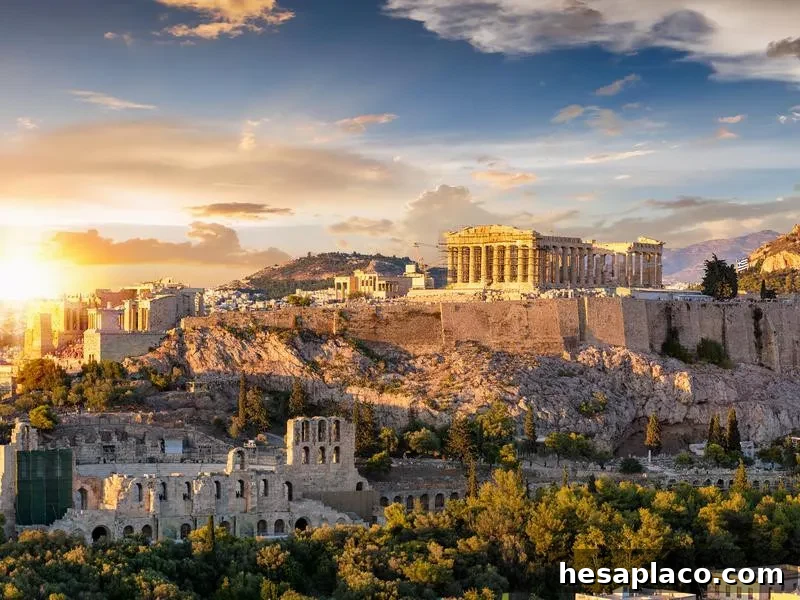
SHansche / Getty Images
Location: Athens, Greece
Architects: Iktinos, Kallikrates, Mnesicles (and others)
Year built: 447–406 BC
Area: ~14.7 acres
Rising above Athens, the Acropolis complex—dominated by the Parthenon—was commissioned during the golden age of Pericles. It celebrates Athena, the city’s patron goddess, and stands as a milestone in classical architecture and democracy. Protected as a UNESCO World Heritage site, the Acropolis continues to attract more than a million visitors each year.
22. Cathedral of Brasilia
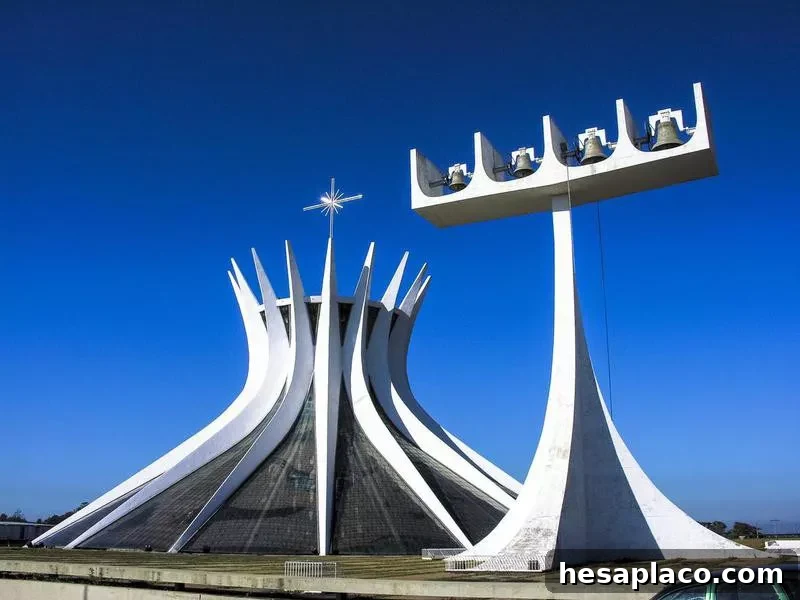
alffoto / Getty Images
Location: Brasília, Brazil
Architect: Oscar Niemeyer
Year built: 1958–1970
Square footage: ~30,418 sq ft
Oscar Niemeyer designed the Cathedral of Brasília as a modern, sculptural house of worship. Its radiating, ribbed form supports extensive stained glass and shelters thousands of worshippers. Inside hang large angel sculptures suspended above the congregation, and the cathedral has become Brasília’s most visited attraction.
21. Houses of Parliament (Palace of Westminster)
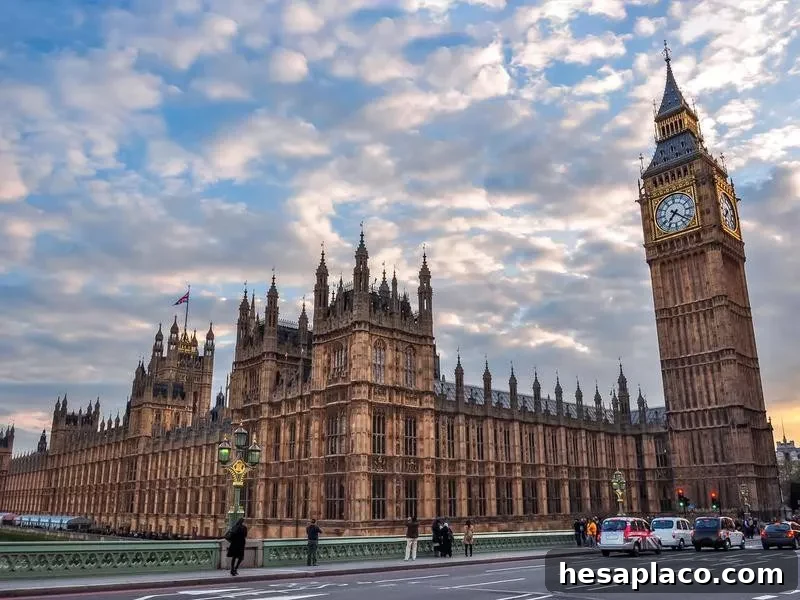
Vladislav Zolotov / Getty Images
Location: London, England
Architect: Sir Charles Barry (19th-century rebuilding)
Year built: 1837–1860 (current Gothic Revival structure)
Square footage: ~1.2 million sq ft
The Palace of Westminster houses Britain’s Parliament and sits beside Westminster Abbey. Though some elements trace to earlier centuries, the present Gothic Revival complex dates to the 19th century and includes the famous Elizabeth Tower and the bell known as Big Ben. As a UNESCO World Heritage site, it attracts over a million visitors each year.
20. Potala Palace

Hung_Chung_Chih / Getty Images
Location: Lhasa Valley, Tibet
Architect: Traditional Tibetan builders
Year built: 1649 (as the existing complex)
Square footage: ~3.87 million sq ft
Perched high above Lhasa, the Potala Palace served as the winter residence and administrative center for the Dalai Lama. The multi-story complex, divided into white and red palaces, houses sacred texts, artworks and ornate statues. Now a museum and UNESCO World Heritage site, Potala attracts pilgrims and tourists alike.
19. The CN Tower
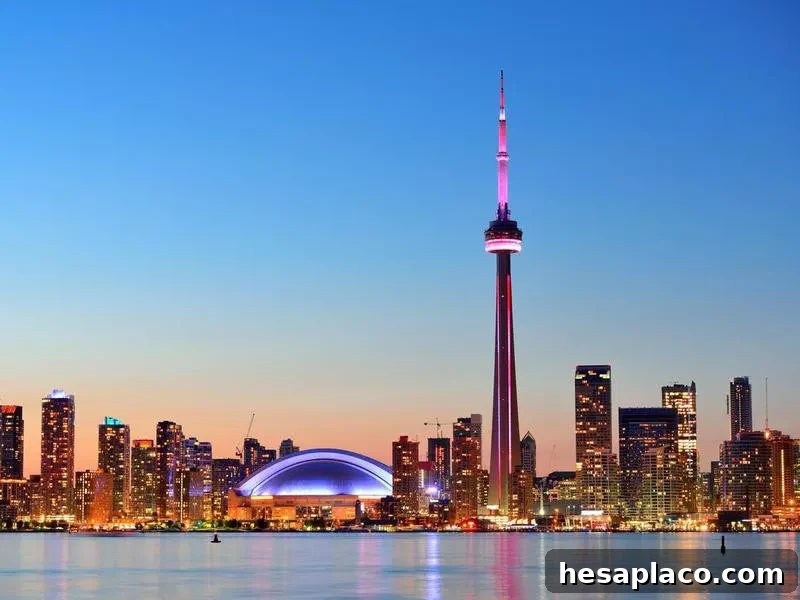
rabbit75_ist / Getty Images
Location: Toronto, Canada
Architect: John Andrews Architects & partners
Year built: 1976
Height: 1,815 ft
Built as a dedicated communications tower to rise above Toronto’s growing skyline, the CN Tower held the title of the world’s tallest free-standing structure for decades and remains the tallest tower in the Western Hemisphere. It offers panoramic observation decks and has become an enduring symbol of Toronto.
18. Chichen Itza’s Temple of Kukulkan
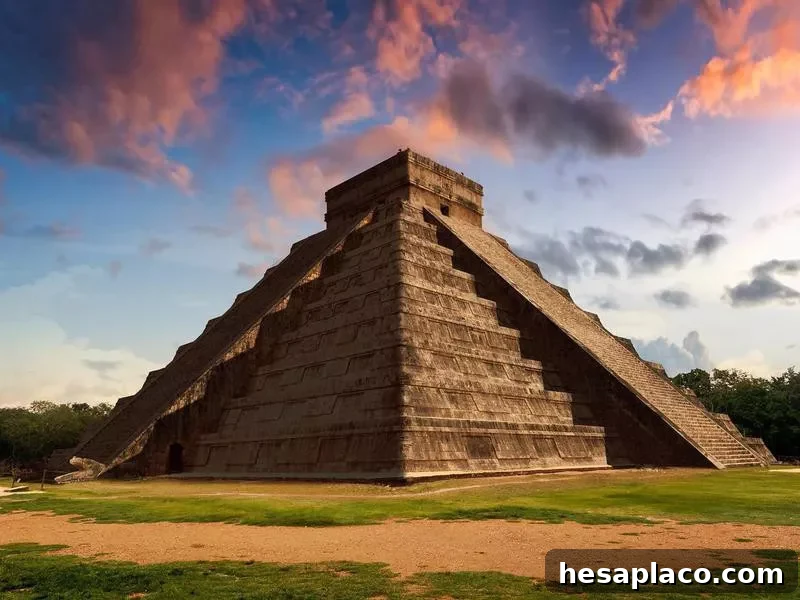
SOMATUSCANI / Getty Images
Location: Yucatán Peninsula, Mexico
Architect: Unknown (Mayan builders)
Year built: c. 1000 AD
Square footage: ~32,761 sq ft
Chichén Itzá was a major Mayan city featuring temples, ball courts and ceremonial plazas. The stepped pyramid of Kukulkan is famous for its equinox shadow effect, when light and shadow suggest a descending serpent along the pyramid’s staircase. The site is a UNESCO World Heritage monument and attracts millions of visitors each year.
17. Machu Picchu
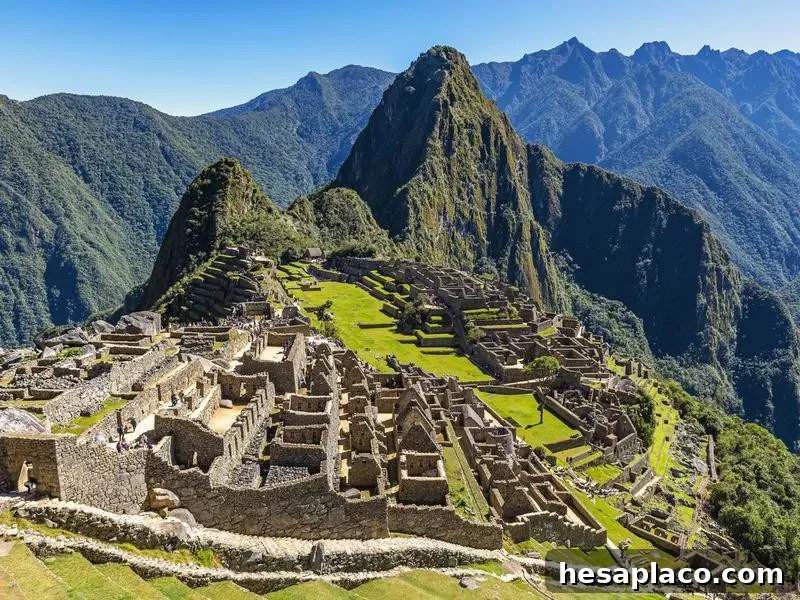
SL_Photography / Getty Images
Location: Urubamba Province, Peru
Architect: Unknown (Inca builders)
Year built: c. 1450 AD
Area: ~1 million sq ft
Built as a royal estate and ceremonial center high in the Andes, Machu Picchu showcases Inca engineering with terraces, stone plazas and finely cut masonry. Hidden from Spanish conquerors for centuries, it was rediscovered in the early 20th century and is now one of South America’s most visited archaeological sites.
16. Himeji Castle
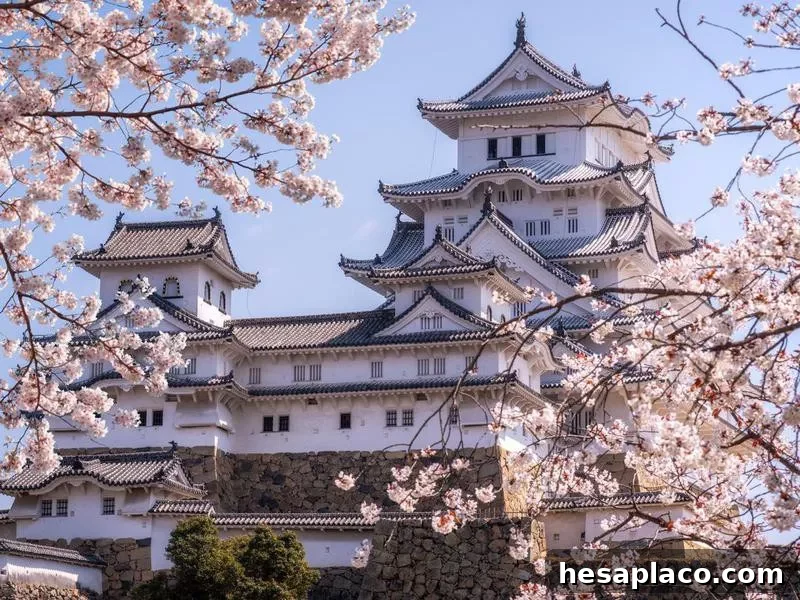
Eloi_Omella / Getty Images
Location: Himeji, Japan
Architect: Unknown (feudal builders)
Year built: c. 1400–1609 (development over centuries)
Area: ~107 hectares
Known as the White Heron Castle for its elegant white keep, Himeji Castle is an exceptionally well-preserved example of Japanese feudal architecture. Its complex of connected buildings, defensive gates and winding paths made it a formidable stronghold. Now a UNESCO World Heritage site, it is Japan’s most visited castle.
15. Basilica La Sagrada Familia
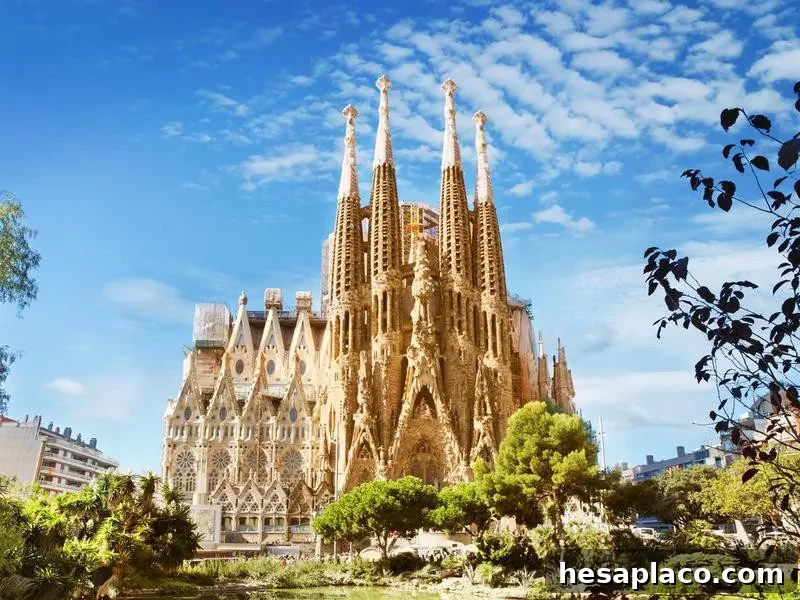
narvikk / Getty Images
Location: Barcelona, Spain
Architect: Antoni Gaudí (noted successor to the original architect)
Year built: 1883–present (major Gaudí work began late 19th century)
Square footage: ~48,500 sq ft
Started in the Gothic revival tradition, La Sagrada Familia was transformed under Antoni Gaudí into an organic, nature-inspired cathedral with tree-like columns and sculptural facades. Construction continued long after Gaudí’s death and remains a striking blend of faith, art and modern craftsmanship. It draws millions of visitors annually and is part of Barcelona’s cultural identity.
14. Burj Khalifa
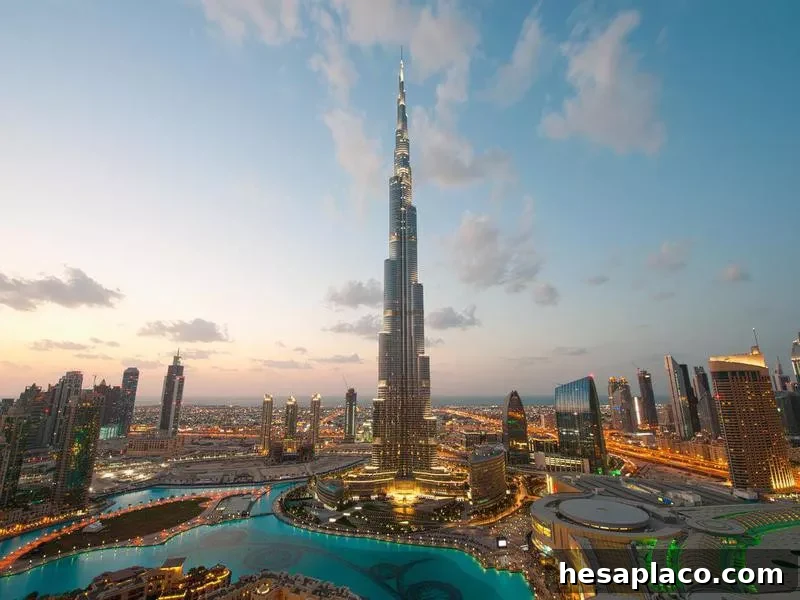
dblight / Getty Images
Location: Dubai, United Arab Emirates
Architect: Skidmore, Owings & Merrill
Year built: 2004–2010
Height: 2,716.5 ft
The Burj Khalifa is the world’s tallest building, designed with a stepped, lobed form inspired by regional motifs. It houses luxury hotels, residences, offices and public observation decks, and features a large collection of regional and international art. The tower symbolizes Dubai’s rapid transformation into a global city and welcomes millions of visitors each year.
13. Dome of the Rock
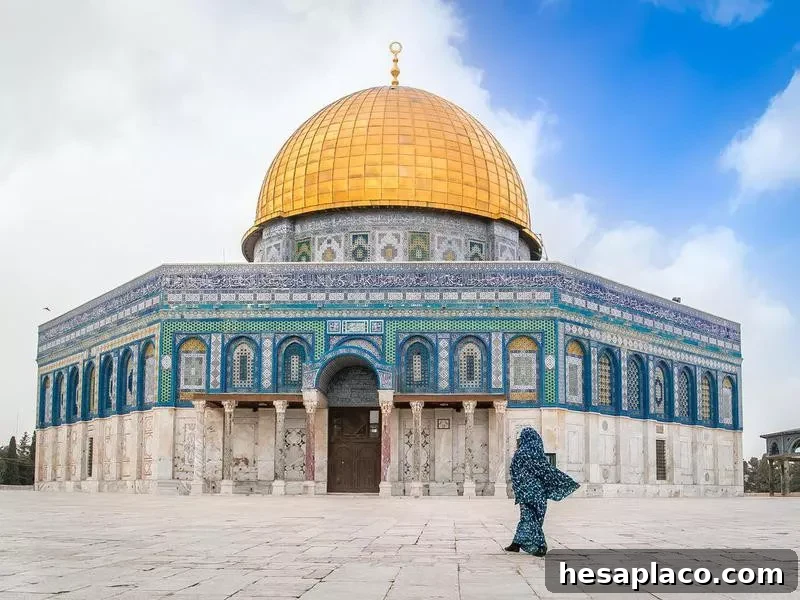
Anna Zolnay / Getty Images
Location: Jerusalem, Israel
Architects: Raja ibn Hayweh and Yazid ibn Salam (early Islamic builders)
Year built: 685–691 AD
Height: ~98.4 ft
Sitting atop the Temple Mount, the Dome of the Rock occupies a site sacred to Judaism, Christianity and Islam. Built originally as a shrine, its rich interior mosaics, tilework and inscriptions make it one of the oldest and most lavish Islamic monuments. The surrounding city draws millions of visitors annually.
12. Hagia Sophia
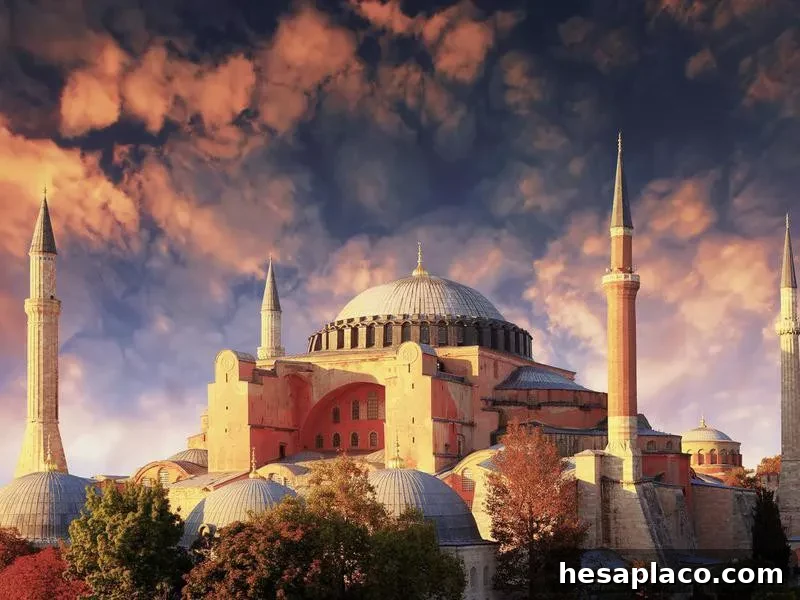
Tolga TEZCAN / Getty Images
Location: Istanbul, Turkey
Architects: Isidoros of Miletus and Anthemius of Tralles
Year built: 532–537 AD
Square footage: ~200,000 sq ft
Commissioned by Emperor Justinian, Hagia Sophia was the Byzantine world’s central church and a milestone of engineering and art. Built after earlier churches on the site were destroyed, it features an immense dome and ornate interior. Converted to a mosque after 1453 and later used as a museum and again as a place of worship, Hagia Sophia remains Turkey’s most visited historical site.
11. The Empire State Building
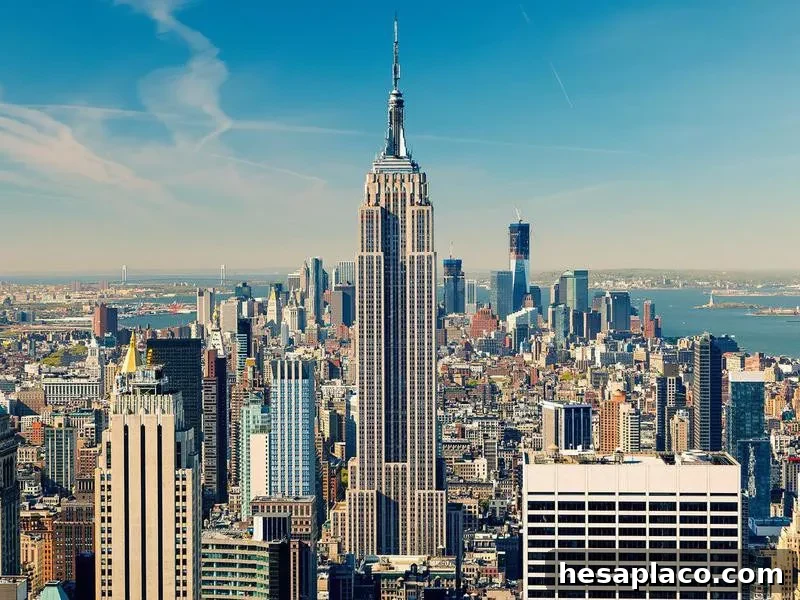
sborisov / Getty Images
Location: New York City, United States
Architect: Shreve, Lamb & Harmon Associates
Year built: 1931
Height: ~1,454 ft
The Empire State Building was an early icon of modern skyscraper design and was the world’s tallest building for decades. Its Art Deco interior, observation decks and 360-degree city views have made it one of the most photographed and visited landmarks on earth.
10. Borobudur Temple
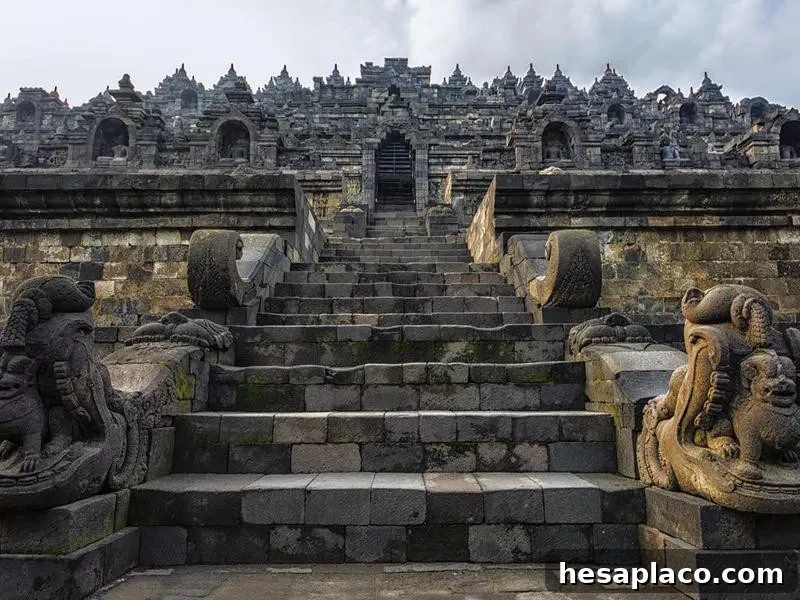
StockByM / Getty Images
Location: Magelang, Indonesia
Architect: Gunadharma (traditional attribution)
Year built: 8th–9th century AD
Square footage: ~162,847 sq ft
Borobudur is a monumental Buddhist stupa and temple complex adorned with thousands of relief panels and hundreds of Buddha images. Built without mortar, its interlocking stonework was later buried and rediscovered, then restored in the 20th century. As a UNESCO World Heritage site, it receives millions of visitors each year.
9. The Sistine Chapel
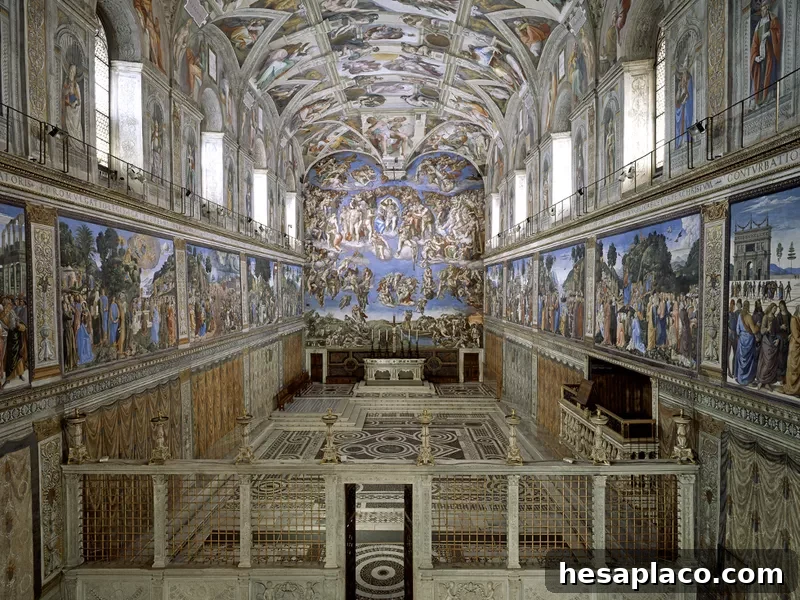
museivaticani.va
Location: Vatican City
Architect: Giovanni dei Dolci (original chapel)
Year built: 1473–1481
Square footage: ~5,808 sq ft
The Sistine Chapel, part of the Apostolic Palace, is renowned for Michelangelo’s frescoes on its ceiling and altar wall. It serves liturgical functions and marks the site where the College of Cardinals gathers to elect a new pope. The chapel’s art and historical significance attract millions of visitors annually.
8. Cologne Cathedral
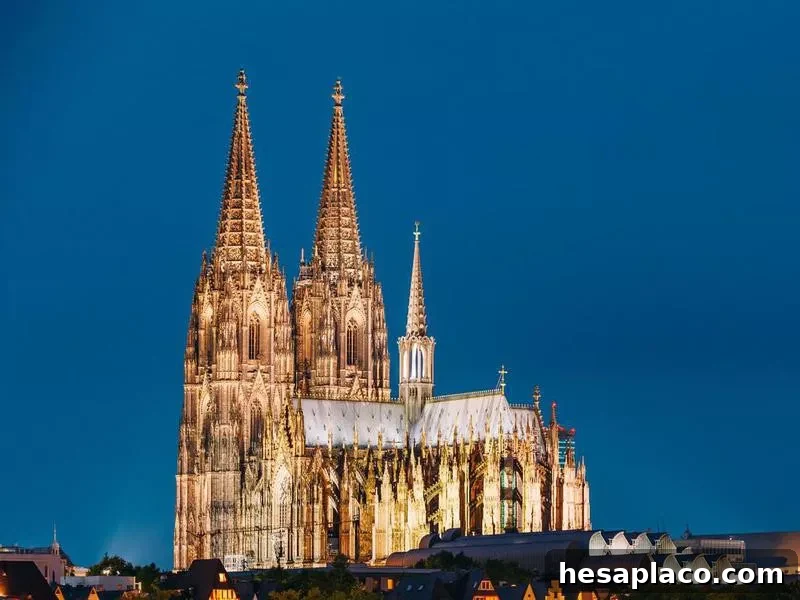
bruev / Getty Images
Location: Cologne, Germany
Architect: Master Gerhard von Ryle (original planner)
Year built: 1248–1880 (construction resumed and completed in the 19th century)
Square footage: ~26,250 sq ft
Started as a medieval shrine to the relics of the Magi, Cologne Cathedral grew over centuries into a masterful Gothic structure with twin spires completed in the 19th century. Designated a UNESCO World Heritage site, it remains Germany’s most visited historic attraction.
7. Taj Mahal
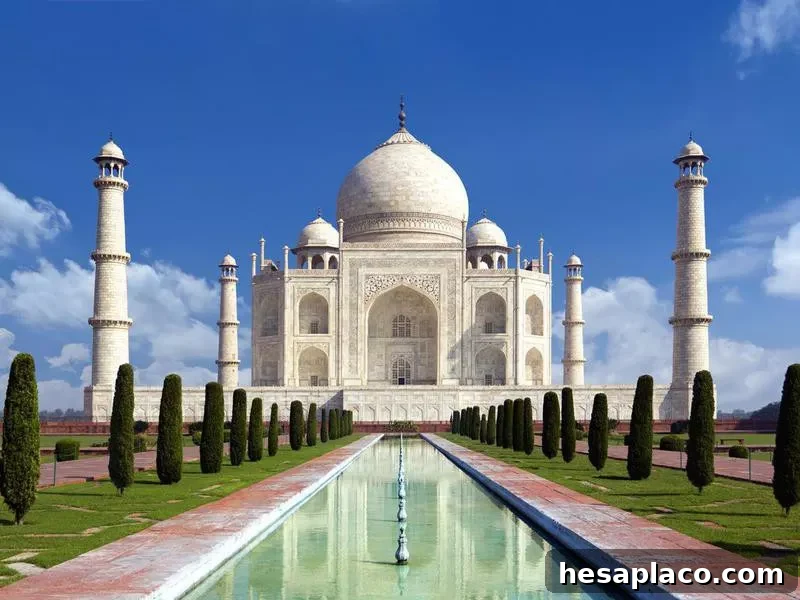
somchaisom / Getty Images
Location: Agra, India
Architect: Ustad Ahmad (lead architect among a team)
Year built: 1648–1654
Square footage: ~35,167 sq ft
Built by Emperor Shah Jahan as a mausoleum for his wife Mumtaz Mahal, the Taj Mahal is famed for its white marble, fine inlay work of precious stones and symmetrical gardens. It is a masterpiece of Mughal architecture and India’s most visited monument.
6. The Eiffel Tower
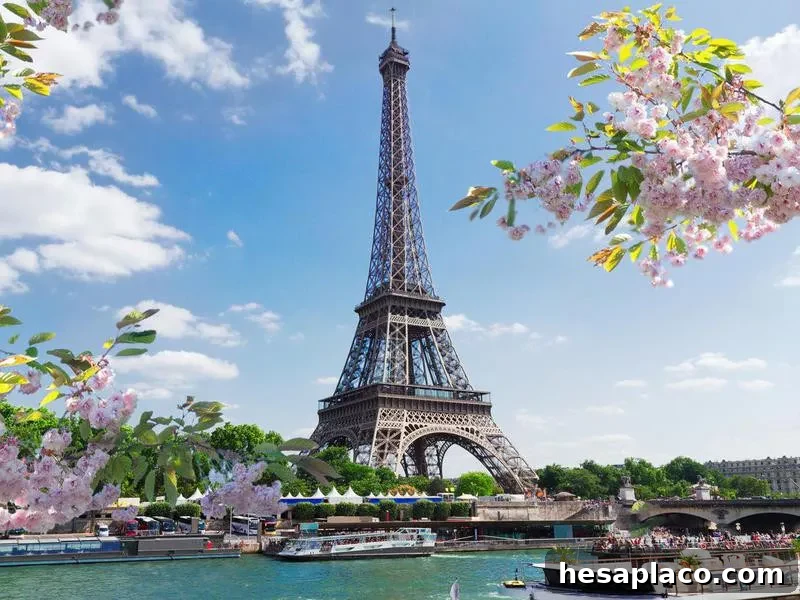
neirfy / Getty Images
Location: Paris, France
Architect: Stephen Sauvestre (design by Gustave Eiffel’s company)
Year built: 1887–1889
Height: 1,063 ft
Constructed for the 1889 Exposition Universelle, the Eiffel Tower became a defining symbol of Paris and France. Initially intended as a temporary structure, it proved invaluable for communications and tourism and continues to draw millions of visitors each year.
5. The Colosseum
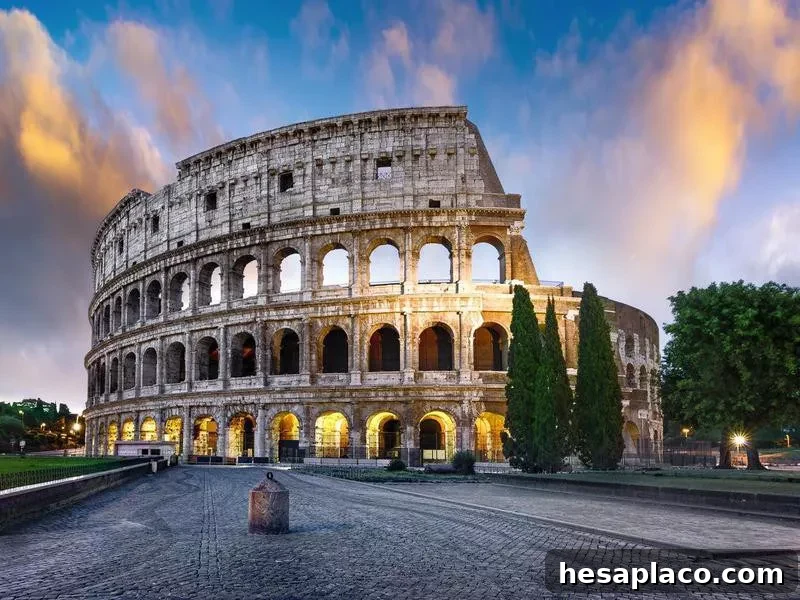
ventdusud / Getty Images
Location: Rome, Italy
Architect: Unknown (Flavian era builders)
Year built: 70–80 AD
Square footage: ~36,000 sq ft
The Colosseum, or Flavian Amphitheatre, hosted gladiatorial contests, animal hunts and public spectacles for centuries. As the most famous monument of ancient Rome, its scale and engineering remain impressive, and it is among Italy’s top tourist destinations.
4. Sydney Opera House
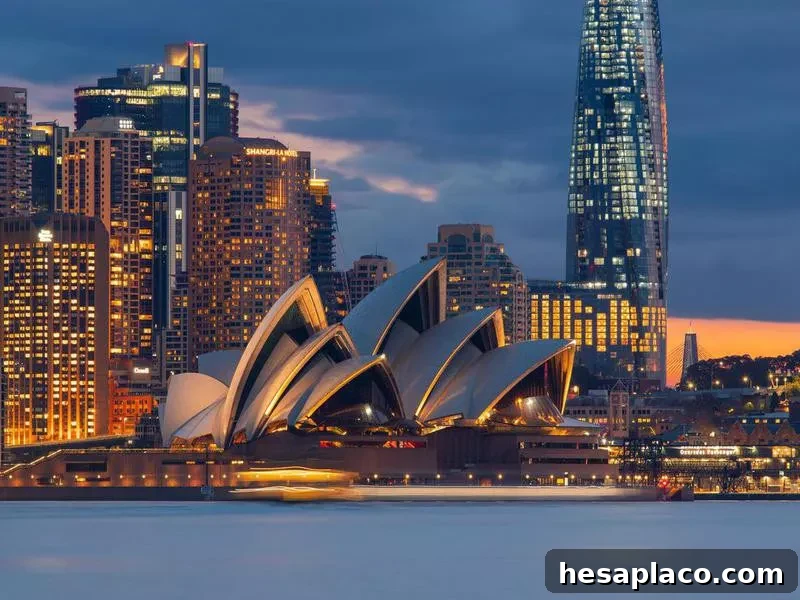
ai_yoshi / Getty Images
Location: Sydney, Australia
Architect: Jørn Utzon
Year built: 1959–1973
Square footage: ~484,375 sq ft
Jørn Utzon’s sculptural design evokes sails or shells along Sydney Harbour. Once controversial, the Opera House is now an emblem of Australia and one of the world’s busiest performing arts centers, attracting millions of visitors annually.
3. Gardens by the Bay
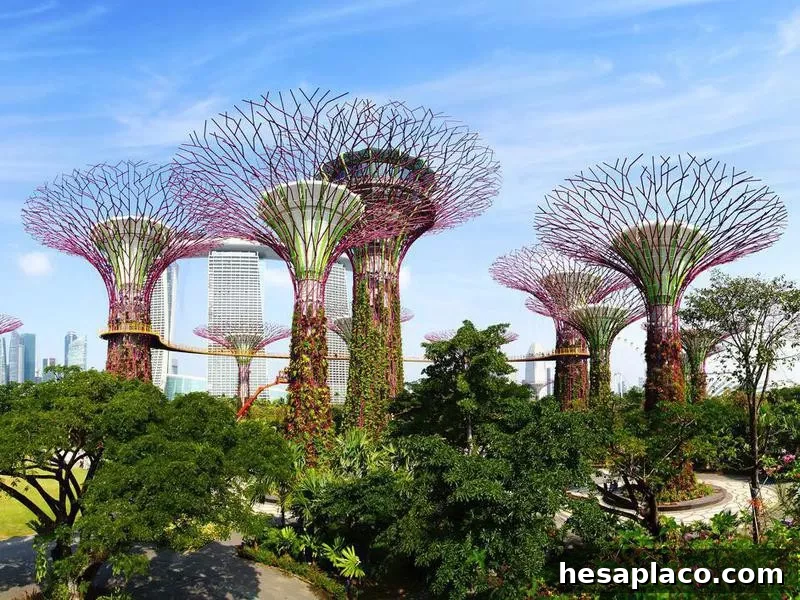
vidalidali / Getty Images
Location: Marina Bay, Singapore
Architects: Grant Associates & Wilkinson Eyre
Year built: 2012
Area: ~249.5 acres
Gardens by the Bay combines large conservatories with expansive themed gardens and the striking “supertrees”—vertical gardens connected by skywalks. The complex offers events, exhibitions and horticultural displays and has rapidly become one of the world’s most visited modern garden attractions.
2. The Forbidden City
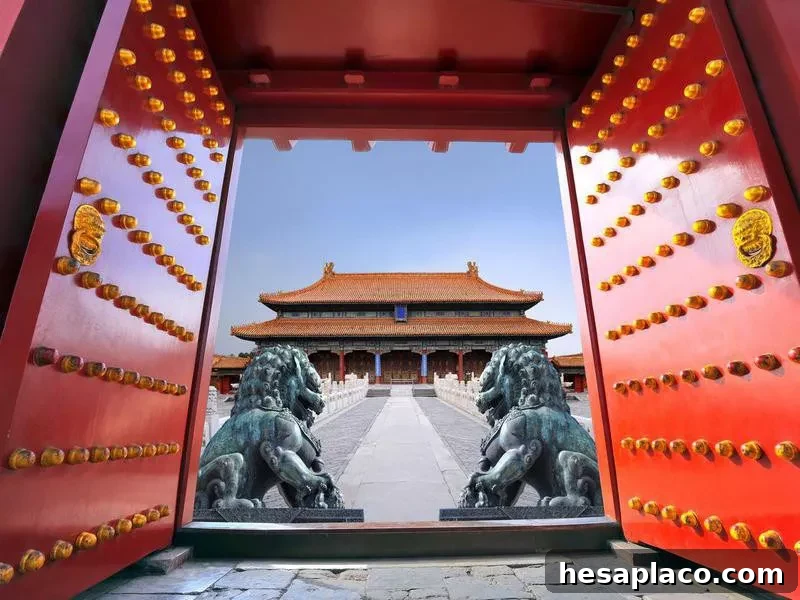
Hung_Chung_Chih / Getty Images
Location: Beijing, China
Architect: Kuai Xiang (main planner)
Year built: 1406–1420 AD
Square footage: ~7.7 million sq ft
Constructed as the imperial palace for Ming and Qing dynasties, the Forbidden City contains nearly a thousand buildings and thousands of rooms. Once restricted to emperors and court officials, it now houses the Palace Museum and a vast collection of Chinese art and artifacts. It is one of the world’s largest cultural sites and a top destination in China.
1. The Great Pyramid of Giza
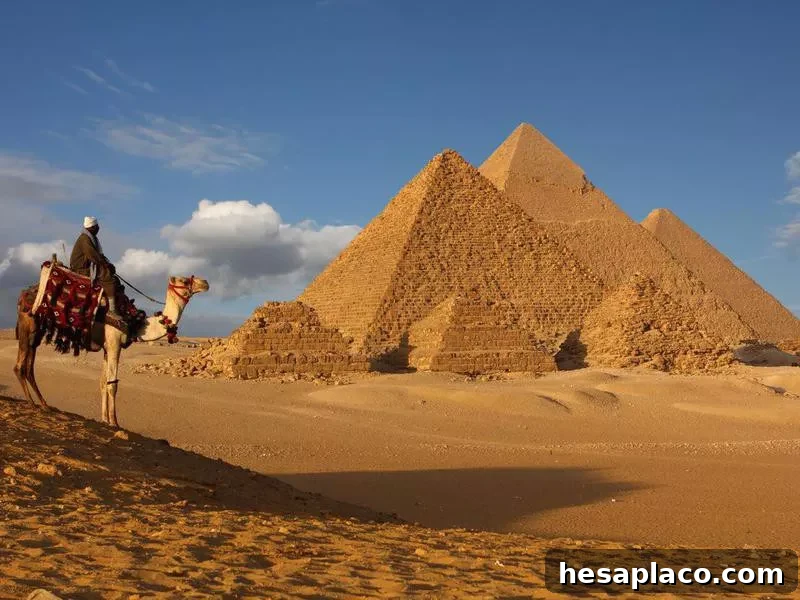
sculpies / Getty Images
Location: Giza Plateau, near Cairo, Egypt
Architect: Hemiunu (attributed)
Year built: c. 2589–2566 BC
Height: ~479 ft (originally higher)
The Great Pyramid is the largest of the Giza pyramids and was constructed as the tomb of Pharaoh Khufu. Built from millions of stone blocks, it stood as the tallest man-made structure for millennia. Today the pyramids are a UNESCO World Heritage site and remain among the world’s most visited and studied ancient monuments.