
There are countless personal finance books available—covering everything from stock trading to retirement planning—and the sheer volume can be overwhelming. Spending weeks or months skimming titles that don’t apply to your situation wastes time and money. How can you choose books that will actually help you improve your finances?
Personal finance is, by definition, personal. The right books should match your goals and circumstances—whether you’re paying down debt, saving for retirement, teaching kids about money, or planning to retire early. To save you time, here is a curated list of accessible, practical finance books that focus on real-life strategies and habits. Each entry highlights what makes the book useful and who will benefit most from reading it.
Unshakable: Your Financial Freedom Playbook — Tony Robbins
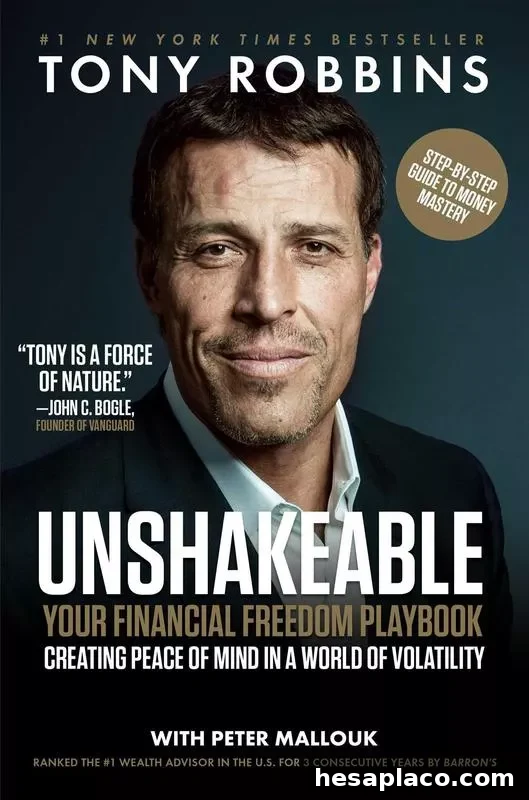
“Unshakable” is a compact, action-oriented companion to Robbins’s longer work. At just over 250 pages, it distills essential investing principles: who the major players are, common pitfalls, how to protect yourself, and how to build a durable mindset. The book emphasizes practical steps and the psychological side of money—how to stay calm during market turmoil and make decisions that support long-term financial health. If you want a concise primer to boost confidence and take concrete steps toward financial control, this is a strong pick.
Make Your Kid a Money Genius (Even If You’re Not): A Parent’s Guide for Kids — Beth Kobliner
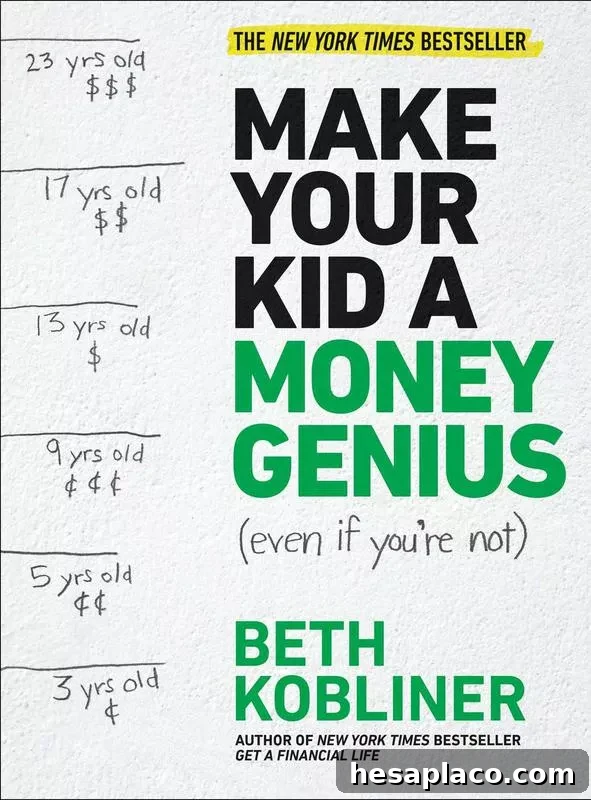
For parents who want to give children a head start with money skills, Kobliner’s book breaks financial lessons into age-appropriate conversations and activities. It covers setting savings goals, teaching budgeting basics, and encouraging financial independence without turning money into a taboo subject. The chapters are short, practical, and include tips adults can use themselves.
How to Make Your Money Last: The Indispensable Retirement Guide — Jane Bryant Quinn
Quinn’s guide focuses on the practical decisions that determine whether your savings will support you throughout retirement. It’s aimed at readers who know retirement matters but need clear, actionable steps for saving, withdrawing safely, and planning for healthcare and longevity risk. The tone is practical and reassuring for people who want to turn retirement worries into manageable plans.
I Will Teach You to Be Rich — Ramit Sethi
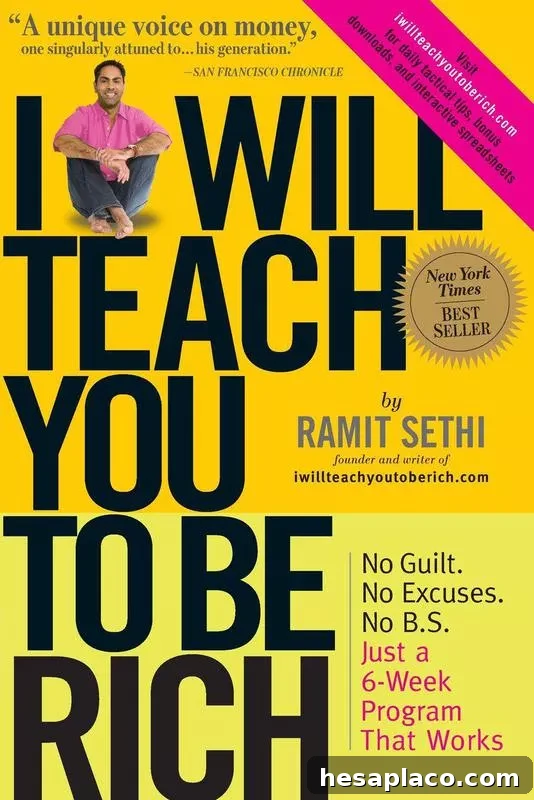
Sethi’s book is a modern, no-excuses manual for getting started with personal finance, targeted especially at millennials and ambitious beginners. Instead of waiting for perfect knowledge, Sethi emphasizes launching into simple systems: automate savings, optimize spending on what matters to you, and follow a six-week plan to begin building financial momentum. If you need straightforward, motivational guidance to begin changing habits, this book delivers.
Investing 101: From Stocks and Bonds to ETFs and IPOs — Michele Cagan
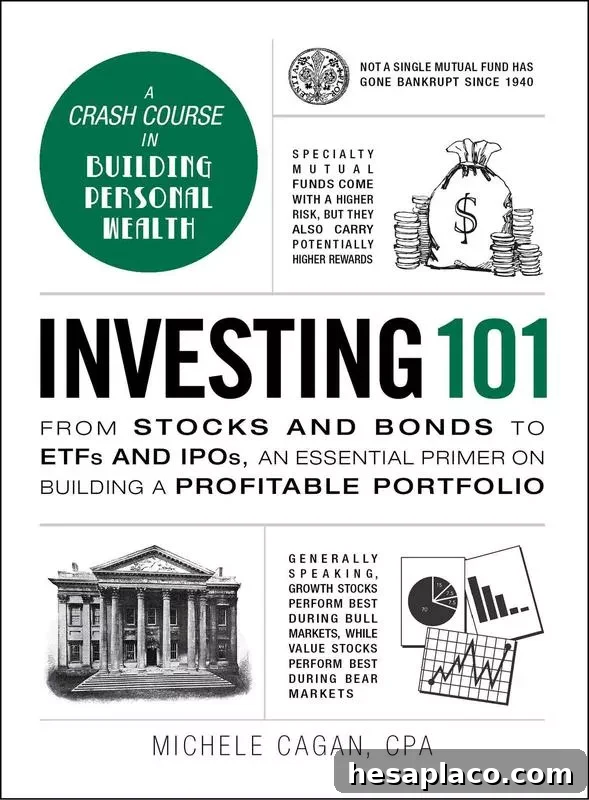
This is a clear primer for anyone new to investing. Cagan explains basic instruments—stocks, bonds, ETFs, mutual funds, and IPOs—in plain language and focuses on how these pieces fit into a diversified portfolio. It’s a useful starting point if you want to understand investment options before building a strategy or handing money to a manager.
The Truth About Your Future: The Money Guide You Need Now, Later, and Much Later — Ric Edelman
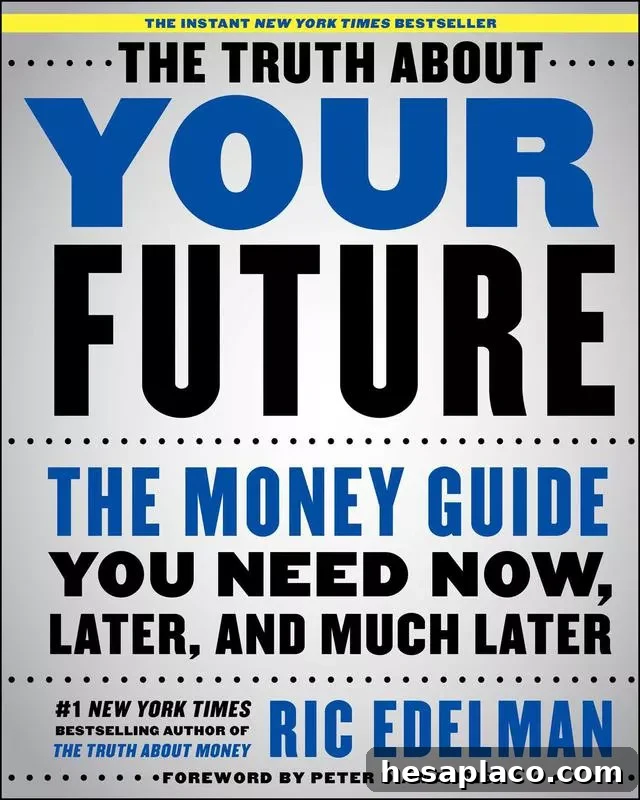
Edelman combines financial advice with a forward-looking view of technology’s effects on the economy and retirement. The book explores demographic and technological shifts that could reshape careers, health care costs, and retirement timing, and it offers strategies to adapt. It’s useful for readers who want to pair practical financial planning with an understanding of broader trends.
The Automatic Millionaire: A Powerful One-Step Plan to Live and Finish Rich — David Bach
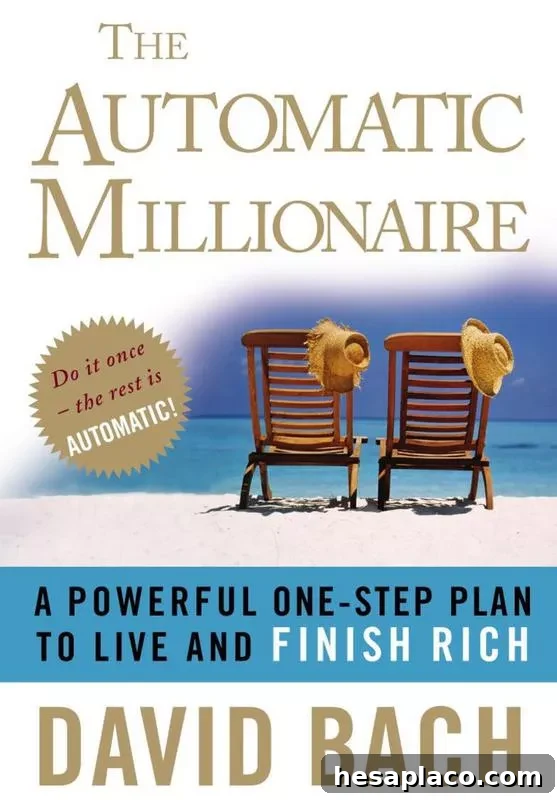
Bach’s central idea is automation: set up systems so saving and investing happen without ongoing effort. He explains how automating bill payments, contributions to retirement accounts, and savings transfers prevents missed opportunities and forces the saving discipline that builds wealth. It’s an approachable read for beginners who want simple, behavior-based changes that compound over time.
How To Retire With Enough Money: And How To Know What Enough Is — Teresa Ghilarducci
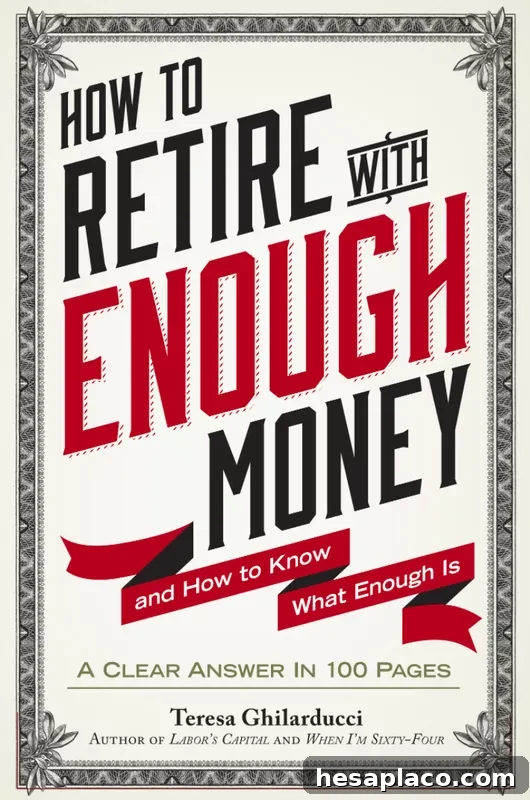
Ghilarducci offers a pragmatic approach to defining “enough” for retirement and avoiding common pitfalls. The book covers debt management, maximizing retirement accounts, and conservative planning techniques that help readers determine realistic targets. It appeals to cautious planners who prefer clear rules and conservative assumptions over speculation.
Pogue’s Basics: Money: Essential Tips and Shortcuts (That No One Bothers to Tell You) About Beating the System — David Pogue
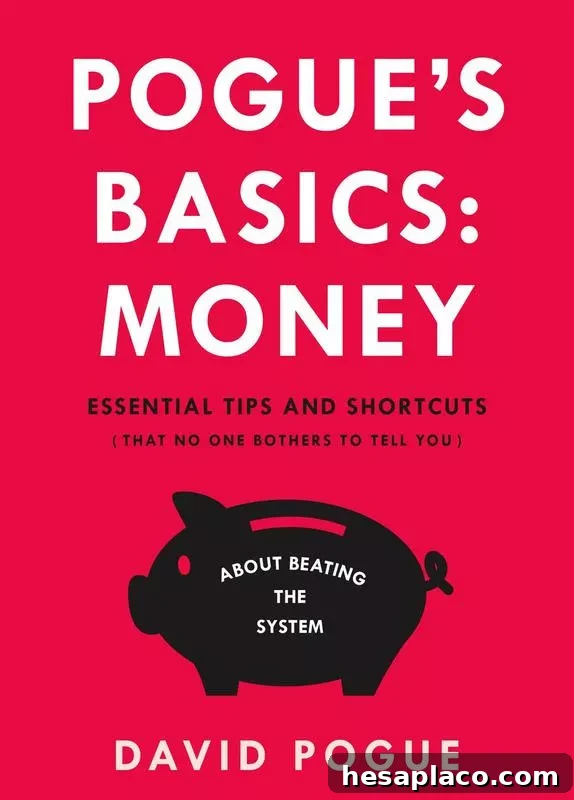
Pogue’s money guide is full of practical, often surprising tips that save time and money. He covers everyday consumer traps—gift card pitfalls, travel bargains, service tricks—and explains the psychological nudges that marketers use. It’s an easy-to-read handbook for stretching a budget and avoiding common overpayments.
The Millionaire Next Door: The Surprising Secrets of America’s Wealthy — Thomas J. Stanley & William D. Danko
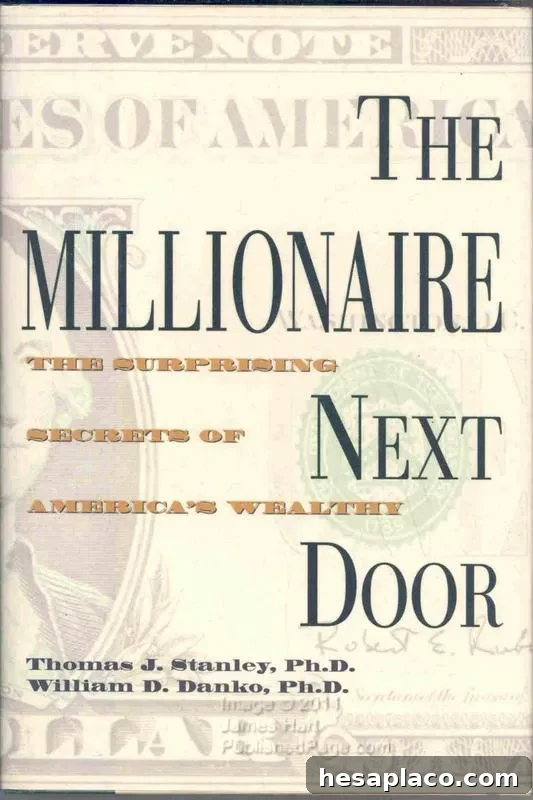
This classic examines the habits of self-made wealthy households and debunks the idea that high income equals wealth. The authors find that many truly wealthy people live modestly, prioritize savings, and avoid lifestyle inflation. The book teaches that disciplined spending, consistent saving, and long-term thinking are the foundations of wealth-building.
Mindful Money: Simple Practices for Reaching Your Financial Goals and Increasing Your Happiness Dividend — Jonathan K. DeYoe
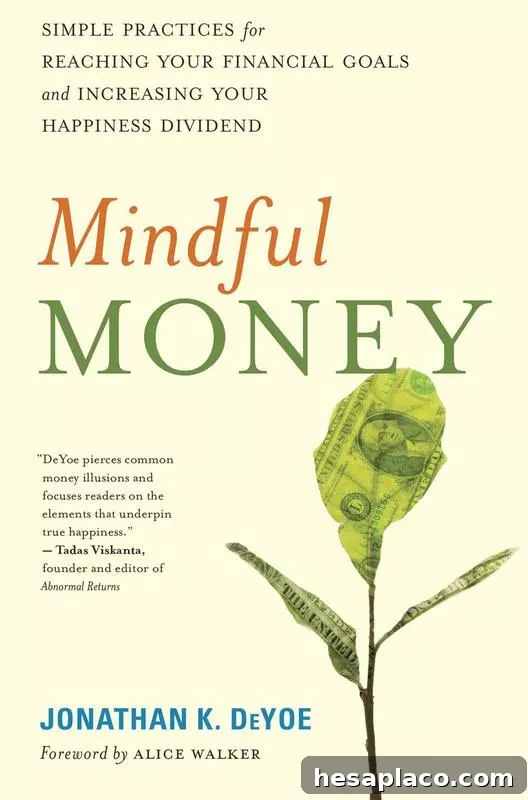
DeYoe blends practical finance with mindfulness and ethical reflection. Drawing on Buddhist principles of balance and intentionality, he encourages readers to define priorities, cut wasteful spending, and find contentment through relationships and purpose rather than material accumulation. This book is ideal for readers who want financial tools framed by values and mental clarity.
The Index Card: Why Personal Finance Doesn’t Have to Be Complicated — Helaine Olen & Harold Pollack
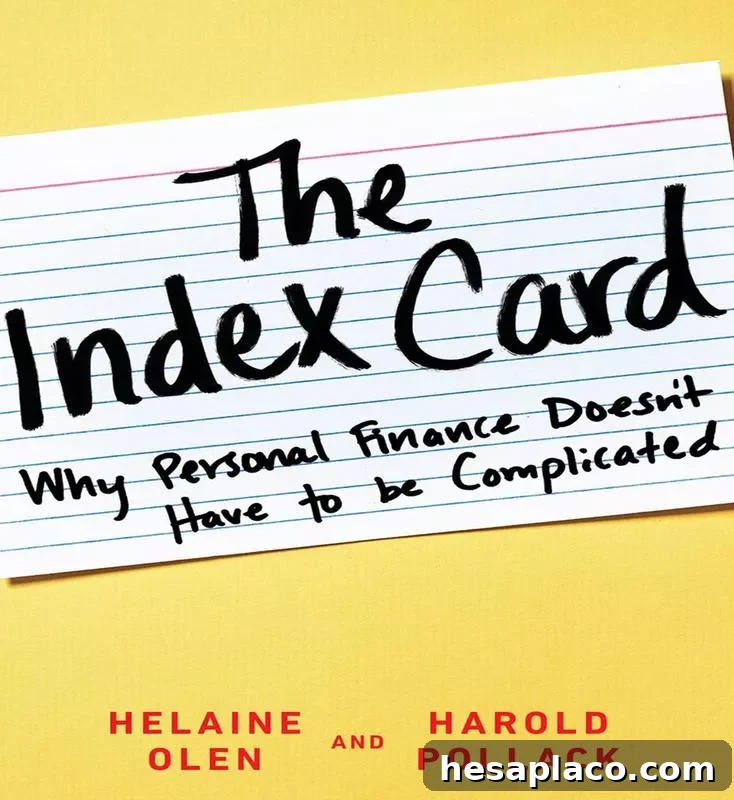
Inspired by a simple index-card list of core rules, Olen and Pollack present straightforward, proven advice for everyday money management. They emphasize priorities such as paying down high-interest debt before aggressive saving, diversifying investments, and keeping fees low. The book’s clarity makes it easy to follow and integrate into daily habits.
The Opposite of Spoiled: Raising Kids Who Are Grounded, Generous, and Smart About Money — Ron Lieber
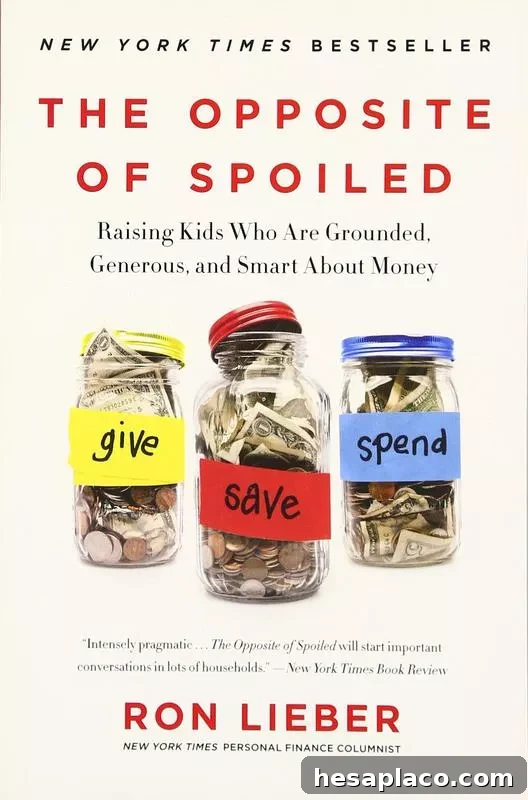
Lieber explains how conversations with children about money shape their long-term habits. Covering ages from toddlers to college-bound teens, the book offers practical strategies for teaching kids to save, budget, and give—without creating entitled behavior. It’s a useful guide for parents who want to raise responsible, financially literate children.
Your Money or Your Life: 9 Steps to Transforming Your Relationship with Money and Achieving Financial Independence — Vicki Robin & Joe Dominguez
This influential book focuses on transforming how you think about money—measuring spending in terms of life energy and aligning purchases with values. The authors outline nine practical steps to reduce wasteful spending, boost savings, and pursue financial independence. Its philosophical bent pairs well with practical tracking exercises and budgeting habits.
The 100 Best Stocks to Buy in 2017 — Peter Sander & Scott Bobo
Geared toward active stock pickers, this title presents a list and analysis of companies the authors considered strong picks in 2017. While market conditions change, reading this book can help investors learn how to evaluate stocks, identify dividend payers, and compare holdings against benchmarks like the S&P 500. Use it as a case study in evaluation rather than a long-term buy list.
Get a Financial Life: Personal Finance in Your Twenties and Thirties — Beth Kobliner
Kobliner’s guide is tailored to the economic realities facing younger adults—student debt, rising housing costs, and uncertain career paths. The book covers essentials: budgeting, saving, retirement accounts, student loans, and basic investing. It’s a practical handbook for millennials who want clear, modern financial advice that reflects today’s challenges.
What Your Financial Advisor Isn’t Telling You: The 10 Essential Truths You Need to Know About Your Money — Liz Davidson
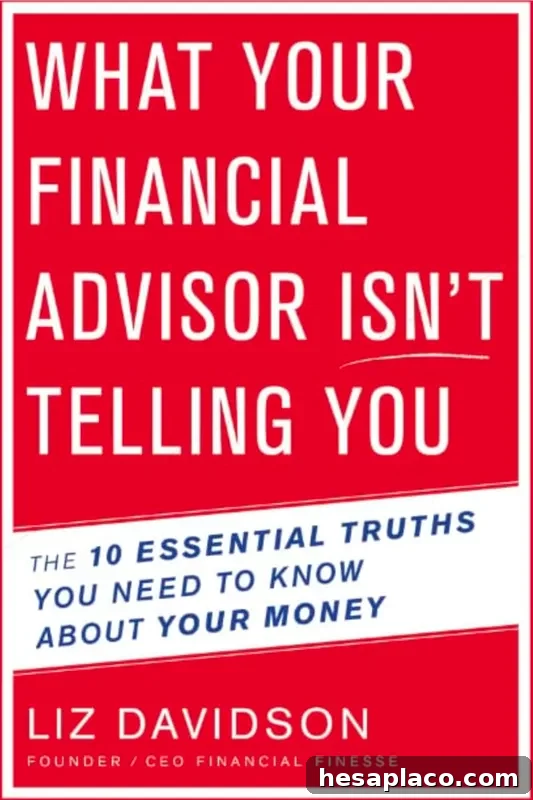
Davidson demystifies the advisor-client relationship: how to choose an advisor, what fees and conflicts to watch for, and what reasonable expectations are for performance and service. She also offers practical, easy-to-follow advice for a range of life stages. This book helps readers make informed decisions when entrusting someone else with their money.
Reading the right books can change how you think about money and how you act. Each title above offers practical habits, mindsets, or tools you can apply immediately—whether you’re just getting started, teaching your kids, planning for retirement, or refining an investment strategy. Which of these books matches your current financial goals?