
Have you ever started a new job and immediately felt something was off? Whether in relationships or work, we often overlook red flags we should have noticed. Many warning signs show up during the hiring process or on your very first day—and recognizing them early can save you a lot of frustration.
Reddit users have shared hard-earned lessons about the most obvious red flags at a new job or during interviews. Below are 38 warning signs that indicate a workplace may be toxic, poorly run, or risky. If you encounter one or more of these, consider walking away before you invest time and energy.
1. You’re handed an envelope of cash instead of payroll paperwork.

zest_marina / Getty Images
Being paid off the books usually means the company isn’t paying taxes—and that often signals deeper legal or financial instability. If they prefer cash or checks over formal payroll, consider it a major warning sign.
2. Prior employees in your role left quickly.

monkeybusinessimages / Getty Images
High turnover often means the company hires the wrong people or overloads employees with work. If multiple people couldn’t stay in your position, it’s likely you’ll face the same issues.
3. You’re required to take an IQ or intelligence test before the interview.

PeopleImages / Getty Images
Relying heavily on IQ or rigid personality tests to “slot” candidates suggests the company sees fit employees as one-size-fits-all. Your performance and growth may be predetermined by a test, not your effort or skills.
4. The interview feels more like a sales pitch for a product or service.

Edwin Tan / Getty Images
If the company treats you like a customer instead of a potential employee, you may end up paying for services or pressured into buying company offerings. That’s a clear sign they’re prioritizing revenue from employees rather than fair compensation.
5. Job listings show wildly broad salary ranges and emphasize “total compensation” without specifics.

vicky_81 / Getty Images
An enormous salary range can mask how little an employer intends to pay. If they dodge direct salary questions and lean on vague “total compensation” figures, it’s prudent to be skeptical.
6. There’s no HR department or they insist they don’t have one.

grinvalds / Getty Images
Human Resources handles essential functions like payroll, benefits, and policy enforcement. If a company brags about having no HR, expect disorganization and gaps in basic employee protections.
7. The company constantly holds open interviews.
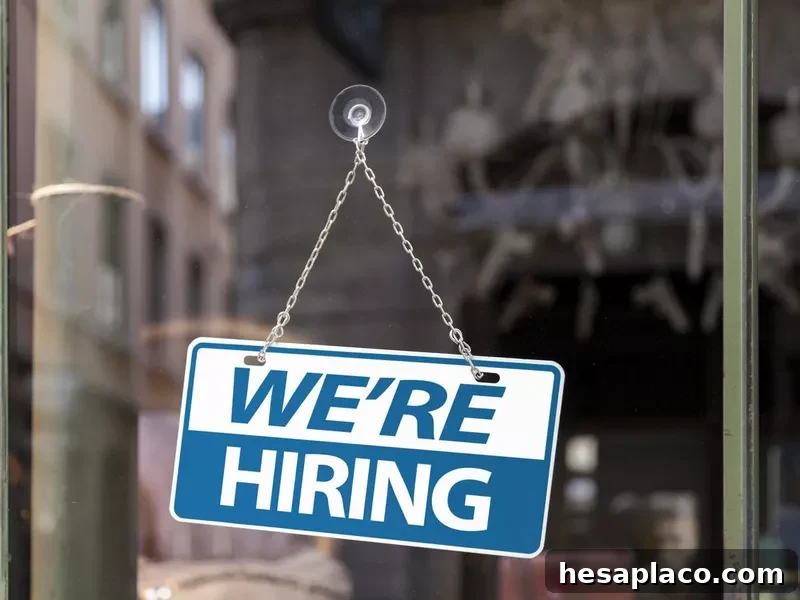
Gwengoat / Getty Images
Open interviews often mean people leave as fast as they’re hired. That’s usually a sign of poor working conditions, disorganization, or unrealistic expectations.
8. You can’t get a straight answer about who your manager will be—or you’re given multiple names.

VioletaStoimenova / Getty Images
A muddled reporting structure signals disorganization. Multiple managers can mean conflicting directives, unclear priorities, and duplicated oversight.
9. You’re hired the same day as your interview.

fizkes / Getty Images
Same-day hiring can mean desperation—either they’re severely understaffed or they can’t retain employees. Unless there’s a genuine emergency, it’s a sign the workplace may be unstable or toxic.
10. You’re told to “work for the passion” and discouraged from asking about pay.

Suriyawut Suriya / Getty Images
Praise for meaningful work is fine, but if compensation is downplayed or framed as irrelevant, prepare for low pay and limited respect for your financial needs.
11. The staff is overwhelmingly very young or very old with nothing in between.

Vadim_Key / Getty Images
When there’s no mid-level representation, it can indicate a lack of promotion opportunities. Entry-level hires leave, and senior leaders stay indefinitely—suggesting a stagnant career trajectory.
12. Interviewers ask if you plan to have children.

GlobalStock / Getty Images
Questions about family planning are invasive and often illegal. They can indicate discriminatory attitudes toward potential parental responsibilities and time off.
13. Interviewers set the expectation of frequent overtime.

Erdark / Getty Images
Frequent or morally pressured overtime usually reflects poor planning and a culture that blames employees for systemic problems. It’s a sign your work-life balance may suffer.
14. You immediately sense a “misery wall” when you enter the workplace.

ferrantraite / Getty Images
A stark change in atmosphere, lighting, or upkeep in certain areas indicates neglect. If parts of the office feel grim or oppressive, morale may be low and management indifferent.
15. Company policies repeatedly exclude employees in California or Colorado.

NNehring / Getty Images
These states have stronger labor protections (including salary transparency laws). Excluding them often indicates an employer avoids legal compliance and would rather limit employee rights.
16. Interviewers ask how you handle “drama” at work.

laflor / Getty Images
That question usually signals they expect ongoing interpersonal conflicts. If a workplace anticipates frequent “drama,” you’ll likely be forced to manage or tolerate toxic interactions.
17. Management keeps saying “we’re like a family here.”

Jay Yuno / Getty Images
“Family” language can mask expectations of unpaid overtime, blurred professional boundaries, and emotional labor. If the company uses this to justify poor treatment, be wary.
18. The campus and equipment always look outdated while management promises an “update soon.”

RussieseO / Getty Images
Constant promises to modernize that never materialize often point to underinvestment. If the company can’t maintain basic equipment or facilities, it likely won’t invest in employees either.
19. Job postings hype “rock stars,” “ninjas,” or “gurus.”

Nikolay Tsuguliev / Getty Images
These buzzwords often mean the employer expects excessive effort for vague rewards. Professional, established companies use clear titles and realistic role descriptions.
20. Restrooms have low-quality supplies while client-facing bathrooms are nicer.

mapichai / Getty Images
Penny-pinching on basic employee comforts can reflect how little the company values its staff. If clients get better treatment, employees are likely expendable.
21. The culture slogan is “work hard, play harder.”

Morsa Images / Getty Images
That phrase often masks intrusive social expectations and blurred boundaries, where employees are expected to spend unpaid time socializing for visibility and advancement.
22. You find consistently poor reviews on Glassdoor.

Chainarong Prasertthai / Getty Images
Anonymous employee reviews can reveal persistent problems. Multiple negative accounts are a legitimate red flag—read them carefully before accepting an offer.
23. Basic safety practices are ignored, whether for food handling or worker safety.
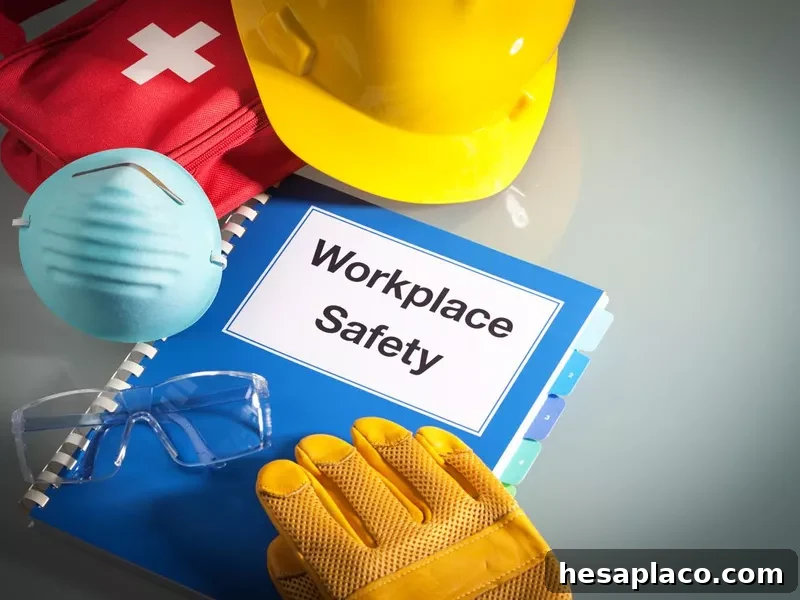
YinYang / Getty Images
When an employer corners you into unsafe practices or dismisses safety concerns, you risk injury and may face an employer unwilling to honor workers’ compensation or legal responsibilities.
24. Breaks are engineered to be meaningless or are effectively taken away.

Fertnig / Getty Images
Employers who micromanage break times or make it impossible to actually rest are often manipulating labor rules to extract more unpaid work.
25. Managers contradict each other and can’t keep their story straight.

fizkes / Getty Images
Visible conflict among leadership suggests instability and a toxic environment. If managers argue in interviews or provide inconsistent information, you’ll likely face confusion and blame down the line.
26. Employees are charged for small items—snacks, uniform pieces, or K-cups.

kasto80 / Getty Images
Small fees can indicate a culture of extracting money from staff. When employers nickel-and-dime workers for essentials, it’s a sign raises and fair compensation are unlikely.
27. You’re hired as part of a large batch of new employees.

skynesher / Getty Images
Mass hiring implies they need bodies, not talent. Batch hires often fill high-pressure, short-lived roles—think door-to-door sales or similar churn-heavy positions.
28. Managers engage in time theft—requiring you to clock out while continuing to work.

designer491 / Getty Images
Being asked to underreport hours cheats you out of pay. If it starts immediately, it’s likely to become a pattern rather than an isolated incident.
29. Managers appear lazy or absent from their responsibilities.

laflor / Getty Images
Lazy leadership often means you’ll shoulder not only your own tasks but also those that management should handle. A lack of oversight rarely benefits hardworking employees.
30. You’re assigned tasks completely outside your skill set without training or support.

skynesher / Getty Images
Pushing employees into unfamiliar, potentially dangerous tasks without training signals poor management and puts you at risk. It’s also often a symptom of a failing or disorganized business.
31. Favoritism and an undefined social hierarchy determine assignments and advancement.

Dean Mitchell / Getty Images
If advancement depends more on who you know than what you accomplish, your opportunities will be limited unless you play office politics in addition to doing your job well.
32. Senior management hasn’t received raises in years.

fizkes / Getty Images
If long-tenured leaders aren’t seeing pay increases, it’s unlikely rank-and-file employees will receive raises either. Compensation stagnation often signals broader financial problems.
33. Everyone emphasizes that this is a “family business.”

JackF / Getty Images
Family-run companies can favor relatives for promotions and tolerate underperformance from insiders. If you’re not part of that family, advancement and fair treatment may be limited.
34. You’re asked to do something illegal.

vladans / Getty Images
Any request to break the law—such as serving alcohol to minors—should be an immediate deal-breaker. Employers willing to flout the law may also exploit or harm employees.
35. Many red flags appear in food service roles.

BartekSzewczyk / Getty Images
The service industry often exposes workers to long hours, low pay, and lax safety or hygiene practices. If conditions feel wrong in a food service job, it’s usually worth leaving early.
36. You must pay a fee to start working.

wutwhanfoto / Getty Images
Requiring payment to begin work is common in pyramid schemes and scams. Legitimate employers never ask applicants to pay to start a job.
37. You’re told wages are secret and you’re forbidden from discussing pay with coworkers.

Prostock-Studio / Getty Images
Secret wages often hide unfair pay practices. In many jurisdictions, it’s illegal to prohibit wage discussions. If they discourage transparency, ask why—and be cautious.
38. The workplace uses group chants or enforced pep rituals.

pixelfit / Getty Images
These rituals can foster a cult-like atmosphere that substitutes enthusiasm for fair pay and real benefits. If group chanting is used to mask substandard working conditions, it’s a significant red flag.
Pay attention to these signs during interviews and on your first days at a new workplace. While no single flag guarantees a terrible job, multiple indicators together often reveal deeper cultural or operational problems. Trust your instincts, do your homework, and prioritize workplaces that treat employees with respect and transparency.