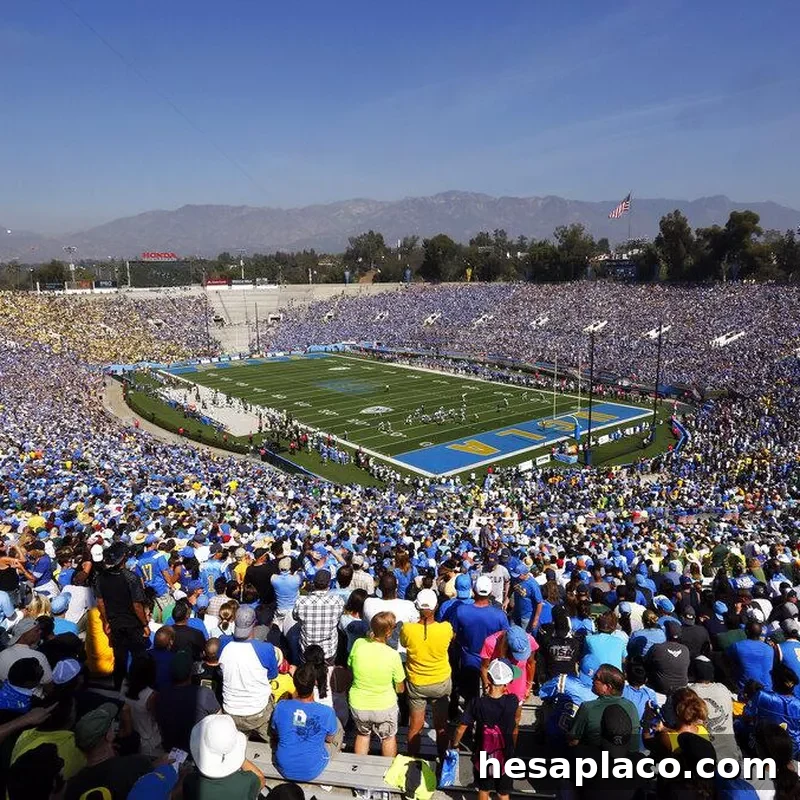
For many people, the sports industry seems like an exciting but difficult world to enter. A common misconception is that every sports career requires elite athletic ability or expert knowledge of several different games. While experience as an athlete or a lifelong interest in sport can certainly help, it is not always essential. Modern sports organizations rely on a wide range of professionals, from analysts and marketers to photographers, journalists, trainers, and digital media specialists.
Today, the sports sector offers career paths for people with skills in technology, communication, health, business, creativity, and data. Below are some of the most important modern jobs in the sports industry, what they involve, and the qualities they typically require.
1. Data Analyst
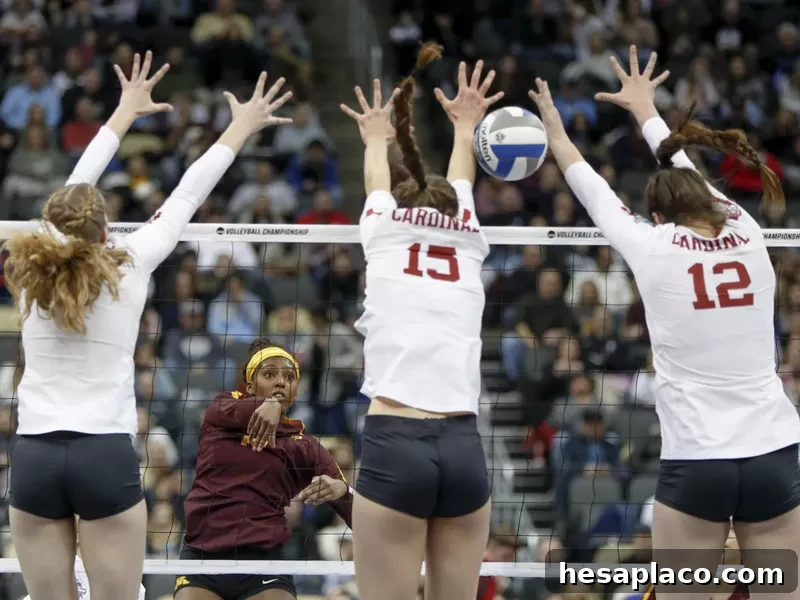
Keith Srakocic / AP Photo
Data analysts, also known as sports statisticians, play one of the most influential roles in modern sport. Their work focuses on collecting, organizing, and interpreting numbers related to athletes, teams, tactics, and match performance.
In this position, almost every part of a sporting event can be measured. A data analyst may study player movement, scoring patterns, passing accuracy, defensive efficiency, injury trends, or team performance over time. The goal is to turn raw statistics into useful insights that coaches, managers, executives, and other decision-makers can use.
Reports prepared by data analysts may help a team choose a starting lineup, evaluate a player’s strengths and weaknesses, improve training plans, or decide whether a specific tactic is effective. In some cases, sports data is also used to support media coverage, fantasy sports platforms, and betting odds.
This role is ideal for people who enjoy mathematics, technology, research, and problem-solving. A strong understanding of data tools, statistics, and the sport itself can make a major difference in this highly competitive career path.
2. Sports Betting Operator
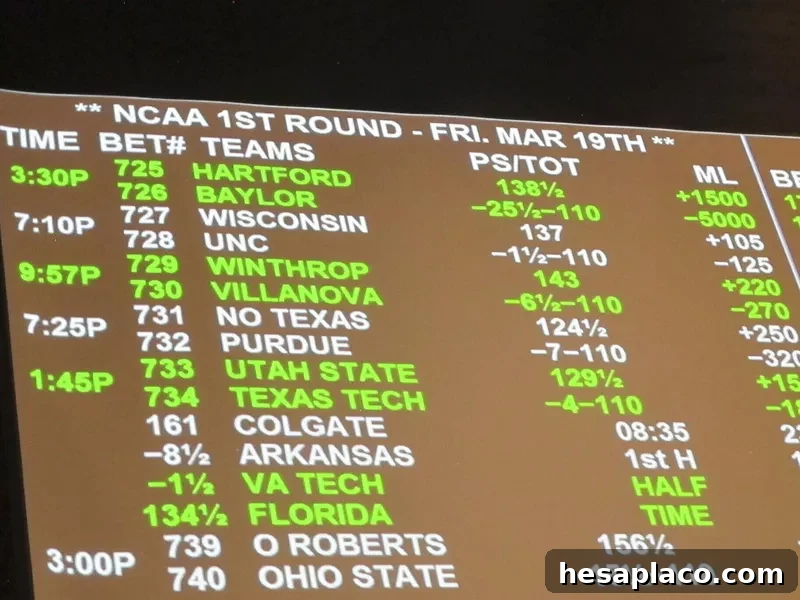
Wayne Parry / AP Photo
Sports betting operators work behind one of the most popular activities connected to professional sport: wagering. Their job often involves helping create, manage, and monitor betting markets for a wide range of sporting events.
These professionals may work closely with statisticians, traders, compliance teams, and customer service departments. Their responsibilities can include setting odds, updating markets as games develop, monitoring risk, and ensuring that betting services operate smoothly and responsibly.
Sports betting staff may work for physical sportsbooks, online platforms, or companies that support betting technology. Online sportsbooks have become an important part of the industry, and many now use digital tools, mobile apps, live betting systems, and advanced analytics to serve customers.
This career requires attention to detail, strong numerical skills, knowledge of sports, and an understanding of regulations. Because betting markets can change quickly, operators must also be able to make decisions under pressure.
3. Athletic Trainer
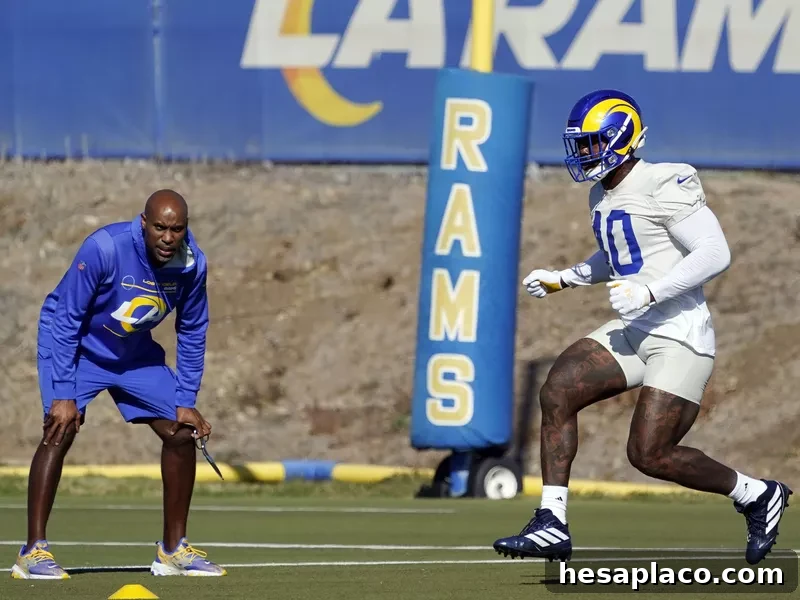
Marcio Jose Sanchez / AP Photo
Athletic trainers are essential to the health, safety, and performance of athletes. Unlike some other sports careers, this role usually requires specialist education, certification, and a strong understanding of anatomy, injury prevention, and physical conditioning.
The main responsibility of an athletic trainer is to help athletes stay healthy and reduce the risk of injury. This may involve guiding warm-ups, designing recovery routines, supporting strength and mobility work, and making sure athletes train correctly.
When injuries happen, athletic trainers are often among the first people to respond. They help assess the situation, provide immediate care, and work with doctors, physiotherapists, and coaching staff to support rehabilitation. Their decisions can have a direct impact on an athlete’s recovery and long-term performance.
If you watch a live sports event and see medical staff rush onto the field or court after a player is hurt, an athletic trainer is often part of that response team. It is a high-responsibility role that requires calm judgment, practical skill, and a genuine commitment to athlete welfare.
4. Content Creator
Ashley Landis / AP Photo
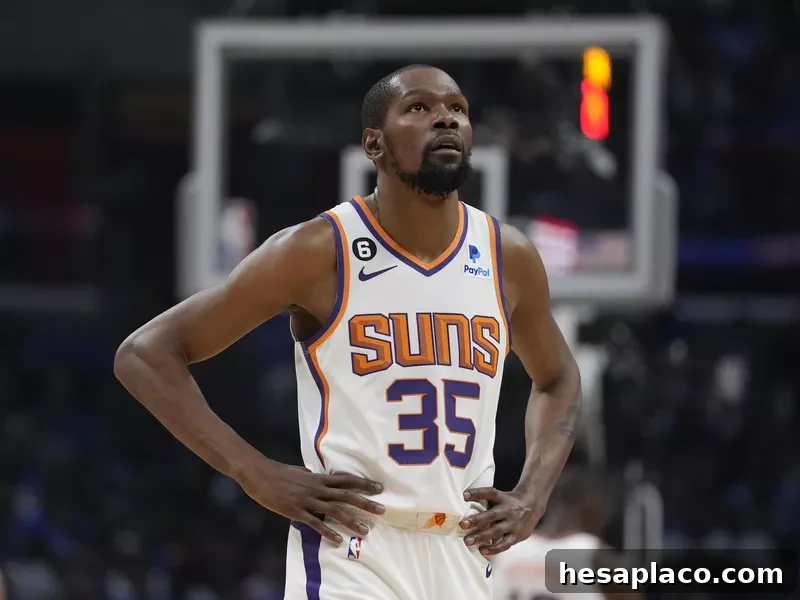
Content creation has become one of the fastest-growing career paths in the sports industry. Over the last decade, social media, video platforms, podcasts, and short-form content have changed the way fans follow athletes, teams, and sporting events.
Sports content creators may come from many different backgrounds. Some are former amateur athletes, while others are fans, fitness enthusiasts, commentators, editors, photographers, or digital marketers. Formal qualifications are not always required, but creativity, consistency, communication skills, and an understanding of online audiences are very important.
The role of a sports content creator is to produce engaging material that promotes a team, athlete, competition, product, or brand. This can include videos, interviews, behind-the-scenes clips, match reactions, training content, social media posts, graphics, and written features.
Creators may work independently with their own audience, or they may be hired by clubs, leagues, sponsors, media companies, or sportswear brands. For example, a creator might produce content around an athleisure brand campaign, a major tournament, or a player partnership.
This career can be rewarding, but it is also highly competitive. Successful sports content creators understand both the sport and the platform they are using, and they know how to make fans feel connected to the story.
5. Sports Journalist
Andrew Dampf / AP Photo
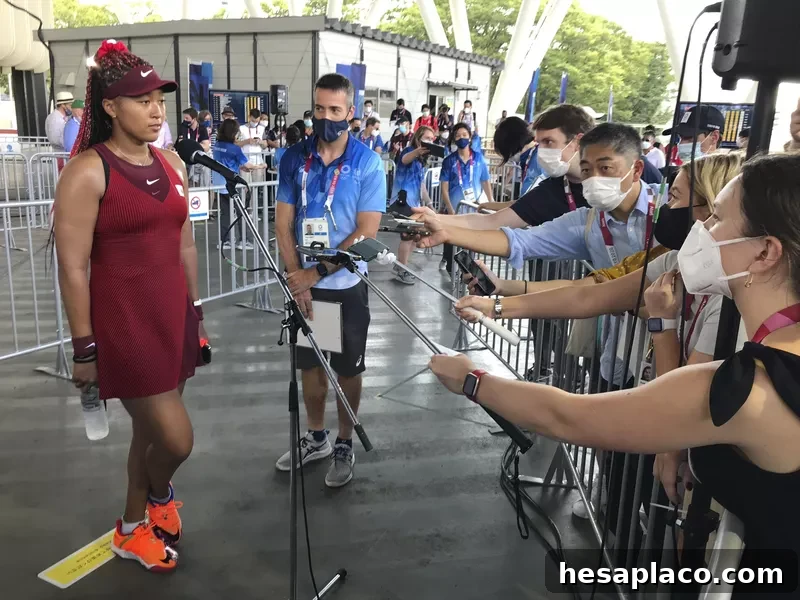
Sports journalists combine strong writing or broadcasting skills with a deep interest in sport. Their job is to report, explain, analyze, and tell stories that help audiences understand what is happening on and off the field.
A sports journalist may cover upcoming games, write match reports, interview athletes and coaches, investigate major issues, compare player performances, or offer analysis before and after events. Some focus on breaking news, while others specialize in long-form features, opinion columns, live commentary, or multimedia reporting.
One of the attractions of this career is the possibility of attending major sporting events and reporting from the venue. However, access is not always guaranteed, and the industry can be demanding. Journalists must meet deadlines, verify information, ask strong questions, and write clearly under pressure.
This role is suited to people who are curious, persistent, accurate, and passionate about storytelling. A love of sport helps, but strong communication skills are just as important.
6. Marketing Director
John Raoux / AP Photo
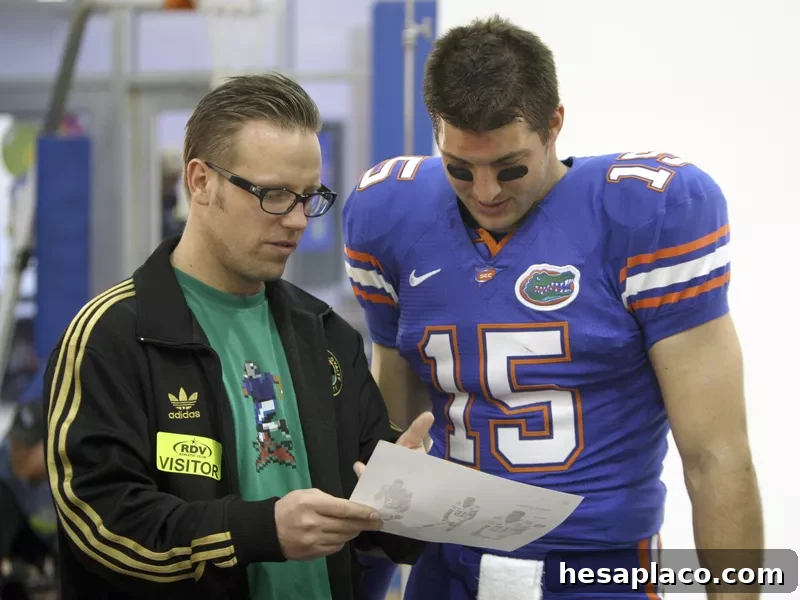
Marketing director may not be the first job that comes to mind when people think about sports careers, but it is one of the most important roles behind the scenes. Sports marketing connects teams, athletes, events, sponsors, media, and fans.
A marketing director is responsible for promoting a club, tournament, league, event, or brand to the public. This can involve developing campaigns, building fan engagement, attracting sponsors, managing brand identity, and supporting ticket sales or merchandise revenue.
The role also includes strategy and analysis. Marketing leaders must understand audience behavior, campaign performance, digital platforms, and commercial goals. They may oversee social media marketing, email campaigns, influencer partnerships, advertising, event promotion, public relations, and physical branding at venues.
To succeed in this position, a person needs creativity, leadership, business knowledge, and strong communication skills. Sports marketing is not only about visibility; it is about building long-term relationships between fans and the organizations they support.
7. Sports Event Photography
davepeetersphoto / Getty Images
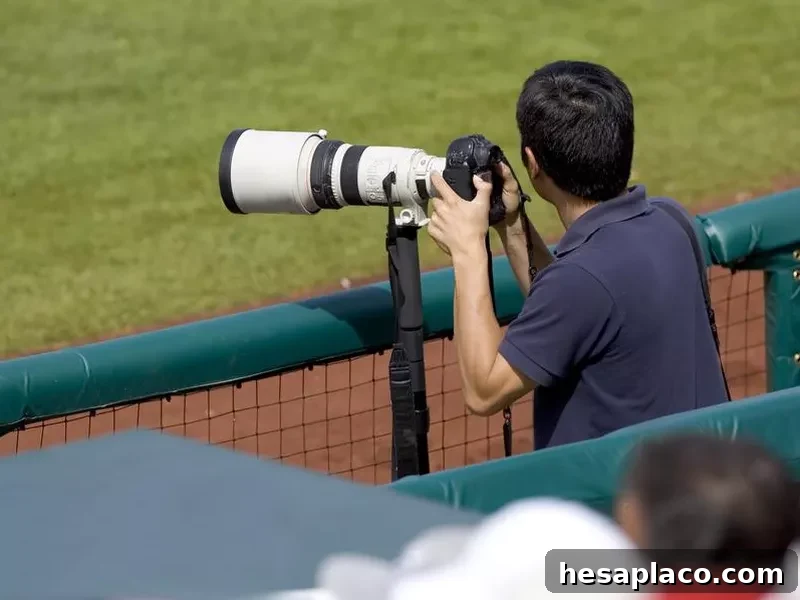
Sports event photography is a strong career choice for people who love both visual storytelling and athletic competition. This job does not always require formal qualifications, but it does demand technical skill, timing, patience, and a strong understanding of the sport being photographed.
Sports photographers are responsible for capturing the key moments of games, tournaments, and athletic careers. A single image can preserve a winning goal, an emotional celebration, a painful defeat, or a historic performance. To capture those moments, photographers must anticipate action before it happens.
This requires knowledge of player movement, game flow, lighting, camera equipment, and venue conditions. Photographers often work in fast-changing environments where they have only seconds to get the right shot.
Sports photography can also overlap with other modern careers in the industry, including journalism, content creation, social media, and brand marketing. Photos may be used by newspapers, teams, sponsors, athletes, and digital platforms.
The pressure can be intense, especially at major events, but the reward is significant. A powerful sports photograph can become part of the way fans remember an unforgettable moment.
The sports industry is no longer limited to athletes and coaches. From data analysis and health support to media, marketing, photography, and digital content, there are many ways to build a meaningful career in sport. The best path depends on your skills, interests, and willingness to learn in a fast-moving and highly competitive field.