
Most Expensive Cities in the U.S. Based on Average Rent
Rent, home prices, taxes and the overall cost of living have risen across the United States, but some cities remain far more expensive than others. Housing shortages, migration from larger metropolitan areas, tourism, limited land and local economic trends all play a role in pushing prices higher.
The following ranking highlights the most expensive cities in the U.S. in 2022, based on findings from U.S. News & World Report and organized by average rent for a one-bedroom apartment.
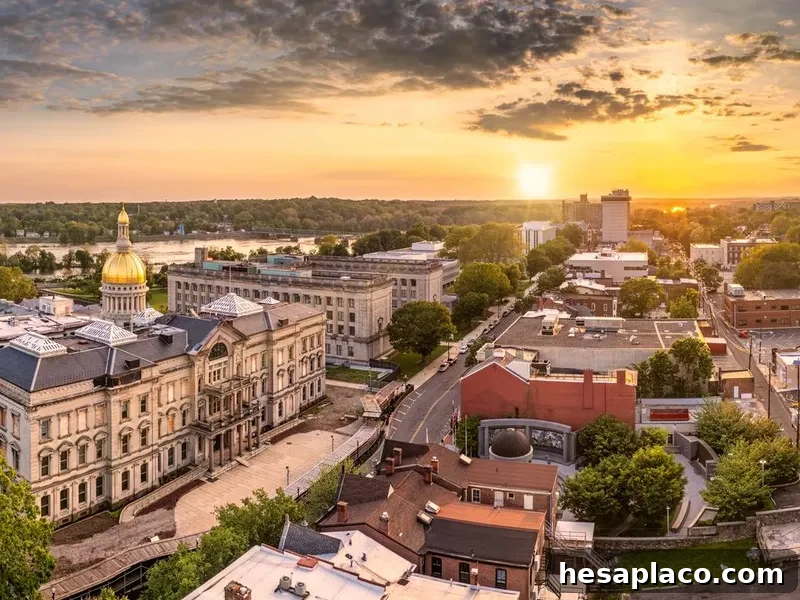
15. Trenton, New Jersey
Getty Images
Average rent for a 1-bedroom: $1,311
Population: 368,085
Several New Jersey cities have seen the cost of living rise, and Trenton is one of them. As the state capital, it combines historic character with modern development, making it attractive to families, professionals and commuters.
Its location between New York City and Philadelphia has helped increase demand. As people are priced out of larger, more expensive cities, many look to places like Trenton for housing, which has contributed to higher rents and home prices.
This list is based on U.S. News & World Report’s 2022-2023 ranking of the most expensive places to live in the United States, using average rent prices.
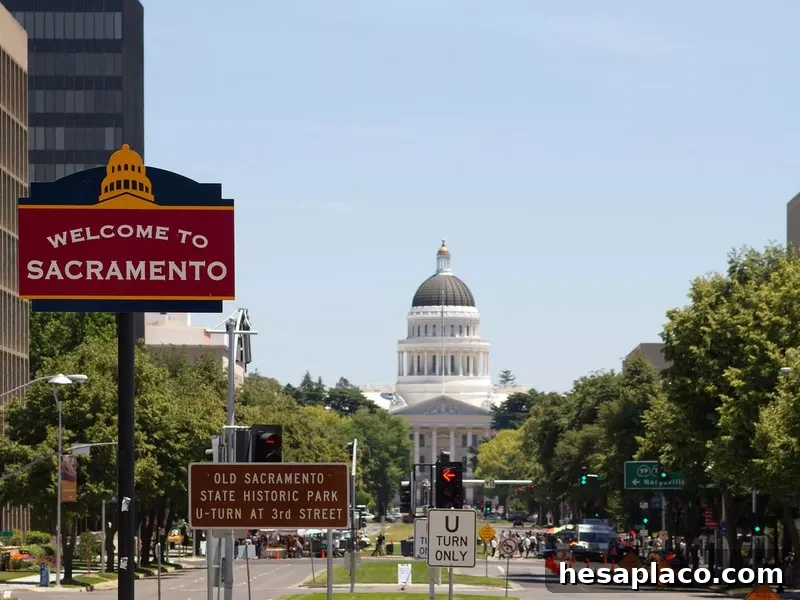
14. Sacramento, California
Getty Images
Average rent for a 1-bedroom: $1,364
Population: 2.3 million
Sacramento, the capital of California, once had a more relaxed, small-city feel. However, its location about 90 minutes from San Francisco has made it increasingly popular with people looking for a lower-cost alternative to the Bay Area.
The shift to remote work during the COVID-19 pandemic accelerated this trend. Many workers left San Francisco and nearby cities for Sacramento, where prices were comparatively lower at the time. Demand rose quickly, and the area’s limited housing supply pushed rents and home prices higher.
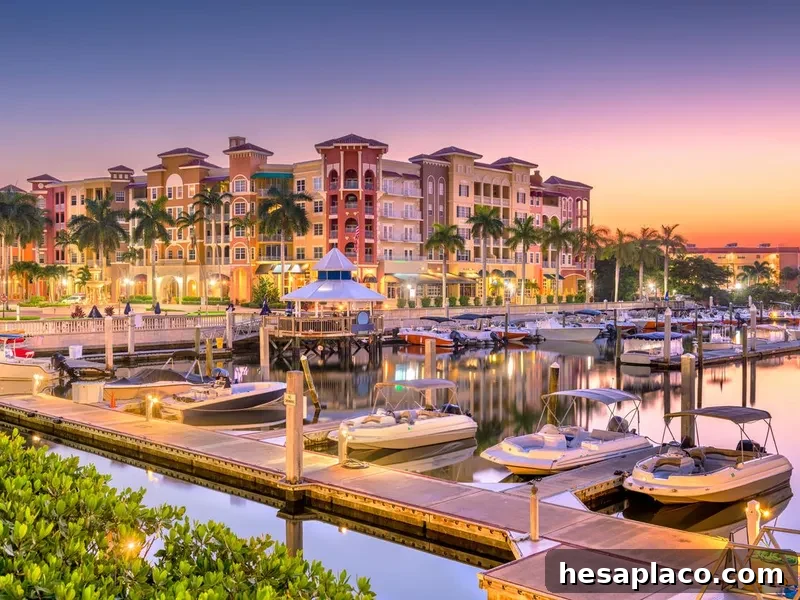
13. Naples, Florida
Getty Images
Average rent for a 1-bedroom: $1,374
Population: 379,345
Naples, along with nearby Marco Island, is known for beaches, golf courses and a quieter lifestyle that appeals strongly to wealthy retirees and seasonal residents. Its warm climate and upscale amenities have long made it a desirable place to live or spend the winter.
Many homes in the area are second homes occupied by snowbirds during the colder months. This steady flow of out-of-town residents has increased competition for housing and helped drive up prices for both buyers and renters.
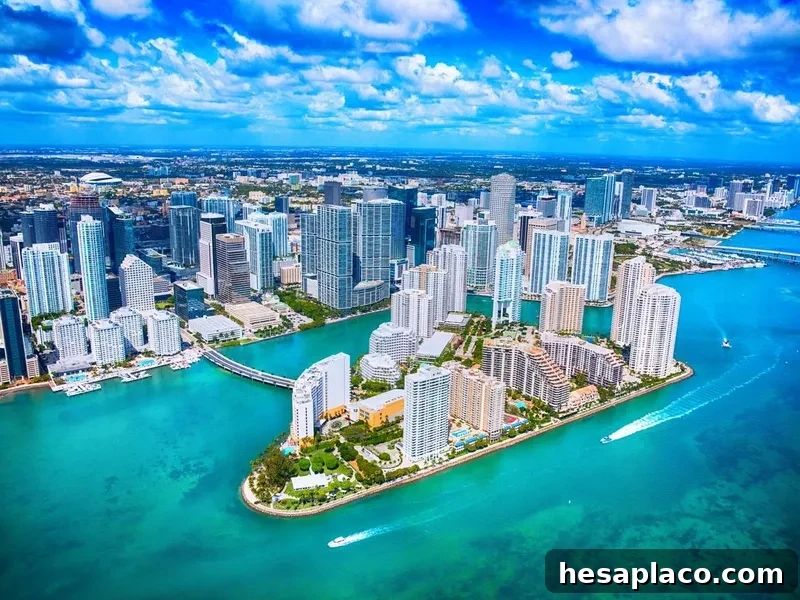
12. Miami, Florida
Getty Images
Average rent for a 1-bedroom: $1,408
Population: 6.1 million
Miami attracts residents with its year-round sunshine, cultural diversity, nightlife and strong urban energy. Young professionals are drawn to the city center for work and entertainment, while surrounding suburbs remain popular with families.
Housing costs in Miami have climbed sharply. Seasonal residents, retirees and newcomers continue to buy and rent throughout the region, while wages have not always kept pace with rising costs. The result is one of the most expensive housing markets in the country.
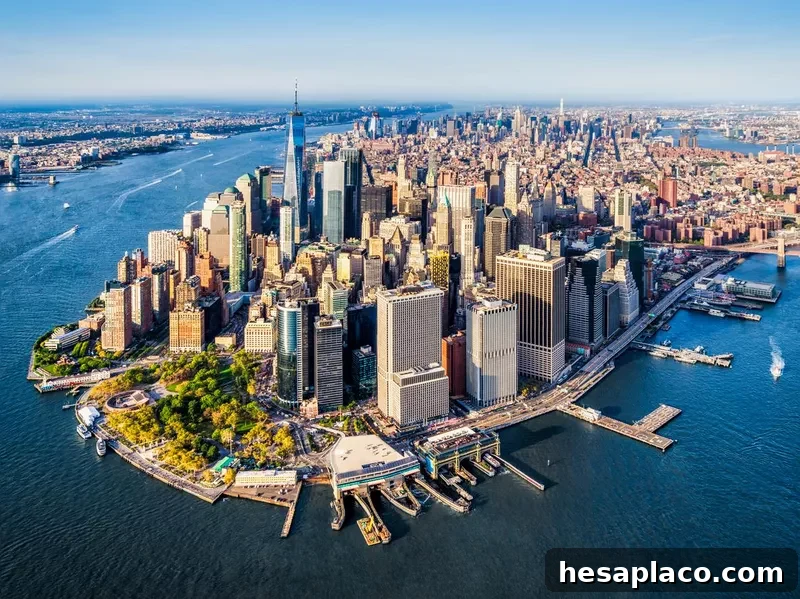
11. New York, New York
Getty Images
Average rent for a 1-bedroom: $1,484
Population: 20.2 million
New York City remains one of the world’s most important centers for business, fashion, media, finance and the arts. Its global influence continues to attract people who want access to career opportunities, culture and city life.
New York has always been expensive, but affordable pockets have become harder to find. Even areas that once offered lower rents have seen prices rise. During the early stages of the COVID-19 pandemic, many residents left the city, but rents increased again as workers returned and demand rebounded.
Rent-stabilized apartments still exist, but they are limited and often held for many years. For new renters, finding affordable housing in New York City remains a major challenge.
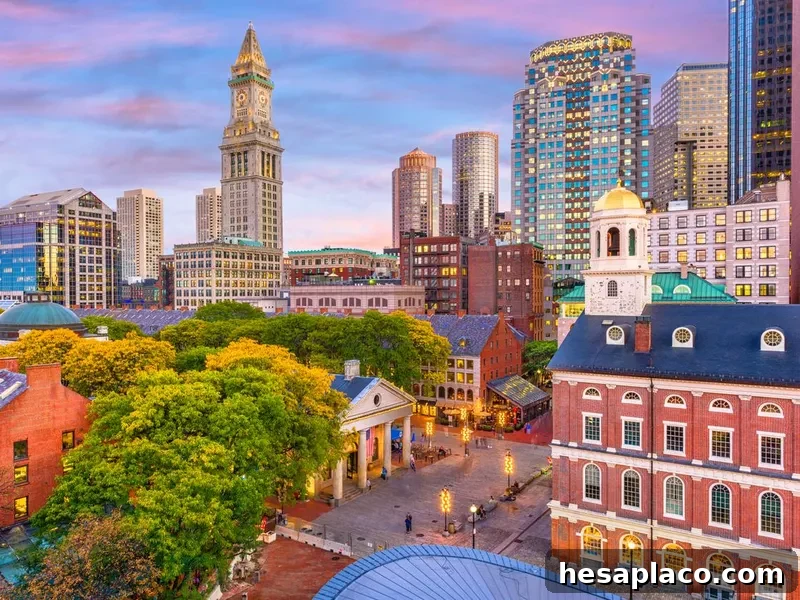
10. Boston, Massachusetts
Getty Images
Average rent for a 1-bedroom: $1,555
Population: 4.9 million
Boston offers the economic strength of a major city while maintaining a strong neighborhood identity. It is known for historic landmarks, world-class universities, hospitals, technology firms and research institutions.
Although wages in Boston are higher than in many parts of the country, the cost of living is also significantly elevated. Housing, transportation and everyday expenses combine to make Boston one of the most expensive U.S. cities for renters and homebuyers.
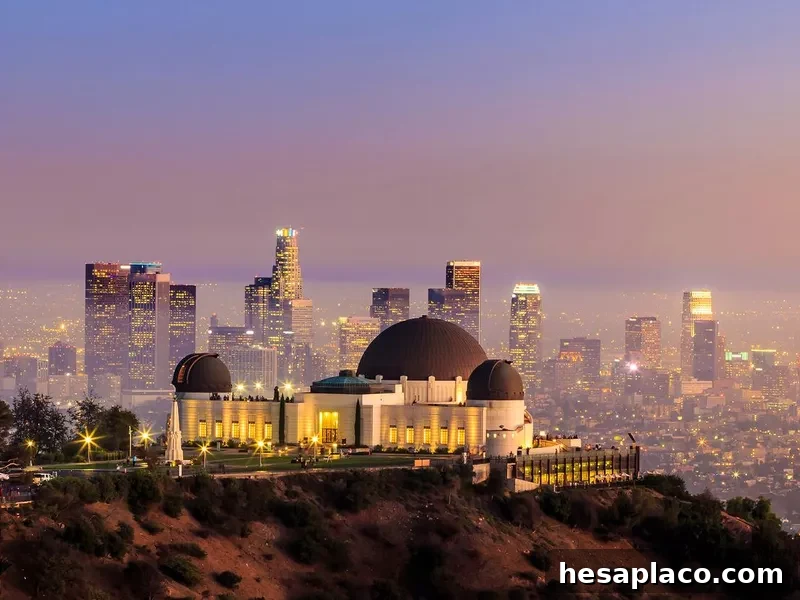
9. Los Angeles, California
Getty Images
Average rent for a 1-bedroom: $1,576
Population: 18.7 million
For more than a century, Los Angeles has attracted people pursuing careers in entertainment, business, technology and creative fields. While some parts of the region were once relatively affordable, housing throughout the Los Angeles area has become increasingly expensive.
A limited housing supply, long commutes, high fuel costs and state and local taxes all add to the financial pressure. Even with these challenges, Los Angeles continues to draw newcomers who want access to its climate, industries and lifestyle.
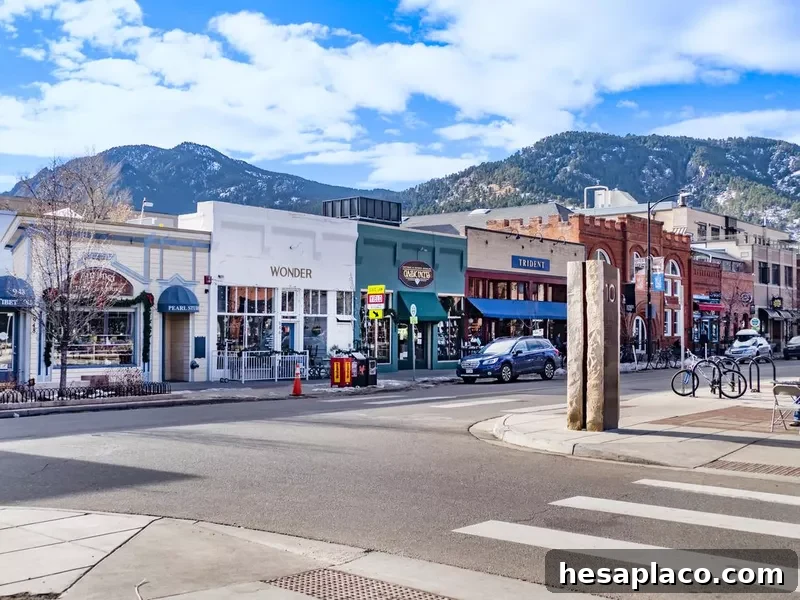
8. Boulder, Colorado
Getty Images
Average rent for a 1-bedroom: $1,582
Population: 324,682
Boulder was once a quieter alternative to major coastal cities, but it has become much more expensive. Former coastal residents, academics, professionals and outdoor enthusiasts have moved to the area in large numbers.
The city’s appeal is easy to understand: scenic surroundings, access to outdoor recreation and a strong local economy. However, housing is limited, and rising demand has pushed prices upward. Local leaders in Boulder and surrounding communities continue to face pressure to manage growth and affordability.
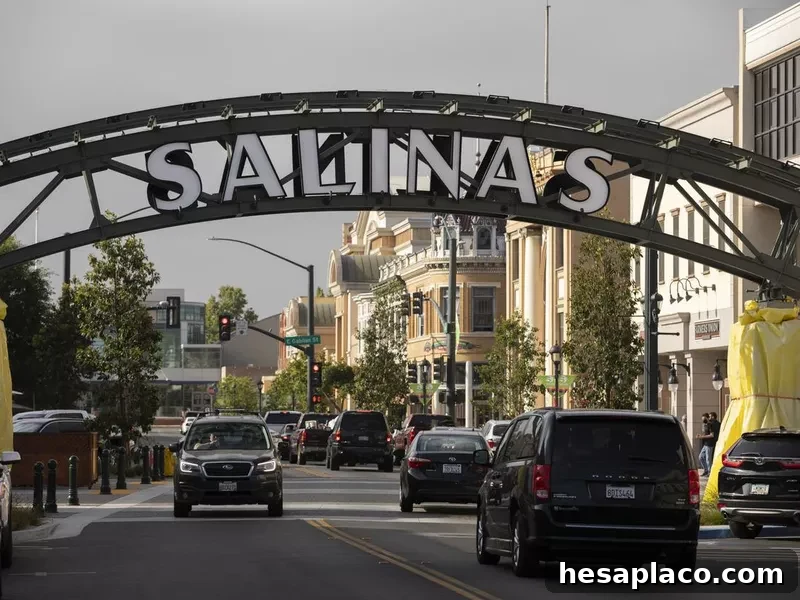
7. Salinas, California
Getty Images
Average rent for a 1-bedroom: $1,600
Population: 432,977
Salinas is known as the “Salad Bowl of the World” because of its major role in agriculture, producing fruits, vegetables and wine. The city is also closely associated with author John Steinbeck, whose influence is still visible throughout the area.
Housing is the main reason Salinas ranks among the most expensive cities in the U.S. Prices are much higher than the national average, although the city remains more affordable than some other California markets. Its proximity to Monterey and Carmel also adds to its appeal and keeps demand strong.
6. Vallejo and Fairfield, California

Chris LaBasco / Getty Images
Average rent for a 1-bedroom: $1,684
Population: 444,538
Vallejo and Fairfield are located less than 20 miles apart and were once more affordable than many nearby California cities. In recent years, however, Bay Area residents have increasingly moved there to escape the higher costs of San Francisco and Oakland.
Compared with other Bay Area communities, these cities can still offer relatively lower housing prices and a mild climate. Their location also makes commuting possible for some workers, with Vallejo offering ferry access to San Francisco in about an hour.
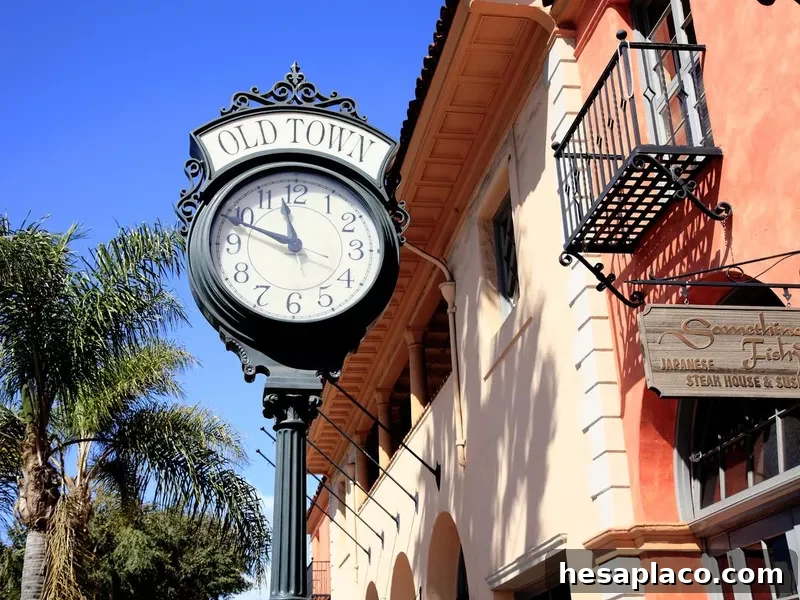
5. Santa Barbara, California
Getty Images
Average rent for a 1-bedroom: $1,697
Population: 444,895
Santa Barbara, located about two hours north of Los Angeles, is known for its beaches, Spanish-style architecture, temperate climate and scenic coastal setting. It is popular with students, retirees and wealthy residents, including well-known public figures who live in surrounding areas.
Often called the “American Riviera,” Santa Barbara has a limited amount of land and a small footprint of about 21 square miles. With strong demand and limited housing, costs have risen sharply. Housing is the biggest expense, making the area especially difficult for many buyers and renters.
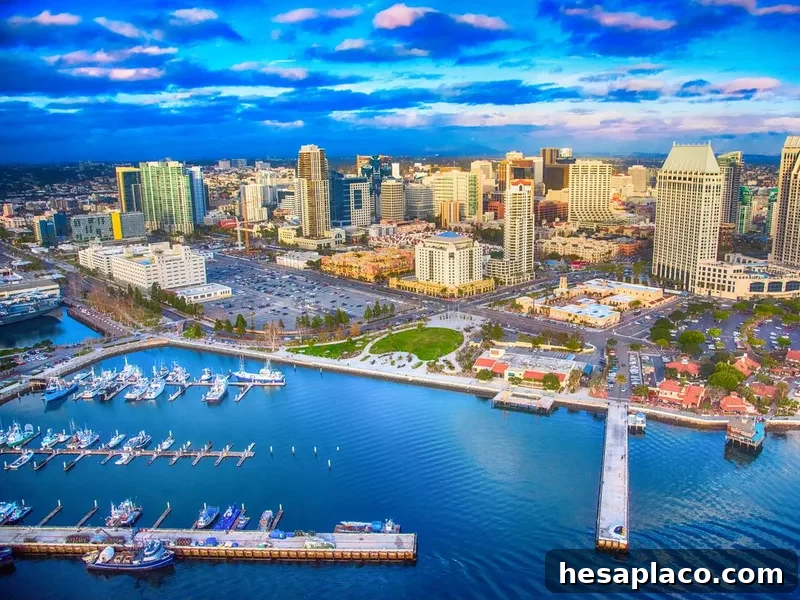
4. San Diego, California
Getty Images
Average rent for a 1-bedroom: $1,732
Population: 3.3 million
San Diego has long been seen as a sunny, coastal alternative to Los Angeles. Its beaches, mild weather and relaxed lifestyle have made it attractive to residents, retirees, seasonal visitors and tourists.
In recent years, prices have increased considerably. Limited housing, strict building regulations and high taxes all contribute to San Diego’s high cost of living. Demand remains strong because the city offers a climate and quality of life that many people are willing to pay for.
3. Santa Rosa, California

Getty Images
Average rent for a 1-bedroom: $1,743
Population: 496,801
Santa Rosa sits about 55 miles north of San Francisco and is known for wineries, natural beauty and a high quality of life. It frequently appears on lists of desirable places to live, but that popularity has also made it more expensive.
The city’s cost of living is higher than both the California average and the national average. Housing is the biggest factor, with prices far above typical U.S. levels. Its location near wine country and the Bay Area continues to keep demand elevated.
2. Honolulu, Hawaii

Getty Images
Average rent for a 1-bedroom: $1,779
Population: 979,682
Honolulu is one of the most beautiful places in the United States, but living there comes at a high price. Limited land, strict zoning laws, high taxes and expensive shipping all contribute to the cost of everyday life in Hawaii.
The Jones Act, which requires goods transported between U.S. ports to be carried on ships built, owned and crewed by Americans, adds to import costs for the state. Tourism also affects prices. Millions of visitors travel to Hawaii each year, increasing demand for goods, services and housing in areas where locals already face limited supply.
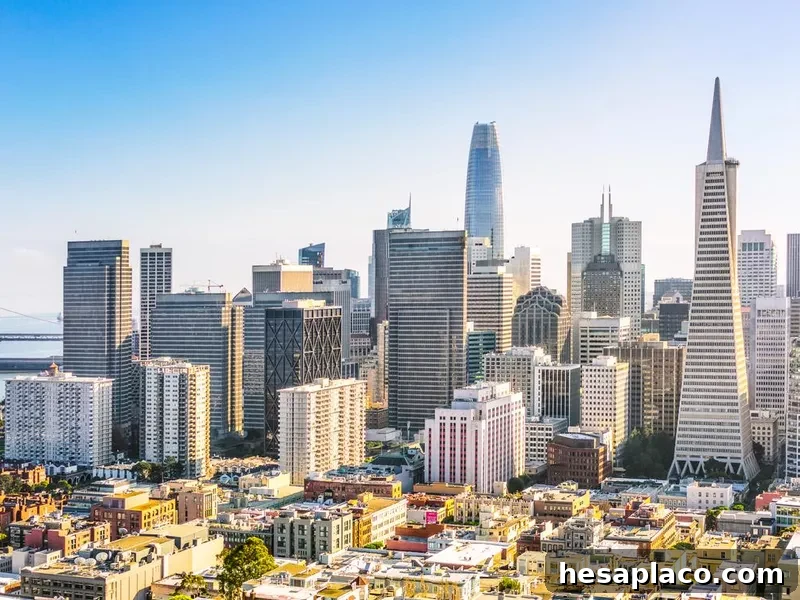
1. San Francisco, California
Getty Images
Average rent for a 1-bedroom: $2,021
Population: 4.7 million
San Francisco once had a strong reputation as a home for artists, bohemians and counterculture communities. In more recent decades, it has become closely tied to the technology industry, attracting highly paid workers and companies to the region.
This surge in demand has pushed rents and home prices dramatically higher, increasing the overall cost of living. Nearby cities such as Oakland have absorbed some of the population overflow, but they have also become more expensive as a result.
With limited housing, strong job demand and one of the highest average rents in the country, San Francisco ranks as the most expensive city on this list.