Largest Grocery Chains in the United States by Revenue
Grocery shopping is part of everyday life for most Americans. Whether customers drive to a large supermarket, walk to a neighborhood store or pick up food from a pharmacy or warehouse club, major grocery retailers play a central role in how the country eats.
Over time, the grocery industry has become increasingly consolidated, with large companies acquiring regional chains and expanding across state lines. Even so, shoppers continue to look for value, convenience, fresh food, prepared meals and healthier options. The following ranking highlights some of the biggest grocery chains and food retailers in the United States, based on annual revenue, while also explaining what makes each brand stand out.
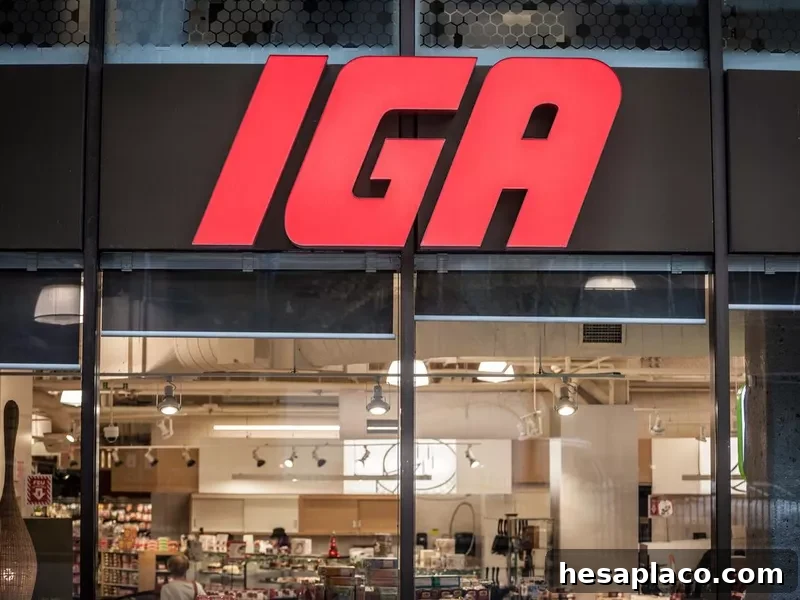
30. IGA
BalkansCat / Getty Images
Headquartered: Chicago, Illinois
No. of stores: 763
Year opened: 1926
2022 revenue: $2 billion
What Makes IGA So Popular
Ted S. Warren / AP Photo
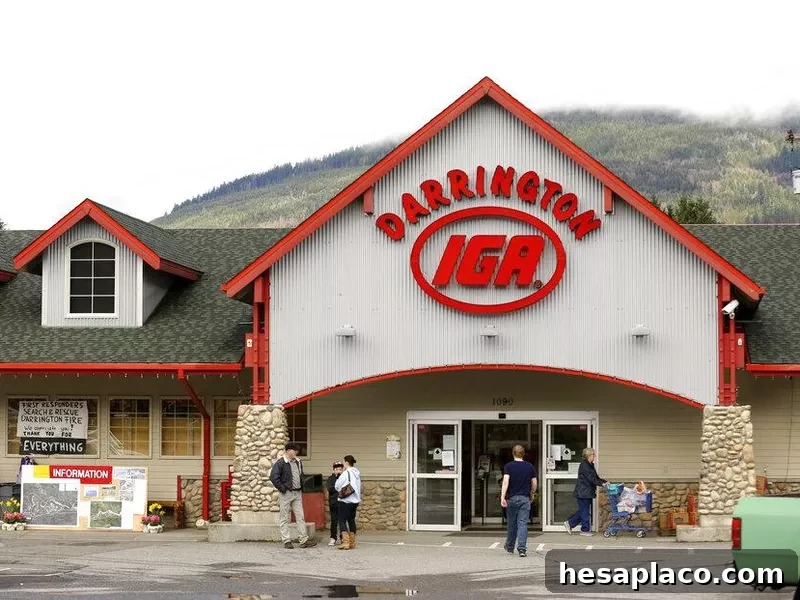
The Independent Grocers Alliance, better known as IGA, was created to help small, family-owned grocery businesses work together under one recognizable name. Nearly a century later, IGA stores can be found across the United States and in many international markets.
Its appeal comes from combining local ownership with the purchasing strength and branding of a larger organization. Many shoppers like that IGA locations often feel more personal than large corporate supermarkets while still offering everyday grocery essentials.
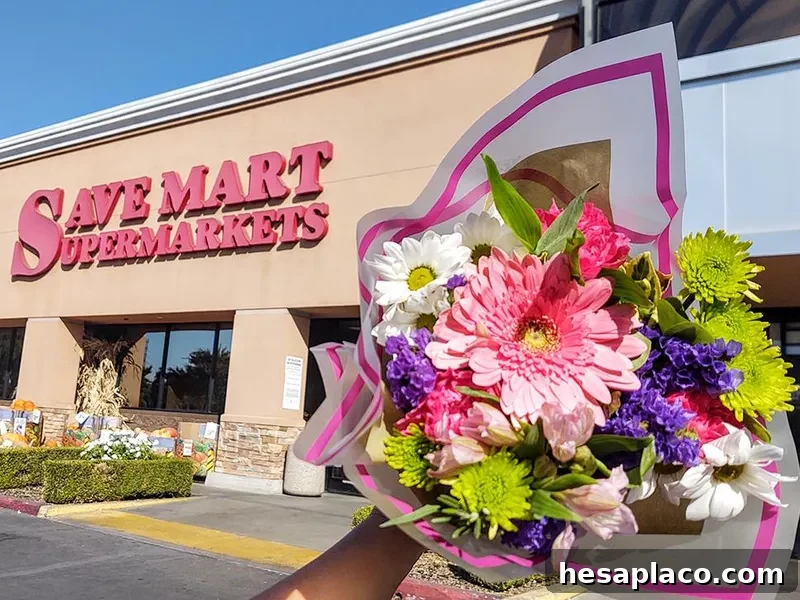
29. Save Mart Supermarkets
Save Mart / Facebook
Headquartered: Modesto, California
No. of stores: 204
Year opened: 1952
2022 revenue: $4.6 billion
What Makes Save Mart So Popular
Save Mart / Facebook
Save Mart began in California’s San Joaquin Valley, one of the most important agricultural regions in the country. From the start, the chain served communities closely connected to farming, food production and seasonal work.
Today, Save Mart operates several grocery brands, including Lucky California, MaxxValue and FoodMaxx. Its stores are known for serving California shoppers with a mix of familiar supermarket products, fresh produce and value-focused options.
27. Smart & Final (Tie)
Smart & Final / Facebook
Headquartered: Los Angeles, California
No. of stores: 255
Year opened: 1871
2022 revenue: $4.7 billion
What Makes Smart & Final So Popular
Gregory Bull / AP Photo
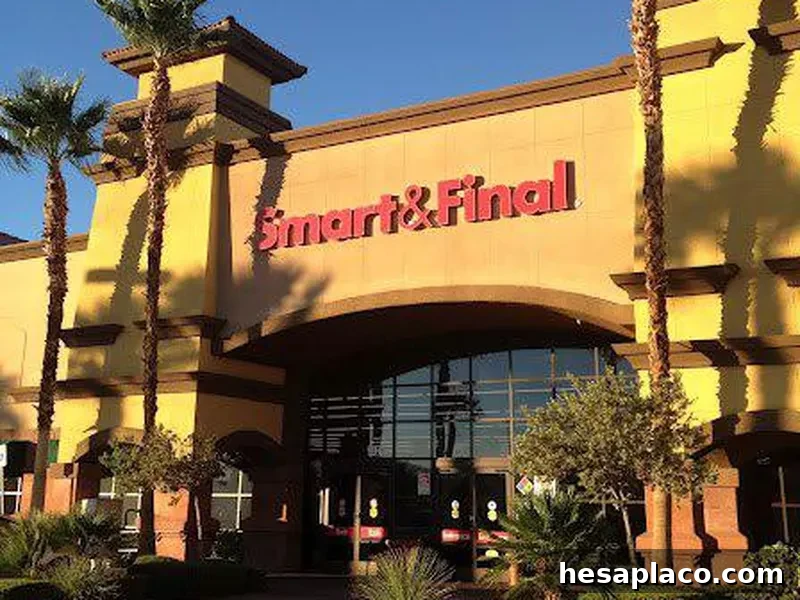
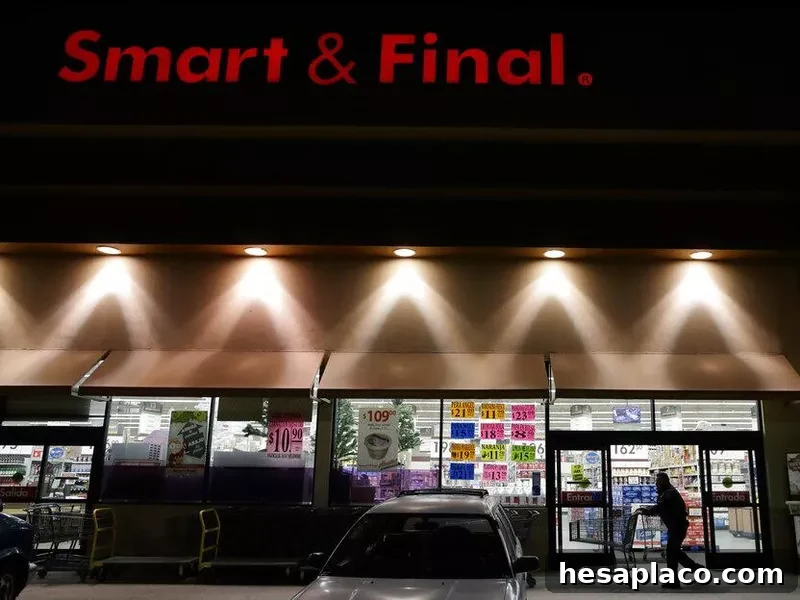
Smart & Final has long served households, offices, restaurants and event planners that need groceries and supplies in larger quantities. Its bulk-oriented format makes it useful for anyone stocking break rooms, catering tables or family gatherings.
The chain is especially familiar in California, where shoppers can buy both everyday groceries and food-service items without needing a traditional warehouse club membership.
27. Save A Lot (Tie)
Amy Sancetta / AP Photo
Headquartered: Saint Ann, Missouri
No. of stores: 1,280
Year opened: 1977
2022 revenue: $4.7 billion
What Makes Save A Lot So Popular
M. Spencer Green / AP Photo
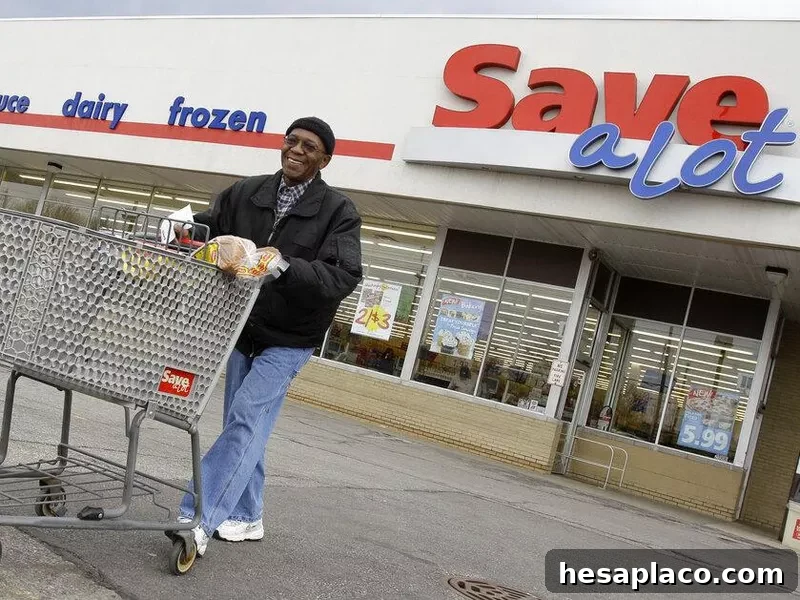
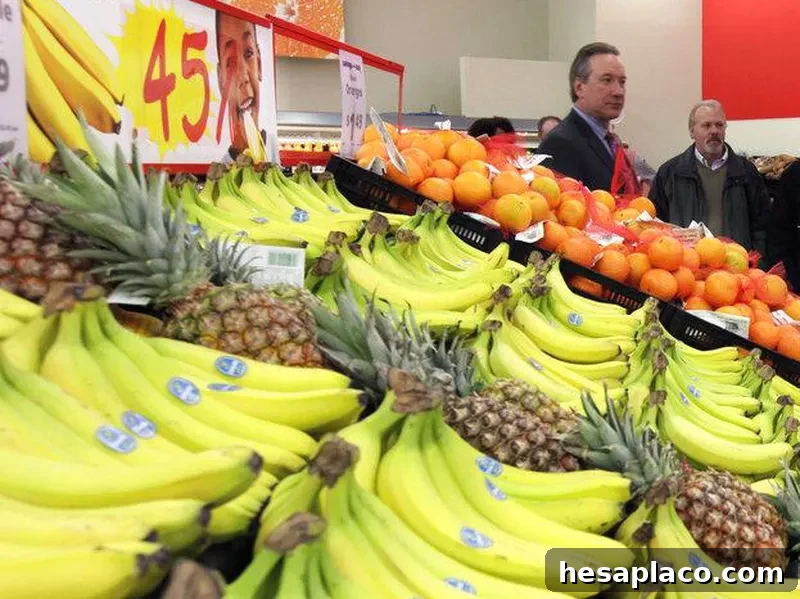
Save A Lot was founded in Cahokia, Illinois, in 1977 with a straightforward mission: offer groceries at lower prices. Its discount model helped the company grow into a major value-focused grocery chain.
The brand appeals to shoppers who want a simple store layout, affordable pantry staples and competitive prices on everyday food. Save A Lot has also been associated with recognizable grocery names such as Piggly Wiggly, Big Star and Mad Butcher.
26. Stater Bros. Markets
Stater Bros. Markets
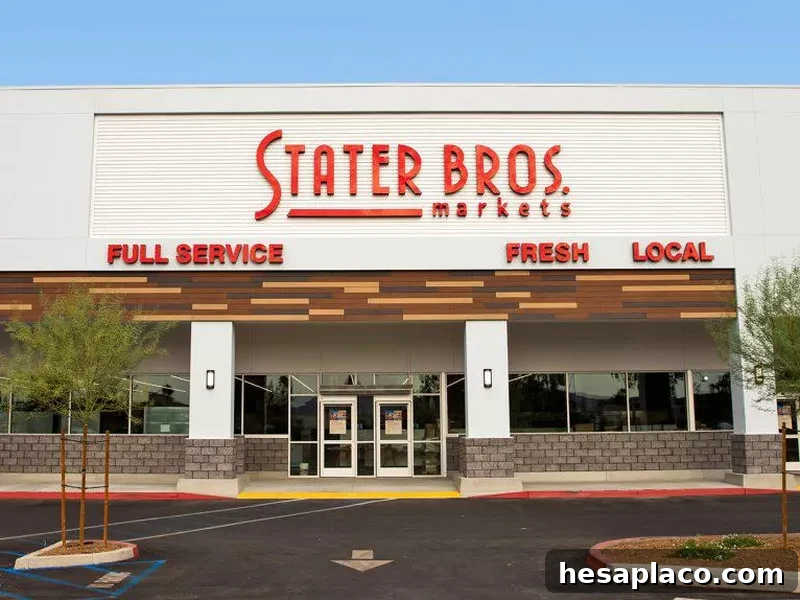
Headquartered: San Bernardino, California
No. of stores: 171
Year opened: 1936
2022 revenue: $5.2 billion
What Makes Stater Bros. Markets So Popular
Thomas De Wever / Getty Images
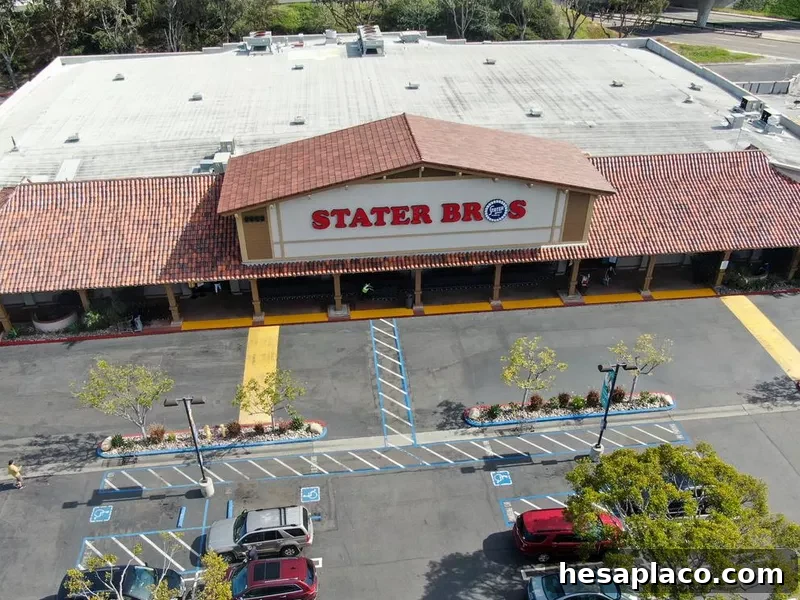
Twin brothers Cleo and Leo Stater started the business after purchasing a store in Yucaipa, California, with a $600 down payment. The company survived its early years while the brothers served during World War II.
Stater Bros. is now a familiar name in Southern California. Shoppers often associate the chain with friendly service, fresh grocery departments and a neighborhood supermarket atmosphere.
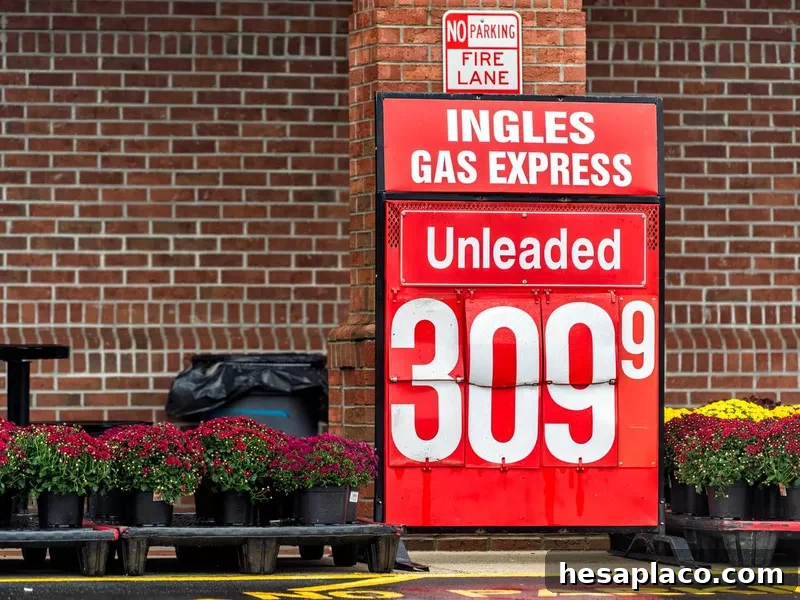
25. Ingles Markets
J. Michael Jones / Getty Images
Headquartered: Asheville, North Carolina
No. of stores: 197
Year opened: 1963
2022 revenue: $5.8 billion
What Makes Ingles Markets So Popular
krblokhin / Getty Images
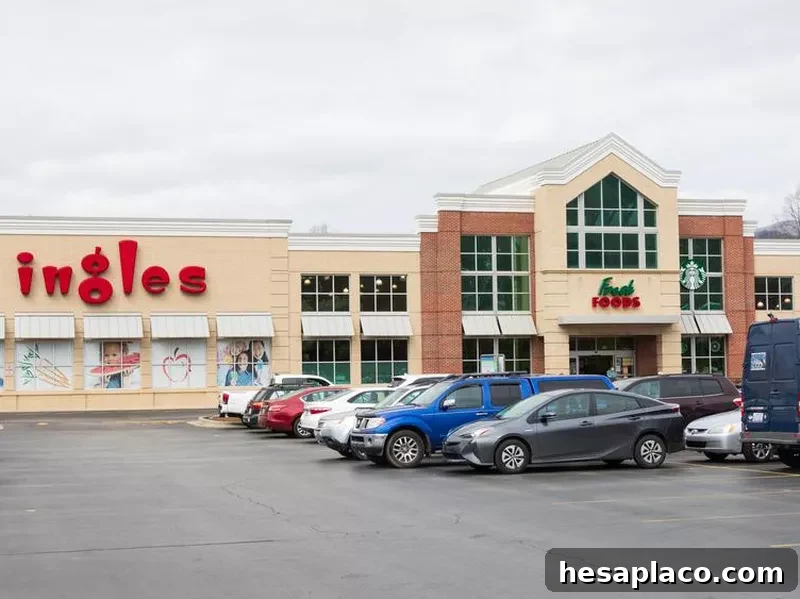
Robert Ingle came from a grocery background and opened his own store in 1963. Before turning 30, he had launched a 10,000-square-foot supermarket that became the foundation for a major Southern grocery business.
Ingles Markets remains strong in the Southeast, where customers value its fresh departments, traditional supermarket format and regional presence.
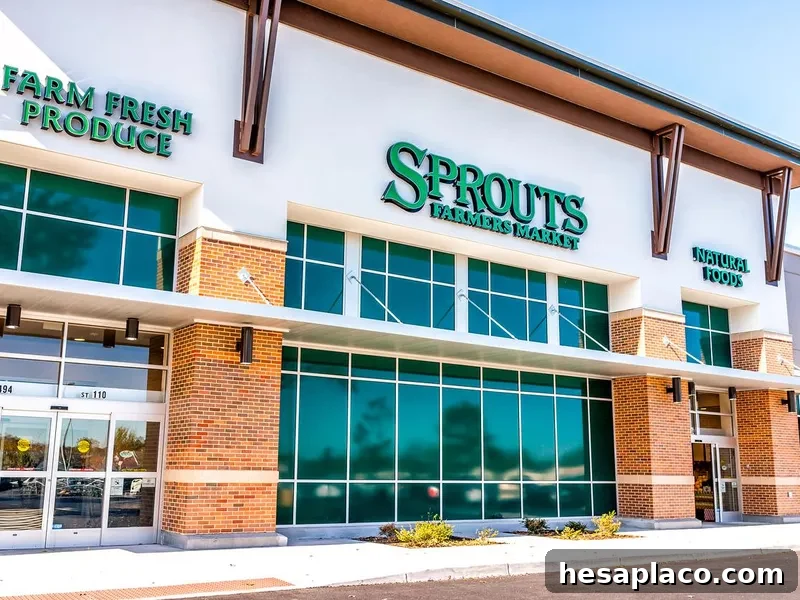
24. Sprouts Farmers Market
krblokhin / Getty Images
Headquartered: Phoenix, Arizona
No. of stores: 362
Year opened: 2002
2022 revenue: $6.4 billion
What Makes Sprouts So Popular
SDI Productions / Getty Images
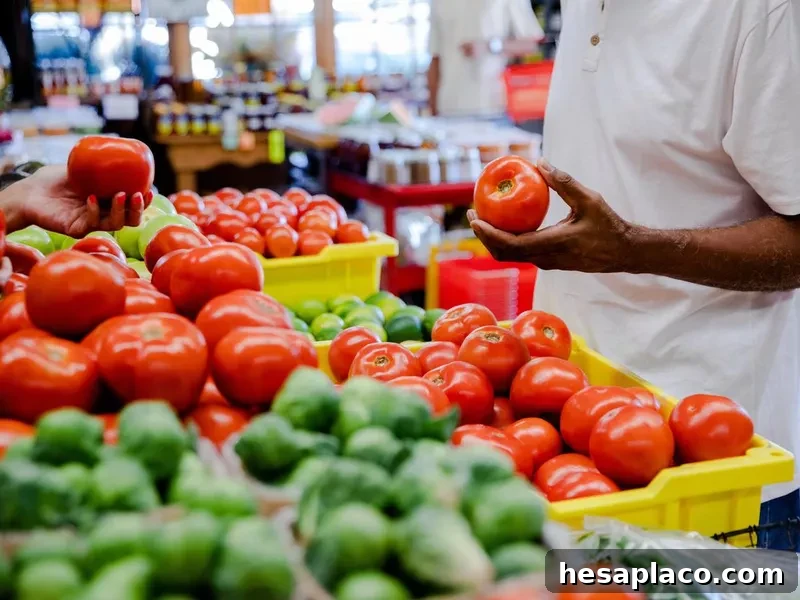
Sprouts Farmers Market grew quickly by focusing on fresh produce, organic foods and health-conscious grocery items. Its stores appeal to shoppers following organic, keto, paleo and other wellness-oriented diets.
Although the chain has a strong presence in states such as California, it has also found success in Texas, Florida and other fast-growing markets.
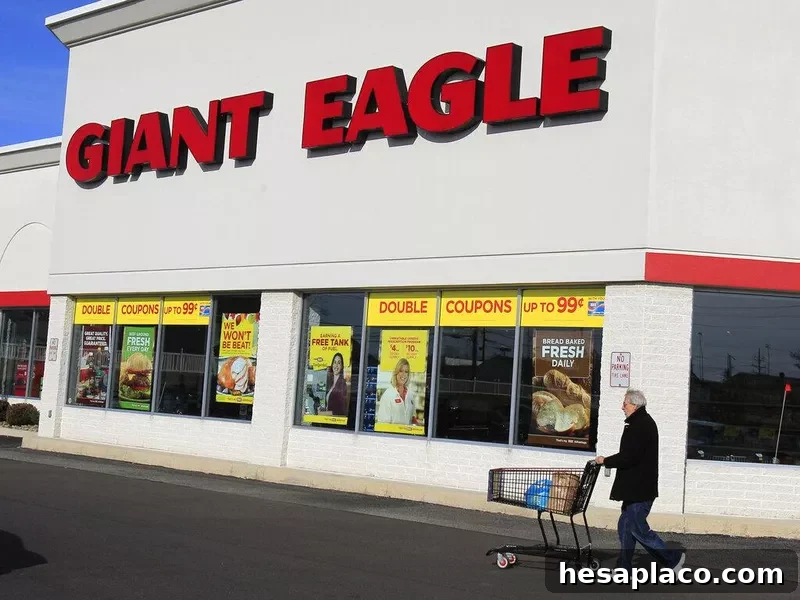
23. Giant Eagle
Tony Dejak / AP Photo
Headquartered: O’Hara Township, Pennsylvania
No. of stores: 474
Year opened: 1931
2022 revenue: $8.9 billion
What Makes Giant Eagle So Popular
Kiichiro Sato / AP Photo
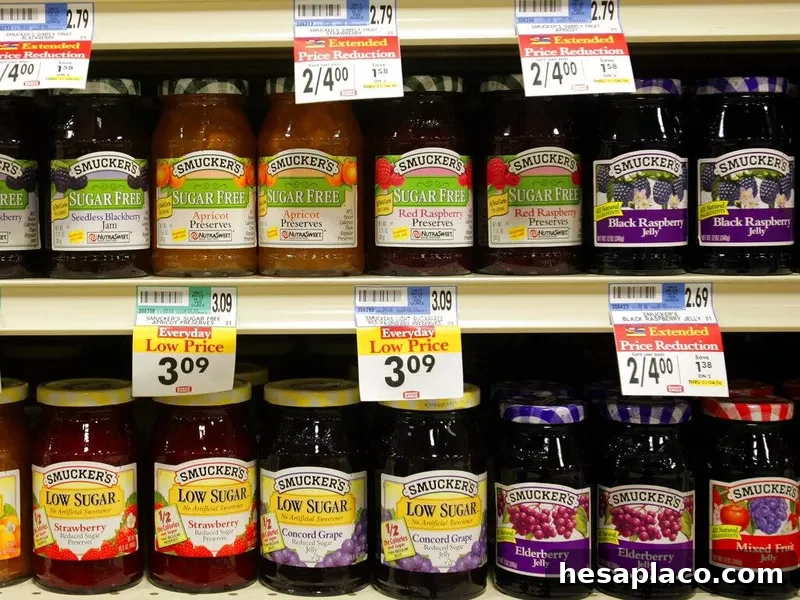
Giant Eagle was formed in 1931 when five families joined together to build a stronger grocery business. The company endured the Great Depression and World War II and later became a major supermarket operator in and around Pittsburgh.
Today, Giant Eagle operates several brands, including GetGo, Market District and Ricker’s, offering groceries, prepared foods and convenience items to regional shoppers.
22. Southeastern Grocers
felixmizioznikov / Getty Images
Headquartered: Jacksonville, Florida
No. of stores: 523
Year opened: 2013
2022 revenue: $10 billion
What Makes Southeastern Grocers So Popular
J. Michael Jones / Getty Images
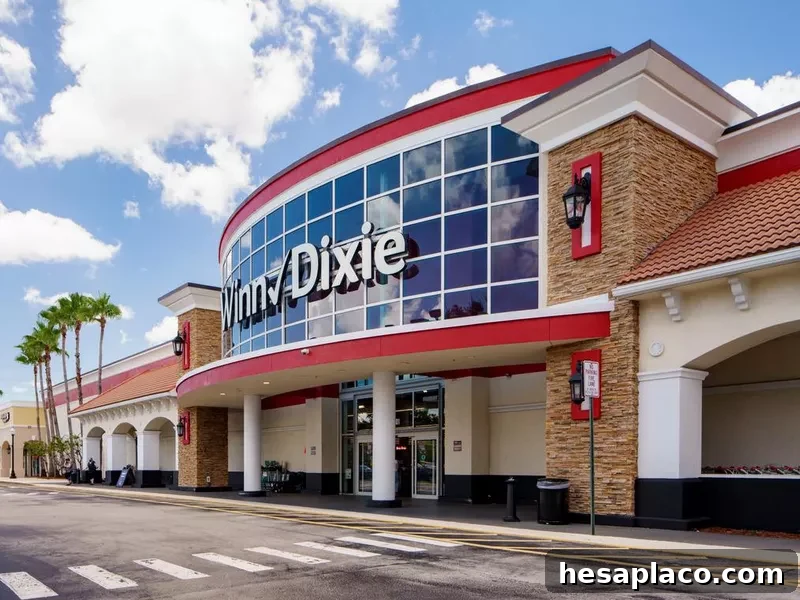
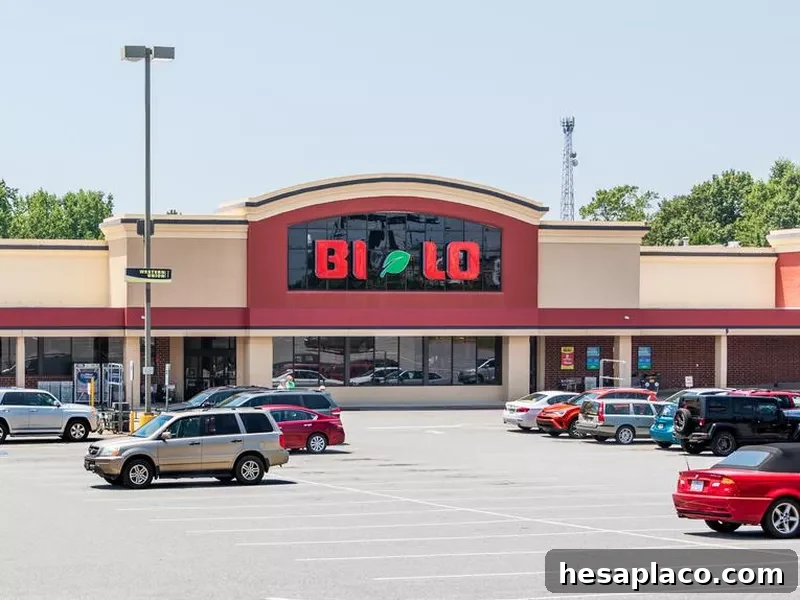
Southeastern Grocers is a relatively young umbrella company, but it grew quickly by bringing together several well-known Southern grocery brands. Its scale helped it reach $10 billion in revenue in 2022.
The company has operated familiar names such as Harveys, Winn-Dixie, Fresco y Más and Bi-Lo, giving it a strong presence across the Southeast.
21. Hy-Vee
David Zalubowski / AP Photo
Headquartered: West Des Moines, Iowa
No. of stores: 265
Year opened: 1930
2022 revenue: $12 billion
What Makes Hy-Vee So Popular
Charlie Neibergall / AP Photo
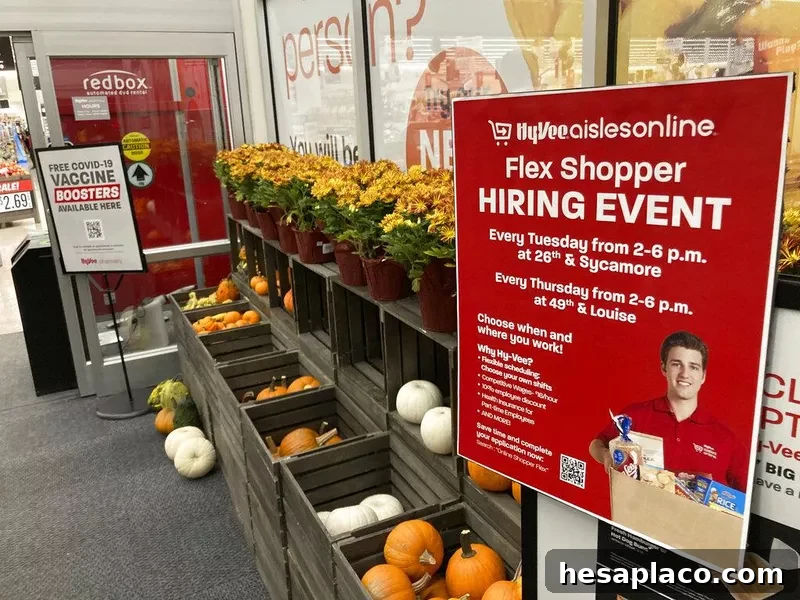
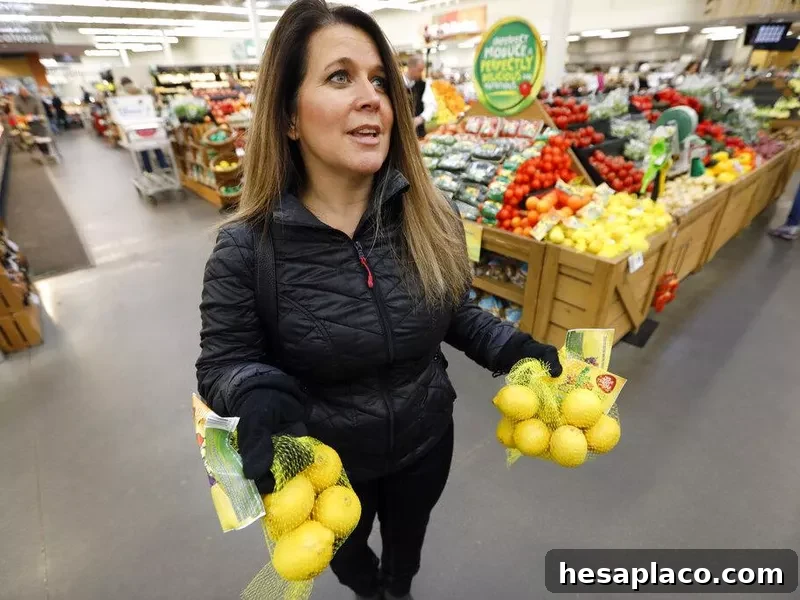
Hy-Vee is a Midwest grocery favorite with more than 80 years of history. The chain has built a loyal following through customer service, fresh departments and regional specialties.
Many shoppers praise Hy-Vee for in-store meat counters, prepared foods and weekly deals. Its stores often feel like full-service supermarkets designed around local community needs.
20. Trader Joe’s
krblokhin / Getty Images
Headquartered: Monrovia, California
No. of stores: 561
Year opened: 1967
2022 revenue: $13.3 billion
What Makes Trader Joe’s So Popular
krblokhin / Getty Images
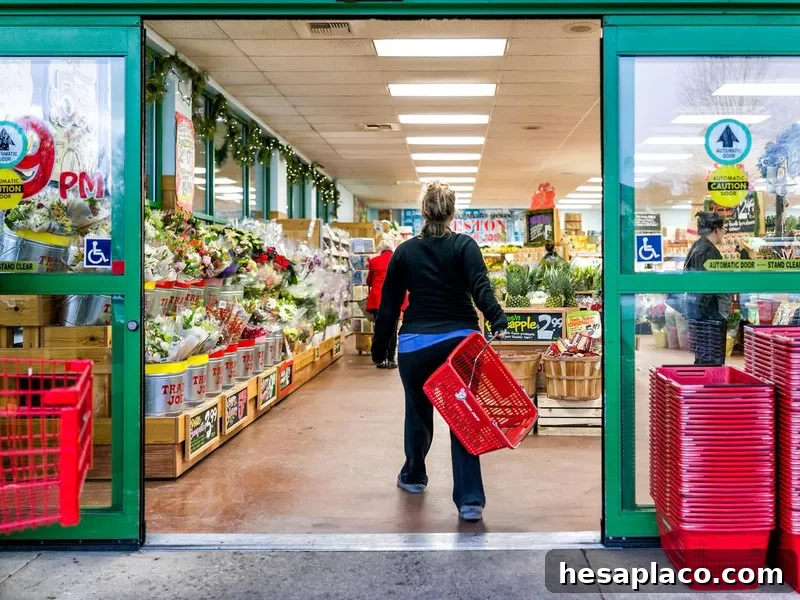
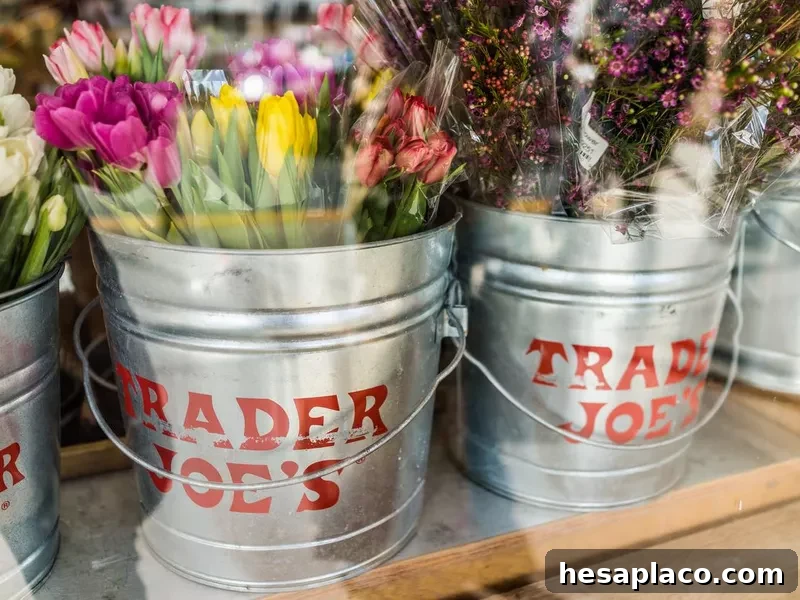
Trader Joe’s has become one of America’s most recognizable specialty grocery chains. Its appeal comes from private-label products, interesting snacks, frozen meals, seasonal items and a store experience that feels different from a traditional supermarket.
The company has expanded far beyond its West Coast origins and now operates in 43 states and the District of Columbia. Customers also appreciate its friendly employees and simple store layouts.
19. Wakefern Food Corporation

Bill Denver / Price Rite Marketplace
Headquartered: Keasbey, New Jersey
No. of stores: 354
Year opened: 1946
2022 revenue: $18.6 billion
What Makes Wakefern Food Corporation So Popular
Daniel S Emmer / Price Rite Marketplace
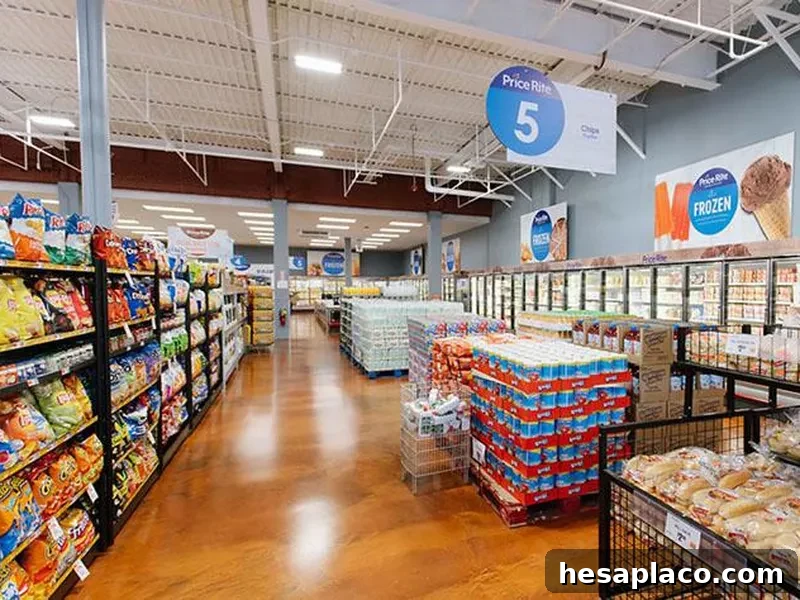
Wakefern may not be a household name to every shopper, but many of its store brands are widely known in the Northeast. The company is connected to grocery names such as ShopRite, Price Rite, Gourmet Garage and Fairway Market.
Its stores serve a large customer base with supermarkets, discount grocery formats and specialty food options.
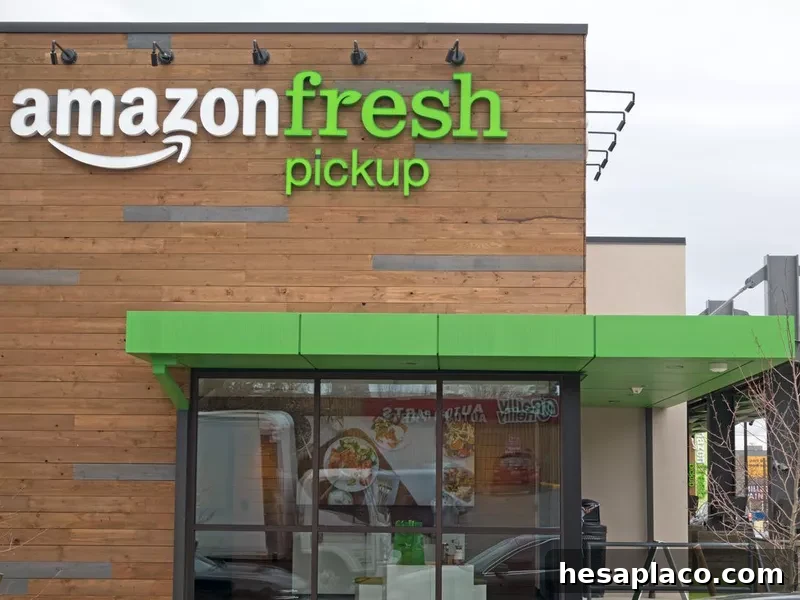
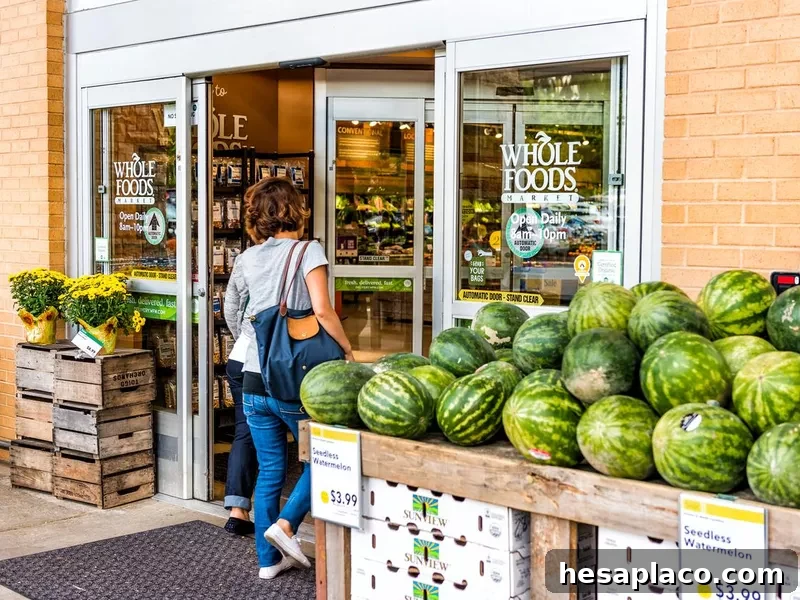
18. Amazon Physical Stores (Including Whole Foods and Amazon Fresh)
SEASTOCK / Getty Images
Headquartered: Seattle, Washington
No. of stores: 609
Year opened: 2007
2022 revenue: $18.96 billion
What Makes Amazon So Popular
ablokhin / Getty Images
Amazon’s grocery presence includes Whole Foods Market and Amazon Fresh. By combining physical stores with its broader retail and delivery ecosystem, Amazon has become a serious player in the grocery business.
Whole Foods is known for natural and organic products, while Amazon Fresh focuses on convenience, technology and everyday grocery shopping.
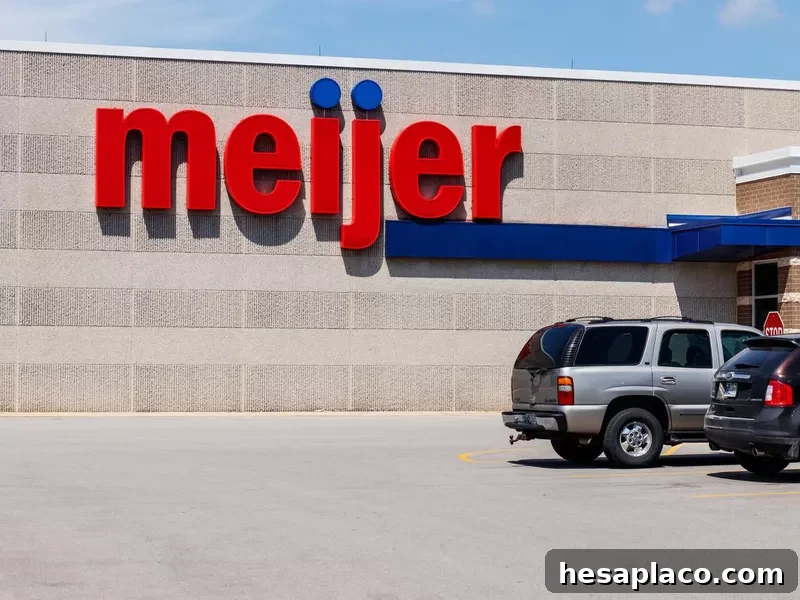
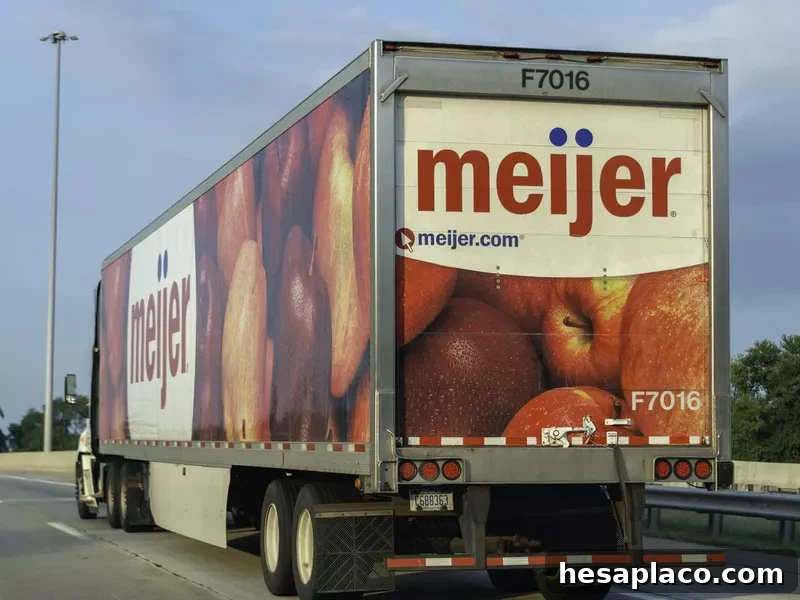
17. Meijer Inc.
jetcityimage / Getty Images
Headquartered: Grand Rapids, Michigan
No. of stores: 258
Year opened: 1934
2022 revenue: $20.5 billion
What Makes Meijer So Popular
RiverNorthPhotography / Getty Images
Meijer began during the Great Depression when Dutch immigrant Hendrik Meijer opened a store in Greenville, Michigan. The family-owned chain later became a major supercenter retailer in the Midwest.
Meijer stores offer groceries along with general merchandise, making them useful for shoppers who want food, household products and other essentials in one trip.
16. Albertsons
RiverNorthPhotography / Getty Images
Headquartered: Boise, Idaho
No. of stores: 2,278
Year opened: 1939
2022 revenue: $22 billion
What Makes Albertsons So Popular
Mark J. Terrill / AP Photo
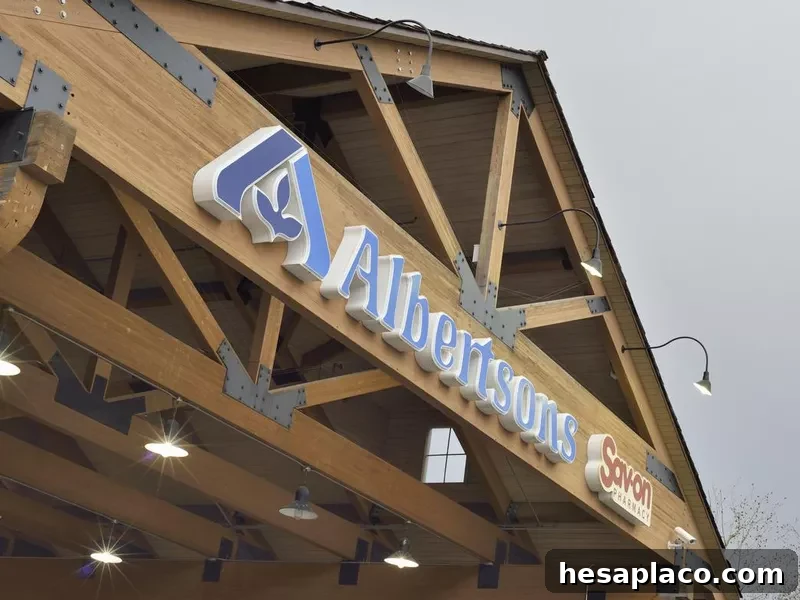
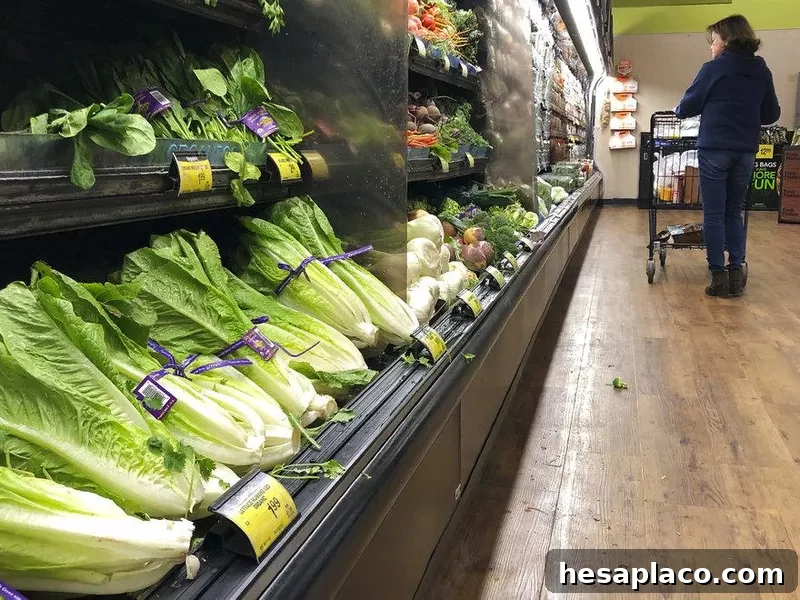
Joe Albertson opened his first store in Boise, Idaho, in 1939. The company grew into a major grocery corporation that now oversees several well-known supermarket banners.
Albertsons is connected to brands such as Vons, Safeway, Jewel-Osco, Acme and Tom Thumb, giving the company a broad national footprint.
15. Rite Aid
slobo / Getty Images
Headquartered: Camp Hill, Pennsylvania
No. of stores: 2,244
Year opened: 1962
2022 revenue: $24 billion
What Makes Rite Aid So Popular
Eric J. Shelton / AP Photo
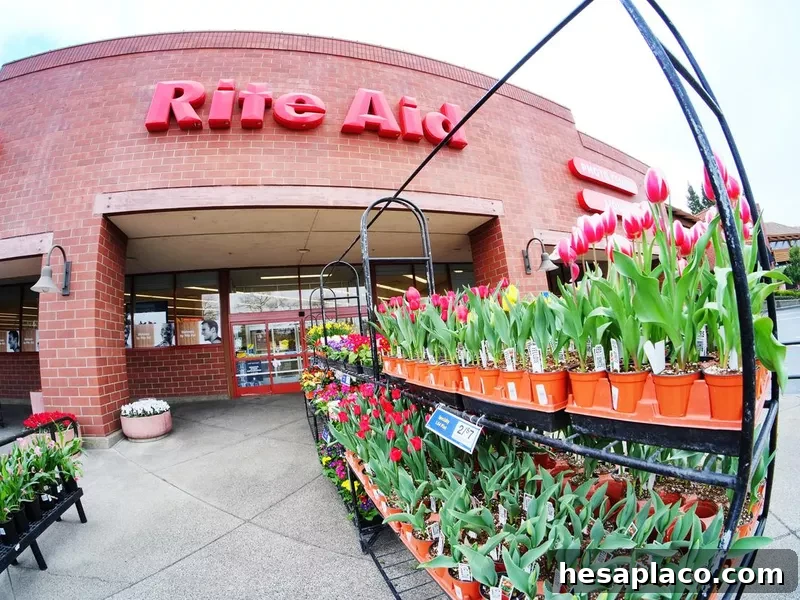
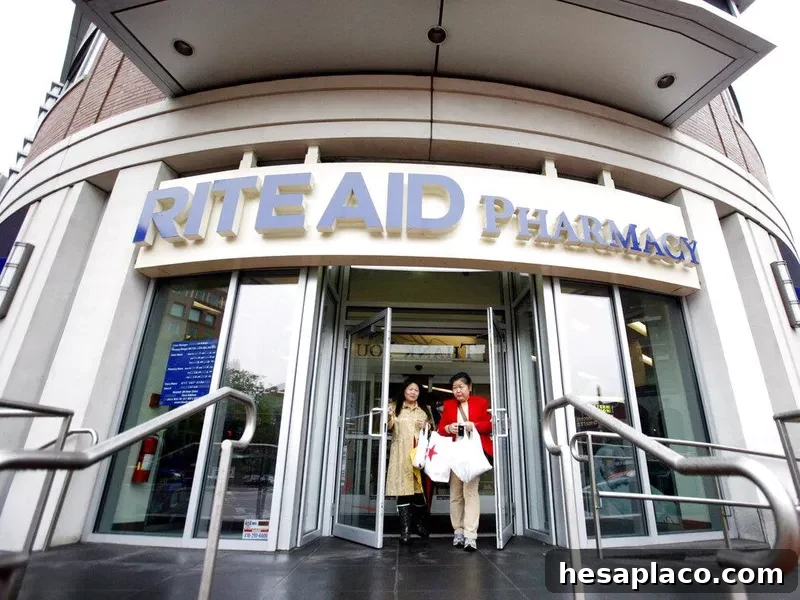
Rite Aid is best known as a pharmacy, but many customers also use it for snacks, drinks, pantry items and quick grocery purchases. Its convenient locations make it useful for shoppers who need medicine and basic food items in the same stop.
Although a planned Walgreens merger did not go forward, Rite Aid remains a recognizable retail name for pharmacy and convenience grocery needs.
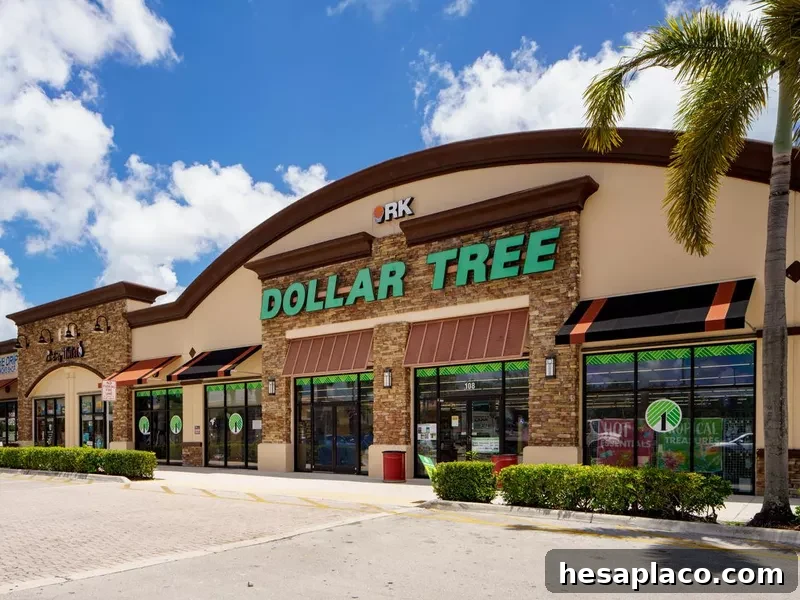
14. Dollar Tree
felixmizioznikov / Getty Images
Headquartered: Chesapeake, Virginia
No. of stores: 16,157
Year opened: 1986
2022 revenue: $26 billion
What Makes Dollar Tree So Popular
Rogelio V. Solis / AP Photo
Dollar Tree attracts shoppers looking for low prices on household goods, packaged foods, snacks, drinks and pet items. Its value-focused model has helped it expand into thousands of communities.
In 2015, Dollar Tree acquired Family Dollar, greatly expanding its store count and presence across the country.
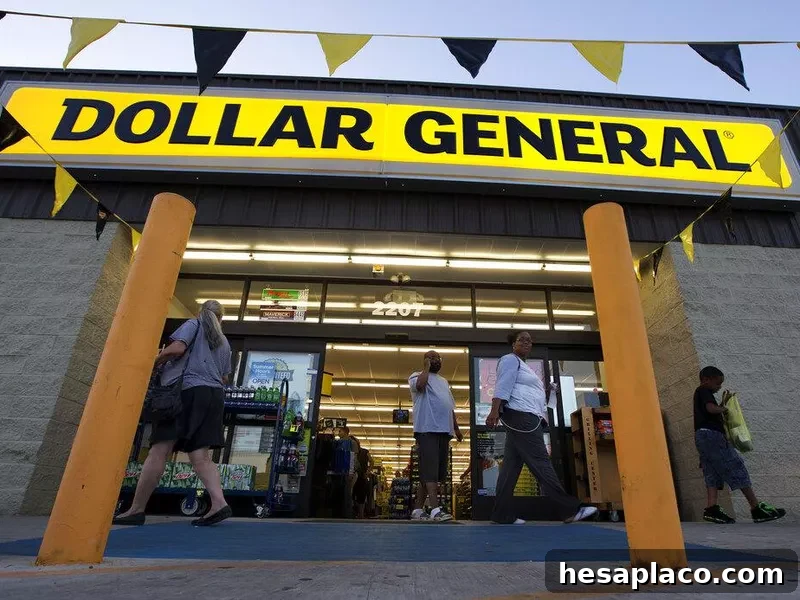
13. Dollar General
Eric Gay / AP Photo
Headquartered: Goodlettsville, Tennessee
No. of stores: 18,979
Year opened: 1939
2022 revenue: $36 billion
What Makes Dollar General So Popular
Sundry Photography / Getty Images
Dollar General has become one of the most widespread retailers in the United States. Its stores are often located in small towns, rural areas and neighborhoods where quick access to affordable groceries is important.
The company’s large purchasing power helps it offer low prices on packaged foods, household staples and everyday essentials.
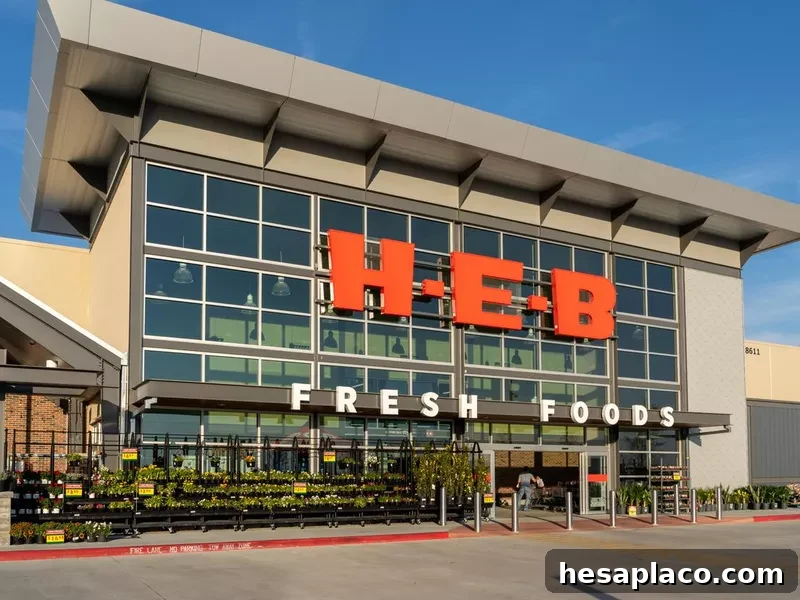
11. H-E-B (Tie)
JHVEPhoto / Getty Images
Headquartered: San Antonio, Texas
No. of stores: 420
Year opened: 1905
2022 revenue: $38 billion
What Makes H-E-B So Popular

Roberto Galan / Getty Images
H-E-B began with Florence Butt and was later renamed by her son, H.E. Butt. The privately owned chain remains closely associated with Texas and has built a loyal customer base over more than a century.
Shoppers value H-E-B for fresh meat, produce, bakery items and Texas-focused grocery selections. Its strong regional identity is one of the biggest reasons for its popularity.
11. Seven & i Holdings (Tie)
Roman Tiraspolsky / Getty Images
Headquartered: Tokyo, Japan; Dallas, Texas (U.S.)
No. of stores: 9,444 (U.S.)
Year opened: 1927
2022 revenue: $38 billion
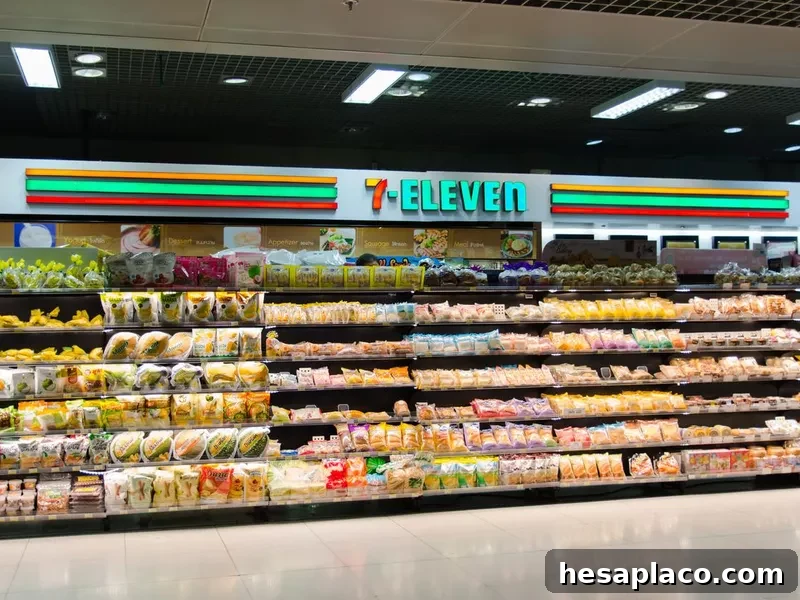
What Makes Seven & i Holdings So Popular
Tevarak / Getty Images
Seven & i Holdings is best known in the United States as the parent company of 7-Eleven. The convenience store chain began in Dallas and was later renamed to reflect its original extended hours, from 7 a.m. to 11 p.m.
Today, many 7-Eleven stores operate around the clock, selling drinks, snacks, prepared foods and basic grocery items to customers who prioritize convenience.
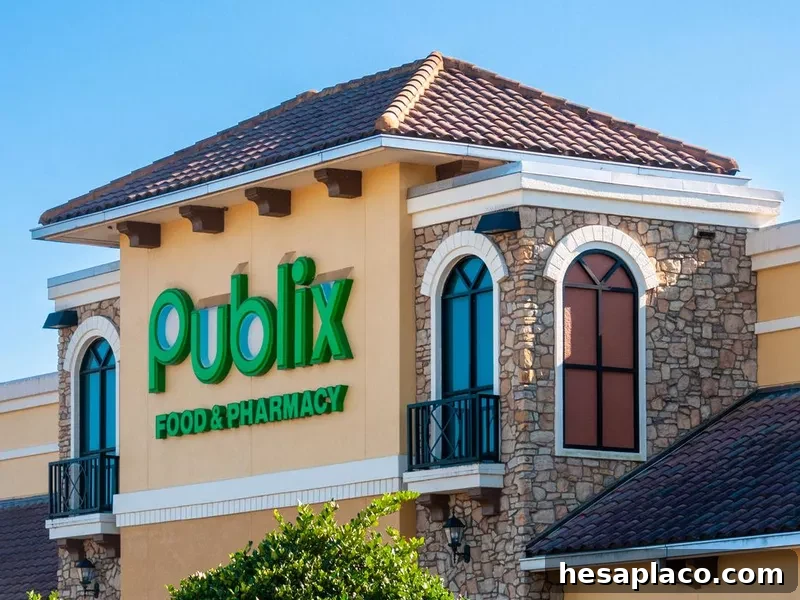
10. Publix Super Markets Inc.
KenWiedemann / Getty Images
Headquartered: Lakeland, Florida
No. of stores: 1,293
Year opened: 1930
2022 revenue: $54 billion
What Makes Publix So Popular
Jeff Amy / AP Photo
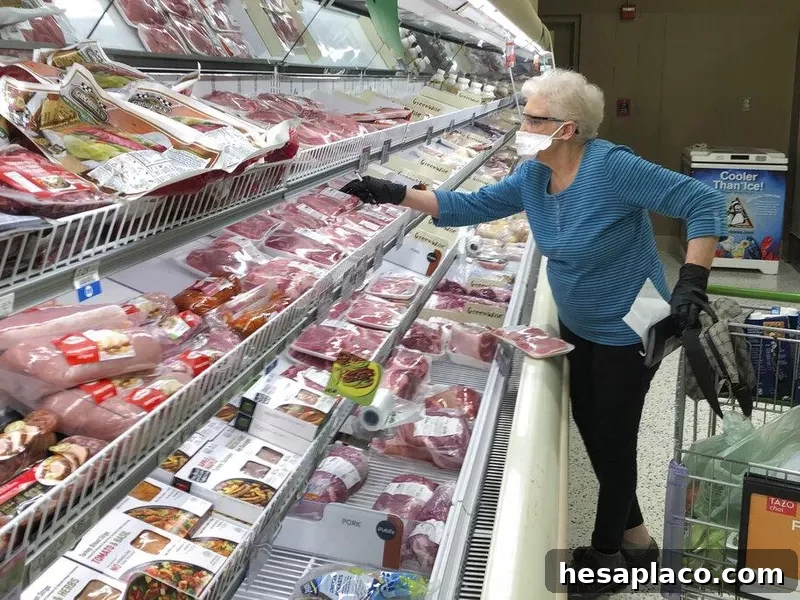
Publix is a major grocery name across the South, especially in Florida. The chain is known for clean stores, strong customer service, fresh departments and regional favorites.
Customers often visit Publix for its butcher counter, seafood selection, prepared foods, sweet tea and Southern-style items such as fried okra.
9. Sam’s Club
jmoor17 / Getty Images
Headquartered: Bentonville, Arkansas
No. of stores: 600
Year opened: 1983
2022 revenue: $73.6 billion
What Makes Sam’s Club So Popular
J. Michael Jones / Getty Images
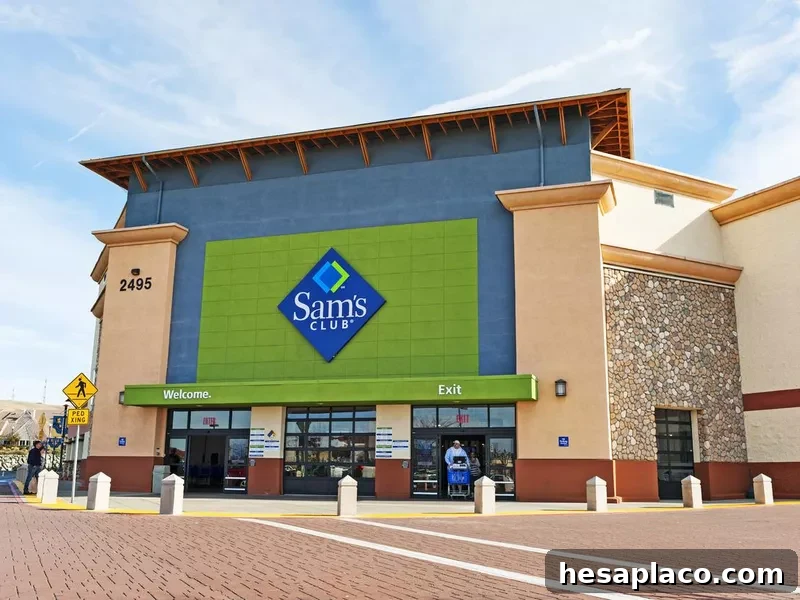
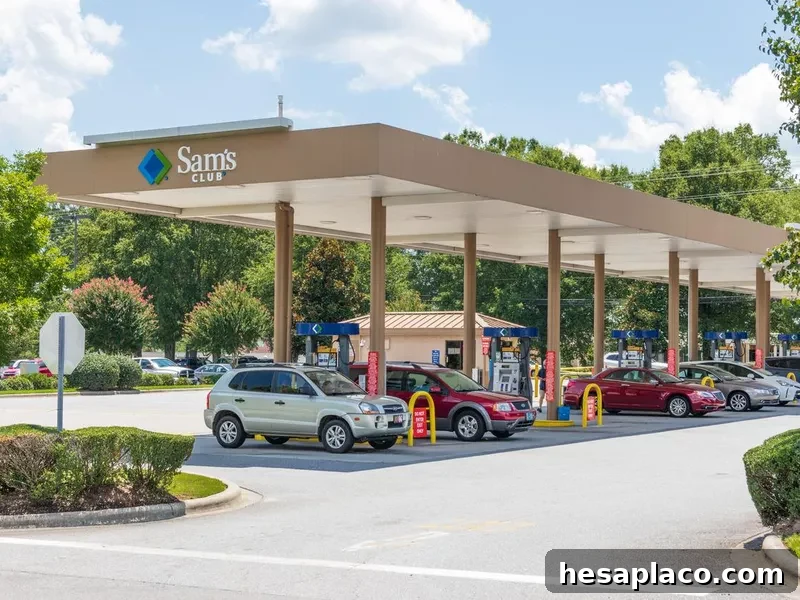
Sam’s Club was founded by Sam Walton, who also founded Walmart. The warehouse club offers groceries and household products in bulk, often at wholesale-style prices.
Its customers include families, small businesses and shoppers who prefer buying larger quantities of frozen foods, meat, snacks and restaurant-grade supplies.
8. Ahold Delhaize USA
Peter Dejong / AP Photo
Headquartered: Quincy, Massachusetts
No. of stores: 2,048
Year opened: 2016
2022 revenue: $89 billion
What Makes Ahold Delhaize So Popular
hapabapa / Getty Images
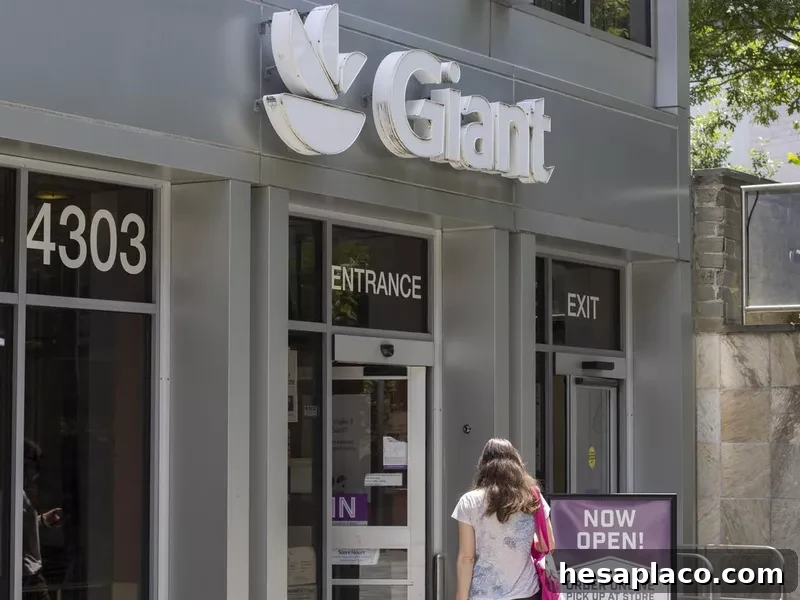
Ahold Delhaize USA was formed after the merger of Ahold and Delhaize. While the corporate name may not be familiar to every shopper, its grocery banners are well known.
The company operates brands such as Food Lion, Stop & Shop, Giant and Hannaford, giving it a strong presence in several U.S. regions.
7. Target Corporation
JoeChristensen / Getty Images
Headquartered: Minneapolis, Minnesota
No. of stores: 1,948
Year opened: 1902
2022 revenue: $109 billion
What Makes Target So Popular
JannHuizenga / Getty Images
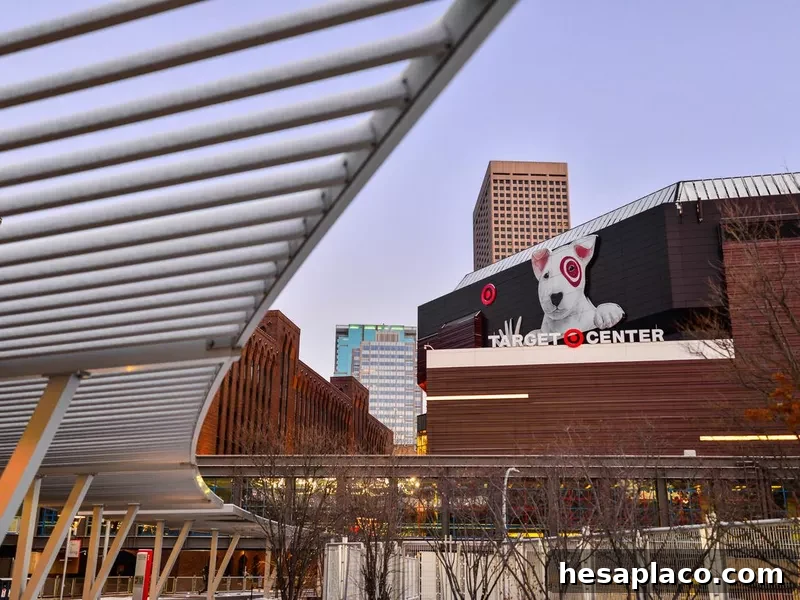
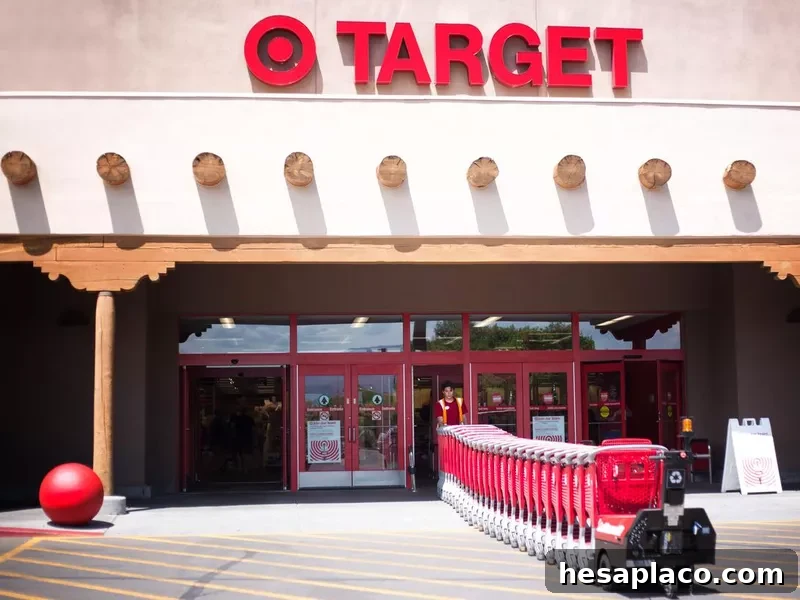
Target is a general merchandise retailer, but groceries are an important part of its business. Its stores sell fresh food, frozen meals, snacks, beverages, pantry staples and party supplies.
The chain’s grocery aisles make it easy for shoppers to combine food purchases with clothing, home goods, beauty products and other everyday items.
6. ALDI Inc.
Alan Morris / Getty Images
Headquartered: Essen, Germany (worldwide); Batavia, Illinois (U.S.)
No. of stores: 2,284 (U.S.)
Year opened: 1962
2022 revenue: $121 billion
What Makes ALDI So Popular
jetcityimage / Getty Images
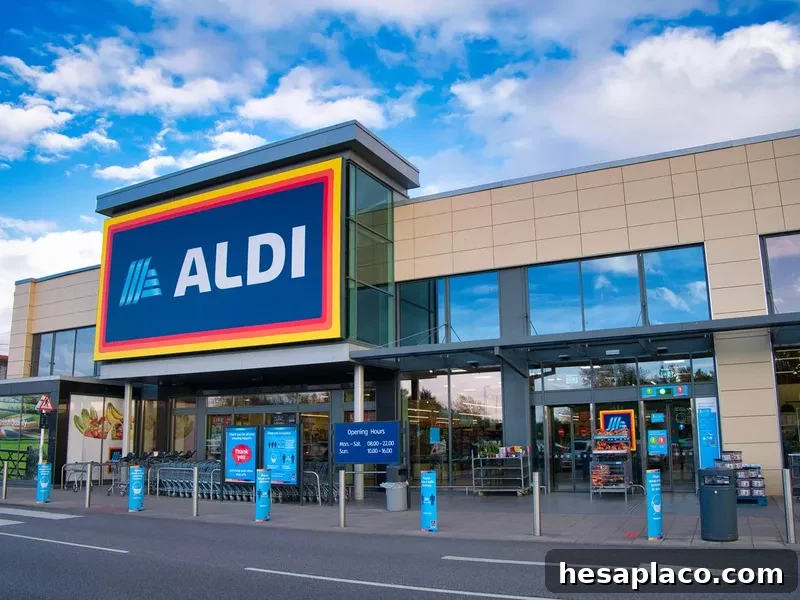
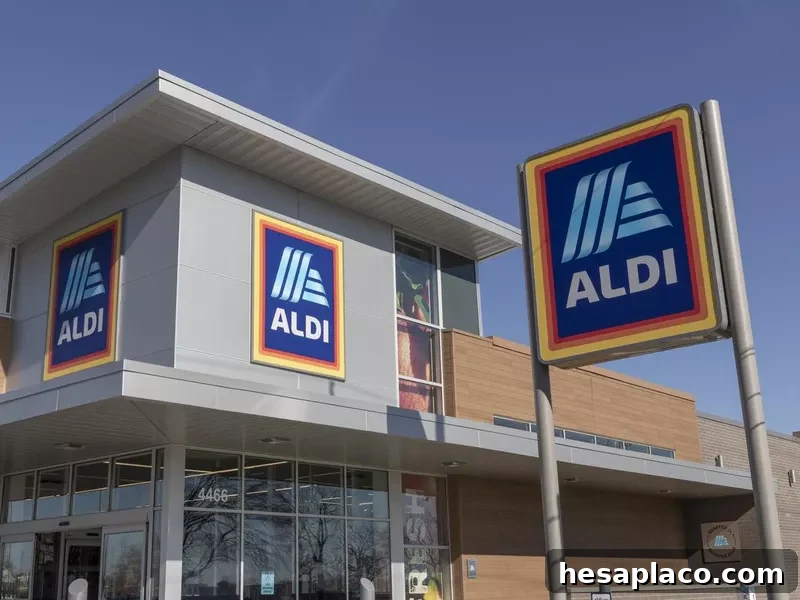
ALDI is known for low prices, efficient stores and a strong private-label strategy. Its smaller store format helps keep shopping simple and allows the company to focus on value.
The German-founded chain has become increasingly popular in the United States, where shoppers appreciate affordable groceries, seasonal products and imported sweets.
5. Walgreens
patty_c / Getty Images
Headquartered: Deerfield, Illinois
No. of stores: 9,021
Year opened: 1901
2022 revenue: $132 billion
What Makes Walgreens So Popular
anouchka / Getty Images
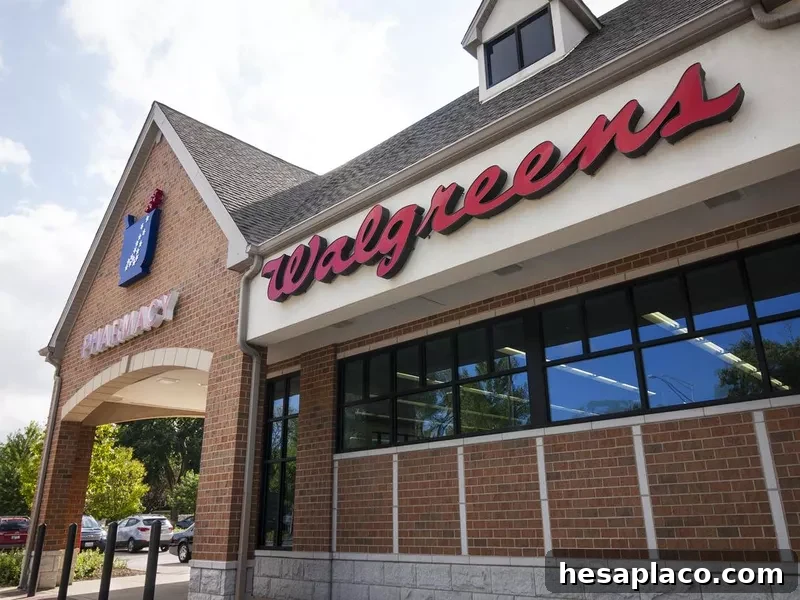
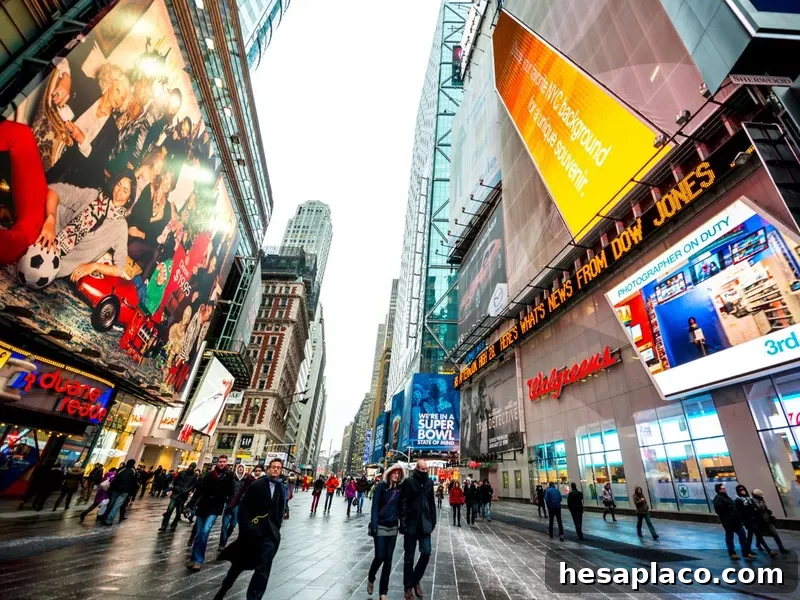
Walgreens is now strongly associated with pharmacy services, but its early roots included grocery retail. Over time, it became a convenient place to buy medicine, snacks, drinks, frozen foods and household basics.
The company also acquired Duane Reade in 2010 while keeping that well-known New York-area name on stores.
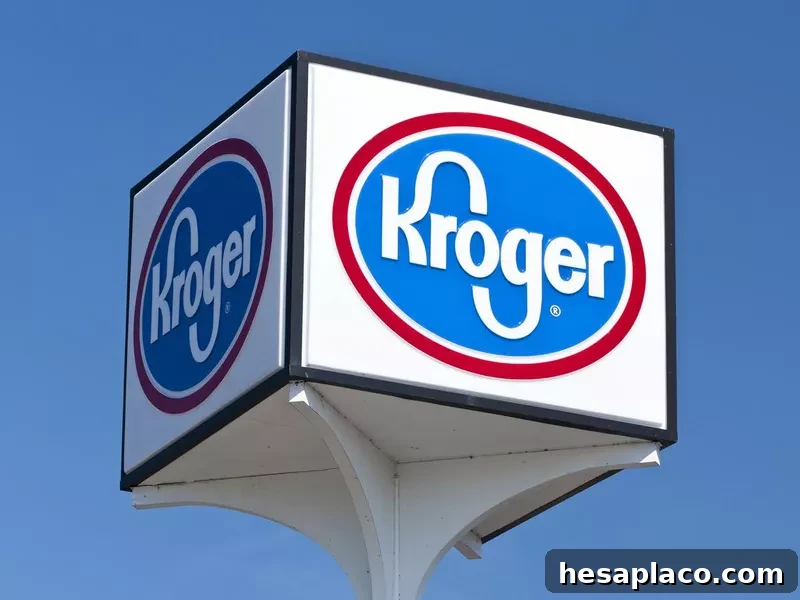
4. Kroger
SeanPavonePhoto / Getty Images
Headquartered: Cincinnati, Ohio
No. of stores: 2,726
Year opened: 1883
2022 revenue: $148 billion
What Makes Kroger So Popular
WendellandCarolyn / Getty Images
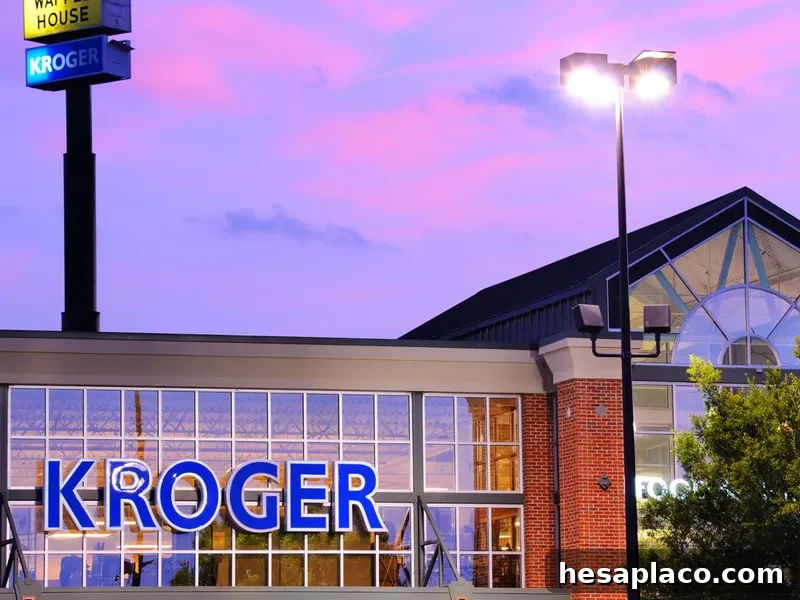
Barney Kroger opened his first grocery store in downtown Cincinnati with $372. That modest beginning grew into one of the largest supermarket companies in the United States.
Kroger operates its own stores and also owns several major regional grocery brands, including Harris Teeter, Smith’s and Ralphs. Its scale makes it one of the most important grocery retailers in the country.
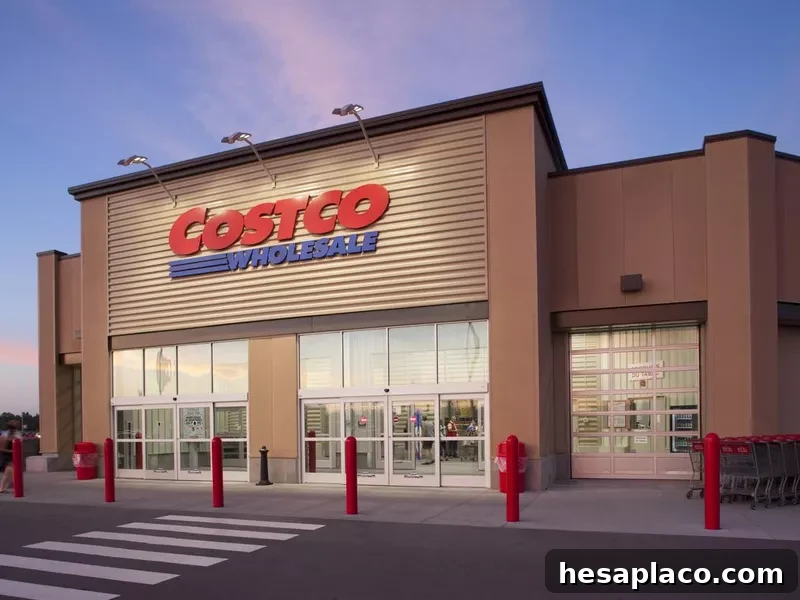
3. Costco
YvanDube / Getty Images
Headquartered: Issaquah, Washington
No. of stores: 585
Year opened: 1976
2022 revenue: $227 billion
What Makes Costco So Popular
andykatz / Getty Images
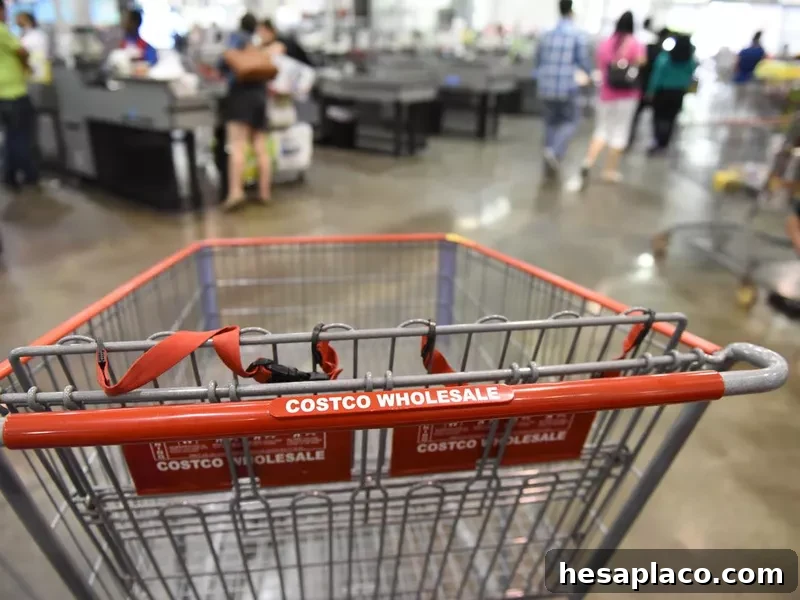
Costco is famous for bulk shopping, warehouse pricing and large product sizes. Members visit for groceries, household goods, electronics, prepared foods and well-known private-label items.
Its grocery business is enormous, supported by loyal members who appreciate value, generous quantities and the ability to stock up in fewer trips.
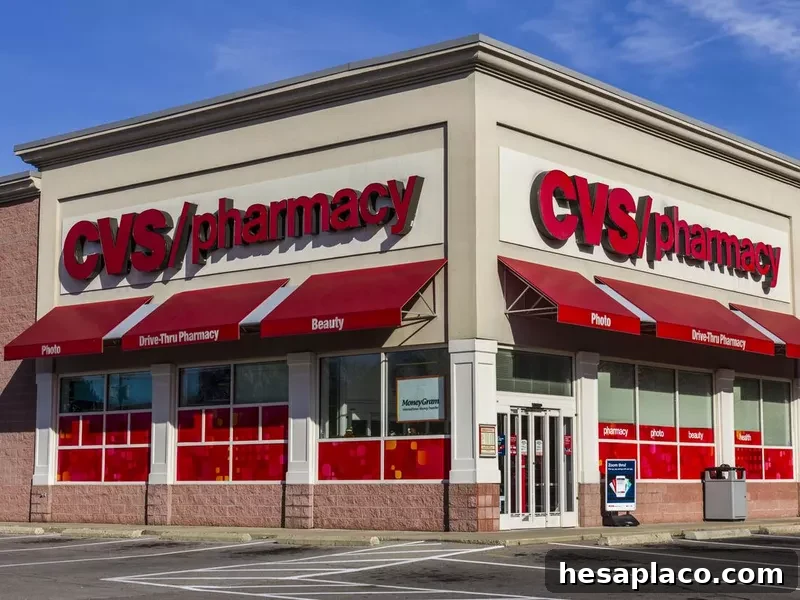
2. CVS
jetcityimage / Getty Images
Headquartered: Woonsocket, Rhode Island
No. of stores: 9,960
Year opened: 1963
2022 revenue: $322 billion
What Makes CVS So Popular
anouchka / Getty Images
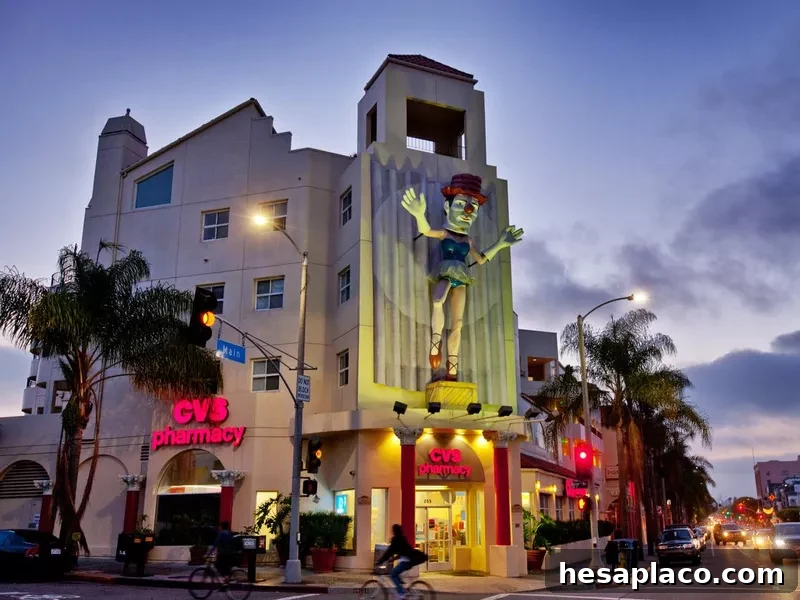
CVS began as Consumer Value Store in Massachusetts in 1963 and soon became known by its abbreviation. Like other pharmacy chains, CVS sells far more than prescriptions.
Customers regularly buy snacks, beverages, frozen foods, basic groceries and newer plant-based options at CVS locations, making it a convenient food retailer as well as a healthcare destination.
1. Walmart
Sundry Photography / Getty Images
Headquartered: Bentonville, Arkansas
No. of stores: 4,648
Year opened: 1962
2022 revenue: $563 billion
What Makes Walmart So Popular
artran / Getty Images
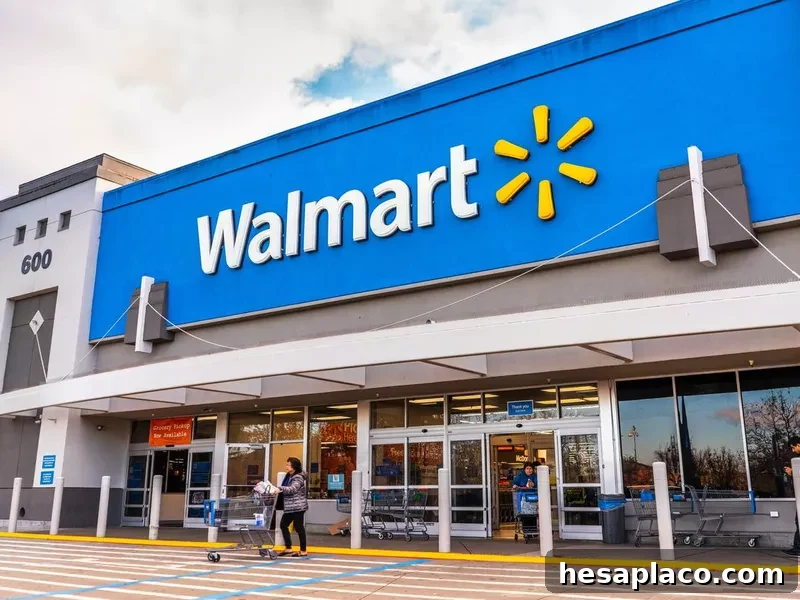
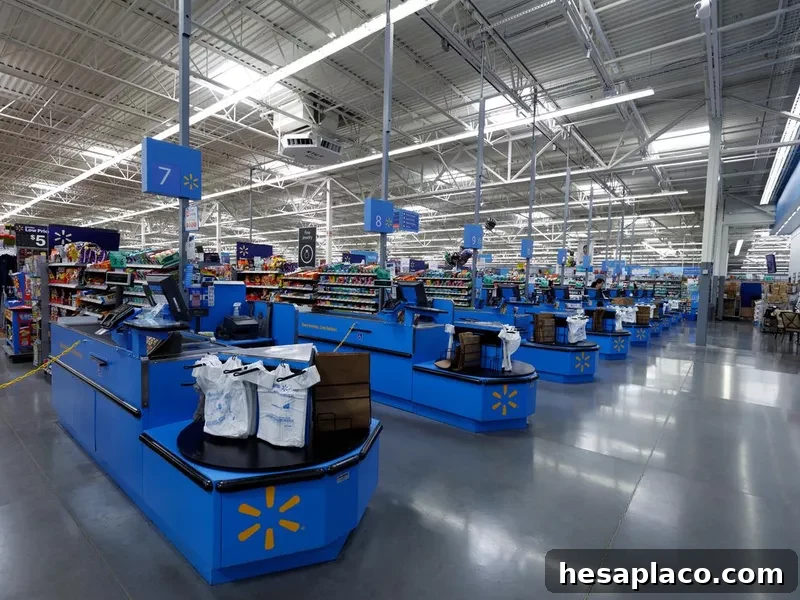
Walmart began in Arkansas and grew into the world’s largest grocery retailer by revenue. Although Walmart sells many kinds of products, food is a major part of its business.
According to the article’s figures, 56 percent of charges at Walmart registers are for food purchases, compared with 20 percent at Target. Even though some chains operate more physical stores, Walmart leads the grocery industry in sales volume and total grocery revenue.