
Global Companies With the Lowest Median Employee Retention Rates
Working for a globally recognized company can sound like the ultimate career goal. A famous brand name, competitive projects and the chance to work with talented colleagues are all attractive reasons to join a major employer. However, the reality inside some high-profile companies can be far less appealing than the image they present to the public.
Employee retention is one of the clearest signs of workplace health. When workers leave quickly, it may point to heavy workloads, limited career growth, weak management, low pay or a stressful company culture. High turnover can also hurt a business financially because companies must constantly spend time and money recruiting, onboarding and training new employees.
The companies below have some of the lowest median employee tenure rates among global brands, with workers staying less than two years on average. Some of the names may be surprising, especially because several are considered industry leaders.
Rankings and median tenure are based on Resume.io’s “The Companies Employees Don’t Want to Leave” report.
19. Alibaba Group (Tie)
Industry: E-commerce, technology
Headquarters: Hangzhou, China
Median tenure: 1.9 years
Bottom line: Alibaba is one of the world’s largest e-commerce and technology companies and is often compared to Amazon. Despite its global success, the company has struggled to keep employees for even two years, even with benefits such as paid time off and newborn care support.
One likely factor is China’s widely criticized “996” work culture, which refers to working from 9 a.m. to 9 p.m., six days a week. That schedule equals 72 hours of work per week, a pace that is difficult for most people to sustain over time. Some executives have also defended extremely demanding workloads in exchange for higher compensation.
For many employees, that level of pressure can quickly lead to burnout.
19. Atlassian, Inc. (Tie)
Industry: Software
Headquarters: Sydney, Australia
Median tenure: 1.9 years
Bottom line: Atlassian may not be a household name outside the software industry, but it is a major technology company with billions in revenue. Many employees rate the company highly and praise its benefits, culture and flexibility.
Even so, short tenure remains a problem. Workers often point to intense workloads and limited internal advancement opportunities. A positive office culture can help, but it cannot fully replace a clear path for career growth.
When talented employees do not see a future inside the company, they often move elsewhere to progress.
14. Shopify (Tie)

Industry: E-commerce
Headquarters: Ottawa, Canada
Median tenure: 1.8 years
Bottom line: Shopify made it easier for individuals and businesses to build online stores without creating websites from scratch. Its growth has been impressive, but rapid expansion can create serious pressure inside a company.
Employees have reported feeling overwhelmed by the pace of growth, extended hours and increased stress. When a company focuses heavily on scaling, it may fail to recognize how much strain that growth places on workers.
Fast expansion can be exciting, but without enough support and fair compensation, it can also drive people away.
14. ByteDance (Tie)
Industry: Technology
Headquarters: Beijing, China
Median tenure: 1.8 years
Bottom line: TikTok is one of the most influential social media platforms in the world, but its parent company, ByteDance, has faced criticism over its work culture.
Like Alibaba, ByteDance has been associated with demanding schedules. The company previously used a version of the 996 system, requiring employees to work six days a week every other week. Although ByteDance later said it would reduce this pressure, employee dissatisfaction appears to have continued.
Long days and intense expectations can make it difficult for workers to stay, even at a company connected to one of the world’s most popular apps.
14. The New York Times (Tie)
Industry: Media
Headquarters: New York City
Median tenure: 1.8 years
Bottom line: Founded in 1851, The New York Times remains one of the most recognized names in journalism. For generations, working there was considered a dream for reporters, editors and media professionals.
However, the media industry is known for demanding schedules, high stress and relatively modest pay for many editorial roles. These pressures can be especially difficult in a major newsroom where deadlines are constant and expectations are high.
In 2022, more than 1,000 employees participated in a strike after contract negotiations failed to resolve concerns about pay and working conditions. For some media workers, moving to another outlet may feel like the only way to improve their situation.
14. Activision Blizzard (Tie)
Industry: Gaming
Headquarters: Irvine, California
Median tenure: 1.8 years
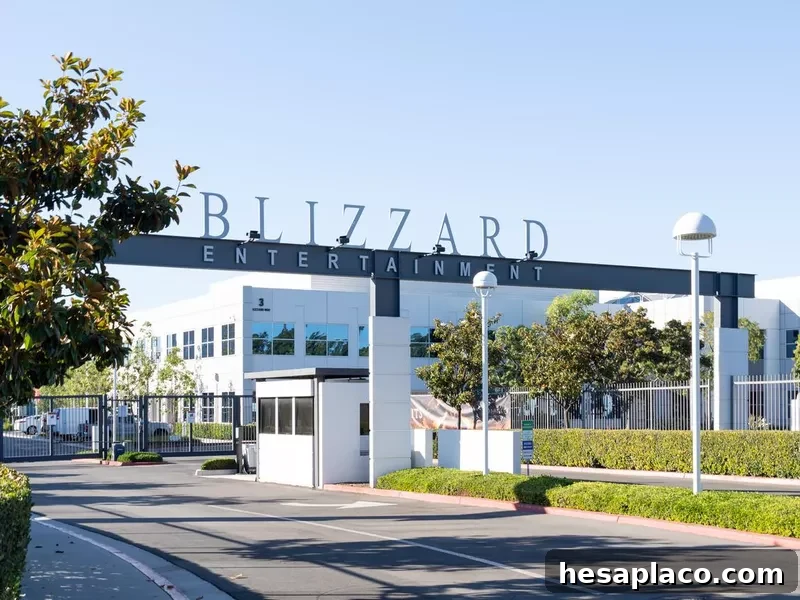
Bottom line: Working in the video game industry may sound exciting, but the sector has long been criticized for crunch time, long hours and workplace culture problems. Activision Blizzard has faced serious public scrutiny following allegations of misconduct and harassment.
The company came under pressure after lawsuits and complaints brought attention to its workplace environment. Reports described hundreds of complaints related to sexual harassment and misconduct. Former employees have said the company was slow to address problems until they became public.
When workers lose confidence in leadership, retention becomes extremely difficult.
14. HubSpot (Tie)
Industry: Software, marketing
Headquarters: Cambridge, Massachusetts
Median tenure: 1.8 years
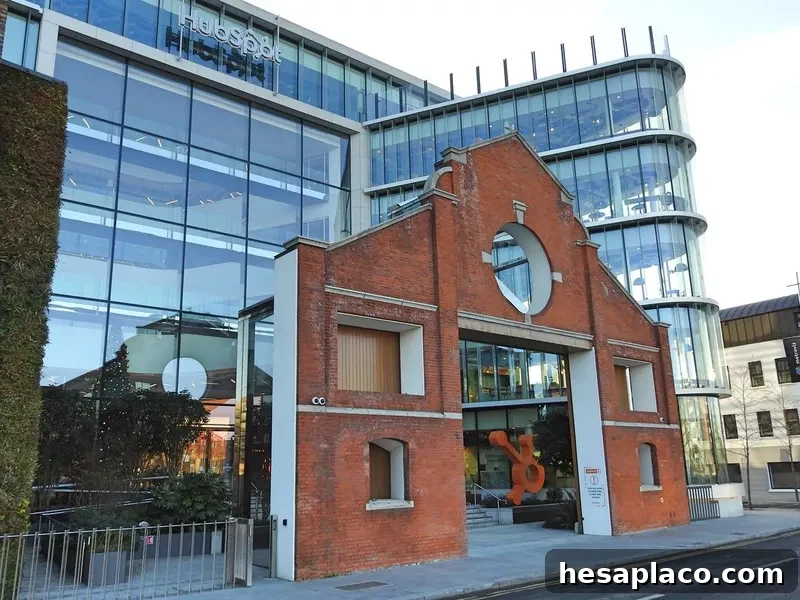
Bottom line: HubSpot is often praised for its company culture. Employees frequently mention flexibility, supportive teams and attractive workplace policies, including generous vacation options.
Yet strong culture alone does not guarantee long-term retention. Employees have cited compensation and limited upward mobility as reasons for leaving. In competitive technology and marketing fields, skilled workers often have many choices.
Perks are valuable, but career advancement and competitive pay are usually what persuade top performers to stay.
12. Glossier (Tie)

Industry: Beauty
Headquarters: New York, New York
Median tenure: 1.7 years
Bottom line: Glossier built its brand through polished social media marketing and a strong beauty community. From the outside, the company may appear creative and modern.
Employee reviews, however, have pointed to management problems and concerns about workplace culture. Low recommendation rates and weak approval of leadership suggest that many workers have not had a positive experience.
A stylish brand image may attract applicants, but it cannot keep employees if the internal culture does not match the public-facing message.
12. Meta (Tie)
Industry: Technology
Headquarters: Menlo Park, California
Median tenure: 1.7 years
Bottom line: Rebranding Facebook as Meta did not erase years of controversy around the company. Once considered a dream employer for ambitious tech workers, Meta has faced criticism over user privacy, data practices, platform responsibility and leadership decisions.
Public scandals can affect employee morale, especially when workers feel uncomfortable with the company’s direction or reputation. Former employees have also criticized management and described an environment that does not always support a positive work experience.
For some workers, the prestige of working at Meta may no longer outweigh the pressure, public scrutiny and internal frustrations.
11. Amazon
Industry: Technology, e-commerce
Headquarters: Bellevue, Washington
Median tenure: 1.5 years
Bottom line: Amazon is one of the most powerful companies in the world, but it has also become known for an extremely demanding work environment. Warehouse employees and delivery drivers have repeatedly raised concerns about working conditions, productivity pressure and limited breaks.
White-collar employees have also reported high expectations and burnout. While compensation can be strong by general standards, some corporate workers argue that pay structures and stock-based incentives do not always compare favorably with other major technology employers.
When pressure is intense at every level of the organization, even a famous company can struggle to keep employees for long.
10. Snowflake Inc.
Industry: Cloud computing
Headquarters: Bozeman, Montana
Median tenure: 1.4 years
Bottom line: Snowflake has grown quickly in the cloud computing market. Many employees describe it as a solid place to work, particularly after the company expanded beyond California into different hubs.
Even so, concerns about long-term stability may contribute to short tenure. Snowflake has faced pressure from falling share prices and questions about profitability. In a competitive tech job market, some employees may choose to leave rather than wait to see how the company’s financial story develops.
Uncertainty can make workers more likely to accept opportunities at more established companies.
6. Wella Company (Tie)
Industry: Beauty
Headquarters: Petit-Lancy, Switzerland
Median tenure: 1.3 years
Bottom line: Wella has been part of the beauty industry since the 1890s, but a long history does not automatically create a strong workplace. Employee reviews have raised concerns about management, promotion practices and limited career mobility.
Workers have also mentioned unclear expectations, long hours and a lack of meaningful perks. Some employees believe the company hires externally too often instead of developing and promoting existing staff.
When people do not feel recognized or see a future within the organization, they are far more likely to leave.
6. Zoom (Tie)
Industry: Video communication
Headquarters: San Jose, California
Median tenure: 1.3 years
Bottom line: Zoom became essential during the COVID-19 pandemic, when remote meetings, online classes and virtual events became part of daily life. The company has been praised for promoting work-life balance and employee happiness.
Despite that positive reputation, Zoom has struggled to retain employees beyond roughly 15 months. One reason may be uncertainty after the pandemic-era boom slowed. As more people returned to offices and in-person meetings, demand growth became less predictable.
Employees may enjoy the culture but still look elsewhere if they are worried about the company’s future momentum.
6. Shein (Tie)

Industry: Fashion, e-commerce
Headquarters: Singapore
Median tenure: 1.3 years
Bottom line: Shein is one of the best-known names in ultra-fast fashion. Its low prices and constant stream of new products have made it popular with younger shoppers, but the company has faced criticism over labor conditions, environmental impact and copying designs.
Reports have described extreme production demands in parts of its supply chain, including workers making hundreds of garments per day for very low pay. The company has also been criticized over chemical use and intellectual property concerns.
When a company is widely accused of prioritizing speed and profit above people, it is not surprising that employee satisfaction and retention may suffer.
6. Alphabet (Tie)
Industry: Technology
Headquarters: Mountain View, California
Median tenure: 1.3 years
Bottom line: Alphabet, the parent company of Google, has long been associated with generous office perks, innovative projects and a playful Silicon Valley workplace culture. For many technology professionals, working at Google remains a major career milestone.
Even so, strong brand prestige is not always enough. Employees have raised concerns about compensation, promotions and career progression, particularly in a market where top technical talent can attract offers from many competitors.
Google may still be a desirable employer, but workers increasingly expect more than free food, creative offices and a famous name.
5. Reddit
Industry: Social communications
Headquarters: San Francisco, California
Median tenure: 1.2 years
Bottom line: Reddit has a reputation for a relaxed workplace culture and a product that has become central to internet conversation. Many employees report enjoying the company, its benefits and its flexible environment.
Still, Reddit’s short median tenure is difficult to explain. The company appears to have many of the qualities workers say they want, including a recognizable brand and a more casual culture.
One possible reason is that employees in the technology and social media sectors often move quickly between companies, especially when better compensation, new projects or faster promotion opportunities appear.
4. Moderna
Industry: Biotechnology
Headquarters: Cambridge, Massachusetts
Median tenure: 1 year
Bottom line: Moderna became widely known during the pandemic after helping develop a COVID-19 vaccine. Its scientific work brought the company major attention, but employee retention tells a more complicated story.
Common complaints include poor management, favoritism and a difficult internal environment. Employee reviews have not been as strong as one might expect from a company with such public visibility.
The company also drew attention when its chief financial officer resigned after only one day following a controversy. For employees, leadership concerns and internal instability can make long-term commitment difficult.
1. Popeyes (Tie)
Industry: Food
Headquarters: Miami, Florida
Median tenure: 0.8 years
Bottom line: Popeyes is a popular fast-food chain, but restaurant work is often difficult. Many employees work customer-facing jobs with low wages, long shifts and stressful conditions.
Fast-food roles tend to have high turnover across the industry because workers frequently leave as soon as they find better pay, more stable schedules or less demanding jobs. Managers may also face heavy pressure, staffing issues and customer complaints.
Given those challenges, it is not surprising that Popeyes has one of the lowest median employee tenure rates on this list.
1. Avelo Airlines (Tie)

Industry: Air travel
Headquarters: Houston, Texas
Median tenure: 0.8 years
Bottom line: Avelo Airlines is a budget carrier known for low-cost flights and limited passenger perks. Its low retention rate is notable because many airlines have much higher employee tenure.
Airline work can be demanding. Flight attendants and crew members deal with irregular schedules, jet lag, difficult passengers and long days. Many stay in the industry because of travel benefits and the chance to build seniority.
At Avelo, employees have reported lower pay than the broader industry average, along with concerns about understaffing and workplace hostility. With many airlines competing for staff, workers may leave quickly for better compensation and conditions.
1. Coinbase (Tie)

Industry: Cryptocurrency
Headquarters: N/A
Median tenure: 0.8 years
Bottom line: Coinbase aims to change how people use and understand money, but its workplace culture has been described as intense and demanding. Employee reviews have criticized long hours, high expectations and heavy pressure.
The company has openly acknowledged its demanding environment. Its leadership has described Coinbase as an intense workplace where employees are expected to perform at a high level, work long days and push beyond their comfort zones.
While some people may thrive in that kind of environment, others may find it unsustainable. A week off each quarter may help with recovery, but it may not be enough to offset constant pressure throughout the year.
For many employees, a high-profile role in cryptocurrency is not worth sacrificing balance, stability and long-term well-being.