
Baby Boomers and Millennials approach home buying from very different perspectives shaped by the economic conditions and life stages that shaped each generation. Boomers accumulated home equity over decades of generally lower mortgage rates and steady price appreciation, which lets many of them buy with cash or tap existing equity to move into retirement-friendly homes. Millennials face higher home prices, tighter supply, and elevated borrowing costs, pushing them to prioritize affordability, energy efficiency, and flexibility.
These differences are broad generalizations—individual preferences and circumstances vary—but they highlight important trends in how each generation searches for, finances, and values residential real estate.
Millennials Enter Homeownership Later — Boomers Already Own

Credit: Getty Images
Millennials are becoming homeowners later than prior generations. Back in 2015, only about 37% of adults aged 25–34 owned a home—roughly eight percentage points below what Gen X had at the same age. Currently, many younger Millennials (roughly ages 26–34) are first-time buyers, while a smaller share of older Millennials (35–44) are purchasing their initial homes. By contrast, Boomers largely already own property and are more likely to buy for retirement, to downsize, or to move closer to family and support networks.
Energy Costs and Long-Term Maintenance
Credit: pexels
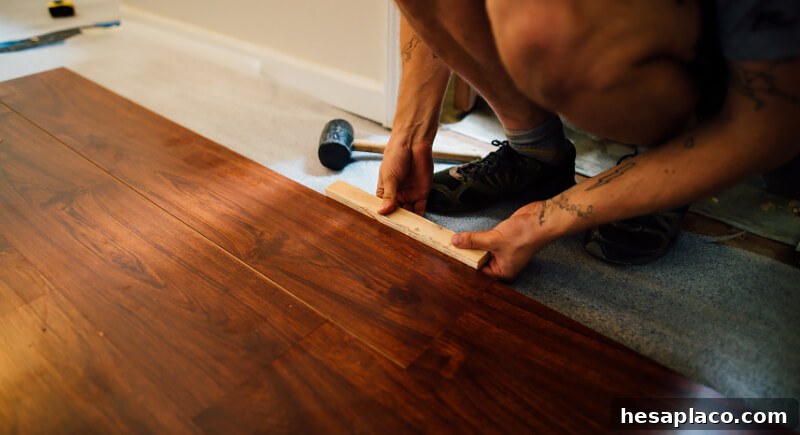
Maintenance expectations often diverge. Boomers typically favor low-maintenance exteriors and durable finishes to minimize future repair work and accommodate mobility changes as they age. Millennials, facing higher monthly costs and longer-term affordability concerns, put more emphasis on energy efficiency and smart-home features that reduce utility bills. Solar panels, high-efficiency appliances, upgraded insulation, and double- or triple-pane windows are attractive because they lower operating expenses over time.
Who Is Buying the Most Homes Right Now

Credit: Getty Images
Currently, Boomers represent a large portion of active buyers in many markets, often driven by lifestyle transitions such as retirement, relocating near family, or downsizing. Millennials remain an important buyer segment but face barriers such as higher debt loads, student loans, and more stringent lending standards that constrain their purchasing power and slow their path to ownership.
How They Buy: Digital Process vs. Traditional Agents

Credit: Getty Images
Millennials are comfortable using digital tools throughout the buying process: searching online listings, taking virtual tours, and completing mortgage pre-approvals and applications through apps. Boomers still value personal interaction: they often prefer working face-to-face with agents, visiting open houses in person, and discussing details directly. Technology complements Boomers’ decisions but generally does not replace the in-person guidance they seek.
Buying Power: Mortgages vs. Equity and Cash

Credit: Canva
Financial strategies differ sharply. A large share of younger buyers rely on mortgages or financial assistance programs, whereas many Boomers have substantial equity in long-held homes and can use those funds to buy another property with cash or a small mortgage. In competitive markets, the ability to make cash offers or quickly close with minimal financing can give Boomers a meaningful advantage.
What They Buy: Size, Layout, and Practical Needs

Credit: Photo Images
Boomers often prioritize single-level or accessible floor plans, ample storage, and features that support aging in place. Proximity to family, healthcare, and community services can be more important than being close to urban nightlife. Millennials frequently opt for smaller homes, condos, or townhouses to reduce costs and maintenance while remaining close to employment hubs, transit, and social amenities. Many are willing to trade square footage for location and convenience.
Location Priorities: Access vs. Stability
Credit: Getty Images
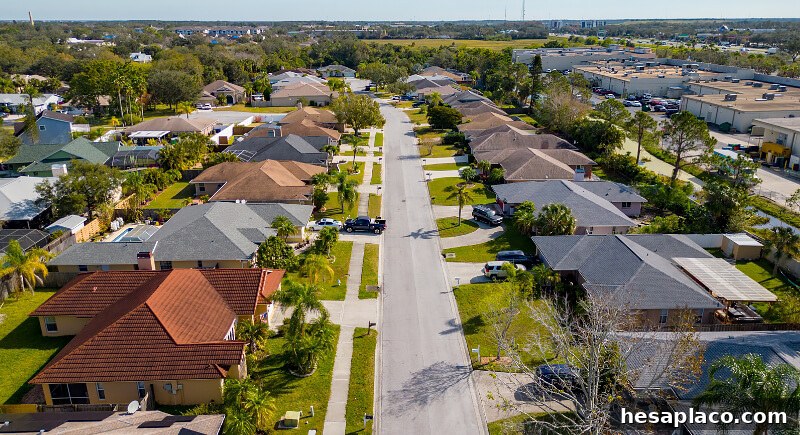
Neighborhood preferences reflect lifestyle needs: Millennials often seek vibrant, walkable areas with easy access to work, dining, and entertainment, valuing connectivity and convenience. Boomers typically look for quieter, stable neighborhoods that offer safety, community support, nearby family, and reliable access to medical services.
Why They Buy: Stepping Stone vs. Final Home

Credit: Getty Images
Many Millennials treat their first home as a stepping stone—an upgrade from renting that helps them build equity while preserving flexibility for job moves or lifestyle changes. Boomers are more likely to view their purchase as a long-term or final home chosen for comfort, stability, and proximity to family.
Outdoor Space: Compact Living vs. Private Yards

Credit: Getty Images
Private outdoor space tends to matter more to Boomers, who prefer yards, porches, and gardens for relaxation and family visits. Millennials are often satisfied with balconies, shared courtyards, or rooftop amenities that require less upkeep while still providing outdoor access.
Renovation Attitude: Fixer-Upper vs. Move-In Ready

Credit: Getty Images
Millennials are often more willing to buy fixer-uppers and invest time and money into renovations if it makes homeownership possible or improves location. They frequently embrace DIY projects and staged upgrades over time. Boomers, having spent years maintaining homes, generally prefer move-in-ready properties with updated kitchens, bathrooms, and minimal immediate repair needs.
Understanding these generational differences helps sellers, real estate agents, and developers better match properties to buyer priorities—from energy efficiency and digital tools for younger buyers to single-story layouts and low-maintenance features for older purchasers. While individual needs vary, recognizing these trends can improve marketing, design, and the overall buying experience for both generations.