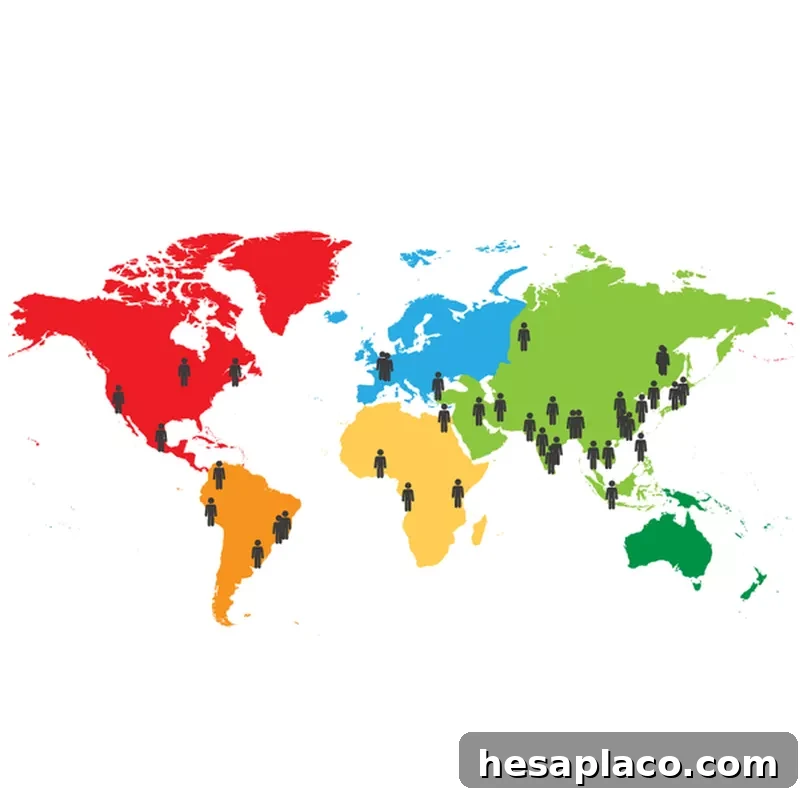
Think you’ve seen the limit of urban crowding? Think again. As we move deeper into the 21st century, urbanization will create more megacities—metropolitan areas with 10 million or more residents.
Over the next decade and beyond, the fastest growth among these megacities will largely come from developing countries as household incomes rise and investment flows increase. This article summarizes 33 current megacities and six emerging ones projected to reach megacity status by 2030, highlighting population and economic trends expected through the next decade.
By 2030, these megacities will account for a significant share of global activity: roughly 9 percent of the world’s population and about 15 percent of global GDP. Some cities will expand rapidly, while older, developed megacities face slower population growth or decline due to aging populations and low birth rates.
No. 1
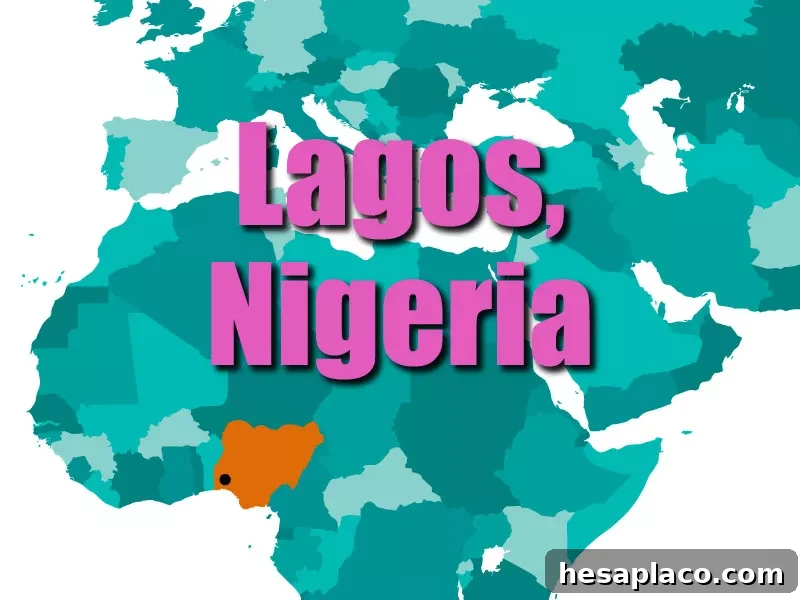
Current population: 21 million
Lagos, Nigeria’s largest city, is poised for major population growth through 2030 and is one of the fastest-growing African megacities. The city includes Makoko, one of the world’s largest floating settlements, with population estimates that vary widely.
No. 2
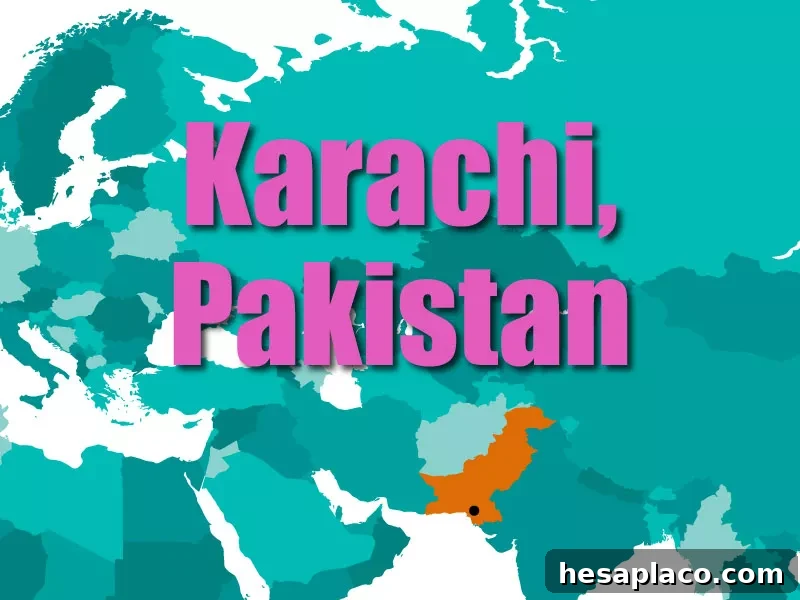
Current population: 14.91 million
Islamabad and its surrounding urban region in Pakistan are expected to see significant increases in both population and real GDP, potentially rising into the top ranks of the world’s megacities by 2030.
No. 3
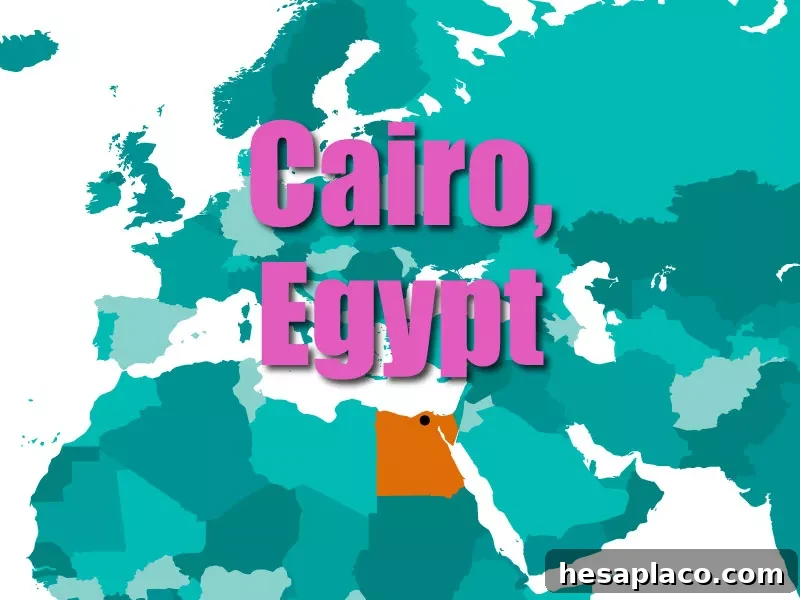
Current population: 19.5 million
Cairo, Egypt’s capital, is projected to grow by more than 20 percent in population by 2030, and its real GDP is forecast to increase by over 50 percent during the same period.
No. 4
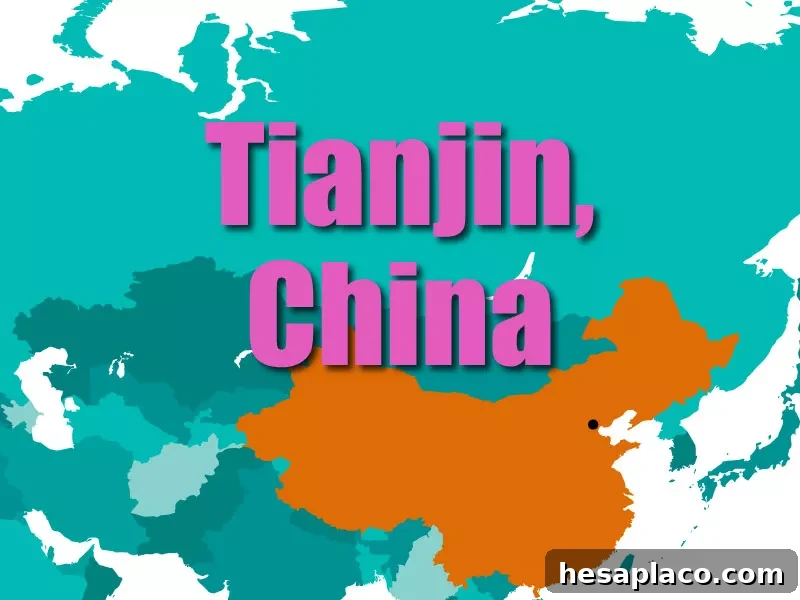
Current population: 13 million
This northeastern Chinese port city will rank among leading megacities by 2030. Its population is expected to rise by roughly 20 percent and real GDP to more than double over the decade.
No. 5
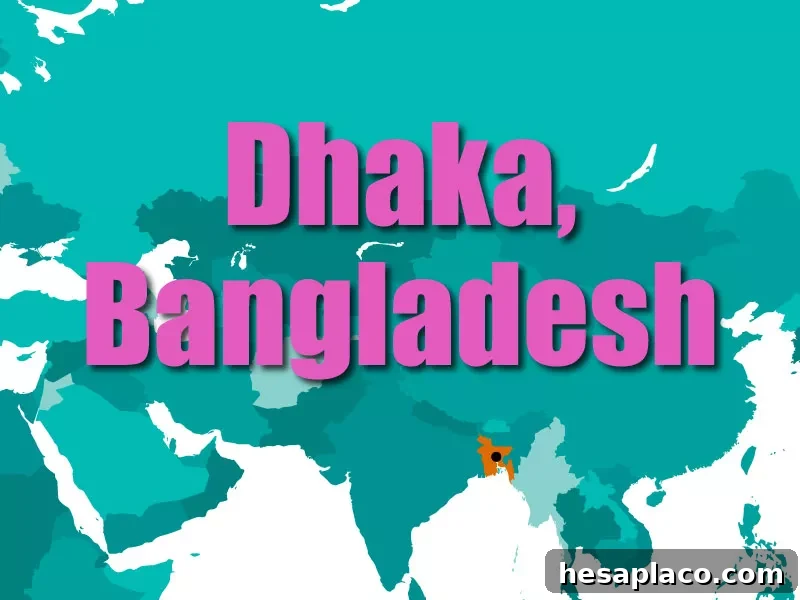
Current population: 18.89 million
Dhaka, Bangladesh’s capital, is projected to record the strongest real GDP growth among these megacities—over 150 percent by 2030—while its population rises by about 20 percent.
No. 6
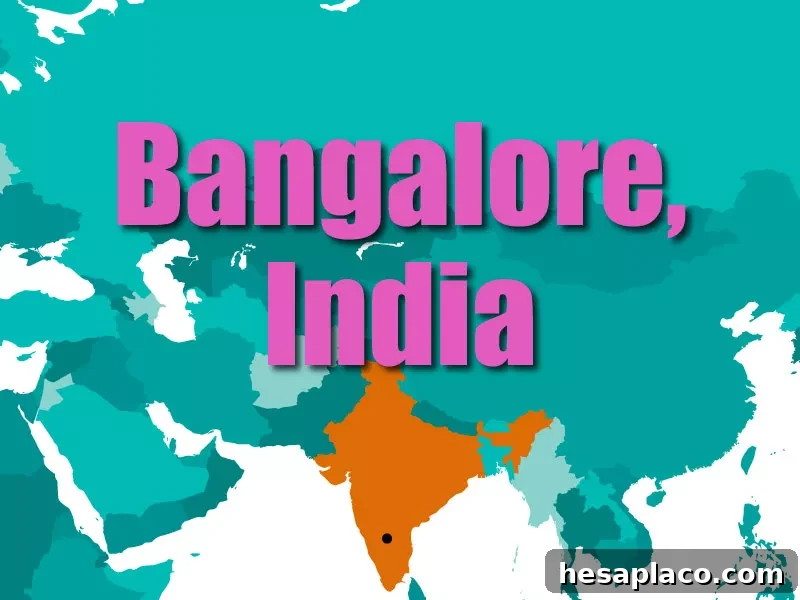
Current population: 12.3 million
Bangalore, India’s high-tech hub and capital of Karnataka, is expected to grow roughly 20 percent in population by 2030, with real GDP increasing by more than 125 percent.
No. 7
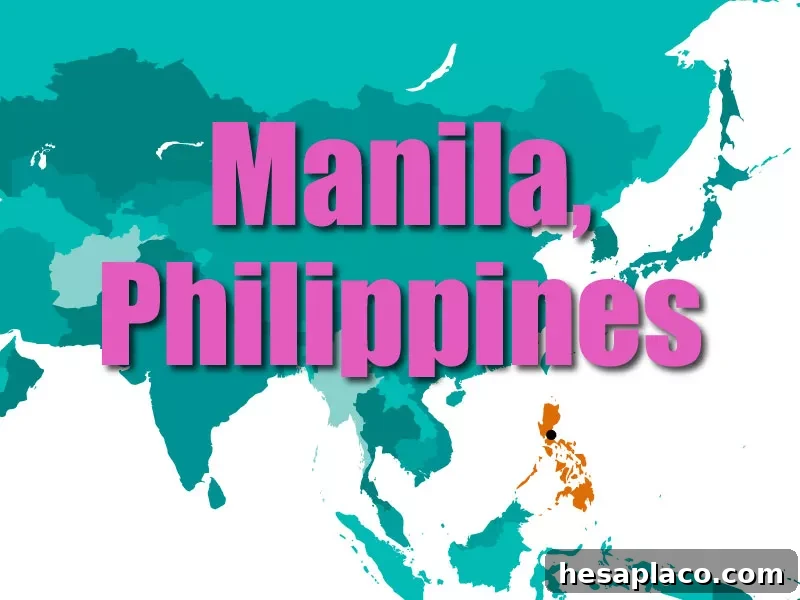
Current population: 12.8 million
Manila, the Philippines’ capital, is forecast to see nearly 20 percent population growth and more than 125 percent GDP growth by 2030, reflecting strong economic momentum.
No. 8
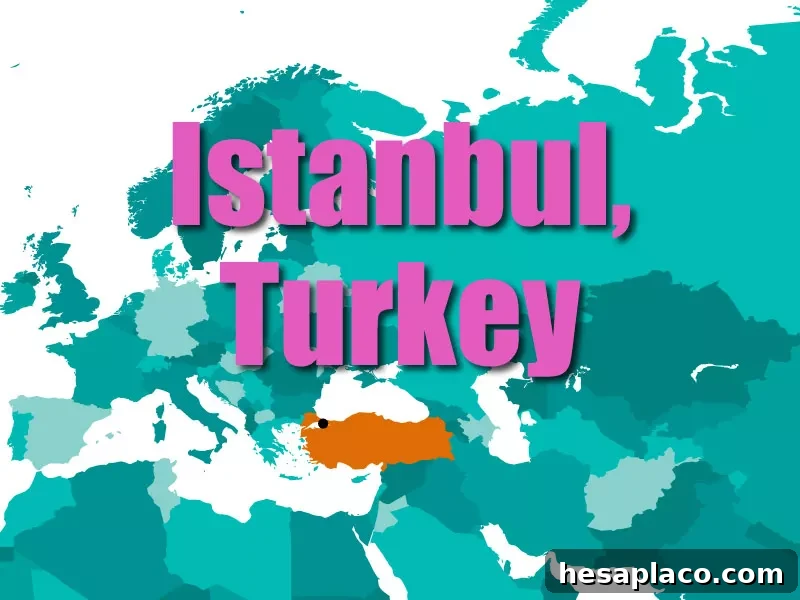
Current population: 15 million
Istanbul will experience modest increases in both population and GDP. With around 15 million residents within city limits, it remains the most populous city in Europe by that measure.
No. 9
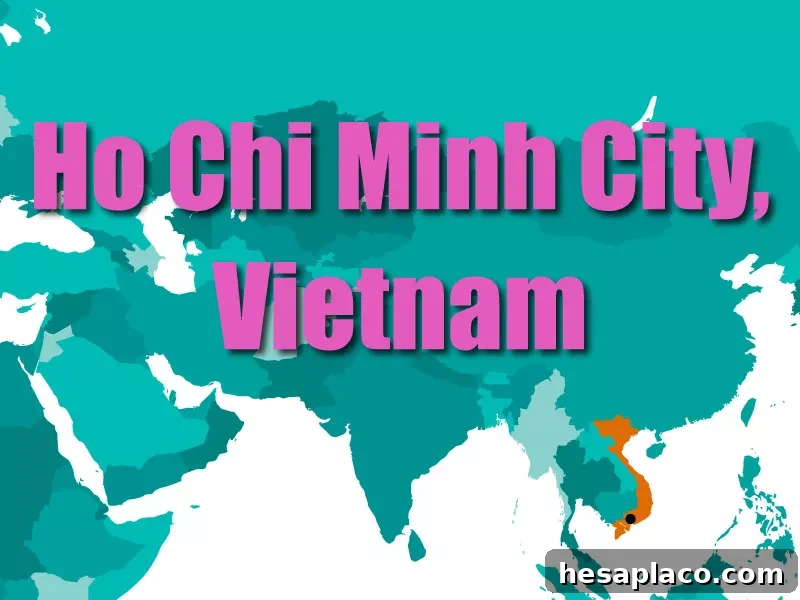
Current population: 13 million
Ho Chi Minh City (Saigon) is Vietnam’s financial center and most-visited city. It is projected to see substantial economic and population growth by 2030.
No. 10
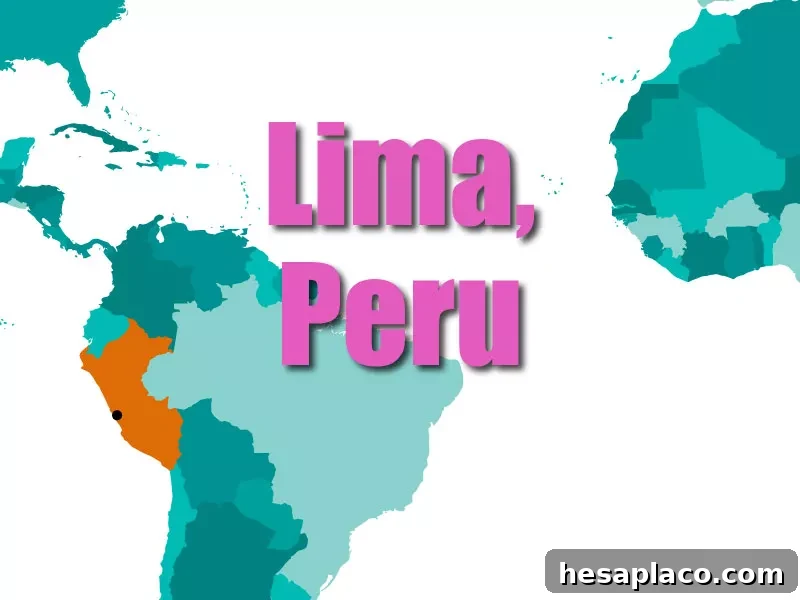
Current population: 9.7 million
Lima, Peru’s capital and largest city, is catching up in investments and income growth. It will likely register modest population gains and about a 50 percent increase in GDP by 2030.
No. 11
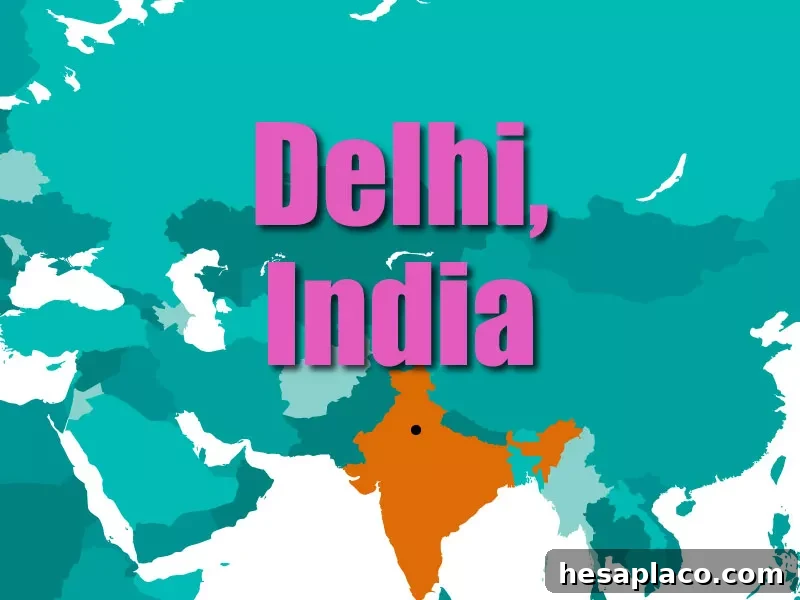
Current population: 19.5 million
Delhi’s densely populated region will see moderate population growth but substantial economic expansion—its real GDP is expected to more than double by 2030. It is India’s second-largest metro area after Mumbai.
No. 12
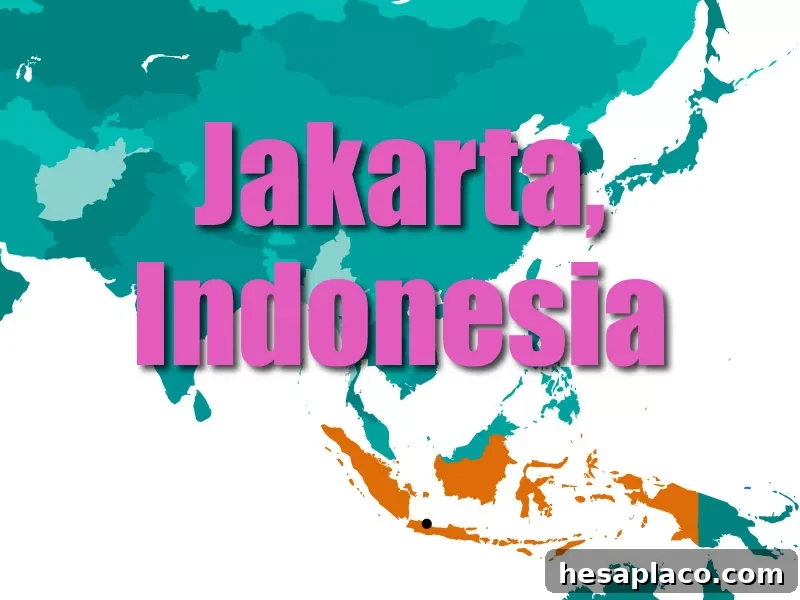
Current population: 31.5 million
Jakarta is projected to overtake Tokyo as the world’s most populous megacity by 2030. While Tokyo’s population is expected to decline slightly, Jakarta could gain over four million residents, reaching an estimated 35.6 million.
No. 13
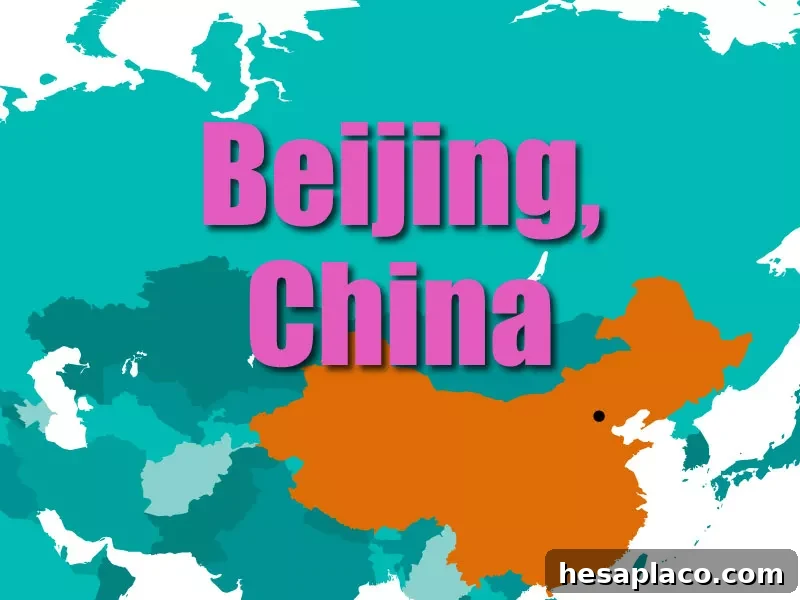
Current population: 24 million
Beijing’s metro population may rise by about 10 percent by 2030, while its GDP could double. However, an aging population will likely limit long-term expansion.
No. 14
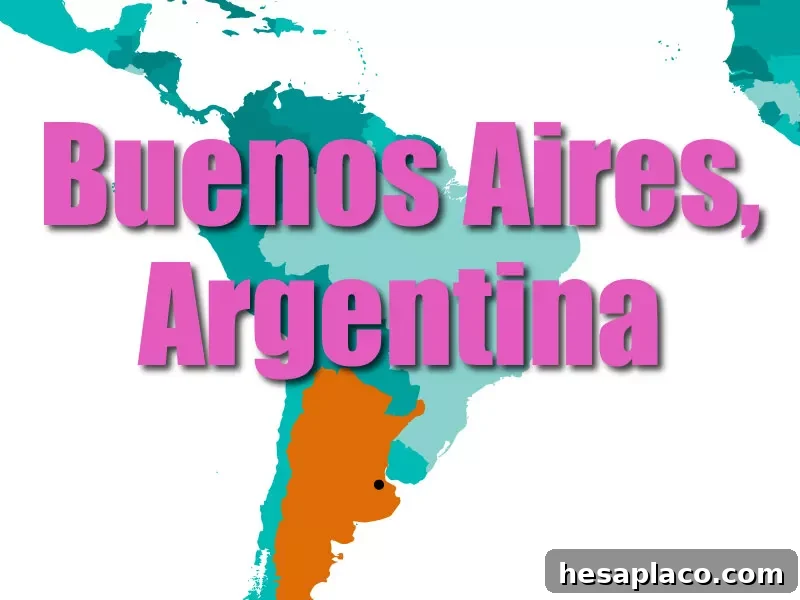
Current population: 15 million
Buenos Aires, Argentina’s capital, should see roughly 10 percent population growth and about a 50 percent rise in GDP by 2030 as urbanization and economic activity continue.
No. 15
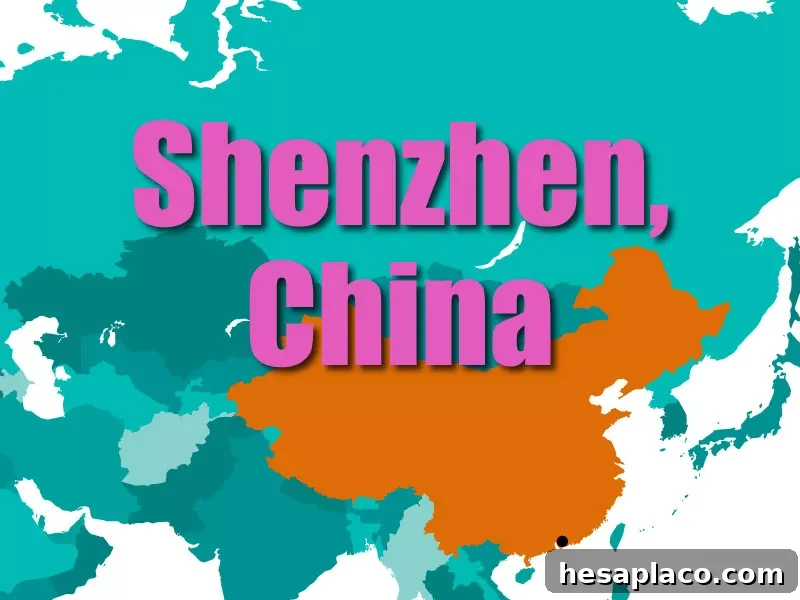
Current population: 23 million
The rapidly developing metropolitan area in China’s Guangdong province, bordering Hong Kong, is expected to grow its population by around 10 percent and see GDP more than double by 2030.
No. 16
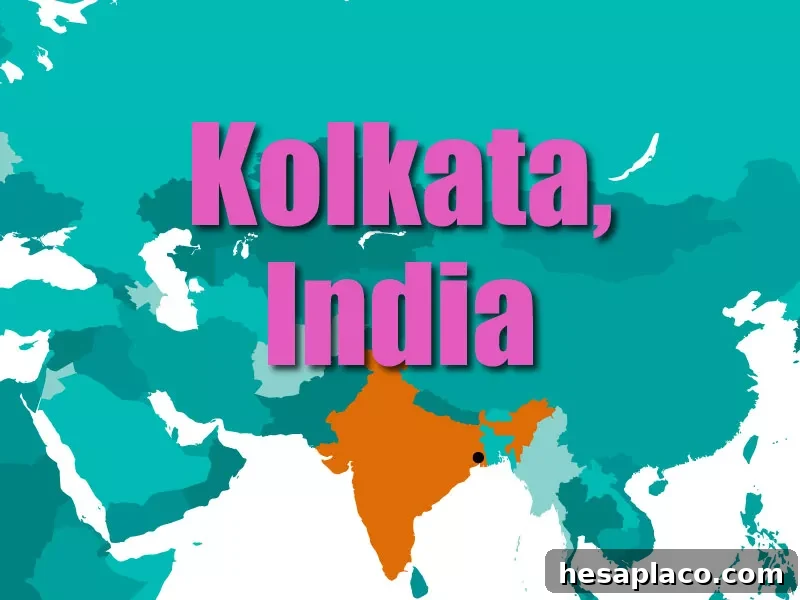
Current population: 14.3 million
Kolkata, the cultural capital of India and West Bengal’s capital, is forecast to see its economy grow rapidly, with GDP expected to double by 2030.
No. 17
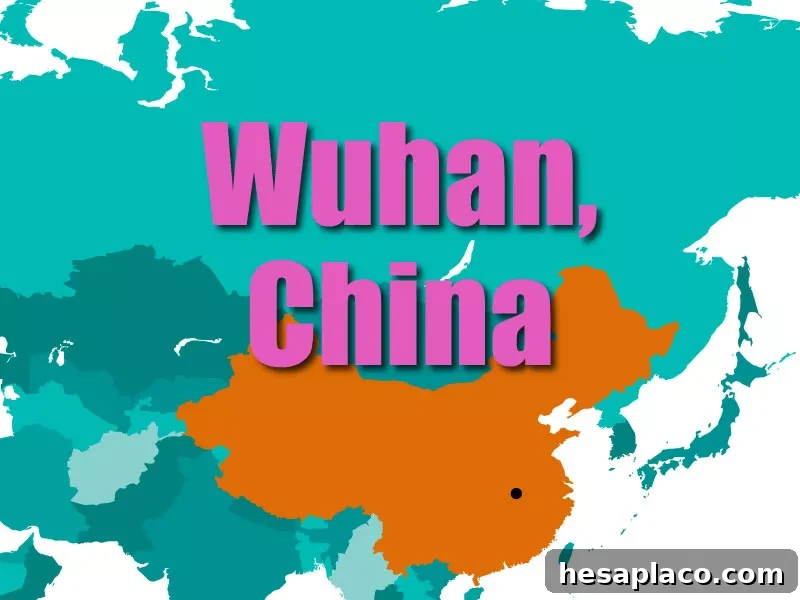
Current population: 19.8 million
Wuhan, a central transportation hub in Hubei province, is projected to grow about 10 percent in population and see its GDP roughly double by 2030.
No. 18
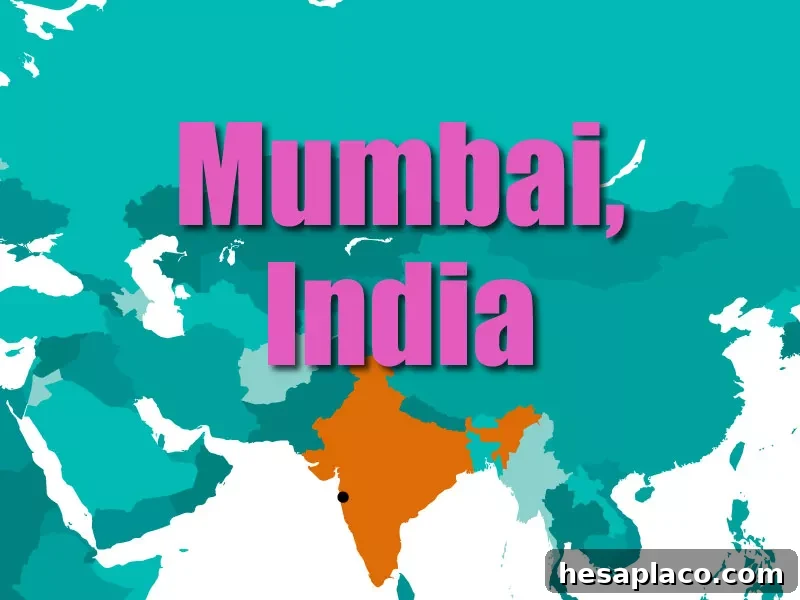
Current population: 18.41 million
Mumbai, India’s most populous city, is expected to record modest population growth but significant economic gains, with GDP more than doubling by 2030 due to increased investment and rising incomes.
No. 19
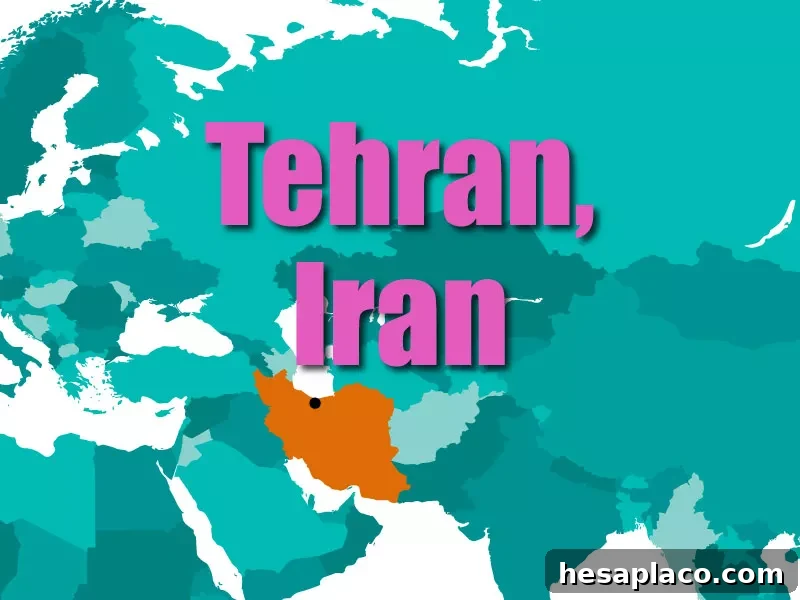
Current population: 15 million
Tehran’s metropolitan population is expected to increase by roughly 10 percent by 2030, with the economy expanding by more than 50 percent in that period.
No. 20
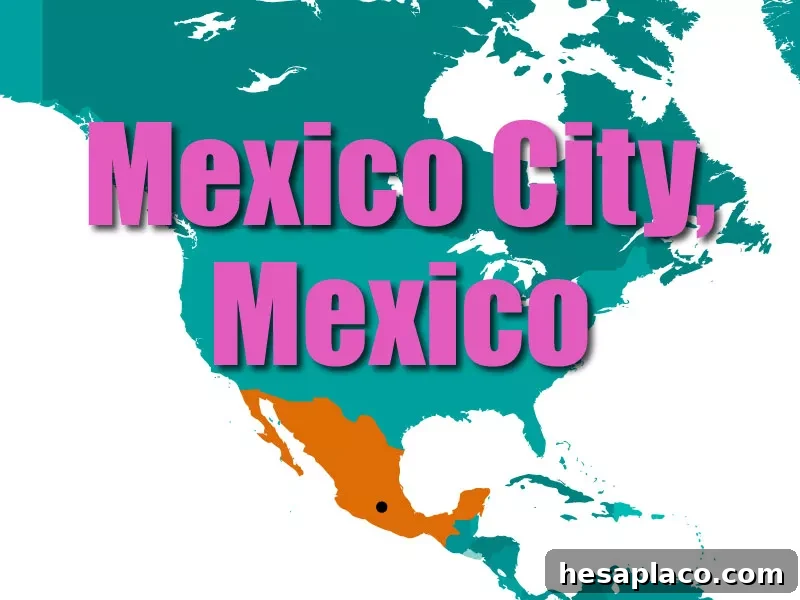
Current population: 21.2 million
Mexico City, the largest city in North America, will likely see about 10 percent population growth and nearly a 50 percent increase in GDP by 2030.
No. 21
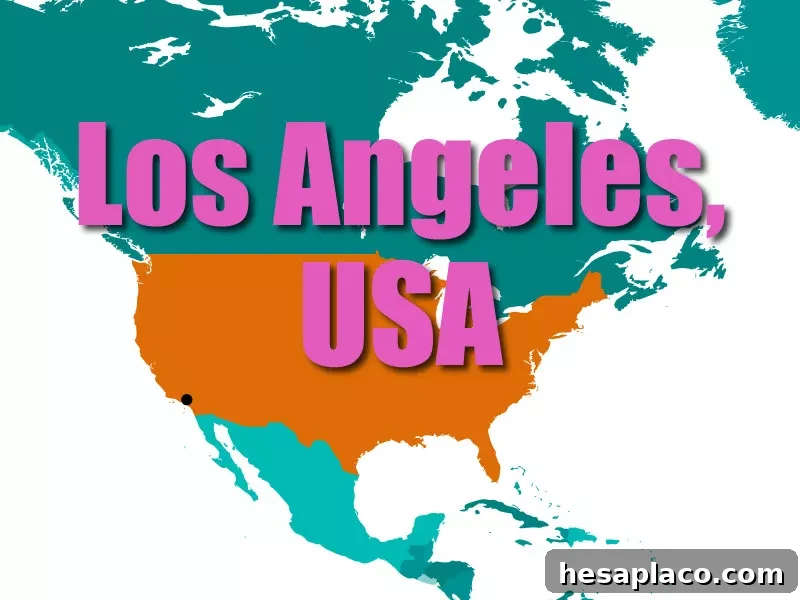
Current population: 13.1 million
Los Angeles is California’s most populous city and the U.S. second-largest metro after New York. It is expected to see modest increases in both population and GDP through 2030.
No. 22
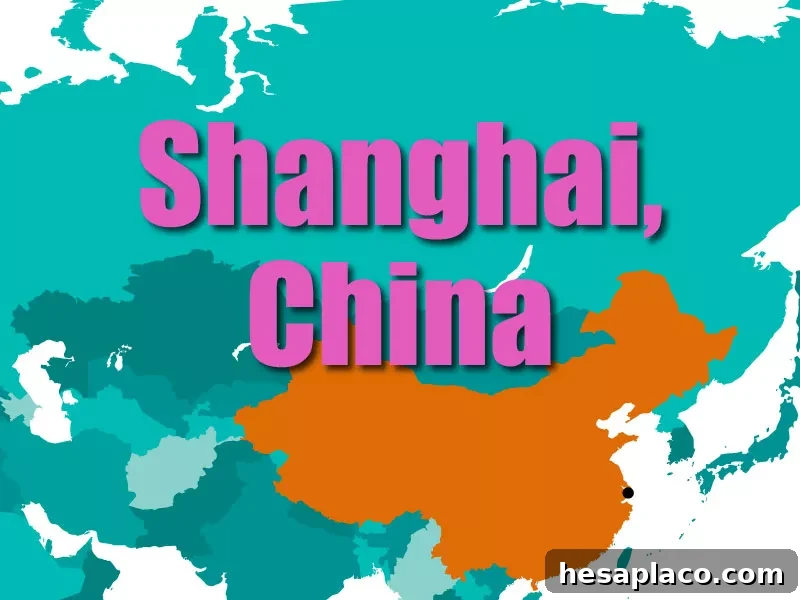
Current population: 34 million
Shanghai, China’s largest city by population, will continue expanding as an international trade and finance hub. Its population and economy are both expected to grow, with GDP possibly doubling by 2030.
No. 23
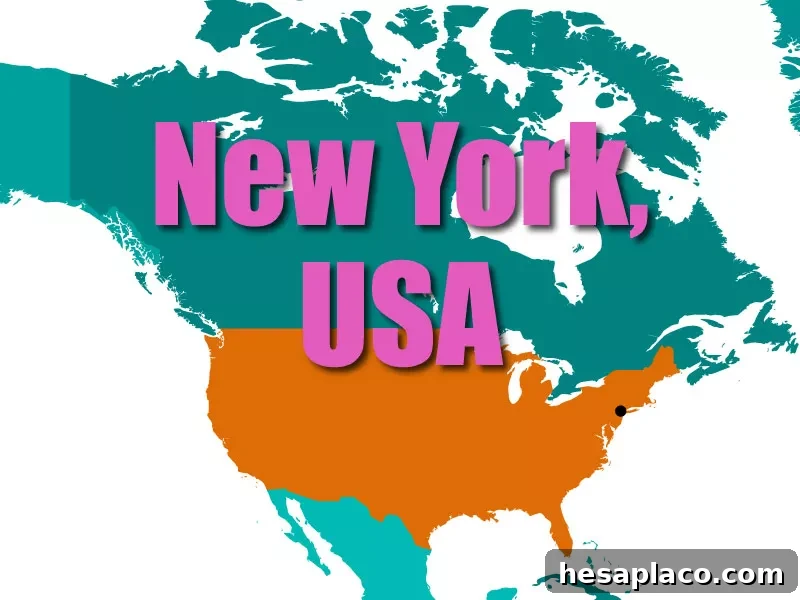
Current population: 20.3 million
New York, once the world’s largest megacity, will continue to register modest growth in population and the economy. Developed megacities generally see slower population increases due to low birth rates.
No. 24
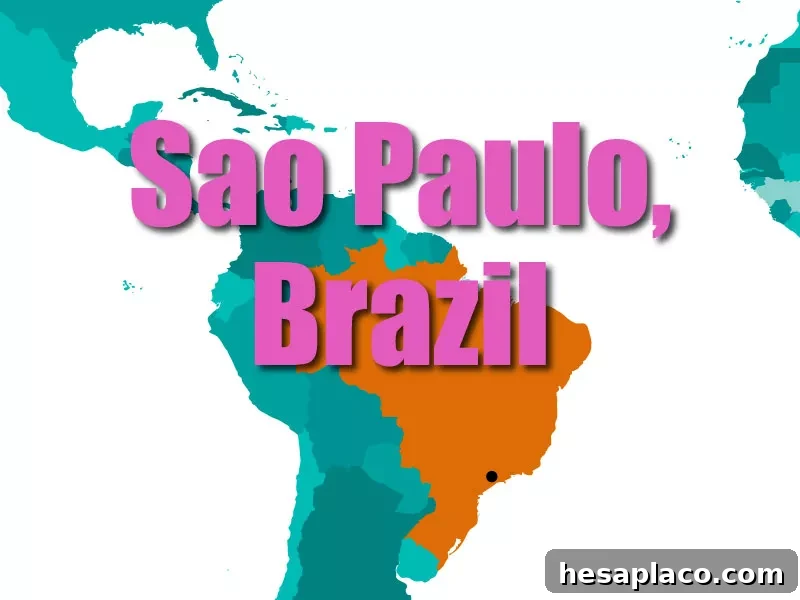
Current population: 21.6 million
São Paulo is Brazil’s largest city and will likely see modest population growth and about a 25 percent rise in GDP by 2030.
No. 25
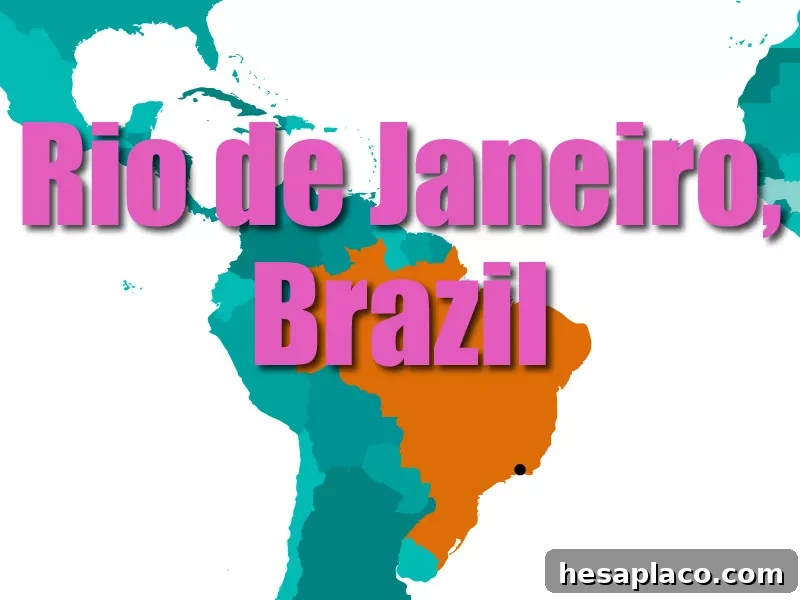
Current population: 12 million
Rio de Janeiro, Brazil’s second-largest metro area, is expected to grow under 10 percent in population and see GDP increase by roughly 25 percent by 2030.
No. 26
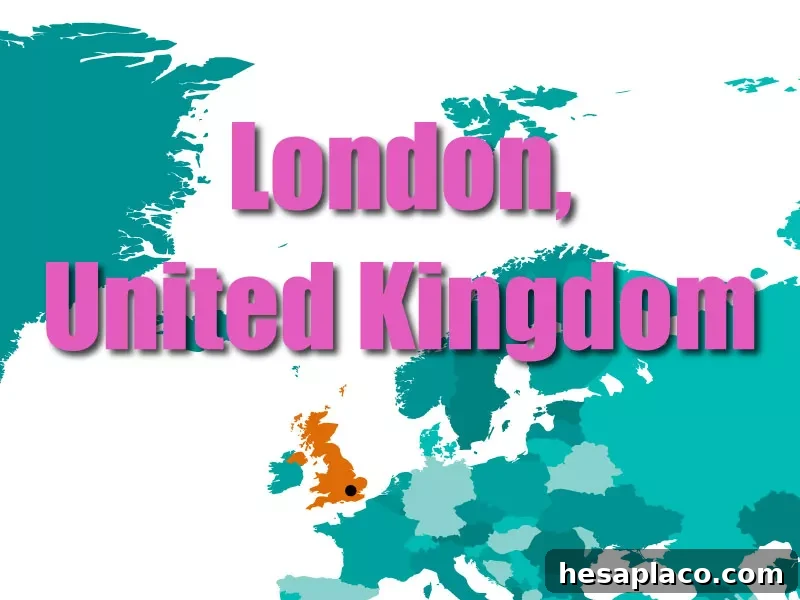
Current population: 14.2 million
London, the United Kingdom’s capital, will likely record population growth slightly below 10 percent as birth rates fall, with GDP rising around 20 percent by 2030.
No. 27
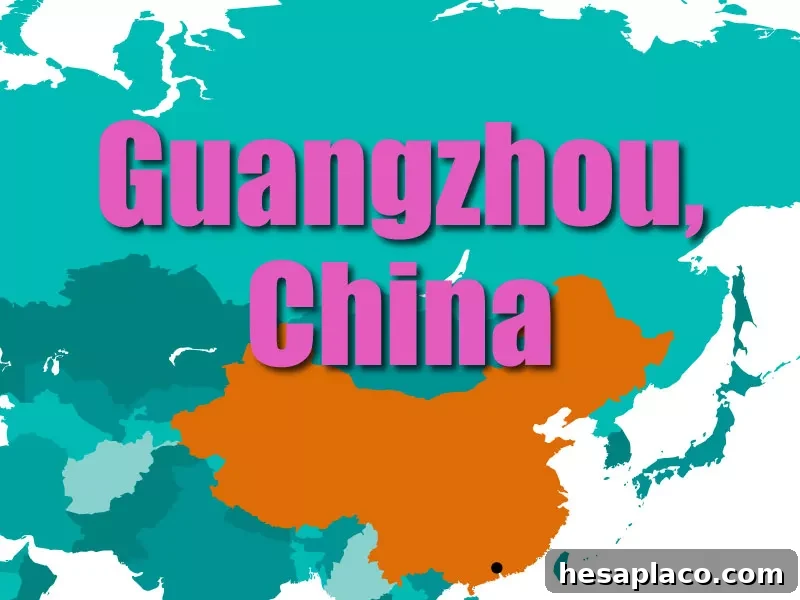
Current population: 15 million
Guangzhou, a major city in Guangdong province, will continue expanding economically as one of China’s largest cities. Population gains will be modest, but GDP is expected to nearly double by 2030.
No. 28
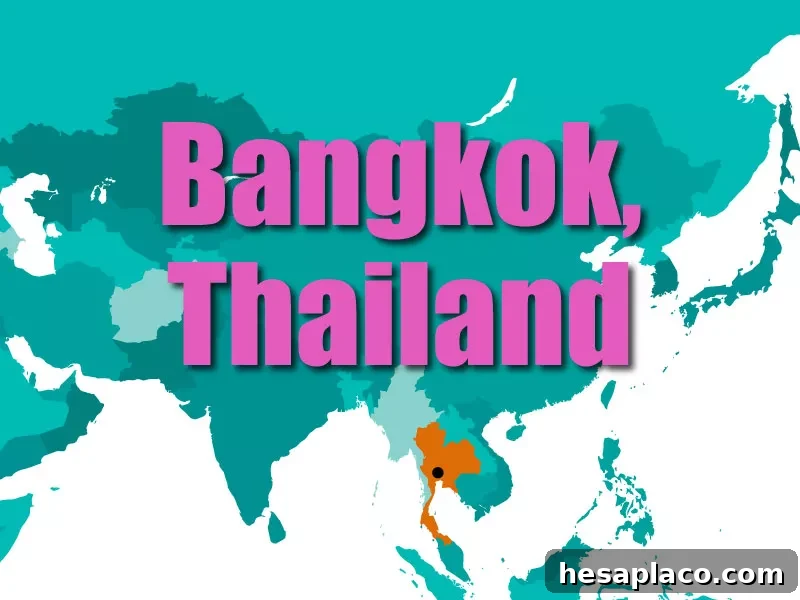
Current population: 14.6 million
Bangkok, Thailand’s capital and a regional financial center, is projected to see modest population growth and roughly 50 percent GDP growth by 2030.
No. 29
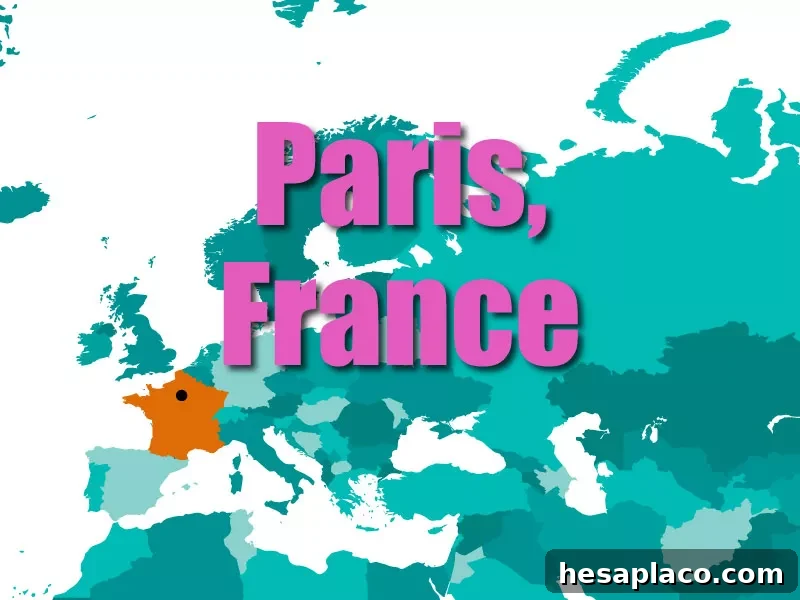
Current population: 12.3 million
Paris, a major European hub for finance, fashion and commerce, will experience limited population growth—around 5 percent—through 2030 due to low birth rates, while the economy grows modestly.
No. 30
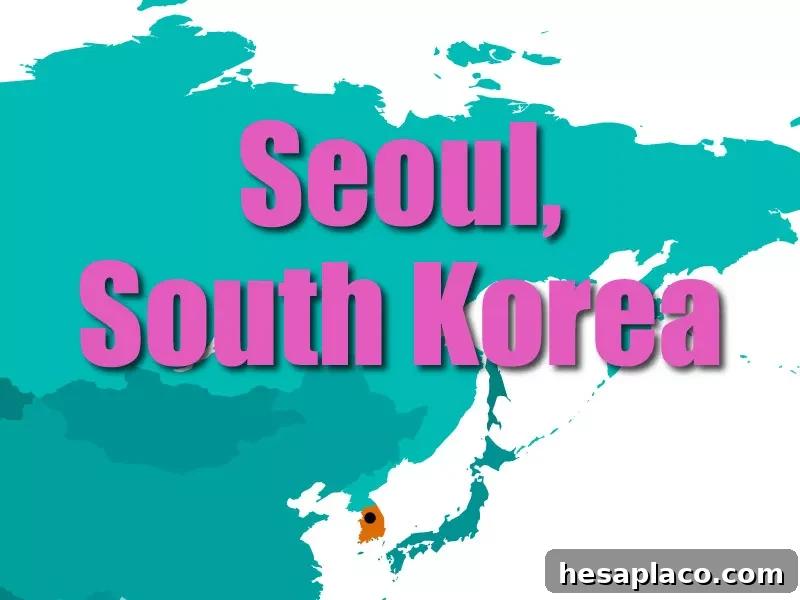
Current population: 25.6 million
Seoul, South Korea’s capital, faces very low birth rates and is expected to register under 5 percent population growth by 2030. Its economy, however, should expand with GDP rising nearly 50 percent.
No. 31
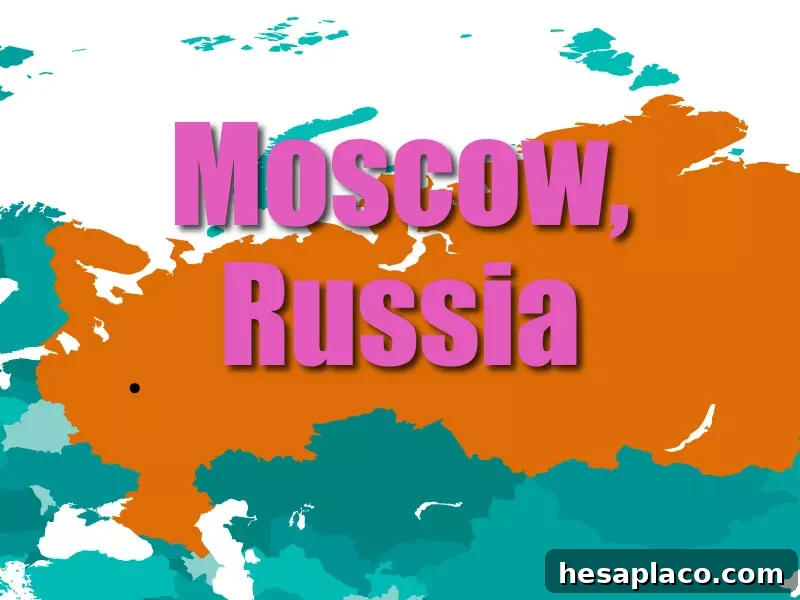
Current population: 12.5 million
Moscow, Russia’s most populous city, will likely grow only about 2 percent by 2030 due to low birth rates. Its economy is expected to expand moderately, with real GDP rising roughly 20 percent.
No. 32
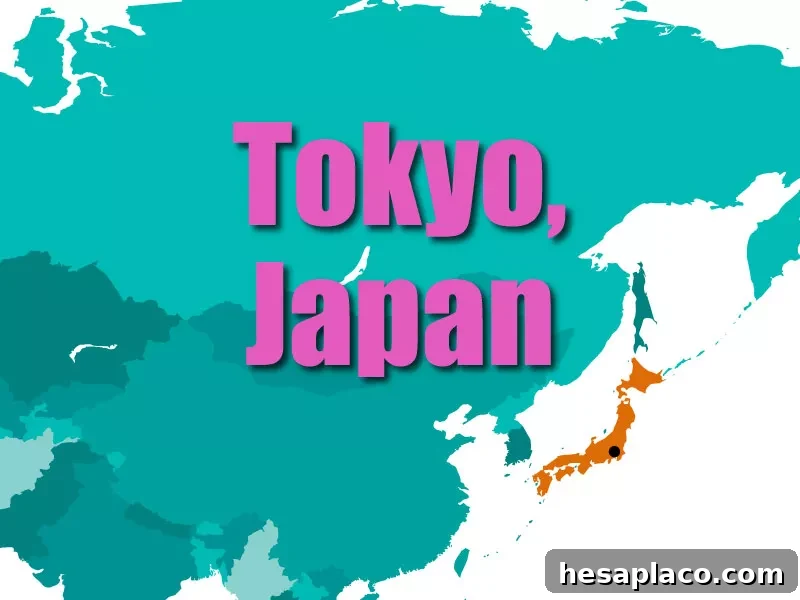
Current population: 37.8 million
Tokyo, the world’s largest megacity today, is expected to face population decline into the next decade. Aging demographics and low birth rates could reduce its population by about 5 percent by 2030, with only modest economic growth during that period.
No. 33
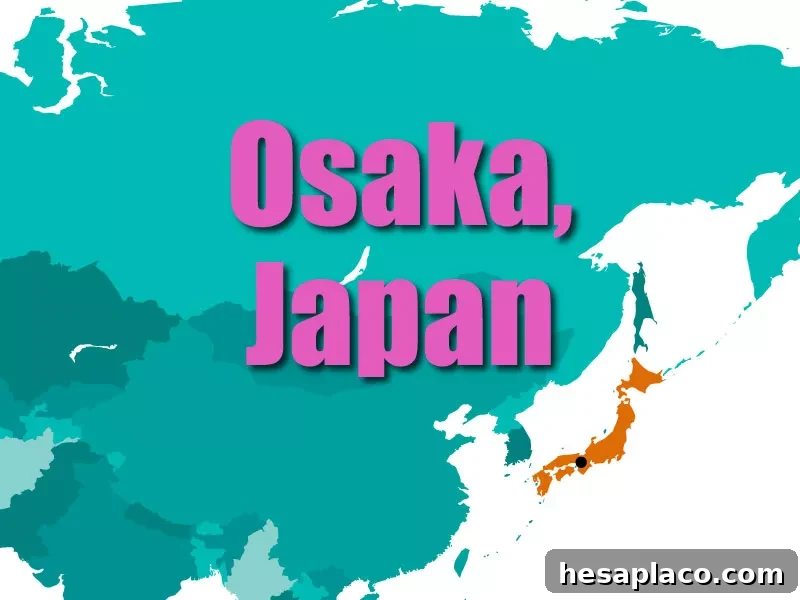
Current population: 19.3 million
Osaka, another major Japanese megacity, already has one of the oldest populations among global megacities. By 2030 it is expected to have roughly 31 percent of residents aged 65 or older, making it one of the oldest megacities and constraining economic growth.
Emerging Megacity No. 1
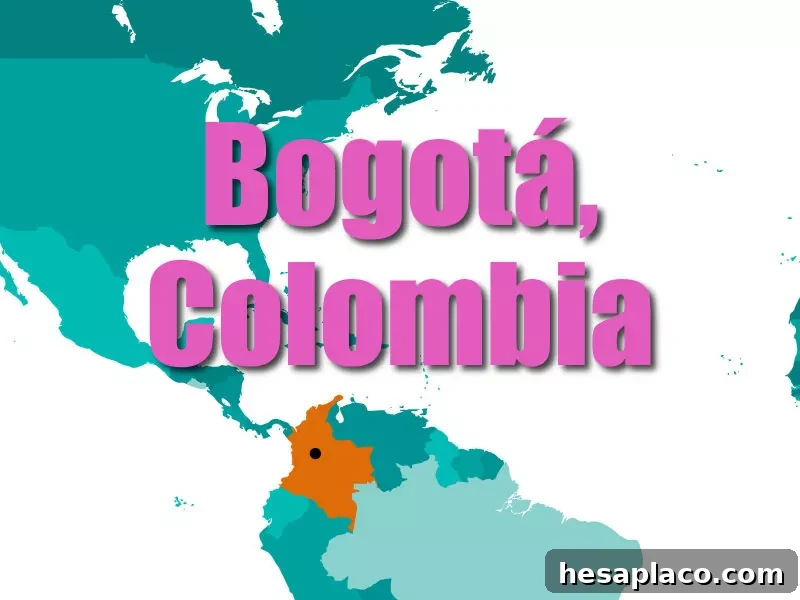
Current population: 8 million
Bogotá is projected to become a megacity by 2030. Rising population density and higher disposable incomes could drive its GDP to an estimated $109 billion by that year.
Emerging Megacity No. 2
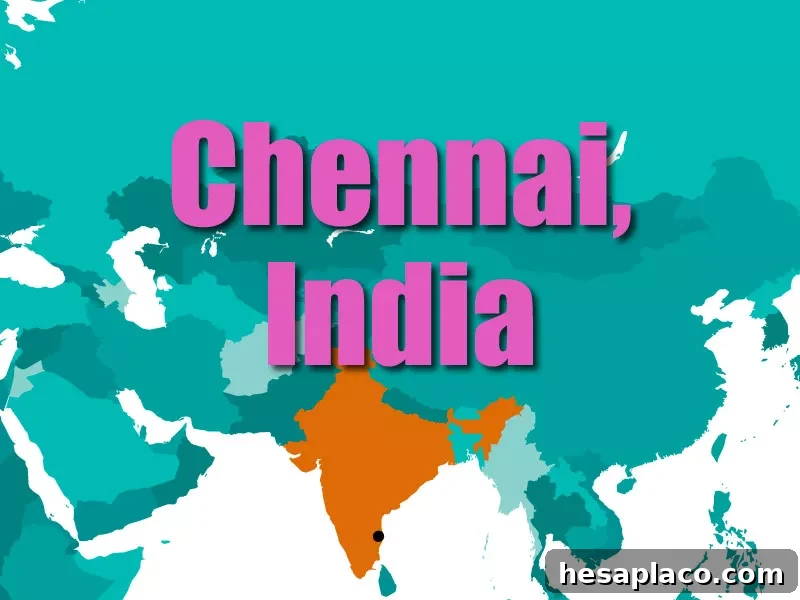
Current population: 9 million
Chennai, capital of Tamil Nadu in India, is expected to see sharp increases in population density and GDP, with projections putting its economy at roughly $50 billion by 2030. Among the emerging megacities, Chennai ranks high in projected GDP growth.
Emerging Megacity No. 3
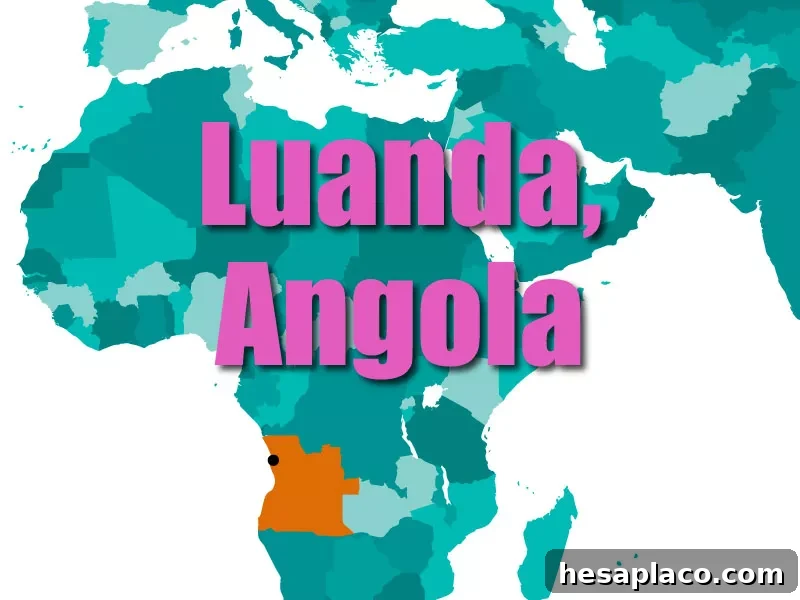
Current population: 7.8 million
Luanda is expected to see the largest population increase among the six emerging megacities, with both population and incomes rising sharply and contributing to an estimated $62 billion in GDP by 2030.
Emerging Megacity No. 4
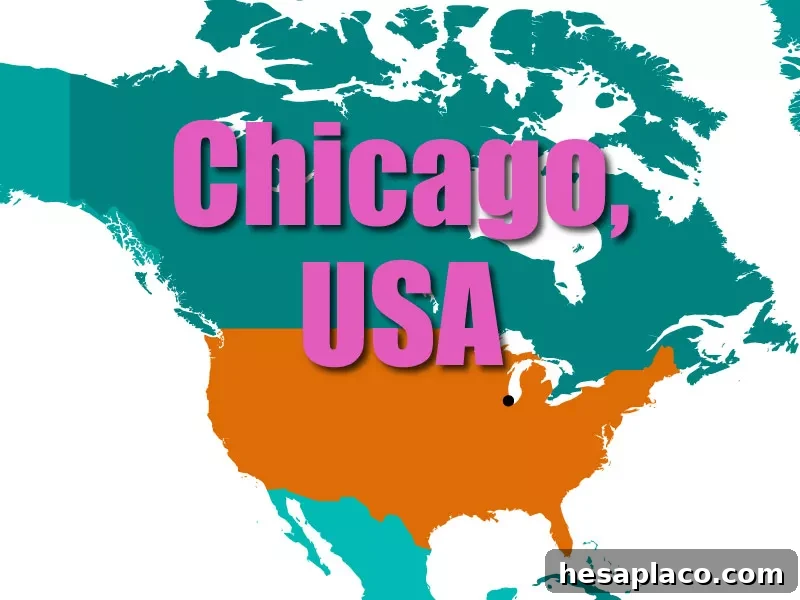
Current population: 9.5 million
Chicago is the only developed city among the six emerging megacities. Strong disposable income growth is expected to push Chicago’s GDP to around $596 billion by 2030—more than double the combined GDP of the other five emerging megacities.
Emerging Megacity No. 5
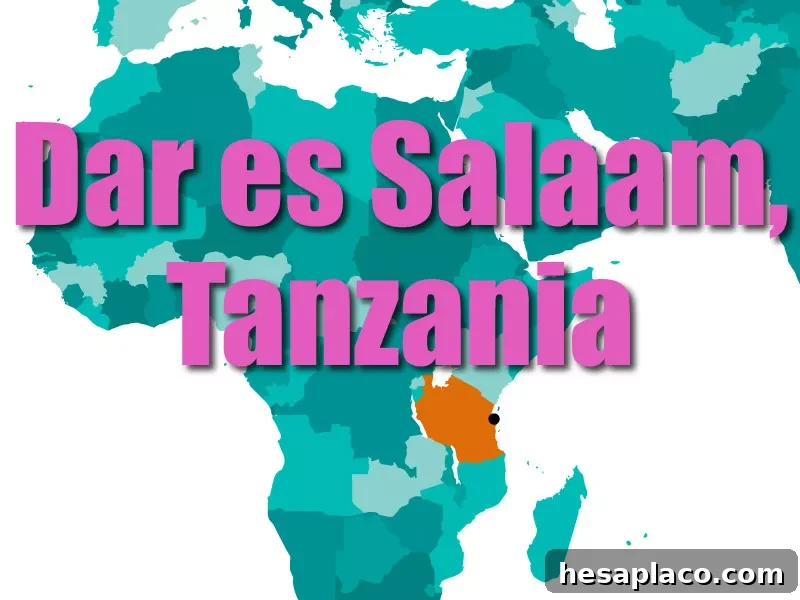
Current population: 4.4 million
Dar es Salaam is projected to post one of the largest percentage gains in both population and GDP. Population may grow by about 50 percent by 2030, with the city’s real GDP expected to roughly double.
Emerging Megacity No. 6
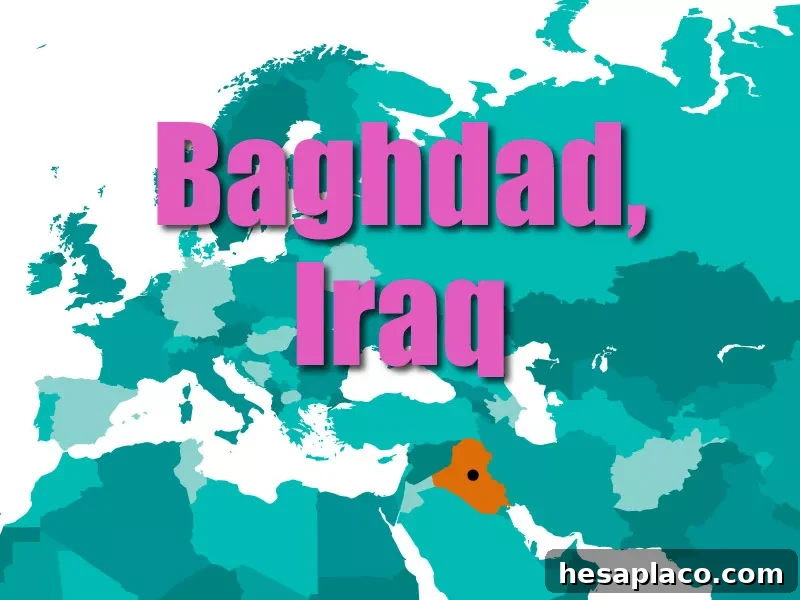
Current population: 8.8 million
Baghdad is expected to nearly double its population growth rate relative to today—rising close to 50 percent by 2030—which should boost GDP and disposable incomes, with total GDP projected to reach roughly $34 billion.
These projections underline a clear pattern: developing regions will drive the next wave of megacity expansion, while established global cities will see slower population growth driven by demographic aging and low fertility. Together, these urban centers will shape large shares of future economic output and global demographics through 2030 and beyond.