
Buying a home is a major decision, but the rewards—financial stability, community roots and lifestyle benefits—can make homeownership well worth the commitment. The most important factor when choosing a house is location, followed by local housing costs, cost of living, property taxes, school quality, safety and long-term home value. The best cities to buy a house typically balance household income with median home value, offer job opportunities, and provide amenities that fit diverse lifestyles.
The following list highlights 50 U.S. cities ranked as some of the best places to buy a home based on comprehensive assessments of real estate and community trends. These profiles summarize population, neighborhood feel, income and housing metrics, local impressions, and overall strengths to help you begin your search.
50. Aurora, Colorado
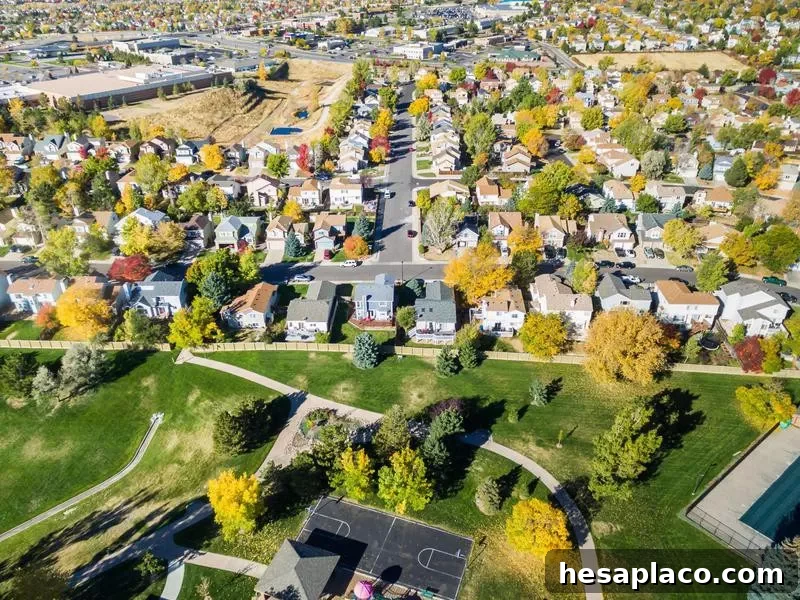
Getty Images
Population: 363,550
Area feel: Urban-suburban mix
Median household income: $62,541
Median home value: $259,000 (59% own)
Median rent: $1,241 (41% rent)
Snapshot: Aurora offers easy access to Denver and nearby mountains, blending outdoor recreation with city amenities. It earns high marks for diversity, public schools and outdoor options, while crime and cost of living are concerns for some residents.
49. Lakeland, Florida
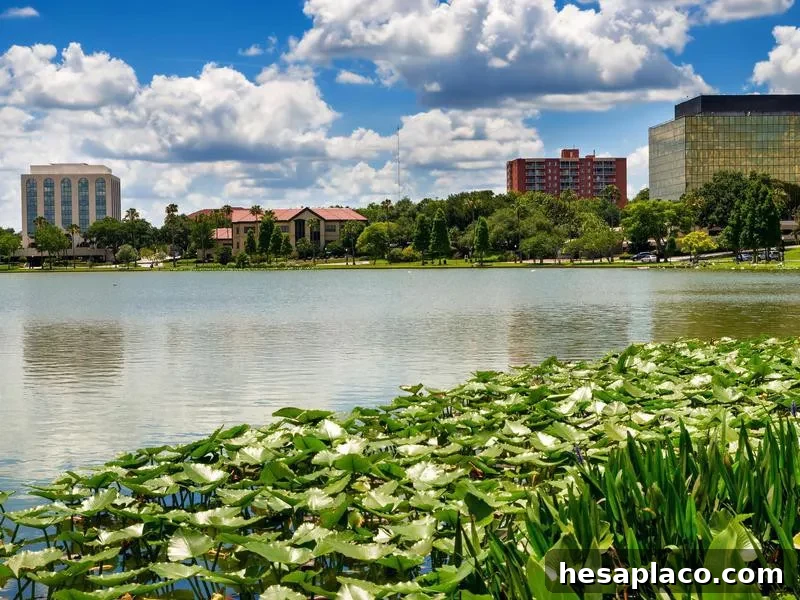
Getty Images
Population: 105,958
Area feel: Dense suburban
Median household income: $44,313
Median home value: $132,100 (55% own)
Median rent: $968 (45% rent)
Snapshot: Lakeland is known for pleasant year-round weather, parks and a welcoming community atmosphere. It’s popular for retirement and family living with moderate housing costs and decent schools.
48. Indianapolis, Indiana
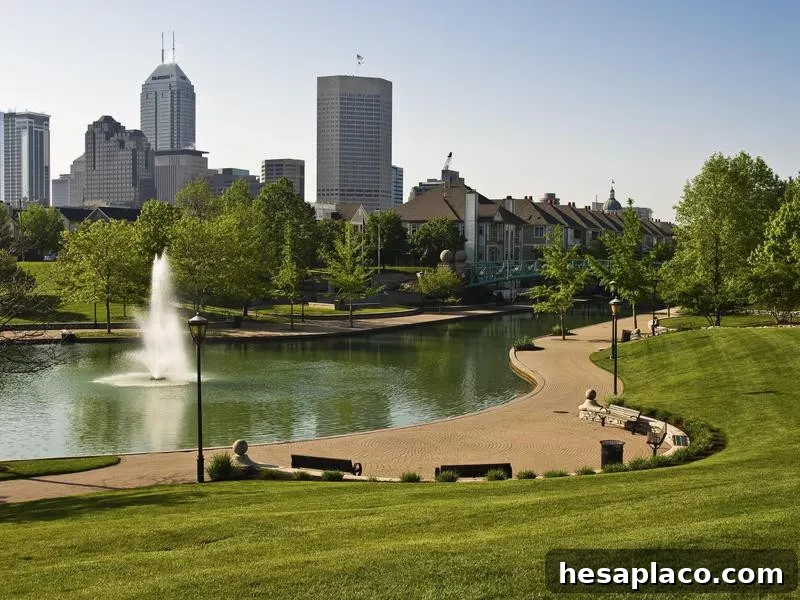
Getty Images
Population: 857,637
Area feel: Dense suburban
Median household income: $46,442
Median home value: $129,300 (53% own)
Median rent: $865 (47% rent)
Snapshot: As Indiana’s cultural and economic hub, Indianapolis blends nightlife, restaurants and parks with solid public schools and affordable housing, making it attractive to families and young professionals.
47. Lafayette, Louisiana
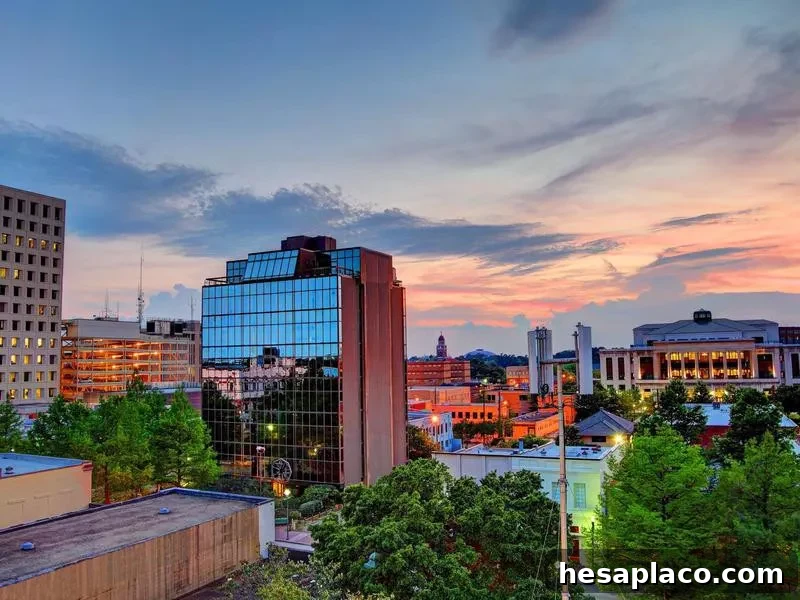
Getty Images
Population: 126,515
Area feel: Dense suburban
Median household income: $50,182
Median home value: $190,800 (56% own)
Median rent: $874 (44% rent)
Snapshot: Lafayette combines cultural vibrancy and nightlife with family-friendly public schools and outdoor activities. Home values are reasonable and the community is diverse.
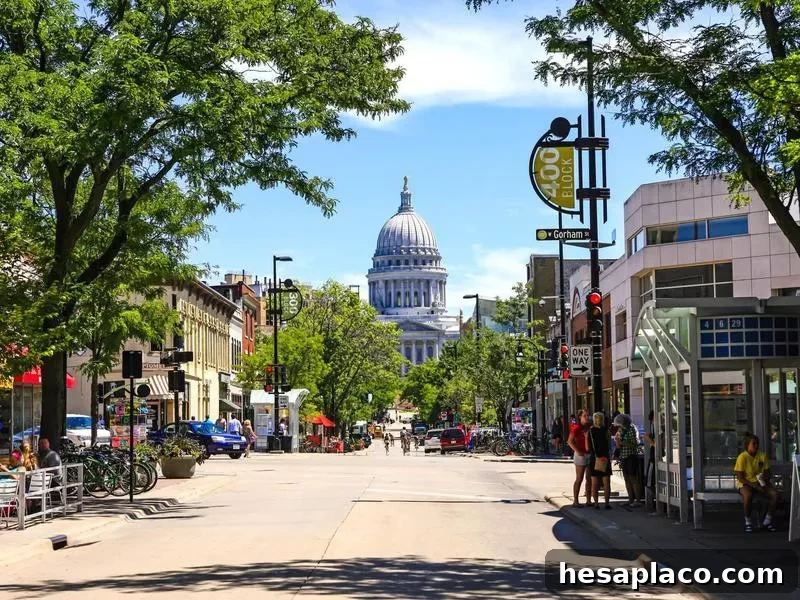
46. Madison, Wisconsin
Getty Images
Population: 252,086
Area feel: Urban-suburban mix
Median household income: $62,906
Median home value: $234,100 (47% own)
Median rent: $1,068 (53% rent)
Snapshot: Home to a top university, Madison offers strong public schools, nightlife and parks. It attracts young professionals despite colder weather and average crime rates.
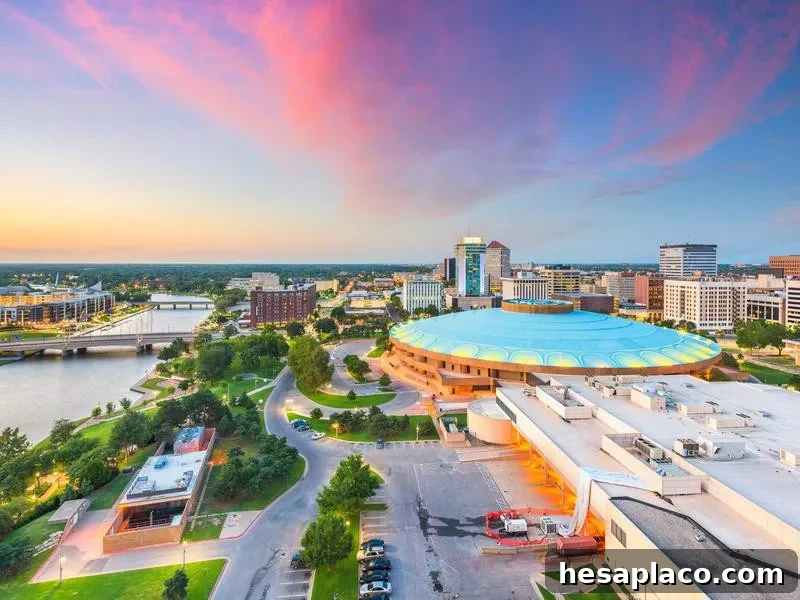
45. Wichita, Kansas
Getty Images
Population: 389,563
Area feel: Dense suburban
Median household income: $50,867
Median home value: $128,600 (59% own)
Median rent: $789 (41% rent)
Snapshot: Wichita stands out for affordable housing, diverse neighborhoods and an active job market. It’s family-oriented with a lively nightlife and easy commutes.
44. Arlington, Texas

Getty Images
Population: 392,462
Area feel: Dense suburban
Median household income: $58,502
Median home value: $157,600 (55% own)
Median rent: $997 (45% rent)
Snapshot: Arlington offers a diverse population, affordable homes and attractive family amenities. Good schools, parks and entertainment options make it a practical choice near the Dallas-Fort Worth metroplex.
43. Grand Rapids, Michigan

Getty Images
Population: 197,081
Area feel: Dense suburban
Median household income: $47,173
Median home value: $131,700 (54% own)
Median rent: $895 (46% rent)
Snapshot: Grand Rapids blends an affordable housing market with a strong arts scene and outdoor opportunities. It’s attractive to families and young professionals despite challenging winter weather.
42. Warren, Michigan

Makedonski / Wikimedia
Population: 135,192
Area feel: Sparse suburban
Median household income: $47,419
Median home value: $111,700 (69% own)
Median rent: $920 (31% rent)
Snapshot: A Detroit suburb with a strong homeownership rate, Warren offers affordable housing, parks and a diverse community. Public schools and roads are mixed, but the area remains family-friendly.
41. Mesa, Arizona

Getty Images
Population: 491,194
Area feel: Dense suburban
Median household income: $54,700
Median home value: $209,700 (60% own)
Median rent: $988 (40% rent)
Snapshot: Mesa offers warm weather, family-friendly neighborhoods and solid schools. Housing and incomes align closely with national averages, and outdoor activities and cultural venues are plentiful.
40. Denton, Texas

Getty Images
Population: 133,661
Area feel: Dense suburban
Median household income: $56,489
Median home value: $196,900 (48% own)
Median rent: $1,046 (52% rent)
Snapshot: A lively college town north of Dallas-Fort Worth, Denton combines vibrant nightlife, strong public schools and a welcoming downtown with good access to lakes and outdoor recreation.
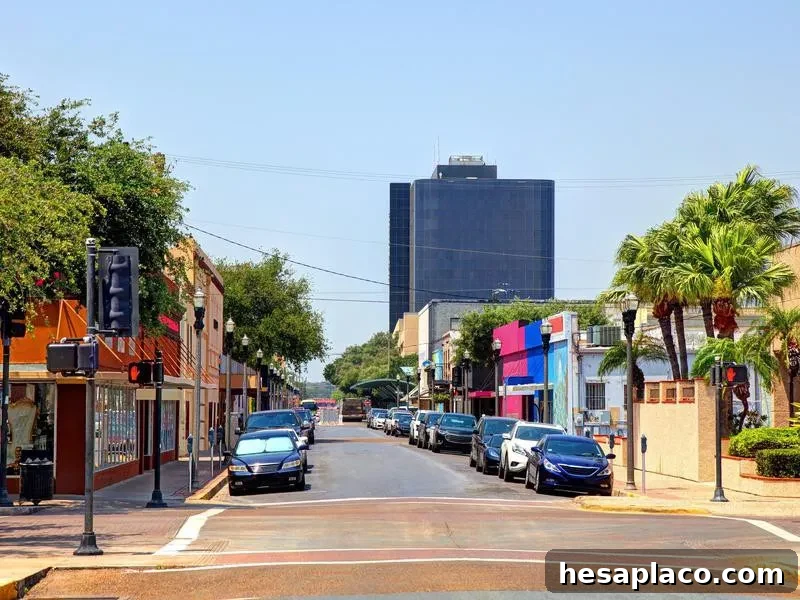
39. McAllen, Texas
Getty Images
Population: 141,597
Area feel: Dense suburban
Median household income: $47,279
Median home value: $123,900 (60% own)
Median rent: $767 (40% rent)
Snapshot: Near the Mexico border, McAllen offers low housing costs, strong public schools and lively cultural and dining scenes. Its affordability makes it attractive for many homebuyers.
38. Pittsburgh, Pennsylvania

Getty Images
Population: 303,587
Area feel: Urban-suburban mix
Median household income: $45,831
Median home value: $116,300 (48% own)
Median rent: $922 (52% rent)
Snapshot: Pittsburgh blends big-city culture with approachable home prices. The city offers strong nightlife and cultural attractions, although schools and safety can be mixed depending on neighborhood.
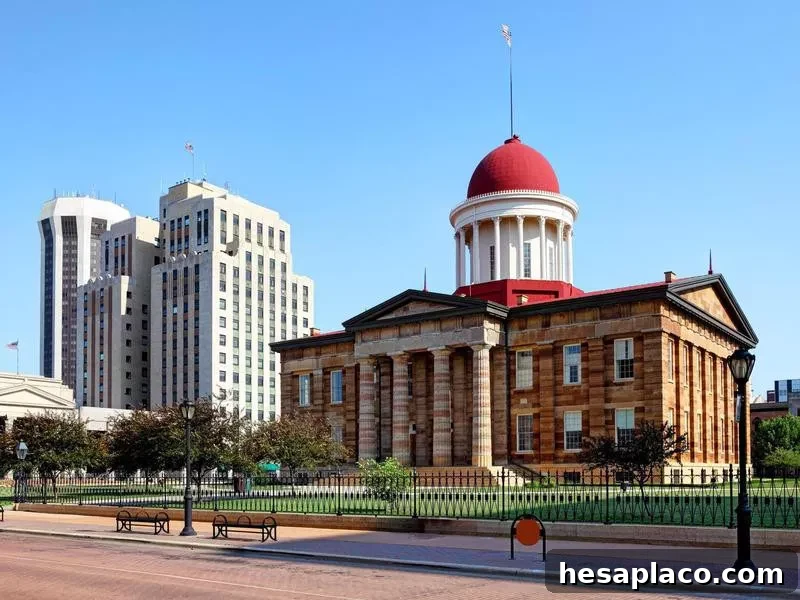
37. Springfield, Illinois
Getty Images
Population: 116,459
Area feel: Dense suburban
Median household income: $53,405
Median home value: $127,500 (61% own)
Median rent: $789 (39% rent)
Snapshot: As Illinois’ capital, Springfield offers affordable homes, a rich history and manageable commutes. It’s an appealing option for buyers seeking community, value and quieter urban living.
36. Charlotte, North Carolina
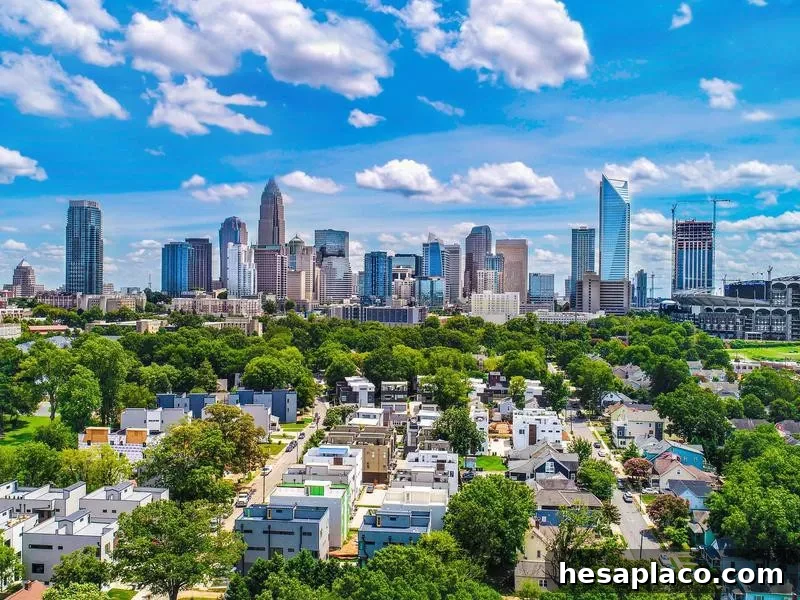
Getty Images
Population: 841,611
Area feel: Urban-suburban mix
Median household income: $60,886
Median home value: $200,500 (53% own)
Median rent: $1,086 (47% rent)
Snapshot: Charlotte is a fast-growing financial and cultural center with strong job prospects, diverse neighborhoods and family-friendly schools, making it a popular destination for buyers.
35. San Antonio, Texas

Getty Images
Population: 1,486,521
Area feel: Urban-suburban mix
Median household income: $50,980
Median home value: $136,800 (54% own)
Median rent: $958 (46% rent)
Snapshot: San Antonio offers rich cultural life, affordable housing and a strong job market. Attractions like the River Walk and family-friendly neighborhoods make it a popular choice.
34. Kansas City, Missouri

Getty Images
Population: 481,417
Area feel: Urban-suburban mix
Median household income: $52,405
Median home value: $148,500 (53% own)
Median rent: $899 (47% rent)
Snapshot: Known for its food scene and cultural diversity, Kansas City delivers affordable housing and solid schools, making it a balanced choice for families and young professionals.
…continued through the top 1 cities with similar concise profiles for each market, including home and rent metrics, neighborhood feel and a short bottom-line summary to guide homebuyers.