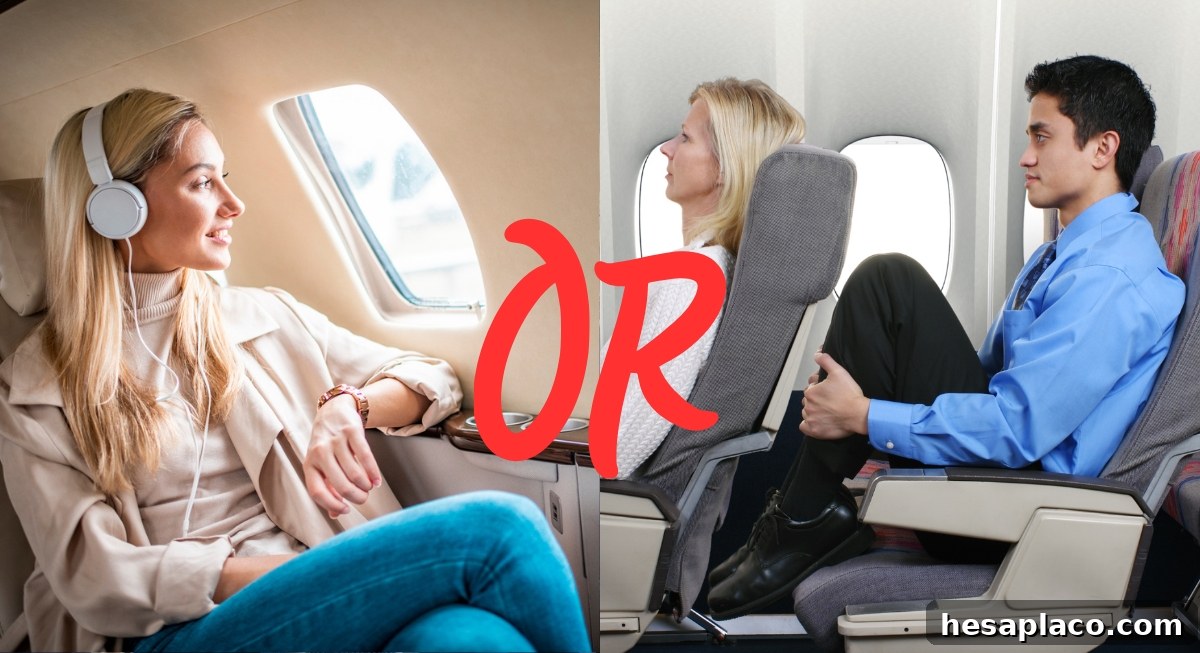
Flying doesn’t have to be stressful, but for many travelers it often is. Economy class keeps costs down, yet comfort and convenience suffer. First class promises more space, better service and extra perks—but it comes at a premium. Below is a clear look at what that extra cost actually provides and when it’s likely to be worth it.
Seats Offer Noticeably More Room to Breathe
Credit: Canva
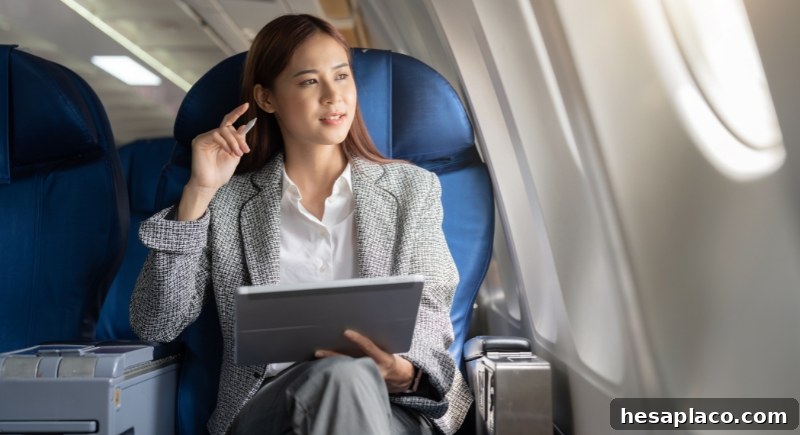
First class seats provide significantly more space than economy: wider seats, more legroom and generally greater recline. On long-haul flights, many first-class cabins include lie-flat beds that transform how well you can rest in the air. Economy seats, particularly on international routes, can feel cramped and restrictive for extended travel.
Meals Go Beyond the Tray Table Standard
Credit: Getty Images
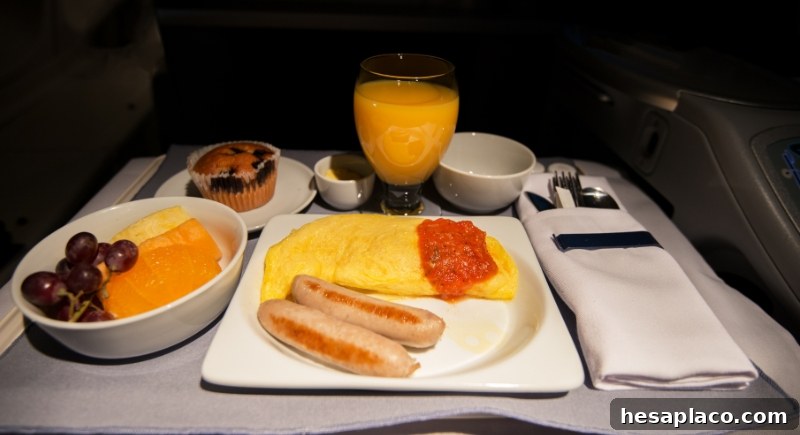
In first class you typically receive a multi-course meal presented on real tableware, often with metal cutlery, a cloth napkin and a printed menu. Entrees are served hot and plated with care, salads have texture and the dessert is a proper finish—far removed from the foil-wrapped trays common in economy.
Baggage Fees Add Up Fast in Economy
Credit: pexels
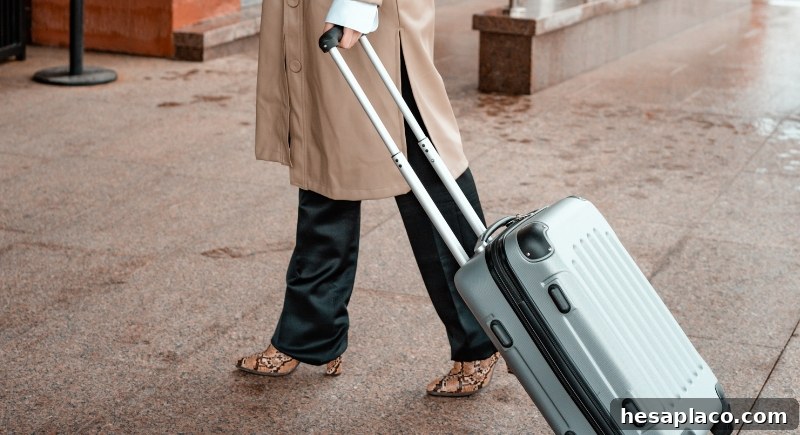
First class fares frequently include two checked bags, which can produce substantial savings for travelers with more than a carry-on. Many economy tickets only allow a single personal item unless you pay extra; checked baggage fees can exceed $100 round-trip for one bag and rise for additional pieces.
Cabin Service Operates at a Slower Pace in Economy
Credit: Getty Images
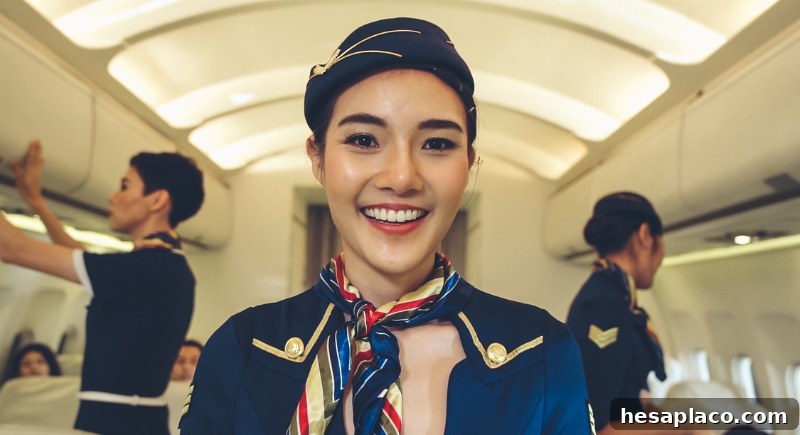
Flight attendants in economy manage larger groups of passengers, which limits how quickly they can respond to individual requests. In first class, crew members serve fewer people, so drinks arrive sooner, meal service is more attentive and requests are usually handled with greater speed.
Airport Lounges Can Change the Entire Day

Credit: Canva
Access to an airline lounge alters the whole airport experience. Instead of standing at a crowded gate, you can relax in comfortable seating, enjoy higher-quality food and drinks, use reliable Wi-Fi to work, and sometimes access showers or staff assistance for rebooking delayed flights. That calm, productive environment can make a long travel day far more manageable.
The Boarding Process Moves Faster in First Class
Credit: Canva
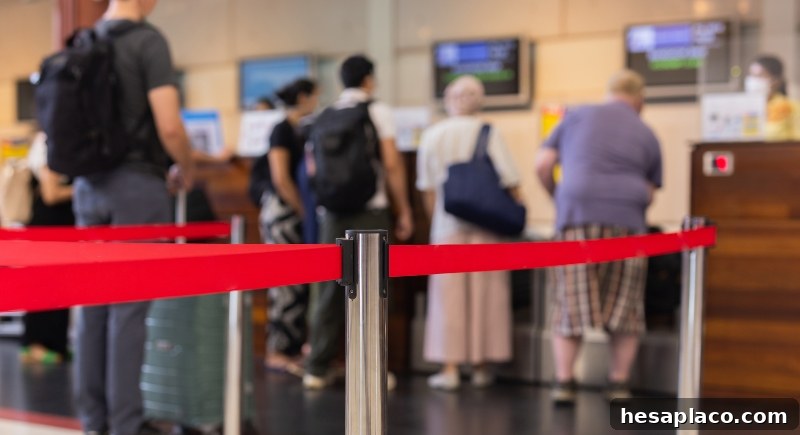
Early boarding privileges let first-class passengers stow luggage without fighting for overhead space and settle in calmly. That extra time to organize carry-ons, adjust seating and get comfortable reduces stress and avoids the rushed feeling common during general boarding.
Entertainment Options Are Up-to-Date
Credit: Getty Images
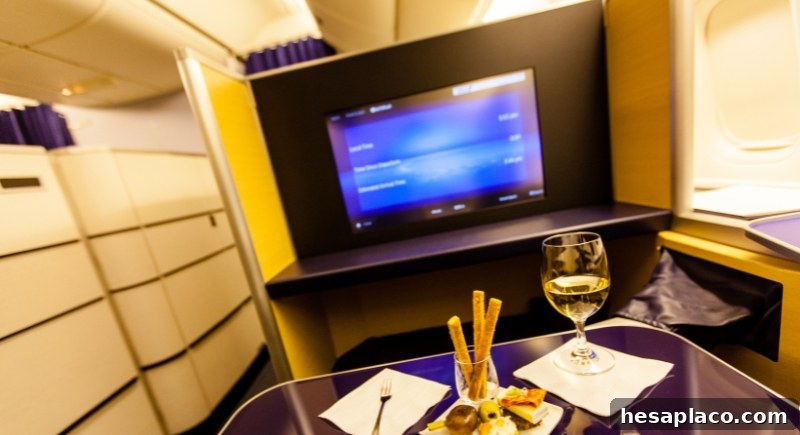
First class generally offers larger, higher-resolution screens, better headphones and quicker touch responsiveness, making in-flight entertainment more enjoyable. Some seats also include complimentary Wi-Fi and expanded content libraries, helping the time pass more pleasantly.
First Class Reduces the Chaos of Deplaning
Credit: Canva
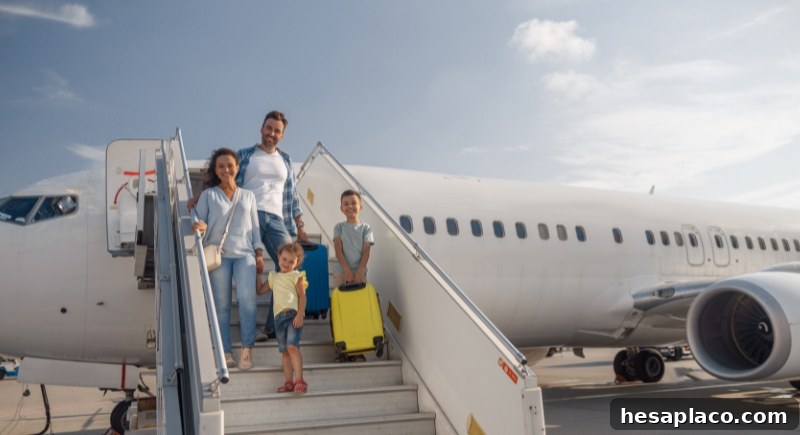
Deplaning from first class is faster because passengers at the front exit before the main cabin. Quicker exit times help reduce wait times and can make tight connections less stressful. In contrast, economy deplaning often takes 20 minutes or more depending on aircraft layout and seating location.
Unexpected Delays Feel Less Draining Up Front

Credit: Canva
Delays are an unavoidable part of flying, but where you wait matters. A quieter, roomier cabin with attentive crew and easier access to food and drinks reduces the fatigue of being stuck on the tarmac or waiting at the gate. First-class accommodations provide a buffer against the discomfort of delays.
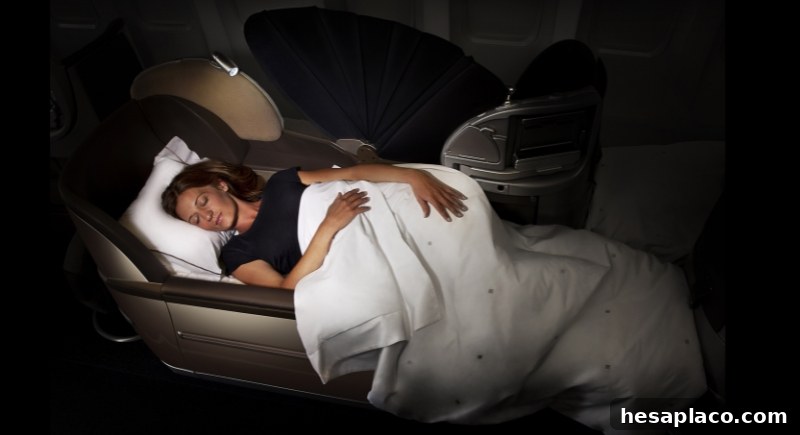
The Difference in Sleep Quality Is Hard to Ignore
Credit: Wikimedia Commons
Fully reclining or lie-flat seats on international flights make a meaningful difference in rest quality. There’s room to stretch and use provided bedding kits, so sleep comes easier than in an upright economy seat squeezed between other passengers.
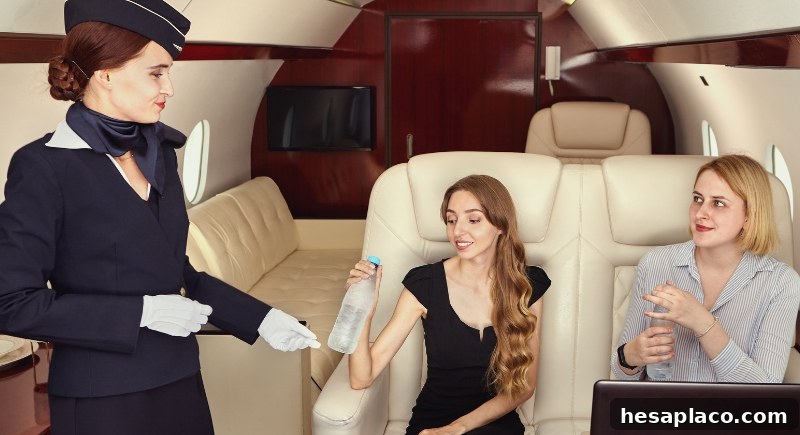
Special Requests Are Handled With Less Friction
Credit: Getty Images
Need an alternate meal, an extra blanket or help adjusting your seat? In a smaller first-class cabin these requests are usually addressed promptly. When the main cabin is crowded, even straightforward requests can take longer or be overlooked.
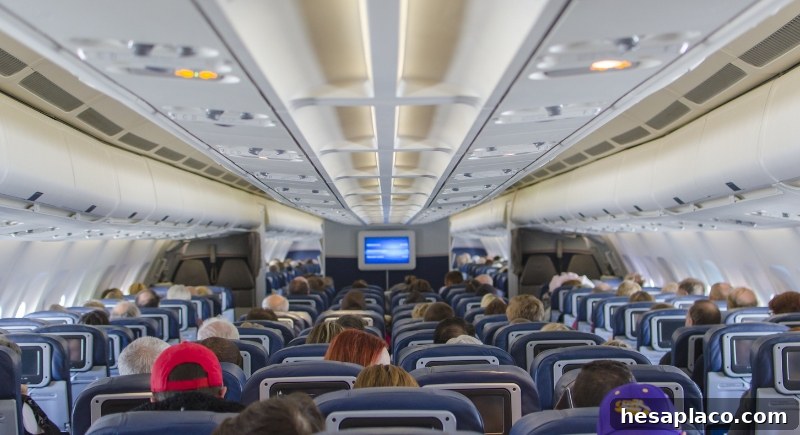
Domestic Routes Offer Smaller Differences Than International Ones
Credit: pixabay
On domestic U.S. flights, the gap between economy and first class is often smaller. Expect a larger seat, nicer snacks and expedited boarding, but not the lie-flat beds or gourmet meals common on long-haul international services. For short hops, the price difference may not justify an upgrade unless it’s inexpensive or you’re using points.
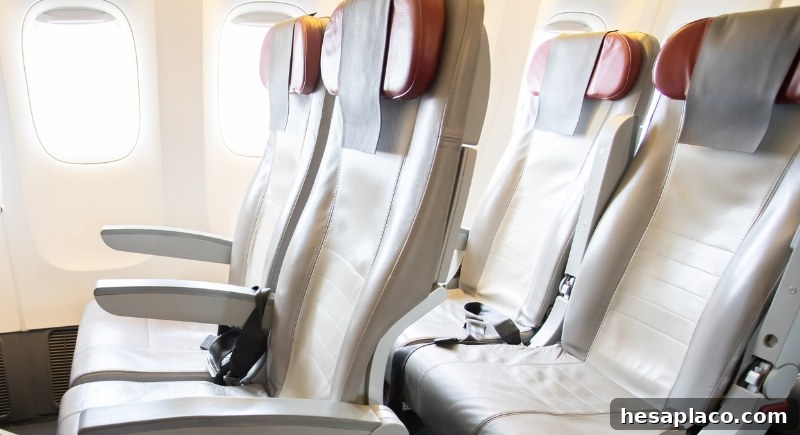
Perks May Still Be Missing on Some Flights
Credit: Getty Images
Not every premium seat includes every expected perk. Some airlines reduced certain services during the pandemic and have not fully reinstated them on all routes. If you’re paying for a premium experience, confirm what’s included ahead of time to avoid disappointment.
Using Miles Reduces the Cost of an Upgrade

Credit: Getty Images
Frequent flyer miles and credit card points can often be redeemed for seat upgrades at booking or check-in, depending on availability. Some airlines also sell last-minute upgrades at reduced rates if first class isn’t full. For point collectors, these options make premium travel more attainable than paying the full fare.
Some Routes Just Don’t Justify the Upgrade
Credit: Canva
Short flights under two hours rarely benefit from first-class upgrades. On brief trips there’s often barely enough time for beverage service, and the difference in comfort is minimal on small aircraft. If your flight is nonstop, short and you can tolerate limited legroom, economy is often the more practical choice.