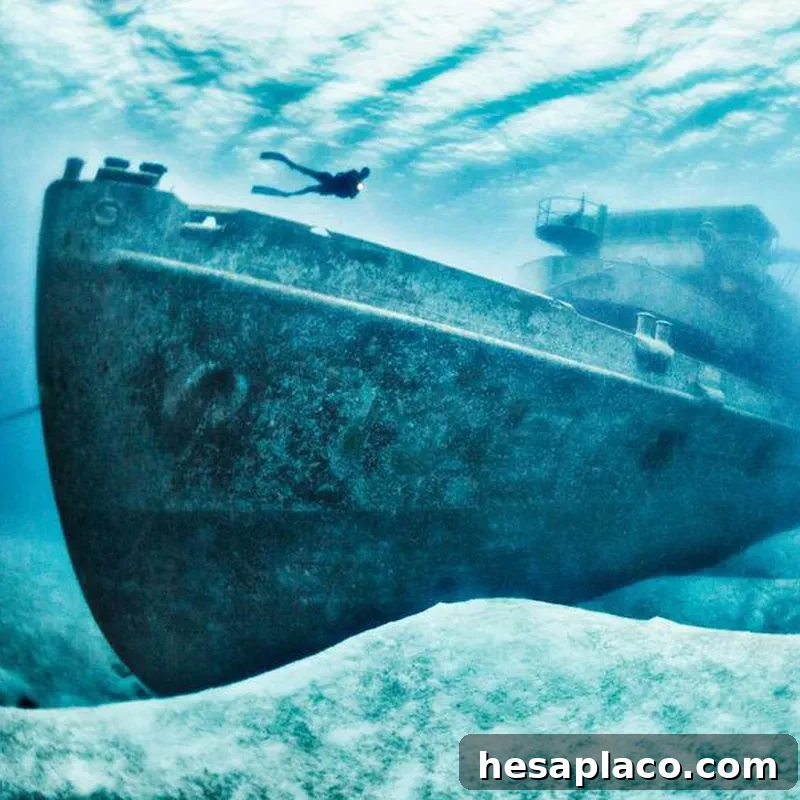
History’s Most Valuable Shipwrecks and Lost Treasures Still Beneath the Sea
Since humans first began sailing across oceans, ships loaded with gold, silver, jewels, coins, trade goods and priceless artifacts have disappeared beneath the waves. Some famous shipwreck treasures have been recovered, but many historic wrecks remain lost, hidden in deep water, buried under sand or protected by law.
These valuable shipwrecks never reached their destinations. Some were destroyed by storms, others by war, fire or collision. Their stories continue to fascinate historians, treasure hunters and maritime archaeologists because, in many cases, part of their cargo may still be waiting on the ocean floor.
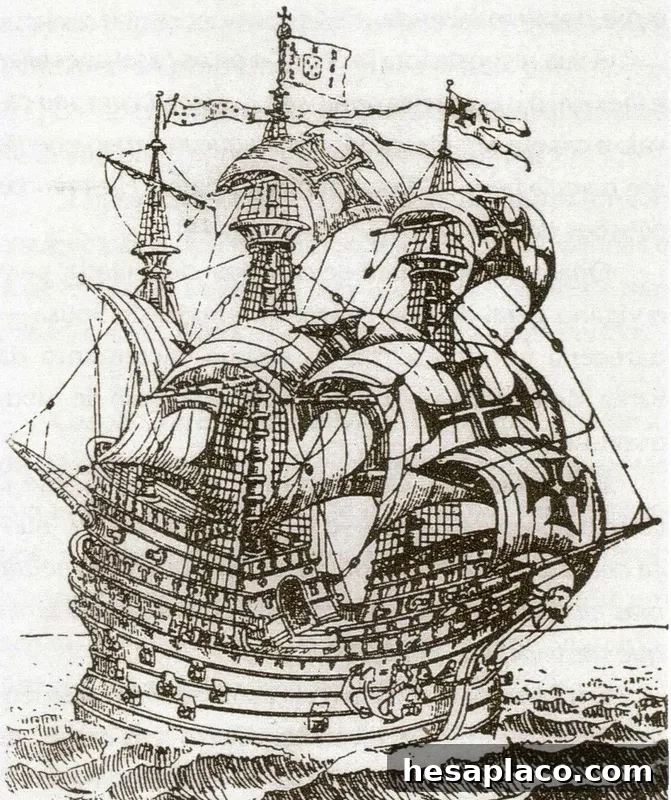
Flor de la Mar
Wikipedia
Year sank: 1511
The Flor de la Mar was a Portuguese carrack that sank during a storm off the coast of Sumatra, Indonesia. At the time, it was carrying loot taken from Malacca, which had recently been captured by the Portuguese.
The ship’s exact location remains unknown. When it went down, around 400 men were lost with it. The cargo is believed to have included precious gems, gold and other riches from one of the most important trading centers in Southeast Asia.
Efforts to find the wreck have long been surrounded by controversy. Portugal, Indonesia and Malaysia have all been associated with claims over possible salvage rights. That is not surprising, since the lost treasure has been estimated by some sources to be worth about $3 billion today.
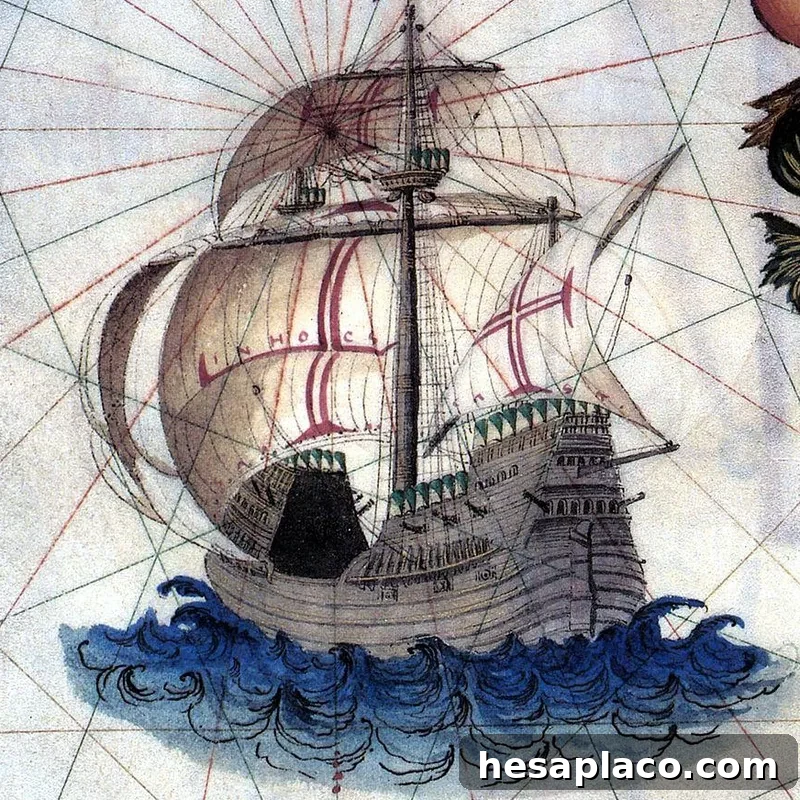
Cinco Chagas
Wikipedia
Year sank: 1594
The Portuguese carrack Cinco Chagas was said to have carried an enormous cargo of treasure when it was destroyed during the Anglo-Spanish War. Reports describe the ship as heavily loaded, with valuable goods and treasure chests aboard.
The vessel had made its maiden voyage only a year earlier, but its fate was already troubled. It left Goa, India, overloaded, and by the time it reached Mozambique, the ship was reportedly in poor condition. In June 1594, during the Battle of Faial Island, it caught fire and sank.
The wreckage is believed to lie off the coast of the Azores. According to accounts, two dozen treasure chests filled with diamonds, rubies and pearls may have gone down with the ship and remain unrecovered.
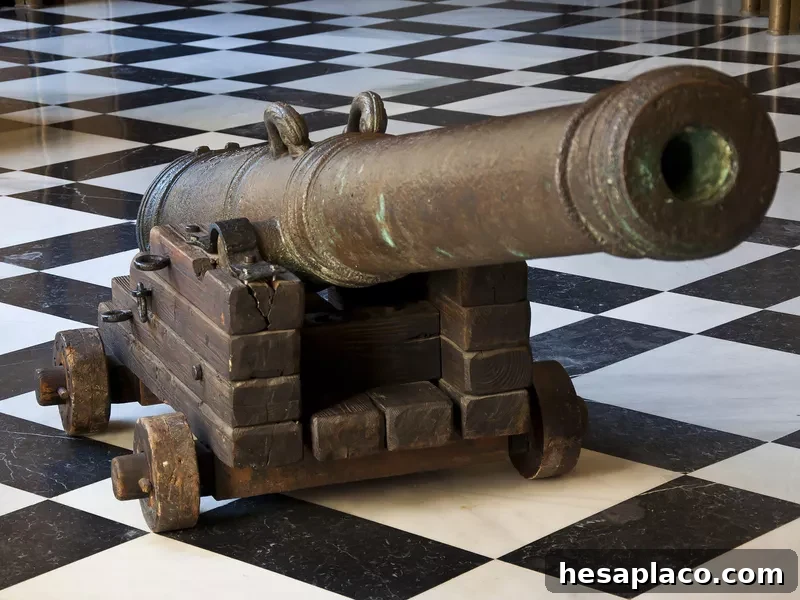
Nuestra Señora de Atocha
Paul Hermans (CC BY-SA 3.0) / Wikipedia
Year sank: 1622
The Nuestra Señora de Atocha was a Spanish galleon that sank off the coast of Florida. It formed part of a 28-ship fleet carrying treasure from the New World back to Spain. On September 4, 1622, the fleet was struck by a hurricane. Many vessels were damaged, and several sank.
The Atocha carried a rich cargo that included gold, silver, precious gems, tobacco, indigo and other valuable goods. The wreck became one of the most famous treasure shipwrecks in history after it was discovered in 1985 by treasure hunter Mel Fisher.
A large portion of the treasure has been recovered, but not everything was found. Some of the Atocha’s cargo is still believed to remain lost at sea, keeping the story of this Spanish galleon alive among shipwreck enthusiasts.
Merchant Royal
Wikipedia
Year sank: 1641
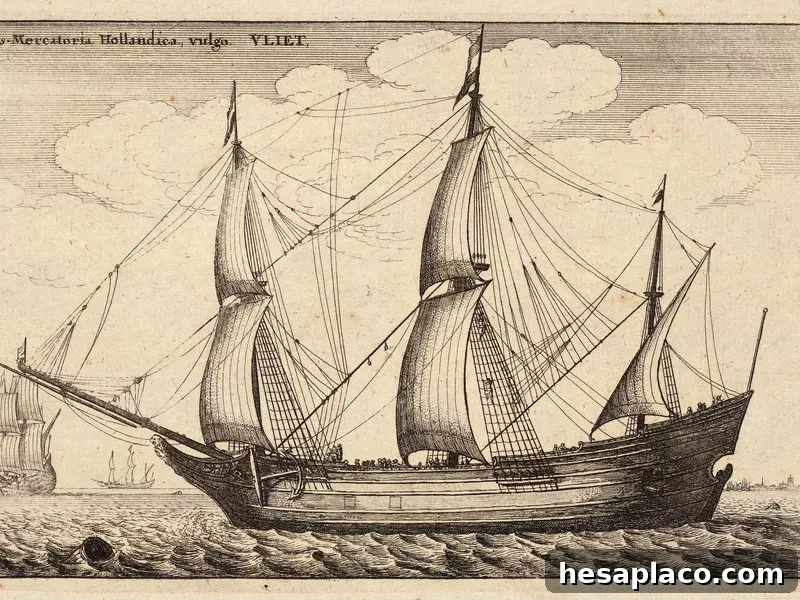
The Merchant Royal was a British merchant ship that sank off the coast of Cornwall, England, after encountering severe weather. The crew and passengers survived, but the ship itself was lost along with its valuable cargo.
Its hold is believed to have contained gold, silver and other precious commodities. The cargo has often been described as one of the most valuable ever lost at sea, although its exact value remains uncertain.
Over the years, several attempts have been made to locate and salvage the wreck, but the Merchant Royal has not been definitively recovered. Its missing treasure continues to make it one of the most sought-after shipwrecks in the world.
Le Griffon
Wikipedia
Year sank: 1679
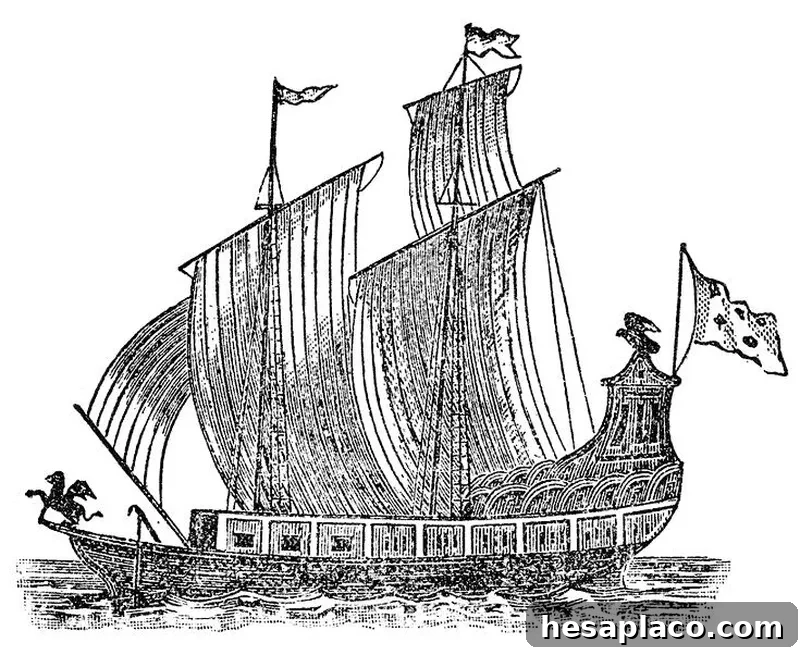
Le Griffon, also known as the Griffin, is often called the “Holy Grail” of Great Lakes shipwrecks. It was the first sailing ship to travel across the Great Lakes and was built and owned by René-Robert Cavelier, Sieur de La Salle.
The ship sailed from the Niagara River to Lake Ontario, passed through Lake Erie and continued toward Lake Huron. It was near Lake Michigan when disaster struck. The crew of six was carrying a cargo of furs and intended to reach Mackinac Island, but the ship never arrived.
Stories about its disappearance vary. Some accounts say Native Americans warned the crew not to sail toward Michigan because of high winds from an approaching storm, but the warning was ignored. Other theories suggest mutiny, theft of the cargo and deliberate scuttling, although none has been proven.
Many treasure hunters and maritime historians have claimed to have found Le Griffon, but its true location remains unknown.
The Spanish Treasure Fleet of 1715

Wikipedia
Year sank: 1715
The Spanish Treasure Fleet of 1715 was a convoy carrying valuable cargo from the New World to Spain. Its ships transported gold, silver and other precious items across the Atlantic, following one of the most important trade routes of the Spanish Empire.
In July 1715, a powerful hurricane struck the fleet off the east coast of Florida. Most of the 11 ships in the convoy sank, turning the disaster into one of the most famous treasure losses in maritime history.
More than 1,000 people died, and the lost cargo has been estimated to be worth more than $400 million in modern currency. Some treasure from the fleet has been salvaged, but much of it is still believed to lie beneath the sea.
Whydah Gally
jjsala (CC BY 2.0) / Wikipedia
Year sank: 1717
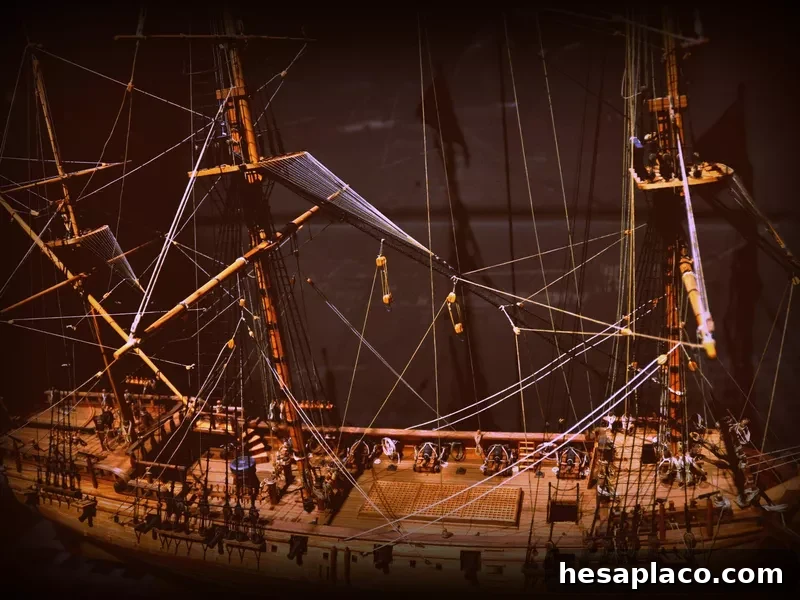
The Whydah Gally was a pirate ship that sank off the coast of Cape Cod, Massachusetts. It was carrying a large amount of treasure, including gold and silver coins, when it was lost.
On April 26, 1717, the ship was caught in a powerful storm. It struck a sandbar and began to break apart. Some crew members reached shore, but much of the pirate treasure was lost in the wreck.
The Whydah was discovered in 1984 by underwater explorer Barry Clifford. Since then, many artifacts and some treasure have been recovered from the site. Even so, part of the wreck and its cargo remains underwater, making it one of the most compelling pirate shipwreck stories ever documented.
Beatrice
Strassberger, B (CC BY-SA 2.5) / Wikipedia
Year sank: 1838
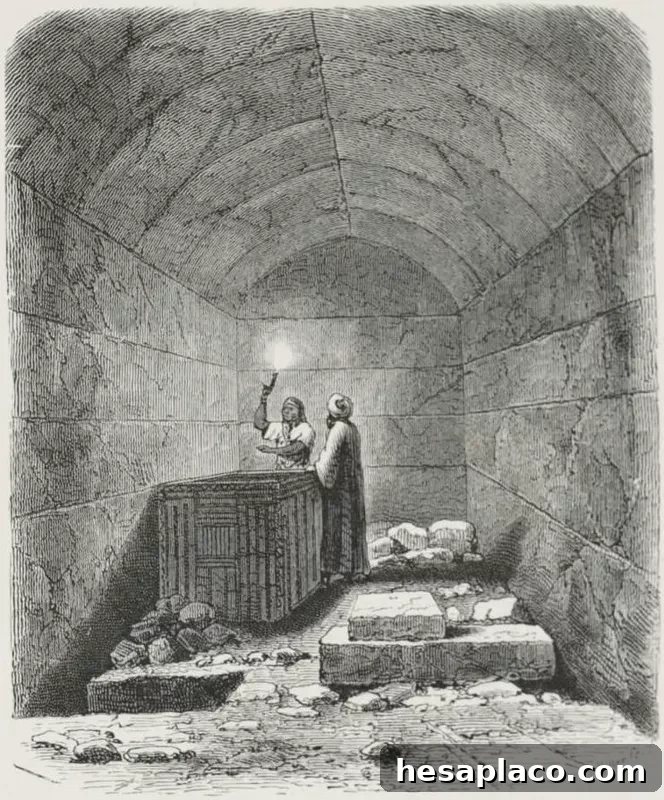
Menkaure’s sarcophagus was discovered in 1837. It belonged to Pharaoh Menkaure, the builder of the third pyramid of Giza.
The ancient sarcophagus was being transported to the British Museum in London when the ship carrying it, the Beatrice, sank in a storm after leaving Malta.
Despite several attempts over the years to locate and recover the sarcophagus, it has never been found. Its loss remains one of the most unusual examples of an archaeological treasure disappearing at sea.
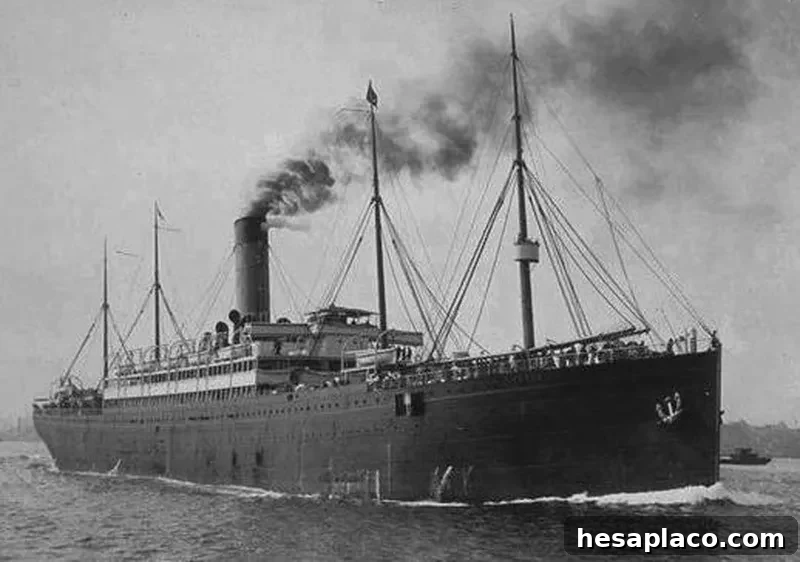
RMS Republic
Wikipedia
Year sank: 1909
The RMS Republic was an ocean liner that sank off the coast of Nantucket, Massachusetts. It was involved in a collision with the SS Florida, a smaller coastal steamship, during thick fog. Fortunately, the collision itself caused no fatalities.
The ship is believed to have been carrying gold, other precious metals, cash and securities. The total value of the cargo has been described as well over $100 million in today’s money.
In 1981, the salvage company Marex recovered a small amount of gold and other artifacts from the wreck. However, most of the reported treasure remains missing, keeping the RMS Republic among the most valuable lost shipwrecks still associated with unrecovered cargo.
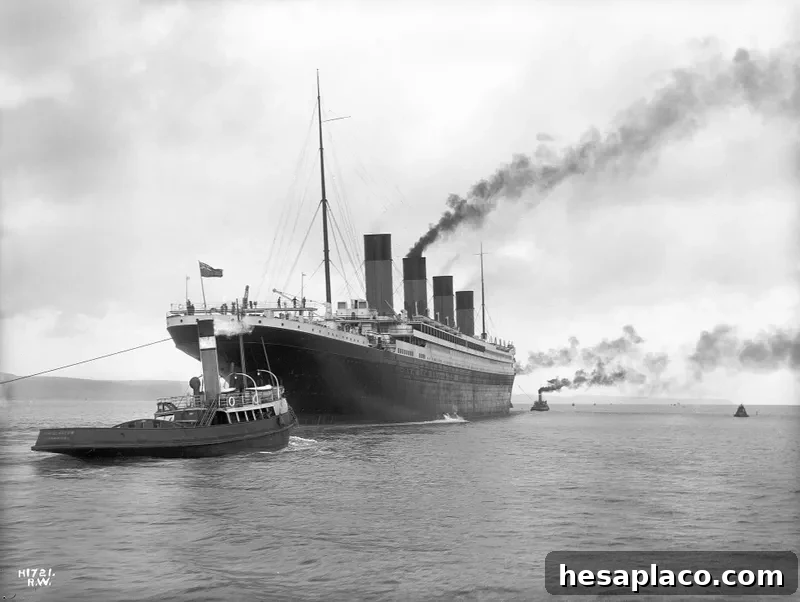
Titanic
Wikipedia
Year sank: 1912
The Titanic is one of the most famous shipwrecks in history. Many objects have been retrieved from the wreck site over the years, but a great number of personal belongings and valuables went down with the ship and have never been recovered.
Further exploration of the site is highly regulated. In 2001, UNESCO declared the Titanic a protected site, meaning unauthorized treasure hunters and looters can face prosecution for disturbing the wreck.
Valuable items said to have been lost include a jewel-encrusted copy of “The Rubáiyát of Omar Khayyam,” an 11th-century book of poetry, a 1912 Renault Type CB Coupe De Ville, five Steinway grand pianos and countless pieces of jewelry owned by first-class passengers.
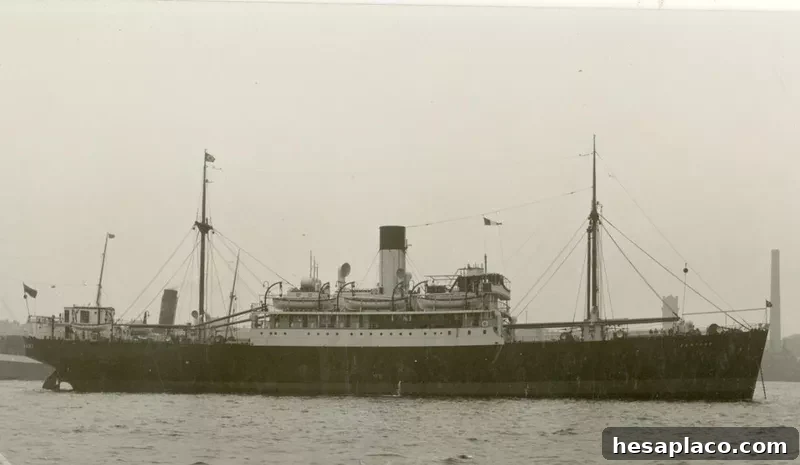
SS City of Cairo
Wikipedia
Year sank: 1942
The British merchant ship SS City of Cairo was traveling from Bombay, India, to the United Kingdom via Cape Town, South Africa, during World War II when it was struck by a torpedo from a German U-boat. The ship sank in the South Atlantic, about 480 miles off the coast of St. Helena.
Its cargo reportedly included 100 tons of silver, more than 2,000 gold bars and other valuable items such as diamonds, rubies and sapphires. The precious cargo was being transported to Britain to help support the war effort.
Several attempts have been made to recover the lost treasure. In the 1950s, a salvage company called Deep Sea Salvage recovered some silver from the wreck, but much of the treasure remains lost at sea.