
The holiday season is approaching: parties, family gatherings, a flurry of shopping — and often, a lot of stress.
Although the season is meant for celebrating, many people find their enjoyment overshadowed by the rush to buy gifts and the pressure of sticking to a budget. In fact, holiday shopping is frequently cited as more stressful than traveling or dealing with extended family.
The shopping season also seems to stretch longer each year, making bargain hunting feel like a part-time job. Retailers put up decorations earlier, and more than a third of shoppers begin buying gifts well before Thanksgiving. That extended season can leave less time to relax and more opportunities to overspend.
To keep the holidays joyful instead of hectic, plan ahead and avoid common shopping mistakes. Below are practical tips to help you shop smarter, save money, and reduce stress this season.
Failing to Set a Budget

Holiday expenses add up quickly: gifts, cards, decorations, travel, and small incidentals like wrapping supplies. Without a clear budget, November and December credit card statements can be shocking.
Decide how much you can reasonably set aside for the season, create a budget, and commit to it. Make a comprehensive list of all holiday-related spending — not just gifts, but also travel, food, decorations, and small items like napkins or stocking stuffers. If you find you’re exceeding the budget, trim the list: you don’t have to buy something for everyone, and a heartfelt card can be just as meaningful as a purchased item.
Doing All Your Shopping at the Mall

Browsing stores can spark gift ideas, but crowded malls, long lines, and stressed shoppers can turn an outing into a headache. To avoid the chaos, do most of your shopping online. Look for retailers offering free shipping to avoid unexpected costs that wipe out any savings you thought you found. Many stores offer free shipping as a holiday incentive.
If you shop frequently online, consider a short-term membership to a service that includes free shipping — you can always cancel later if it doesn’t make sense year-round.
Overlooking Handmade Gifts

Handmade gifts can be more personal and budget-friendly. You don’t need advanced crafting skills to make items such as bath salts, baked treats, or simple ornaments. Look for easy DIY ideas on craft sites and marketplaces for inspiration.
Taking a class to learn a new skill — like soap making or home brewing — can also be a memorable gift idea and a way to save money compared with buying lots of store-bought presents.
Charging Everything to Credit Cards

Credit cards can be convenient, but relying on them for all holiday expenses can lead to significant debt. To better control spending, use cash or a debit card for some purchases — this helps curb impulse buys and keeps you aware of how much you’ve spent.
If you use credit cards, take advantage of rewards programs, especially cash-back options, and pay balances promptly to avoid high interest charges.
Waiting Until the Last Minute
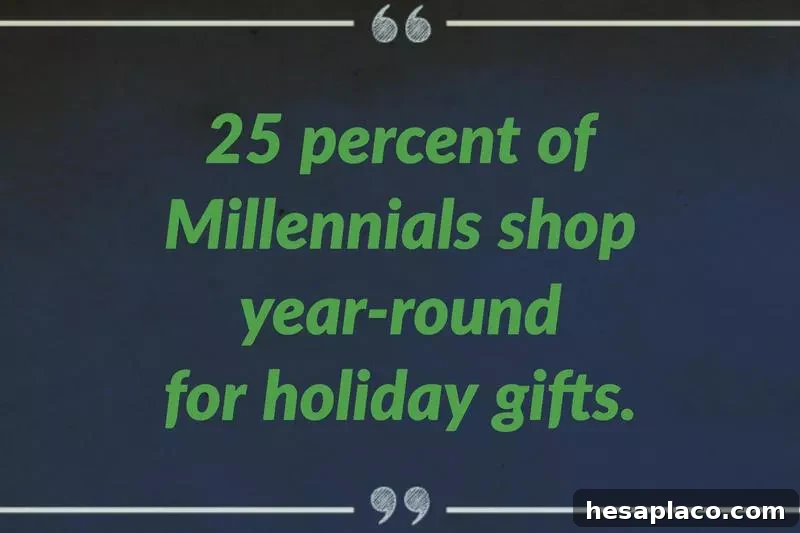
Prices and shipping costs tend to rise as the holidays approach. Starting early can secure better prices and reduce stress. Many shoppers — especially younger generations — now begin their holiday shopping well before the traditional Black Friday window, with some people buying gifts year-round or focusing on purchases in September through November.
Not Making a Detailed List

A clear, detailed list prevents last-minute runs to the store and cuts stress. Include everyone you plan to buy for — family, friends, teachers, coworkers — and track what you’ve already purchased for each person. Cross items off as you go so you don’t double-buy or forget anyone.
Falling for Black Friday Hype

Black Friday and Cyber Monday can offer strong deals, but many retailers launch promotions earlier and extend sales. Shopping ahead of time and watching for deals in advance often yields better choices and fewer impulse purchases. Avoiding the frenzy also means you can skip the crowded stores and early lines.
Being Unable to Say No

Parents often feel pressure to fulfill every gift request, but setting limits is healthy. Children can learn that they won’t always get everything they want and that the holidays are about more than material items. Simple shared experiences — baking, building a gingerbread house, or going ice skating — often create more lasting memories than another toy.
Failing to Track Spending

After setting a budget, track every holiday expense. Use a spreadsheet or budgeting app to log gifts, travel, food, and small purchases. Separating funds for gifts and charitable donations into distinct accounts can make it easier to manage cash flow and avoid surprises.
One practical approach is to deposit a fixed amount into dedicated holiday accounts each month; when you spend, check the balance and reimburse your checking account if needed. This discipline helps keep spending aligned with your plan.
Skipping Price Comparison

Once you know what to buy, compare prices across retailers to find the best deals. Online shopping makes it easy to check multiple stores quickly, but even for in-store purchases, check for coupons and discounts beforehand. Use comparison tools and coupon resources to ensure you’re getting the best price for the items you want.
Overlooking Online Scams

The holiday shopping season is a prime time for scams. Watch for fake websites, phishing emails, fraudulent charities, bogus shipping notices, and suspicious “free” offers. If a deal seems too good to be true, it likely is.
Protect yourself by using strong, unique passwords stored in a password manager, enabling two-factor authentication when available, and avoiding clicks on links or attachments from unknown senders. Regularly review your credit reports and account activity to spot unauthorized transactions quickly.
Letting Stress Spoil the Season

Don’t let shopping overwhelm the joy of the holidays. Take time for yourself to relax — a warm drink, unplugging from screens, or enjoying a favorite book can help you recharge. If cutting back on purchases reduces stress, consider it a worthwhile trade-off for better health and a healthier bank account.
Some families choose to forgo gift exchanges and focus on shared experiences instead. It can be a meaningful shift: while presents are quickly forgotten, memories of time spent together often last a lifetime.