
Blockbuster Video dominated home entertainment in 2000. With thousands of stores across the United States, a Friday night trip to rent a movie was a ritual for many households. At the same time, Netflix was a fledgling, unprofitable startup run by Reed Hastings and Marc Randolph, sending DVDs through the mail to customers frustrated by late fees. Struggling to survive, the founders offered to sell Netflix to Blockbuster for $50 million. Blockbuster CEO John Antioco dismissed the offer, viewing Netflix as just another dot-com curiosity that would fade away.
That decision is now regarded as one of the most costly strategic missteps in recent business history. While the dot-com bubble did burst soon after, Blockbuster’s commitment to its physical retail model prevented it from responding effectively to changing customer preferences. Netflix focused relentlessly on convenience: eliminating late fees, introducing a flat monthly subscription, and simplifying how people accessed movies from home. By 2005, Blockbuster felt the pressure and launched its own mail-based service, but it was already behind the curve.
Comfort Became the Enemy

Image via Wikimedia Commons/Ben Schumin
Netflix’s ambitions didn’t stop at mailing DVDs. In 2007 the company launched streaming, a shift that fundamentally changed how audiences consumed entertainment. Streaming offered instant access and unmatched convenience—qualities consumers embraced immediately. Blockbuster responded with “Total Access,” a hybrid program combining mail and in-store rentals that briefly gained attention. However, internal power struggles, poor financial decisions, and an inability to pivot the company’s core operations undermined those efforts.
Meanwhile, Netflix invested in technology—refining recommendation algorithms, building robust infrastructure, and aligning its strategy with an increasingly digital world. As internet speeds improved and consumer behavior shifted toward on-demand viewing, streaming became the dominant model. Blockbuster’s dependence on late fees—reportedly generating roughly $800 million annually at one point—created resistance to the changes customers wanted. When Blockbuster finally announced the removal of late fees in 2005, the implementation and communication were mishandled, confusing and alienating customers instead of winning them back. Alternative services such as Redbox and iTunes, and ultimately Netflix itself, captured market share Blockbuster had neglected.
By 2010 Netflix had grown to more than 20 million subscribers and reported $2.16 billion in revenue. That same year Blockbuster filed for bankruptcy and began closing thousands of locations, a dramatic reversal from its former ubiquity.
One Laughed and the Other Listened
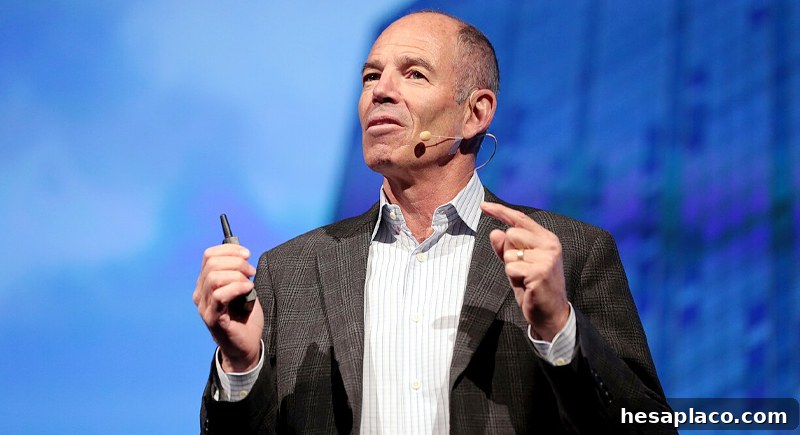
Image via Wikimedia Commons/Gage Skidmore
Marc Randolph has frequently retold the story of Blockbuster executives laughing the founders out of the meeting. For Randolph, the episode highlights what can happen when leaders stop listening—to customers, to market signals, and to disruptive ideas. Harvard professor Clayton Christensen later labeled Netflix a “disruptive innovator”: it began by serving a niche market and gradually moved into the mainstream as its model improved and scaled. Netflix continually adapted as technology advanced; Blockbuster remained anchored in a business model that had once been wildly successful but no longer matched consumer expectations.
Today Netflix is a global entertainment giant with a market value measured in the hundreds of billions and a portfolio that includes many of the world’s most-watched original series and films. Blockbuster’s legacy largely survives as a single nostalgic store in Oregon and as a cautionary tale for executives. The outcome underscores a clear lesson: companies that embrace change and listen to shifting customer needs stand a far better chance of thriving than those that cling to comfort and ignore disruption.