Coca-Cola has been a household name for over a century, but in recent years the brand has faced a clear shift in the U.S. beverage market. With growing health awareness and a surge of new drink options, Coca-Cola no longer dominates the soft drink category the way it once did. Younger consumers increasingly favor sparkling waters, functional beverages, and lower-sugar alternatives over traditional sodas.
Still, Coca-Cola is actively pursuing strategies to regain market share in the United States by blending nostalgia, product innovation, and high-profile partnerships.
The Soda Shift
American tastes have changed. A Coca-Cola used to be a near-universal staple at backyard barbecues, movies, and family gatherings, but soda consumption has declined as people become more conscious of sugar’s link to obesity and other health issues. Shelf space once dominated by cola is now shared with brands like La Croix, Bubly, and other sparkling water options, while health-minded consumers seek beverages with better nutritional profiles.
At the same time, energy drinks have captured a sizable portion of the soft drink audience. Established names like Red Bull and Monster remain popular, and newer entrants such as Celsius have found traction by aligning with fitness and active lifestyles. These changing preferences have forced Coca-Cola to rethink how it competes for consumers’ attention.
A New Focus on Healthier Alternatives
Image via Wikipedia/Laffy4k
To address changing tastes, Coca-Cola has expanded into waters, juices, and functional beverages including protein-rich options. A notable move came in 2020 with the acquisition of Fairlife, a dairy brand known for higher-protein, lower-sugar, lactose-free milk. Coca-Cola’s investment in Fairlife reflects a strategic push into products that meet growing consumer demand for healthier, functional nutrition.
Fairlife has been a strong performer, driven by consumer interest in high-protein and lower-sugar choices. The brand’s presence in convenience channels and gym markets—where products like Core Power are popular—demonstrates how Coca-Cola is leveraging acquisitions to diversify beyond traditional carbonated soft drinks.
Bigger Moves
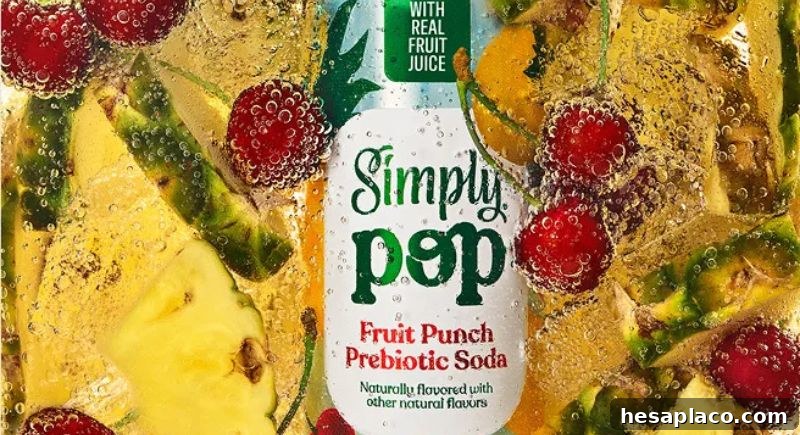
Image via Coca-Cola
Coca-Cola has also introduced new beverage concepts aimed at capturing a younger generation. In 2025 the company launched Simply Pop, a prebiotic soda that blends fruit juice with digestive benefits—an example of how the brand is combining refreshment with functional health claims. Products like these target consumers who seek both taste and perceived health advantages.
Additionally, Coca-Cola has revived nostalgic flavors such as Coca-Cola Orange Cream, evoking the classic creamsicle profile. Bringing back familiar flavors helps the brand reconnect with long-time fans while testing new or revamped offerings that may appeal to younger consumers exploring taste variety.
Leveraging Popular Culture
Image via Unsplash/Mitchell Luo
Partnering with popular franchises is another tactic Coca-Cola uses to remain culturally relevant. Limited-edition runs—such as Star Wars-themed cans and bottles—appeal to collectors and fans, creating excitement and encouraging purchases beyond everyday consumption. These collaborations build emotional connections and can drive short-term sales while reinforcing brand visibility.
Coca-Cola’s history of high-profile sponsorships in sports and major events—ranging from the NBA to global tournaments—continues to reinforce its presence in consumers’ lives and supports its marketing across diverse audiences.
A Modern Twist on the “Share a Coke” Campaign
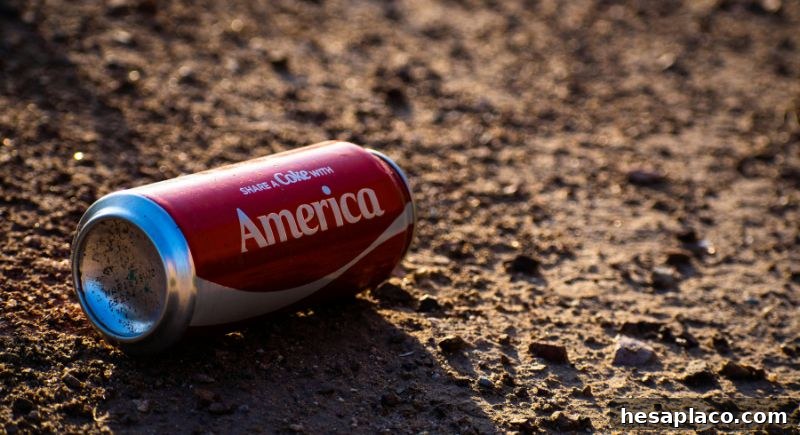
Image via Unsplash/Ernest Brillo
The “Share a Coke” campaign demonstrated Coca-Cola’s skill at creating personal connections through marketing. To appeal to Gen Z and other digitally native consumers, the brand is evolving this concept by offering enhanced customization tools that let customers design personalized cans and bottles online. This approach leverages personalization trends and social sharing to keep the brand top of mind among younger shoppers.
Coca-Cola’s Future in the U.S. Market
Faced with health-focused consumers and evolving beverage trends, Coca-Cola’s strategy of innovation, diversification, and cultural partnerships positions it to remain competitive. By investing in functional and lower-sugar products, reviving nostalgic flavors, and engaging consumers through customization and pop-culture collaborations, Coca-Cola is adapting to today’s market realities while maintaining the core elements of its iconic identity.
Whether through acquisitions, new product development, or targeted marketing, the company is making calculated moves to win back and retain consumers in a rapidly changing landscape. The coming years will show how effectively these efforts translate into regained market share and long-term relevance among younger generations seeking both flavor and healthier choices.