
With an estimated net worth of roughly $670 to $700 million, James Cameron ranks among Hollywood’s wealthiest and most successful directors. He’s also widely regarded as one of the most talented filmmakers of his generation.
Films such as The Terminator, Aliens, Avatar, and Titanic have earned billions worldwide and quickly became cultural touchstones. Avatar is the highest-grossing film of all time, a title that overtook Cameron’s own record set by Titanic — a rare feat of breaking one’s own box-office milestone.
Beyond directing, Cameron is an explorer, inventor, and passionate artist. He helped develop deep-sea exploration technology, pushes boundaries on set, and maintains a strong interest in conservation and practical engineering despite describing himself as a “high-tech luddite.”
Here are eleven notable facts about James Cameron that shed light on his life, work, and eccentricities.
He Journeyed to the Deepest Point on Earth
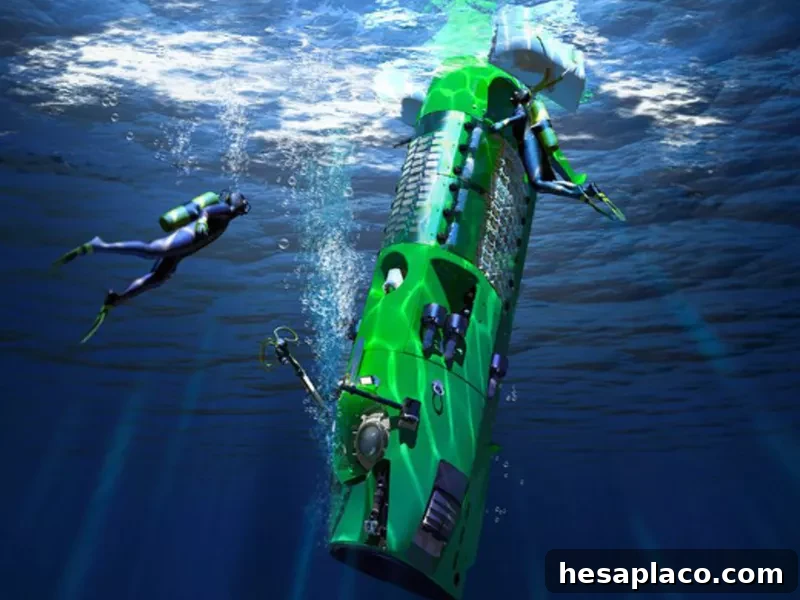
James Cameron’s Deepsea Challenger. Deepsea Challenge
In 2012, Cameron set a Guinness World Record by descending solo to the floor of the Mariana Trench, the deepest point in the world’s oceans. His dive lasted two hours and 37 minutes and reached a depth of 35,756 feet (about 6.77 miles).
He piloted the Deepsea Challenger, a submersible developed in collaboration with the National Geographic Society and other partners. Cameron reportedly invested around $10 million of his own money into the project, which involved advanced engineering such as a new form of syntactic foam, hundreds of systems, and thousands of custom circuit boards to withstand extreme pressures.
He’s One of the Highest-Grossing Directors Ever
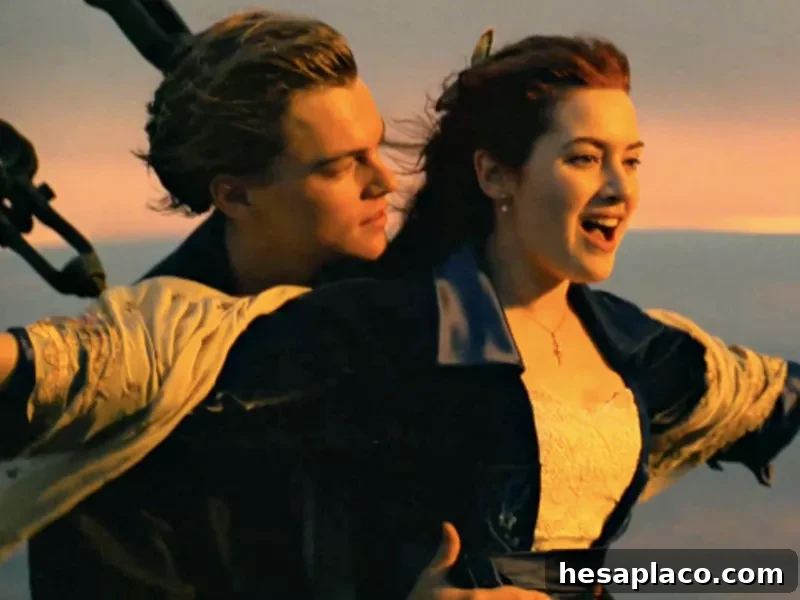
The Titanic
Avatar and Titanic together have grossed nearly $5 billion worldwide. For many years these were the only films to surpass $2 billion each. Cameron personally earned hundreds of millions from Avatar and has repeatedly shown an ability to combine spectacle with mass appeal.
His Films Have Earned Billions—About $6 Billion Total

Director James Cameron addresses the audience during the 20th Century Fox presentation at CinemaCon. Chris Pizzello / AP
Across his career, Cameron’s films have earned approximately $6.14 billion worldwide, placing him among the top-grossing directors globally. With several sequels to Avatar in development, his box-office total could climb even higher.
He Keeps Movie Memorabilia
Cameron often takes meaningful props from his films to his office. His collection reportedly includes the cyborg hand from Terminator 2, a diving helmet from The Abyss, and the ship’s wheel from Titanic. For Avatar, he joked about placing a 14-foot-tall amplified mobility platform (AMP) exosuit on his front lawn as a bold statement to the neighbors.
He’s Been Turned into an Action Figure

Toyark
Collectible company NECA announced an action figure modeled after Cameron, dressed in military fatigues and gear reminiscent of the Alien franchise. The figure includes multiple points of articulation and accessories that echo the director’s cinematic trademarks.
He Once Sold the Rights to The Terminator for $1
Early in his career, Cameron struggled to secure backing for The Terminator. To get the film made, he sold the rights for just $1 to a producer. The franchise has since become hugely profitable, a decision Cameron later called one of his regrets given the long-term success of the series.
The Terminator Idea Came from a Fever Dream

The Terminator
Cameron has described how, while ill and living in a modest hotel early in his career, he dreamed of a chrome skeleton emerging from fire and crawling toward a woman. That image inspired the original concept for The Terminator. During the script’s early circulation, various casting ideas surfaced — some more surprising in hindsight than others.
He Drew the Famous Portrait in Titanic

The Titanic
The iconic sketch of Rose in Titanic — the so-called “French girl” portrait — was drawn by Cameron himself. He added details like the initials of Jack Dawson and an in-story date. The original sketch later appeared at auction and sold for a notable sum. While the drawing is famous, the actress involved has said fans sometimes make her uncomfortable by requesting signatures on images of the nude sketch.
He Pushed Actors Hard on Underwater Shoots
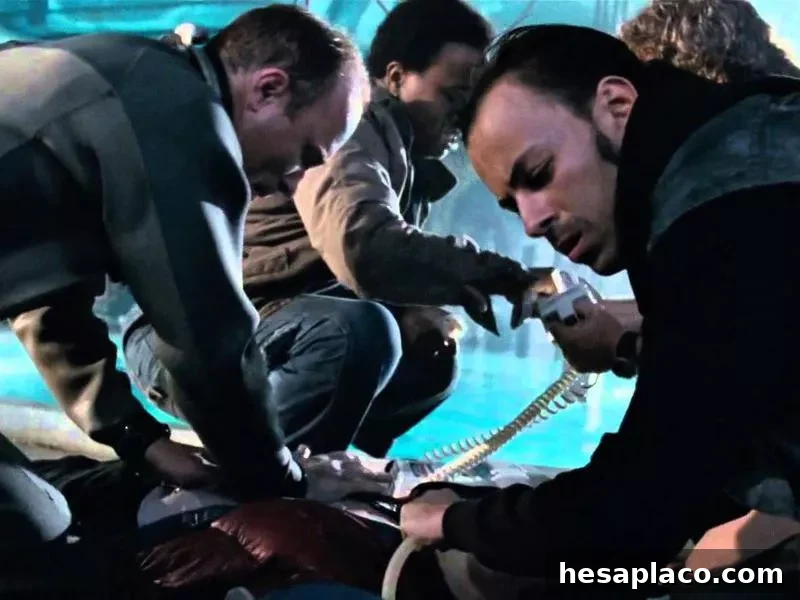
Mary Elizabeth Mastrantonio’s character drowns in The Abyss, but is revived by her husband, played by Ed Harris The Abyss
Cameron is known for demanding realism, especially in underwater sequences. While filming The Abyss, actors endured long breath-holding takes and intense conditions. One incident involving Ed Harris nearly became dangerous when a safety regulator was mishandled; the experience left cast and crew exhausted and underscored the physical risks of such ambitious filmmaking.
The Helicopter Chase in Terminator 2 Was Extremely Risky
A dramatic aerial sequence in Terminator 2, where a helicopter chases a van and flies beneath an overpass, was so perilous that a cameraman refused to shoot it. Cameron stepped in to operate the camera himself to capture the sequence. T2’s extensive practical stunts and visual effects contributed to a very high production cost for the era.
A Nature Preserve Bears His Name

Silent Hiker
Reflecting his environmental interests, Cameron sold 703 acres in Malibu to a conservation authority at a price well below his original asking amount so the land could be preserved. The area is now known as the Cameron Nature Preserve.
He Owns Land in New Zealand and Promotes the Country

New Zealand Getty Images
Cameron purchased thousands of acres of land in New Zealand and later additional farmland. He has collaborated with New Zealand’s tourism efforts to encourage visitors, highlighting the country’s scenic landscapes that have attracted many filmmakers.
He Dislikes Twitter and Values Presence

Cameron has called himself a “high-tech luddite,” expressing skepticism about social media and its effects on human attention. He has criticized platforms like Twitter for limiting meaningful expression and prefers people to be present in real life rather than absorbed by constant digital updates. He does, however, use certain devices like an iPad when they serve a practical purpose on set.
Across filmmaking, exploration, and conservation, Cameron remains a complex figure: an artist who seeks technical innovation, a demanding director who pursues realism, and a conservation-minded individual who invests both time and money into preserving wild places.